





Language Barriers in Math Learning

Teaching Math without Language
One of the most common questions in a job interview – “Tell us about your strengths and weaknesses”. But what if we flip the question to – “How did you get these strengths or work on your weaknesses?”
Do you remember if language was involved in learning any of these skills? For example, say that you are a talented artist. How did you learn to draw? Did your teachers help you, or was it videos you saw online?
Maybe, you read some books and taught yourself?
As you might have noticed, the common thread among all these methods is language. It could be your mother tongue or the one you are proficient in. Can you imagine how good you would be at drawing if your art class were in a language you were not good at?
Learning in a foreign language

In the era of globalization, you will need to learn another language at some point. You may live in a foreign country with different cultures at some point. After all, we live in a century with mass migration rates (Castles & Miller, 2009). Sound exciting, right?
Imagine a situation where you are moving to a new country with your family. In what language would you converse with your children? It would be your mother tongue. Yet, when they go to school, the language of instruction is … you guessed it – the local language. Will they be great at drawing if she does not master the language of teaching? Maybe she will not be great at drawing because it is not her thing. Of course, this is not limited to a teacher but to every field of interest.
Math Learning In a Second Language

Let’s go to our favorite subject: Mathematics.
In our previous blogs, we discussed how important math is for everyone.
What was it like for you to learn Math? Can you imagine what would happen if you were learning Math in a foreign language? Would it have been the same experience?
These kids have to work substantially harder compared to their native speaker classmates. Besides paying attention to learning math concepts, they also have to translate words and explanations.
This adds extra effort to math classes and may decrease the success rate in the math activities. Does this mean they are not good at math?
As a teacher or parent, you might have seen children getting dejected about not being good at math. More often than not, they could just be struggling with the language, not the math per se.

The problem is not limited to children with migratory backgrounds. The same is applicable for other situations, such as children with:
- Language Disorders
- Hearing Problems (Partial or complete)
- Learning Difficulties (Dyslexia, Dyscalculia, Dysgraphia etc.)
- Autism
- Down’s Syndrome
and many such cases.
Wait, but is it such a big problem?
Per a study by UNESCO, approximately 40% of the children don’t get an education in a language they understand.

One of the most crucial school subjects is mathematics. Mathematical skill level at school entry is a strong predictor of later academic achievement (Duncan & et al., 2007).
In fact, children who fall behind their peers when entering formal schooling are at a high risk of lagging in mathematics throughout schooling (Jordan, et al., 2009, Hornung, et al. 2014). How we (educators, teachers, and parents) teach children mathematics can make a big difference in their performance.
Actually, 22 to 40% of school children worldwide speak a different language at home than at school (Suárez-Orozco, 2015). Moreover, 3 to 14% have hearing problems (Chan & Chang, 2014). Using language for explanations may have so low mathematical understanding.
This can be particularly problematic if we consider the beginning of the school career, where the basis for understanding all other mathematical concepts will be formed.
In fact, 5 to 8 years may be required for the mastery of the linguistic skills. Only after that can a student effectively achieve academic pursuits in a second language (Cummins,1980). Thus, non-native speakers risk missing out on many learning opportunities due to the language barrier.

More importantly, deficits in basic mathematics are believed to remain throughout school years. The result is obvious. These kids fall behind their peers and will not likely catch up over the course of preschool (Aunio et al., 2015).
Consequently, the performance gap produced by insufficient knowledge at the beginning of formal instruction is likely to persist over the course of schooling and result in lower academic achievement (Fazio, 1999).
Teaching Math without Language
But would it be possible to teach mathematics to young children in any other way than through the use of languages? Yes! This is already possible. Not only teaching math without language but also testing children’s performance in math without the need for verbal instructions.
Two studies have shown that this is possible!
The first study by the researcher Max Greisen and colleagues (2018) implemented video and animation-based task instructions on touchscreen devices that need no verbal explanation for first graders. In this study, one group of children completed the tasks with verbal instructions, while another group received video instructions.
Their results suggest that the non-verbal instructions were generally well understood and that the absence of explicit verbal instructions did not influence task performance.
In other words, in small children, explicit verbal instructions can be replaced by videos showing successful task completion for children to understand the functioning and purpose of the numerical and mathematical tasks. This is an important result when put in the context of multilingual settings, where the language of instruction can negatively affect task performance.

The other study is the one in which second-language learners participated in an intervention with the Magrid program (see Pazouki s and Cornu’s thesis for more details). In total, 186 children participated in this study, half participating in the language-neutral mathematics training, and the other half were considered the control group.
After two school years of intervention, children who participated in the early mathematics training with Magrid performed significantly better on several measures of early mathematical abilities.
These first empirical results show that the Magrid application can be effective for all preschoolers, including second-language learners!

Wrapping Up
Let’s go back to the skill you are good at.
Have you ever tried looking for visual language-free videos to improve your drawing skill (or your handstand, yoga moves!)?
You may be surprised that you can easily improve your skill and learn different tactics with such a method. Language-free videos may facilitate the use of different teaching methods.
While your child improves her early-mathematical skills with a language-free program, you may as well try the same!
References:
- Aunio, P., Heiskari, P., Van Luit, J. E., & Vuorio, J. M. (2015). The development of early numeracy skills in kindergarten in low-, average- and high-performance groups. Journal of Early Childhood Research. https://doi.org/10.1177/1476718X14538722
- Castles S. and Miller, M.J. (2009). The Age of Migration: International Population Movements in the Modern World. (4th edition). Basingstoke: Palgrave MacMillan.
- Chan, D.K., & Chang, K.W. (2014). GJB2‐associated hearing loss: Systematic review of worldwide prevalence, genotype, and auditory phenotype. The Laryngoscope, 124.
- Cornu, V. The Spatial Road to Mathematics – from the Relation between Spatial Skills and Early Mathematics towards Interventions. Thesis defended in 2018. University of Luxembourg. https://orbilu.uni.lu/handle/10993/36674
- Cummins, J. (1980). The entry and exit fallacy in bilingual education. NABE Journal, 4(3), 25–59.
- Duncan, G. J., Dowsett, C. J., Claessens, A., Magnuson, K., Huston, A. C., Klebanov, P., Pagani, L. S., Feinstein, L., Engel, M., Brooks-Gunn, J., Sexton, H., Duckworth, K., & Japel, C. (2007). School readiness and later achievement. Developmental Psychology, 43(6), 1428–1446. https://doi.org/10.1037/0012-1649.43.6.1428
- Fazio, B. B. (1999). Arithmetic calculation, short-term memory, and language performance in children with specific language impairment: A 5-year follow-up. Journal of Speech, Language, and Hearing Research. https://doi.org/10.1044/jslhr.4202.420
- Greisen M., Hornung C., Baudson T.G., Muller C., Martin R., Schiltz C. (2018) Taking Language out of the Equation: The Assessment of Basic Math Competence Without Language . Frontiers in Psychology (9). DOI=10.3389/fpsyg.2018.01076
- Jordan, N. C., Kaplan, D., Ramineni, C., & Locuniak, M. N. (2009). Early math matters: kindergarten number competence and later mathematics outcomes. Developmental psychology, 45(3), 850–867. https://doi.org/10.1037/a0014939
- Hornung, C., Schiltz, C., Brunner, M., & Martin, R. (2014). Predicting first-grade mathematics achievement: the contributions of domain-general cognitive abilities, nonverbal number sense, and early number competence. Frontiers in psychology, 5, 272. https://doi.org/10.3389/fpsyg.2014.00272
- Pazouki, T. MaGrid – from Developing a Language-neutral Learning Application to Predictive Learning Analytics. Thesis defended in 2020. University of Luxembourg.
- Suárez-Orozco, M., & Suárez-Orozco, C. (2015). Children of immigration. Phi Delta Kappan, 97(4), 8–14. https://doi.org/10.1177/0031721715619911
Key Characteristics of Dyscalculia: A Math Learning Disability

Introduction: Understanding Dyscalculia and Its Impact
Dyscalculia is a learning disorder that severely impairs understanding of numbers and basic arithmetic, often noticed in early school years. It affects not just academic performance but also everyday tasks like telling time and counting money. Early recognition is crucial for providing the support needed to help children succeed both in school and daily life.
Defining Dyscalculia: A Math Learning Disability
Dyscalculia is classified as a math learning disability that primarily affects a person’s ability to understand numbers, perform calculations, and interpret mathematical symbols. Unlike other learning disorders, dyscalculia is specifically associated with the brain’s difficulty in processing numerical information.
This can manifest in various ways, such as trouble with basic math facts, difficulty recognizing numbers, or an inability to perform simple arithmetic. Identifying dyscalculia as a distinct learning disability is crucial for tailoring educational strategies that address these unique challenges.
Common Characteristics of Dyscalculia
Dyscalculia is marked by several key characteristics that can significantly impair a child’s ability to learn and engage with math. Common signs include difficulty understanding and applying math concepts, confusion with mathematical symbols, and a reliance on finger counting even for simple calculations.
Children with dyscalculia may also struggle to remember basic math facts and often find estimating quantities or recognizing numerical patterns challenging. These difficulties can lead to a lack of confidence in math, which may result in math anxiety, further complicating their learning process.
Recognizing these characteristics early can help educators and parents provide the support needed to address these challenges effectively.
Differentiating Dyscalculia from Other Learning Disorders
Dyscalculia is often confused with other learning disorders, such as dyslexia, due to overlapping symptoms like difficulty with sequences or symbols. However, dyscalculia is specifically related to challenges with numerical processing and math concepts, rather than reading or language.
While a child with dyslexia may struggle with reading comprehension, a child with dyscalculia will find it difficult to understand and manipulate numbers. Differentiating between these disorders is important for providing the right type of support, as each requires different educational strategies tailored to the specific challenges of the disorder.
Early Signs of Dyscalculia in School-Age Children
Identifying dyscalculia early in school-age children can be challenging, but there are key signs to watch for. Children with dyscalculia may have difficulty learning to count, recognizing numbers, or understanding basic math concepts like greater than or less than.
They may also struggle with simple arithmetic tasks, such as addition and subtraction, and often take longer than their peers to grasp these concepts. Another early sign is trouble with learning and recalling math facts, such as times tables, which are essential for progressing in math. Early detection is crucial, as it allows for timely intervention and support to help the child succeed.
Difficulty with Math Concepts and Mathematical Symbols

A significant characteristic of dyscalculia is the persistent difficulty in understanding math concepts and interpreting mathematical symbols. Children with dyscalculia often struggle with abstract concepts, such as fractions or negative numbers, which require a deeper level of cognitive processing.
They may also find it challenging to recognize and use mathematical symbols like addition, subtraction, or multiplication signs, leading to confusion and errors in problem-solving. These difficulties can severely impact a child’s ability to perform calculations and progress in their math education, making it essential to address these issues with specialized teaching methods.
Impact on Math Skills: Struggling with Basic Math Facts
Children with dyscalculia often face significant challenges in mastering basic math facts, such as multiplication tables and simple addition or subtraction. This struggle can stem from an inability to memorize or recall these facts, leading to a reliance on counting or other inefficient methods.
As a result, these children may fall behind their peers, as they require more time and effort to complete math tasks. This difficulty not only affects their performance in math but can also diminish their confidence and interest in the subject. Addressing these challenges with targeted interventions is essential to help children build a solid foundation in math.
Persistent Finger Counting and Estimating Speed
One of the telltale signs of dyscalculia is the persistent use of finger counting, even for simple math problems that children of the same age typically solve mentally. This reliance on finger counting indicates a deeper difficulty in internalizing math facts and understanding numerical relationships.
Additionally, children with dyscalculia may struggle with estimating speed, time, or quantity, which can affect everyday tasks like judging the time needed to complete an activity or estimating distances. These challenges in estimation and reliance on counting methods reflect the core issues in numerical processing that characterize dyscalculia.
Math Anxiety and Its Connection to Dyscalculia

Math anxiety is a common issue among students, but it is particularly pronounced in those with dyscalculia. The persistent difficulties in understanding math concepts and performing calculations can lead to a deep-seated fear of math. This anxiety can manifest as physical symptoms, such as sweating or a racing heart, when faced with math tasks.
For students with dyscalculia, math anxiety can create a vicious cycle: the more they struggle, the more anxious they become, and the anxiety further hinders their ability to learn and perform in math. Addressing both the cognitive and emotional aspects of dyscalculia is crucial for helping students overcome these challenges.
Dyscalculia in Everyday Tasks and Everyday Life
Dyscalculia’s impact extends beyond the classroom, affecting various aspects of everyday life. Children with dyscalculia may struggle with tasks that require basic math skills, such as telling time on an analog clock, counting money, or following directions that involve numbers. These challenges can make everyday tasks like paying bills, cooking with measurements, or even participating in games involving scores particularly difficult.
Over time, these difficulties can lead to frustration and avoidance of activities that involve numbers, further limiting the child’s ability to develop these essential life skills. Recognizing how dyscalculia impacts daily living is important for providing comprehensive support.
The Role of Brain Development and Structure in Dyscalculia
Dyscalculia is believed to be rooted in differences in brain development and structure, particularly in areas responsible for numerical processing and spatial reasoning. Research suggests that abnormalities in the parietal lobe, which plays a key role in number recognition and calculation, may contribute to the difficulties experienced by individuals with dyscalculia.
These neurological differences can affect how the brain processes and retains numerical information, leading to the characteristic struggles with math concepts and symbols. Understanding the neurological underpinnings of dyscalculia can help in developing targeted interventions that address the specific areas of the brain involved in numerical cognition.
Educational Strategies for Children with Dyscalculia

Addressing dyscalculia in the classroom requires specialized educational strategies tailored to the unique challenges these students face. Techniques such as using visual aids, manipulatives, and step-by-step instructions can help make math concepts more accessible. Additionally, incorporating technology like math apps and interactive software can provide personalized learning experiences that adapt to each child’s pace and level of understanding.
Teachers can also focus on building number sense through repeated practice and real-life applications, which helps students develop a more intuitive understanding of math. Providing a supportive and encouraging learning environment is key to helping children with dyscalculia gain confidence in their math abilities.
Diagnosing Dyscalculia: Different Tests and Medical Issues
Diagnosing dyscalculia involves a comprehensive evaluation that includes cognitive and educational assessments, as well as a review of the child’s developmental history. Various tests are used to measure a child’s numerical processing abilities, understanding of math concepts, and problem-solving skills.
Healthcare providers may also explore any underlying medical issues that could contribute to the learning difficulties, such as hearing or vision problems. Early and accurate diagnosis is essential for developing an effective intervention plan, as it helps to identify the specific areas where the child needs support and allows for targeted strategies to be implemented.
The Link Between Dyscalculia and Other Mental Health Conditions
Children with dyscalculia are at a higher risk of developing mental health issues, such as anxiety and depression, due to the frustration and low self-esteem that often accompany their struggles with math. The ongoing difficulties in understanding math concepts and performing calculations can lead to feelings of inadequacy, particularly when compared to their peers.
Over time, this can result in chronic stress, social withdrawal, and a reluctance to engage in math-related activities. Recognizing the connection between dyscalculia and mental health conditions is important for providing holistic support that addresses both the cognitive and emotional needs of the child.
Role of Parents, Teachers, and Educational Specialists

Supporting a child with dyscalculia requires collaboration among parents, teachers, and educational specialists. Parents can reinforce math skills at home, while teachers implement specialized methods and accommodations.
Educational specialists offer further support through assessments and individualized plans. Together, these efforts create a supportive network that helps the child succeed academically and emotionally.
Conclusion: Recognizing and Supporting Students with Dyscalculia
Early recognition of dyscalculia is essential for providing effective support to students struggling with math. By understanding its key characteristics, parents, teachers, and specialists can implement strategies tailored to each child’s needs, helping them build confidence and improve their math skills. Collaboration among educators, parents, and experts is vital to ensure that these children receive the right guidance to succeed both academically and in everyday tasks.
For those seeking a comprehensive tool to support children with dyscalculia, Magrid offers an innovative, research-backed approach to early math learning. Designed for children with various learning needs, Magrid helps develop foundational math skills through engaging, language-free activities. Try Magrid to give your child a stronger start in math.
Is Autism a Learning Disability? Understanding the Distinction

Introduction: Defining Autism and Learning Disabilities
Autism and learning disabilities are terms often used interchangeably, but they refer to distinct conditions. Autism spectrum disorder (ASD) is a neurodevelopmental disorder that primarily affects social skills, communication, and behavior, whereas learning disabilities relate to specific challenges in areas like reading, writing, or math.
Many parents and educators ask, “Is autism a learning disability?” The short answer is no, but autism can significantly impact a child’s learning difficulties. This article explores the relationship between autism and learning, outlining how autistic people may experience challenges that resemble or overlap with learning disabilities.
Is Autism a Learning Disability?

To answer the question, “Is autism a learning disability?”, it’s important to clarify that autism spectrum disorder (ASD) is not classified as a learning disability. Autism is a lifelong condition that affects how people process and interpret incoming information, including nonverbal cues like body language and facial expressions.
On the other hand, learning disabilities such as dyslexia primarily affect specific academic skills. However, autistic people may face learning difficulties, especially in areas like nonverbal communication, language skills, and problem solving. These difficulties can be significant, making the distinction between the two conditions blurry at times.
Understanding Autism Spectrum Disorder (ASD)

Autism spectrum disorder (ASD) encompasses a range of conditions with common characteristics, including challenges in social skills, communication, and behavior. Autistic people may struggle with interpreting social cues, such as nonverbal communication, or recognizing personal boundaries.
In addition, many experience sensory processing issues, which make it difficult to process sensory input from the environment. These challenges often lead to difficulties in school and social settings.
Importantly, while ASD itself is not a learning disability, its effect on language skills, executive function, and motor skills can influence how an autistic person learns and interacts with the world.
How Learning Disabilities Differ from Autism

While autism spectrum disorder and learning disabilities can coexist, they are not the same. A learning disability directly affects specific academic skills, such as reading (dyslexia), writing, or math, whereas autism affects broader aspects of development, like social situations and communication.
Learning disabilities share a focus on processing incoming information related to school subjects, while autism’s challenges are more pervasive, impacting problem solving and emotional dysregulation.
Children with learning disabilities often need targeted support in areas like word recognition and writing, but these challenges differ from the core issues that autistic people face.
Overlap Between Autism and Learning Disabilities
Though autism and learning disabilities are different, some autistic people also have specific learning difficulties, such as nonverbal learning disorder or dyslexia. This overlap can create complex learning profiles, where both autism and learning disorders affect a child’s educational experience.
For example, an autistic child with a nonverbal learning disorder might struggle with understanding nonverbal cues while also facing difficulty with academic tasks like reading or writing.
Recognizing the coexistence of both conditions is crucial for providing the right extra support and special education services that address both autism and specific learning disorders.
How Autism Can Affect Learning

While autism spectrum disorder is not a learning disability, it can still significantly affect how a child learns. Autistic people may struggle with tasks requiring language skills, such as reading comprehension or verbal problem-solving, because their ability to process social cues and interpret nonverbal communication may differ from that of neurotypical individuals.
Sensory processing issues, like sensitivity to sound or touch, can further disrupt their focus in a learning environment. Difficulties with time management, executive function, and making connections between abstract concepts also create challenges that impact their ability to succeed academically, despite autism not being a learning disorder.
Identifying Learning Difficulties in Autistic Children

For parents and educators, identifying learning difficulties in autistic children can be complex. A proper autism diagnosis often requires input from health professionals like a developmental behavioral pediatrician or other medical professionals who understand the subtleties of both autism and learning disabilities.
Signs that an autistic child may also have a learning disorder include struggles with word recognition, difficulties understanding nonverbal cues, or problems with basic academic tasks like writing. Recognizing these challenges early allows for timely interventions, which can significantly improve a child’s learning outcomes with the right special education services.
Supporting Autistic Students with Learning Disabilities

For students who are both autistic and have a learning disability, a tailored approach is essential. This often involves providing extra support through special education services that target both their autism-related needs and their specific learning difficulties.
For example, nonverbal learning disabilities can be addressed with strategies to improve nonverbal communication and understanding of body language. Educational plans for these students must consider their unique challenges in areas like motor skills, time management, and problem solving.
With the right support and the use of assistive technology, autistic students can thrive academically and socially, despite the difficulties they face.
Conclusion: Autism and Learning Disabilities Are Unique but Connected

While autism spectrum disorder and learning disabilities are distinct conditions, they can both significantly impact a child’s ability to learn and navigate social environments.
Autism is a neurodevelopmental disorder that affects communication, social skills, and sensory processing, while learning disabilities like dyslexia or nonverbal learning disorder focus on specific academic challenges. However, an autistic person can also have a learning disorder, which adds complexity to their educational needs.
Understanding these differences is crucial to providing the right support for children, helping them succeed both academically and socially with tailored interventions.
Try Magrid for Inclusive Learning

At Magrid, we believe that every child, regardless of their learning profile, deserves the tools they need to succeed. Our evidence-based math learning solution is designed to support children with diverse needs, including those on the autism spectrum and those with learning disabilities.
With activities that minimize sensory input and focus on building problem-solving and executive function skills, Magrid provides the support that children with autism and learning difficulties need to thrive.
Try Magrid today and give your child the foundation for success with a program that adapts to their unique learning style.
How Does Your Child Learn Best? A Guide For Parents

Every child is unique, and understanding their individual learning journey is crucial for their academic and personal development. is a complex process influenced by multiple factors. This article aims to provide parents with evidence-based strategies for supporting their children’s learning, focusing on individual needs and cognitive development.
Focusing on Individual Differences and Cognitive Processes
Parents and educators should focus on identifying each child’s unique strengths, challenges, and areas where they might need extra support. This involves understanding how cognitive processes influence learning, including:
– Attention: Does your child struggle to focus, get easily distracted, or have difficulty following instructions? (Barkley, 2014)
– Working Memory: Does your child have difficulty remembering information, following multi-step directions, or organizing thoughts? (Gathercole & Alloway, 2007)
– Executive Function: Does your child struggle with planning, time management, organization, or self-regulation? (Dawson & Guare, 2013)
Creating a Supportive Learning Environment
– Structure and Predictability: Establish clear routines, provide a designated study space free from distractions, and use visual timers or checklists to help your child manage time and tasks. (DuPaul & Stoner, 2014)
– Break Down Tasks: Large assignments can be overwhelming. Break down complex tasks into smaller, manageable steps to improve focus and a sense of accomplishment. (Fuchs, Fuchs, & Compton, 2013)
– Cross visual and Auditory Support: Use visual aids like charts, diagrams, and graphic organizers. Read aloud instructions, provide audio recordings, (Pellegrini & Galda, 2008)
– Encourage Active Learning: Incorporate movement breaks, hands-on projects, and interactive games to enhance engagement and retention. (Pellegrini & Galda, 2008)
– Address Cognitive Challenges: If your child struggles with specific cognitive processes like attention or working memory, work with professionals to develop strategies and interventions. (Dawson & Guare, 2013)
Partnering with Educators
– Open Communication: Share insights about your child’s learning strengths, challenges, and preferences with their teachers.
– Collaborative Goals: Work together to develop individualized strategies and goals for your child’s education.
– Regular Communication: Stay informed about your child’s progress and discuss any concerns or questions with educators.

Key Takeaways
– Individualization is Key: Focus on your child’s unique learning needs and challenges.
– Cognitive Processes Matter: Understand the role of attention, working memory, and executive function in learning.
– Collaboration is Crucial: Work with educators and professionals to develop a supportive learning environment tailored to your child’s needs.
Remember: Learning is a journey, and it’s important to celebrate progress, acknowledge effort, and create a positive and encouraging environment for your child.
Last scientific review in August/September 2024
References
– Barkley, R. A. (2014). Attention-Deficit/Hyperactivity Disorder: A Handbook for Diagnosis and Treatment. Guilford Press.
– Dawson, P., & Guare, R. (2013). Executive Functions in Children with Autism Spectrum Disorders: A Comprehensive Guide to Assessment and Intervention. Guilford Press.
– DuPaul, G. J., & Stoner, G. (2014). ADHD in the Schools: Assessment, Treatment, and Management. Guilford Press.
– Fuchs, D., Fuchs, L. S., & Compton, D. L. (2013). Interventions for Students with Learning Disabilities. Pearson.
– Gathercole, S. E., & Alloway, T. P. (2007). Working Memory and Learning: A Guide for Parents and Educators. SAGE.
– Pellegrini, A. D., & Galda, L. (2008). Play and Education: A Developmental Perspective. Pearson.
How Assistive Technology for Dysgraphia Helps in Learning

Dysgraphia, a learning disability that affects a child’s ability to write, can be a significant challenge in their academic journey. Fortunately, there are now various assistive technology tools and resources available to support children with dysgraphia. These tools not only alleviate the struggles associated with writing but also empower children to learn and express themselves more effectively. Here’s a detailed exploration of how assistive technology can make a substantial difference in the lives of these children:
Understanding Dysgraphia
Impact of Dysgraphia on Learning
Academic Challenges
Writing Assignments: Dysgraphia can significantly hinder a student’s ability to complete writing assignments efficiently. This affects their performance in subjects that require extensive writing, such as language arts, history, and science.
Note-Taking: Students with dysgraphia might struggle to take legible and organized notes during lectures, impacting their ability to review and retain information.
Spelling and Composition: Difficulties with spelling and organizing thoughts can affect the quality of written work, leading to frustration and lower grades.
Emotional and Psychological Impact
Frustration and Low Self-Esteem: Constant struggles with writing tasks can lead to frustration, embarrassment, and a decline in self-confidence, especially when comparing oneself to peers.
Anxiety: The pressure to perform academically despite writing difficulties can lead to increased anxiety and stress in educational settings.
Social Implications
Peer Relationships: Challenges in writing and expressing thoughts coherently might impact social interactions, making it harder to communicate effectively with peers.
Isolation: Students with dysgraphia might feel isolated or different from their classmates due to their struggles with writing tasks.
Understanding dysgraphia and its impact on learning is crucial for educators, parents, and caregivers. Recognizing the challenges associated with dysgraphia allows for the implementation of appropriate interventions, accommodations, and assistive technologies to support individuals in overcoming these obstacles and reaching their full academic potential.

How Assistive Technology for Dysgraphia Helps in Learning
Many writing tools and similar technologies have emerged as beacons of hope for children grappling with dysgraphia. These innovative tools and resources are designed to alleviate the challenges associated with dysgraphia, revolutionizing the learning journey for these children.
1. Speech-to-Text Software
One of the primary challenges for children with dysgraphia is translating their thoughts into written words. Speech-to-text software can be immensely helpful. By allowing the child to speak their thoughts aloud, these tools transcribe their words into written form. This eliminates the physical act of writing, enabling children to focus on expressing their ideas without the hindrance of handwriting difficulties.
2. Word Prediction Tools
Word prediction software assists children by predicting words as they type. This not only speeds up the writing process but also helps facilitate proper spelling and grammar correction. For children with dysgraphia, who might struggle with spelling due to their handwriting challenges, this technology provides real-time assistance and boosts their confidence in writing.
3. Graphic Organizers and Mind Mapping Tools
Organizing thoughts and ideas coherently can be challenging for children with dysgraphia. Mind mapping and graphic organizer tools aid in structuring ideas visually. These tools allow children to create diagrams, flowcharts, and visual representations of their thoughts, making it easier for them to organize information before writing.
4. Digital Note-Taking Devices
Taking notes during class lectures or while reading can be daunting for children with dysgraphia. Digital note-taking devices, such as tablets with stylus pens or specialized apps offer an alternative to traditional pen-and-paper methods. These tools allow children to type, draw, or record lectures, providing flexibility in how they capture and organize information.
5. Electronic Worksheets and Interactive Learning Platforms
Educational software and interactive learning platforms offer a dynamic way for children with dysgraphia to engage with learning materials. Some platforms provide interactive exercises, quizzes, and educational games. This allows children to practice writing skills in a digital environment, offering immediate feedback and reducing the frustration often associated with traditional paper-based assignments.
6. Specialized Writing Tools and Adaptive Pens
There are adaptive pens and handwriting tools designed explicitly for individuals with dysgraphia. More writing tools are now available with ergonomic designs, larger grips, or adapted mechanisms to make writing more comfortable. Some examples include weighted pens, pencil grips, or slant boards that assist in maintaining proper posture and hand positioning while writing.
7. Accessibility Features in Devices
Modern devices come equipped with various accessibility features that can benefit children with dysgraphia. Features like text-to-speech, customizable keyboard settings, spell checkers, and predictive text options can significantly support children in overcoming writing difficulties. This helps so that even if the child inputs only a few letters, the device can look into its word banks to autocomplete the word typed in.

How to Select the Right Assistive Technology for Dysgraphia
Selecting the right assistive technology for dysgraphia and similar writing disabilities involves considering several factors to ensure it aligns with the child’s specific needs and enhances their learning experience. Here’s a step-by-step guide to help in the selection process:
Understand Your Child’s Needs: Take note of the specific writing challenges your child faces, such as messy handwriting, spelling struggles, or trouble organizing thoughts. Also, consider how comfortable they are with technology.
Seek Professional Guidance: Connect with teachers, special education experts, or occupational therapists who work closely with your child. Their insights and suggestions can be invaluable in finding the right tools.
Try Different Tools: Let your child explore various assistive technology options. Many tools offer trial versions or demos, allowing your child to get hands-on experience before making a final decision.
Pick Features that Address Challenges: Look for technology that directly tackles the identified issues. For example, if spelling is a concern, prioritize tools with strong spell-check abilities. Seek customizable options like adjustable fonts or speech recognition to suit your child’s preferences.
Check Compatibility and Accessibility: Ensure the chosen technology works well with devices your child already uses. Also, explore built-in accessibility features on devices as they might serve as cost-effective solutions.
Choose User-Friendly Tools: Opt for technology with a simple, easy-to-use interface. This is particularly important for children who may not be tech-savvy.
Look for Support and Training: Check if the technology provider offers resources like customer support, tutorials, or training materials. These can be helpful in learning and troubleshooting.
Consider Costs: Evaluate the cost of the technology and explore any available discounts for educational purposes. Some tools may offer free versions or educational discounts.
Regularly Assess Effectiveness: Periodically review how well the chosen technology is working for your child. As their needs evolve, remain open to exploring new tools or updates that better suit their requirements.
Encourage Feedback: Encourage your child to share their experience using the technology. Their feedback can provide valuable insights and help refine the selection for improved effectiveness.
By considering these steps and involving your child in the process, you can find assistive technology that supports their learning journey and empowers them to overcome writing challenges associated with dysgraphia.

Magrid – The Science-Backed Assistive Technology for Dysgraphia
Assistive technology plays a pivotal role in empowering children with dysgraphia to overcome writing challenges and excel in their learning journey. By providing alternative means of expression, organization, and assistance, these tools foster confidence and independence in children with this learning disability. Integrating such assistive technology in educational settings ensures that all children have equal opportunities to learn and succeed, irrespective of their learning differences.
Magrid stands out as an exceptional assistive technology for children with dysgraphia due to its comprehensive approach to early learning. It’s an evidence-based program focusing on developing visual-spatial, cognitive, and mathematical skills in children aged 3 to 9.
Unique in being language-free, it caters to a wide range of learners, including those on the autism spectrum, possibly experiencing dyslexia, dyspraxia, or dyscalculia, as well as children with hearing difficulties or language-related disorders. Moreover, Magrid accommodates second-language learners and those not proficient in the language of instruction, making it an inclusive and versatile math learning solution for diverse learners.
Go ahead and give Magrid a try and see how it can support your child’s learning journey.
Essential Accommodations for Dyslexia at School

Introduction: Embracing Diversity in Learning
Dyslexia, a common learning disability characterized by difficulties with accurate and/or fluent word recognition, poor spelling, and decoding abilities, significantly impacts a student’s learning experience.
This neurological disorder affects the way the brain processes written and spoken language, which can hinder a student’s ability to read, write, and spell effectively. Despite these challenges, dyslexic students often exhibit strengths in other areas such as problem-solving and creative thinking, underscoring the need for educational systems to accommodate diverse learning styles.
Recognizing and embracing this diversity is crucial. Tailored accommodations in educational settings can transform potential barriers into opportunities for success. By providing the appropriate accommodations, schools play a pivotal role in leveling the playing field, allowing dyslexic students to demonstrate their true capabilities.
These accommodations are not just adjustments to the learning environment but are essential tools that can lead to profound improvements in academic achievement and self-esteem. Thus, effective education for dyslexic students is not about changing the curriculum’s core but about adapting the way information is delivered to meet their unique learning needs.
Understanding Dyslexia: A Learning Disability Overview

Dyslexia is recognized primarily as a specific learning disability that impacts reading. Individuals with dyslexia typically experience difficulties with phonological processing, which is the ability to see or hear a word, break it down to discrete sounds, and then associate each sound with letters that make up the word. This challenge can significantly affect the speed and accuracy of reading, a fundamental skill that influences all areas of learning.
In academic settings, dyslexic students often face a variety of challenges that go beyond reading difficulties. For instance, they may struggle with writing coherently and accurately, as dyslexia can also impact spelling and the organization of ideas. The inability to read fluently can complicate comprehension and slow down the learning process, affecting their ability to keep up with peers in a traditional classroom environment. These challenges are frequently compounded by standardized tests and time-restricted assessments, which may not accurately reflect the students’ knowledge or learning capabilities.
Furthermore, dyslexic students might also experience difficulty with other language-based tasks such as learning a foreign language or interpreting complex instructions. These challenges can lead to frustration, low self-esteem, and disengagement from school activities. However, when proper support is provided, students with dyslexia can manage these challenges effectively and excel academically. It is crucial for educators and caregivers to recognize these difficulties early and implement strategies that facilitate learning in ways that accommodate the unique needs of dyslexic students.
Key Classroom Accommodations for Dyslexic Students
Creating an inclusive classroom environment that caters to the needs of dyslexic students involves several strategic accommodations. One fundamental adjustment is the optimization of physical aspects of the classroom. Seating arrangements, for example, should consider the student’s location relative to the teacher and the board, minimizing distractions and enabling easier engagement with instructional material. Additionally, adequate lighting is crucial as poor lighting can exacerbate reading difficulties, making texts appear more blurred or harder to focus on.
Technology also plays a crucial role in supporting dyslexic learners. Tools such as text-to-speech software can aid in reading by allowing students to listen to the text being read aloud, which can significantly enhance comprehension and retention. Other digital aids include spell-checkers, audiobooks, and apps designed to organize thoughts which assist in writing and note-taking.
The successful implementation of these accommodations largely depends on the proactive role of teachers. Educators must be well-versed in the challenges dyslexic students face and knowledgeable about the tools and methods that can assist them. Training and workshops on dyslexia can equip teachers with the necessary skills to modify teaching strategies and curricula effectively.
Teachers must also foster a supportive classroom atmosphere that encourages open communication and continuous feedback, allowing dyslexic students to feel valued and understood. By implementing these accommodations, teachers can significantly enhance the learning experience and academic success of students with dyslexia.
Academic Support and Adjustments

To support dyslexic students effectively, schools must consider tailored academic adjustments, particularly for written assignments and testing scenarios. For written work, incorporating text readers can be transformative.
These devices or software applications read text aloud from books, worksheets, or digital interfaces, allowing students to process information through auditory means, which often proves less taxing than reading. Additionally, the allowance for typing assignments instead of handwriting them can alleviate the stress and difficulty dyslexic students may face due to issues with fine motor skills and writing fluency.
Testing adjustments are equally critical to ensure that assessments measure what dyslexic students truly know and can do, rather than reflecting their disabilities. Providing extended time is a fundamental adjustment that helps these students process questions and articulate answers without the pressure of a ticking clock.
Frequent breaks can help manage cognitive fatigue, which is particularly common in students who expend extra effort decoding texts or concentrating for extended periods. Moreover, testing in a separate room can reduce distractions, helping students focus better and perform to the best of their abilities.
These accommodations require thoughtful implementation and ongoing adjustments based on individual student needs. By providing these supports, educators can help level the playing field, allowing dyslexic students to demonstrate their true academic abilities and progress alongside their peers in a more equitable educational environment.
Enhancing Learning Through Technological Aids
echnological advancements have greatly benefited dyslexic students by providing tools that enhance reading and comprehension. Software and apps specifically designed for dyslexia offer various supports such as text readers and speech-to-text tools.
Text readers aid in converting written words into spoken language, allowing students to process information auditorily, which can bypass some of the difficulties associated with reading text. Speech-to-text tools support writing by converting spoken language into text, which helps students who struggle with traditional writing to express their thoughts clearly and efficiently.
These technologies empower dyslexic students to access information and demonstrate their knowledge more effectively, thereby promoting greater independence and academic success.
Legal Framework and School Responsibilities

Under the Disabilities Act, students with learning disabilities, including dyslexia, are entitled to appropriate educational accommodations that provide equal access to learning opportunities. This legislation mandates that educational institutions identify and support students with disabilities, ensuring that their learning environment accommodates their needs and fosters academic achievement.
Schools play a critical role in this by implementing and complying with these legal requirements. Educators and administrators must be knowledgeable about the rights of students with disabilities and proactive in making necessary accommodations. This includes ongoing training for staff, regular assessment of student needs, and the adaptation of teaching methods and materials.
By fulfilling these responsibilities, schools not only comply with the law but also contribute to a culture of inclusivity, ensuring that all students, regardless of their learning differences, can achieve their full academic potential.
Strategies Beyond the Classroom
Effective support for dyslexic students extends beyond school hours into homework and study practices at home. Tailored strategies such as using graphic organizers for structuring thoughts or employing color-coded notes can help dyslexic students manage and retain information more effectively. It’s also beneficial to allow students to use assistive technology, like audio books or text-to-speech tools, for completing homework.
Parental involvement is vital, as it provides emotional support and reinforces learning strategies consistent with those used in the classroom. Parents can work with their child to establish a regular study routine that accommodates their learning needs, enhancing overall academic success (read what motivates a child to learn).
Conclusion: Building an Inclusive Educational Environment

An inclusive educational environment that accommodates dyslexic students is not merely a legal requirement but a moral imperative. Appropriate accommodations, such as customized seating arrangements, use of technology, and tailored testing protocols, are crucial.
These accommodations enable students with dyslexia to access the curriculum fully and demonstrate their academic abilities effectively. Schools must also commit to the continuous assessment and adaptation of strategies to respond to the evolving needs of dyslexic students.
By fostering an educational system that adapts to diversity in learning, we ensure all students have the opportunity to excel and achieve their full potential.
If you’d like to learn more about related special needs and how they differ from dyslexia, you can read our article “Dyslexia, Dysgraphia, Dyscalculia – Defining the Terms“. If you’d like to dig deeper into the difference between dyslexia and dysgraphia, our article “Distinguishing Dyslexia and Dysgraphia” is for you.
Effective Dyscalculia Accommodations in Education

Introduction: Understanding Dyscalculia and Its Impact in Education
Dyscalculia is a specific learning disability that affects an individual’s ability to understand numbers and learn math facts. This condition is often likened to dyslexia for math, but it encompasses a range of complexities that extend beyond simple arithmetic to affect spatial reasoning, daily problem solving, and even time management. In educational settings, recognizing dyscalculia is crucial because it impacts a student’s learning trajectory significantly from early schooling through to higher education.
The significance of implementing effective accommodations cannot be overstated. These accommodations are tailored strategies and tools that level the playing field, allowing students with dyscalculia to access the math curriculum in ways that take into account their learning needs.
By adopting thoughtful and informed accommodations, educators can significantly enhance the learning experiences and outcomes for these students, ensuring they have the support needed to succeed academically and develop confidence in their abilities. This approach not only helps in understanding complex math concepts but also in applying these skills effectively in day-to-day life.
Recognizing Dyscalculia in Students
Identifying dyscalculia early in students is key to providing necessary interventions. Common signs include difficulty understanding basic math concepts, struggling with number sense, and challenges in learning and recalling math facts such as addition or multiplication tables. Students might also have trouble performing simple calculations and understanding money or measurement concepts.
Furthermore, they often display confusion with mathematical symbols and may require additional time to process math-related tasks. Observing these behaviors can prompt educators and parents to seek further evaluation and support, ensuring timely and appropriate accommodations for the student’s needs.
Key Challenges Faced by Students with Dyscalculia

Students with dyscalculia encounter several key challenges that hinder their ability to grasp math concepts and perform calculations effectively. They may struggle with basic math skills, such as addition, subtraction, multiplication, and division, often finding it hard to understand and retain basic math facts.
These difficulties extend to more complex math problems, impacting their capacity to follow sequences of mathematical operations and solve word problems. Such challenges can lead to a lack of confidence and increased anxiety around math, making it crucial for educational settings to recognize and address these issues promptly.
Overview of Dyscalculia Accommodations
Accommodations for dyscalculia are specialized support strategies designed to meet the unique needs of students facing this learning disability. These accommodations aim to modify learning environments or teaching methods to facilitate easier access to math concepts and reduce the learning burden.
Typical accommodations may include the use of visual aids, allowing extra time for math tasks, providing formula sheets, and access to manipulatives. The goal is to enable students to demonstrate their understanding of math without being hindered by their difficulties with standard calculation methods and memory-related challenges.
Classroom Accommodations to Support Math Skills

Effective classroom accommodations are vital for supporting students with dyscalculia in developing their math skills. Visual aids, such as number lines and graph paper, help students organize information and understand spatial relationships in math. Step-by-step instructions can guide students through complex problems, breaking them down into manageable parts.
Additionally, the use of manipulatives like blocks or counters can make abstract concepts more tangible. These adaptations not only assist in learning basic math skills but also encourage a deeper understanding of challenging concepts, enabling students to apply these skills more confidently and independently.
Utilizing Math Apps and Technology
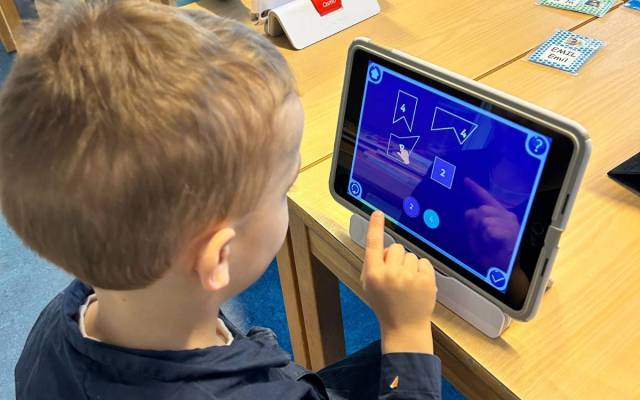
Math apps and educational technology are invaluable tools for students with dyscalculia. Applications like Magrid offer specialized programs designed to reinforce math concepts through engaging, interactive exercises that cater to diverse learning needs.
These apps often provide visual and auditory supports, which help break down barriers to understanding complex problems. By offering a range of activities that can be tailored to individual pace and ability, such technology fosters independence and confidence in students while they practice essential math skills.
The Role of Graph Paper and Visual Aids
Graph paper and visual aids play a crucial role in supporting students with dyscalculia by providing structured ways to organize mathematical information. Graph paper helps in aligning numbers for calculations and illustrating problems involving spatial relationships, which is beneficial for understanding geometry and algebra concepts.
Visual aids like charts, diagrams, and color-coded instructions enhance clarity, allowing students to follow mathematical procedures more effectively. These tools are essential for helping students visualize math problems and develop a more intuitive understanding of how to approach and solve them.
Importance of the Math Resource Room

A dedicated math resource room is a valuable asset in any educational setting, particularly for students with dyscalculia. This specialized space provides a quiet, structured environment where students can engage in focused math learning and practice without the usual classroom distractions.
Equipped with tailored tools and resources, such as manipulatives, visual aids, and technology, the math resource room allows for individualized learning and the opportunity to work closely with educators who can provide immediate feedback and support. This setting enhances students’ learning experiences and fosters deeper understanding and retention of mathematical concepts.
Strategies for Building Visual Spatial Skills
Developing visual spatial skills is crucial for students with dyscalculia, as these abilities are integral to understanding and applying math concepts effectively. Techniques such as engaging in building and design projects, using puzzles and geometric toys, and practicing with graphing activities can enhance these skills (discover 10 Fun Number Activities for Preschoolers in this article).
Educators can also incorporate computer-aided design software like Magrid and virtual reality tools to provide real-world contexts for these exercises, making them more engaging. Improving visual spatial skills helps students better grasp the layout of numbers and mathematical operations, directly impacting their ability to tackle complex math problems.
Developing Number Sense and Basic Math Concepts

Strengthening number sense and basic arithmetic operations is fundamental for students with learning disabilities like dyscalculia. Methods such as using number lines, dot cards, and counting games help solidify an understanding of number relationships and operations. Regular practice with real-life scenarios, such as handling money or measuring ingredients, also reinforces these concepts.
These activities encourage students to think about numbers in a more intuitive and practical way, which is essential for building a strong foundational knowledge that supports further mathematical learning and everyday problem-solving.
Individualized Support: IEP Accommodations and Evaluations
An Independent Educational Evaluation (IEE) provides a detailed assessment of a student’s specific needs, which is essential for crafting an effective Individualized Education Program (IEP). The IEP accommodations are tailored to address the particular challenges faced by students with dyscalculia, such as offering visual aids, extra time for tests, or access to manipulatives.
These personalized plans ensure that educational strategies align with each student’s learning profile, optimizing their educational outcomes and enhancing their overall academic experience by providing the necessary supports to meet their unique learning requirements.
Conclusion: Empowering Students with Dyscalculia
Tailored accommodations are vital for students with dyscalculia, serving not just as modifications but as essential tools that enable them to successfully navigate their educational journeys. By carefully addressing specific learning needs, these accommodations allow students to access, engage with, and master math concepts, boosting their confidence to apply these skills both academically and in everyday situations.
The benefits of such support extend beyond the classroom, enhancing students’ independence and preparing them for a future where they can effectively manage their learning challenges. For parents seeking effective solutions to aid their children with dyscalculia, Magrid offers a compelling option. This innovative math app is designed to make learning accessible and engaging, helping students strengthen their math skills through interactive and tailored activities.
To explore how Magrid can transform the learning experience for your child, visit our website and see the difference firsthand. For more insights into supporting children with learning differences, consider reading Unlocking Number Skills: How to Help a Child with Dyscalculia and Dyslexia, Dysgraphia, Dyscalculia – Defining the Terms, for deeper understanding and practical guidance.
Education Challenges Of Kids With Hearing Dyslexia

Unlocking the mysteries of hearing dyslexia in children can be a daunting task for parents and educators alike. With its intricate web of challenges and complexities, this unique learning disorder requires a comprehensive approach to ensure effective intervention and support. In this article, we delve into the world of hearing dyslexia, exploring its causes, symptoms, and treatment options.
Hearing dyslexia in children, also known as auditory dyslexia or auditory processing disorder (APD), is characterized by the child having difficulty processing spoken language and discriminating basic sounds. Unlike traditional dyslexia, which is primarily a visual processing disorder, hearing dyslexia focuses on problems within the central auditory nervous system. Children with hearing dyslexia may struggle with phonemic awareness, phonological processing, and reading comprehension.
Although not a hearing impairment, understanding the underlying causes of these auditory processing disorders is crucial to developing targeted interventions. While the exact cause is still being researched, studies suggest a combination of genetic and environmental factors may play a role. Early identification and intervention are key to helping children with hearing dyslexia overcome their challenges and reach their full potential.
Join us as we unravel the complexities of hearing dyslexia in children and discover strategies to support their educational journey. Together, we can empower these young learners and help them thrive in the academic world.

Common Challenges Faced By Children With Hearing Dyslexia
Children with hearing dyslexia often face a range of challenges that can significantly impact their educational journey. For children with this condition, learning can be an uphill battle. It is not uncommon for them to experience challenges such as difficulty following instructions, poor phonological awareness, and a limited vocabulary. Additionally, they may struggle with social interactions due to communication difficulties.
With adequate support and resources, children with hearing dyslexia can still thrive academically and socially. Here are a few common challenges that kids with hearing dyslexia have to overcome.
Sound Processing Difficulty
One of the main con of auditory processing problems is phonemic awareness, which refers to the ability to efficiently process sounds. Processing sound efficiently allows an individual to develop strong spelling and reading abilities.
Reading & Writing
Another common challenge is difficulty with reading and writing. Children with hearing dyslexia often have trouble recognizing and manipulating sounds in words, which is essential for developing auditory processing skills. This can make it difficult for them to decode and encode words, leading to difficulties in reading fluency and comprehension.
Additionally, their struggles with auditory processing can make it challenging for them to understand spoken instructions or follow along with classroom discussions, further impacting their reading abilities.
Attention & Focus
Children with auditory processing difficulties may also experience challenges with attention and focus. The effort required to process auditory information can be mentally exhausting, leading to problems sustaining attention and concentration during class activities.
This can make it challenging for them to stay engaged in lessons and may result in lower academic performance. It can also lead to difficulties with organization and time management, as they may struggle to keep track of instructions or assignments given verbally.
Social & Emotional
Furthermore, social and emotional challenges are common among children with hearing dyslexia. The frustration of not being able to understand or communicate effectively can lead to feelings of isolation, low self-esteem, and anxiety.
They may avoid participating in group activities or shy away from social interactions, fearing embarrassment or ridicule. These challenges can have a long-lasting impact on their overall well-being and may require additional support from educators, parents, and professionals.

Signs And Symptoms Of Hearing Dyslexia
Recognizing the signs and symptoms of hearing dyslexia is crucial for early identification and intervention. While the specific manifestations may vary among individuals, there are common indicators that parents and educators should be aware of.
Speech & Language-Based Learning Disability
One of the most noticeable signs of hearing dyslexia in children is difficulty with speech and language development. Children with hearing dyslexia may have delayed speech or difficulty pronouncing words correctly. They may also struggle to understand and follow instructions, often asking for clarification or repeating information. This can lead to frustration and a lack of confidence in their communication skills.
Auditory Processing Disorders
Another common symptom of hearing dyslexia is having auditory figure-ground problems, which is difficulty to hear in noisy environments. Children with this condition may have trouble filtering out background noise and focusing on the speaker’s voice.
They may also have difficulty distinguishing between similar sounds, such as “b” and “d” or “p” and “t”. This can make it challenging for them to understand and respond appropriately in social situations, leading to feelings of isolation and frustration.
Poor Attention Span
In addition to difficulties with speech and language, children with hearing dyslexia may also exhibit poor listening skills. They may struggle to pay attention during conversations or classroom instruction, often appearing distracted or disengaged.
This can impact their academic performance, as they may miss important information or instructions. They may also have difficulty following multi-step directions, as their ability to process and retain auditory information is impaired.
Children with hearing dyslexia may also have difficulty with reading, spelling, and unfamiliar words, although this is not always the case. While dyslexia typically affects reading and spelling skills, hearing dyslexia specifically affects a child’s ability to understand and interpret spoken language. However, some children with hearing dyslexia may still exhibit difficulties in these areas, particularly if they are relying heavily on phonics-based instruction.

Diagnosis Of Hearing Dyslexia
Accurate diagnosis is essential for developing appropriate interventions and support plans for children with hearing dyslexia. While there is no single test that can definitively diagnose hearing dyslexia, a comprehensive assessment can help identify the specific challenges and strengths of the individual.
The first step in diagnosing hearing dyslexia is to conduct a thorough assessment of the child’s hearing abilities. This involves a series of tests to measure the child’s sensitivity to different frequencies and volumes of sound. The audiologist may use a variety of techniques, such as pure-tone audiometry, speech audiometry, and otoacoustic emissions testing, to determine if there are any hearing impairments.
Once the child’s hearing abilities have been assessed, the next step is to evaluate their language skills. This involves assessing their ability to understand and produce spoken language, as well as their ability to process and manipulate speech sounds. The speech-language pathologist may use standardized tests, observation, and informal assessments to gather information about the child’s language abilities.
In addition to assessing hearing and language abilities, it is important to evaluate the child’s reading skills. Reading assessments can provide valuable information about the child’s decoding skills, reading fluency, and reading comprehension abilities. These assessments may include measures of word recognition, reading comprehension, phonological awareness, and rapid automatized naming.
Once all the relevant assessments have been completed, the results are analyzed to determine if the child meets the criteria for a diagnosis of hearing dyslexia. The clinician will consider the results of all assessments, as well as any additional information provided by teachers, parents, and other professionals working with the child.

Strategies For Managing Hearing Dyslexia In Children
Managing hearing dyslexia requires a multifaceted approach that addresses the unique challenges faced by children with this learning disorder. Here are some strategies that can help support their educational journey.
Phonemic Awareness Training
Providing explicit instruction in phonemic awareness can help children with hearing dyslexia develop strong foundational skills in sound discrimination and manipulation. Activities such as identifying and generating rhyming words, segmenting and blending sounds, and manipulating phonemes can be incorporated into daily instruction.
Multisensory Learning
Engaging multiple senses during learning can enhance understanding and retention. Incorporating visual, auditory, and kinesthetic modalities can help children with hearing dyslexia make connections between sounds and symbols. For example, using manipulatives, such as letter tiles or sandpaper letters, while practicing phonics can provide a tactile and visual representation of the sounds.
Structured Literacy Instruction
Structured literacy approaches, such as Orton-Gillingham, can be highly effective for children with hearing dyslexia. These instructional methods focus on explicit, systematic, and sequential instruction in phonics, phonological awareness, and decoding skills. By breaking down the reading process into smaller, manageable steps, structured literacy instruction helps children build a strong foundation in reading.
Assistive Technologies For Children With Hearing Dyslexia
Advancements in technology have opened up new possibilities for supporting children with hearing dyslexia. There are several assistive technologies available that can help bridge the gap and provide additional support in the learning process.
FM Systems
One of the main assistive technologies used for children with hearing dyslexia is FM systems. FM systems consist of a microphone worn by the teacher or speaker and a receiver worn by the child. The microphone amplifies the teacher’s voice and transmits it directly to the child’s receiver, reducing background noise and improving clarity.
Captions
Another assistive technology is captioning, which involves displaying text on a screen or device that corresponds to the spoken words or sounds. This allows children with hearing dyslexia to visually follow along with what is being said, providing them with a visual aid to support their auditory processing.
Captioning can be used in various settings, including classrooms, videos, and presentations. By providing visual support, captioning helps children with hearing dyslexia better comprehend and retain information.
Speech-to-Text
Speech-to-text technologies are also valuable tools for children with hearing dyslexia. These technologies convert spoken words into written text in real-time, allowing children to read along as they listen. This can be particularly beneficial for children with hearing dyslexia who struggle with auditory processing and may have difficulty understanding spoken language.
By providing a written transcript of what is being said, speech-to-text technologies help children with hearing dyslexia bridge the gap between auditory and visual processing, improving their comprehension and language skills.
Aside from these specific assistive technologies, there are also general accommodations that can support children with hearing dyslexia. For example, seating a child near the front of the classroom can help them better hear and see the teacher’s facial expressions and gestures, which are important cues for understanding spoken language.

The Role Of Early Intervention In Overcoming Hearing Dyslexia
Early intervention plays a crucial role in overcoming hearing dyslexia in children. When children are identified with hearing dyslexia at an early age, interventions can be put in place to help them develop the necessary skills to overcome their challenges. By starting interventions early, children can receive targeted support that addresses their specific needs and helps them build strong auditory processing skills.
One of the key components of early intervention for hearing dyslexia is speech and language therapy. Speech and language therapists work with children to improve their listening skills, language development, and communication abilities. Through various techniques and exercises, they help children strengthen their auditory processing abilities, such as identifying sounds, discriminating between different sounds, and understanding spoken language.
Early intervention also involves collaboration between parents, educators, and other professionals involved in the child’s care. By working together, these individuals can create a comprehensive support plan that addresses the child’s unique needs.
This may include modifications in the classroom environment, such as reducing background noise or providing preferential seating, as well as implementing specific teaching strategies that cater to the child’s auditory processing difficulties. Regular communication and feedback between all parties involved are essential for monitoring progress and making necessary adjustments to the intervention plan.
Presenting Magrid: Empowering Children With Hearing Dyslexia
Unlocking the complexities of hearing dyslexia is crucial for supporting children with this unique learning disorder. By understanding the causes, symptoms, and challenges associated with hearing dyslexia, you can implement the appropriate evidence-based strategies and incorporate assistive technologies.
When it comes to innovative technologies for helping preschool children with dyslexia, Magrid is a great option.
Magrid empowers young minds in math, regardless of their unique learning needs. Itâs the perfect app for children aged 3 to 9, including those on the autism spectrum, with dyslexia, dyspraxia, and dyscalculia. It is the comprehensive math learning solution that brings inclusivity to education.
Formulated By Professionals
The app has been developed, tested, and validated by our group of experts in the fields of psychology, neuroscience, education, computer, and cognitive science. With complex science backing up the application, rest assured that the Magrid only wants the best for your child.
Engaging and Tactile
Children can experience an engaging and interactive learning space that harnesses the power of technology to optimize learning outcomes, while reducing screen time and sensory overload. Say goodbye to information overwhelm and hello to a more effective and holistic learning experience for your kids.
Associative And Substantial Learning
To make sure that your child isn’t affected by long screen times, Magrid makes use of a hands-on learning environment to reduce the chances of sensory or cognitive overload. Win-win for everyone.
Implemented in over 500 schools, thousands of parents and teachers have gifted their children a great start with Magrid to help their cognitive development. It specializes in providing support to all children aged from 3 to 9, regardless of diagnosed autism, dyslexia, or even hearing-related problems.
Come discover how your child can benefit from our evidence-based Math learning platform and develop a well-rounded and holistic way of life-long learning.
Early Education and the Development of Logical Reasoning Skills

Introduction: Embracing Logic in Early Education
In the diverse landscape of early education, understanding and supporting individual learning differences is crucial for creating successful learning experiences. While children learn in various ways, developing strong logical reasoning skills is fundamental for academic success and cognitive growth.
Children who demonstrate strong logical reasoning abilities often excel at identifying patterns, breaking down problems into smaller steps, and using deductive reasoning to arrive at solutions. These abilities are fostered in environments that encourage intellectual exploration, critical thinking, and structured problem-solving.
This article explores the importance of nurturing logical reasoning skills in young children, offering insights into how educators and parents can identify these abilities and create learning experiences that foster their development.
Understanding Logical Reasoning
Logical reasoning is the ability to process information in a structured, analytical way. Children with strong logical reasoning skills often demonstrate a natural affinity for:
– Critical thinking: They can analyze information, identify inconsistencies, and draw valid conclusions.
– Pattern recognition: They readily identify repeating patterns and use those patterns to predict outcomes.
– Problem-solving: They break down complex problems into manageable steps and use logical processes to find solutions.
– Working memory: They can hold information in mind and manipulate it to solve problems.
– Attention: They can focus their attention on relevant information and filter out distractions.
– Language: They can use language effectively to express their reasoning and communicate their ideas.
The link between Mathematical abilities and Executive Function and Cognitive Flexibility
Recent research has shed light on the critical role of executive function skills in developing logical reasoning abilities. Executive function refers to a set of cognitive skills that allow us to plan, organize, and regulate our behavior. These skills, including working memory, inhibitory control, and flexibility, are crucial for logical thinking, problem-solving, and decision-making (Diamond, 2013). Diamond and Lee (2011) further emphasize the importance of executive function in early childhood development, highlighting its impact on a wide range of cognitive abilities.
Early identification and development of logical reasoning abilities, alongside executive function skills, can significantly impact a child’s academic success and overall cognitive development (Zelazo & Carlson, 2020).
Besides, the Cognitive Flexibility and maths are also connected (see a recent meta-analysis: Nunes de Santana et al., 2022). Cognitive Flexibility is the ability to switch attention among different task sets, aspects of a stimulus, viewpoints, or approaches to responses.
The Importance of Recognizing Individual Differences
Recognizing a child’s strengths in logical reasoning early on offers numerous benefits:
– Tailored Learning Experiences: By understanding how a child learns best, educators can create activities and lessons that align with their natural inclinations, leading to greater engagement and knowledge retention.
– Effective Instruction: Teachers can leverage a child’s logical reasoning skills by using strategies that encourage critical thinking, problem-solving, and structured exploration of concepts.
Characteristics of Children with Strong Logical Reasoning Skills
Children who exhibit strong logical reasoning skills often share these characteristics:
– Curiosity: They’re driven by a desire to understand how things work and why things happen.
– Systematic Approach: They prefer organized learning experiences and strive to understand the underlying principles behind concepts.
– Enjoyment of Puzzles and Challenges: They find satisfaction in solving problems and enjoy activities that require logical thinking and reasoning.

Strategies for Fostering Logical Reasoning
Educators and parents can use various strategies to foster logical reasoning in children:
Engage in Problem-Solving Activities: Encourage children to work through logic puzzles, board games, and real-world problem-solving scenarios that require logical thinking. Examples include:
– Logic puzzles: Sudoku, KenKen, logic grids.
– Board games: Chess, checkers, strategy games.
– Real-world scenarios: “If we have 10 cookies and 5 friends, how many cookies can each friend have?”
Use Visual Aids and Representations: Visual aids like diagrams, charts, and graphs can help children understand complex concepts by presenting information in a structured and easily understandable way.
Promote Inquiry and Exploration: Encourage children to ask questions, explore ideas, and use critical thinking to test hypotheses and draw conclusions.
Emphasize Cause-and-Effect Relationships: Help children understand how actions lead to consequences, and how events are interconnected.
Practice Memory Strategies: Help children learn techniques for remembering information like chunking, visualization, and mnemonics.
Model Logical Thinking: Demonstrate how you use logical reasoning in everyday life to solve problems and make decisions.
Foster Executive Function Skills: Incorporate activities that promote planning, organization, and self-regulation, such as:
– Planning and sequencing: Help children create simple schedules or plans for completing tasks.
– Working memory games: Play games that involve remembering and recalling information.
– Inhibition exercises: Encourage children to resist impulsive behavior and think before acting.
Benefits of Digital Tools for Logical Reasoning
Digital tools and educational apps offer valuable resources for nurturing logical reasoning skills:
– Structured Learning: Apps that emphasize mathematical reasoning, logic puzzles, and problem-solving can provide a structured and engaging platform for practicing these skills.
– Personalized Learning: Digital tools can be tailored to individual learning preferences and needs, allowing children to progress at their own pace and focus on areas that require more practice.
Programs like Magrid Learning Solution, which focus on developing logical thinking and problem-solving skills, can offer valuable resources for children’s cognitive development.
Supporting Logical Reasoning Beyond the Classroom
Parents and caregivers can contribute to a child’s development of logical reasoning skills at home:
– Engage in Logic Games and Activities: Play logic puzzles, board games, and strategy games together to encourage problem-solving and strategic thinking.
– Encourage Curiosity and Questioning: Support a child’s desire to understand how things work and answer their questions with patience and explanations.
– Incorporate Logic into Everyday Tasks: Use charts and graphs to track progress, plan activities, or organize information.
Logical Reasoning and STEM Fields
Strong logical reasoning skills are essential for success in STEM (Science, Technology, Engineering, and Mathematics) fields. Early education that fosters logical reasoning, problem-solving, and critical thinking sets a strong foundation for future exploration and achievement in these areas (Siegler, 2016).
References
– Bjorklund, D. F. (2015). Children’s thinking: Cognitive development and individual differences (7th ed.). Belmont, CA: Wadsworth.
– Case, R. (1985). Intellectual development: Birth to adulthood. New York: Academic Press.
– Diamond, A. (2013). Executive functions. Annual Review of Psychology, 64, 135-168.
– Diamond, A., & Lee, K. (2011). Executive functions. In S. R. Isenberg & B. J. Carter (Eds.), The handbook of child psychology and developmental science (6th ed., Vol. 2, pp. 811-864). Hoboken, NJ: Wiley.
– De Santana, A. N., Roazzi, A., & Nobre, A. P. M. C. (2022). The relationship between cognitive flexibility and mathematical performance in children : A meta-analysis. Trends In Neuroscience And Education, 28, 100179.
– Siegler, R. S. (2016). Cognitive development (7th ed.). New York: Pearson.
– Zelazo, P. D., & Carlson, S. M. (2020). Executive function in early development: A theoretical review. Developmental Review, 32, 117-137.
Dyspraxia and Writing: Strategies for Success

Introduction: Understanding Dyspraxia and Writing Dyspraxia, also known as developmental coordination disorder, affects motor skill development and coordination in children. This disorder impacts fine motor skills and gross motor skills, making tasks like writing challenging. Children with dyspraxia often struggle with motor planning, affecting their ability to write letters, maintain proper letter placement, and form […]