






10 Math Strategies for Struggling Students

Introduction: Helping struggling students succeed in math
Learning math can be tough, especially for struggling students facing complex math concepts and problem solving strategies. Frustration and low confidence often make it hard to stay motivated. Math teachers play a key role in providing support to help students develop skills and gain confidence.
By using strategies like visual aids, hands-on activities, and real-world scenarios, educators can support students at their own pace and help them achieve math success.
Why struggling students face challenges with math concepts
Struggling students face challenges due to different learning styles, learning disabilities, and gaps in foundational knowledge. Mathematical language can be confusing, making it difficult to solve word problems and understand instructions.
Math anxiety can further affect engagement and progress. Without targeted help, these difficulties persist across grade levels. Identifying the root causes allows math teachers to apply intervention strategies that boost confidence and improve math skills effectively.
The role of math teachers in supporting struggling students
Math teachers play a vital role in helping struggling students by adapting instruction to meet their diverse needs. Differentiated instruction, peer tutoring, and small groups provide targeted support that aligns with students’ learning styles.
Teachers can use problem solving strategies, explicit instruction, and hands-on activities to guide students effectively. A positive classroom environment that celebrates successes encourages students to stay motivated and develop a deeper understanding of math concepts.
Key principles of successful math intervention strategies
Effective math intervention strategies focus on individualized support to help struggling students. A strong math program includes explicit instruction, regular assessments, and opportunities to build fluency through practice.
Visual aids like number lines and graphic organizers simplify complex concepts, while real-world scenarios and educational apps make learning engaging. Tailored interventions help students overcome challenges and achieve long-term success by addressing their unique learning needs.
Building a strong foundation in mathematical language

Understanding mathematical language is crucial for students to grasp math concepts and solve word problems. Struggling students often find math vocabulary challenging, which can hinder comprehension.
Teachers can support students by gradually introducing new terms, using visual aids, and reinforcing concepts through real-world examples. Encouraging students to regularly use math vocabulary in class discussions and activities helps build confidence and supports their problem solving skills.
Introducing 10 effective math strategies for struggling students
Supporting students struggling with math requires strategies that make learning engaging and accessible. Math strategies focus on hands-on activities, visual aids, and differentiated instruction to encourage skill development and confidence.
The following sections outline ten effective strategies that address students’ unique challenges, guiding them through the math process and fostering a deeper understanding of math concepts. These strategies help struggling students succeed by making learning math more personalized and achievable.
1. Use visual aids to simplify mathematical concepts
Visual aids are powerful tools that help struggling students better understand complex math concepts. Many educators use visual representations such as number lines, graphs, and charts to illustrate abstract ideas in a more tangible way.
For students struggling with the math process, visual aids provide clarity and support their thought processes by breaking down information into manageable parts. In addition, using graphic organizers can help guide students through multi-step math problems and build their problem solving strategies.
By incorporating visual aids into the math classroom, teachers can create an engaging learning environment that supports different learning styles and helps students build fluency in key concepts.
2. Break down math concepts into smaller steps
Breaking down math concepts into smaller, more digestible steps is an effective way to support struggling students. Explicit instruction helps guide students through each stage of the math process, allowing them to focus on one aspect at a time without feeling overwhelmed.
For example, when teaching how to solve word problems, breaking the problem into distinct steps—such as identifying key information, choosing a strategy, and verifying the solution—can make it easier to understand.
This approach builds students’ confidence and encourages them to develop skills gradually at their own pace. It also helps them achieve a deep understanding of math concepts by reinforcing each step through practice and repetition.
3. Incorporate real-world scenarios in the math classroom
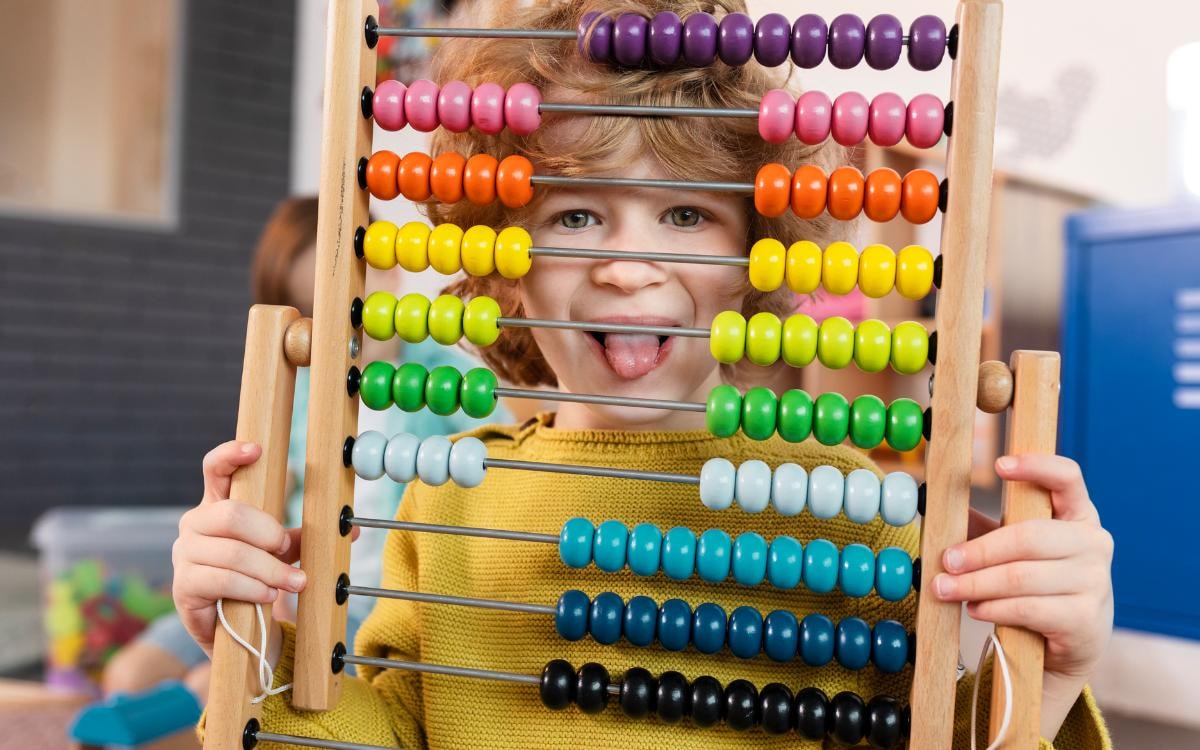
Using real-world scenarios in math class helps students connect mathematical concepts to everyday situations, making learning math more relevant and engaging. Struggling students often benefit from seeing how math applies to their daily lives, such as budgeting, measuring ingredients, or planning schedules.
By integrating practical examples, math teachers can encourage students to think critically and apply their knowledge outside the classroom. Real-world applications also support problem solving strategies by presenting math in a familiar and meaningful context.
This strategy not only enhances mathematical thinking but also helps students gain confidence in their abilities. Connecting math to everyday life is a valuable way to support students learning and developing essential math skills.
4. Encourage students to use math vocabulary regularly
Mastering math vocabulary is crucial for struggling students to understand and communicate mathematical concepts effectively. When students become familiar with key terms, they can better interpret instructions, explain their thought processes, and solve word problems with greater confidence.
Math teachers can support students learning by encouraging regular use of mathematical language through classroom discussions, written reflections, and group activities. Graphic organizers and word walls can also help reinforce important terms and concepts.
By consistently using math vocabulary, students develop a deeper understanding of the subject and build fluency in mathematical thinking, ultimately leading to improved math achievement.
5. Implement differentiated instruction for different learning styles
Every student learns differently, which is why differentiated instruction is essential for helping struggling students succeed in math. Some students thrive with visual aids, while others benefit from hands-on activities or auditory explanations. By tailoring instruction to different learning styles, math teachers can provide targeted help that meets each student’s needs.
Math intervention strategies such as small groups, peer tutoring, and individualized learning plans allow teachers to support students learning at their own pace. Educational apps and real-world scenarios also offer flexible ways to engage students with math concepts in ways that resonate with them.
Differentiated instruction not only enhances student engagement but also fosters a deep understanding of mathematical ideas. Providing a variety of instructional approaches ensures that every student has the opportunity to develop skills and gain confidence in their math abilities.
6. Use peer tutoring to build confidence and math skills

Peer tutoring is an effective strategy for struggling students, offering them an opportunity to learn math concepts from their classmates in a supportive and collaborative environment. Many educators find that students feel more comfortable asking questions and exploring mathematical ideas when working with peers.
In the math classroom, peer tutoring can be structured through small groups or one-on-one sessions, focusing on specific challenges such as solving word problems or mastering mathematical language. This approach encourages students to develop skills while also reinforcing their own understanding through teaching others.
By incorporating peer tutoring into the math program, teachers can provide an additional layer of support that helps struggling students build fluency, confidence, and a deeper connection to math concepts.
7. Apply metacognitive strategies for better problem-solving
Teaching students to think about their own thinking—also known as metacognition—is a powerful tool for improving problem-solving skills. Struggling math students often benefit from strategies that help them analyze their approach to math problems, identify mistakes, and adjust their methods accordingly.
Math teachers can guide students by encouraging them to ask reflective questions such as, “What strategy should I use?” or “Does my answer make sense?” Graphic organizers and checklists can also support students in tracking their progress through the math process.
By applying metacognitive strategies, students develop a more independent and strategic approach to learning math, helping them gain confidence and tackle even complex math concepts with greater ease. This method empowers students to take ownership of their learning and celebrate successes along the way.
8. Provide targeted help through small group instruction
Small group instruction offers struggling students personalized attention and targeted help that addresses their specific challenges. Working in smaller settings allows math teachers to focus on individual needs, providing more in-depth explanations and practice opportunities.
Grouping students based on skill level or specific challenges—such as understanding mathematical language or mastering problem solving strategies—ensures that each student gets the support they need. Small groups also create a collaborative environment where students can build fluency through guided practice and peer interaction.
Regular assessments and ongoing feedback help teachers adjust their intervention strategies to meet students’ evolving needs. Small group instruction not only supports students learning at their own pace but also helps them develop confidence and competence in math concepts over time.
9. Utilize educational apps to reinforce math skills
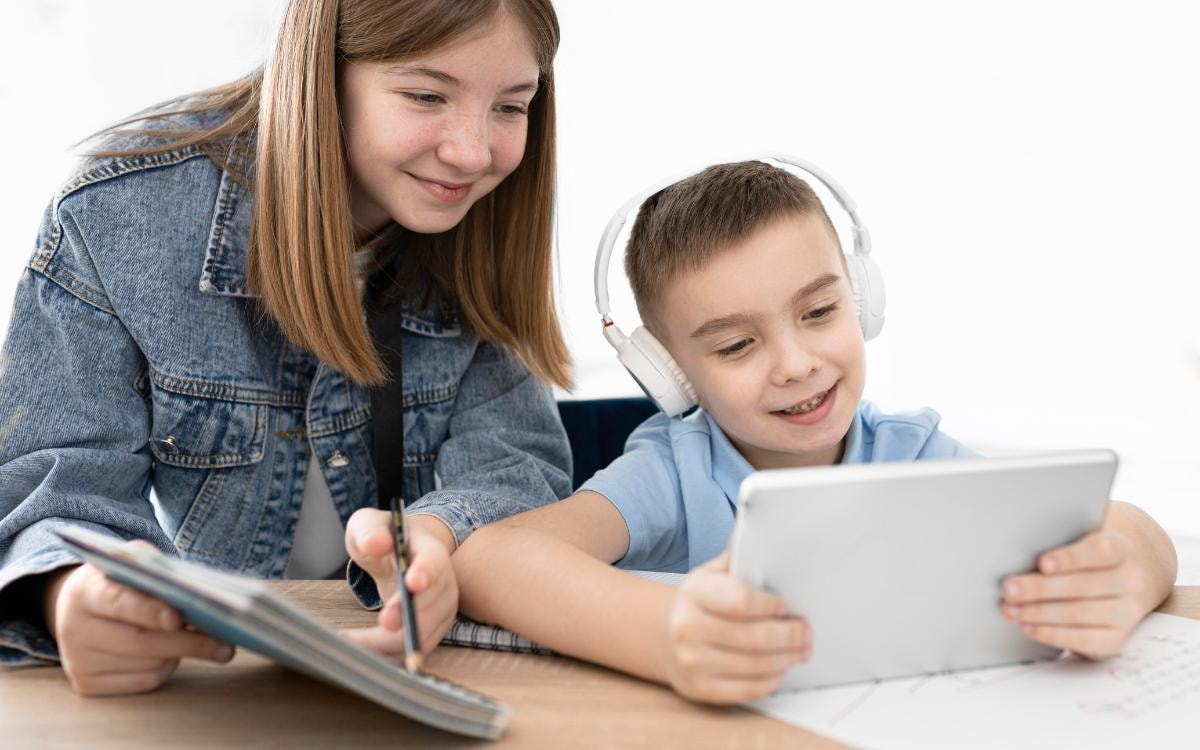
Educational apps can be a game-changer for struggling students, offering interactive and engaging ways to practice math concepts at their own pace. These apps provide targeted help by reinforcing key skills through visual representations, step-by-step problem solving, and adaptive learning paths.
One highly effective tool is Magrid, an educational app designed to support students learning math through visual and interactive exercises. Magrid helps struggling math students build fluency and confidence without relying on traditional text-heavy approaches, making it ideal for students with different learning styles or learning disabilities.
By incorporating educational apps like Magrid into the math classroom, teachers can provide additional opportunities for practice, regular assessments, and personalized feedback. This digital approach complements traditional teaching methods, helping students gain a deep understanding of mathematical concepts in a fun and supportive way.
10. Celebrate successes to boost math achievement
Recognizing and celebrating students’ progress, no matter how small, is essential for boosting math achievement and confidence. Many educators find that positive reinforcement encourages students to stay motivated and persist in solving complex math problems.
Celebrating successes can be as simple as acknowledging improvements during math class, setting up reward systems, or showcasing student work. Encouraging students to reflect on their growth helps them develop a positive mindset and reinforces their belief that they can overcome challenges with effort and practice.
By focusing on progress rather than perfection, math teachers can create an environment where struggling students feel valued and inspired to continue developing their math skills. Building a culture of celebration fosters resilience and long-term success in mathematics.
Using graphic organizers to support mathematical thinking
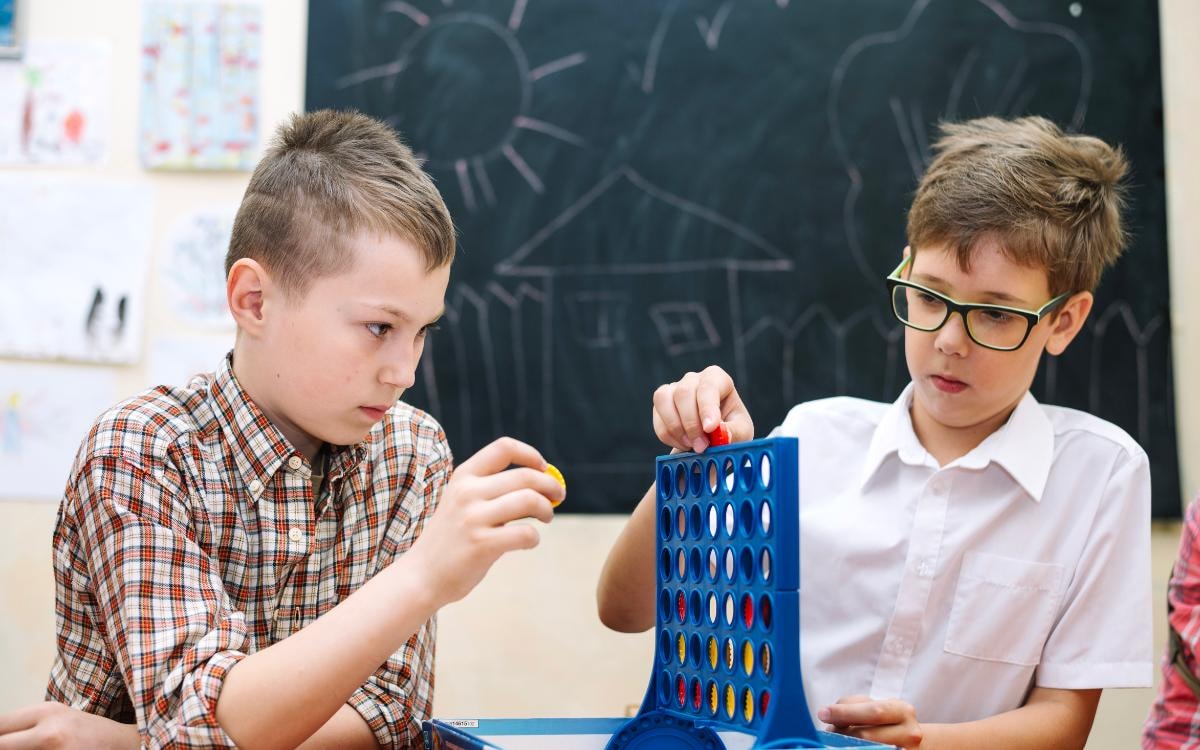
Graphic organizers are valuable tools that help struggling students visualize mathematical concepts and organize their thought processes. Tools like charts, diagrams, and concept maps provide a clear structure for solving math problems and understanding relationships between ideas.
By using graphic organizers, math teachers can guide students step by step through the math process, making complex math concepts more manageable and easier to comprehend. This approach enhances problem solving strategies and encourages deeper mathematical thinking.
The importance of regular assessments in mathematics intervention programs
Regular assessments are crucial in mathematics intervention programs to track student progress and identify areas needing targeted help. They provide math teachers with valuable insights into students’ strengths and challenges, helping tailor intervention strategies accordingly.
By incorporating assessments into the math classroom, educators can monitor improvements, adjust instruction, and ensure struggling students receive the support they need to build fluency and confidence in math concepts. Assessments help guide students toward steady math achievement.
Encouraging students to develop a growth mindset in math
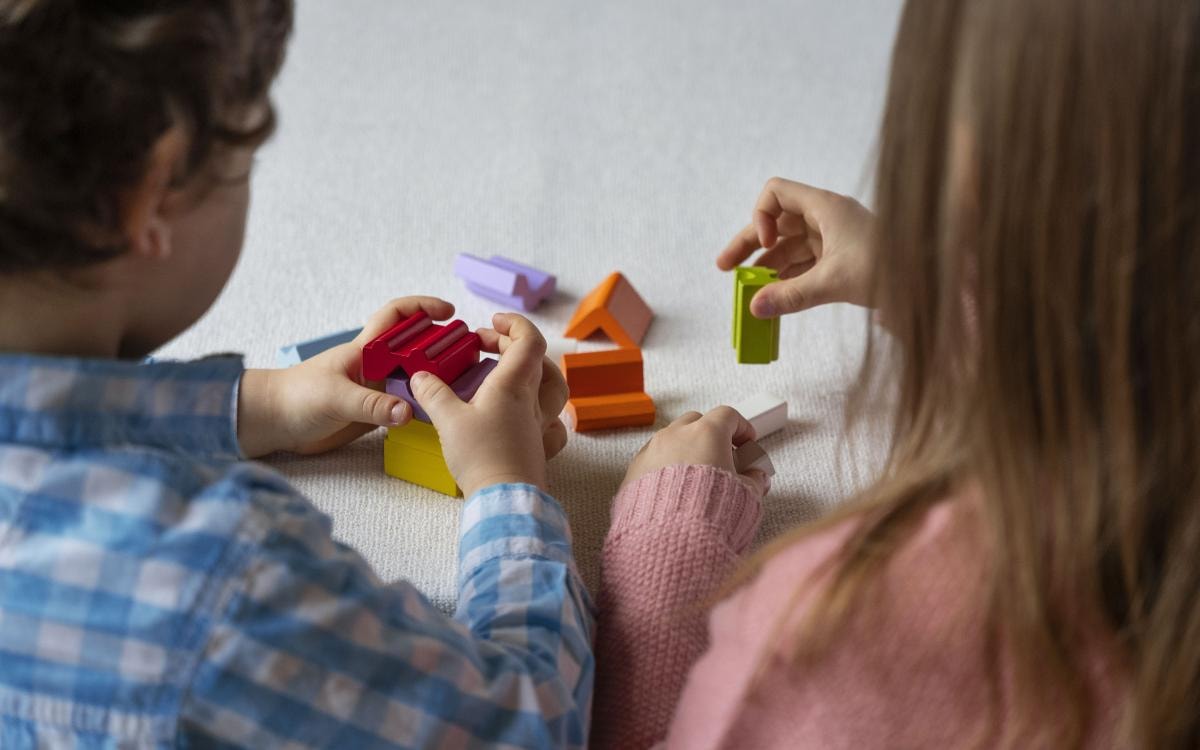
A growth mindset empowers struggling students to embrace challenges and view mistakes as learning opportunities. Encouraging students to believe that their math skills can improve with effort fosters resilience and perseverance.
Math teachers can support students learning by praising effort, providing constructive feedback, and setting achievable goals. Developing a growth mindset helps students overcome math anxiety, gain confidence, and stay motivated to tackle even the most complex math concepts.
Supporting older students with tailored math intervention strategies
Older students struggling with math require tailored intervention strategies that address their specific challenges and learning gaps. Strategies such as explicit instruction, real-world applications, and personalized learning plans can help them catch up and gain confidence.
Providing targeted help through small groups or one-on-one support allows older students to work at their own pace. By focusing on practical skills and problem solving strategies, educators can help older students achieve success in math.
Conclusion: Empowering struggling students with effective math strategies
Helping struggling students succeed in math requires patience, the right strategies, and ongoing support. Math teachers play a crucial role in guiding students through their unique challenges by using targeted math interventions and encouraging a growth mindset.
By incorporating visual aids, differentiated instruction, and problem solving strategies, educators can create a supportive math classroom that helps students develop skills, build confidence, and achieve lasting success in math.
The Benefits of Play-Based Learning in Early Education

In recent years, play-based learning has gained recognition as a powerful approach in early childhood education, offering a holistic way to support child development. This method emphasizes the importance of letting children play, explore, and discover the world around them in a nurturing play-based learning environment. Unlike traditional teaching methods, which often rely on direct instruction, play-based approaches encourage active engagement, fostering essential skills such as problem-solving skills, communication skills, and social emotional skills.
Through playful learning, young children develop cognitive, emotional, and physical abilities that lay the foundation for future success. Whether through guided play or free play, they are given opportunities to make choices, follow their own interests, and take an active role in their own learning process. By engaging in diverse play-based learning activities, children enhance their cognitive skills, build interpersonal skills, and develop a deeper understanding of the world.
Educators and parents alike are recognizing the numerous benefits of a play-based approach, as it not only supports academic skills but also nurtures creativity, resilience, and collaboration—essential qualities for raising successful children.
What is Play-Based Learning?
Play-based learning is an educational approach that allows children to learn through active exploration, experimentation, and meaningful interactions. Rooted in play theory, this method integrates elements of child-led and teacher-guided play, creating a dynamic and engaging learning environment. It contrasts with traditional teaching methods, which often focus on rote memorization and passive learning, by promoting experiential learning that encourages critical thinking and creativity.
In a play-based classroom, children participate in various types of play, including pretend play, imaginative play, and cooperative play, all of which contribute to their overall growth. Through these experiences, they develop crucial abilities such as fine motor skills, gross motor skills, and language development, which are essential in the early years.
A key element of play-based pedagogy is that it respects each child’s natural curiosity and encourages them to follow their own learning path. Whether they are engaging in independent play or collaborating with peers, children are constantly building essential life skills in a stress-free, supportive setting.
Key Benefits of Play-Based Learning for Children

The benefits of play-based learning extend far beyond the classroom, supporting a child’s cognitive, social, and emotional growth. This approach helps children develop a wide range of essential skills that contribute to their long-term success.
One of the most significant advantages of play-based learning is its ability to enhance problem-solving skills and critical thinking skills. When children play, they encounter challenges that require creative solutions, promoting independent thinking and perseverance. Additionally, play-based learning activities provide opportunities for developing social skills, such as cooperation, sharing, and negotiation, which are crucial for early childhood development.
From a cognitive perspective, play-based learning recognizes the importance of hands-on experiences in strengthening academic skills like math, literacy, and science. Children naturally absorb knowledge through experiential learning, making learning more meaningful and enjoyable. Furthermore, play nurtures emotional development, as children learn to express their feelings, build confidence, and develop resilience through playful interactions.
Overall, the play-based approach offers a balanced blend of structured and free play, empowering children to become confident, curious, and lifelong learners.
The Role of a Play-Based Learning Environment
A well-designed play-based learning environment is crucial in fostering holistic child development and encouraging children to learn through play. This environment should provide diverse opportunities for free play, guided play, and structured activities that support various developmental areas.
Creating an effective learning environment involves offering a balance between indoor and outdoor play spaces, with materials and activities that stimulate physical skills, creativity, and problem-solving. In such settings, children engage in playful learning, whether through building blocks, pretend kitchen setups, or sensory play stations that promote fine motor skills and cognitive skills.
Additionally, a supportive play-based classroom promotes social interactions, allowing children to practice interpersonal skills and develop a sense of belonging. Educators play a vital role in shaping this environment by facilitating learning experiences that align with the children’s own interests while encouraging them to explore and discover independently.
By fostering a nurturing and engaging setting, a play-based learning environment ensures that children thrive emotionally, socially, and academically, preparing them for future challenges in primary school classrooms and beyond.
How Children Play to Learn and Grow
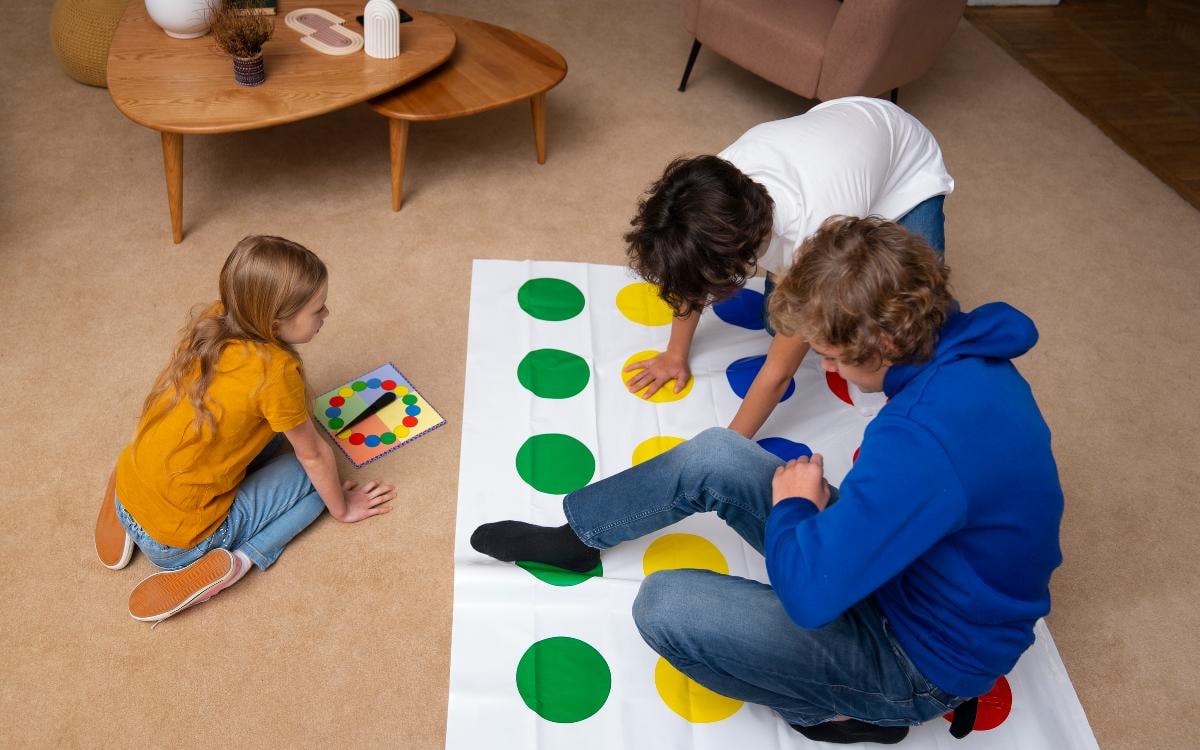
Children play in a variety of ways, and each type of play contributes uniquely to their overall development. Whether it’s independent play, cooperative play, or imaginative play, every experience fosters cognitive skills, social skills, and emotional skills essential for lifelong learning.
During play, children naturally engage in problem-solving, build confidence, and develop crucial social interactions. Through pretend play, for example, they experiment with different roles, enhancing their language skills and communication abilities. Guided play, on the other hand, helps balance self-exploration with structured support from educators.
The beauty of play-based learning is that it allows children to take ownership of their learning while encouraging them to develop essential life skills. As they play, they discover new interests, strengthen their physical abilities, and build resilience in facing challenges.
By integrating various types of play into the learning environment, educators can create opportunities for active, meaningful learning that aligns with children’s natural curiosity and desire to explore.
Free Play and Its Impact on Development
Free play is a fundamental component of play-based learning, offering children the freedom to explore their interests without structured guidance. Through free play, children develop critical life skills such as problem-solving skills, social skills, and emotional development, all of which are essential for their overall growth.
In a well-designed play-based learning environment, children engage in activities that allow them to experiment, create, and express themselves. This form of play encourages cognitive skills by fostering curiosity and exploration, helping them understand concepts naturally through hands-on experiences. Additionally, it supports language development as children practice their communication skills, whether through pretend play or real-life scenarios.
Early childhood educators play a crucial role in facilitating free play by providing an enriching environment filled with opportunities for discovery. Whether indoors or outdoors, play spaces should encourage movement, creativity, and self-expression, enhancing both gross motor skills and fine motor skills.
By incorporating ample time for free play in early education programs, educators ensure that children gain confidence, build independence, and develop resilience, preparing them for lifelong success.
Play-Based Learning and Social Emotional Development
A core advantage of play-based learning is its profound impact on social and emotional development, helping young children build essential interpersonal skills and emotional resilience. Engaging in playful learning experiences allows children to interact with peers, navigate relationships, and develop empathy.
Through cooperative play, children learn to communicate, collaborate, and resolve conflicts, enhancing their communication skills and emotional intelligence. Whether they are participating in group activities or engaging in independent play, they develop a sense of self and an understanding of others. Pretend play, in particular, fosters emotional expression, helping children explore their feelings and process experiences in a safe environment.
The play-based learning environment also provides opportunities for educators to guide children in recognizing and managing emotions. By encouraging purposeful play, teachers can help children understand social norms, express themselves effectively, and build confidence.
Investing in play-based approaches ensures that children are not only academically prepared but also emotionally well-rounded, which is crucial for their transition into primary school classrooms and beyond.
Cognitive Development Through Play-Based Learning
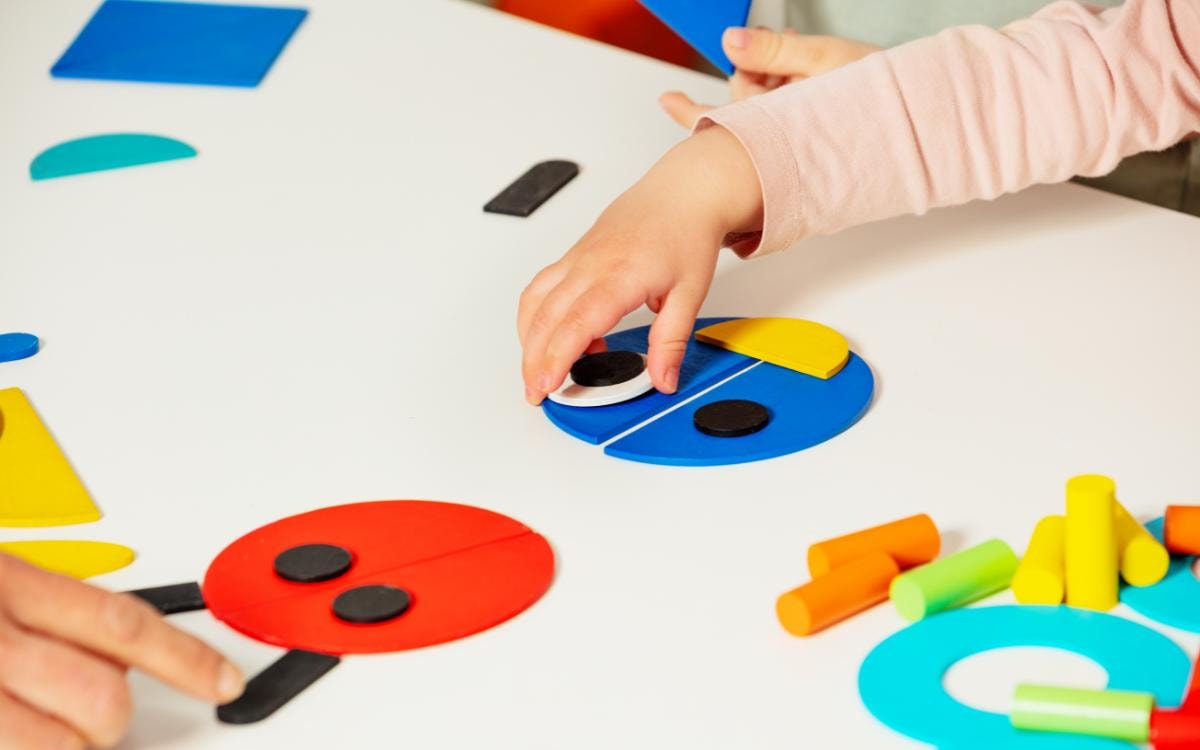
Play-based learning plays a crucial role in enhancing cognitive skills, allowing children to learn through exploration, experimentation, and problem-solving. This approach engages children’s natural curiosity and supports their development of essential skills such as critical thinking, memory retention, and creativity.
As children engage in play-based learning activities, they are constantly faced with challenges that require logical reasoning and decision-making. Activities such as building blocks, puzzles, and imaginative play help children develop problem-solving skills while strengthening their executive function skills, which are essential for goal setting and task completion.
A well-structured play-based learning environment provides opportunities for children to experiment with concepts related to math, science, and literacy. By encouraging experiential learning, educators create a space where children feel comfortable exploring, making mistakes, and learning from them.
Through play, children also enhance their ability to focus, plan, and organize, which are fundamental academic skills that contribute to long-term success. Emphasizing playful learning in early years ensures that children acquire a solid foundation for their future educational journey.
Language Development and Communication Skills
Play-based learning provides an ideal platform for fostering language development and enhancing communication skills in young children. Whether through storytelling, pretend play, or interactive group activities, play offers endless opportunities for children to practice and refine their verbal and non-verbal communication.
When children engage in imaginative play, they naturally experiment with new vocabulary, sentence structures, and expressions, strengthening their language skills in a fun and engaging way. Additionally, social interactions during cooperative play help children develop their listening and conversational abilities, which are essential for forming relationships and understanding others.
Educators can support language development by incorporating activities such as storytelling, singing, and role-playing into the play-based curriculum. These experiences not only build a child’s vocabulary but also enhance their ability to express thoughts, share ideas, and negotiate with peers.
By encouraging rich language experiences in the play-based classroom, educators provide a strong foundation for literacy skills, preparing children for more formal learning environments in early education programs and beyond.
Physical Development Through Play-Based Learning
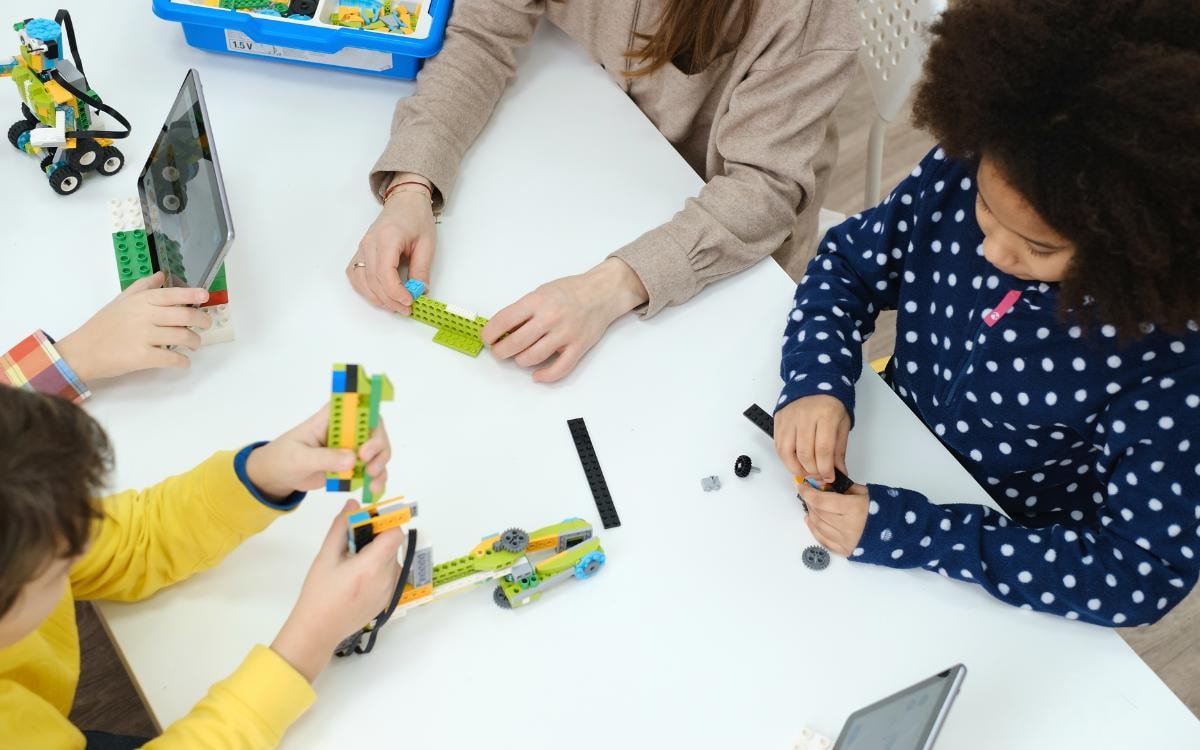
Play-based learning is instrumental in promoting physical development, helping children develop essential gross motor skills and fine motor skills needed for everyday activities. Engaging in active play, whether indoors or outdoors, allows children to strengthen their bodies while improving coordination and balance.
A well-planned play-based learning environment includes opportunities for climbing, running, jumping, and balancing—activities that support overall physical abilities and encourage movement. Additionally, fine motor-focused activities such as drawing, building, and manipulating small objects help develop hand-eye coordination and dexterity, which are crucial for writing and other academic tasks.
Through purposeful play, children not only build physical strength but also develop confidence in their abilities. Whether they are engaged in guided play or exploring freely, movement-based activities contribute to their overall well-being and fitness.
Educators play a key role in designing play experiences that support physical growth while ensuring safety and inclusivity. By incorporating active learning into the curriculum, they promote a holistic approach to child development that nurtures both the mind and body.
Guided Play: Combining Structure and Exploration
Guided play strikes a balance between structured learning and free play, allowing children to learn through exploration while benefiting from gentle guidance by educators. This approach encourages children to follow their own interests, with teachers providing subtle prompts to extend their thinking and deepen their understanding.
In a play-based learning environment, guided play helps develop critical cognitive skills, such as problem-solving skills, planning, and reasoning. It also fosters social skills, as children interact with peers and adults in meaningful ways. By introducing purposeful challenges and open-ended questions, educators guide children toward achieving learning goals while maintaining an atmosphere of playful learning.
Additionally, guided play supports language development, as educators engage in conversations that enhance vocabulary and comprehension. This blend of child-led exploration and educator involvement ensures a dynamic learning environment, helping children acquire essential skills for both academic and social success.
Problem-Solving Skills in a Play-Based Approach
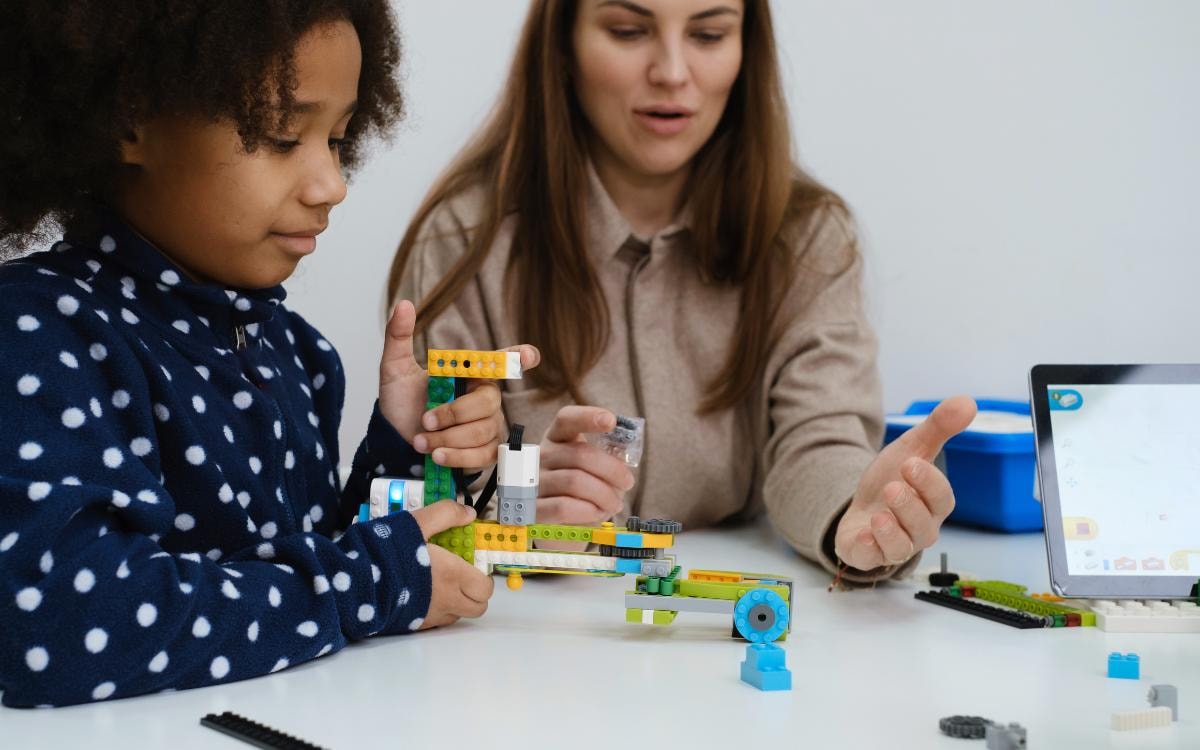
One of the key benefits of play-based learning is its ability to enhance problem-solving skills, which are crucial for success in both academic and everyday life. When children play, they naturally encounter challenges that require them to think critically, experiment with solutions, and adapt to changing circumstances.
In a play-based classroom, activities such as puzzles, construction play, and role-playing scenarios encourage young children to approach problems with creativity and persistence. Whether engaging in independent play or collaborating with peers, children develop resilience and flexibility as they tackle obstacles through experiential learning.
Educators play a pivotal role by designing play experiences that challenge children’s thinking without causing frustration. Encouraging children to explore various solutions and reflect on their approaches fosters a growth mindset and builds confidence in their abilities.
By nurturing critical thinking skills through play, children become more adept at approaching complex tasks with confidence and curiosity.
Imaginative Play and Creativity in Early Childhood
Imaginative play, also known as pretend play, is a powerful tool for fostering creativity and self-expression in early childhood development. When children engage in role-playing activities, they practice storytelling, problem-solving, and emotional regulation, all while expanding their understanding of the world around them.
Through play-based learning activities such as dress-up, pretend kitchens, and make-believe adventures, children develop their language skills, cognitive abilities, and social emotional skills. These experiences encourage them to explore different perspectives, understand complex concepts, and express their thoughts and feelings creatively.
A well-structured play-based learning environment provides ample opportunities for imaginative exploration, allowing children to experiment with new ideas in a safe and supportive setting. Educators can further enhance imaginative play by introducing props and open-ended materials that inspire creativity and storytelling.
By embracing imaginative play, children develop confidence, enhance their problem-solving abilities, and build crucial social connections, all of which contribute to their overall growth and development.
Academic Skills and Play-Based Learning
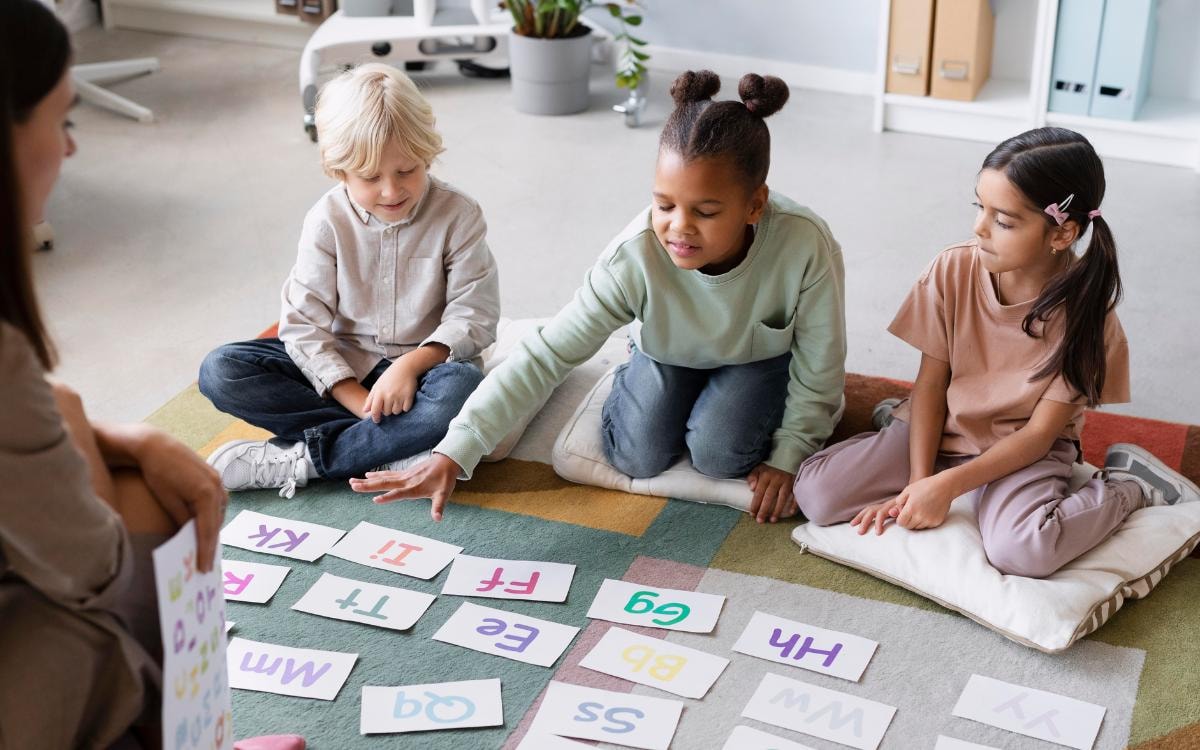
Contrary to the misconception that play lacks academic value, play-based learning effectively supports the development of foundational academic skills in young children. Through play, children build competencies in literacy, numeracy, and scientific thinking, all while having fun and engaging actively in the learning process.
For example, block play can introduce mathematical concepts such as patterns, shapes, and measurements, while pretend play scenarios promote storytelling, dialogue, and language development. These activities help children internalize complex concepts naturally, without the pressure of traditional assessments.
A play-based curriculum encourages children to take an active role in their own learning, exploring topics at their own pace and in a way that aligns with their interests. This autonomy fosters a deeper connection to academic content and enhances long-term retention.
Incorporating play into early learning environments allows educators to lay the groundwork for essential literacy and numeracy skills while also nurturing creativity, collaboration, and critical thinking—all of which are key to academic success.
Play-Based Pedagogy vs. Traditional Teaching Methods
The shift from traditional teaching methods to a play-based approach represents a significant evolution in early childhood education, prioritizing holistic development over rote learning. While direct instruction focuses on structured lessons and repetition, play-based pedagogy encourages active learning, fostering creativity, exploration, and intrinsic motivation.
In a play-based classroom, children acquire skills through hands-on experiences that make learning meaningful and enjoyable. This approach helps children develop critical cognitive skills, such as executive function skills, memory retention, and problem-solving abilities, while also supporting their emotional and social growth.
On the other hand, traditional teaching methods often emphasize teacher-led instruction and standardized assessments, which may limit opportunities for children to explore concepts at their own pace. A play-based learning environment, however, values curiosity and encourages children to take ownership of their learning journey.
By embracing play-based pedagogy, educators can foster a love for learning while ensuring children acquire the essential skills they need to thrive in formal education and beyond.
Incorporating Play-Based Learning in Early Education Programs
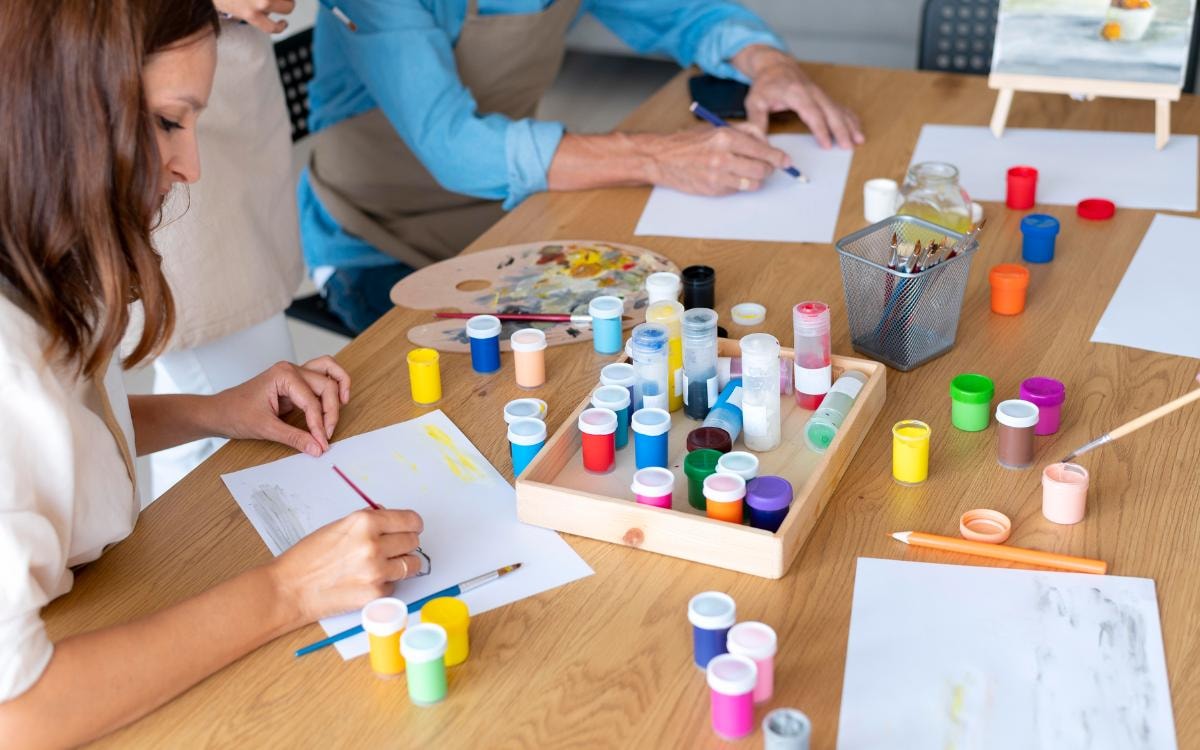
Integrating play-based learning into early education programs offers a dynamic approach to teaching that aligns with children’s natural curiosity and development. Schools and educators are increasingly recognizing the numerous benefits of this method in fostering creativity, critical thinking, and problem-solving abilities in young children.
A successful play-based learning environment incorporates a variety of activities that balance free play, guided play, and structured exploration. Educators play a crucial role in designing activities that encourage children to engage in meaningful experiences while aligning with educational objectives. Whether through hands-on activities, storytelling, or imaginative exploration, a play-based approach promotes both academic skills and personal growth.
To effectively incorporate play, educators can integrate elements of purposeful play into daily routines, allowing children to take an active role in their own learning. This approach not only enhances learning outcomes but also nurtures a love for discovery and creativity, preparing children for lifelong success.
Ultimately, embedding play-based pedagogy in education programs helps children thrive in diverse learning environments, encouraging holistic growth and a deeper connection to the world around them.
Overcoming Challenges in Implementing Play-Based Learning
Despite the well-documented benefits of play-based learning, its implementation can face several challenges in early education programs. Common obstacles include resistance from stakeholders accustomed to traditional teaching methods, limited resources, and misconceptions about the effectiveness of playful learning in achieving academic goals.
One major challenge is balancing play with curriculum demands. Educators often feel pressure to prioritize standardized assessments and direct instruction, which can limit opportunities for children to explore through play. However, research supports the idea that play enhances cognitive skills, social emotional skills, and problem-solving skills, making it a valuable tool for achieving academic success.
To overcome these barriers, educators can advocate for a blended approach that combines guided play with structured learning, demonstrating its effectiveness through observational assessments and documentation of student progress. Additionally, professional development opportunities can help teachers understand how to create an engaging play-based classroom that meets educational standards while embracing the principles of experiential learning.
Magrid: Supporting Play-Based Learning with Innovative Tools

Magrid is an innovative educational solution designed to support play-based learning by providing engaging, research-backed tools that enhance children’s development in key areas such as cognitive skills, language development, and social emotional skills. By integrating technology with hands-on experiences, Magrid offers a comprehensive approach that aligns with the principles of play-based pedagogy.
Magrid’s platform helps early childhood educators create an enriched play-based learning environment, allowing children to take an active role in their learning while developing essential abilities such as problem-solving, critical thinking, and communication skills. The program is designed to support early childhood development, offering age-appropriate activities that promote exploration, creativity, and collaboration.
A key feature of Magrid is its adaptability to different learning styles and needs, ensuring that every child can benefit from purposeful play tailored to their unique developmental stage. By incorporating Magrid into early education programs, educators can bridge the gap between play and formal learning, fostering a well-rounded approach that nurtures curiosity and growth.
Through Magrid, schools and parents can support raising successful children, providing them with the tools and resources they need to thrive in an ever-evolving educational landscape.
Encouraging Parents to Support Play-Based Learning at Home
Parents play a crucial role in extending the benefits of play-based learning beyond the classroom and into the home environment. By incorporating playful learning into daily routines, parents can foster their children’s cognitive, social, and emotional development in meaningful and engaging ways.
Simple activities such as pretend play, storytelling, and building with blocks can help children develop essential language skills, problem-solving skills, and fine motor skills. Encouraging independent play allows children to take an active role in their own learning, fostering creativity and self-confidence.
To support a play-based learning environment at home, parents can provide open-ended toys and materials that encourage exploration and creativity. Additionally, engaging in cooperative play with children not only strengthens relationships but also helps them develop crucial social skills and emotional intelligence.
By understanding the importance of play-based learning, parents can create a nurturing environment that complements formal education and promotes a love for lifelong learning.
Conclusion: Embracing Play for Lifelong Learning
The benefits of play-based learning in early childhood education are vast, influencing every aspect of a child’s growth and preparing them for future success. By embracing a play-based approach, educators and parents can support the development of essential skills, from problem-solving and critical thinking to social emotional skills and creativity.
Incorporating play into the learning process fosters a sense of joy and curiosity, encouraging children to learn through meaningful experiences. Whether through free play, guided play, or structured activities, children are given the opportunity to explore their own interests, build resilience, and develop confidence.
As the educational landscape continues to evolve, it is crucial for schools and families to recognize the value of play-based pedagogy in preparing children for the complexities of the modern world. By providing a supportive learning environment that values exploration and discovery, we can empower children to become lifelong learners.
Embracing playful learning ensures that children not only meet academic milestones but also develop the essential life skills they need to thrive in school and beyond.
An Early Predictor of Math: the Role of Number Sense
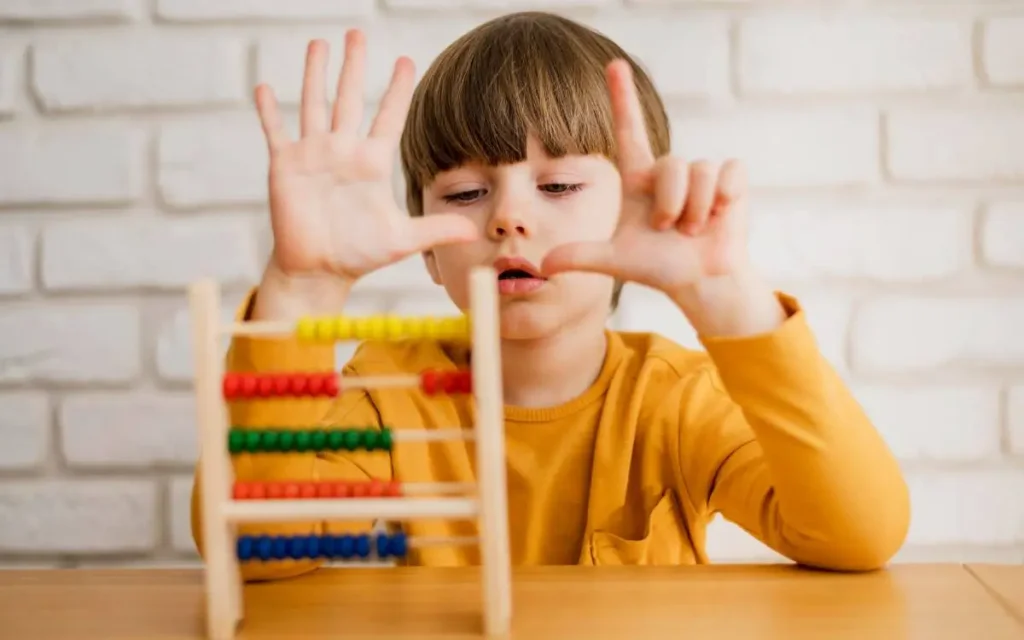
In this interview, Dr. Anna Schmitt speaks with Dr. Decarli about her latest research on the early development of mathematical skills. Based on the study Number sense at 12 months predicts 4-year-olds’ maths skills (Decarli et al., 2023), Dr. Decarli explains how infants’ ability to perceive quantities at 12 months can predict their later math abilities at 4 years of age. This research sheds light on the foundations of numerical cognition and offers valuable insights for scientists, educators, and parents interested in early childhood development.*
*Decarli, G., Zingaro, D., Surian, L., & Piazza, M. (2023). Number sense at 12 months predicts 4‐year‐olds’ maths skills. Developmental Science, 26(6).
Pour avoir accès à l’étude complète, voici un accès direct : https://doi.org/10.1111/desc.13386
Could you explain to us the objective of your study?
Understanding and addressing the typical developmental trajectories of mathematical acquisition is essential, as mathematical competence is crucial for daily activities, enabling individuals to engage with numerical data, solve complex problems that involve quantities and probability, and make informed decisions (Geary, 2011). Some authors have proposed that formal math skills develop on the basis of a dedicated neurocognitive system that supports the ability to represent the approximate number of objects in sets, called the Approximate Number System (ANS). This system is thought to represent numerosity with a precision (referred to as the ANS acuity) that varies across individuals and that is subject to change with maturation and math learning.
The majority of the studies that assessed the link between ANS and math skills have used correlational approaches, capitalizing on inter-individual differences. However, they mostly tested children who have already been exposed to some form of math education (e.g., verbal counting principles). This makes it difficult to determine the direction of causality between ANS acuity and symbolic math skills. Therefore, the objective of our study was to investigate whether infants’ early numerosity acuity serves as a foundation for later mathematical abilities. Specifically, we aimed to determine if the ANS acuity measured at 12 months of age, thus way before any form of math learning, would be a reliable and specific predictor of symbolic mathematical skills at 4 years, independent of general intelligence or inhibitory skills. This longitudinal approach was designed to replicate and expand on previous research, using a different cultural and linguistic sample, as well as diverse tasks, to test the specificity and robustness of this developmental relationship.
What gaps in the scientific literature did your study address?
Our study builds upon the groundbreaking but standalone work of Starr and colleagues (2013), who first showed that ANS acuity measured at 6 months longitudinally predicted symbolic math achievement at 3.5 years. With our study, we sought to replicate their important findings while introducing new elements to further investigate this topic. Specifically, we conducted a longitudinal study in which we first tested 12-month-old infants on both a numerosity perception task and a perceptual face perception task. The latter was used as a control task to assess the specificity of the potential correlation between numerosity perception and math, ensuring that the link was not guided by more general perceptual abilities. Notably, and differently to Starr et al., who used different control tasks across participants (either a color detection task or a size detection task), we employed the same control task (face recognition) for all participants. This uniform approach ensured that participants were consistently assessed in the same non-numerical perceptual capacity.
We then re-evaluated the same participants at 4 years of age on a comprehensive set of non-symbolic and symbolic formal math tasks, as well as general processing skills, including measures of general intelligence, a face discrimination task as well as inhibitory abilities. The inclusion of an inhibitory task was another novelty of our study. Indeed, recent literature suggests that inhibitory control may play a key role in both numerosity comparison tasks (by helping suppress irrelevant visual information in favor of numerical one) and formal math tasks (by supporting complex calculations). According to this view, the observed correlation between ANS acuity and symbolic math performance could be explained by the shared reliance on inhibitory control.
In sum, the assessment of a new sample from a different linguistic and cultural background compared to Starr et al., the use of a face perception control task for all infants at 12 months, and the introduction of inhibitory skills test, allow us to offer new advancements in understanding the role of early numerosity perception in the development of mathematical skills.
What type of methodological design did you use, and why?
In our research, we implemented a longitudinal study design. In this type of study, the same participants are assessed at multiple time points over an extended period, allowing researchers to track changes and developmental trajectories within the same individuals. In our case, this approach allowed us to assess preverbal infants at 12 months of age and re-test them again when they were 4 years old, measuring the abilities of interest at different stages of development. The main strength of this type of design is that it enables us to observe how early skills develop over time and track individual developmental pathways. By following the same participants across multiple time points, we could establish a temporal link between early numerosity skills and later symbolic acquisitions (such as counting). This provides further support for the hypothesis positing a relation between the two skills.
What were your initial hypotheses, and what motivated them?
Our initial hypothesis was that infants’ ability to perceive and process numerical quantities could play a specific and selective role in the development of later mathematical skills. Specifically, we hypothesized that ANS acuity (and not other perceptual skills, such as face perception) at 12 months of age would predict early symbolic mathematical abilities at 4 years. According to this hypothesis, the ANS helps children connect symbolic representations to their intuitive understanding of quantities, allowing them to attribute meaning to number words and map these symbols onto their pre-existing representations of magnitudes. This hypothesis was motivated by prior research supporting a longitudinal correlation between numerosity perception and math achievement in school-aged children (Libertus, Feigenson, & Halberda, 2011; Halberda, Mazzocco, & Feigenson, 2008; Libertus, Odic, & Halberda, 2012). Additionally, deficits in numerosity comparison tasks, where participants are required to indicate the larger of two quantities, have been observed in children with developmental dyscalculia, a specific learning disorder in math (see Decarli et al., 2020; Decarli et al., 2023).
Another important hypothesis underlying our research was that the link between ANS acuity and math would not be driven by general intelligence or inhibitory skills. In the scientific literature, some authors have proposed that inhibitory skills would play a significant role in the link ANS acuity-math (e.g., Gilmore et al., 2013). Contrary to this theoretical position, we expected to find a correlation between ANS and math that would remain significant even after controlling for domain-general abilities.
What were your study groups, and why were they chosen?
Our study involved a group of 60 infants, who were initially tested at 12 months of age, and a follow-up sample of 40 children from the same group, tested at 4 years of age. We chose this age range to capture two key developmental stages: preverbal infants, who have not yet acquired formal numerical knowledge, and preschool-aged children, who are beginning to engage with symbolic math concepts. The selection of these specific age groups was driven by our goal to explore the precursors of symbolic mathematical knowledge before any formal education. Testing infants at 12 months allowed us to assess their early numerosity acuity, while the follow-up at 4 years provided information into their emerging numerical/symbolic abilities in a critical period for early learning.
What are your main findings?
Our study revealed several key findings. First, we found a significant correlation between ANS acuity (measured using a dots comparison task) and mathematical abilities at 4 years of age. In contrast, we did not observe a correlation between mathematical abilities and inhibitory skills, suggesting that, at this stage of development, these general cognitive skills might not play a significant role in the early mastery of math skills.
When considering the longitudinal data, we found that numerosity acuity measured by an implicit change detection paradigm at 12 months significantly correlated with children’s performance on an explicit dots’ comparison task at 4 years, indicating great reliability of the different measures in time. More importantly, the key finding was that we replicated the significant longitudinal correlation between ANS acuity at 12 months and performance in a standardized symbolic math test at 4 years as initially observed by Starr et al. (even though the ages of our participants were slightly different compared to those of the original study). This link was robust, as it remained significant even after controlling for general intelligence and inhibitory skills. Furthermore, we demonstrated that this link was specific to numerosity perception: neither our control task, a face recognition skill measured at 12 months, did predict later math performance, nor the ANS at 12 months did predict face processing skills at 4 years.
To sum up, these results suggest that numerosity acuity correlates with math abilities in preschoolers and that early numerosity perception at 12 months can be considered a reliable and specific predictor of later math skills at 4 years. Crucially, this relationship was not mediated by domain-general abilities, such as IQ or inhibitory control.
Do they support your research hypotheses? Are they consistent with the scientific literature, or do they differ?
Our findings generally support our hypotheses and align with a previous similar study in the field. In particular, we replicated the key longitudinal results of Starr and colleagues, confirming that early ANS acuity is a longitudinal precursor of later mathematical skills. This consistency reinforces the evidence for a developmental association between early numerosity perception and formal math abilities from infancy through childhood.
In line with our hypotheses, but in contrast with some of the literature, our results did not provide evidence for a role of inhibitory skills in math acquisition. This finding contrasts with some theories suggesting that inhibitory skills could account for the observed link between ANS and math performance. For example, Gilmore and colleagues (2013) proposed that dot comparison tasks rely on inhibitory control, as participants must suppress responses to non-numerical features such as size or density. According to their view, individual differences in mathematical performance would be explained by differences in inhibition rather than by numerical representations per se. Our data do not support this hypothesis. We found no correlation between mathematical abilities and inhibitory skills, and the observed link between ANS acuity and symbolic math persisted even after controlling for inhibition.
Can the results of this study be useful in real life for teachers, school psychologists, medical doctors or even parents? If so, to what extent?
The results of our study provide valuable information for people involved in a child’s early development, including educators, psychologists, and parents. Our findings show that, even in the first months of life, there are already inter-individual differences in numerosity perception that may lead to varying levels of mathematical achievement later in childhood. This knowledge could help in identifying children who may be at risk of math-related learning difficulties and could contribute to the early detection of difficulties that might result in later struggles with math. Moreover, the results of our study could help educators and psychologists develop targeted and timely interventions aimed at strengthening these skills as soon as possible in the preschool age. Finally, for parents, our findings emphasize the importance of encouraging children’s engagement with quantities and numbers from a very young age. Everyday activities, such as comparing quantities, could help foster children’s intuitive number sense, potentially supporting their later mathematical development.
What potential links or connections do you see with your study and the scientific studies conducted in relation to Magrid?
Cornu, V., Schiltz, C., Pazouki, T., & Martin, R. (2017b). Training early visuo-spatial abilities : A controlled classroom-based intervention study. Applied Developmental Science, 23(1), 1‑21. https://doi.org/10.1080/10888691.2016.1276835
Jung, S., Meinhardt, A., Braeuning, D., Roesch, S., Cornu, V., Pazouki, T., Schiltz, C., Lonnemann, J., & Moeller, K. (2020c). Hierarchical Development of Early Visual-Spatial Abilities – A Taxonomy Based Assessment Using the MaGrid App. Frontiers In Psychology, 11. https://doi.org/10.3389/fpsyg.2020.00871
Pazouki, T., Cornu, V., Sonnleitner, P., Schiltz, C., Fischbach, A., & Martin, R. (2018d). MaGrid : A Language-Neutral Early Mathematical Training and Learning Application. International Journal Of Emerging Technologies In Learning (iJET), 13(08), 4. https://doi.org/10.3991/ijet.v13i08.8271
There are clear links between our study and the work conducted in relation to the Magrid project, as both focus on the early precursors of math. While our study aims to assess these foundational skills, Magrid mainly focuses on training them through a language-neutral application. Both approaches emphasize the importance of numerosity perception as a key factor in later math acquisition. These complementary approaches highlight the critical role of early numerical cognition in supporting children’s mathematical development and suggest potential educational applications for both assessment and intervention.
What is the subject of your current scientific research?
I am currently working on several research projects that explore different aspects of learning. In particular, my current research focuses on investigating the similarities and differences between dyslexia and dyscalculia at both the cognitive and neural levels. I am also exploring the role of emotions, both positive and negative, in the learning process, analyzing how emotional states can influence children’s academic performance and cognitive development. Finally, I am concluding a study on domain-general and domain-specific precursors of mathematical skills to identify the early cognitive factors that contribute to math acquisition.
How to Guide Your Child Past Fear of Learning Gently

For many children, especially those with special needs, the fear of learning can feel overwhelming. They may struggle with new concepts, feel anxious in a class, or hesitate to try unfamiliar tasks. This fear often stems from past challenges, whether a stressful event at school, difficulty with certain subjects, or negative experiences with peers and teachers.
As a parent, it’s important to recognize that learning anxiety is a common reaction and not a reflection of your child’s intelligence or potential. Many children feel fear when faced with stressful steps, but with the right support, they can overcome these challenges.
The key is to help your child develop a sense of confidence and motivation. Instead of focusing on immediate success, encourage steady effort and celebrate small wins. A positive mindset can make all the difference in their education and growth.
By creating a supportive environment, breaking lessons into manageable steps, and ensuring learning feels safe, you can help your child shift from fear to curiosity. In the following sections, we’ll explore practical strategies to support your child and overcome study fear effectively.
How the Stress Hormone Affects Learning and Anxiety
When a child feels anxious about learning, their body releases stress hormones, such as cortisol. These hormones can interfere with memory formation, making it harder for them to retain information. Instead of focusing on the lesson, their brain shifts into a state of heightened alertness, making learning feel like a challenge rather than an opportunity.
This biological reaction can also cause physical symptoms, such as a racing heart, palms sweat, or a sudden loss of focus. If your child has experienced a stressful event in the past—such as struggling in a class or making a mistake in front of others—their body may associate learning with discomfort.
To help manage this response, it’s crucial to create a low-pressure learning environment. Encouraging breaks, using relaxation techniques, and maintaining a positive attitude can help lower stress and improve learning outcomes. Teaching your child that learning is a process, not a test of worth, can also help them overcome fear and anxiety.
Overcome Study Fear with a Supportive Learning Approach

To overcome study fear, children need a structured, supportive approach to learning. Many struggle because they feel overwhelmed by the amount of information or the fear of making mistakes. Instead of tackling large lessons at once, breaking them into smaller, manageable sections can make learning less intimidating.
One way to ease study fear is by introducing a short course or engaging activities that align with your child’s interest. This can help them build confidence without the pressure of a full academic workload. Repetitive practice and hands-on experiences can reinforce new concepts, making learning feel more natural.
It’s also helpful to seek expert advice from educators, tutors, or therapists who specialize in personalized learning approaches. Experts can provide specific actions that suit your child’s needs, ensuring they gain knowledge at their own pace.
Most importantly, remind your child that progress matters more than perfection. Learning is not about getting everything right but about growth, curiosity, and the willingness to begin again after challenges.
Overcome Fear by Building Confidence in Small Steps
Helping a child overcome fear of learning starts with building confidence through small, achievable steps. Many children, especially those with special needs, may feel afraid of making mistakes. They might struggle with processing new concepts, worry about disappointing their parents, or compare themselves to other students.
One way to support your child is by encouraging them to take specific actions that make learning feel safe. For example, if they struggle with speaking in front of others, practice at home before they do it in class. If a subject feels too challenging, break it into smaller parts and identify which areas need more support.
Parents play a crucial role in shaping their child’s mindset. Instead of focusing on grades, remind them that effort and progress matter most. Help them recognize that learning is about growth, not perfection. Encouraging curiosity, celebrating small victories, and allowing space for mistakes without fear of punishment can make a huge difference.
By fostering a positive perspective, children can learn to manage their emotions, embrace challenges, and gradually overcome their fear of learning.
Seek Expert Advice for Personalized Learning Strategies
If your child continues to struggle with learning anxiety, it may be time to seek expert advice. Professionals such as special education teachers, learning therapists, and child psychologists can provide valuable insights into your child’s unique learning needs.
An expert can help you determine whether your child would benefit from a customized learning plan, adaptive teaching methods, or additional support. They may also suggest tools and strategies that align with your child’s strengths. For example, some children learn better through visuals, while others thrive with hands-on activities.
Seeking guidance doesn’t mean your child isn’t capable—it means you’re taking proactive steps to support them. Experts can also help parents navigate difficult decisions, such as choosing between a short course or a more structured educational program. Whether your child is working toward a full qualification or simply trying to build foundational skills, professional advice can make the process smoother.
By working with experts, you can help your child gain wisdom, boost motivation, and make learning a positive experience.
Recognizing Physical Symptoms of Learning Anxiety

Learning anxiety doesn’t just affect emotions—it also triggers physical symptoms. Many children experience signs of stress, such as palms sweat, muscle tension, or a racing heart. These reactions occur because the brain perceives learning as a potential threat, releasing neurotransmitters that heighten alertness.
For some children, this response makes it difficult to focus in a class setting. They may freeze when called on, struggle to remember information, or shut down completely. These symptoms can also lead to less willpower, making it harder for children to push through challenges.
As a parent, the first step is to recognize these signs and help your child feel safe. Encouraging deep breathing, movement breaks, and sensory tools can help them manage stress. Establishing a predictable routine also provides stability, reducing anxiety over unexpected changes.
By addressing both emotional and physical responses, you can support your child in overcoming their fears and making learning a more positive part of their life.
Shaping a Positive Learning Mindset at Home
A strong mindset can make the difference between a child feeling stuck in fear or seeing learning as an opportunity. Parents can influence this mindset by shifting the focus from performance to process. When a child is praised for their effort rather than just results, they begin to associate learning with personal growth rather than fear of failure.
One way to create a positive learning environment is by making education feel natural and engaging. Incorporating real-world experiences—such as cooking to practice math or storytelling to improve language skills—helps children recognize that learning happens everywhere, not just in school.
It’s also important to remind children that failure is part of the journey. Even successful individuals faced setbacks before achieving career success. Encourage them to rise after mistakes, emphasizing that mistakes are stepping stones to wisdom. By reinforcing a love for knowledge over perfection, you help your child embrace learning with confidence and curiosity.
How Environment Influences a Child’s Learning Experience
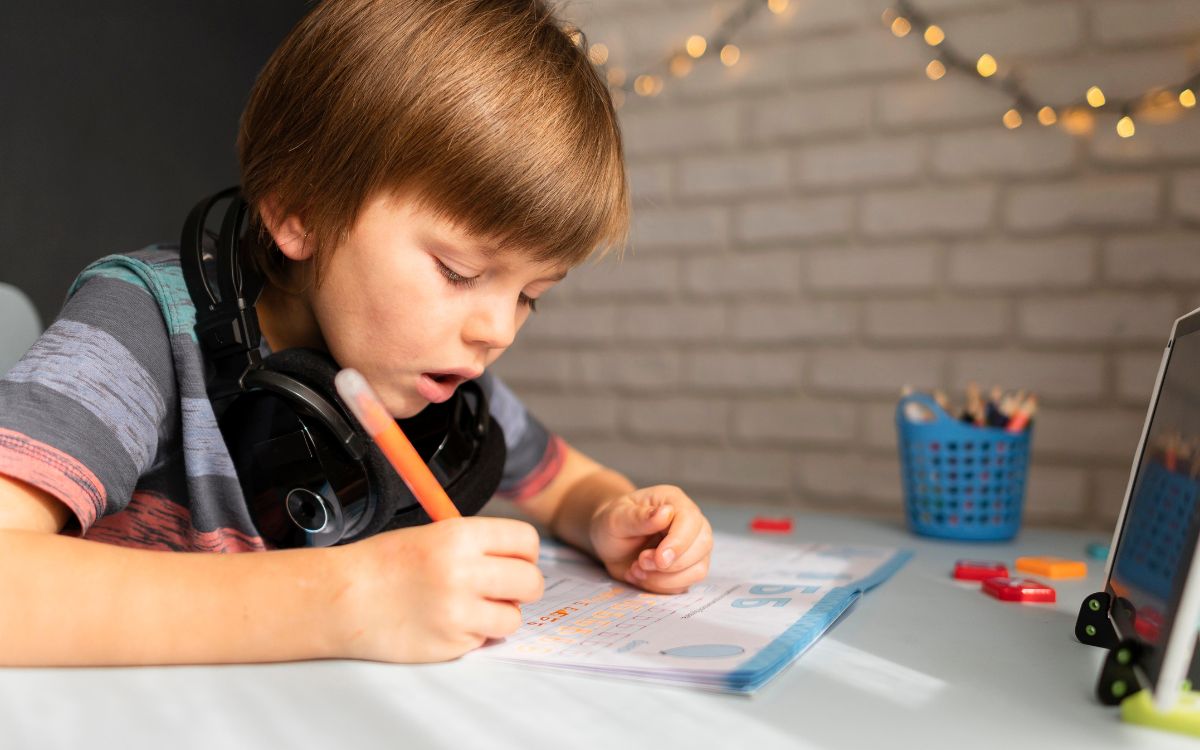
A child’s environment plays a critical role in their learning experience. The home setting, school atmosphere, and interactions with teachers and peers can either create a sense of security or add to their anxiety. If a child feels unsupported or pressured, their ability to focus and learn may suffer.
Parents can help by identifying stressors in their child’s learning environment. For example, does their study space have too many distractions? Are they feeling pressure from comparisons to other students? Adjusting these factors can help them feel more in control of their education.
Social interactions also affect learning. Encouraging your child to connect with supportive teachers, patient tutors, or understanding classmates can help reduce feelings of isolation. Additionally, engaging in strategies such as structured routines, open conversations, and personalized learning plans can make education more manageable.
When a child’s learning environment feels safe and encouraging, their ability to overcome challenges and build motivation increases significantly.
Developing Practical Strategies to Make Learning Easier
Helping a child navigate their education requires using specific actions that make learning easier and less intimidating. One effective approach is using multi-sensory techniques—combining visual aids, hands-on activities, and auditory lessons to create a richer learning experience.
Breaking down complex topics into simple steps also prevents a child from feeling overwhelmed. For example, instead of expecting them to memorize everything at once, encourage them to practice in short sessions. This helps strengthen memory formation without increasing stress.
Another essential strategy is giving children choices in how they learn. Letting them decide between reading, watching videos, or engaging in interactive activities builds a sense of ownership over their learning.
Parents should also encourage self-reflection. Asking questions like, “What part of this lesson was interesting?” or “What was the hardest point?” helps children develop awareness of their learning style. When children feel heard and supported, their ability to overcome study fear improves naturally.
Conclusion: Small Steps Lead to Lifelong Success

Overcoming the fear of learning is a gradual journey that requires patience, encouragement, and the right support. By making small adjustments—such as shifting the perspective on mistakes, creating a nurturing environment, and using adaptive strategies—children can build lasting confidence in their abilities.
Parents play a crucial role in helping children see learning as an exciting challenge rather than a source of anxiety. Teaching them that knowledge is valuable beyond grades and tests will foster a lifelong love of learning. Whether their goal is to gain a full qualification, explore a new career, or simply enjoy learning new things, the ability to manage their fears will serve them throughout life.
Encourage your child to embrace education with curiosity and resilience. Remind them that with the right mindset, consistent effort, and a little guidance, they can overcome any obstacle and achieve success—one step at a time.
If you’re looking for a research-backed, engaging way to help your child overcome fear of learning, Magrid offers a unique, screen-based educational program designed specifically for children with special needs. With a focus on, mathematics, confidence-building, memory formation, and stress-free learning, Magrid helps children develop essential skills at their own pace—without the pressure of traditional methods. Give your child the tools they need to thrive in education and beyond. Try Magrid today and make learning a positive experience!
The Link Between Dysgraphia and Autism

Introduction: Understanding the Link Between Dysgraphia and Autism
Dysgraphia and autism are two distinct neurodevelopmental disorders, yet they frequently coexist. Dysgraphia is a condition that affects a person’s writing skills, making it difficult to form written words due to challenges in motor coordination, muscle tone, and visual motor integration.
Meanwhile, autism spectrum disorder (ASD) impacts social interactions, communication, and learning abilities. Many children with autism also experience writing challenges, including poor handwriting, poor spelling, and difficulty organizing thoughts into written expression.
The connection between both dysgraphia and autism lies in shared neurological problems affecting motor and cognitive functions. Difficulties with fine motor skills and hand-eye coordination make writing tasks especially challenging. Additionally, many children with ASD have other learning disabilities, including dyslexic dysgraphia and attention deficit hyperactivity disorder (ADHD).
Understanding this link can help in supporting children through targeted interventions such as occupational therapy and specialized teaching strategies.
What Is Dysgraphia?

Dysgraphia is a learning disability that affects a child’s ability to write. It is classified as a neurodevelopmental disorder that disrupts the process of forming letters, words, and sentences.
This condition is not solely about poor handwriting; it also involves difficulties with motor coordination, muscle tone, and visual motor integration (VMI).
There are three main types of dysgraphia:
- Motor dysgraphia – Caused by weak fine motor skills and poor dexterity, leading to illegible handwriting.
- Linguistic dysgraphia – Affects the ability to form coherent written expression due to language processing issues.
- Spatial dysgraphia – Involves difficulty with spacing and alignment of letters on a page.
Dysgraphia often coexists with other learning disabilities such as dyslexia and ADHD, making it important to properly diagnose dysgraphia through a developmental test. Occupational therapists can help improve motor skills and provide strategies to enhance writing skills.
Autism Spectrum Disorder and Its Learning Challenges
Autism spectrum disorder (ASD) is a complex neurodevelopmental disorder that affects communication, social interactions, and behavior. It presents in varying degrees, impacting how a child learns, interacts, and processes information.
Many individuals with ASD experience motor skills difficulties, which can lead to writing challenges such as poor handwriting and difficulty with written expression.
Children with autism may also have other learning disabilities, including dysgraphia, ADHD, and dyslexia. These conditions can contribute to difficulty with organizing words, structuring sentences, and completing written assignments.
Additionally, problems with visual motor integration and hand-eye coordination further complicate their ability to write efficiently.
Given the high prevalence of ASD and its associated learning disabilities, early intervention is critical. Strategies such as occupational therapy, structured writing exercises, and adaptive tools like pencil grips can significantly enhance a child’s ability to complete writing tasks more effectively.
The Overlap Between Dysgraphia and Autism
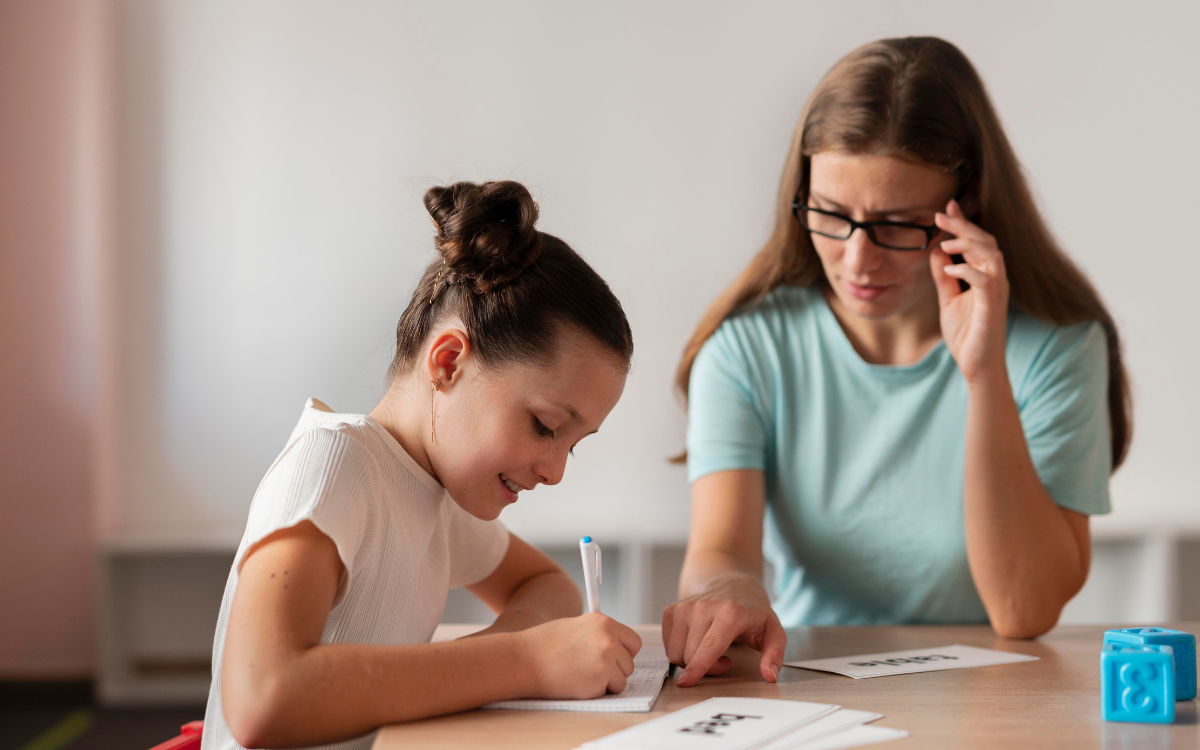
The connection between dysgraphia and autism stems from shared neurological factors. Both conditions involve difficulties in motor planning, motor coordination, and cognitive processing, which can affect a child’s ability to complete writing tasks.
Many individuals with autism struggle with fine motor movements, making it hard to hold a pencil correctly or control writing pressure, leading to poor handwriting.
Moreover, cerebellar damage has been linked to both conditions, impacting coordination and movement regulation. This can result in difficulties with visual motor integration VMI, a crucial skill for forming letters accurately. Some children also exhibit spatial dysgraphia, where they struggle with letter spacing and alignment due to deficits in spatial awareness.
Because many disorders, including attention disorders, frequently co-occur with ASD, diagnosing dysgraphia can be challenging. A thorough developmental test can help specialists determine whether a child’s writing challenges stem from dysgraphia, ASD, or another neurological problem.
Writing Skills in Children with Autism
For children with autism, developing writing skills can be an overwhelming task. Many face difficulties with motor skills, hand-eye coordination, and muscle tone, all of which are essential for smooth and legible writing.
This often results in poor spelling, uneven letter formation, and difficulty maintaining proper word spacing.
A major issue is written expression, as many children with ASD struggle to translate their ideas into structured words. Some may also have linguistic dysgraphia, which affects their ability to recall spelling patterns and grammatical rules, leading to inconsistent writing performance.
Because high school students and younger children with ASD often struggle with spelling skills and sentence structure, specialized instruction and accommodations are necessary.
Assistive technology, such as speech-to-text software, and physical aids like pencil grips or a stress ball to improve dexterity, can help them build stronger writing skills over time.
Diagnosing Dysgraphia in Autism

To properly diagnose dysgraphia in children with ASD, specialists conduct a series of evaluations focusing on fine motor skills, motor coordination, and cognitive processing. Since both dysgraphia and autism often present overlapping symptoms, professionals must differentiate between motor-related writing difficulties and those stemming from cognitive impairments.
An occupational therapist plays a key role in the diagnosis process, assessing how a child’s nervous system controls writing movements. A comprehensive developmental test evaluates visual motor integration, muscle tone, and handwriting speed to determine the severity of the condition.
Additionally, some children may exhibit motor dysgraphia, where writing challenges arise due to weak hand strength and poor finger control. Others may struggle with spatial dysgraphia, which affects their ability to organize written words properly.
Since many children with ASD also have other learning disabilities, early diagnosis is essential for creating effective intervention plans tailored to their needs.
The Role of Fine Motor Skills in Writing

Developing fine motor skills is essential for improving writing skills in children with ASD. Weak motor coordination and low muscle tone often result in poor handwriting and difficulty with letters formation. Many children with motor dysgraphia struggle to hold a pencil properly, affecting their ability to write efficiently.
Activities like using a stress ball, practicing with pencil grips, and engaging in hand-eye coordination exercises can help. Strengthening fine motor control through targeted interventions allows children to complete writing tasks with greater ease and confidence.
Supporting Writing Tasks for Children with Autism
Completing writing tasks is difficult for children with autism due to challenges in written expression and spelling skills. Many experience poor spelling and struggle to structure sentences, making academic work overwhelming.
Using assistive technology, such as speech-to-text software, can support high school students and younger children in overcoming these barriers. Teachers and parents can also provide structured templates and extended time for assignments.
By addressing these writing challenges through accommodations, children with ASD can develop stronger writing skills and greater confidence in their abilities.
Occupational Therapy and Other Interventions

Occupational therapy plays a key role in helping children with dysgraphia and autism develop motor skills for writing. An occupational therapist focuses on muscle tone, hand-eye coordination, and fine motor skills to improve writing skills.
Additional therapies, such as speech therapy for linguistic dysgraphia and physical therapy for motor dysgraphia, can also help. Tools like pencil grips and slanted writing boards support written expression.
Since many disorders overlap with ASD, a multidisciplinary approach ensures children receive comprehensive support tailored to their needs.
Conclusion: Helping Children Thrive Despite Writing Challenges
Addressing writing challenges in children with ASD requires early intervention. Weak fine motor skills, poor handwriting, and difficulty with letters formation can impact academic performance.
Using occupational therapy, assistive technology, and adaptive tools like pencil grips can strengthen a child’s ability to write effectively. Since dysgraphia and autism often coexist with other learning disabilities, a comprehensive support system is essential.
With patience and the right strategies, children with autism can develop strong writing skills, helping them succeed in school and beyond.
Magrid provides an innovative, screen-based learning solution that enhances cognitive skills, visual motor integration, and problem-solving abilities—all essential for mastering mathematics. By eliminating handwriting barriers, Magrid allows children with autism and dysgraphia to build confidence in math without the frustration of written tasks. Try Magrid today and help your child develop strong mathematical thinking in a stress-free, engaging way!
Dyspraxia Effects on Learning: Challenges and Solutions
Introduction: Understanding Dyspraxia and Its Impact
Dyspraxia is a neurological condition that affects movement, coordination, and cognitive functions. Often diagnosed in early age, it can lead to significant challenges in daily activities, especially in an academic setting. The term dyspraxia is commonly associated with Developmental Coordination Disorder (DCD), a condition that impacts a child’s ability to perform coordinated movements smoothly.
The dyspraxia effects on learning go beyond physical struggles. Children with dyspraxia may experience language difficulties, trouble with fine motor skills, and issues with writing and specific tasks that require good coordination. These difficulties can impact their confidence and ability to engage in school activities like making notes or completing assignments on time.
While dyspraxia presents various challenges, early intervention and strategies like occupational therapy, speech therapy, and classroom accommodations can provide support to help affected students thrive. Understanding dyspraxia’s impact is the first step toward creating an inclusive learning environment.
Dyspraxia Effects on Learning: What You Need to Know
The dyspraxia effects on learning can vary from mild to severe, depending on the child. Students with dyspraxia often struggle with activities that require motor coordination, such as tying shoelaces, writing, or participating in sports. These issues arise due to difficulties with physical movement, which make tasks that require fine motor skills or gross motor skills more challenging.
Beyond physical challenges, dyspraxia can also contribute to learning difficulties. Many dyspraxic children face trouble with organization, memory, and focus, which can make subjects like math and reading difficult. Some may also experience language difficulties, affecting their ability to follow verbal instructions or participate in discussions.
In addition to academic struggles, dyspraxia can lead to low self-esteem and frustration, particularly when comparing themselves to other children who learn in the same way with greater ease. Teachers and parents can provide support by breaking down lessons into individual steps, using visual cues, and allowing extra time for assignments. These strategies can make all the difference in helping students develop new skills and boost confidence in the classroom.
Developmental Coordination Disorder: An Overview
Developmental Coordination Disorder (DCD), often referred to as dyspraxia, is recognized as a specific learning difficulty that affects movement and planning. According to the statistical manual used by medical professionals, DCD is classified as one of many mental disorders that impact motor function. However, unlike other learning disabilities, DCD primarily affects motor skills rather than cognitive ability.
Children with DCD often show poor coordination and struggle with everyday tasks such as dressing, using cutlery, or playing sports. In a class setting, these children may find it difficult to write quickly, take notes, or complete assignments at the same pace as most kids.
Interventions such as occupational therapy and guidance from a physical therapist can help children develop better motor coordination. Additionally, breaking down specific tasks into simpler steps and incorporating verbal prompts can significantly improve their ability to learn and complete daily activities more independently.
How Fine Motor Skills Influence Learning
The ability to perform small, precise movements is crucial for academic success. Fine motor skills enable children to hold a pencil, cut with scissors, and manipulate objects—all essential in a classroom setting. However, those with dyspraxia often struggle with these activities due to difficulties in hand-eye coordination and dexterity.
For students with dyspraxia, writing can be a major hurdle. Poor grip strength, slow letter formation, and inconsistent spacing make note-taking and written assignments particularly challenging. These issues can also extend to using a keyboard or handling small classroom tools, impacting overall productivity.
Since handwriting is a fundamental part of most schoolwork, children with motor difficulties may feel discouraged. Teachers and therapists often introduce visual cues and adaptive tools to make writing easier. Strengthening hand muscles through specific tasks, such as drawing or using building blocks, can also improve control and confidence.
Intervention through occupational therapy is key to addressing these challenges. An occupational therapist works on improving dexterity through structured exercises. Additionally, allowing extra time for writing tasks and using assistive technology, such as speech-to-text software, can significantly enhance learning experiences for affected students.
Recognizing Learning Disabilities in Dyspraxic Students
Dyspraxia frequently coexists with other learning disabilities, making academic progress more complex. Many affected students face challenges in reading, spelling, and math due to difficulties with memory, sequencing, and concentration. These struggles may resemble conditions like dyslexia, though the root cause differs.
One key issue for children with dyspraxia is the ability to process and retain information. They may struggle to follow multi-step instructions, complete tasks efficiently, or recall previously learned material. Organizational skills can also be weak, making assignments, schedules, and classroom expectations difficult to manage.
In addition to academic concerns, these students often experience social and emotional challenges. Feelings of frustration, anxiety, and low self-esteem can arise when they compare themselves to other children who grasp concepts more quickly.
To provide support, educators can modify teaching methods by breaking down lessons into individual steps, using verbal prompts, and allowing students to engage in hands-on learning. A tailored approach helps them process information in a way that suits their abilities, reducing frustration and fostering a more positive learning experience.
How Dyspraxia Affects Physical and Academic Abilities

The effects of dyspraxia extend beyond learning challenges to impact physical movement and overall participation in school activities. Poor coordination makes tasks such as balancing, running, and using playground equipment difficult. As a result, some students may avoid physical education or group activities, leading to social isolation.
In the classroom, dyspraxia affects a student’s ability to complete tasks efficiently. Writing, using rulers, or even turning pages in a book can be time-consuming. Slow processing speed and trouble with motor coordination can also affect the ability to keep up with class discussions and note-taking.
Despite these challenges, early intervention can make all the difference. Teachers, parents, and therapists can work together to adapt learning materials, offer additional time, and introduce structured routines that help children navigate daily tasks with more ease. With the right strategies, students can improve their functional skills and gain more independence.
Coordination Difficulties and Their Impact on Education
One of the defining struggles of dyspraxia is difficulty with coordinated movements, which can have a significant impact on a child’s educational experience. Students may find it hard to perform basic classroom activities such as holding a pencil properly, cutting paper, or even sitting still for extended periods. These difficulties can make everyday school routines overwhelming.
Beyond handwriting and motor skills, coordination challenges also affect participation in group activities. Many students struggle with sports, games, and practical subjects like science experiments, where precise movements are required. Because of this, they may become frustrated or reluctant to engage in activities that highlight their difficulties.
To accommodate these students, schools can implement practical strategies such as using larger writing tools, providing physical guidance when learning new skills, and offering structured movement breaks. Additionally, input from a physical therapist can help improve balance, posture, and ability to complete everyday classroom tasks with greater ease.
By recognizing these challenges early and adjusting learning methods accordingly, educators can help students with dyspraxia develop stronger skills and feel more included in the school environment.
Language Difficulties in Children with Dyspraxia
Many children with dyspraxia struggle with language difficulties, which can impact both verbal and written communication. These challenges vary but often include trouble with pronunciation, forming sentences, and understanding spoken instructions. Some children may hesitate to participate in discussions, as finding the right words or processing speech takes extra effort.
In a classroom setting, these difficulties can lead to misunderstandings, slower response times, and frustration. Some students might need verbal prompts to help them stay engaged in conversations or follow instructions accurately. Additionally, challenges with writing, such as organizing thoughts coherently, further complicate academic performance.
Speech therapy is a valuable tool for addressing these concerns. A trained therapist can help improve articulation, sentence structure, and confidence in communication. Teachers can also provide support by using clear instructions, visual cues, and giving students extra time to process and respond to questions, reducing anxiety and enhancing learning.
The Role of Occupational Therapy in Dyspraxia Support
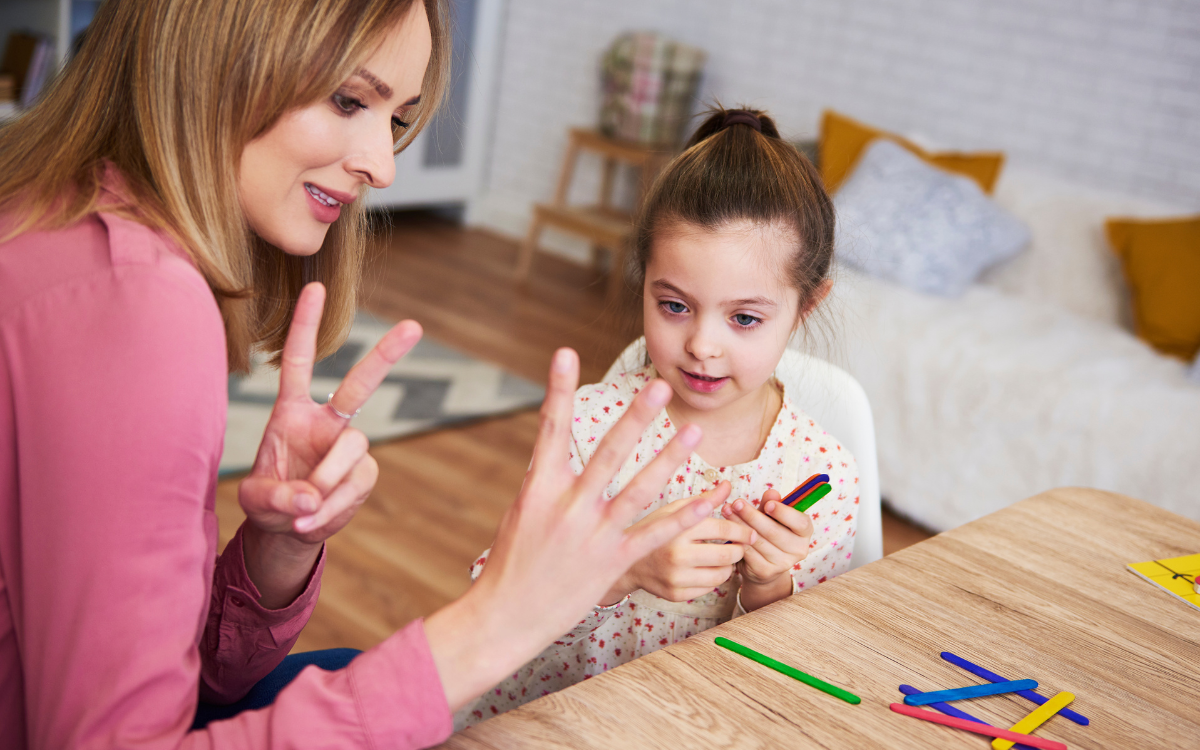
Occupational therapy plays a critical role in helping students with dyspraxia develop essential life skills. This type of therapy focuses on improving coordination, strengthening fine motor skills, and making daily tasks more manageable. Through structured exercises and interventions, children learn to perform activities such as tying shoelaces, using utensils, and improving handwriting.
An occupational therapist assesses a child’s specific difficulties and designs personalized strategies to address them. This may include activities that enhance motor coordination, such as puzzles, hand-strengthening exercises, and tasks that involve grasping small objects. The goal is to gradually build confidence and independence in completing everyday school and home activities.
In a classroom setting, occupational therapists often work with teachers to implement supportive strategies. These might include modified writing tools, extra time for assignments, or breaking complex tasks into individual steps. By tailoring learning approaches to the child’s abilities, occupational therapy makes schoolwork less stressful and more accessible.
With consistent practice and encouragement, children receiving occupational therapy can improve their motor skills, adapt to their challenges, and feel more capable in their learning environment.
The Importance of Visual Cues and Verbal Prompts
For children who struggle with coordinated movements and learning difficulties, using visual cues and verbal prompts can enhance comprehension and task completion. These tools help break down complex information into manageable steps, making it easier for students to follow along in class.
Visual cues, such as charts, diagrams, and written instructions, provide a reference point for children who have trouble processing verbal explanations. Color-coded notes, labeled classroom objects, and illustrated schedules can improve organization and independence.
Verbal prompts act as reminders to guide students through multi-step tasks. Teachers may use simple phrases like “first write your name” or “next, turn the page” to help maintain focus. Over time, these strategies enable students to work through assignments more independently.
By integrating these supportive techniques, educators can boost confidence in students with dyspraxia, helping them engage more actively in classroom activities while reducing frustration.
Classroom Strategies to Support Students with Dyspraxia

Teachers play a crucial role in ensuring that students with dyspraxia receive the support they need to thrive in school. Simple yet effective classroom strategies can help minimize frustration and maximize learning opportunities.
One essential approach is to allow additional time for tasks that require writing or physical movement. Many dyspraxic students struggle with speed and coordination, making timed assignments and fast-paced lessons overwhelming. Extending deadlines and offering alternatives, such as oral responses instead of written ones, can significantly reduce stress.
Another helpful strategy is breaking lessons into individual steps to make complex concepts easier to process. Using bullet points, checklists, and structured routines ensures that students don’t feel overwhelmed by too much information at once.
Hands-on learning can also make all the difference. Activities that engage multiple senses, such as using textured letters for spelling or practicing math with physical objects, help reinforce learning in a more accessible way.
Lastly, fostering a supportive classroom environment by encouraging students to ask questions and seek help without fear of judgment can greatly improve their educational experience. Small adjustments can lead to big improvements in confidence, skill development, and academic success.
How Parents Can Help Dyspraxic Children at Home

Parental support is essential for children with dyspraxia, as learning challenges extend beyond the classroom. Creating a structured and supportive home environment can help children build independence and confidence. One effective approach is breaking down daily tasks into manageable steps, making routines like dressing, organizing school materials, and completing homework easier.
Encouraging physical activities that enhance coordination, such as playing with building blocks or engaging in simple exercises, can improve motor skills over time. Parents can also introduce adaptive tools like ergonomic pencils and speech-to-text software to reduce frustration with writing.
Patience and positive reinforcement are key—acknowledging progress, no matter how small, can boost self-esteem. Open communication with teachers and therapists ensures consistency in learning strategies between home and school, allowing children to feel supported in every aspect of their development.
Boosting Confidence and Encouraging Skill Development
Confidence is often a major challenge for children with dyspraxia, especially when they compare themselves to their peers. Encouraging a growth mindset can help them develop resilience and motivation to improve their skills.
Celebrating small achievements—whether successfully tying shoes, completing a written assignment, or participating in a group activity—reinforces progress and builds self-esteem. Engaging children in activities where they can excel, such as music, art, or storytelling, helps shift focus from their struggles to their strengths.
Practicing new skills in a low-pressure environment also makes learning more enjoyable. Instead of focusing on perfection, parents and teachers can emphasize effort and persistence. Encouraging problem-solving, allowing extra time for tasks, and providing reassurance in moments of frustration all contribute to a more positive learning experience, helping children develop the confidence they need to succeed.
The Role of Therapists and Educators in Long-Term Success

Therapists and educators play a vital role in supporting children with dyspraxia throughout their academic journey. Occupational therapists help improve motor coordination, while speech therapists assist with language development and communication skills. These professionals create tailored interventions to address each child’s specific needs.
Teachers, on the other hand, can make learning more accessible by adapting lesson plans, incorporating assistive technology, and providing structured routines. Small adjustments, like offering alternative ways to complete assignments or allowing movement breaks, can significantly impact a child’s ability to focus and succeed.
Collaboration between therapists, educators, and parents ensures that children receive consistent support at school and home. By fostering an inclusive learning environment and recognizing individual progress, professionals can help children with dyspraxia build essential life skills and reach their full potential.
Conclusion: Overcoming Challenges with the Right Support
Dyspraxia presents unique challenges, but with the right strategies, children can develop the skills they need to thrive. Early intervention, structured support, and patience are key to helping students overcome difficulties in movement, coordination, and learning.
Whether through occupational therapy, adaptive teaching methods, or parental guidance, small adjustments can make a significant difference in a child’s confidence and academic performance. Encouraging a positive mindset and celebrating progress helps children stay motivated and engaged in their education.
As awareness grows, schools and families can work together to create environments where children with dyspraxia feel understood and supported. By focusing on strengths rather than limitations, students can navigate their challenges with greater ease, ultimately gaining the independence and self-assurance needed to succeed in both academics and everyday life.
Magrid provides an innovative, research-backed approach to supporting children with learning difficulties, helping them develop cognitive and motor skills in an engaging, screen-free way. By integrating Magrid into learning routines, parents and educators can offer children a powerful tool to build confidence, independence, and essential skills for success. Get started here.
Repetitive Learning Technique: A Parent’s Guide to Smarter Learning
As parents, we all want our children to excel in learning, retain knowledge, and confidently apply it in school and beyond. One of the most effective methods to support this is the repetitive learning technique, which strengthens long term memory through structured repetition. By reviewing concepts at regular intervals, children can improve recall and build deeper understanding over time.
This approach is not just about rote memorization, where students passively repeat material. Instead, it incorporates smart learning techniques, like spaced repetition, which introduces information at gradually increasing intervals. Studies in cognitive psychology and educational psychology show that revisiting topics at shorter intervals initially and then extending the gaps leads to long term retention.
By integrating this strategy at home, parents can help their children spend less time struggling with difficult subjects and instead learn efficiently for exams, schoolwork, and lifelong education.
Understanding the Learning Process: How the Brain Retains Information
The learning process is a complex system involving the brain, memory storage, and recall. When children first encounter new material, they may understand it briefly, but without repetition, that knowledge fades. This is because the brain tends to forget information that isn’t used frequently.
One way to counteract this is through spaced repetition, a method that strengthens long term memory by reviewing information at increasing intervals. Instead of cramming before an exam, a child benefits from revisiting concepts over a longer period. This is based on research in cognitive psychology and computer science, where data retention improves when exposure is repeated at strategic times.
Incorporating different techniques, such as active recall (quizzing instead of passive reading) and using physical flashcards, helps students retain information more effectively. The Leitner system, for instance, is a widely used technique where flashcards with more difficult answers are reviewed more often than easier ones.
By understanding how the learning process works, parents can support their child’s ability to achieve better results with less time studying, making learning an enjoyable and productive experience.
Spaced Repetition: A Smarter Way to Strengthen Memory
Spaced repetition is a scientifically proven learning technique that helps children retain knowledge by reviewing it at gradually increasing intervals. Unlike rote learning, where students repeat information without engagement, this method strengthens connections in the brain and makes recall easier over time.
The principle behind spaced repetition is simple: instead of reviewing material all at once, children revisit it at strategic points. Initially, they review information at shorter intervals, and as they master it, the review sessions move to longer intervals. This effective method has been widely studied in educational psychology and is known to enhance long term retention.
Many parents use spaced repetition software to help their children reinforce learning. These tools automatically determine the best timing for revision, adjusting intervals based on difficulty. Popular examples include digital flashcards that adapt based on correct and incorrect responses.
Using spaced repetition in daily study routines helps students retain information better, whether it’s vocabulary, math formulas, or historical facts. By applying this method, children not only spend less time relearning but also build a solid foundation for future education.
Using Spaced Repetition Software to Support Learning

Technology has made learning more efficient, and spaced repetition software (SRS) is one of the most powerful tools available. These digital programs help students reinforce knowledge by adjusting review intervals based on their progress. If a child struggles with a concept, the software presents it more frequently. Once mastered, the spacing increases, ensuring long term retention with less time spent reviewing.
SRS is particularly useful for subjects like language learning, math, and science, where students must remember vast amounts of material. Programs such as Anki and Quizlet use the Leitner system to determine when to show specific flashcards, making the learning process more structured. Research in computer science and educational psychology confirms that SRS helps students recall information efficiently, reducing the need for last-minute revision before exams.
Unlike traditional rote memorization, where students repeat information mindlessly, SRS encourages active recall, a technique where learners actively test themselves rather than passively rereading. This method strengthens memory and helps children apply concepts in different contexts.
For parents, incorporating spaced repetition software into a child’s study routine can make learning more engaging, personalized, and effective, allowing them to achieve better results in less time studying.
Rote Learning vs. Active Recall: Which Works Best?
Many parents associate rote learning with endlessly repeating facts until they stick. While this memorization technique has its place, it is often less effective for deep understanding. By contrast, active recall encourages children to retrieve information from memory, making it more durable and useful.
For example, in rote learning, a child trying to memorize multiplication tables may repeat the numbers aloud without truly grasping the patterns behind them. In contrast, active recall would involve solving problems without looking at the answers, forcing the brain to work harder. This process strengthens neural connections and improves long term memory.
However, rote learning can still be helpful for certain types of data, such as vocabulary or formulas. The key is to balance different types of learning techniques. Parents can use physical flashcards for quick recall and incorporate spaced repetition to ensure that children revisit difficult concepts at regular intervals.
Studies in cognitive psychology suggest that combining rote methods with active recall enhances progress and leads to better retention over a longer period. The goal isn’t just to remember information but to use it effectively, solving problems and applying knowledge in new situations.
Physical Flashcards and Other Tools for Repetition
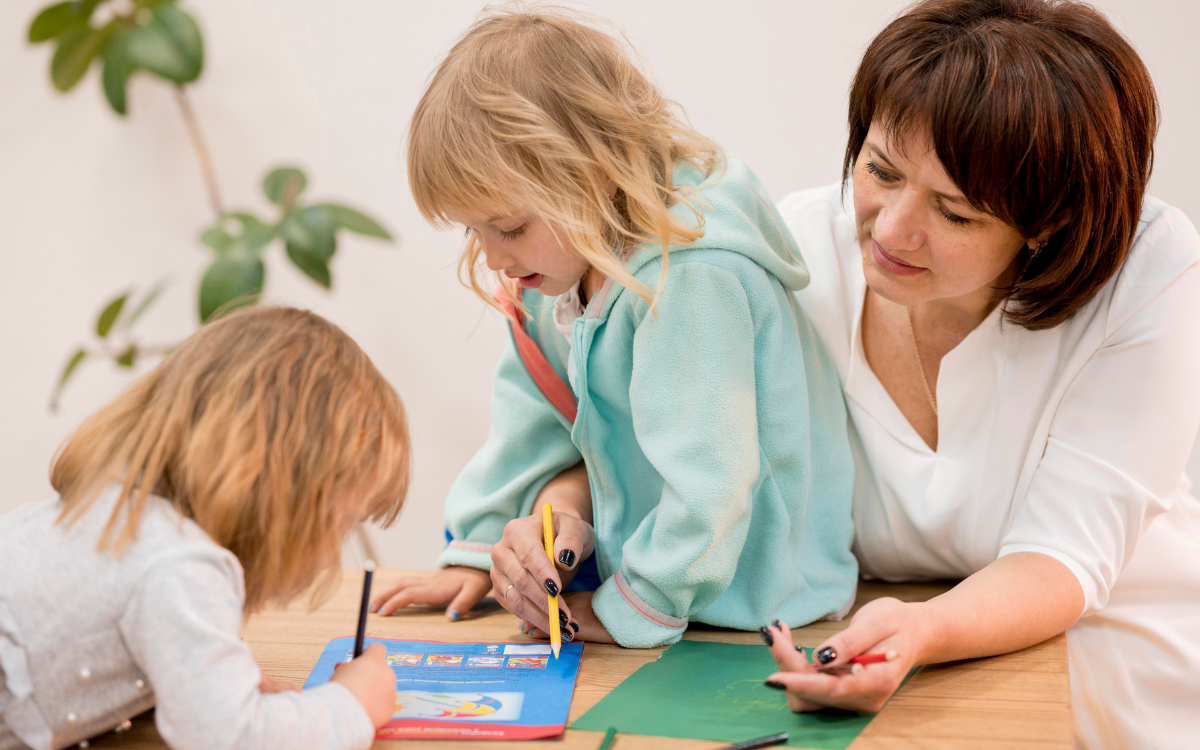
While digital tools are convenient, traditional physical flashcards remain an excellent solution for reinforcing concepts through repetition. Flashcards allow children to engage in active recall, making them a valuable educational tool for subjects like math, science, and language learning.
The Leitner system is a popular method that uses increasing intervals to help students focus on difficult material. Flashcards with correct answers are reviewed at longer intervals, while those with incorrect responses appear more frequently. This ensures that students spend more time studying what they struggle with, leading to efficient learning.
Beyond flashcards, other techniques can reinforce learning. Parents can turn study time into a game by using question-and-answer sessions, practice quizzes, or writing key points on sticky notes. Even reading aloud and summarizing subjects in their own words can strengthen understanding.
Using a mix of tools—from flashcards to digital apps—ensures that children remain engaged while reinforcing knowledge in a structured way. The right learning technique makes a difference in long term retention, helping children recall information effortlessly and apply it with confidence.
How Parents Can Make Repetitive Learning Fun and Effective
Repetition doesn’t have to feel like a chore. Parents can make the repetitive learning technique engaging by incorporating creativity, games, and interactive activities into their child’s routine. Learning should be enjoyable, not just about drilling information through rote memorization.
One way to keep children motivated is through gamification. Apps and spaced repetition software often include rewards, progress tracking, and challenges to make learning exciting. Parents can create a similar experience at home by offering small incentives for mastering difficult concepts or turning review sessions into friendly competitions.
Using multisensory techniques, such as saying answers aloud, drawing visual representations, or acting out information, also enhances understanding. Group activities, like discussing topics with siblings or friends, can reinforce knowledge while making learning more social.
For younger children, storytelling and songs can transform complex material into easy-to-remember patterns. For older students, encouraging them to teach others reinforces their learning process—a well-researched strategy in educational psychology.
By varying learning techniques and keeping sessions short but consistent, parents can help their children spend less time studying while achieving long term retention. The key is to ensure learning remains dynamic, engaging, and tailored to their child’s unique style.
Helping Your Child Build Strong Learning Habits

Creating a solid foundation for learning requires consistency and the right techniques. Parents play a crucial role in establishing study habits that promote long term memory and effective learning. By integrating the repetitive learning technique into daily routines, children can naturally strengthen their recall abilities.
A structured approach works best. Setting up a study schedule with regular intervals for review helps prevent last-minute cramming and reinforces knowledge over a longer period. Using a mix of physical flashcards, quizzes, and spaced repetition tools ensures that children engage with material in different ways, enhancing understanding.
Encouraging self-assessment is another powerful strategy. Asking children to recall information without looking at the answers (a practice known as active recall) boosts retention and deepens comprehension. Similarly, using the Leitner system helps determine which concepts need more focus.
Above all, parents should foster a positive mindset toward learning. Celebrating small successes and emphasizing progress over perfection builds confidence and motivation. With the right support, children can learn efficiently, improve recall, and develop skills that benefit them far beyond the classroom.
To give your child an even stronger start, explore Magrid, a research-backed learning platform designed to make math education engaging, effective, and stress-free.
Understanding Math Learning in Multilingual Minds
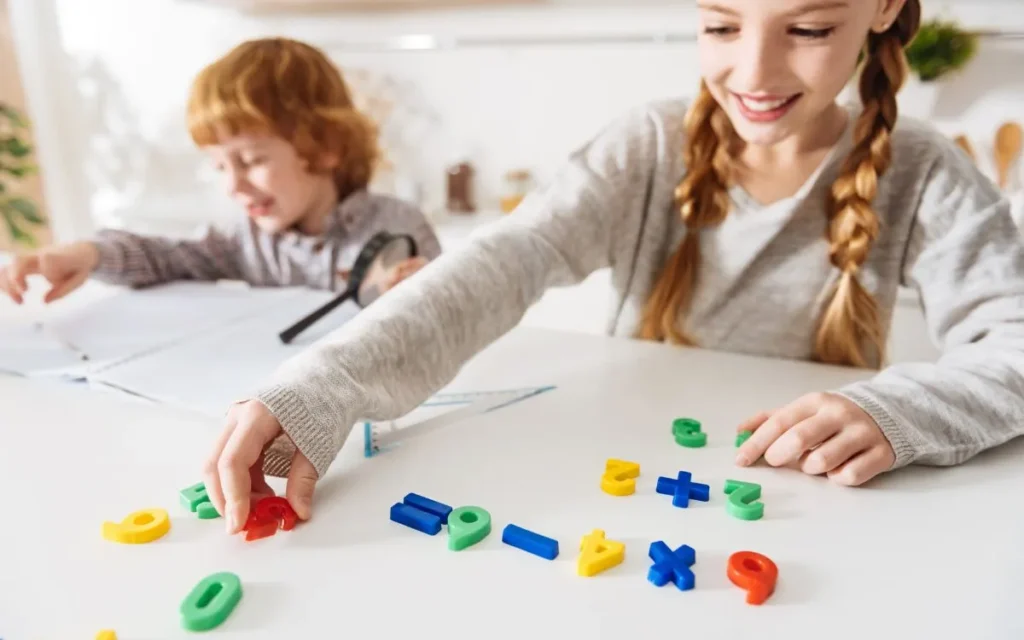
In this interview, Dr. Anna Schmitt from Magrid speaks with Dr. Mila Marinova, a cognitive psychologist at the University of Luxembourg, about her research on the intersection of language, mathematics, and cognitive development. Dr. Marinova’s work explores how children and adults acquire numerical skills in multilingual contexts, and how factors such as math anxiety, socio-cultural background, and language of instruction influence mathematical learning.
Focusing on both experimental studies and practical implications, she sheds light on the challenges and opportunities faced by multilingual learners. This conversation offers valuable insights for educators, researchers, and policymakers seeking to support equitable and effective math education in diverse classrooms.
Could you briefly describe your research interests and work at the University of Luxembourg?
a cognitive psychologist at the University of Luxembourg, I work within the Cognitive Neuroscience Unit. My research sits at the intersection of cognitive-developmental psychology and neuroscience, with a particular focus on numerical cognition—how humans learn and process numbers, and how mathematical skills develop across the lifespan.
Currently, my work is primarily experimental, exploring how numerical and mathematical competencies emerge and develop in both children and adults. I am especially interested in how these competencies are shaped by various factors, including affective influences (such as anxiety), gender, multilingualism, and the socio-cultural environment. By socio-cultural environment, I refer to influences such as parent-child interactions involving numerical content, socioeconomic status, and immigration status. More broadly, I am also interested in the neurocognitive mechanisms of learning in both typical and specific populations.
In addition to research, I wear many other hats. I am actively involved in teaching, student supervision, and the training of the next generation of scientists. I particularly enjoy teaching courses on the scientific method, experimental research, and learning to bachelor’s and master’s students. I am also deeply passionate about skill development, offering workshops on academic writing, thesis preparation, and critical thinking. My teaching extends beyond the university setting, as I regularly facilitate critical thinking workshops for doctoral candidates, medical professionals, adolescents, and the general public, in both formal and informal contexts.
Furthermore, I am deeply committed to public outreach, striving to make scientific knowledge accessible to wider audiences. As an active science communicator, I engage with the public through my Instagram account (@dr.mila.marinova) and my website (milamarinova.com), where I focus on topics such as critical thinking, decision-making, disinformation, and scientific literacy. Through my communication work, I aim to integrate insights from psychology and neuroscience to make research findings understandable and actionable, ultimately supporting informed decision-making and public engagement with science.
Could you provide a summary of your latest publications related to bilingualism and mathematics?
First, I would like to briefly address the broader relationship between language and mathematics learning and performance, as this context is essential for understanding my research (for an overview, see Schiltz et al., 2024).
Although it is a common myth that language and mathematics are unrelated, current research—including my own—demonstrates a strong and intricate connection between these domains. Numerical systems are, in fact, linguistic systems, and as such, our language skills are deeply involved when we learn and use mathematical concepts. This connection becomes especially evident in multilingual individuals whose experiences with mathematics are shaped also by the linguistic context in which they are learning.
Multilingualism affects various numerical learning processes, from learning to count to understanding complex mathematical problems. This influence is particularly pronounced for individuals whose language of instruction at school differs from their mother tongue (e.g., Greisen et al., 2021). Our research at the University of Luxembourg, consistent with international findings, shows that such individuals often face additional challenges compared to peers who learn in their first language.
However, multilingualism should not be viewed as a disadvantage in itself—in fact, being multilingual carries cognitive and practical benefits. The key lies in understanding how to navigate these dynamics effectively in educational contexts so that multilingualism can be a resource rather than a barrier.
The country of Luxembourg and its multilingual educational system is a very interesting case and the “perfect laboratory” for someone like me who studies the interaction between language and mathematics. Just to remind the readers that in Luxembourg’s educational system, the language of formal instruction (LI1) is German in primary school, and then these learners switch to French in high school (LI2). This multilingual educational system possesses many practical advantages and certain challenges for learners. In my own research on multilingualism and mathematics, I focus on three main areas:
First, I study how multilingualism impacts the early stages of numerical concept learning in young children:
Our ongoing studies suggest that second-language learners may face disadvantages when acquiring basic numerical skills, such as counting. Since counting forms the foundation for later mathematical understanding, difficulties in this area can cascade into more advanced learning challenges. We are currently investigating how these early struggles affect the development of more advanced numerical concepts such as succession (that for each natural number n, there is a successor n+1), the understanding of infinity, and how formal and informal learning experiences can influence their early stages of numerical concept development (Marinova & Schiltz, 2024; see also Cheung et al., 2025; Schneider et al., 2020).
A second line of research focuses on the role of affective factors, such as anxiety and attitudes, in math learning among mono- and multilingual individuals. From studies in mono-linguals (including studies where the language status has not been specifically assessed), we know that high levels of anxiety and specifically math anxiety can negatively influence math performance (Vos et al., 2023; Marinova & Vos, 2024).
In multilingual individuals, this topic is not very well understood, but our preliminary data suggest that second-language learners, especially at the start of secondary school, tend to experience higher levels of math anxiety and math avoidance. Interestingly, this anxiety seems to decrease over time, likely as students gain confidence and familiarity with mathematical concepts in their second language. In adults, we observe clear language preferences for different types of tasks. For example, in one study, university students expressed a preference for taking a general knowledge exam in German, but would opt for French when taking a math exam—highlighting that the language of mathematics holds special significance for multilingual individuals.
Finally, I also study how basic numerical concepts are represented in the multilingual brain:
Although this line of research is still ongoing, preliminary findings, combined with previous work in our lab (e.g., Van Rinsveld et al., 2016;2017), suggest that numbers and mathematical operations may be represented and processed differently depending on the language used. This points to deep, brain-level interactions between language and mathematics, implying that whether a person solves a math problem in their first or second language could influence not only performance but also the underlying cognitive processes.
It is important to note that many of these findings are still preliminary and in the process of peer review, so they should be interpreted cautiously. Nonetheless, they open important avenues for understanding how multilingualism interacts with mathematical thinking and how educational systems might better support multilingual learners.
Regarding the publications related to Magrid*: Do you notice any similarities or any differences?
I see many meaningful parallels between my works and Magrid’s scientific work and its mission as an educational technology. In both cases, there is a clear recognition that language—particularly for non-native speakers—can present significant challenges to the acquisition of early number skills. This understanding is crucial, as language barriers can often hinder children’s early numeracy development.
At the same time, visual-spatial skills play a critical role in the development of early numeracy, not only in typically developing children but also in those from specific or vulnerable populations. I believe Magrid’s approach—focusing on strengthening early numerical understanding through visual-spatial skills—is a particularly powerful and effective strategy. By reducing reliance on language, this method can help mitigate educational inequalities and provide more equitable access to foundational math skills.
Moreover, once these numeracy skills are established through visual-spatial training, they can be complemented and further enhanced through targeted language-based interventions, creating a comprehensive and inclusive framework for supporting children’s mathematical development.
How can your studies have a concrete impact on mathematics learning among young children?
My work examines the critical role language plays in mathematical learning and performance and the fact that, for multilingual individuals, this relationship is shaped by a complex interplay of cognitive, emotional, and contextual factors. Understanding these dynamics is crucial for creating inclusive and effective educational practices that recognize multilingual learners’ challenges and strengths. However, studying how multilingualism impacts early cognitive development is still a relatively new field because cultural and language diversity is relatively new in human history. In addition, studying multilingual populations is a big challenge because the profiles are very unique and very diverse. Yet, we already do know some things, which I believe can make a difference in our educational systems.
One of the immediate and impactful steps I believe we can take is raising teachers’ awareness about the critical role language plays in mathematics learning. Teachers carry immense responsibilities and manage numerous tasks daily, but it is still a widespread misconception—in Luxembourg and globally—that mathematics is a “language-free” subject. In reality, language is the foundation for learning mathematics. Understanding and expressing mathematical ideas, reasoning through problems, and interpreting tasks are all mediated by language. Promoting dialogue and collaboration with teachers to make this connection explicit would be a crucial step forward.
Furthermore, recognising and embracing linguistic and cultural diversity within the classroom can foster a more inclusive and supportive learning environment. One important change could be approaching the language of instruction as a second (or even third) language for many children rather than assuming full proficiency from the outset. Teaching it formally as a foreign language could significantly support multilingual learners.
At the higher policy level, evidence-based educational practices and policies are essential for meaningful and sustainable change. I believe that research—like my own—can help inform these practices. Ultimately, I am optimistic that, as research continues to inform practice and policy, we will see progressive improvements in how mathematics is taught and learned, particularly for children navigating the challenges of multilingual education.
Would you like to add any insights related to mathematics and learning disorders in a bilingual context?
Yes, I believe this is a vital and often overlooked area when considering mathematics learning, especially in multilingual contexts. Developmental dyscalculia, or specific learning disorder in mathematics, is a neurodevelopmental disorder characterised by persistent difficulties in acquiring basic numerical and mathematical skills. These difficulties can have profound consequences, affecting academic achievement and an individual’s broader personal and professional life if left unaddressed.
However, when it comes to bilingual and multilingual learners, there is still a significant lack of research specifically focused on how learning disorders like dyscalculia present and manifest in these populations (see Schiltz et al., 2024, p.2424). This presents a real challenge, as multilingualism introduces unique cognitive and linguistic dynamics that can both mask and mimic mathematical learning difficulties
For instance, studies have shown that higher bilingual proficiency may support mathematics performance in children with mathematical difficulties, potentially through higher working memory (Swanson et al., 2018). Yet, mathematical vocabulary can be a specific point of struggle for second-language learners with math difficulties, especially in arithmetic tasks (e.g., Powell et al., 2020). This indicates that bilingualism has a particular, but not very well understood, implication for children with math difficulties.
One major concern is that language proficiency plays a critical role in how children perform on diagnostic assessments, many of which are language-heavy and designed for native speakers. As a result, there is a real risk of both over- and under-diagnosis of dyscalculia in multilingual learners, depending on whether their language challenges are mistaken for math difficulties or vice versa. For example, the data from Luxembourg’s national school monitoring program show that if we apply the same diagnostic cut-offs for all children, a disproportionately high number of second-language speakers would be classified as having math difficulties, while some first-language speakers who struggle might be missed (Martini et al., 2021). This highlights the urgent need for diagnostic tools that take into account children’s language backgrounds, with adjusted norms that reflect the linguistic diversity of the classroom.
Additionally, dyscalculic children often show weaker language skills in general, compared to typically developing peers, meaning that multilingual children with dyscalculia may be twice disadvantaged—both in terms of language and mathematics. There is a pressing need to develop and implement assessments that are linguistically sensitive and equitable, and promising steps are being made in this direction by my colleagues at the Luxembourg Center of Educational Testing (LUCET) and the Cognitive Neuroscience Unit, who have recently developed a diagnostic test for mathematical learning impairments in multilingual contexts (Hilger et al., 2024) .
References:
Cheung, P., Bourque, T., Ang, D., & Merkley, R. (2025). Early number acquisition in bilingual children. Cognitive Development, 73, 101541.https://doi.org/10.1016/j.cogdev.2024.101541
Greisen, M., Georges, C., Hornung, C., Sonnleitner, P., & Schiltz, C. (2021). Learning mathematics with shackles: How lower reading comprehension in the language of mathematics instruction accounts for lower mathematics achievement in speakers of different home languages. Acta Psychologica, 221, 103456. https://doi.org/10.1016/j.actpsy.2021.103456Get rights and content
Hilger, V., Ugen, S., Romanovska, L., & Schiltz, C. (2024). Diagnose spezifischer Lernstörung im Bereich Mathematik in einem multilingualen Bildungskontext. Nationaler Bildungsbericht Luxemburg .
Marinova, M. & Vos, H. (2024). Minding the gap in primary school: examining the interplay between working memory, math anxiety, spatial anxiety, and mathematical ability. (Poster Presentation) available at https://orbilu.uni.lu/handle/10993/60808
Marinova, M. & Schiltz, C. (2024). Learning to count in a multilingual environment. (Poster Presentation) available at https://orbilu.uni.lu/handle/10993/64509
Martini, S., Schiltz, C., Fischbach, A., & Ugen, S. (2021). Identifying math and reading difficulties of multilingual children: Effects of different cut-offs and reference groups. In A. Fritz, E. Gürsoy, & M. Herzog (Eds.), Diversity Dimensions in Mathematics and Language Learning (pp. 200–228). https://doi. org/10.1515/9783110661941-011
Powell, S. R., Berry, K. A., & Tran, L. M. (2020). Performance differences on a measure of mathematics vocabulary for English learners and non-english learners with and without mathematics difficulty. Reading & Writing Quarterly, 36(2), 124–141. https:// doi.org/10.1080/10573569.2019.1677538
Schiltz, C., Lachelin, R., Hilger, V., & Marinova, M. (2024). Thinking about numbers in different tongues: An overview of the influences of multilingualism on numerical and mathematical competencies. Psychological Research, 1-16. https://doi.org/10.1007/s00426-024-01997-y
Schneider, R. M., Sullivan, J., Marušič, F., Biswas, P., Mišmaš, P., Plesničar, V., & Barner, D. (2020). Do children use language structure to discover the recursive rules of counting?. Cognitive psychology, 117, 101263.https://doi.org/10.1016/j.cogpsych.2019.101263
Swanson, H. L., Kong, J., & Petcu, S. (2018). Math difficulties and working memory growth in English language learner children: does bilingual proficiency play a significant role? Language, Speech & Hearing Services in Schools, 49(3), 379–394. https:// doi.org/10.1044/2018_LSHSS-17-0098
Van Rinsveld, A., Schiltz, C., Brunner, M., Landerl, K., & Ugen, S. (2016). Solving arithmetic problems in first and second language: Does the language context matter? Learning and Instruction, 42, 72–82. https://doi.org/10.1016/j.learninstruc.2016.01.003
Van Rinsveld, A., Dricot, L., Guillaume, M., Rossion, B., & Schiltz, C. (2017). Mental arithmetic in the bilingual brain: Language matters. Neuropsychologia, 101, 17–29. https://doi.org/10.1016/j. neuropsychologia.2017.05.009
Vos, H., Marinova, M., De Léon, S. C., Sasanguie, D., & Reynvoet, B. (2023). Gender differences in young adults’ mathematical performance: Examining the contribution of working memory, math anxiety and gender-related stereotypes. Learning and Individual Differences, 102, 102255. https://doi.org/10.1016/j.lindif.2022.102255
About Magrid:
*Cornu, V., Schiltz, C., Pazouki, T., & Martin, R. (2017b). Training early visuo-spatial abilities : A controlled classroom-based intervention study. Applied Developmental Science, 23(1), 1‑21. https://doi.org/10.1080/10888691.2016.1276835
Jung, S., Meinhardt, A., Braeuning, D., Roesch, S., Cornu, V., Pazouki, T., Schiltz, C., Lonnemann, J., & Moeller, K. (2020c). Hierarchical Development of Early Visual-Spatial Abilities – A Taxonomy Based Assessment Using the MaGrid App. Frontiers In Psychology, 11. https://doi.org/10.3389/fpsyg.2020.00871
Pazouki, T., Cornu, V., Sonnleitner, P., Schiltz, C., Fischbach, A., & Martin, R. (2018d). MaGrid : A Language-Neutral Early Mathematical Training and Learning Application. International Journal Of Emerging Technologies In Learning (iJET), 13(08), 4. https://doi.org/10.
Understanding the Connection Between Autism and Math Abilities

The relationship between autism and math has long intrigued researchers and educators. Many autistic children display remarkable cognitive strengths in numerical problem solving, while others struggle with math concepts due to challenges in executive functioning and social interactions. This contrast highlights the complexity of mathematical abilities within the autism spectrum disorder (ASD).
20 Engaging and Fun Math Activities for 3 Year Olds
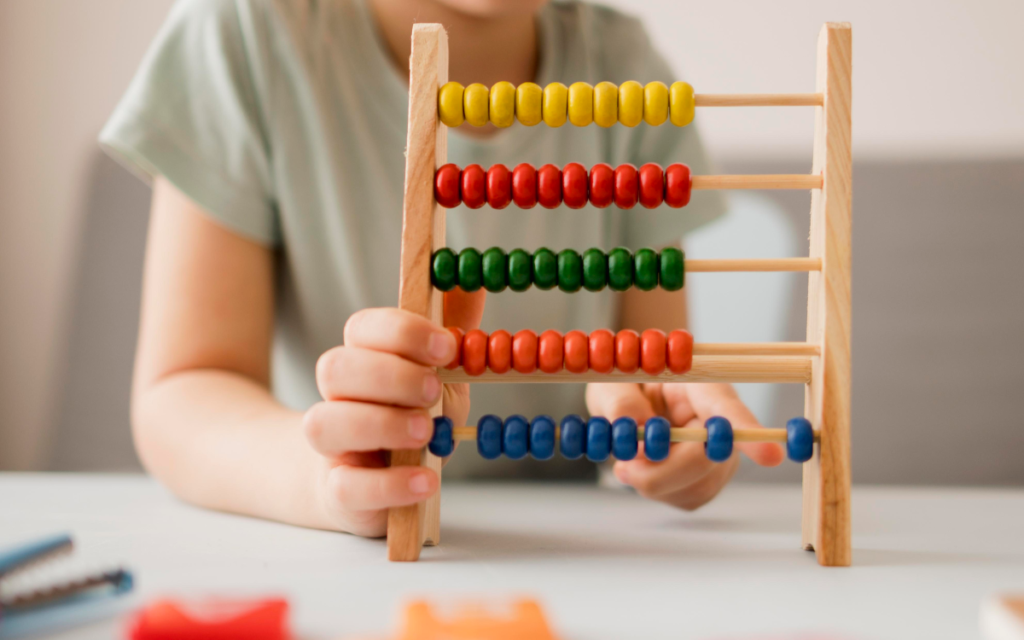
Early math learning helps toddlers develop math skills, critical thinking skills, and fine motor skills. At three, they are naturally curious and eager to explore basic concepts like counting, shape recognition, and spatial sense through play.
Fun math activities build confidence in mathematical thinking while strengthening hand-eye coordination. Simple hands-on activities like counting elements or stacking building blocks make teaching math engaging and enjoyable.
Setting the Stage: Everyday Math in a Toddler’s World
Math is everywhere, from spotting different shapes to counting everyday objects. Toddlers explore math concepts naturally through sorting toys, comparing sizes, and recognizing colors.
Parents can encourage early math learning by asking their child to classify things on a nature walk, spot numbers on the front door, or use measuring cups. These fun ways make math activities part of everyday life.
1. Counting Activities with Everyday Objects

One of the simplest math activities for 3 year olds is counting everyday objects like toys, fruits, or buttons. This activity introduces basic math while improving number recognition and one-to-one correspondence.
Start by asking your child to count items during playtime or while setting the table. Encourage them to touch each object as they count, reinforcing hands-on learning. For added fun, turn it into a fun game by timing how quickly they can find and count everyday objects. This activity helps toddlers build confidence in math skills while naturally integrating early math learning into their daily routine.
2. Shape Hunt Game for Shape Recognition
A shape hunt game is a fantastic way to develop shape recognition skills and introduce different shapes in an exciting way. Give your child a list of shapes to find around the house or during a nature walk. Ask them to identify circles, squares, and triangles in everyday objects like clocks, windows, and books.
This activity enhances spatial awareness, helps toddlers learn shape attributes, and encourages problem solving. By making math activities part of their exploration, preschoolers develop a strong understanding of mathematical concepts through playful interaction with the world around them.
3. Matching Pairs with Socks or Cards
Matching socks or playing a card matching pairs game helps toddlers recognize patterns and improve math skills. Spread out mixed socks or cards and ask your child to find the matching pairs. This activity enhances critical thinking skills, fine motor skills, and color identification.
To make it more engaging, challenge your child to sort the pairs by shape attributes, size, or comparative terms like “bigger” and “smaller.” These fun math activities build an early understanding of classification and basic concepts, supporting a strong foundation in math activities for toddlers.
4. Domino Fun: Learning Patterns and Counting

Playing with different dominoes is a fun game that teaches counting activities, pattern recognition, and basic operations. Have your child count the dots on each domino and match them based on numbers or colors.
This interactive game improves number recognition and strengthens mathematical thinking. Encourage toddlers to create a number sequence or build a simple number line with the dominos. This hands-on activity not only supports early math learning but also enhances problem solving and spatial sense through play.
5. Ice Cube Tray Counting for Number Recognition
An ice cube tray makes a great tool for counting activities and number recognition. Write numbers in each section of the tray and ask your child to place small objects, such as beads or beans, into the corresponding spaces.
This hands-on activity strengthens fine motor skills, one-to-one correspondence, and basic math understanding. For an added challenge, use comparative terms like “more” or “less” to introduce measurement concepts. Engaging in this fun way to practice numbers helps toddlers develop strong math skills while keeping learning playful and interactive.
6. Building Towers with Blocks: A Fun Math Activity
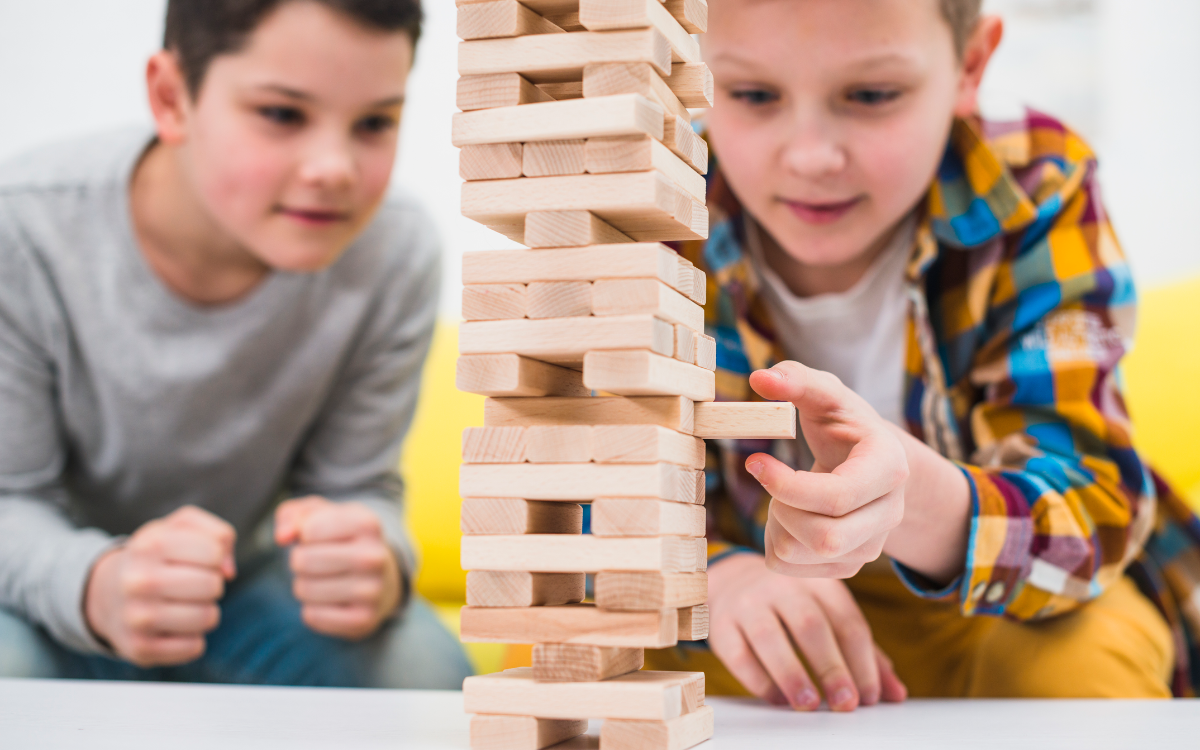
Using building blocks is a great way to introduce math activities for 3 year olds while improving spatial awareness and fine motor skills. Ask your child to build towers of different heights and count the blocks as they stack them.
You can add a challenge by comparing the height of two towers using comparative terms like “taller” and “shorter.” This hands-on activity strengthens early math learning, helps children recognize basic concepts like size and quantity, and encourages problem solving. Through playful exploration, toddlers develop mathematical thinking and a love for fun math activities.
7. Sorting Toys by Color, Size, and Shape
Sorting toys is an easy way to introduce basic math and improve critical thinking skills. Give your child a mix of toys and ask them to sort by color identification, size, or different shapes.
This activity strengthens shape recognition skills while reinforcing basic concepts like classification and grouping. Encourage your toddler to describe their choices using comparative terms such as “biggest” or “smallest.” These fun ways of teaching math support spatial sense and early math learning, making it an engaging and educational playtime activity.
8. Exploring Measurement Concepts with Measuring Cups
Using measuring cups is a great way to introduce measurement concepts through hands-on activities. Let your child explore pouring water, rice, or sand into different-sized cups to compare volumes.
Encourage them to use comparative terms like “full” and “empty” to describe their observations. This fun math activity strengthens spatial awareness, develops problem solving skills, and helps toddlers understand basic operations like addition when they combine amounts. By exploring with measuring cups, preschoolers gain confidence in early math learning while engaging in a playful and sensory-rich experience.
9. Nature Walk: Counting and Classifying Objects

A nature walk is a fantastic way to explore math concepts in the real world. Encourage your child to collect and classify things like leaves, rocks, or flowers by size, shape, or color.
This activity develops counting elements, shape recognition, and spatial awareness while strengthening fine motor skills. Ask questions like, “How many round leaves did we find?” or “Which rock is the biggest?” These interactive games support early math learning and allow toddlers to connect mathematical concepts to nature, making math an exciting adventure.
10. Drawing Shapes to Improve Shape Recognition
Encourage your child to draw shapes using crayons, chalk, or even their fingers in the sand. This hands-on activity helps develop shape recognition skills, fine motor skills, and hand-eye coordination.
Ask them to identify the shape attributes of circles, squares, and triangles as they draw. For extra fun, turn it into a fun game by challenging them to find and trace different shapes in their surroundings. Engaging in fun math activities like this supports early math learning and builds confidence in recognizing and recreating basic concepts of geometry.
11. Hands-On Pipe Cleaners for Fine Motor Skills
Using pipe cleaners is a fun way to develop fine motor skills while introducing math activities for 3 year olds. Give your child different colored pipe cleaners and encourage them to bend them into different shapes like circles, triangles, or squares.
This hands-on activity strengthens shape recognition skills, hand-eye coordination, and spatial sense. You can also create a simple matching pairs game by shaping two identical figures and asking your toddler to find the matching one. Engaging in preschool math activities like this helps children explore shape attributes in a creative and enjoyable way.
12. Recognizing Numbers with a Number Line
A number line is a fantastic tool for helping toddlers with recognizing numbers and understanding basic math. Draw a number line on paper or outdoors with chalk, and have your child jump or walk to the numbers as you call them out.
This interactive game builds confidence in number recognition while reinforcing one-to-one correspondence. You can also introduce basic addition by asking them to jump forward a certain number of spaces. Using a number line as part of math activities for toddlers makes early math learning engaging and dynamic.
13. Simple Math Concepts with a Front Door Number Hunt

A front door number hunt is a fun way to practice number recognition and basic math. While walking outside, encourage your child to find numbers on mailboxes, house doors, or street signs.
This activity supports mathematical thinking and critical thinking skills by asking questions like, “What number comes after 5?” or “Can you find a bigger number?” Recognizing numbers in real-world contexts strengthens early math skills while making learning exciting. This game is simple yet effective in reinforcing preschool math activities naturally during everyday outings.
14. Toddler’s Imagination: Creating Shapes with Other Objects
Encourage a toddler’s imagination by letting them use other objects to create shapes. Offer items like sticks, straws, or LEGO bricks and challenge them to form squares, triangles, or circles.
This hands-on activity promotes spatial awareness, shape recognition, and shape attributes while engaging their problem solving skills. To make it more interactive, turn it into a fun game by asking them to build a mystery shape for you to guess. Incorporating learning activities like this into play strengthens early math learning while sparking creativity.
15. Fun Ways to Introduce Basic Addition
Introducing basic addition can be simple and engaging with fun ways to combine objects. Use toys, snacks, or everyday objects to demonstrate “2 + 1 = 3.”
Encourage your child to count as they add, reinforcing one-to-one correspondence and math skills. Turn it into a fun game by asking, “If you have two apples and I give you one more, how many do you have?” These interactive games make teaching math more engaging and help toddlers understand basic operations in a natural way. By practicing early math learning in everyday scenarios, toddlers build confidence in mathematical concepts.
16. Writing Numbers with Chalk or Sand
Encouraging your child to write numbers using chalk on the sidewalk or drawing them in sand is a fantastic hands-on activity for developing number recognition and fine motor skills.
This activity helps reinforce basic math by allowing toddlers to see and feel numbers as they create them. Turn it into a fun game by calling out numbers and having them write them down. Using fun ways like this makes teaching math more engaging and supports early math learning in a natural and enjoyable way.
17. Interactive Games Using Math Apps

Technology can enhance preschool math activities, and math apps provide interactive games that help with number recognition, counting activities, and basic operations. Choose apps that encourage toddlers to explore math concepts through puzzles, animations, and songs.
One great example of a math app designed for early learners is Magrid, which focuses on building foundational math skills without relying on text or spoken language. This makes it particularly effective for young children and multilingual learners.
Through interactive exercises, Magrid helps toddlers develop number sense, spatial awareness, and problem-solving skills in a playful and engaging way. By integrating apps like Magrid into structured screen time, parents and educators can offer meaningful math experiences that feel like fun while reinforcing key early learning concepts.
18. Exploring Spatial Sense with Puzzles
Using shape puzzles is a fantastic way to develop spatial sense, shape recognition skills, and problem solving. Provide your child with puzzles featuring different shapes, encouraging them to match pieces based on shape attributes.
As they complete the puzzle, toddlers strengthen their hand-eye coordination and mathematical thinking. You can also ask them to describe the shapes they see, reinforcing basic concepts like sides and angles. Hands-on activities like these make fun math activities engaging while helping toddlers build confidence in early math learning.
19. Playing with Everyday Objects for One-to-One Correspondence
One-to-one correspondence is a key skill in early math learning, and it can be taught through hands-on activities using everyday objects. Give your child a row of cups and small toys, and ask them to place one toy in each cup while counting aloud.
This activity reinforces basic math, counting elements, and mathematical thinking. You can introduce comparative terms like “equal” and “more” to extend learning. Engaging in math activities for toddlers that involve real-world objects helps make math concepts more tangible and easier to understand.
20. Fun Preschool Math Activities for Problem Solving
Problem-solving skills are essential in early math, and fun preschool math activities like scavenger hunts can encourage this development. Create a simple math-based treasure hunt where your child follows number clues to find a hidden object.
This activity strengthens critical thinking skills, number recognition, and spatial awareness while making math activities exciting. Ask questions like, “What number comes next?” to challenge their mathematical thinking. By incorporating fun ways to solve problems, toddlers build confidence in their ability to approach math concepts creatively.
Conclusion: Making Math a Fun Part of Everyday Life

Incorporating math activities for 3 year olds into daily play makes early math learning enjoyable and natural. From counting everyday objects to exploring shape recognition, these fun math activities build a strong foundation in math skills. By using hands-on activities and interactive games, toddlers develop confidence in basic math while having fun. Encouraging curiosity and play ensures a lifelong love for mathematical concepts.
Discover More Hands-On Learning with Magrid
Make teaching math even more engaging with Magrid! Our innovative platform offers interactive games, math activities for toddlers, and fun ways to develop math skills. Designed for preschoolers, Magrid enhances spatial awareness, problem solving, and number recognition through play-based learning. Start exploring preschool math activities today and help your child build a strong foundation in early math with Magrid!