






10 Math Strategies for Struggling Students

Introduction: Helping struggling students succeed in math
Learning math can be tough, especially for struggling students facing complex math concepts and problem solving strategies. Frustration and low confidence often make it hard to stay motivated. Math teachers play a key role in providing support to help students develop skills and gain confidence.
By using strategies like visual aids, hands-on activities, and real-world scenarios, educators can support students at their own pace and help them achieve math success.
Why struggling students face challenges with math concepts
Struggling students face challenges due to different learning styles, learning disabilities, and gaps in foundational knowledge. Mathematical language can be confusing, making it difficult to solve word problems and understand instructions.
Math anxiety can further affect engagement and progress. Without targeted help, these difficulties persist across grade levels. Identifying the root causes allows math teachers to apply intervention strategies that boost confidence and improve math skills effectively.
The role of math teachers in supporting struggling students
Math teachers play a vital role in helping struggling students by adapting instruction to meet their diverse needs. Differentiated instruction, peer tutoring, and small groups provide targeted support that aligns with students’ learning styles.
Teachers can use problem solving strategies, explicit instruction, and hands-on activities to guide students effectively. A positive classroom environment that celebrates successes encourages students to stay motivated and develop a deeper understanding of math concepts.
Key principles of successful math intervention strategies
Effective math intervention strategies focus on individualized support to help struggling students. A strong math program includes explicit instruction, regular assessments, and opportunities to build fluency through practice.
Visual aids like number lines and graphic organizers simplify complex concepts, while real-world scenarios and educational apps make learning engaging. Tailored interventions help students overcome challenges and achieve long-term success by addressing their unique learning needs.
Building a strong foundation in mathematical language

Understanding mathematical language is crucial for students to grasp math concepts and solve word problems. Struggling students often find math vocabulary challenging, which can hinder comprehension.
Teachers can support students by gradually introducing new terms, using visual aids, and reinforcing concepts through real-world examples. Encouraging students to regularly use math vocabulary in class discussions and activities helps build confidence and supports their problem solving skills.
Introducing 10 effective math strategies for struggling students
Supporting students struggling with math requires strategies that make learning engaging and accessible. Math strategies focus on hands-on activities, visual aids, and differentiated instruction to encourage skill development and confidence.
The following sections outline ten effective strategies that address students’ unique challenges, guiding them through the math process and fostering a deeper understanding of math concepts. These strategies help struggling students succeed by making learning math more personalized and achievable.
1. Use visual aids to simplify mathematical concepts
Visual aids are powerful tools that help struggling students better understand complex math concepts. Many educators use visual representations such as number lines, graphs, and charts to illustrate abstract ideas in a more tangible way.
For students struggling with the math process, visual aids provide clarity and support their thought processes by breaking down information into manageable parts. In addition, using graphic organizers can help guide students through multi-step math problems and build their problem solving strategies.
By incorporating visual aids into the math classroom, teachers can create an engaging learning environment that supports different learning styles and helps students build fluency in key concepts.
2. Break down math concepts into smaller steps
Breaking down math concepts into smaller, more digestible steps is an effective way to support struggling students. Explicit instruction helps guide students through each stage of the math process, allowing them to focus on one aspect at a time without feeling overwhelmed.
For example, when teaching how to solve word problems, breaking the problem into distinct steps—such as identifying key information, choosing a strategy, and verifying the solution—can make it easier to understand.
This approach builds students’ confidence and encourages them to develop skills gradually at their own pace. It also helps them achieve a deep understanding of math concepts by reinforcing each step through practice and repetition.
3. Incorporate real-world scenarios in the math classroom
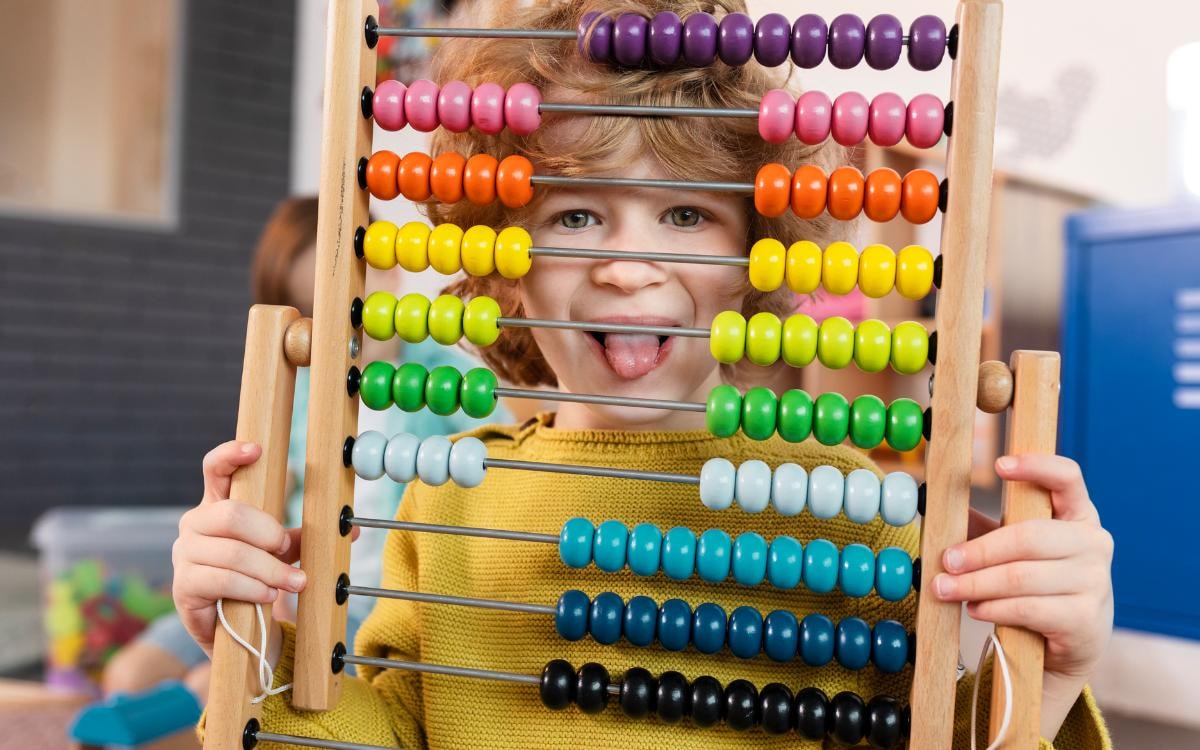
Using real-world scenarios in math class helps students connect mathematical concepts to everyday situations, making learning math more relevant and engaging. Struggling students often benefit from seeing how math applies to their daily lives, such as budgeting, measuring ingredients, or planning schedules.
By integrating practical examples, math teachers can encourage students to think critically and apply their knowledge outside the classroom. Real-world applications also support problem solving strategies by presenting math in a familiar and meaningful context.
This strategy not only enhances mathematical thinking but also helps students gain confidence in their abilities. Connecting math to everyday life is a valuable way to support students learning and developing essential math skills.
4. Encourage students to use math vocabulary regularly
Mastering math vocabulary is crucial for struggling students to understand and communicate mathematical concepts effectively. When students become familiar with key terms, they can better interpret instructions, explain their thought processes, and solve word problems with greater confidence.
Math teachers can support students learning by encouraging regular use of mathematical language through classroom discussions, written reflections, and group activities. Graphic organizers and word walls can also help reinforce important terms and concepts.
By consistently using math vocabulary, students develop a deeper understanding of the subject and build fluency in mathematical thinking, ultimately leading to improved math achievement.
5. Implement differentiated instruction for different learning styles
Every student learns differently, which is why differentiated instruction is essential for helping struggling students succeed in math. Some students thrive with visual aids, while others benefit from hands-on activities or auditory explanations. By tailoring instruction to different learning styles, math teachers can provide targeted help that meets each student’s needs.
Math intervention strategies such as small groups, peer tutoring, and individualized learning plans allow teachers to support students learning at their own pace. Educational apps and real-world scenarios also offer flexible ways to engage students with math concepts in ways that resonate with them.
Differentiated instruction not only enhances student engagement but also fosters a deep understanding of mathematical ideas. Providing a variety of instructional approaches ensures that every student has the opportunity to develop skills and gain confidence in their math abilities.
6. Use peer tutoring to build confidence and math skills

Peer tutoring is an effective strategy for struggling students, offering them an opportunity to learn math concepts from their classmates in a supportive and collaborative environment. Many educators find that students feel more comfortable asking questions and exploring mathematical ideas when working with peers.
In the math classroom, peer tutoring can be structured through small groups or one-on-one sessions, focusing on specific challenges such as solving word problems or mastering mathematical language. This approach encourages students to develop skills while also reinforcing their own understanding through teaching others.
By incorporating peer tutoring into the math program, teachers can provide an additional layer of support that helps struggling students build fluency, confidence, and a deeper connection to math concepts.
7. Apply metacognitive strategies for better problem-solving
Teaching students to think about their own thinking—also known as metacognition—is a powerful tool for improving problem-solving skills. Struggling math students often benefit from strategies that help them analyze their approach to math problems, identify mistakes, and adjust their methods accordingly.
Math teachers can guide students by encouraging them to ask reflective questions such as, “What strategy should I use?” or “Does my answer make sense?” Graphic organizers and checklists can also support students in tracking their progress through the math process.
By applying metacognitive strategies, students develop a more independent and strategic approach to learning math, helping them gain confidence and tackle even complex math concepts with greater ease. This method empowers students to take ownership of their learning and celebrate successes along the way.
8. Provide targeted help through small group instruction
Small group instruction offers struggling students personalized attention and targeted help that addresses their specific challenges. Working in smaller settings allows math teachers to focus on individual needs, providing more in-depth explanations and practice opportunities.
Grouping students based on skill level or specific challenges—such as understanding mathematical language or mastering problem solving strategies—ensures that each student gets the support they need. Small groups also create a collaborative environment where students can build fluency through guided practice and peer interaction.
Regular assessments and ongoing feedback help teachers adjust their intervention strategies to meet students’ evolving needs. Small group instruction not only supports students learning at their own pace but also helps them develop confidence and competence in math concepts over time.
9. Utilize educational apps to reinforce math skills
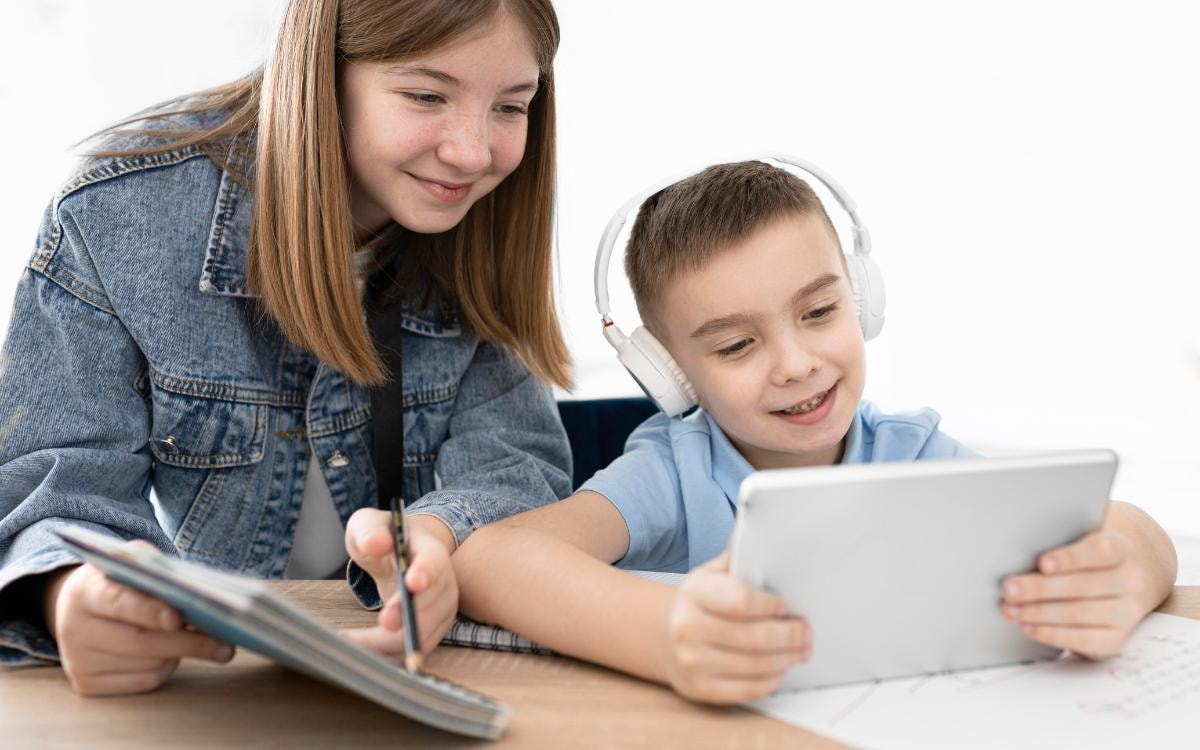
Educational apps can be a game-changer for struggling students, offering interactive and engaging ways to practice math concepts at their own pace. These apps provide targeted help by reinforcing key skills through visual representations, step-by-step problem solving, and adaptive learning paths.
One highly effective tool is Magrid, an educational app designed to support students learning math through visual and interactive exercises. Magrid helps struggling math students build fluency and confidence without relying on traditional text-heavy approaches, making it ideal for students with different learning styles or dificuldades de aprendizagem.
By incorporating educational apps like Magrid into the math classroom, teachers can provide additional opportunities for practice, regular assessments, and personalized feedback. This digital approach complements traditional teaching methods, helping students gain a deep understanding of mathematical concepts in a fun and supportive way.
10. Celebrate successes to boost math achievement
Recognizing and celebrating students’ progress, no matter how small, is essential for boosting math achievement and confidence. Many educators find that positive reinforcement encourages students to stay motivated and persist in solving complex math problems.
Celebrating successes can be as simple as acknowledging improvements during math class, setting up reward systems, or showcasing student work. Encouraging students to reflect on their growth helps them develop a positive mindset and reinforces their belief that they can overcome challenges with effort and practice.
By focusing on progress rather than perfection, math teachers can create an environment where struggling students feel valued and inspired to continue developing their math skills. Building a culture of celebration fosters resilience and long-term success in mathematics.
Using graphic organizers to support mathematical thinking
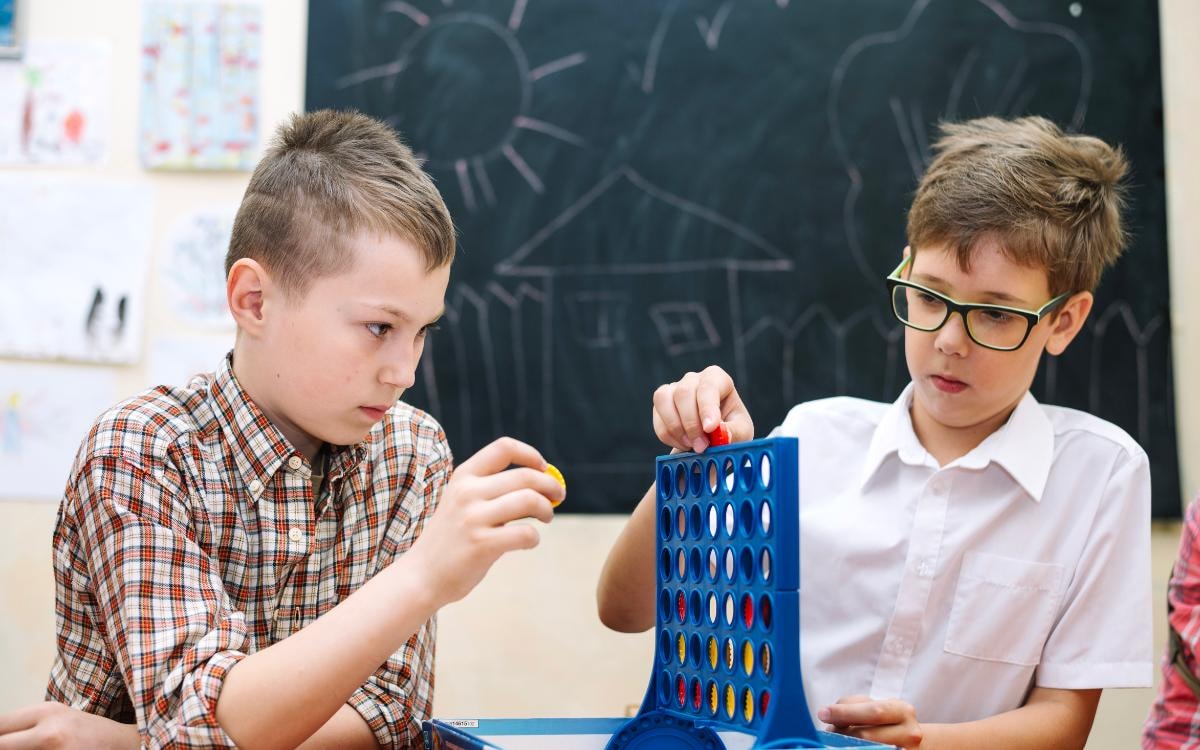
Graphic organizers are valuable tools that help struggling students visualize mathematical concepts and organize their thought processes. Tools like charts, diagrams, and concept maps provide a clear structure for solving math problems and understanding relationships between ideas.
By using graphic organizers, math teachers can guide students step by step through the math process, making complex math concepts more manageable and easier to comprehend. This approach enhances problem solving strategies and encourages deeper mathematical thinking.
The importance of regular assessments in mathematics intervention programs
Regular assessments are crucial in mathematics intervention programs to track student progress and identify areas needing targeted help. They provide math teachers with valuable insights into students’ strengths and challenges, helping tailor intervention strategies accordingly.
By incorporating assessments into the math classroom, educators can monitor improvements, adjust instruction, and ensure struggling students receive the support they need to build fluency and confidence in math concepts. Assessments help guide students toward steady math achievement.
Encouraging students to develop a growth mindset in math
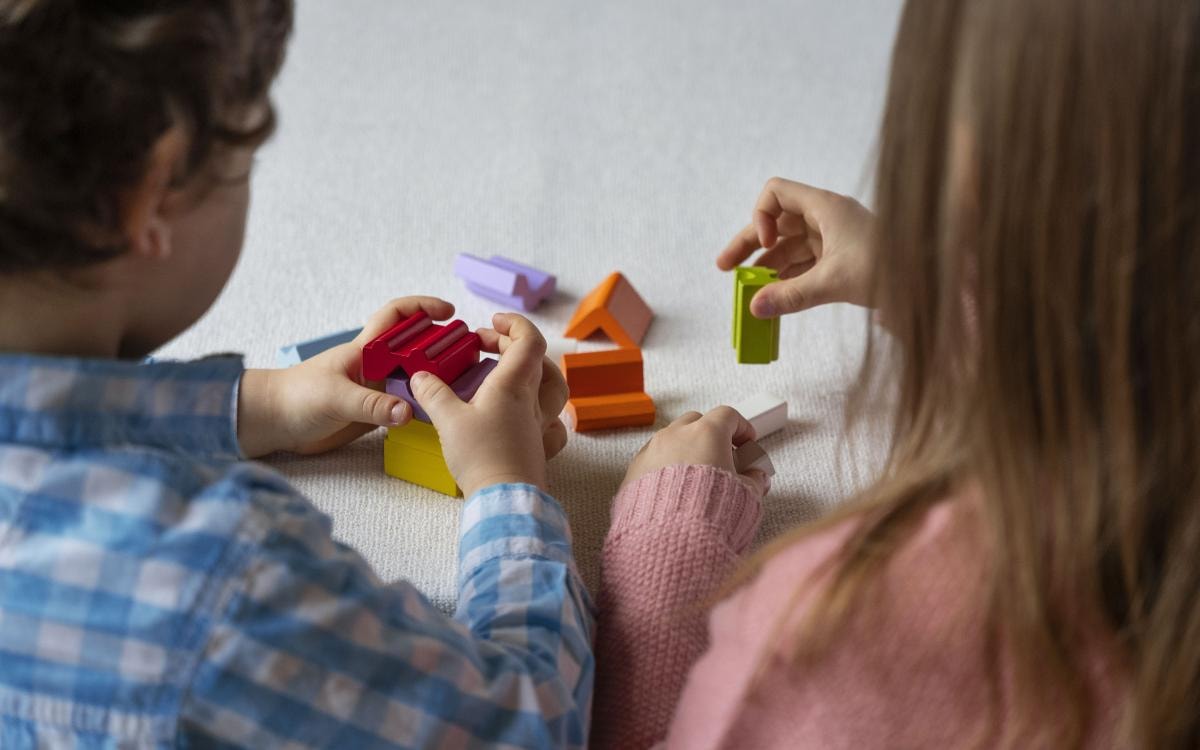
A growth mindset empowers struggling students to embrace challenges and view mistakes as learning opportunities. Encouraging students to believe that their math skills can improve with effort fosters resilience and perseverance.
Math teachers can support students learning by praising effort, providing constructive feedback, and setting achievable goals. Developing a growth mindset helps students overcome math anxiety, gain confidence, and stay motivated to tackle even the most complex math concepts.
Supporting older students with tailored math intervention strategies
Older students struggling with math require tailored intervention strategies that address their specific challenges and learning gaps. Strategies such as explicit instruction, real-world applications, and personalized learning plans can help them catch up and gain confidence.
Providing targeted help through small groups or one-on-one support allows older students to work at their own pace. By focusing on practical skills and problem solving strategies, educators can help older students achieve success in math.
Conclusion: Empowering struggling students with effective math strategies
Helping struggling students succeed in math requires patience, the right strategies, and ongoing support. Math teachers play a crucial role in guiding students through their unique challenges by using targeted math interventions and encouraging a growth mindset.
By incorporating visual aids, differentiated instruction, and problem solving strategies, educators can create a supportive math classroom that helps students develop skills, build confidence, and achieve lasting success in math.
The Benefits of Play-Based Learning in Early Education

In recent years, play-based learning has gained recognition as a powerful approach in early childhood education, offering a holistic way to support child development. This method emphasizes the importance of letting children play, explore, and discover the world around them in a nurturing play-based learning environment. Unlike traditional teaching methods, which often rely on direct instruction, play-based approaches encourage active engagement, fostering essential skills such as problem-solving skills, communication skills, and social emotional skills.
Through playful learning, young children develop cognitive, emotional, and physical abilities that lay the foundation for future success. Whether through guided play or free play, they are given opportunities to make choices, follow their own interests, and take an active role in their own learning process. By engaging in diverse play-based learning activities, children enhance their cognitive skills, build interpersonal skills, and develop a deeper understanding of the world.
Educators and parents alike are recognizing the numerous benefits of a play-based approach, as it not only supports academic skills but also nurtures creativity, resilience, and collaboration—essential qualities for raising successful children.
What is Play-Based Learning?
Play-based learning is an educational approach that allows children to learn through active exploration, experimentation, and meaningful interactions. Rooted in play theory, this method integrates elements of child-led and teacher-guided play, creating a dynamic and engaging learning environment. It contrasts with traditional teaching methods, which often focus on rote memorization and passive learning, by promoting experiential learning that encourages critical thinking and creativity.
In a play-based classroom, children participate in various types of play, including pretend play, imaginative play, and cooperative play, all of which contribute to their overall growth. Through these experiences, they develop crucial abilities such as fine motor skills, gross motor skills, and language development, which are essential in the early years.
A key element of play-based pedagogy is that it respects each child’s natural curiosity and encourages them to follow their own learning path. Whether they are engaging in independent play or collaborating with peers, children are constantly building essential life skills in a stress-free, supportive setting.
Key Benefits of Play-Based Learning for Children

The benefits of play-based learning extend far beyond the classroom, supporting a child’s cognitive, social, and emotional growth. This approach helps children develop a wide range of essential skills that contribute to their long-term success.
One of the most significant advantages of play-based learning is its ability to enhance problem-solving skills and critical thinking skills. When children play, they encounter challenges that require creative solutions, promoting independent thinking and perseverance. Additionally, play-based learning activities provide opportunities for developing social skills, such as cooperation, sharing, and negotiation, which are crucial for early childhood development.
From a cognitive perspective, play-based learning recognizes the importance of hands-on experiences in strengthening academic skills like math, literacy, and science. Children naturally absorb knowledge through experiential learning, making learning more meaningful and enjoyable. Furthermore, play nurtures emotional development, as children learn to express their feelings, build confidence, and develop resilience through playful interactions.
Overall, the play-based approach offers a balanced blend of structured and free play, empowering children to become confident, curious, and lifelong learners.
The Role of a Play-Based Learning Environment
A well-designed play-based learning environment is crucial in fostering holistic child development and encouraging children to learn through play. This environment should provide diverse opportunities for free play, guided play, and structured activities that support various developmental areas.
Creating an effective learning environment involves offering a balance between indoor and outdoor play spaces, with materials and activities that stimulate physical skills, creativity, and problem-solving. In such settings, children engage in playful learning, whether through building blocks, pretend kitchen setups, or sensory play stations that promote fine motor skills and cognitive skills.
Additionally, a supportive play-based classroom promotes social interactions, allowing children to practice interpersonal skills and develop a sense of belonging. Educators play a vital role in shaping this environment by facilitating learning experiences that align with the children’s own interests while encouraging them to explore and discover independently.
By fostering a nurturing and engaging setting, a play-based learning environment ensures that children thrive emotionally, socially, and academically, preparing them for future challenges in primary school classrooms and beyond.
How Children Play to Learn and Grow
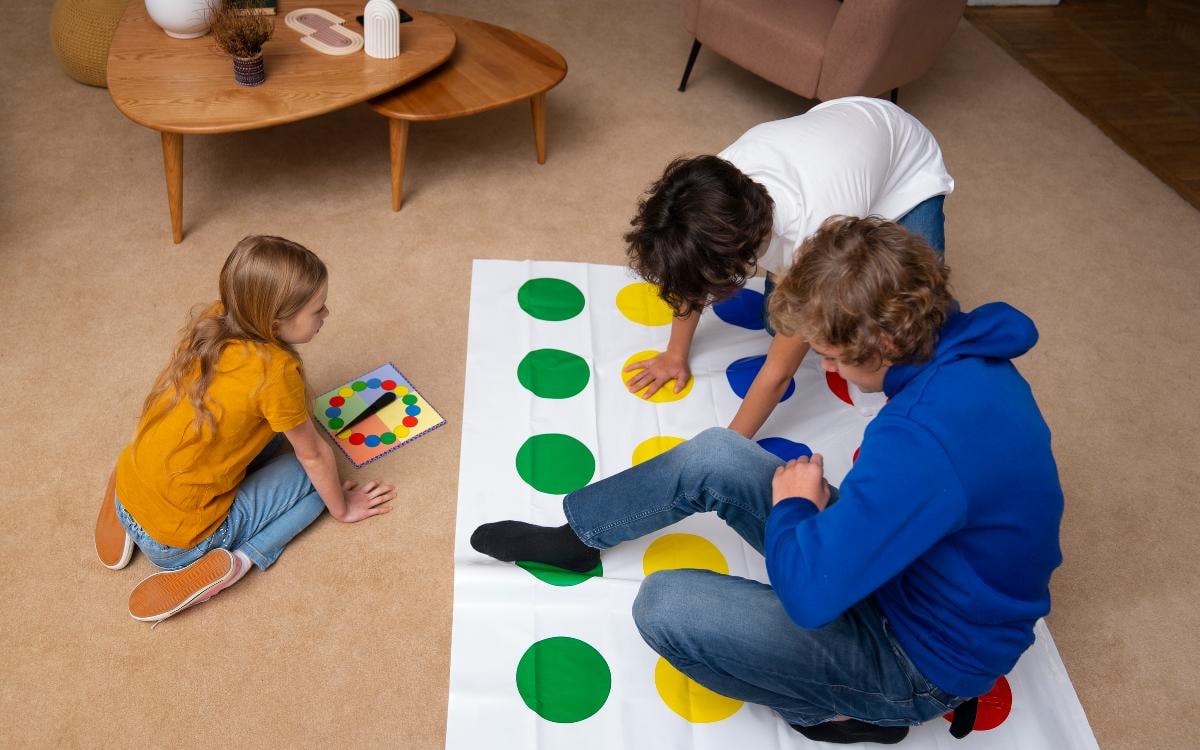
Children play in a variety of ways, and each type of play contributes uniquely to their overall development. Whether it’s independent play, cooperative play, or imaginative play, every experience fosters cognitive skills, social skills, and emotional skills essential for lifelong learning.
During play, children naturally engage in problem-solving, build confidence, and develop crucial social interactions. Through pretend play, for example, they experiment with different roles, enhancing their language skills and communication abilities. Guided play, on the other hand, helps balance self-exploration with structured support from educators.
The beauty of play-based learning is that it allows children to take ownership of their learning while encouraging them to develop essential life skills. As they play, they discover new interests, strengthen their physical abilities, and build resilience in facing challenges.
By integrating various types of play into the learning environment, educators can create opportunities for active, meaningful learning that aligns with children’s natural curiosity and desire to explore.
Free Play and Its Impact on Development
Free play is a fundamental component of play-based learning, offering children the freedom to explore their interests without structured guidance. Through free play, children develop critical life skills such as problem-solving skills, social skills, and emotional development, all of which are essential for their overall growth.
In a well-designed play-based learning environment, children engage in activities that allow them to experiment, create, and express themselves. This form of play encourages cognitive skills by fostering curiosity and exploration, helping them understand concepts naturally through hands-on experiences. Additionally, it supports language development as children practice their communication skills, whether through pretend play or real-life scenarios.
Early childhood educators play a crucial role in facilitating free play by providing an enriching environment filled with opportunities for discovery. Whether indoors or outdoors, play spaces should encourage movement, creativity, and self-expression, enhancing both gross motor skills and fine motor skills.
By incorporating ample time for free play in early education programs, educators ensure that children gain confidence, build independence, and develop resilience, preparing them for lifelong success.
Play-Based Learning and Social Emotional Development
A core advantage of play-based learning is its profound impact on social and emotional development, helping young children build essential interpersonal skills and emotional resilience. Engaging in playful learning experiences allows children to interact with peers, navigate relationships, and develop empathy.
Through cooperative play, children learn to communicate, collaborate, and resolve conflicts, enhancing their communication skills and emotional intelligence. Whether they are participating in group activities or engaging in independent play, they develop a sense of self and an understanding of others. Pretend play, in particular, fosters emotional expression, helping children explore their feelings and process experiences in a safe environment.
The play-based learning environment also provides opportunities for educators to guide children in recognizing and managing emotions. By encouraging purposeful play, teachers can help children understand social norms, express themselves effectively, and build confidence.
Investing in play-based approaches ensures that children are not only academically prepared but also emotionally well-rounded, which is crucial for their transition into primary school classrooms and beyond.
Cognitive Development Through Play-Based Learning
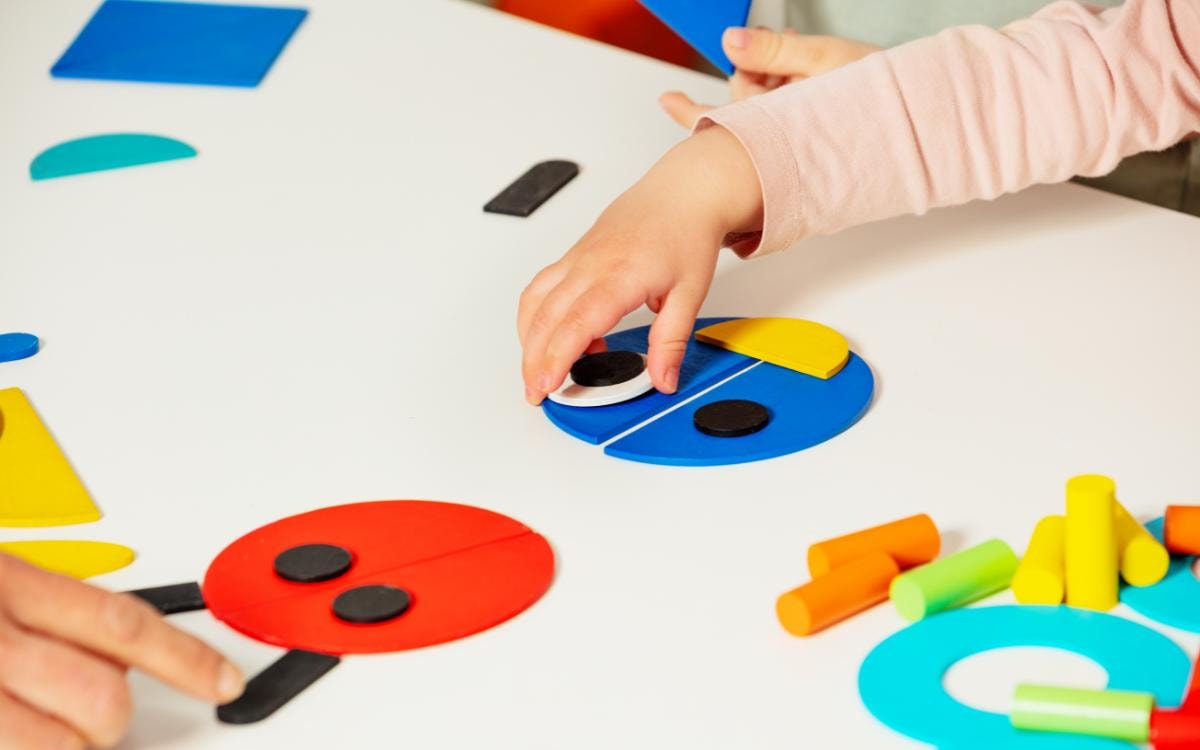
Play-based learning plays a crucial role in enhancing cognitive skills, allowing children to learn through exploration, experimentation, and problem-solving. This approach engages children’s natural curiosity and supports their development of essential skills such as critical thinking, memory retention, and creativity.
As children engage in play-based learning activities, they are constantly faced with challenges that require logical reasoning and decision-making. Activities such as building blocks, puzzles, and imaginative play help children develop problem-solving skills while strengthening their executive function skills, which are essential for goal setting and task completion.
A well-structured play-based learning environment provides opportunities for children to experiment with concepts related to math, science, and literacy. By encouraging experiential learning, educators create a space where children feel comfortable exploring, making mistakes, and learning from them.
Through play, children also enhance their ability to focus, plan, and organize, which are fundamental academic skills that contribute to long-term success. Emphasizing playful learning in early years ensures that children acquire a solid foundation for their future educational journey.
Language Development and Communication Skills
Play-based learning provides an ideal platform for fostering language development and enhancing communication skills in young children. Whether through storytelling, pretend play, or interactive group activities, play offers endless opportunities for children to practice and refine their verbal and non-verbal communication.
When children engage in imaginative play, they naturally experiment with new vocabulary, sentence structures, and expressions, strengthening their language skills in a fun and engaging way. Additionally, social interactions during cooperative play help children develop their listening and conversational abilities, which are essential for forming relationships and understanding others.
Educators can support language development by incorporating activities such as storytelling, singing, and role-playing into the play-based curriculum. These experiences not only build a child’s vocabulary but also enhance their ability to express thoughts, share ideas, and negotiate with peers.
By encouraging rich language experiences in the play-based classroom, educators provide a strong foundation for literacy skills, preparing children for more formal learning environments in early education programs and beyond.
Physical Development Through Play-Based Learning
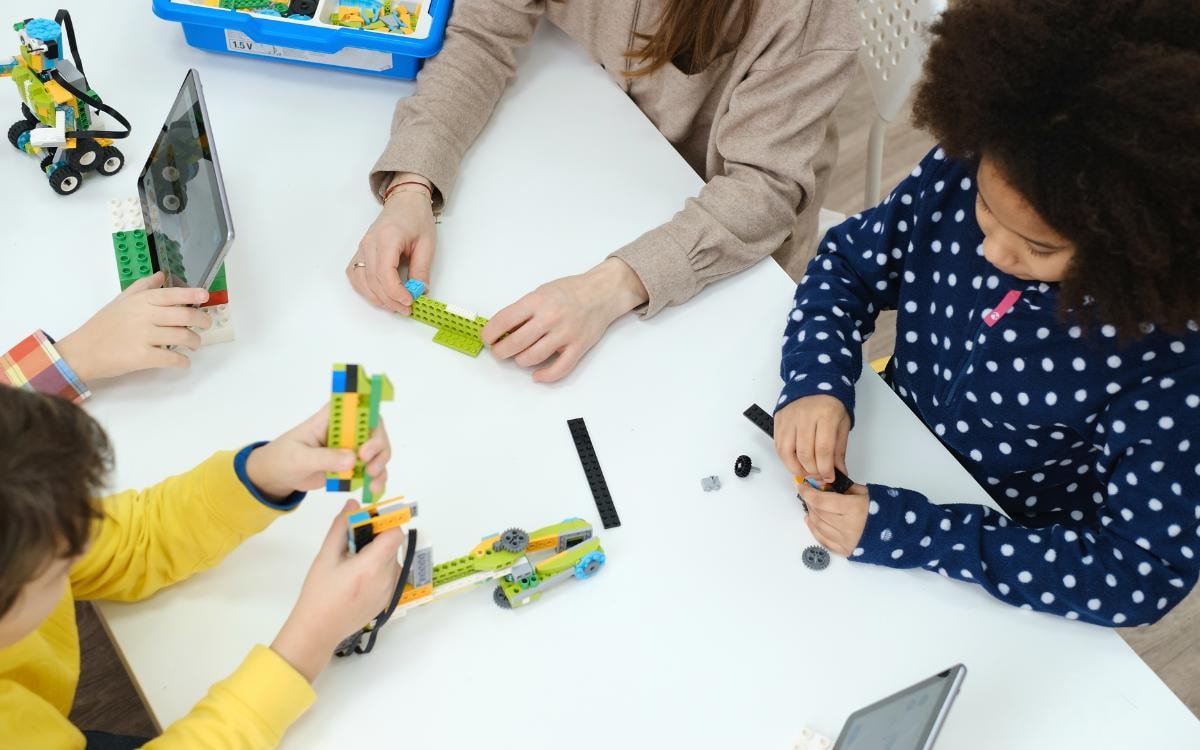
Play-based learning is instrumental in promoting physical development, helping children develop essential gross motor skills and fine motor skills needed for everyday activities. Engaging in active play, whether indoors or outdoors, allows children to strengthen their bodies while improving coordination and balance.
A well-planned play-based learning environment includes opportunities for climbing, running, jumping, and balancing—activities that support overall physical abilities and encourage movement. Additionally, fine motor-focused activities such as drawing, building, and manipulating small objects help develop hand-eye coordination and dexterity, which are crucial for writing and other academic tasks.
Through purposeful play, children not only build physical strength but also develop confidence in their abilities. Whether they are engaged in guided play or exploring freely, movement-based activities contribute to their overall well-being and fitness.
Educators play a key role in designing play experiences that support physical growth while ensuring safety and inclusivity. By incorporating active learning into the curriculum, they promote a holistic approach to child development that nurtures both the mind and body.
Guided Play: Combining Structure and Exploration
Guided play strikes a balance between structured learning and free play, allowing children to learn through exploration while benefiting from gentle guidance by educators. This approach encourages children to follow their own interests, with teachers providing subtle prompts to extend their thinking and deepen their understanding.
In a play-based learning environment, guided play helps develop critical cognitive skills, such as problem-solving skills, planning, and reasoning. It also fosters social skills, as children interact with peers and adults in meaningful ways. By introducing purposeful challenges and open-ended questions, educators guide children toward achieving learning goals while maintaining an atmosphere of playful learning.
Additionally, guided play supports language development, as educators engage in conversations that enhance vocabulary and comprehension. This blend of child-led exploration and educator involvement ensures a dynamic learning environment, helping children acquire essential skills for both academic and social success.
Problem-Solving Skills in a Play-Based Approach
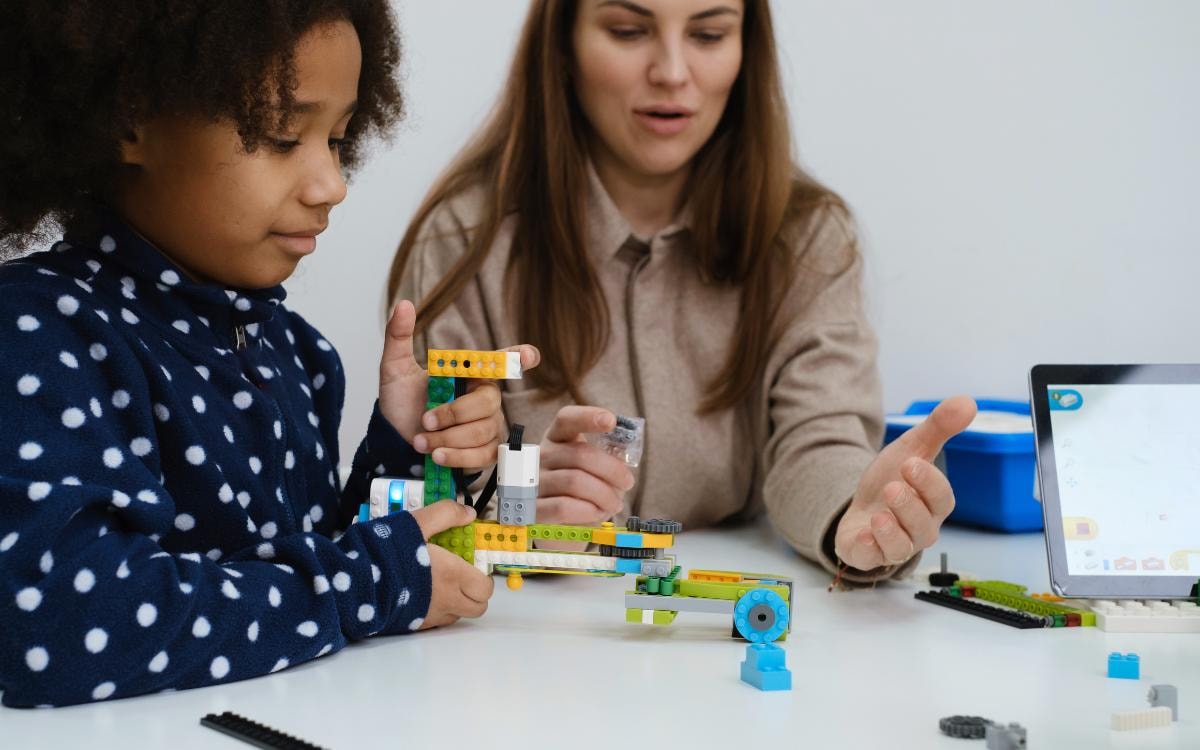
One of the key benefits of play-based learning is its ability to enhance problem-solving skills, which are crucial for success in both academic and everyday life. When children play, they naturally encounter challenges that require them to think critically, experiment with solutions, and adapt to changing circumstances.
In a play-based classroom, activities such as puzzles, construction play, and role-playing scenarios encourage young children to approach problems with creativity and persistence. Whether engaging in independent play or collaborating with peers, children develop resilience and flexibility as they tackle obstacles through experiential learning.
Educators play a pivotal role by designing play experiences that challenge children’s thinking without causing frustration. Encouraging children to explore various solutions and reflect on their approaches fosters a growth mindset and builds confidence in their abilities.
By nurturing critical thinking skills through play, children become more adept at approaching complex tasks with confidence and curiosity.
Imaginative Play and Creativity in Early Childhood
Imaginative play, also known as pretend play, is a powerful tool for fostering creativity and self-expression in early childhood development. When children engage in role-playing activities, they practice storytelling, problem-solving, and emotional regulation, all while expanding their understanding of the world around them.
Through play-based learning activities such as dress-up, pretend kitchens, and make-believe adventures, children develop their language skills, cognitive abilities, and social emotional skills. These experiences encourage them to explore different perspectives, understand complex concepts, and express their thoughts and feelings creatively.
A well-structured play-based learning environment provides ample opportunities for imaginative exploration, allowing children to experiment with new ideas in a safe and supportive setting. Educators can further enhance imaginative play by introducing props and open-ended materials that inspire creativity and storytelling.
By embracing imaginative play, children develop confidence, enhance their problem-solving abilities, and build crucial social connections, all of which contribute to their overall growth and development.
Academic Skills and Play-Based Learning
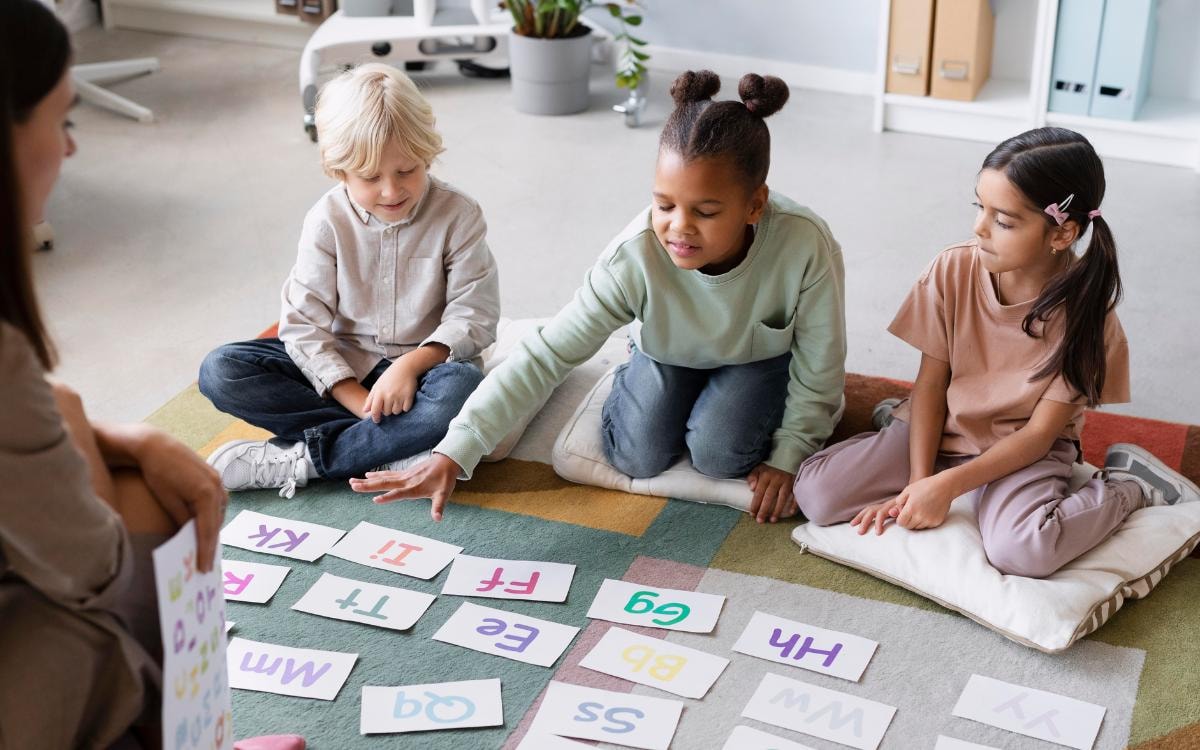
Contrary to the misconception that play lacks academic value, play-based learning effectively supports the development of foundational academic skills in young children. Through play, children build competencies in literacy, numeracy, and scientific thinking, all while having fun and engaging actively in the learning process.
For example, block play can introduce mathematical concepts such as patterns, shapes, and measurements, while pretend play scenarios promote storytelling, dialogue, and language development. These activities help children internalize complex concepts naturally, without the pressure of traditional assessments.
A play-based curriculum encourages children to take an active role in their own learning, exploring topics at their own pace and in a way that aligns with their interests. This autonomy fosters a deeper connection to academic content and enhances long-term retention.
Incorporating play into early learning environments allows educators to lay the groundwork for essential literacy and numeracy skills while also nurturing creativity, collaboration, and critical thinking—all of which are key to academic success.
Play-Based Pedagogy vs. Traditional Teaching Methods
The shift from traditional teaching methods to a play-based approach represents a significant evolution in early childhood education, prioritizing holistic development over rote learning. While direct instruction focuses on structured lessons and repetition, play-based pedagogy encourages active learning, fostering creativity, exploration, and intrinsic motivation.
In a play-based classroom, children acquire skills through hands-on experiences that make learning meaningful and enjoyable. This approach helps children develop critical cognitive skills, such as executive function skills, memory retention, and problem-solving abilities, while also supporting their emotional and social growth.
On the other hand, traditional teaching methods often emphasize teacher-led instruction and standardized assessments, which may limit opportunities for children to explore concepts at their own pace. A play-based learning environment, however, values curiosity and encourages children to take ownership of their learning journey.
By embracing play-based pedagogy, educators can foster a love for learning while ensuring children acquire the essential skills they need to thrive in formal education and beyond.
Incorporating Play-Based Learning in Early Education Programs

Integrating play-based learning into early education programs offers a dynamic approach to teaching that aligns with children’s natural curiosity and development. Schools and educators are increasingly recognizing the numerous benefits of this method in fostering creativity, critical thinking, and problem-solving abilities in young children.
A successful play-based learning environment incorporates a variety of activities that balance free play, guided play, and structured exploration. Educators play a crucial role in designing activities that encourage children to engage in meaningful experiences while aligning with educational objectives. Whether through hands-on activities, storytelling, or imaginative exploration, a play-based approach promotes both academic skills and personal growth.
To effectively incorporate play, educators can integrate elements of purposeful play into daily routines, allowing children to take an active role in their own learning. This approach not only enhances learning outcomes but also nurtures a love for discovery and creativity, preparing children for lifelong success.
Ultimately, embedding play-based pedagogy in education programs helps children thrive in diverse learning environments, encouraging holistic growth and a deeper connection to the world around them.
Overcoming Challenges in Implementing Play-Based Learning
Despite the well-documented benefits of play-based learning, its implementation can face several challenges in early education programs. Common obstacles include resistance from stakeholders accustomed to traditional teaching methods, limited resources, and misconceptions about the effectiveness of playful learning in achieving academic goals.
One major challenge is balancing play with curriculum demands. Educators often feel pressure to prioritize standardized assessments and direct instruction, which can limit opportunities for children to explore through play. However, research supports the idea that play enhances cognitive skills, social emotional skills, and problem-solving skills, making it a valuable tool for achieving academic success.
To overcome these barriers, educators can advocate for a blended approach that combines guided play with structured learning, demonstrating its effectiveness through observational assessments and documentation of student progress. Additionally, professional development opportunities can help teachers understand how to create an engaging play-based classroom that meets educational standards while embracing the principles of experiential learning.
Magrid: Supporting Play-Based Learning with Innovative Tools

Magrid is an innovative educational solution designed to support play-based learning by providing engaging, research-backed tools that enhance children’s development in key areas such as cognitive skills, language development, and social emotional skills. By integrating technology with hands-on experiences, Magrid offers a comprehensive approach that aligns with the principles of play-based pedagogy.
Magrid’s platform helps early childhood educators create an enriched play-based learning environment, allowing children to take an active role in their learning while developing essential abilities such as problem-solving, critical thinking, and communication skills. The program is designed to support early childhood development, offering age-appropriate activities that promote exploration, creativity, and collaboration.
A key feature of Magrid is its adaptability to different learning styles and needs, ensuring that every child can benefit from purposeful play tailored to their unique developmental stage. By incorporating Magrid into early education programs, educators can bridge the gap between play and formal learning, fostering a well-rounded approach that nurtures curiosity and growth.
Through Magrid, schools and parents can support raising successful children, providing them with the tools and resources they need to thrive in an ever-evolving educational landscape.
Encouraging Parents to Support Play-Based Learning at Home
Parents play a crucial role in extending the benefits of play-based learning beyond the classroom and into the home environment. By incorporating playful learning into daily routines, parents can foster their children’s cognitive, social, and emotional development in meaningful and engaging ways.
Simple activities such as pretend play, storytelling, and building with blocks can help children develop essential language skills, problem-solving skills, and fine motor skills. Encouraging independent play allows children to take an active role in their own learning, fostering creativity and self-confidence.
To support a play-based learning environment at home, parents can provide open-ended toys and materials that encourage exploration and creativity. Additionally, engaging in cooperative play with children not only strengthens relationships but also helps them develop crucial social skills and emotional intelligence.
By understanding the importance of play-based learning, parents can create a nurturing environment that complements formal education and promotes a love for lifelong learning.
Conclusion: Embracing Play for Lifelong Learning
The benefits of play-based learning in early childhood education are vast, influencing every aspect of a child’s growth and preparing them for future success. By embracing a play-based approach, educators and parents can support the development of essential skills, from problem-solving and critical thinking to social emotional skills and creativity.
Incorporating play into the learning process fosters a sense of joy and curiosity, encouraging children to learn through meaningful experiences. Whether through free play, guided play, or structured activities, children are given the opportunity to explore their own interests, build resilience, and develop confidence.
As the educational landscape continues to evolve, it is crucial for schools and families to recognize the value of play-based pedagogy in preparing children for the complexities of the modern world. By providing a supportive learning environment that values exploration and discovery, we can empower children to become lifelong learners.
Embracing playful learning ensures that children not only meet academic milestones but also develop the essential life skills they need to thrive in school and beyond.
An Early Predictor of Math: the Role of Number Sense

In this interview, Dr. Anna Schmitt speaks with Dr. Decarli about her latest research on the early development of mathematical skills. Based on the study Number sense at 12 months predicts 4-year-olds’ maths skills (Decarli et al., 2023), Dr. Decarli explains how infants’ ability to perceive quantities at 12 months can predict their later math abilities at 4 years of age. This research sheds light on the foundations of numerical cognition and offers valuable insights for scientists, educators, and parents interested in early childhood development.*
*Decarli, G., Zingaro, D., Surian, L., & Piazza, M. (2023). Number sense at 12 months predicts 4‐year‐olds’ maths skills. Developmental Science, 26(6).
Pour avoir accès à l’étude complète, voici un accès direct : https://doi.org/10.1111/desc.13386
Could you explain to us the objective of your study?
Understanding and addressing the typical developmental trajectories of mathematical acquisition is essential, as mathematical competence is crucial for daily activities, enabling individuals to engage with numerical data, solve complex problems that involve quantities and probability, and make informed decisions (Geary, 2011). Some authors have proposed that formal math skills develop on the basis of a dedicated neurocognitive system that supports the ability to represent the approximate number of objects in sets, called the Approximate Number System (ANS). This system is thought to represent numerosity with a precision (referred to as the ANS acuity) that varies across individuals and that is subject to change with maturation and math learning.
The majority of the studies that assessed the link between ANS and math skills have used correlational approaches, capitalizing on inter-individual differences. However, they mostly tested children who have already been exposed to some form of math education (e.g., verbal counting principles). This makes it difficult to determine the direction of causality between ANS acuity and symbolic math skills. Therefore, the objective of our study was to investigate whether infants’ early numerosity acuity serves as a foundation for later mathematical abilities. Specifically, we aimed to determine if the ANS acuity measured at 12 months of age, thus way before any form of math learning, would be a reliable and specific predictor of symbolic mathematical skills at 4 years, independent of general intelligence or inhibitory skills. This longitudinal approach was designed to replicate and expand on previous research, using a different cultural and linguistic sample, as well as diverse tasks, to test the specificity and robustness of this developmental relationship.
What gaps in the scientific literature did your study address?
Our study builds upon the groundbreaking but standalone work of Starr and colleagues (2013), who first showed that ANS acuity measured at 6 months longitudinally predicted symbolic math achievement at 3.5 years. With our study, we sought to replicate their important findings while introducing new elements to further investigate this topic. Specifically, we conducted a longitudinal study in which we first tested 12-month-old infants on both a numerosity perception task and a perceptual face perception task. The latter was used as a control task to assess the specificity of the potential correlation between numerosity perception and math, ensuring that the link was not guided by more general perceptual abilities. Notably, and differently to Starr et al., who used different control tasks across participants (either a color detection task or a size detection task), we employed the same control task (face recognition) for all participants. This uniform approach ensured that participants were consistently assessed in the same non-numerical perceptual capacity.
We then re-evaluated the same participants at 4 years of age on a comprehensive set of non-symbolic and symbolic formal math tasks, as well as general processing skills, including measures of general intelligence, a face discrimination task as well as inhibitory abilities. The inclusion of an inhibitory task was another novelty of our study. Indeed, recent literature suggests that inhibitory control may play a key role in both numerosity comparison tasks (by helping suppress irrelevant visual information in favor of numerical one) and formal math tasks (by supporting complex calculations). According to this view, the observed correlation between ANS acuity and symbolic math performance could be explained by the shared reliance on inhibitory control.
In sum, the assessment of a new sample from a different linguistic and cultural background compared to Starr et al., the use of a face perception control task for all infants at 12 months, and the introduction of inhibitory skills test, allow us to offer new advancements in understanding the role of early numerosity perception in the development of mathematical skills.
What type of methodological design did you use, and why?
In our research, we implemented a longitudinal study design. In this type of study, the same participants are assessed at multiple time points over an extended period, allowing researchers to track changes and developmental trajectories within the same individuals. In our case, this approach allowed us to assess preverbal infants at 12 months of age and re-test them again when they were 4 years old, measuring the abilities of interest at different stages of development. The main strength of this type of design is that it enables us to observe how early skills develop over time and track individual developmental pathways. By following the same participants across multiple time points, we could establish a temporal link between early numerosity skills and later symbolic acquisitions (such as counting). This provides further support for the hypothesis positing a relation between the two skills.
What were your initial hypotheses, and what motivated them?
Our initial hypothesis was that infants’ ability to perceive and process numerical quantities could play a specific and selective role in the development of later mathematical skills. Specifically, we hypothesized that ANS acuity (and not other perceptual skills, such as face perception) at 12 months of age would predict early symbolic mathematical abilities at 4 years. According to this hypothesis, the ANS helps children connect symbolic representations to their intuitive understanding of quantities, allowing them to attribute meaning to number words and map these symbols onto their pre-existing representations of magnitudes. This hypothesis was motivated by prior research supporting a longitudinal correlation between numerosity perception and math achievement in school-aged children (Libertus, Feigenson, & Halberda, 2011; Halberda, Mazzocco, & Feigenson, 2008; Libertus, Odic, & Halberda, 2012). Additionally, deficits in numerosity comparison tasks, where participants are required to indicate the larger of two quantities, have been observed in children with developmental dyscalculia, a specific learning disorder in math (see Decarli et al., 2020; Decarli et al., 2023).
Another important hypothesis underlying our research was that the link between ANS acuity and math would not be driven by general intelligence or inhibitory skills. In the scientific literature, some authors have proposed that inhibitory skills would play a significant role in the link ANS acuity-math (e.g., Gilmore et al., 2013). Contrary to this theoretical position, we expected to find a correlation between ANS and math that would remain significant even after controlling for domain-general abilities.
What were your study groups, and why were they chosen?
Our study involved a group of 60 infants, who were initially tested at 12 months of age, and a follow-up sample of 40 children from the same group, tested at 4 years of age. We chose this age range to capture two key developmental stages: preverbal infants, who have not yet acquired formal numerical knowledge, and preschool-aged children, who are beginning to engage with symbolic math concepts. The selection of these specific age groups was driven by our goal to explore the precursors of symbolic mathematical knowledge before any formal education. Testing infants at 12 months allowed us to assess their early numerosity acuity, while the follow-up at 4 years provided information into their emerging numerical/symbolic abilities in a critical period for early learning.
What are your main findings?
Our study revealed several key findings. First, we found a significant correlation between ANS acuity (measured using a dots comparison task) and mathematical abilities at 4 years of age. In contrast, we did not observe a correlation between mathematical abilities and inhibitory skills, suggesting that, at this stage of development, these general cognitive skills might not play a significant role in the early mastery of math skills.
When considering the longitudinal data, we found that numerosity acuity measured by an implicit change detection paradigm at 12 months significantly correlated with children’s performance on an explicit dots’ comparison task at 4 years, indicating great reliability of the different measures in time. More importantly, the key finding was that we replicated the significant longitudinal correlation between ANS acuity at 12 months and performance in a standardized symbolic math test at 4 years as initially observed by Starr et al. (even though the ages of our participants were slightly different compared to those of the original study). This link was robust, as it remained significant even after controlling for general intelligence and inhibitory skills. Furthermore, we demonstrated that this link was specific to numerosity perception: neither our control task, a face recognition skill measured at 12 months, did predict later math performance, nor the ANS at 12 months did predict face processing skills at 4 years.
To sum up, these results suggest that numerosity acuity correlates with math abilities in preschoolers and that early numerosity perception at 12 months can be considered a reliable and specific predictor of later math skills at 4 years. Crucially, this relationship was not mediated by domain-general abilities, such as IQ or inhibitory control.
Do they support your research hypotheses? Are they consistent with the scientific literature, or do they differ?
Our findings generally support our hypotheses and align with a previous similar study in the field. In particular, we replicated the key longitudinal results of Starr and colleagues, confirming that early ANS acuity is a longitudinal precursor of later mathematical skills. This consistency reinforces the evidence for a developmental association between early numerosity perception and formal math abilities from infancy through childhood.
In line with our hypotheses, but in contrast with some of the literature, our results did not provide evidence for a role of inhibitory skills in math acquisition. This finding contrasts with some theories suggesting that inhibitory skills could account for the observed link between ANS and math performance. For example, Gilmore and colleagues (2013) proposed that dot comparison tasks rely on inhibitory control, as participants must suppress responses to non-numerical features such as size or density. According to their view, individual differences in mathematical performance would be explained by differences in inhibition rather than by numerical representations per se. Our data do not support this hypothesis. We found no correlation between mathematical abilities and inhibitory skills, and the observed link between ANS acuity and symbolic math persisted even after controlling for inhibition.
Can the results of this study be useful in real life for teachers, school psychologists, medical doctors or even parents? If so, to what extent?
The results of our study provide valuable information for people involved in a child’s early development, including educators, psychologists, and parents. Our findings show that, even in the first months of life, there are already inter-individual differences in numerosity perception that may lead to varying levels of mathematical achievement later in childhood. This knowledge could help in identifying children who may be at risk of math-related learning difficulties and could contribute to the early detection of difficulties that might result in later struggles with math. Moreover, the results of our study could help educators and psychologists develop targeted and timely interventions aimed at strengthening these skills as soon as possible in the preschool age. Finally, for parents, our findings emphasize the importance of encouraging children’s engagement with quantities and numbers from a very young age. Everyday activities, such as comparing quantities, could help foster children’s intuitive number sense, potentially supporting their later mathematical development.
Que possíveis ligações ou conexões vê entre o seu estudo e os estudos científicos realizados em relação ao Magrid?
Cornu, V., Schiltz, C., Pazouki, T., & Martin, R. (2017b). Training early visuo-spatial abilities : A controlled classroom-based intervention study. Ciência do Desenvolvimento Aplicada, 23(1), 1‑21. https://doi.org/10.1080/10888691.2016.1276835
Jung, S., Meinhardt, A., Braeuning, D., Roesch, S., Cornu, V., Pazouki, T., Schiltz, C., Lonnemann, J., & Moeller, K. (2020c). Hierarchical Development of Early Visual-Spatial Abilities – A Taxonomy Based Assessment Using the MaGrid App. Frontiers In Psychology, 11. https://doi.org/10.3389/fpsyg.2020.00871
Pazouki, T., Cornu, V., Sonnleitner, P., Schiltz, C., Fischbach, A., & Martin, R. (2018d). MaGrid : A Language-Neutral Early Mathematical Training and Learning Application. Revista Internacional de Tecnologias Emergentes na Aprendizagem (iJET), 13(08), 4. https://doi.org/10.3991/ijet.v13i08.8271
There are clear links between our study and the work conducted in relation to the Magrid project, as both focus on the early precursors of math. While our study aims to assess these foundational skills, Magrid mainly focuses on training them through a language-neutral application. Both approaches emphasize the importance of numerosity perception as a key factor in later math acquisition. These complementary approaches highlight the critical role of early numerical cognition in supporting children’s mathematical development and suggest potential educational applications for both assessment and intervention.
What is the subject of your current scientific research?
I am currently working on several research projects that explore different aspects of learning. In particular, my current research focuses on investigating the similarities and differences between dyslexia and dyscalculia at both the cognitive and neural levels. I am also exploring the role of emotions, both positive and negative, in the learning process, analyzing how emotional states can influence children’s academic performance and cognitive development. Finally, I am concluding a study on domain-general and domain-specific precursors of mathematical skills to identify the early cognitive factors that contribute to math acquisition.
Como ajudar o seu filho a superar o medo de aprender, de forma suave

Para muitas crianças, especialmente aquelas com necessidades especiais, o medo de aprender pode ser avassalador. Podem ter dificuldade em compreender novos conceitos, sentir-se ansiosas na sala de aula ou hesitar em tentar tarefas desconhecidas. Este medo decorre frequentemente de desafios passados, quer se trate de um acontecimento stressante na escola, de dificuldades com determinadas disciplinas ou de experiências negativas com colegas e professores.
Como pai ou mãe, é importante reconhecer que a ansiedade relacionada com a aprendizagem é uma reação comum e não reflete a inteligência nem o potencial do seu filho. Muitas crianças sentem medo quando se deparam com situações stressantes, mas, com o apoio adequado, conseguem superar esses desafios.
O segredo é ajudar o seu filho a desenvolver um sentimento de confiança e motivação. Em vez de se concentrar no sucesso imediato, incentive o esforço constante e comemore as pequenas conquistas. Uma atitude positiva pode fazer toda a diferença na sua educação e no seu crescimento.
Ao criar um ambiente acolhedor, dividir as lições em passos mais fáceis de gerir e garantir que a aprendizagem seja uma experiência segura, pode ajudar o seu filho a passar do medo para a curiosidade. Nas secções seguintes, vamos explorar estratégias práticas para apoiar o seu filho e superar eficazmente o medo de estudar.
Como a hormona do stress afeta a aprendizagem e a ansiedade
Quando uma criança se sente ansiosa em relação à aprendizagem, o seu corpo liberta hormonas do stress, como o cortisol. Estas hormonas podem interferir na formação da memória, tornando mais difícil para a criança reter informação. Em vez de se concentrar na aula, o seu cérebro entra num estado de alerta elevado, fazendo com que a aprendizagem pareça um desafio em vez de uma oportunidade.
Esta reação biológica também pode causar sintomas físicos, tais como batimentos cardíacos acelerados, mãos suadas ou uma perda repentina de concentração. Se o seu filho já passou por uma situação stressante no passado — como ter dificuldades numa aula ou cometer um erro perante os outros —, o seu corpo pode associar a aprendizagem a um sentimento de desconforto.
Para ajudar a gerir esta reação, é fundamental criar um ambiente de aprendizagem sem pressão. Incentivar pausas, recorrer a técnicas de relaxamento e manter uma atitude positiva podem ajudar a reduzir o stress e a melhorar os resultados da aprendizagem. Ensinar ao seu filho que a aprendizagem é um processo, e não um teste de valor, também pode ajudá-lo a superar o medo e a ansiedade.
Superar o medo de estudar com uma abordagem de aprendizagem solidária

Para superar o medo de estudar, as crianças precisam de uma abordagem estruturada e encorajadora à aprendizagem. Muitas têm dificuldades porque se sentem sobrecarregadas com a quantidade de informação ou com o medo de cometer erros. Em vez de abordar lições extensas de uma só vez, dividi-las em secções mais pequenas e mais fáceis de gerir pode tornar a aprendizagem menos intimidante.
Uma forma de aliviar o medo de estudar é propor um curso de curta duração ou atividades envolventes que se coadunem com os interesses do seu filho. Isto pode ajudá-lo a ganhar confiança sem a pressão de uma carga de trabalho académica completa. A prática repetitiva e as experiências práticas podem reforçar novos conceitos, tornando a aprendizagem mais natural.
Também é útil procurar o aconselhamento de especialistas, como educadores, tutores ou terapeutas especializados em abordagens de aprendizagem personalizadas. Os especialistas podem sugerir medidas específicas que se adaptem às necessidades do seu filho, garantindo que este adquira conhecimentos ao seu próprio ritmo.
Acima de tudo, lembre ao seu filho que o progresso é mais importante do que a perfeição. Aprender não significa acertar sempre, mas sim crescer, ter curiosidade e estar disposto a recomeçar depois dos desafios.
Superar o medo, ganhando confiança aos poucos
Ajudar uma criança a superar o medo de aprender começa por reforçar a sua autoconfiança através de pequenos passos exequíveis. Muitas crianças, especialmente aquelas com necessidades especiais, podem sentir receio de cometer erros. Podem ter dificuldade em assimilar novos conceitos, preocupar-se em desiludir os pais ou comparar-se com outros alunos.
Uma forma de apoiar o seu filho é incentivá-lo a tomar medidas específicas que façam com que a aprendizagem seja uma experiência segura. Por exemplo, se ele tiver dificuldade em falar em público, pratique em casa antes de o fazer na aula. Se uma disciplina lhe parecer demasiado difícil, divida-a em partes mais pequenas e identifique quais as áreas que necessitam de mais apoio.
Os pais desempenham um papel crucial na formação da mentalidade dos seus filhos. Em vez de se concentrarem nas notas, lembrem-lhes que o esforço e o progresso são o que mais importa. Ajudem-nos a perceber que aprender tem a ver com crescimento, e não a perfeição. Incentivar a curiosidade, celebrar as pequenas vitórias e dar margem aos erros sem medo de punições pode fazer uma enorme diferença.
Ao promover uma perspetiva positiva, as crianças podem aprender a gerir as suas emoções, a enfrentar os desafios e, gradualmente, a superar o medo de aprender.
Procure aconselhamento especializado para estratégias de aprendizagem personalizadas
Se o seu filho continuar a ter dificuldades devido à ansiedade de aprendizagem, talvez seja altura de procurar aconselhamento especializado. Profissionais como professores de educação especial, terapeutas de aprendizagem e psicólogos infantis podem fornecer informações valiosas sobre as necessidades de aprendizagem específicas do seu filho.
Um especialista pode ajudá-lo a determinar se o seu filho beneficiaria de um plano de aprendizagem personalizado, de métodos de ensino adaptativos ou de apoio adicional. Pode também sugerir ferramentas e estratégias que se adequem aos pontos fortes do seu filho. Por exemplo, algumas crianças aprendem melhor através de recursos visuais, enquanto outras têm melhores resultados com atividades práticas.
Procurar orientação não significa que o seu filho não seja capaz — significa que está a tomar medidas proativas para o apoiar. Os especialistas também podem ajudar os pais a lidar com decisões difíceis, como escolher entre um curso de curta duração ou um programa educativo mais estruturado. Quer o seu filho esteja a preparar-se para obter uma qualificação completa ou simplesmente a tentar desenvolver competências básicas, o aconselhamento profissional pode tornar o processo mais tranquilo.
Ao colaborar com especialistas, pode ajudar o seu filho a adquirir sabedoria, aumentar a motivação, e tornar a aprendizagem uma experiência positiva.
Como reconhecer os sintomas físicos da ansiedade relacionada com a aprendizagem

A ansiedade relacionada com a aprendizagem não afeta apenas as emoções — também provoca sintomas físicos. Muitas crianças apresentam sinais de stress, tais como suores nas palmas das mãos, tensão muscular ou batimentos cardíacos acelerados. Estas reações ocorrem porque o cérebro percebe a aprendizagem como uma potencial ameaça, libertando neurotransmissores que aumentam o estado de alerta.
Para algumas crianças, esta reação torna difícil concentrarem-se numa sala de aula. Podem ficar paralisadas quando são chamadas, ter dificuldade em recordar informações ou desligar-se completamente. Estes sintomas também podem levar a uma diminuição da força de vontade, tornando mais difícil para as crianças superarem os desafios.
Como pai ou mãe, o primeiro passo é reconhecer estes sinais e ajudar o seu filho a sentir-se seguro. Incentivar a respiração profunda, pausas para se movimentar e o uso de ferramentas sensoriais pode ajudá-lo a gerir o stress. Estabelecer uma rotina previsível também proporciona estabilidade, reduzindo a ansiedade face a mudanças inesperadas.
Ao abordar tanto as reações emocionais como as físicas, pode ajudar o seu filho a superar os seus medos e a tornar a aprendizagem uma parte mais positiva da sua vida.
Criar uma mentalidade de aprendizagem positiva em casa
Uma mentalidade forte pode fazer a diferença entre uma criança que se sente presa ao medo e uma que encara a aprendizagem como uma oportunidade. Os pais podem influenciar essa mentalidade, deslocando o foco do desempenho para o processo. Quando uma criança é elogiada pelo seu esforço, em vez de apenas pelos resultados, começa a associar a aprendizagem ao crescimento pessoal, em vez de ao medo do fracasso.
Uma forma de criar um ambiente de aprendizagem positivo é fazer com que a educação pareça natural e envolvente. A incorporação de experiências da vida real — como cozinhar para praticar matemática ou contar histórias para melhorar as competências linguísticas — ajuda as crianças a perceberem que a aprendizagem acontece em todo o lado, e não apenas na escola.
É também importante lembrar às crianças que o fracasso faz parte do percurso. Mesmo as pessoas bem-sucedidas enfrentaram contratempos antes de alcançarem o sucesso profissional. Incentive-as a levantar-se após os erros, salientando que estes são degraus para a sabedoria. Ao valorizar o amor pelo conhecimento em vez da perfeição, ajuda o seu filho a abraçar a aprendizagem com confiança e curiosidade.
Como o ambiente influencia a experiência de aprendizagem de uma criança
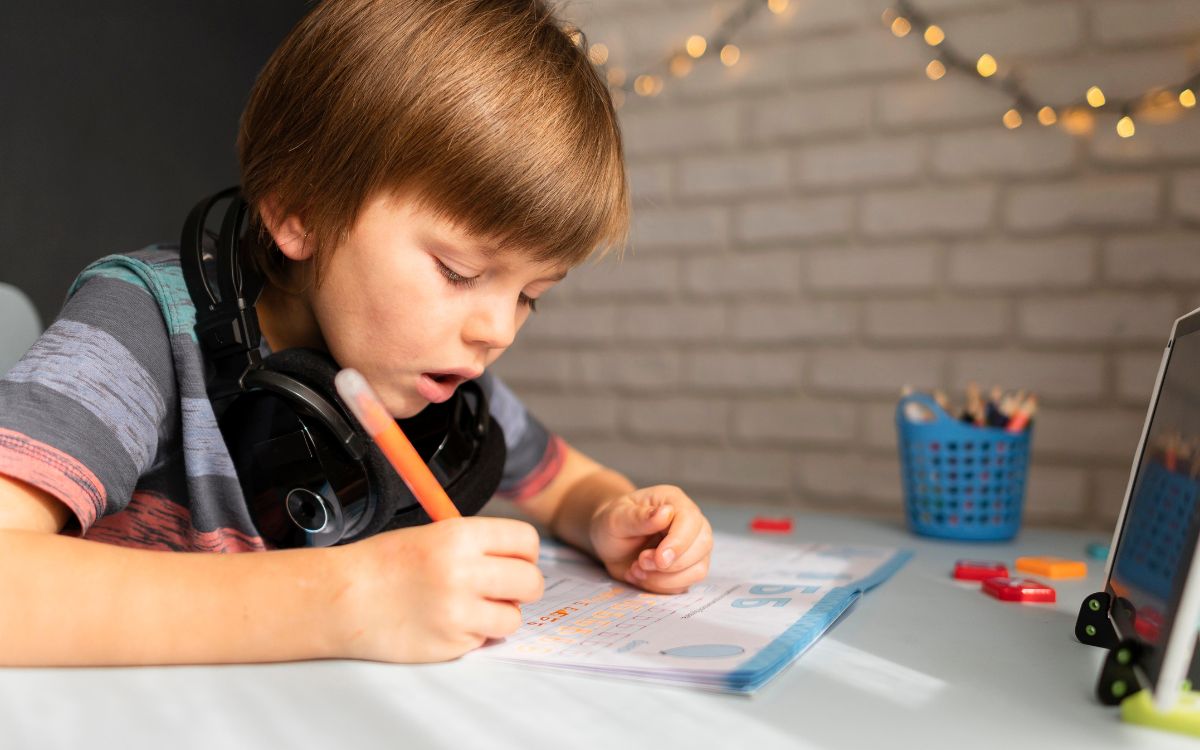
O ambiente em que a criança se insere desempenha um papel fundamental na sua experiência de aprendizagem. O ambiente familiar, o ambiente escolar e as interações com professores e colegas podem criar uma sensação de segurança ou aumentar a sua ansiedade. Se uma criança se sentir sem apoio ou sob pressão, a sua capacidade de concentração e aprendizagem pode ser afetada.
Os pais podem ajudar identificando os fatores de stress no ambiente de aprendizagem dos seus filhos. Por exemplo, será que o espaço de estudo tem demasiadas distrações? Será que sentem pressão por serem comparados com outros alunos? Ajustar estes fatores pode ajudá-los a sentir-se mais no controlo da sua educação.
As interações sociais também influenciam a aprendizagem. Incentivar o seu filho a estabelecer laços com professores que o apoiem, tutores pacientes ou colegas de turma compreensivos pode ajudar a reduzir a sensação de isolamento. Além disso, a adoção de estratégias como rotinas estruturadas, conversas abertas e planos de aprendizagem personalizados pode tornar a educação mais fácil de gerir.
Quando o ambiente de aprendizagem de uma criança é seguro e estimulante, a sua capacidade de superar desafios e de desenvolver motivação aumenta significativamente.
Desenvolver estratégias práticas para facilitar a aprendizagem
Ajudar uma criança a orientar-se no seu percurso educativo requer a adoção de medidas específicas que tornem a aprendizagem mais fácil e menos intimidante. Uma abordagem eficaz consiste na utilização de técnicas multissensoriais — combinando recursos visuais, atividades práticas e aulas auditivas para criar uma experiência de aprendizagem mais rica.
Dividir temas complexos em passos simples também evita que a criança se sinta sobrecarregada. Por exemplo, em vez de esperar que memorize tudo de uma só vez, incentive-a a praticar em sessões curtas. Isto ajuda a reforçar a formação da memória sem aumentar o stress.
Outra estratégia essencial consiste em dar às crianças a possibilidade de escolherem a forma como aprendem. Deixá-las decidir entre ler, ver vídeos ou participar em atividades interativas contribui para criar um sentimento de apropriação em relação à sua aprendizagem.
Os pais devem também incentivar a autorreflexão. Fazer perguntas como: “Que parte desta aula foi interessante?” ou “Qual foi o ponto mais difícil?” ajuda as crianças a desenvolverem a consciência das suas estilo de aprendizagem. Quando as crianças se sentem ouvidas e apoiadas, a sua capacidade de superar o medo de estudar melhora naturalmente.
Conclusão: Pequenos passos conduzem ao sucesso ao longo da vida

Superar o medo de aprender é um percurso gradual que exige paciência, incentivo e o apoio adequado. Ao fazer pequenos ajustes — tais como mudar a perspetiva em relação aos erros, criar um ambiente acolhedor e utilizar estratégias adaptativas —, as crianças podem desenvolver uma confiança duradoura nas suas capacidades.
Os pais desempenham um papel crucial na ajuda às crianças Encarem a aprendizagem como um desafio emocionante, em vez de uma fonte de ansiedade. Ensinar-lhes que o conhecimento tem valor para além das notas e dos exames irá fomentar um amor pela aprendizagem que durará toda a vida. Quer o seu objetivo seja obter uma qualificação completa, explorar uma nova carreira ou simplesmente desfrutar de aprender coisas novas, a capacidade de gerir os seus medos irá ser-lhes útil ao longo de toda a vida.
Incentive o seu filho a encarar a educação com curiosidade e resiliência. Lembre-o de que, com a atitude certa, esforço constante e um pouco de orientação, ele pode superar qualquer obstáculo e alcançar o sucesso — um passo de cada vez.
Se procura uma forma envolvente e baseada em investigação para ajudar o seu filho a superar o medo de aprender, o Magrid oferece um programa educativo único, baseado em ecrã, concebido especificamente para crianças com necessidades especiais. Com foco na matemática, no reforço da autoconfiança, no desenvolvimento da memória e na aprendizagem sem stress, o Magrid ajuda as crianças a desenvolver competências essenciais ao seu próprio ritmo — sem a pressão dos métodos tradicionais. Dê ao seu filho as ferramentas de que precisa para ter sucesso na educação e na vida. Experimente o Magrid hoje mesmo e tornar a aprendizagem uma experiência positiva!
The Link Between Dysgraphia and Autism

Introduction: Understanding the Link Between Dysgraphia and Autism
Dysgraphia and autism are two distinct neurodevelopmental disorders, yet they frequently coexist. Dysgraphia is a condition that affects a person’s writing skills, making it difficult to form written words due to challenges in motor coordination, muscle tone, and visual motor integration.
Meanwhile, autism spectrum disorder (ASD) impacts social interactions, communication, and learning abilities. Many children with autism also experience writing challenges, including poor handwriting, poor spelling, and difficulty organizing thoughts into written expression.
The connection between both dysgraphia and autism lies in shared neurological problems affecting motor and cognitive functions. Difficulties with fine motor skills and hand-eye coordination make writing tasks especially challenging. Additionally, many children with ASD have other learning disabilities, including dyslexic dysgraphia and attention deficit hyperactivity disorder (ADHD).
Understanding this link can help in supporting children through targeted interventions such as occupational therapy and specialized teaching strategies.
What Is Dysgraphia?

Dysgraphia is a learning disability that affects a child’s ability to write. It is classified as a neurodevelopmental disorder that disrupts the process of forming letters, words, and sentences.
This condition is not solely about poor handwriting; it also involves difficulties with motor coordination, muscle tone, and visual motor integration (VMI).
There are three main types of dysgraphia:
- Motor dysgraphia – Caused by weak fine motor skills and poor dexterity, leading to illegible handwriting.
- Linguistic dysgraphia – Affects the ability to form coherent written expression due to language processing issues.
- Spatial dysgraphia – Involves difficulty with spacing and alignment of letters on a page.
Dysgraphia often coexists with other learning disabilities such as dislexia and ADHD, making it important to properly diagnose dysgraphia through a developmental test. Occupational therapists can help improve motor skills and provide strategies to enhance writing skills.
Autism Spectrum Disorder and Its Learning Challenges
Autism spectrum disorder (ASD) is a complex neurodevelopmental disorder that affects communication, social interactions, and behavior. It presents in varying degrees, impacting how a child learns, interacts, and processes information.
Many individuals with ASD experience motor skills difficulties, which can lead to writing challenges such as poor handwriting and difficulty with written expression.
Children with autism may also have other learning disabilities, including dysgraphia, TDAH, e dislexia. These conditions can contribute to difficulty with organizing words, structuring sentences, and completing written assignments.
Additionally, problems with visual motor integration and hand-eye coordination further complicate their ability to write efficiently.
Given the high prevalence of ASD and its associated learning disabilities, early intervention is critical. Strategies such as occupational therapy, structured writing exercises, and adaptive tools like pencil grips can significantly enhance a child’s ability to complete writing tasks more effectively.
The Overlap Between Dysgraphia and Autism
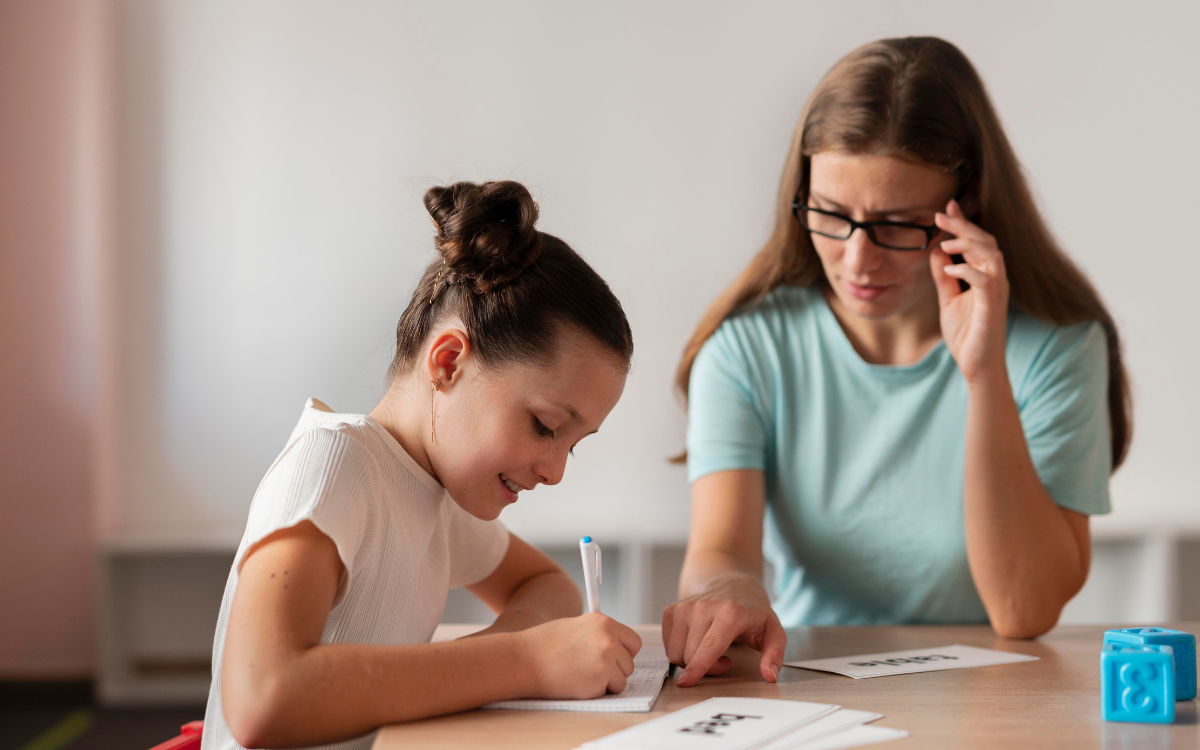
The connection between dysgraphia and autism stems from shared neurological factors. Both conditions involve difficulties in motor planning, motor coordination, and cognitive processing, which can affect a child’s ability to complete writing tasks.
Many individuals with autism struggle with fine motor movements, making it hard to hold a pencil correctly or control writing pressure, leading to poor handwriting.
Moreover, cerebellar damage has been linked to both conditions, impacting coordination and movement regulation. This can result in difficulties with visual motor integration VMI, a crucial skill for forming letters accurately. Some children also exhibit spatial dysgraphia, where they struggle with letter spacing and alignment due to deficits in spatial awareness.
Because many disorders, including attention disorders, frequently co-occur with ASD, diagnosing dysgraphia can be challenging. A thorough developmental test can help specialists determine whether a child’s writing challenges stem from dysgraphia, ASD, or another neurological problem.
Writing Skills in Children with Autism
For children with autism, developing writing skills can be an overwhelming task. Many face difficulties with motor skills, hand-eye coordination, and muscle tone, all of which are essential for smooth and legible writing.
This often results in poor spelling, uneven letter formation, and difficulty maintaining proper word spacing.
A major issue is written expression, as many children with ASD struggle to translate their ideas into structured words. Some may also have linguistic dysgraphia, which affects their ability to recall spelling patterns and grammatical rules, leading to inconsistent writing performance.
Because high school students and younger children with ASD often struggle with spelling skills and sentence structure, specialized instruction and accommodations are necessary.
Assistive technology, such as speech-to-text software, and physical aids like pencil grips or a stress ball to improve dexterity, can help them build stronger writing skills over time.
Diagnosing Dysgraphia in Autism

To properly diagnose dysgraphia in children with ASD, specialists conduct a series of evaluations focusing on fine motor skills, motor coordination, and cognitive processing. Since both dysgraphia and autism often present overlapping symptoms, professionals must differentiate between motor-related writing difficulties and those stemming from cognitive impairments.
An occupational therapist plays a key role in the diagnosis process, assessing how a child’s nervous system controls writing movements. A comprehensive developmental test evaluates visual motor integration, muscle tone, and handwriting speed to determine the severity of the condition.
Additionally, some children may exhibit motor dysgraphia, where writing challenges arise due to weak hand strength and poor finger control. Others may struggle with spatial dysgraphia, which affects their ability to organize written words properly.
Since many children with ASD also have other learning disabilities, early diagnosis is essential for creating effective intervention plans tailored to their needs.
The Role of Fine Motor Skills in Writing

Developing fine motor skills is essential for improving writing skills in children with ASD. Weak motor coordination and low muscle tone often result in poor handwriting and difficulty with letters formation. Many children with motor dysgraphia struggle to hold a pencil properly, affecting their ability to write efficiently.
Activities like using a stress ball, practicing with pencil grips, and engaging in hand-eye coordination exercises can help. Strengthening fine motor control through targeted interventions allows children to complete writing tasks with greater ease and confidence.
Supporting Writing Tasks for Children with Autism
Completing writing tasks is difficult for children with autism due to challenges in written expression and spelling skills. Many experience poor spelling and struggle to structure sentences, making academic work overwhelming.
Using assistive technology, such as speech-to-text software, can support high school students and younger children in overcoming these barriers. Teachers and parents can also provide structured templates and extended time for assignments.
By addressing these writing challenges through accommodations, children with ASD can develop stronger writing skills and greater confidence in their abilities.
Occupational Therapy and Other Interventions

Occupational therapy plays a key role in helping children with dysgraphia and autism develop motor skills for writing. An occupational therapist focuses on muscle tone, hand-eye coordination, and fine motor skills to improve writing skills.
Additional therapies, such as speech therapy for linguistic dysgraphia and physical therapy for motor dysgraphia, can also help. Tools like pencil grips and slanted writing boards support written expression.
Since many disorders overlap with ASD, a multidisciplinary approach ensures children receive comprehensive support tailored to their needs.
Conclusion: Helping Children Thrive Despite Writing Challenges
Addressing writing challenges in children with ASD requires early intervention. Weak fine motor skills, poor handwriting, and difficulty with letters formation can impact academic performance.
Using occupational therapy, assistive technology, and adaptive tools like pencil grips can strengthen a child’s ability to write effectively. Since dysgraphia and autism often coexist with other learning disabilities, a comprehensive support system is essential.
With patience and the right strategies, children with autism can develop strong writing skills, helping them succeed in school and beyond.
Magrid provides an innovative, screen-based learning solution that enhances cognitive skills, visual motor integration, and problem-solving abilities—all essential for mastering mathematics. By eliminating handwriting barriers, Magrid allows children with autism and dysgraphia to build confidence in math without the frustration of written tasks. Experimente o Magrid hoje mesmo and help your child develop strong mathematical thinking in a stress-free, engaging way!
Dyspraxia Effects on Learning: Challenges and Solutions
Introduction: Understanding Dyspraxia and Its Impact
Dyspraxia is a neurological condition that affects movement, coordination, and cognitive functions. Often diagnosed in early age, it can lead to significant challenges in daily activities, especially in an academic setting. The term dyspraxia is commonly associated with Developmental Coordination Disorder (DCD), a condition that impacts a child’s ability to perform coordinated movements smoothly.
The dyspraxia effects on learning go beyond physical struggles. Children with dyspraxia may experience language difficulties, trouble with fine motor skills, and issues with writing and specific tasks that require good coordination. These difficulties can impact their confidence and ability to engage in school activities like making notes or completing assignments on time.
While dyspraxia presents various challenges, early intervention and strategies like occupational therapy, speech therapy, and classroom accommodations can provide support to help affected students thrive. Understanding dyspraxia’s impact is the first step toward creating an inclusive learning environment.
Dyspraxia Effects on Learning: What You Need to Know
The dyspraxia effects on learning can vary from mild to severe, depending on the child. Students with dyspraxia often struggle with activities that require motor coordination, such as tying shoelaces, writing, or participating in sports. These issues arise due to difficulties with physical movement, which make tasks that require fine motor skills or gross motor skills more challenging.
Beyond physical challenges, dyspraxia can also contribute to learning difficulties. Many dyspraxic children face trouble with organization, memory, and focus, which can make subjects like math and reading difficult. Some may also experience language difficulties, affecting their ability to follow verbal instructions or participate in discussions.
In addition to academic struggles, dyspraxia can lead to low self-esteem and frustration, particularly when comparing themselves to other children who learn in the same way with greater ease. Teachers and parents can provide support by breaking down lessons into individual steps, using visual cues, and allowing extra time for assignments. These strategies can make all the difference in helping students develop new skills and boost confidence in the classroom.
Developmental Coordination Disorder: An Overview
Developmental Coordination Disorder (DCD), often referred to as dyspraxia, is recognized as a specific learning difficulty that affects movement and planning. According to the statistical manual used by medical professionals, DCD is classified as one of many mental disorders that impact motor function. However, unlike other learning disabilities, DCD primarily affects motor skills rather than cognitive ability.
Children with DCD often show poor coordination and struggle with everyday tasks such as dressing, using cutlery, or playing sports. In a class setting, these children may find it difficult to write quickly, take notes, or complete assignments at the same pace as most kids.
Interventions such as occupational therapy and guidance from a physical therapist can help children develop better motor coordination. Additionally, breaking down specific tasks into simpler steps and incorporating verbal prompts can significantly improve their ability to learn and complete daily activities more independently.
How Fine Motor Skills Influence Learning

The ability to perform small, precise movements is crucial for academic success. Fine motor skills enable children to hold a pencil, cut with scissors, and manipulate objects—all essential in a classroom setting. However, those with dyspraxia often struggle with these activities due to difficulties in hand-eye coordination and dexterity.
For students with dyspraxia, writing can be a major hurdle. Poor grip strength, slow letter formation, and inconsistent spacing make note-taking and written assignments particularly challenging. These issues can also extend to using a keyboard or handling small classroom tools, impacting overall productivity.
Since handwriting is a fundamental part of most schoolwork, children with motor difficulties may feel discouraged. Teachers and therapists often introduce visual cues and adaptive tools to make writing easier. Strengthening hand muscles through specific tasks, such as drawing or using building blocks, can also improve control and confidence.
Intervention through occupational therapy is key to addressing these challenges. An occupational therapist works on improving dexterity through structured exercises. Additionally, allowing extra time for writing tasks and using assistive technology, such as speech-to-text software, can significantly enhance learning experiences for affected students.
Recognizing Learning Disabilities in Dyspraxic Students
Dyspraxia frequently coexists with other learning disabilities, making academic progress more complex. Many affected students face challenges in reading, spelling, and math due to difficulties with memory, sequencing, and concentration. These struggles may resemble conditions like dislexia, though the root cause differs.
One key issue for children with dyspraxia is the ability to process and retain information. They may struggle to follow multi-step instructions, complete tasks efficiently, or recall previously learned material. Organizational skills can also be weak, making assignments, schedules, and classroom expectations difficult to manage.
In addition to academic concerns, these students often experience social and emotional challenges. Feelings of frustration, anxiety, and low self-esteem can arise when they compare themselves to other children who grasp concepts more quickly.
To provide support, educators can modify teaching methods by breaking down lessons into individual steps, using verbal prompts, and allowing students to engage in hands-on learning. A tailored approach helps them process information in a way that suits their abilities, reducing frustration and fostering a more positive learning experience.
How Dyspraxia Affects Physical and Academic Abilities

The effects of dyspraxia extend beyond learning challenges to impact physical movement and overall participation in school activities. Poor coordination makes tasks such as balancing, running, and using playground equipment difficult. As a result, some students may avoid physical education or group activities, leading to social isolation.
In the classroom, dyspraxia affects a student’s ability to complete tasks efficiently. Writing, using rulers, or even turning pages in a book can be time-consuming. Slow processing speed and trouble with motor coordination can also affect the ability to keep up with class discussions and note-taking.
Despite these challenges, early intervention can make all the difference. Teachers, parents, and therapists can work together to adapt learning materials, offer additional time, and introduce structured routines that help children navigate daily tasks with more ease. With the right strategies, students can improve their functional skills and gain more independence.
Coordination Difficulties and Their Impact on Education
One of the defining struggles of dyspraxia is difficulty with coordinated movements, which can have a significant impact on a child’s educational experience. Students may find it hard to perform basic classroom activities such as holding a pencil properly, cutting paper, or even sitting still for extended periods. These difficulties can make everyday school routines overwhelming.
Beyond handwriting and motor skills, coordination challenges also affect participation in group activities. Many students struggle with sports, games, and practical subjects like science experiments, where precise movements are required. Because of this, they may become frustrated or reluctant to engage in activities that highlight their difficulties.
To accommodate these students, schools can implement practical strategies such as using larger writing tools, providing physical guidance when learning new skills, and offering structured movement breaks. Additionally, input from a physical therapist can help improve balance, posture, and ability to complete everyday classroom tasks with greater ease.
By recognizing these challenges early and adjusting learning methods accordingly, educators can help students with dyspraxia develop stronger skills and feel more included in the school environment.
Language Difficulties in Children with Dyspraxia
Many children with dyspraxia struggle with language difficulties, which can impact both verbal and written communication. These challenges vary but often include trouble with pronunciation, forming sentences, and understanding spoken instructions. Some children may hesitate to participate in discussions, as finding the right words or processing speech takes extra effort.
In a classroom setting, these difficulties can lead to misunderstandings, slower response times, and frustration. Some students might need verbal prompts to help them stay engaged in conversations or follow instructions accurately. Additionally, challenges with writing, such as organizing thoughts coherently, further complicate academic performance.
Speech therapy is a valuable tool for addressing these concerns. A trained therapist can help improve articulation, sentence structure, and confidence in communication. Teachers can also provide support by using clear instructions, visual cues, and giving students extra time to process and respond to questions, reducing anxiety and enhancing learning.
The Role of Occupational Therapy in Dyspraxia Support
Occupational therapy plays a critical role in helping students with dyspraxia develop essential life skills. This type of therapy focuses on improving coordination, strengthening fine motor skills, and making daily tasks more manageable. Through structured exercises and interventions, children learn to perform activities such as tying shoelaces, using utensils, and improving handwriting.
An occupational therapist assesses a child’s specific difficulties and designs personalized strategies to address them. This may include activities that enhance motor coordination, such as puzzles, hand-strengthening exercises, and tasks that involve grasping small objects. The goal is to gradually build confidence and independence in completing everyday school and home activities.
In a classroom setting, occupational therapists often work with teachers to implement supportive strategies. These might include modified writing tools, extra time for assignments, or breaking complex tasks into individual steps. By tailoring learning approaches to the child’s abilities, occupational therapy makes schoolwork less stressful and more accessible.
With consistent practice and encouragement, children receiving occupational therapy can improve their motor skills, adapt to their challenges, and feel more capable in their learning environment.
The Importance of Visual Cues and Verbal Prompts
For children who struggle with coordinated movements and learning difficulties, using visual cues and verbal prompts can enhance comprehension and task completion. These tools help break down complex information into manageable steps, making it easier for students to follow along in class.
Visual cues, such as charts, diagrams, and written instructions, provide a reference point for children who have trouble processing verbal explanations. Color-coded notes, labeled classroom objects, and illustrated schedules can improve organization and independence.
Verbal prompts act as reminders to guide students through multi-step tasks. Teachers may use simple phrases like “first write your name” or “next, turn the page” to help maintain focus. Over time, these strategies enable students to work through assignments more independently.
By integrating these supportive techniques, educators can boost confidence in students with dyspraxia, helping them engage more actively in classroom activities while reducing frustration.
Classroom Strategies to Support Students with Dyspraxia

Teachers play a crucial role in ensuring that students with dyspraxia receive the support they need to thrive in school. Simple yet effective classroom strategies can help minimize frustration and maximize learning opportunities.
One essential approach is to allow additional time for tasks that require writing or physical movement. Many dyspraxic students struggle with speed and coordination, making timed assignments and fast-paced lessons overwhelming. Extending deadlines and offering alternatives, such as oral responses instead of written ones, can significantly reduce stress.
Another helpful strategy is breaking lessons into individual steps to make complex concepts easier to process. Using bullet points, checklists, and structured routines ensures that students don’t feel overwhelmed by too much information at once.
Hands-on learning can also make all the difference. Activities that engage multiple senses, such as using textured letters for spelling or practicing math with physical objects, help reinforce learning in a more accessible way.
Lastly, fostering a supportive classroom environment by encouraging students to ask questions and seek help without fear of judgment can greatly improve their educational experience. Small adjustments can lead to big improvements in confidence, skill development, and academic success.
How Parents Can Help Dyspraxic Children at Home

Parental support is essential for children with dyspraxia, as learning challenges extend beyond the classroom. Creating a structured and supportive home environment can help children build independence and confidence. One effective approach is breaking down daily tasks into manageable steps, making routines like dressing, organizing school materials, and completing homework easier.
Encouraging physical activities that enhance coordination, such as playing with building blocks or engaging in simple exercises, can improve motor skills over time. Parents can also introduce adaptive tools like ergonomic pencils and speech-to-text software to reduce frustration with writing.
Patience and positive reinforcement are key—acknowledging progress, no matter how small, can boost self-esteem. Open communication with teachers and therapists ensures consistency in learning strategies between home and school, allowing children to feel supported in every aspect of their development.
Boosting Confidence and Encouraging Skill Development
Confidence is often a major challenge for children with dyspraxia, especially when they compare themselves to their peers. Encouraging a growth mindset can help them develop resilience and motivation to improve their skills.
Celebrating small achievements—whether successfully tying shoes, completing a written assignment, or participating in a group activity—reinforces progress and builds self-esteem. Engaging children in activities where they can excel, such as music, art, or storytelling, helps shift focus from their struggles to their strengths.
Practicing new skills in a low-pressure environment also makes learning more enjoyable. Instead of focusing on perfection, parents and teachers can emphasize effort and persistence. Encouraging problem-solving, allowing extra time for tasks, and providing reassurance in moments of frustration all contribute to a more positive learning experience, helping children develop the confidence they need to succeed.
The Role of Therapists and Educators in Long-Term Success

Therapists and educators play a vital role in supporting children with dyspraxia throughout their academic journey. Occupational therapists help improve motor coordination, while speech therapists assist with language development and communication skills. These professionals create tailored interventions to address each child’s specific needs.
Teachers, on the other hand, can make learning more accessible by adapting lesson plans, incorporating assistive technology, and providing structured routines. Small adjustments, like offering alternative ways to complete assignments or allowing movement breaks, can significantly impact a child’s ability to focus and succeed.
Collaboration between therapists, educators, and parents ensures that children receive consistent support at school and home. By fostering an inclusive learning environment and recognizing individual progress, professionals can help children with dyspraxia build essential life skills and reach their full potential.
Conclusion: Overcoming Challenges with the Right Support
Dyspraxia presents unique challenges, but with the right strategies, children can develop the skills they need to thrive. Early intervention, structured support, and patience are key to helping students overcome difficulties in movement, coordination, and learning.
Whether through occupational therapy, adaptive teaching methods, or parental guidance, small adjustments can make a significant difference in a child’s confidence and academic performance. Encouraging a positive mindset and celebrating progress helps children stay motivated and engaged in their education.
As awareness grows, schools and families can work together to create environments where children with dyspraxia feel understood and supported. By focusing on strengths rather than limitations, students can navigate their challenges with greater ease, ultimately gaining the independence and self-assurance needed to succeed in both academics and everyday life.
Magrid provides an innovative, research-backed approach to supporting children with learning difficulties, helping them develop cognitive and motor skills in an engaging, screen-free way. By integrating Magrid into learning routines, parents and educators can offer children a powerful tool to build confidence, independence, and essential skills for success. Get started here.
Técnica de aprendizagem repetitiva: Um guia para os pais sobre uma aprendizagem mais eficaz

Como pais, todos queremos que os nossos filhos se destaquem na aprendizagem, retenham os conhecimentos e os apliquem com confiança na escola e fora dela. Um dos métodos mais eficazes para apoiar este processo é a técnica de aprendizagem repetitiva, que reforça a memória de longo prazo através da repetição estruturada. Ao rever os conceitos a intervalos regulares, as crianças podem melhorar a sua capacidade de recordação e desenvolver uma compreensão mais profunda ao longo do tempo.
Esta abordagem não se resume à memorização mecânica, em que os alunos repetem passivamente o conteúdo. Em vez disso, incorpora técnicas de aprendizagem inteligentes, como a repetição espaçada, que apresenta a informação em intervalos que aumentam gradualmente. Estudos em psicologia cognitiva e psicologia educacional demonstram que revisitar os tópicos em intervalos mais curtos no início e, posteriormente, alargar esses intervalos, conduz a uma retenção a longo prazo.
Ao integrar esta estratégia em casa, os pais podem ajudar os seus filhos dedicar menos tempo a debater-se com matérias difíceis e, em vez disso, aprender de forma eficiente para os exames, os trabalhos escolares e a aprendizagem ao longo da vida.
Compreender o processo de aprendizagem: como o cérebro retém informação
O processo de aprendizagem é um sistema complexo que envolve o cérebro, o armazenamento da memória e a recordação. Quando as crianças se deparam pela primeira vez com novos conteúdos, podem compreendê-los momentaneamente, mas, sem repetição, esse conhecimento desvanece-se. Isto acontece porque o cérebro tende a esquecer as informações que não são utilizadas com frequência.
Uma forma de contrariar isto é através da repetição espaçada, um método que reforça a memória de longo prazo através da revisão da informação em intervalos cada vez maiores. Em vez de estudar à pressa antes de um exame, a criança beneficia ao rever os conceitos ao longo de um período mais prolongado. Isto baseia-se em investigação nas áreas da psicologia cognitiva e da ciência da computação, onde se verifica que a retenção de dados melhora quando a exposição é repetida em momentos estratégicos.
A incorporação de diferentes técnicas, tais como a recordação ativa (fazer perguntas em vez de leitura passiva) e a utilização de fichas físicas, ajuda os alunos a reter a informação de forma mais eficaz. O sistema de Leitner, por exemplo, é uma técnica amplamente utilizada em que as fichas com respostas mais difíceis são revistas com maior frequência do que as mais fáceis.
Ao compreenderem como funciona o processo de aprendizagem, os pais podem ajudar os seus filhos a alcançar melhores resultados com menos tempo de estudo, tornando a aprendizagem uma experiência agradável e produtiva.
Repetição espaçada: uma forma mais inteligente de reforçar a memória
A repetição espaçada é uma técnica de aprendizagem cientificamente comprovada que ajuda as crianças a reter conhecimentos, revendo-os em intervalos cada vez maiores. Ao contrário da aprendizagem mecânica, em que os alunos repetem informações sem envolvimento, este método reforça as ligações no cérebro e facilita a recordação ao longo do tempo.
O princípio subjacente à repetição espaçada é simples: em vez de reverem a matéria toda de uma só vez, as crianças voltam a abordá-la em momentos estratégicos. Inicialmente, revêem a informação em intervalos mais curtos e, à medida que a vão dominando, as sessões de revisão passam a ocorrer em intervalos mais longos. Este método eficaz tem sido amplamente estudado na psicologia educacional e é conhecido por melhorar a retenção a longo prazo.
Muitos pais utilizam software de repetição espaçada para ajudar os seus filhos a consolidar a aprendizagem. Estas ferramentas determinam automaticamente o melhor momento para a revisão, ajustando os intervalos em função da dificuldade. Entre os exemplos mais populares contam-se os cartões digitais que se adaptam com base nas respostas corretas e incorretas.
A utilização da repetição espaçada nas rotinas diárias de estudo ajuda os alunos a reter melhor a informação, quer se trate de vocabulário, fórmulas matemáticas ou factos históricos. Ao aplicar este método, as crianças não só dedicam menos tempo a reaprender, como também constroem uma base sólida para a sua educação futura.
Utilização de software de repetição espaçada para apoiar a aprendizagem

A tecnologia tornou a aprendizagem mais eficiente, e o software de repetição espaçada (SRS) é uma das ferramentas mais poderosas disponíveis. Estes programas digitais ajudam os alunos a reforçar os conhecimentos, ajustando os intervalos de revisão com base no seu progresso. Se uma criança tiver dificuldades com um conceito, o software apresenta-o com maior frequência. Uma vez dominado, o intervalo aumenta, garantindo a retenção a longo prazo com menos tempo dedicado à revisão.
O SRS é particularmente útil em disciplinas como a aprendizagem de línguas, a matemática e as ciências, nas quais os alunos têm de memorizar grandes quantidades de informação. Programas como o Anki e o Quizlet utilizam o sistema de Leitner para determinar quando apresentar cartões de estudo específicos, tornando o processo de aprendizagem mais estruturado. Estudos nas áreas da ciência da computação e da psicologia educacional confirmam que o SRS ajuda os alunos a recordar informações de forma eficiente, reduzindo a necessidade de revisões de última hora antes dos exames.
Ao contrário da memorização mecânica tradicional, em que os alunos repetem informações sem pensar, o SRS promove a recordação ativa, uma técnica em que os alunos se testam ativamente, em vez de se limitarem a reler passivamente. Este método reforça a memória e ajuda as crianças a aplicar conceitos em diferentes contextos.
Para os pais, integrar um software de repetição espaçada na rotina de estudo dos filhos pode tornar a aprendizagem mais envolvente, personalizada e eficaz, permitindo-lhes alcançar melhores resultados com menos tempo de estudo.
Aprendizagem mecânica vs. recordação ativa: qual funciona melhor?
Muitos pais associam a aprendizagem mecânica à repetição incessante de factos até que estes fiquem gravados. Embora esta técnica de memorização tenha o seu lugar, é frequentemente menos eficaz para uma compreensão profunda. Em contrapartida, a recordação ativa incentiva as crianças a recuperar informação da memória, tornando-a mais duradoura e útil.
Por exemplo, na aprendizagem mecânica, uma criança que tenta memorizar as tabuadas pode repetir os números em voz alta sem compreender verdadeiramente os padrões subjacentes. Em contrapartida, a recordação ativa implicaria resolver problemas sem consultar as respostas, obrigando o cérebro a esforçar-se mais. Este processo reforça as ligações neurais e melhora a memória a longo prazo.
No entanto, a aprendizagem mecânica pode ainda ser útil para certos tipos de informação, como o vocabulário ou as fórmulas. O segredo está em encontrar o equilíbrio entre diferentes tipos de técnicas de aprendizagem. Os pais podem utilizar cartões físicos para uma memorização rápida e incorporar a repetição espaçada, de modo a garantir que as crianças revisitem conceitos difíceis a intervalos regulares.
Estudos na área da psicologia cognitiva sugerem que a combinação de métodos de memorização mecânica com a recordação ativa melhora o progresso e conduz a uma melhor retenção ao longo de um período mais prolongado. O objetivo não é apenas memorizar informação, mas sim utilizá-la de forma eficaz, resolvendo problemas e aplicando os conhecimentos em novas situações.
Fichas físicas e outras ferramentas para a repetição
Embora as ferramentas digitais sejam práticas, os cartões didáticos físicos tradicionais continuam a ser uma excelente solução para reforçar conceitos através da repetição. Os cartões didáticos permitem que as crianças pratiquem a recordação ativa, tornando-os uma valiosa ferramenta educativa para disciplinas como a matemática, as ciências e a aprendizagem de línguas.
O sistema Leitner é um método popular que recorre a intervalos crescentes para ajudar os alunos a concentrarem-se em conteúdos difíceis. Os cartões com respostas corretas são revistos em intervalos mais longos, enquanto os que contêm respostas incorretas aparecem com maior frequência. Isto garante que os alunos dediquem mais tempo a estudar os temas com os quais têm mais dificuldades, o que conduz a uma aprendizagem eficiente.
Para além dos cartões de estudo, existem outras técnicas que podem reforçar a aprendizagem. Os pais podem transformar o tempo de estudo num jogo, recorrendo a sessões de perguntas e respostas, questionários de treino ou anotando pontos-chave em post-its. Até mesmo ler em voz alta e resumir os temas com as suas próprias palavras pode reforçar a compreensão.
A utilização de uma combinação de ferramentas — desde cartões didáticos a aplicações digitais — garante que as crianças se mantenham envolvidas, ao mesmo tempo que reforça os conhecimentos de forma estruturada. A técnica de aprendizagem certa faz a diferença na retenção a longo prazo, ajudando as crianças a recordar a informação sem esforço e a aplicá-la com confiança.
Como os pais podem tornar a aprendizagem repetitiva divertida e eficaz
A repetição não tem de ser vista como uma tarefa enfadonha. Os pais podem tornar a técnica de aprendizagem repetitiva mais envolvente, incorporando criatividade, jogos e atividades interativas na rotina dos seus filhos. A aprendizagem deve ser divertida, não se resumindo apenas à fixação de informações através da memorização mecânica.
Uma forma de manter as crianças motivadas é através da gamificação. As aplicações e os programas de repetição espaçada incluem frequentemente recompensas, acompanhamento do progresso e desafios para tornar a aprendizagem mais emocionante. Os pais podem criar uma experiência semelhante em casa, oferecendo pequenos incentivos pelo domínio de conceitos difíceis ou transformando as sessões de revisão em competições amigáveis.
A utilização de técnicas multissensoriais, como dizer as respostas em voz alta, desenhar representações visuais ou encenar a informação, também melhora a compreensão. As atividades em grupo, como discutir temas com irmãos ou amigos, podem reforçar os conhecimentos, tornando a aprendizagem mais social.
Para as crianças mais novas, as histórias e as canções podem transformar conteúdos complexos em padrões fáceis de memorizar. Para os alunos mais velhos, incentivá-los a ensinar os outros reforça o seu processo de aprendizagem — uma estratégia amplamente estudada na psicologia educacional.
Ao variar as técnicas de aprendizagem e manter as sessões curtas, mas regulares, os pais podem ajudar os seus filhos a dedicar menos tempo aos estudos, garantindo ao mesmo tempo uma retenção a longo prazo. O segredo está em garantir que a aprendizagem se mantenha dinâmica, envolvente e adaptada ao estilo único de cada criança.
Ajudar o seu filho a desenvolver hábitos de aprendizagem sólidos

Criar uma base sólida para a aprendizagem requer consistência e as técnicas adequadas. Os pais desempenham um papel crucial na criação de hábitos de estudo que promovam a memória a longo prazo e uma aprendizagem eficaz. Ao integrar a técnica de aprendizagem repetitiva nas rotinas diárias, as crianças podem reforçar naturalmente as suas capacidades de recordação.
Uma abordagem estruturada é a mais eficaz. Estabelecer um plano de estudo com intervalos regulares para revisão ajuda a evitar a aprendizagem de última hora e reforça os conhecimentos ao longo de um período mais prolongado. A utilização de uma combinação de fichas físicas, questionários e ferramentas de repetição espaçada garante que as crianças interajam com a matéria de diferentes formas, melhorando a compreensão.
Incentivar a autoavaliação é outra estratégia eficaz. Pedir às crianças que recordem informações sem consultar as respostas (uma prática conhecida como «recordo ativo») melhora a retenção e aprofunda a compreensão. Da mesma forma, utilizar o sistema de Leitner ajuda a determinar quais os conceitos que requerem maior atenção.
Acima de tudo, os pais devem promover um mentalidade positiva em relação à aprendizagem. Celebrar os pequenos sucessos e dar mais importância ao progresso do que à perfeição reforça a confiança e a motivação. Com o apoio adequado, as crianças podem aprender de forma eficiente, melhorar a memória e desenvolver competências que lhes serão úteis muito para além da sala de aula.
Para proporcionar ao seu filho um começo ainda mais sólido, explorar o Magrid, uma plataforma de aprendizagem baseada em investigação, concebida para tornar o ensino da matemática envolvente, eficaz e sem stress.
Understanding the Connection Between Autism and Math Abilities

The relationship between autism and math has long intrigued researchers and educators. Many autistic children display remarkable cognitive strengths in numerical problem solving, while others struggle with math concepts due to challenges in executive functioning and social interactions. This contrast highlights the complexity of mathematical abilities within the autism spectrum disorder (ASD).
20 Engaging and Fun Math Activities for 3 Year Olds

Early math learning helps toddlers develop math skills, critical thinking skills, and fine motor skills. At three, they are naturally curious and eager to explore basic concepts like counting, shape recognition, and spatial sense through play.
Fun math activities build confidence in mathematical thinking while strengthening hand-eye coordination. Simple hands-on activities like counting elements or stacking building blocks make teaching math engaging and enjoyable.
Setting the Stage: Everyday Math in a Toddler’s World
Math is everywhere, from spotting different shapes to counting everyday objects. Toddlers explore math concepts naturally through sorting toys, comparing sizes, and recognizing colors.
Parents can encourage early math learning by asking their child to classify things on a nature walk, spot numbers on the front door, or use measuring cups. These fun ways make atividades de matemática part of everyday life.
1. Counting Activities with Everyday Objects

One of the simplest math activities for 3 year olds is counting everyday objects like toys, fruits, or buttons. This activity introduces basic math while improving number recognition and one-to-one correspondence.
Start by asking your child to count items during playtime or while setting the table. Encourage them to touch each object as they count, reinforcing hands-on learning. For added fun, turn it into a fun game by timing how quickly they can find and count everyday objects. This activity helps toddlers build confidence in math skills while naturally integrating early math learning into their daily routine.
2. Shape Hunt Game for Shape Recognition
A shape hunt game is a fantastic way to develop shape recognition skills and introduce different shapes in an exciting way. Give your child a list of shapes to find around the house or during a nature walk. Ask them to identify circles, squares, and triangles in everyday objects like clocks, windows, and books.
This activity enhances spatial awareness, helps toddlers learn shape attributes, and encourages problem solving. By making math activities part of their exploration, preschoolers develop a strong understanding of mathematical concepts through playful interaction with the world around them.
3. Matching Pairs with Socks or Cards
Matching socks or playing a card matching pairs game helps toddlers recognize patterns and improve math skills. Spread out mixed socks or cards and ask your child to find the matching pairs. This activity enhances critical thinking skills, fine motor skills, and color identification.
To make it more engaging, challenge your child to sort the pairs by shape attributes, size, or comparative terms like “bigger” and “smaller.” These fun math activities build an early understanding of classification and basic concepts, supporting a strong foundation in math activities for toddlers.
4. Domino Fun: Learning Patterns and Counting

Playing with different dominoes is a fun game that teaches counting activities, pattern recognition, and basic operations. Have your child count the dots on each domino and match them based on numbers or colors.
This interactive game improves number recognition and strengthens mathematical thinking. Encourage toddlers to create a number sequence or build a simple number line with the dominos. This hands-on activity not only supports early math learning but also enhances problem solving and spatial sense through play.
5. Ice Cube Tray Counting for Number Recognition
An ice cube tray makes a great tool for counting activities and number recognition. Write numbers in each section of the tray and ask your child to place small objects, such as beads or beans, into the corresponding spaces.
This hands-on activity strengthens fine motor skills, one-to-one correspondence, and basic math understanding. For an added challenge, use comparative terms like “more” or “less” to introduce measurement concepts. Engaging in this fun way to practice numbers helps toddlers develop strong math skills while keeping learning playful and interactive.
6. Building Towers with Blocks: A Fun Math Activity
Using building blocks is a great way to introduce math activities for 3 year olds while improving spatial awareness and fine motor skills. Ask your child to build towers of different heights and count the blocks as they stack them.
You can add a challenge by comparing the height of two towers using comparative terms like “taller” and “shorter.” This hands-on activity strengthens early math learning, helps children recognize basic concepts like size and quantity, and encourages problem solving. Through playful exploration, toddlers develop mathematical thinking and a love for fun math activities.
7. Sorting Toys by Color, Size, and Shape
Sorting toys is an easy way to introduce basic math and improve critical thinking skills. Give your child a mix of toys and ask them to sort by color identification, size, or different shapes.
This activity strengthens shape recognition skills while reinforcing basic concepts like classification and grouping. Encourage your toddler to describe their choices using comparative terms such as “biggest” or “smallest.” These fun ways of teaching math support spatial sense and early math learning, making it an engaging and educational playtime activity.
8. Exploring Measurement Concepts with Measuring Cups
Using measuring cups is a great way to introduce measurement concepts through hands-on activities. Let your child explore pouring water, rice, or sand into different-sized cups to compare volumes.
Encourage them to use comparative terms like “full” and “empty” to describe their observations. This fun math activity strengthens spatial awareness, develops problem solving skills, and helps toddlers understand basic operations like addition when they combine amounts. By exploring with measuring cups, preschoolers gain confidence in early math learning while engaging in a playful and sensory-rich experience.
9. Nature Walk: Counting and Classifying Objects

A nature walk is a fantastic way to explore math concepts in the real world. Encourage your child to collect and classify things like leaves, rocks, or flowers by size, shape, or color.
This activity develops counting elements, shape recognition, and spatial awareness while strengthening fine motor skills. Ask questions like, “How many round leaves did we find?” or “Which rock is the biggest?” These interactive games support early math learning and allow toddlers to connect mathematical concepts to nature, making math an exciting adventure.
10. Drawing Shapes to Improve Shape Recognition
Encourage your child to draw shapes using crayons, chalk, or even their fingers in the sand. This hands-on activity helps develop shape recognition skills, fine motor skills, and hand-eye coordination.
Ask them to identify the shape attributes of circles, squares, and triangles as they draw. For extra fun, turn it into a fun game by challenging them to find and trace different shapes in their surroundings. Engaging in fun math activities like this supports early math learning and builds confidence in recognizing and recreating basic concepts of geometry.
11. Hands-On Pipe Cleaners for Fine Motor Skills
Using pipe cleaners is a fun way to develop fine motor skills while introducing math activities for 3 year olds. Give your child different colored pipe cleaners and encourage them to bend them into different shapes like circles, triangles, or squares.
This hands-on activity strengthens shape recognition skills, hand-eye coordination, and spatial sense. You can also create a simple matching pairs game by shaping two identical figures and asking your toddler to find the matching one. Engaging in preschool math activities like this helps children explore shape attributes in a creative and enjoyable way.
12. Recognizing Numbers with a Number Line
A number line is a fantastic tool for helping toddlers with recognizing numbers and understanding basic math. Draw a number line on paper or outdoors with chalk, and have your child jump or walk to the numbers as you call them out.
This interactive game builds confidence in number recognition while reinforcing one-to-one correspondence. You can also introduce basic addition by asking them to jump forward a certain number of spaces. Using a number line as part of math activities for toddlers makes early math learning engaging and dynamic.
13. Simple Math Concepts with a Front Door Number Hunt

A front door number hunt is a fun way to practice number recognition and basic math. While walking outside, encourage your child to find numbers on mailboxes, house doors, or street signs.
This activity supports mathematical thinking and critical thinking skills by asking questions like, “What number comes after 5?” or “Can you find a bigger number?” Recognizing numbers in real-world contexts strengthens early math skills while making learning exciting. This game is simple yet effective in reinforcing preschool math activities naturally during everyday outings.
14. Toddler’s Imagination: Creating Shapes with Other Objects
Encourage a toddler’s imagination by letting them use other objects to create shapes. Offer items like sticks, straws, or LEGO bricks and challenge them to form squares, triangles, or circles.
This hands-on activity promotes spatial awareness, shape recognition, and shape attributes while engaging their problem solving skills. To make it more interactive, turn it into a fun game by asking them to build a mystery shape for you to guess. Incorporating learning activities like this into play strengthens early math learning while sparking creativity.
15. Fun Ways to Introduce Basic Addition
Introducing basic addition can be simple and engaging with fun ways to combine objects. Use toys, snacks, or everyday objects to demonstrate “2 + 1 = 3.”
Encourage your child to count as they add, reinforcing one-to-one correspondence and math skills. Turn it into a fun game by asking, “If you have two apples and I give you one more, how many do you have?” These interactive games make teaching math more engaging and help toddlers understand basic operations in a natural way. By practicing early math learning in everyday scenarios, toddlers build confidence in mathematical concepts.
16. Writing Numbers with Chalk or Sand
Encouraging your child to write numbers using chalk on the sidewalk or drawing them in sand is a fantastic hands-on activity for developing number recognition and fine motor skills.
This activity helps reinforce basic math by allowing toddlers to see and feel numbers as they create them. Turn it into a fun game by calling out numbers and having them write them down. Using fun ways like this makes teaching math more engaging and supports early math learning in a natural and enjoyable way.
17. Interactive Games Using Math Apps

Technology can enhance preschool math activities, and math apps provide interactive games that help with number recognition, counting activities, and basic operations. Choose apps that encourage toddlers to explore math concepts through puzzles, animations, and songs.
One great example of a math app designed for early learners is Magrid, which focuses on building foundational math skills without relying on text or spoken language. This makes it particularly effective for young children and multilingual learners.
Through interactive exercises, Magrid helps toddlers develop number sense, spatial awareness, and problem-solving skills in a playful and engaging way. By integrating apps like Magrid into structured screen time, parents and educators can offer meaningful math experiences that feel like fun while reinforcing key early learning concepts.
18. Exploring Spatial Sense with Puzzles
Using shape puzzles is a fantastic way to develop spatial sense, shape recognition skills, and problem solving. Provide your child with puzzles featuring different shapes, encouraging them to match pieces based on shape attributes.
As they complete the puzzle, toddlers strengthen their hand-eye coordination and mathematical thinking. You can also ask them to describe the shapes they see, reinforcing basic concepts like sides and angles. Hands-on activities like these make fun math activities engaging while helping toddlers build confidence in early math learning.
19. Playing with Everyday Objects for One-to-One Correspondence
One-to-one correspondence is a key skill in early math learning, and it can be taught through hands-on activities using everyday objects. Give your child a row of cups and small toys, and ask them to place one toy in each cup while counting aloud.
This activity reinforces basic math, counting elements, and mathematical thinking. You can introduce comparative terms like “equal” and “more” to extend learning. Engaging in math activities for toddlers that involve real-world objects helps make math concepts more tangible and easier to understand.
20. Fun Preschool Math Activities for Problem Solving
Problem-solving skills are essential in early math, and fun preschool math activities like scavenger hunts can encourage this development. Create a simple math-based treasure hunt where your child follows number clues to find a hidden object.
This activity strengthens critical thinking skills, number recognition, and spatial awareness while making math activities exciting. Ask questions like, “What number comes next?” to challenge their mathematical thinking. By incorporating fun ways to solve problems, toddlers build confidence in their ability to approach math concepts creatively.
Conclusion: Making Math a Fun Part of Everyday Life

Incorporating math activities for 3 year olds into daily play makes early math learning enjoyable and natural. From counting everyday objects to exploring shape recognition, these fun math activities build a strong foundation in math skills. By using hands-on activities and interactive games, toddlers develop confidence in basic math while having fun. Encouraging curiosity and play ensures a lifelong love for mathematical concepts.
Discover More Hands-On Learning with Magrid
Make teaching math even more engaging with Magrid! Our innovative platform offers interactive games, math activities for toddlers, and fun ways to develop math skills. Designed for preschoolers, Magrid enhances spatial awareness, problem solving, and number recognition through play-based learning. Start exploring preschool math activities today and help your child build a strong foundation in early math with Magrid!
15 Engaging Autism Awareness Activities for Schools and Communities

Introdução
Autism awareness is essential for fostering acceptance and inclusion of autistic individuals in schools and communities. Autism spectrum disorder (ASD) is a neurodevelopmental condition that affects communication, social skills, and sensory needs. To create a supportive environment, schools and organizations must take active steps to raise awareness and provide resources for children with autism, autistic students, and adults on the spectrum.
Every April, people worldwide celebrate Autism Awareness Month, with World Autism Awareness Day on April 2nd, recognized by the United Nations as a time to spread awareness and encourage inclusivity. Schools and communities participate in autism awareness activities such as educational programs, fundraisers, and sensory-friendly events to promote autism awareness and create understanding.
Through autism awareness month activities, educators can teach students about the autism spectrum using tools like social stories, autism books, sensory toys, and visual aids. These efforts help increase awareness and encourage awareness and acceptance within the autism community.
This article will explore 15 engaging autism awareness activities that schools and communities can use to support autistic people. These activities help spread kindness, educate others, and ensure that autistic individuals feel valued and included.
Understanding Autism and the Importance of Awareness
Autism, or autism spectrum disorder (ASD), is a condition that varies widely in how it affects communication, behavior, and social interactions. Some autistic individuals may need minimal support, while others benefit from special education, early intervention, and support services to navigate daily life.
A major goal of autism awareness is recognizing the strengths and challenges of those on the autism spectrum. Many autistic people excel in specific areas, yet may struggle with social skills, repetitive behaviors, or sensory needs. Schools and communities must work to raise awareness and create autism-friendly spaces that accommodate diverse needs.
Teaching autism awareness in schools helps elementary students and older learners develop empathy. Using social stories, visual aids, and sensory-friendly activities allows students to engage with the topic meaningfully. Educators can also include autism books and discussions to foster awareness and acceptance.
Beyond the classroom, communities play a vital role in promoting understanding. Hosting autism awareness month activities, collaborating with autism organizations, and raising funds for autism research help provide essential support services.
Ultimately, true inclusion means continuing these efforts beyond National Autism Awareness Month to ensure lasting change and meaningful support for autistic individuals.
That being said, let’s break down these 15 autism awareness activities.
1. Wear Blue on World Autism Awareness Day
Each year on World Autism Awareness Day (April 2), people worldwide wear blue to raise awareness and show support for the autism community. Schools can participate by encouraging students and staff to dress in blue and discuss the significance of the color.
This simple act helps spread awareness and promotes autism acceptance. Teachers can also organize discussions about autistic individuals and how to support autistic people through kindness and inclusion in classrooms and everyday life.
2. Puzzle Piece Art Project
The puzzle piece is a well-known symbol of autism awareness, representing the diversity of the autism spectrum. Schools can organize an art project where students decorate individual puzzle pieces with kind messages or facts about autistic people. These pieces can be assembled into a larger display, symbolizing unity and understanding.
This activity helps elementary students and older learners increase awareness while encouraging creativity. Teachers can also use the project to start discussions on awareness and acceptance.
3. Autism Awareness Poster Contest
A poster-making contest is a great way to engage students in autism awareness activities while allowing them to express their creativity. Participants can design posters that highlight facts about autism spectrum disorder (ASD), famous autistic individuals like Temple Grandin, or ways to support autistic people.
The winning posters can be displayed in hallways or local businesses to spread awareness. This activity encourages students to research autism, understand its impact, and become advocates for inclusion.
4. Read and Discuss Autism Books

Books are powerful tools for teaching autism awareness to students. Schools can create a reading list of autism books that highlight the experiences of autistic children and adults. Teachers can lead discussions to promote understanding and help students see the world from different perspectives.
Some books include The Reason I Jump by Naoki Higashida and Different Like Me by Jennifer Elder. This activity encourages empathy, helps students develop social skills, and fosters autism-friendly classrooms.
5. Sensory-Friendly Activities and Play Areas
Many autistic children have unique sensory needs, so creating a sensory-friendly space in schools can make a big difference. Schools can set up quiet areas with sensory toys, fidget toys, and visual aids to help students regulate emotions and feel comfortable.
This activity teaches students about the importance of autism-friendly environments and allows them to experience how autism affects communication and sensory processing. It’s a practical way to promote awareness and acceptance in schools and communities.
6. Organize a Fundraiser for Autism Organizations
Raising funds for an autism organization helps provide support services for autistic individuals and their families. Schools can organize fundraising events such as bake sales, walkathons, or donation drives to raise money for autism research and community programs.
Students can also learn about the impact of their contributions and how these organizations support children with autism through early intervention, special education, and life skills training. This activity allows schools to actively support autistic people while increasing community involvement.
7. Host an Autism Awareness Assembly
A school-wide assembly can be a powerful way to raise awareness and educate students about autism spectrum disorder (ASD). Invite a guest speaker, such as an autism advocate or a person with autism, to share their experiences and discuss how autism affects communication and daily life.
This event can include short videos, student presentations, and interactive discussions that promote understanding. Assemblies help students gain a better understanding of autistic people and encourage them to practice kindness and inclusion.
8. Teaching Students Through Social Stories

Social stories are an excellent way to help students understand different perspectives, especially how autism affects social interactions. Teachers can use short, illustrated narratives that explain situations, such as making friends or responding to emotions, in a way that supports autistic students.
These stories help both neurotypical people and autistic children develop stronger social skills. Incorporating social stories into lessons fosters awareness and acceptance and helps create a more autism-friendly classroom environment.
9. Spread Kindness with “Kind Messages”
Encouraging students to write kind messages is a simple yet meaningful way to spread awareness and support autistic individuals. Schools can create a kindness wall where students post positive notes about inclusion and friendship. These messages can also be shared with autistic students to help them feel valued and included.
This activity promotes empathy, teaches students to recognize the importance of emotional support, and aligns with the goal of autism awareness month—encouraging kindness and understanding.
10. Create an Autism Awareness Bulletin Board
A classroom or hallway bulletin board dedicated to autism awareness can serve as a visual tool for learning. Include facts about autism spectrum disorder, famous autistic people like Temple Grandin, and ways to support autistic people.
Students can contribute by adding artwork, personal reflections, or information about awareness activities. This ongoing display helps increase awareness among students and teachers while reinforcing the importance of autism-friendly environments and inclusion throughout the school year.
11. Host a Sensory Exploration Day

A sensory exploration day allows students to experience how autism affects sensory processing. Set up stations with sensory toys, fidget toys, textured objects, and calming music to demonstrate different sensory needs. Some students may find certain sensations overwhelming, helping them develop empathy for autistic individuals.
This hands-on approach promotes awareness and acceptance while encouraging neurotypical people to understand how sensory input affects daily life for many autistic children and adults.
12. Engage in Special Education Inclusion Activities
Encouraging interaction between neurotypical students and autistic students helps build friendships and promote understanding. Schools can organize activities where students work together on collaborative projects, play sensory-friendly games, or participate in inclusive sports.
These experiences allow students to see how autism affects communication and learning while reinforcing the importance of supporting autistic people. Through inclusive education, schools help create a more autism-friendly environment where all students feel valued and included.
13. Organize an Autism Awareness Walk
A community or school walkathon is a great way to raise awareness and funds for autism organizations. Participants can wear blue, carry signs with encouraging messages, and distribute autism awareness ideas along the route.
The event helps students and families understand the importance of National Autism Awareness Month while supporting local programs. Proceeds from the walk can go toward autism research, support services, and sensory-friendly initiatives, making a lasting impact on the autism community.
14. Teach Communication Skills Through Role-Playing
Role-playing activities can help students understand how autism affects communication. Teachers can create scenarios where students practice different ways of interacting, such as using nonverbal gestures, visual aids, or direct language.
This helps students develop empathy for autistic people who may communicate differently. These exercises also teach elementary students and older learners how to be patient and inclusive in conversations, fostering a more accepting and autism-friendly school environment.
15. Autism Awareness Coloring Pages
Providing coloring pages featuring symbols like the puzzle piece or messages about autism acceptance is a simple and engaging way to educate young students. Teachers can pair coloring activities with short discussions on autism awareness month and the importance of inclusion.
Elementary students can also work together to create a large, collaborative artwork representing unity within the autism community. This creative approach makes learning about autistic individuals fun and accessible for all age groups.
How Schools and Communities Can Spread Awareness

Raising autism awareness goes beyond a single event or month. Schools and communities must take ongoing steps to increase awareness, promote inclusion, and provide support services for autistic individuals year-round. One effective way to do this is by integrating autism awareness activities into school curriculums. Teachers can incorporate lessons on autism spectrum disorder (ASD), discussions about famous autistic people, and visual aids to help students better understand how autism affects communication and learning.
In addition to teaching autism awareness, schools should ensure they have autism-friendly classrooms. This includes offering sensory toys, fidget toys, and quiet spaces to support autistic students who may have unique sensory needs. Staff training is also essential, helping educators and school personnel recognize how to best support autistic people in an inclusive and respectful manner.
Communities can play an active role in spreading awareness by organizing local events such as panel discussions with autism advocates, fundraisers for autism organizations, and family-friendly gatherings that encourage interaction between neurotypical people and autistic individuals. Public libraries and community centers can offer autism books, host workshops, or display information about autism research and early intervention programs.
Supporting Autistic Individuals Beyond Awareness Month
While Autism Awareness Month plays a crucial role in raising awareness, real change happens when support continues year-round. Schools, businesses, and organizations should focus on long-term inclusion strategies that benefit autistic individuals in education, employment, and everyday life.
For schools, this means offering ongoing special education training, ensuring that teachers have the tools to support autistic students effectively. Schools should also prioritize communication skills development, using methods such as social stories, single-task instruction, and visual aids to help students learn in a way that best suits their needs.
Communities can continue to support autistic people by advocating for more autism-friendly spaces. This includes creating sensory-friendly events, ensuring workplaces accommodate autistic adults, and increasing funding for autism research and support services. Public campaigns should focus not only on raising funds but also on encouraging awareness and acceptance of how autism affects individuals differently.
Conclusão
Beyond awareness month, it is essential to continue advocating for autism-friendly policies in schools, workplaces, and public spaces. Encouraging businesses to adopt inclusive hiring practices, supporting autism research, and providing support services for families can help create a more accepting world for autistic individuals.
Ultimately, spreading kind messages, fostering awareness and acceptance, and taking meaningful action are key to making lasting change. By working together, we can ensure that awareness leads to real impact, creating a future where autistic people are not only accepted but celebrated for who they are.