






15 Engaging Autism Awareness Activities for Schools and Communities

Introdução
Autism awareness is essential for fostering acceptance and inclusion of autistic individuals in schools and communities. Autism spectrum disorder (ASD) is a neurodevelopmental condition that affects communication, social skills, and sensory needs. To create a supportive environment, schools and organizations must take active steps to raise awareness and provide resources for children with autism, autistic students, and adults on the spectrum.
Every April, people worldwide celebrate Autism Awareness Month, with World Autism Awareness Day on April 2nd, recognized by the United Nations as a time to spread awareness and encourage inclusivity. Schools and communities participate in autism awareness activities such as educational programs, fundraisers, and sensory-friendly events to promote autism awareness and create understanding.
Through autism awareness month activities, educators can teach students about the autism spectrum using tools like social stories, autism books, sensory toys, and visual aids. These efforts help increase awareness and encourage awareness and acceptance within the autism community.
This article will explore 15 engaging autism awareness activities that schools and communities can use to support autistic people. These activities help spread kindness, educate others, and ensure that autistic individuals feel valued and included.
Understanding Autism and the Importance of Awareness
Autism, or autism spectrum disorder (ASD), is a condition that varies widely in how it affects communication, behavior, and social interactions. Some autistic individuals may need minimal support, while others benefit from special education, early intervention, and support services to navigate daily life.
A major goal of autism awareness is recognizing the strengths and challenges of those on the autism spectrum. Many autistic people excel in specific areas, yet may struggle with social skills, repetitive behaviors, or sensory needs. Schools and communities must work to raise awareness and create autism-friendly spaces that accommodate diverse needs.
Teaching autism awareness in schools helps elementary students and older learners develop empathy. Using social stories, visual aids, and sensory-friendly activities allows students to engage with the topic meaningfully. Educators can also include autism books and discussions to foster awareness and acceptance.
Beyond the classroom, communities play a vital role in promoting understanding. Hosting autism awareness month activities, collaborating with autism organizations, and raising funds for autism research help provide essential support services.
Ultimately, true inclusion means continuing these efforts beyond National Autism Awareness Month to ensure lasting change and meaningful support for autistic individuals.
That being said, let’s break down these 15 autism awareness activities.
1. Wear Blue on World Autism Awareness Day
Each year on World Autism Awareness Day (April 2), people worldwide wear blue to raise awareness and show support for the autism community. Schools can participate by encouraging students and staff to dress in blue and discuss the significance of the color.
This simple act helps spread awareness and promotes autism acceptance. Teachers can also organize discussions about autistic individuals and how to support autistic people through kindness and inclusion in classrooms and everyday life.
2. Puzzle Piece Art Project
The puzzle piece is a well-known symbol of autism awareness, representing the diversity of the autism spectrum. Schools can organize an art project where students decorate individual puzzle pieces with kind messages or facts about autistic people. These pieces can be assembled into a larger display, symbolizing unity and understanding.
This activity helps elementary students and older learners increase awareness while encouraging creativity. Teachers can also use the project to start discussions on awareness and acceptance.
3. Autism Awareness Poster Contest
A poster-making contest is a great way to engage students in autism awareness activities while allowing them to express their creativity. Participants can design posters that highlight facts about autism spectrum disorder (ASD), famous autistic individuals like Temple Grandin, or ways to support autistic people.
The winning posters can be displayed in hallways or local businesses to spread awareness. This activity encourages students to research autism, understand its impact, and become advocates for inclusion.
4. Read and Discuss Autism Books

Books are powerful tools for teaching autism awareness to students. Schools can create a reading list of autism books that highlight the experiences of autistic children and adults. Teachers can lead discussions to promote understanding and help students see the world from different perspectives.
Some books include The Reason I Jump by Naoki Higashida and Different Like Me by Jennifer Elder. This activity encourages empathy, helps students develop social skills, and fosters autism-friendly classrooms.
5. Sensory-Friendly Activities and Play Areas
Many autistic children have unique sensory needs, so creating a sensory-friendly space in schools can make a big difference. Schools can set up quiet areas with sensory toys, fidget toys, and visual aids to help students regulate emotions and feel comfortable.
This activity teaches students about the importance of autism-friendly environments and allows them to experience how autism affects communication and sensory processing. It’s a practical way to promote awareness and acceptance in schools and communities.
6. Organize a Fundraiser for Autism Organizations
Raising funds for an autism organization helps provide support services for autistic individuals and their families. Schools can organize fundraising events such as bake sales, walkathons, or donation drives to raise money for autism research and community programs.
Students can also learn about the impact of their contributions and how these organizations support children with autism through early intervention, special education, and life skills training. This activity allows schools to actively support autistic people while increasing community involvement.
7. Host an Autism Awareness Assembly
A school-wide assembly can be a powerful way to raise awareness and educate students about autism spectrum disorder (ASD). Invite a guest speaker, such as an autism advocate or a person with autism, to share their experiences and discuss how autism affects communication and daily life.
This event can include short videos, student presentations, and interactive discussions that promote understanding. Assemblies help students gain a better understanding of autistic people and encourage them to practice kindness and inclusion.
8. Teaching Students Through Social Stories
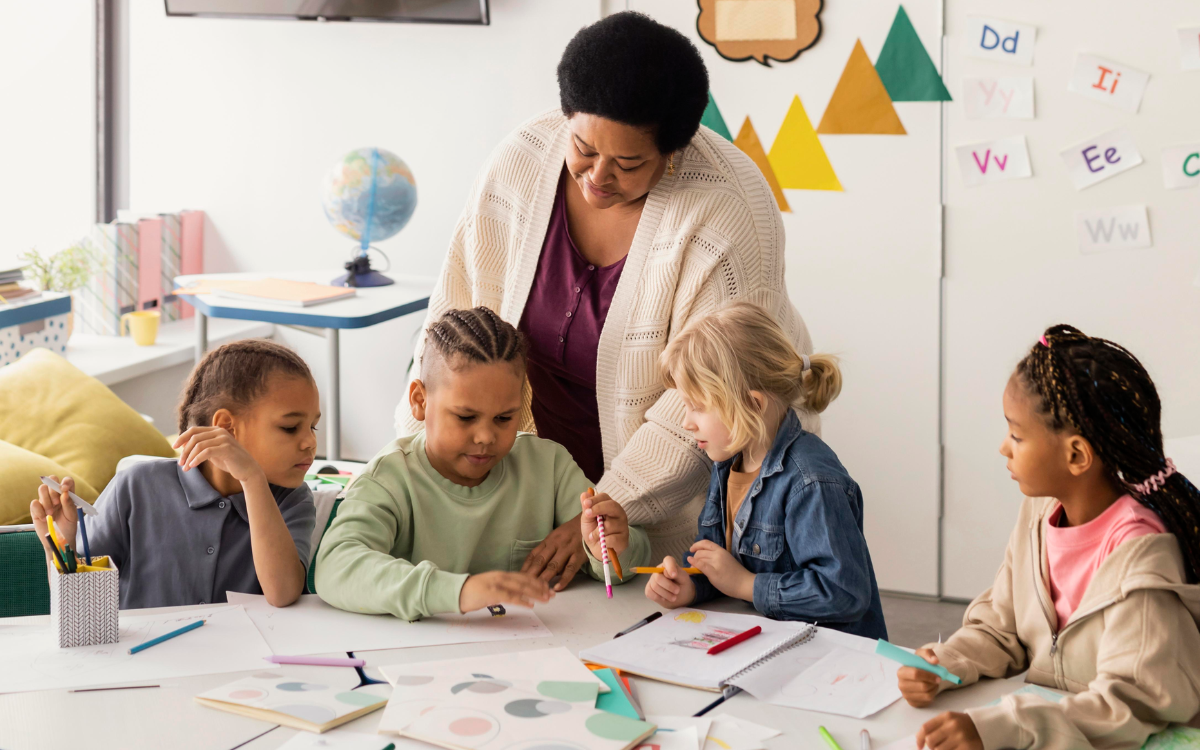
Social stories are an excellent way to help students understand different perspectives, especially how autism affects social interactions. Teachers can use short, illustrated narratives that explain situations, such as making friends or responding to emotions, in a way that supports autistic students.
These stories help both neurotypical people and autistic children develop stronger social skills. Incorporating social stories into lessons fosters awareness and acceptance and helps create a more autism-friendly classroom environment.
9. Spread Kindness with “Kind Messages”
Encouraging students to write kind messages is a simple yet meaningful way to spread awareness and support autistic individuals. Schools can create a kindness wall where students post positive notes about inclusion and friendship. These messages can also be shared with autistic students to help them feel valued and included.
This activity promotes empathy, teaches students to recognize the importance of emotional support, and aligns with the goal of autism awareness month—encouraging kindness and understanding.
10. Create an Autism Awareness Bulletin Board
A classroom or hallway bulletin board dedicated to autism awareness can serve as a visual tool for learning. Include facts about autism spectrum disorder, famous autistic people like Temple Grandin, and ways to support autistic people.
Students can contribute by adding artwork, personal reflections, or information about awareness activities. This ongoing display helps increase awareness among students and teachers while reinforcing the importance of autism-friendly environments and inclusion throughout the school year.
11. Host a Sensory Exploration Day

A sensory exploration day allows students to experience how autism affects sensory processing. Set up stations with sensory toys, fidget toys, textured objects, and calming music to demonstrate different sensory needs. Some students may find certain sensations overwhelming, helping them develop empathy for autistic individuals.
This hands-on approach promotes awareness and acceptance while encouraging neurotypical people to understand how sensory input affects daily life for many autistic children and adults.
12. Engage in Special Education Inclusion Activities
Encouraging interaction between neurotypical students and autistic students helps build friendships and promote understanding. Schools can organize activities where students work together on collaborative projects, play sensory-friendly games, or participate in inclusive sports.
These experiences allow students to see how autism affects communication and learning while reinforcing the importance of supporting autistic people. Through inclusive education, schools help create a more autism-friendly environment where all students feel valued and included.
13. Organize an Autism Awareness Walk
A community or school walkathon is a great way to raise awareness and funds for autism organizations. Participants can wear blue, carry signs with encouraging messages, and distribute autism awareness ideas along the route.
The event helps students and families understand the importance of National Autism Awareness Month while supporting local programs. Proceeds from the walk can go toward autism research, support services, and sensory-friendly initiatives, making a lasting impact on the autism community.
14. Teach Communication Skills Through Role-Playing
Role-playing activities can help students understand how autism affects communication. Teachers can create scenarios where students practice different ways of interacting, such as using nonverbal gestures, visual aids, or direct language.
This helps students develop empathy for autistic people who may communicate differently. These exercises also teach elementary students and older learners how to be patient and inclusive in conversations, fostering a more accepting and autism-friendly school environment.
15. Autism Awareness Coloring Pages
Providing coloring pages featuring symbols like the puzzle piece or messages about autism acceptance is a simple and engaging way to educate young students. Teachers can pair coloring activities with short discussions on autism awareness month and the importance of inclusion.
Elementary students can also work together to create a large, collaborative artwork representing unity within the autism community. This creative approach makes learning about autistic individuals fun and accessible for all age groups.
How Schools and Communities Can Spread Awareness

Raising autism awareness goes beyond a single event or month. Schools and communities must take ongoing steps to increase awareness, promote inclusion, and provide support services for autistic individuals year-round. One effective way to do this is by integrating autism awareness activities into school curriculums. Teachers can incorporate lessons on autism spectrum disorder (ASD), discussions about famous autistic people, and visual aids to help students better understand how autism affects communication and learning.
In addition to teaching autism awareness, schools should ensure they have autism-friendly classrooms. This includes offering sensory toys, fidget toys, and quiet spaces to support autistic students who may have unique sensory needs. Staff training is also essential, helping educators and school personnel recognize how to best support autistic people in an inclusive and respectful manner.
Communities can play an active role in spreading awareness by organizing local events such as panel discussions with autism advocates, fundraisers for autism organizations, and family-friendly gatherings that encourage interaction between neurotypical people and autistic individuals. Public libraries and community centers can offer autism books, host workshops, or display information about autism research and early intervention programs.
Supporting Autistic Individuals Beyond Awareness Month
While Autism Awareness Month plays a crucial role in raising awareness, real change happens when support continues year-round. Schools, businesses, and organizations should focus on long-term inclusion strategies that benefit autistic individuals in education, employment, and everyday life.
For schools, this means offering ongoing special education training, ensuring that teachers have the tools to support autistic students effectively. Schools should also prioritize communication skills development, using methods such as social stories, single-task instruction, and visual aids to help students learn in a way that best suits their needs.
Communities can continue to support autistic people by advocating for more autism-friendly spaces. This includes creating sensory-friendly events, ensuring workplaces accommodate autistic adults, and increasing funding for autism research and support services. Public campaigns should focus not only on raising funds but also on encouraging awareness and acceptance of how autism affects individuals differently.
Conclusão
Beyond awareness month, it is essential to continue advocating for autism-friendly policies in schools, workplaces, and public spaces. Encouraging businesses to adopt inclusive hiring practices, supporting autism research, and providing support services for families can help create a more accepting world for autistic individuals.
Ultimately, spreading kind messages, fostering awareness and acceptance, and taking meaningful action are key to making lasting change. By working together, we can ensure that awareness leads to real impact, creating a future where autistic people are not only accepted but celebrated for who they are.
Learning Retention Pyramid: A Guide for Parents and Educators

Introduction: Understanding the Learning Retention Pyramid
The learning retention pyramid is a model that helps educators and parents understand how students retain knowledge through different learning experiences. Developed by the National Training Laboratories Institute, this model categorizes learning methods into active and passive forms, highlighting which strategies lead to greater retention.
In the current education system, passive learning methods like lectures and reading are commonly used, yet research shows that these are among the most ineffective methods for knowledge retention. In contrast, active engagement through group discussion, peer teaching, and hands-on activities significantly improves learning outcomes.
By incorporating various learning methods, parents and educators can help students develop a deeper understanding of concepts. This article explores the learning pyramid, its implications, and how it can be applied to maximize long-term memory. Understanding the learning process will allow us to correctly teach students in a way that truly makes sense.
What Is the Learning Pyramid?
The learning pyramid is a model that explains how different learning methods impact retention rates. First introduced by the National Training Laboratory, this pyramid ranks various learning styles based on how effectively they help students retain knowledge over an extended period.
At the top of the pyramid are passive study methods, such as reading and lectures, which result in short-term memory retention. Meanwhile, active forms of learning, such as teaching others, audio-visual methods, and hands-on experience, promote long-term memory and good mastery of subjects.
The cone of learning suggests that students retain only 10% of what they read but up to 90% of what they teach. These findings have influenced medical education, corporate training, and classroom teaching, proving that active engagement leads to a more effective learning outcome. Educators must use different methods to match students’ individual learning styles and enhance knowledge retention.
Passive Learning: The Least Effective Approach
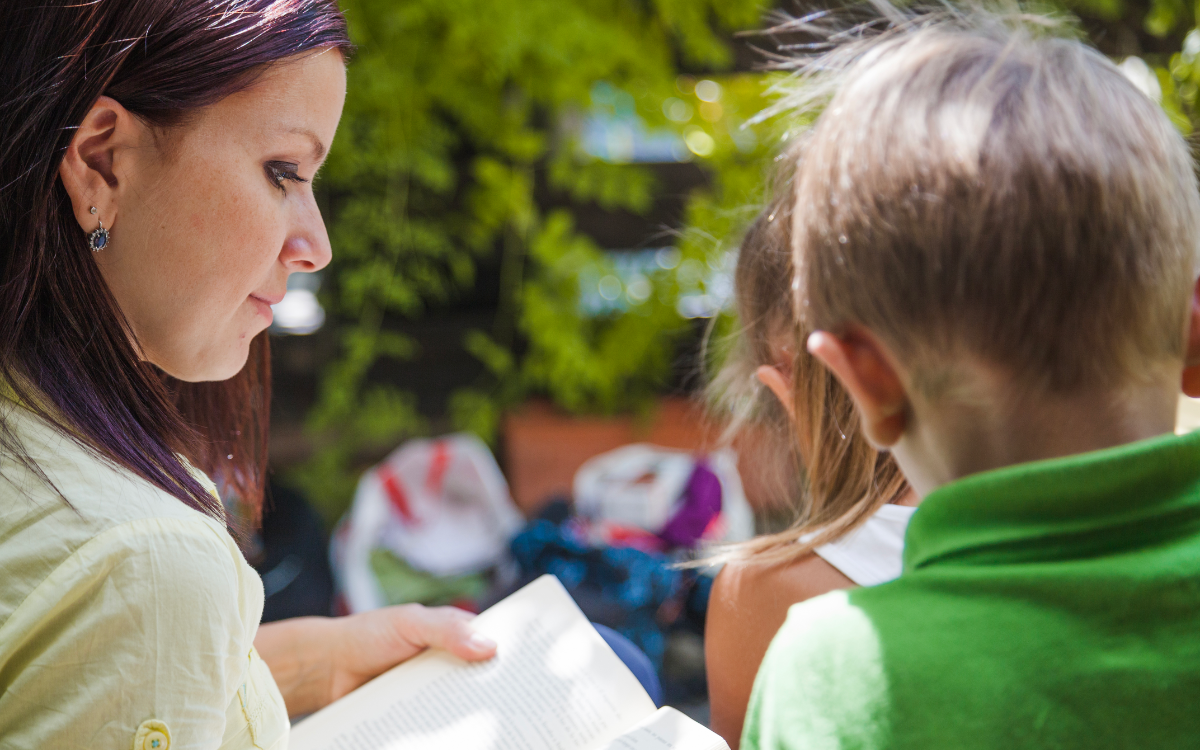
Passive learning refers to learning methods where students absorb information without direct interaction or engagement. This includes listening to lectures, reading textbooks, and watching presentations—common practices in the current education system. Research from the National Training Laboratory confirms that these are among the most ineffective methods for retaining information.
In passive study methods, students may memorize content for a test, but their long-term memory retention is low. Without active participation, learners struggle to make connections between existing knowledge and new concepts, which hinders good mastery of subjects.
Although audio-visual learning through videos and slides can slightly improve retention rates, these methods alone are not enough. To truly improve retention, educators must supplement passive forms of learning with active engagement, such as group discussion, explaining concepts, and hands-on activities. This shift makes learning more meaningful and effective.
Active Learning: The Key to Knowledge Retention

Active learning involves active participation, where students engage directly with the material to enhance knowledge retention. Unlike passive learning, which relies on memorization, active forms of learning encourage students to think critically and apply their existing knowledge to new situations.
Techniques such as group discussion, peer teaching, and hands-on experience significantly improve retention rates. When students engage in explaining concepts to other students, they reinforce their understanding, leading to a deeper understanding of the material. Audio-visual methods, when combined with interactive learning, further support retention.
Studies in medical education and classroom settings show that students retain information better when they practice concepts rather than just reading about them. Implementing active engagement strategies in the learning process ensures a more effective learning outcome, making education more meaningful and enjoyable for students.
The Learning Experience: How Different Methods Affect Retention
A student’s learning experience directly impacts how well they retain knowledge. The learning retention pyramid highlights how various learning methods influence long-term memory and comprehension. Passive learning, such as reading or listening to lectures, often results in lower retention rates, while active learning strategies help students build a deeper understanding of concepts.
Each student has individual learning styles, meaning they respond differently to audio-visual learning, hands-on activities, or group discussion. Blended learning, which combines multiple approaches, can enhance the learning process by catering to different preferences.
To correctly teach, educators should consider various learning styles and incorporate interactive techniques. By increasing active participation and engagement, students develop a stronger connection to new material, leading to a more effective learning outcome and greater educational success.
The Role of Blended Learning in Retaining Information
Blended learning combines traditional teaching with audio-visual methods, hands-on experience, and group discussion to improve knowledge retention. This approach acknowledges that students learn in different ways and integrates active forms of learning to maximize long-term memory.
The learning retention pyramid supports blended learning as an effective learning method. Research from the National Training Laboratory suggests that incorporating interactive techniques, such as explaining concepts and teaching others, leads to greater retention than relying on passive study methods alone.
By using audio-visual learning tools alongside active engagement, educators can help students understand and apply knowledge more effectively. The combination of digital resources, discussions, and hands-on activities ensures that students engage deeply with the material, improving both short-term memory and long-term comprehension.
Audio-Visual Learning: Enhancing Knowledge Through Multimedia

Audio-visual learning is a powerful tool in education, combining visual and auditory elements to enhance the learning experience. Studies show that audio-visual methods are more engaging than text-based learning, helping students retain knowledge more effectively.
The learning pyramid categorizes audio-visual tools as more effective than traditional lectures but less effective than active participation strategies. To improve retention, educators should pair audio-visual learning with hands-on activities and group discussion.
In subjects like science class, videos, animations, and interactive simulations can reinforce complex ideas, bridging the gap between theory and practice. Blended learning, which integrates audio-visual tools with direct engagement, is one of the most effective methods for retaining information over an extended period. This approach allows students to develop a deeper understanding while keeping learning dynamic and interactive.
Teaching Others: The Best Way to Retain Knowledge
One of the most effective learning methods identified in the learning retention pyramid is teaching others. When students take on the role of the instructor, they reinforce their own understanding, leading to greater retention of the material. This aligns with findings from the National Training Laboratory, which show that students who engage in peer teaching retain knowledge far better than those who rely on passive learning.
Explaining concepts forces students to organize their thoughts, relate new information to existing knowledge, and clarify misunderstandings. This process enhances long-term memory and deepens comprehension.
Educators can encourage teaching others through group discussion, student-led presentations, and tutoring programs. In both traditional and blended learning environments, incorporating this strategy ensures that students not only learn but also develop the ability to correctly teach and apply their knowledge in real-world situations.
Hands-On Activities: The Power of Practice

Hands-on activities play a crucial role in the learning process, helping students develop a deeper understanding of concepts through direct experience. Unlike passive learning, where students passively absorb information, active participation in experiments, projects, and real-world applications leads to greater retention.
According to the learning retention pyramid, learning by doing is one of the most effective methods for retaining information over an extended period. For example, in a science class, students who conduct experiments rather than just reading about them tend to retain knowledge more effectively.
Blended learning approaches that incorporate hands-on experience alongside audio-visual methods create a dynamic learning experience. When students engage in practice, they connect new knowledge to existing knowledge, reinforcing their understanding and improving their ability to apply concepts in real-life situations. This approach ensures good mastery of skills and knowledge.
Group Discussion: Learning Through Collaboration
Group discussion is a powerful learning method that encourages students to articulate their thoughts, challenge ideas, and refine their understanding through interaction. Unlike passive study methods, where students learn in isolation, discussions increase active engagement and foster critical thinking.
The learning retention pyramid shows that students retain more information when they discuss topics with other students. Engaging in conversations forces learners to clarify their thoughts, address misconceptions, and reinforce knowledge, leading to long-term memory retention.
In a blended learning environment, group discussion can be combined with audio-visual learning and hands-on activities to enhance the learning experience. Educators can encourage participation by posing open-ended questions, facilitating debates, and incorporating peer teaching techniques. This method not only helps in retaining information but also develops communication and problem-solving skills, making learning more interactive and effective.
The Impact of the Current Education System on Learning Retention
The current education system relies heavily on passive forms of learning, such as lectures and rote memorization, despite extensive research proving that these are among the most ineffective methods for knowledge retention. Many schools still prioritize textbooks and standardized testing over active learning strategies, which significantly impacts students’ ability to retain knowledge.
The learning retention pyramid highlights that active participation through teaching others, group discussion, and hands-on activities leads to greater retention and better learning outcomes. However, these methods are often underutilized in traditional classrooms.
To correctly teach, educators should integrate audio-visual methods, peer teaching, and blended learning approaches into their instruction. Encouraging active engagement in the learning process helps students move beyond memorization and develop a deeper understanding of concepts, ultimately improving overall retention rates and academic success.
Applying the Learning Retention Pyramid in Education

Educators can enhance learning by applying the learning retention pyramid in classrooms. By shifting from passive learning to active forms of engagement, students achieve greater retention and deeper comprehension. Blended learning, incorporating audio-visual methods, group discussion, and hands-on experience, ensures an interactive learning experience.
Encouraging teaching others and explaining concepts helps students connect new material to existing knowledge. Research from the National Training Laboratory confirms that these techniques significantly improve knowledge retention. By using effective learning methods, teachers can correctly teach and help students retain knowledge for an extended period, ensuring long-term success.
The Science Behind Retaining Information Over an Extended Period
Memory plays a key role in the learning process, with short-term memory needing reinforcement to transition into long-term memory. The learning retention pyramid demonstrates that active engagement leads to greater retention, as students remember more when they practice, discuss, or teach others.
Studies in medical education and cognitive science show that repetition, hands-on activities, and audio-visual learning enhance retention rates. By using various learning methods that align with individual learning styles, educators help students retain information more effectively. Applying these strategies fosters a deeper understanding, making learning more meaningful and improving learning outcomes.
Conclusion: Towards Happy Learning and Greater Retention
The learning retention pyramid highlights the importance of active learning in improving knowledge retention. Traditional passive study methods are among the most ineffective methods, while hands-on experience, group discussion, and peer teaching lead to greater retention.
By integrating blended learning and active participation into the learning process, educators can create a more engaging environment that helps students retain information long-term. Encouraging happy learning through effective learning methods ensures a meaningful and enjoyable educational experience. Prioritizing active forms of learning helps students develop a deeper understanding, preparing them for lifelong success.
Want to reinforce deep, lasting learning for your child? Magrid brings the learning retention pyramid to life through hands-on activities that actively engage young minds. Experimente o Magrid hoje mesmo and help your child retain more by learning through doing—just the way it works best.
Boost Learning with This Preschool Math Curriculum

A strong preschool math curriculum does more than teach numbers—it builds a foundation for logical thinking, pattern recognition, and problem-solving from the earliest years. For children in early childhood, this kind of learning must be both structured and joyful. At this stage, math isn’t just about counting—it’s about using songs, games, images, and hands-on experiences to understand how the world works.
When children explore math activities through play, they develop what educators call mathematical skills rhythm—the natural flow of understanding math through experience. Effective curricula connect to children’s real-world environments, guiding little learners to explore, question, and discover.
Importantly, a preschool program that includes talk math images, interactive notebook pages, and hands-on manipulative mats helps promote minds on learning. With a focus on student growth, a well-crafted curriculum ensures every child—regardless of ability—has a chance to build confidence and a love for learning math fun.
What Makes an Effective Pre K Math Curriculum?

An outstanding pre k math curriculum offers more than worksheets or counting songs—it provides a well-balanced mix of play-based learning, assessment tools, and teacher guidance. At its core, a quality curriculum supports fellow pre k teachers by offering editable lesson plans, included practice sheets, and matching assessment trackers to track progress efficiently.
What sets an effective program apart is how it helps a teacher teach math in a way that adapts to student needs. It must include small group differentiation, where students grouped by learning levels explore concepts in flexible ways.
Key tools like aligned center mats and custom written included books make the curriculum highly engaging and age-appropriate. Whether used for formal assessing or observation-based approaches, these tools help teachers support each child’s unique learning path. A new prek math curriculum that addresses diverse classroom needs ensures equitable access to high-quality math learning.
Integrating Kindergarten Math Concepts in Preschool
While preschool and kindergarten serve different age groups, introducing gentle kindergarten math concepts early can give preschoolers a head start. These concepts include basic operations, spatial awareness, and beginning number bonds—all taught through play-based, exploratory activities.
Using a pre k math bundle that spirals learning toward kindergarten standards ensures smooth progression. In fact, many prek math curriculum programs now include transitional activities that introduce more advanced ideas in developmentally appropriate ways.
Teachers can use whole group lessons and small group lessons to allow children to explore counting, patterns, and measurements in interactive ways. When students teach each other in peer settings, they build both math understanding and communication skills.
By embedding critical thinking into each math lesson, educators promote curiosity and confidence. Introducing elements of kindergarten math early doesn’t rush children—it gives them the tools to make meaningful connections and meet future learning with excitement.
Building a Well-Rounded Math Curriculum for Little Learners
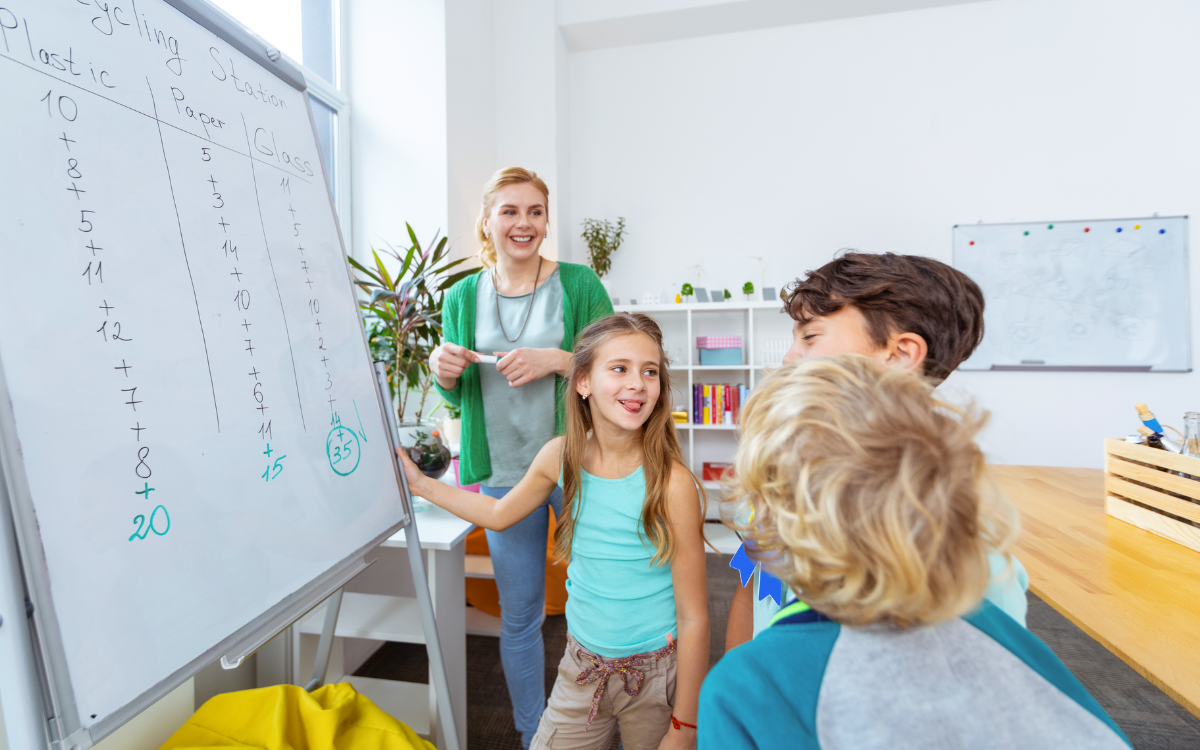
A comprehensive math curriculum for preschool must go beyond basic number sense. It should include components like vocabulary focus, daily critical thinking starters, and dramatic play task cards to address various learning styles.
Effective pre k math includes consistent structure and spiraled instruction. Lessons are enriched with interactive notebook pages, colorful math images, and song whole group lessons that make abstract concepts more relatable. When lesson plans are both clear and flexible, preschool teachers can adjust in real time to meet individual student needs.
Tools such as hands on manipulative mats and dramatic task cards offer tactile ways to deepen understanding. These methods help children connect ideas visually, verbally, and physically—reinforcing their grasp of concepts.
Incorporating small group differentiation and using an assessment tracker ensures instruction is tailored, while maintaining visibility into each child’s progress. The result? A curriculum that makes lessons successful and learning accessible to all.
Key Math Skills Every Preschooler Should Master
Foundational math skills developed in preschool set the stage for lifelong learning. These include number recognition, one-to-one correspondence, comparing quantities, understanding shapes, and recognizing patterns. An effective prek math program weaves these skills into daily routines and structured lessons.
To help little learners thrive, teachers can use included differentiated lesson plans that incorporate visual, auditory, and tactile learning. Pairing vocabulary cards with talk images and manipulatives allows children to build language and comprehension simultaneously.
Lessons should include daily critical thinking starters to stimulate curiosity and flexible thinking. Embedding math into play—like using teddy bears for counting or patterning—makes learning relatable.
Whether through informal or formal assessing, teachers can track which math skills need reinforcement using tools like a matching assessment tracker. When implemented thoughtfully, a skills-focused curriculum allows fellow classmates meet goals together, creating a sense of shared progress and achievement in the early childhood classroom.
Math Activities That Spark Joy and Curiosity

The right math activities don’t just teach—they excite, engage, and encourage exploration. In a successful pre k math curriculum, children aren’t just sitting quietly; instead, they’re moving, questioning, and discovering.
Activities like dramatic play task cards, song whole group lesson, and counting games using natural objects turn abstract ideas into meaningful experiences. Adding hands on manipulative mats to centers gives children tools to build their understanding through touch and repetition.
To promote kids talking about numbers and concepts, educators can incorporate talk math images and open-ended prompts. These tools help children explain their thinking, strengthening both their math reasoning and communication.
By integrating custom written included books that feature number adventures and math stories, teachers can seamlessly blend literacy with math. When learning math fun becomes part of the classroom culture, children naturally develop the confidence and curiosity to explore more—turning every day into a math fun adventure.
Pre K Math: Structured, Spiraled, and Student-Centered
A well-designed pre k math program provides structure while honoring the individuality of each learner. Spiraling instruction—revisiting concepts in new contexts—allows children to build upon what they’ve learned in previous lessons.
Using thoughtfully organized lesson plans, teachers can move through each pre k math unit with confidence, knowing the materials support both group and individual instruction. Elements like included practice sheets, aligned center mats, and interactive notebook pages keep learning consistent and organized.
Differentiation is key. By implementing small group lesson structures, teachers ensure that students grouped by readiness level receive personalized support. When paired with a teacher created scope and sequence, each lesson builds intentionally toward mastery.
A high-quality teach math curriculum doesn’t rely on rote repetition—it adapts, reflects, and evolves with each class. With tools in place and objectives clearly defined, teachers can make every math moment meaningful while allowing students teach one another through collaboration.
Using Preschool Math to Promote Hands-On Learning
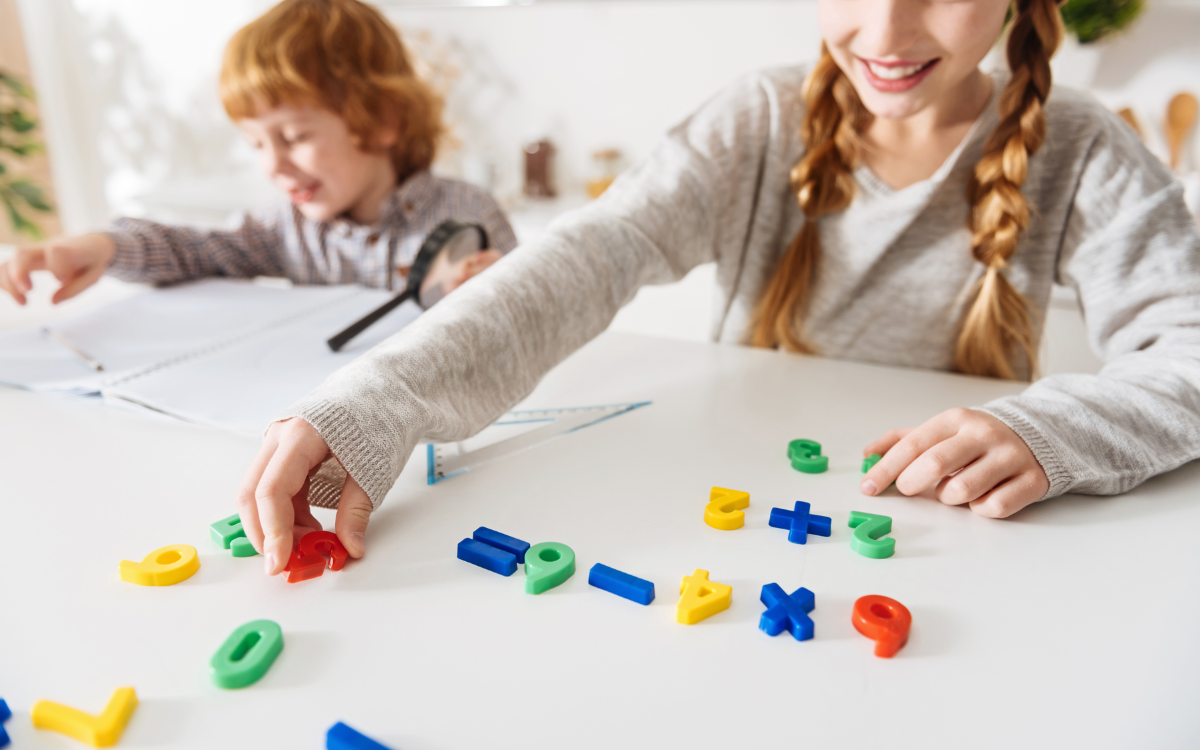
Preschool math thrives when it’s active, hands-on, and rooted in children’s experiences. Young learners are naturally curious and physical, making promote hands on learning not just effective, but essential.
By incorporating tools like dramatic task cards, vocabulary focus boards, and math images, teachers can create opportunities for children to manipulate, sort, and build. Whether they’re matching shapes, counting blocks, or using teddy bears to form patterns, every activity fosters deeper understanding.
Well-structured lessons allow students sit together in small groups, talk through their reasoning, and engage in meaningful collaboration. These experiences develop not just number sense but also social-emotional growth.
Preschool teachers can enhance learning by rotating math unit themes to keep content fresh and engaging. Embedding real-world concepts like sorting laundry or measuring ingredients strengthens the link between classroom math and daily life. Most importantly, this approach keeps the process importantly kid approved.
Creating a Math-Rich Early Childhood Environment
Designing a math-rich early childhood environment involves more than adding numbers to the walls—it means creating spaces where children’s experiences with math are natural, integrated, and engaging. Thoughtfully curated centers with aligned center mats, hands on manipulative mats, and rotating themes support exploration and reinforce concepts learned during math lesson time.
Adding math images and vocabulary cards to visual displays boosts recognition and reinforces language. Teachers can include custom written included books and interactive notebook pages in reading areas to bridge literacy and math.
Even dramatic play can support math when infused with dramatic play task cards and objects for counting or comparing. Whether it’s a pretend grocery store or a teddy bear picnic, each play scenario becomes an opportunity to build math skills naturally.
This type of immersive setup ensures math is everywhere—encouraging students teach themselves and each other through everyday interactions and shared discoveries.
How Teachers Can Support Pre K Math Curriculum Success

Success with any pre k math curriculum depends on the teacher’s ability to adapt and support individual learning paths. Preschool teachers, along with sped teachers and fellow pre k teachers, play a critical role in delivering meaningful math instruction across ability levels.
Using an assessment tracker—especially one designed for both informal or formal assessing—gives teachers valuable insight into each student’s progress. With that data, they can modify lesson plans, regroup students, or introduce targeted engaging math activities to reinforce learning.
Teachers benefit from editable lesson plans and resources that are easy to customize. This flexibility becomes a huge time saver, particularly when managing a class of diverse learners.
By collaborating with fellow classmates, students gain confidence while developing communication skills. A strong support system, reflective practice, and consistent use of tools like included differentiated lesson plans make it easier to ensure student growth every step of the way.
Lessons That Work: How to Make Lessons Successful
Making lessons successful means balancing structure with flexibility, and academic goals with student interest. Each math unit should provide room for experimentation, creativity, and responsiveness to where children are developmentally.
Integrating critical thinking questions into both whole group lessons and small group lessons helps teachers guide students toward deeper understanding. Encouraging kids talking about math allows children to process aloud, make connections, and learn from one another.
Use tools like dramatic task cards, talk math images, and hands on manipulative mats to make abstract ideas come alive. Teachers should also provide time for reflection, journaling, or drawing in interactive notebook pages.
Don’t overlook the power of peer learning—when students teach or explain concepts to each other, both learners benefit. With the right tools and strategies in place, a teacher created lesson becomes more than just instruction—it becomes a platform for discovery, confidence, and joyful learning.
Why This Preschool Math Curriculum Stands Out
This preschool math curriculum isn’t just about numbers—it’s about preparing children to think critically, solve problems, and engage with the world. Through carefully designed pre k math units, included practice sheets, and differentiated instruction, it helps teachers meet every child where they are.
What makes this curriculum shine are just a few highlights: flexible editable lesson plans, question assessment tools, and engaging math fun resources that are importantly kid approved. Whether you’re working with early childhood learners in inclusive classrooms or preparing students for the elementary grades, this curriculum offers structure without rigidity.
More than a program, it’s a tool for transformation—guiding preschool teachers in how to teach, reflect, and grow alongside their students. When classrooms are filled with joy, interaction, and rich learning materials, fellow classmates meet their potential every day.
With this approach, every math moment becomes an opportunity for exploration—and every child, a confident learner.
Looking to enhance your preschool math curriculum with hands-on learning? Magrid empowers young learners to build foundational math skills through visual, interactive play. Experimente o Magrid hoje mesmo and turn early math moments into confident, curiosity-driven learning.
8 Engaging Learning Activities for 5 Year Olds

Introduction – Nurturing Young Minds Through Play and Purpose
At the age of five, children are bursting with curiosity, creativity, and an eagerness to explore the world around them. This stage is a crucial time for development, where learning through play becomes one of the most effective ways to build essential skills for school and life. Whether it’s recognizing letters, understanding emotions, or developing capacidades motoras finas, well-designed learning activities for 5 year olds can lay a strong foundation.
More than just fun, these activities help children gain self confidence, express themselves, and connect with family members and their environment. From using building blocks to creating their own stories, there are countless ways to engage little minds in meaningful learning. This article explores eight fun activities that support reading, writing, math, creativity, e social development—all tailored to meet the unique needs of 5-year-olds. Let’s dive into ideas that inspire, challenge, and nurture your child’s growing ability.
Understanding the Value of Learning Activities for 5 Year Olds
By the age of five, children are rapidly developing across cognitive, physical, emotional, and social domains. They’re learning to express themselves clearly, follow routines, and engage with other family members and peers more meaningfully. Learning activities for 5 year olds support this growth by providing opportunities to explore, experiment, and build important skills through play and discovery.
Activities at this age should focus on fostering motor skills, both large and fine, while helping kids begin to recognize patterns, shapes, letters, and numbers. From tracing simple words to sorting toys by color or size, these experiences develop their focus, memory, and spatial awareness. When parents and caregivers get involved, these activities also become moments of connection that encourage communication and bonding.
In addition to academic skills like early reading e math, children benefit from activities that teach discipline, emotions, and collaboration. A well-rounded mix of physical play, art, music, and storytelling provides a rich learning environment that prepares them for school and beyond. Whether it’s a hands-on science project or imaginative play with stuffed animals, each activity plays a role in shaping their understanding of the world—and their place in it.
1. Fun Learning Activities That Boost Skills and Self Confidence
For young children, fun and learning go hand-in-hand. When kids are actively engaged and enjoying themselves, they’re more likely to retain information, take risks, and push boundaries—all of which are critical to development. That’s why integrating fun learning activities into a 5-year-old’s routine helps nurture both their intellect and their self confidence.
These atividades don’t have to be complex. Let your child act out a favorite story with stuffed animals, or turn household chores into playful challenges. Sorting socks by color or matching lids to containers may seem simple, but they sharpen spatial awareness and encourage attention to detail. Making up own stories, drawing pictures of family members, or creating a silly song together all build creative expression while enhancing vocabulary and communication.
Play-based learning also helps crianças learn to navigate emotions, develop discipline, and gain a sense of accomplishment when completing small tasks. Whether they’re building towers with toys, identifying letters on signs, or playing pretend with friends, every interaction adds to their understanding of themselves and their environment. The key is to provide a safe space where exploration is encouraged, mistakes are welcomed, and learning is always a joyful adventure.
2. Board Games That Teach and Entertain
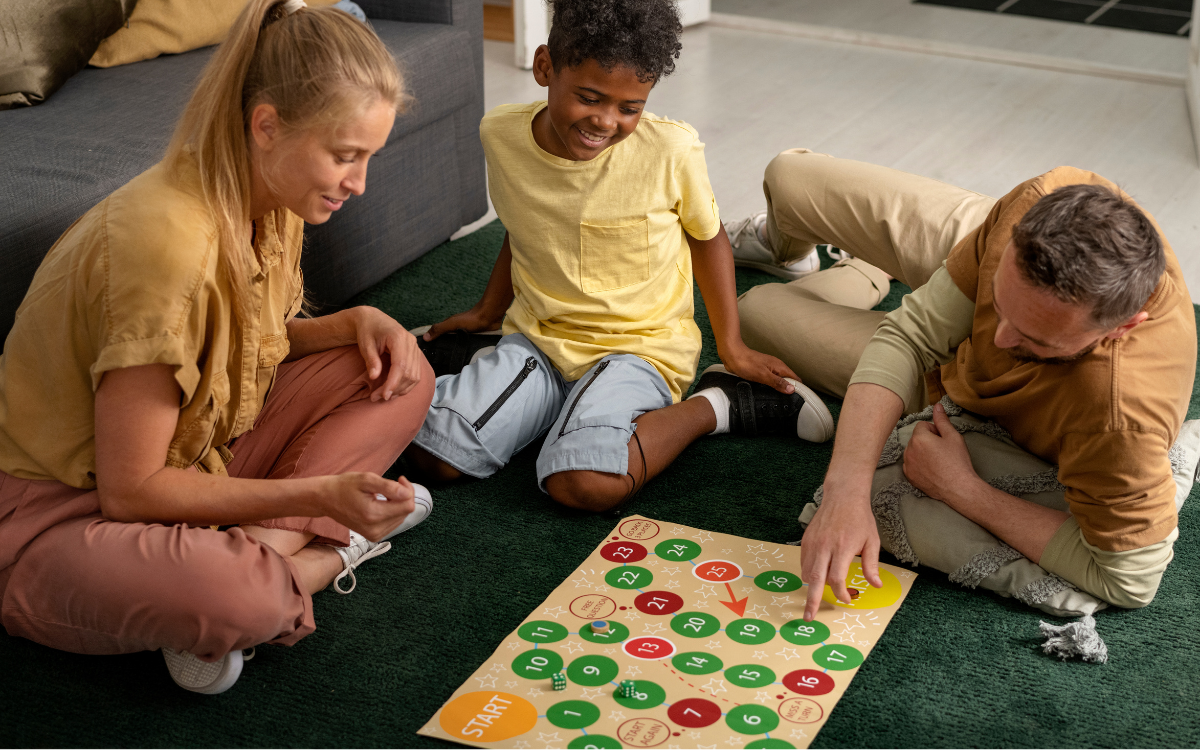
Board games offer a fantastic blend of fun and foundational learning for 5-year-olds. These games promote social development by teaching turn-taking, patience, and how to handle winning or losing gracefully. They also build vital academic and cognitive skills, such as number recognition, simple word identification, and decision-making.
Games like picture matching, early math puzzles, and alphabet bingo help crianças learn to recognize letters, count objects, and understand patterns. These activities support reading and writing skills, as well as basic strategy and memory-building. Playing together with family members also strengthens bonds and encourages conversation, offering a natural way to help your child grow in a supportive setting.
Whether it’s rolling dice, matching cards, or moving game pieces across a board, these games reinforce discipline, attention, and focus. Best of all, they deliver valuable learning moments wrapped in the excitement of play.
3. Creative Expression Through Art, Music, and Crafts
Creative expression is a powerful outlet for 5-year-olds to explore their thoughts, feelings, and the world around them. Through art, music, e crafts, children develop capacidades motoras finas, improve their focus, and strengthen their ability to communicate. These activities also foster emotional growth by giving kids space to express emotions they may not yet be able to put into words.
Set up a simple art station with crayons, paper, glue, and safe scissors. Invite your child to draw family members, cut out shapes, or create collages using found materials. These creative choices help develop spatial awareness, color recognition, and competências de escrita like pencil grip and hand control. Singing songs, playing simple instruments, or dancing to different rhythms further enhances coordination and listening skills.
Crafting also gives children opportunities to create their own stories—whether through puppets, painted scenes, or homemade books. These hands-on experiences connect imagination with physical activity, reinforcing what they’re learning in school while encouraging independent thought.
When parents get involved, the experience becomes even more meaningful. Whether you’re painting together or building something from recycled materials, you’re not just making art—you’re making memories and reinforcing lifelong learning.
4. Simple Science Experiments for Little Explorers

Introducing science experiments at an early age is an excellent way to spark curiosity and lay the groundwork for critical thinking. For 5-year-olds, the best experiments are hands-on, engaging, and easy to understand—turning everyday materials into tools of discovery. These experiences help children develop observation skills, spatial awareness, and early concepts of cause and effect.
One simple favorite is the classic baking soda and vinegar volcano. It’s messy, exciting, and full of learning! Kids get to mix ingredients, watch a reaction, and learn basic science vocabulary. Other experiments like floating and sinking toys in water or growing plants in clear containers help children connect with nature and understand how the world works.
These fun activities build more than academic knowledge—they also teach patience, focus, e discipline. They encourage children to ask questions, test ideas, and learn from unexpected results. Doing these atividades together with parents ou other family members also provides opportunities for meaningful conversation and shared learning.
Best of all, experiments foster a deep sense of wonder that carries over into other areas like math, reading, and creative thinking. With a little setup and a lot of enthusiasm, you can help your child explore science through playful discovery.
5. Reading Books That Spark Imagination and Language Skills
One of the most powerful ways to support your child’s development is by reading books together. At age five, children are developing early reading e competências de escrita, expanding their vocabulary, and learning how stories are structured. Shared reading time builds not just literacy, but also emotions, empathy, and connection between parents e kids.
Choose books with simple words, clear pictures, and engaging themes that reflect your child’s interests—whether it’s animals, family members, or adventures in nature. Ask questions while reading: “What do you think will happen next?” or “How does the character feel?” These prompts help children focus, recognize emotions, and understand the story more deeply.
You can even involve your child by letting them “read” repetitive phrases or name letters e words they recognize. As they grow more confident, encourage them to retell the story in their own words, boosting memory, comprehension, and self confidence.
Regular reading sessions build a strong foundation for school readiness and a lifelong love of learning. Keep books accessible, rotate themes, and make reading part of your daily routine. With every page turned, you’re helping your child explore new worlds—and understand their own.
6. Strengthening Skills with Magrid: A Smart, Screen-Free Learning Tool

One exceptional activity for 5-year-olds is learning with Magrid, a research-based, screen-free platform designed to build foundational skills in math, reading, e spatial awareness. Unlike traditional digital tools, Magrid uses physical interaction and visual prompts to teach concepts in a way that feels like play—making learning fun, hands-on, and deeply engaging for crianças.
Through thoughtfully designed activities, Magrid enhances focus, discipline, e self confidence by encouraging children to solve problems, make connections, and complete challenges independently. Whether it’s identifying shapes, navigating patterns, or organizing sequences, Magrid strengthens motor skills and cognitive development while also supporting language acquisition.
The platform is also ideal for parents who want to help their child learn in a structured yet playful environment. By removing screens from the equation, Magrid creates a calm space that nurtures attention and reduces distraction. It’s a perfect way to support competências de escrita, number recognition, and early logic without overstimulation.
Using Magrid can be a daily ritual—one that not only builds academic ability but also encourages exploration, confidence, and a love of learning. As one of the most effective learning activities for 5 year olds, Magrid offers a meaningful blend of fun, structure, and discovery.
7. Outdoor Play: Explore, Move, and Learn in Nature
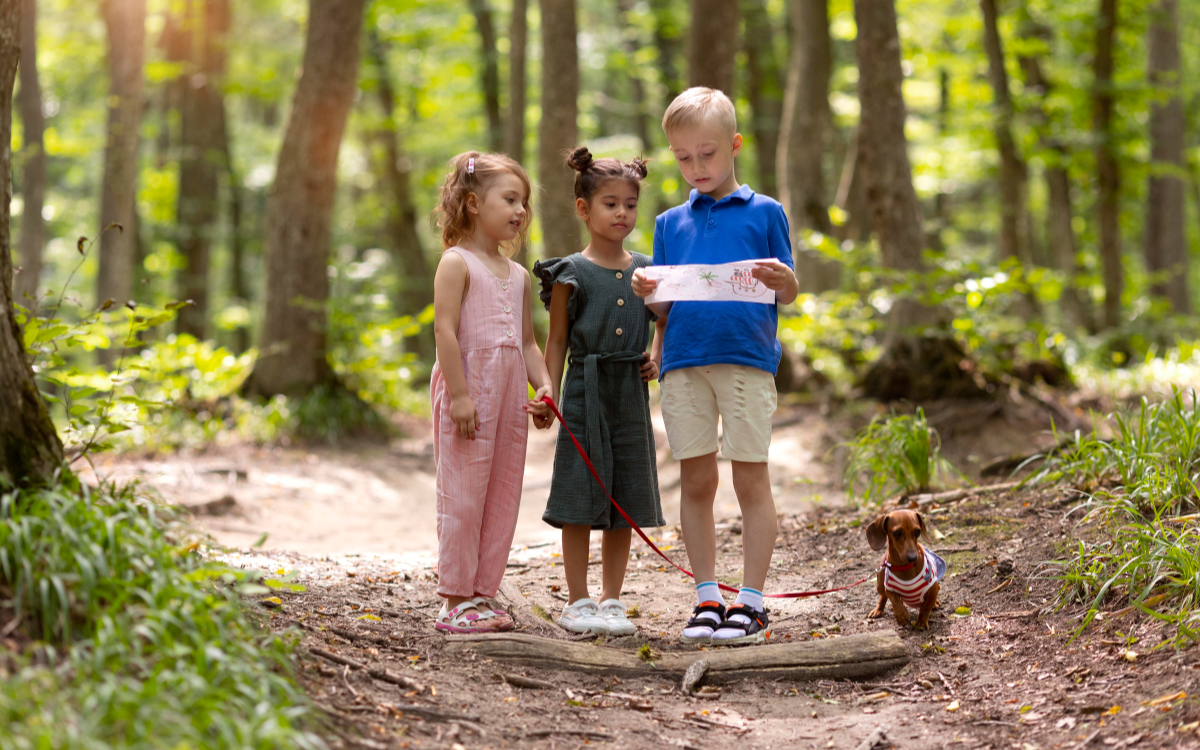
Getting fresh air and spending time in nature is essential for a child’s well-being and development. Outdoor play gives 5-year-olds the freedom to move, explore, and engage their senses in ways that indoor settings can’t replicate. Whether it’s running, climbing, or playing with toys outside, these activities support physical motor skills, coordination, and self confidence.
Try setting up simple nature scavenger hunts, building with natural materials, or playing balance games with sticks and rocks. You can also bring building blocks outdoors to combine imaginative play with environmental discovery. These fun activities help children develop spatial awareness and body control while cultivating a sense of wonder about the world.
Outdoor games also allow kids to act out stories, connect with family members, and release energy in healthy ways. Most importantly, outdoor play teaches children to appreciate their environment and discover the joy of learning through real-world exploration.
8. Family Time Activities: Learning with Loved Ones
Some of the most impactful learning happens during shared moments with parents e family members. Family-based atividades create a warm environment where children feel supported, safe, and encouraged to explore new ideas. These moments help develop not only academic skills but also emotional intelligence and social development.
Try simple, engaging routines like baking together, where your child measures ingredients, stirs mixtures, or observes a baking soda reaction—teaching math, science, and cooperation in one go. Card games or collaborative crafts help reinforce discipline, turn-taking, and vocabulary.
Getting other family members involved in storytelling, reading, or building projects strengthens relationships and builds communication skills. Even daily chores can become learning experiences when paired with fun and encouragement.
The key is being present and allowing your child to participate meaningfully. These shared activities send a powerful message: learning is a part of everyday life, and your child has a vital role to play in it.
Conclusion – Helping Your Child Grow Through Play and Discovery

Every child is full of potential, and with the right support, they can thrive through fun learning activities that promote creativity, connection, and confidence. From acting out own stories with stuffed animals to exploring early science experiments or using screen-free tools like Magrid, the opportunities for learning are everywhere.
These eight learning activities for 5 year olds are designed to nurture the whole child—supporting motor skills, emotional awareness, reading, math, and social understanding in playful and meaningful ways. When parents e family members stay involved, learning becomes a shared journey that strengthens relationships and builds lifelong habits.
Whether indoors or outside, using materials or imagination, each moment offers a chance to help your child grow. With consistency, patience, and a sense of wonder, you can create an environment that supports your child’s development, encourages discovery, and fills their world with joy and possibility.
Looking for a fun way to build your child’s math and cognitive skills? Magrid offers hands-on, research-based activities designed for 3 to 7-year-olds to learn through play. Experimente o Magrid hoje mesmo and make every learning moment count!
Understanding Math Progress Monitoring for Your Child
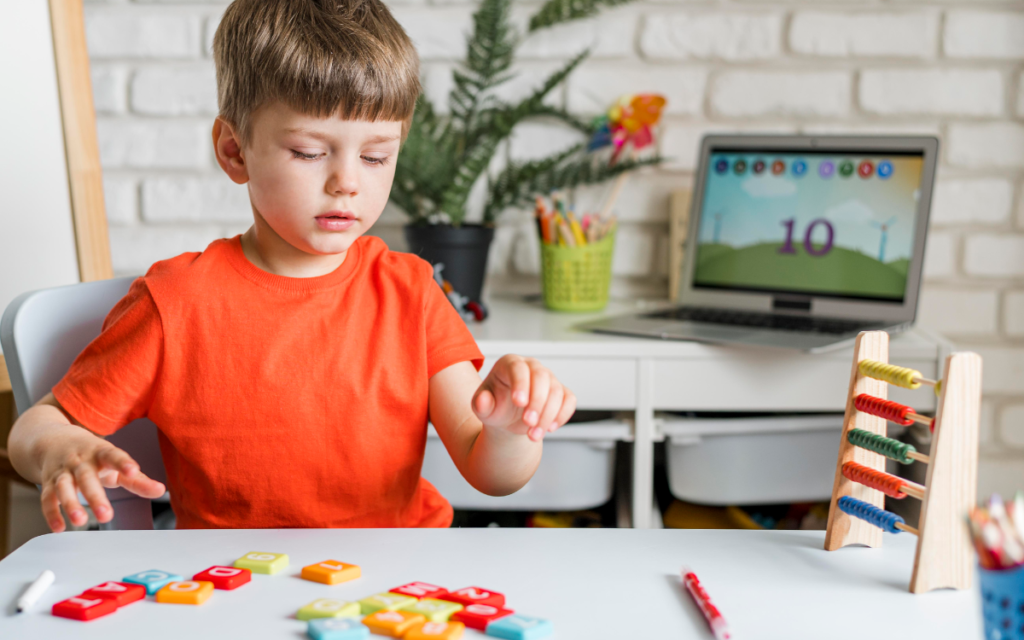
As a parent, you want to ensure your child is building strong math skills and staying on track throughout the school year. One of the most effective ways schools support this is through math progress monitoring—a method used to regularly track how students are understanding and applying key math concepts. This process helps identify when a student might need extra help, as well as when they’re ready to move ahead. By understanding how progress monitoring works, you’ll be better equipped to support your child’s learning journey, communicate with teachers, and make informed decisions about their instruction and growth in mathematics.
What Is Math Progress Monitoring?
Math progress monitoring is a way teachers check how well students are learning math over time. It involves using simple, regular assessments to see how a child is improving in specific areas. These assessments can track student growth by showing which skills have been mastered and which still need work. This process helps teachers make timely adjustments in instruction and supports identifying students who may be struggling. It’s also a helpful tool for parents who want to stay informed about their child’s academic progress.
Why Is Progress Monitoring Important in Math?
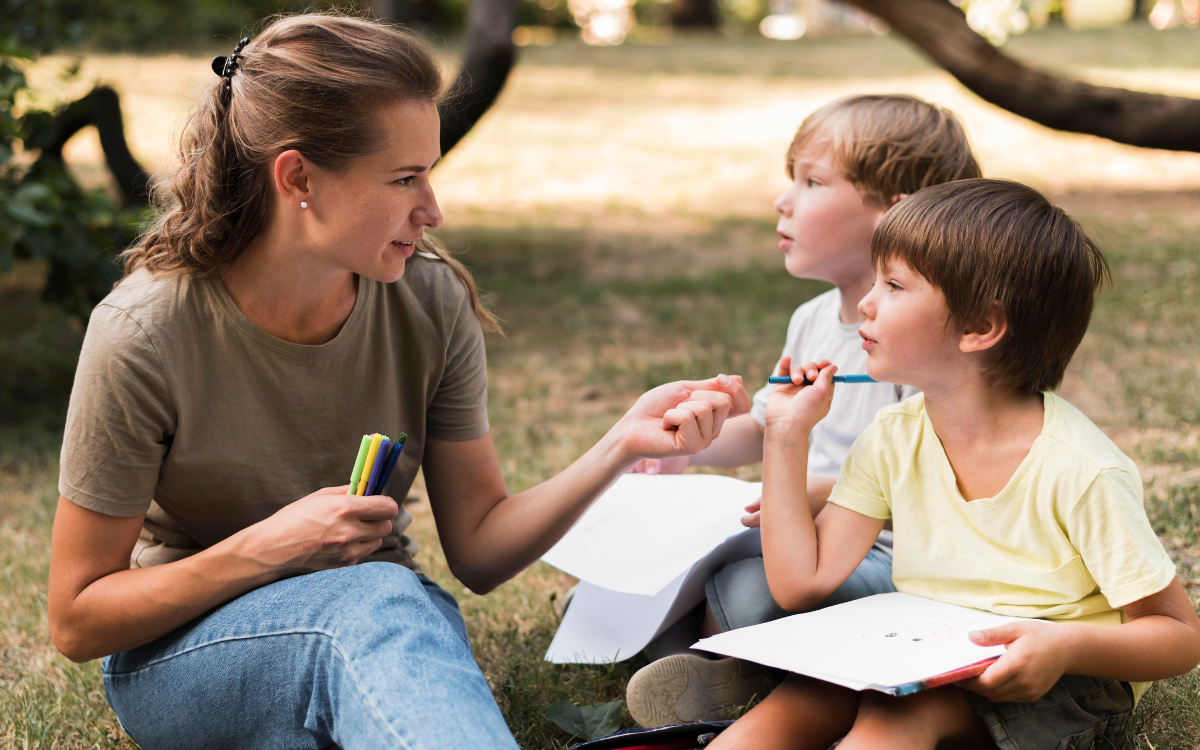
In math, every concept builds on the next. If a child falls behind early, it can affect future learning. Progress monitoring helps prevent this by regularly checking student learning through small, targeted assessments. Teachers use the results to guide classroom instruction, provide extra help when needed, and ensure all students stay on track with grade-level expectations. For parents, understanding this process can clarify how schools respond to their child’s academic needs and support long-term improvement in math performance.
How Schools Monitor Student Progress in Math
To monitor student progress in math, schools use a variety of methods. These might include short quizzes, teacher observations, digital tracking tools, and class assignments. Each tool helps gather student data that shows how well a student understands the current topic. This information allows teachers to adjust their lessons and target specific skills. It also ensures that learning remains aligned with grade-level goals throughout the school year.
The Role of Progress Monitoring Tools in Learning
Progress monitoring tools help schools and teachers gather accurate information about each student’s math development. These tools range from digital apps and online platforms to printed assessments and hands-on activities. They track student performance over time and allow educators to see which math skills need reinforcement. For parents, understanding these tools means knowing how teachers collect data and make decisions about classroom instruction. When used effectively, they provide clear insight into your child’s learning path and overall academic progress.
Different Types of Progress Monitoring Measures

There are different types of progress monitoring measures that schools may use to check how students are learning math. These can include formative assessments, short skill checks, benchmark tests, or curriculum-based measurements. Each type offers a snapshot of a student’s understanding and helps teachers tailor instruction accordingly. Parents might see these assessments coming home in folders or as digital reports. Knowing what they mean can help you support your child’s learning and work with teachers to address any areas needing improvement.
What Does Math Progress Look Like?
Math progress can show up in many ways, from mastering basic addition to confidently solving word problems. Younger learners may demonstrate growth by grasping counting strategies, while older students show understanding of patterns or problem-solving techniques. Regular feedback helps teachers and parents see how students are advancing through grade-level concepts. Recognizing signs of improvement helps ensure that students’ understanding stays on pace with their grade and course expectations throughout the school year.
How Student Data Informs Instruction and Intervention

Teachers rely on student data from assessments to adjust lessons and provide targeted intervention when necessary. If a child shows signs of difficulty in certain areas, the data helps identify where support is needed. This may lead to changes in teaching strategies or introducing new tools to aid learning. For parents, understanding how data informs instruction can build trust in the process and encourage collaboration to support ongoing student growth and improvement in math.
Helping Parents Understand Math Objectives by Grade Level
Each grade level has specific math objectives students are expected to meet. These include skills like number recognition, addition strategies, or understanding fractions—depending on the class and age. By knowing these goals, parents can better interpret their child’s progress reports and classroom updates. It also helps them support student learning at home by focusing on relevant concepts that align with what’s being taught throughout the school year.
Supporting Your Child’s Learning at Home
You don’t need to be a math expert to support student learning at home. Simple activities—like practicing math facts, using real-life math (e.g., cooking or budgeting), or encouraging use of school-approved tools—can reinforce classroom instruction. Stay informed by reviewing teacher feedback and asking questions about your child’s progress. Your involvement shows your child that math is important and encourages consistent effort throughout the school year.
Partnering With Teachers to Monitor Progress

Teachers and parents share the same goal: student success. Open communication helps you understand how your child is doing and what progress monitoring shows. Ask about recent assessments, upcoming topics, and how you can support at home. Working together allows both educators and families to better monitor student progress and ensure your child continues to grow in mathematics throughout the course of the year.
Conclusion: Empowering Parents Through Awareness and Action
Understanding math progress monitoring gives you valuable insight into your child’s academic path. When you know how teachers use data, tools, and strategies to support learning, you can take an active role in their progress. Partnering with educators, asking informed questions, and supporting learning at home all contribute to your child’s confidence, growth, and overall success in math.
Ready to take a more active role in your child’s math development? Magrid offers a research-based, visual learning platform designed specifically for young learners to build foundational math skills—without needing reading or language proficiency. Whether your child needs extra support or is ready to advance, Magrid adapts to their pace and learning style. Experimente o Magrid hoje mesmo and empower your child with the tools they need to thrive in mathematics from the very beginning.
Adaptive Teaching: An Overview for Teachers

Adaptive teaching is a flexible, evidence-based approach that helps teachers adjust instruction based on students’ knowledge and needs—without lowering expectations. Instead of creating artificially distinct tasks, teachers adapt teaching strategies so all pupils can achieve shared learning objectives, whilst maintaining high expectations.
Rooted in classroom practice and endorsed by the Early Career Framework, it’s especially valuable in primary education and mainstream schools, where diverse learning needs and knowledge gaps often appear. With support from teaching assistants and guided by ongoing assessment, teachers provide targeted support to ensure all pupils—especially those facing barriers to learning—master important concepts and improve outcomes.
Why Adaptive Teaching Is Important in Modern Classrooms

Adaptive teaching is important because it helps teachers meet the needs of varied learners while promoting equity. By using formative assessment and responding to student’s responses, educators tailor lessons in real-time to improve student performance and address prior knowledge gaps.
This approach supports scaffolded learning and flexibly grouping pupils, helping all learners access challenging tasks without compromising standards. It avoids the pitfalls of a one-size-fits-all model and keeps student engagement high.
For school leaders, promoting adaptive teaching strategies in curriculum planning ensures effective planning that benefits every pupil. It prepares educators to meet learning outcomes and foster inclusive, high-expectation classrooms across all subjects.
Clarifying the Term Adaptive Teaching
The term adaptive teaching can be misunderstood as merely modifying tasks for individuals, but it encompasses much more. At its core, adaptive teaching means making thoughtful adjustments to lesson content, support, and delivery in response to students’ knowledge and needs—without lowering standards.
This approach involves identifying where learners are, using tools such as formative assessment, and then adjusting instruction to fill knowledge gaps, reinforce important concepts, or extend learning. For example, teachers might adapt lessons by varying teaching materials, pacing, or grouping strategies, while still focusing on shared learning objectives.
Importantly, adaptive teaching emphasizes the value of human interaction in responding to learners. It’s not about creating multiple worksheets for different groups, but about using teaching strategies that reflect real-time understanding and enable success. When done well, it represents good adaptive teaching—deliberate, inclusive, and goal-oriented, helping individual students thrive within collective classroom goals.
Adaptive Teaching Strategies That Work in Practice

Implementing adaptive teaching strategies successfully requires intentionality and flexibility. The most effective strategies are grounded in formative assessment and built around a deep understanding of pupils’ existing knowledge and learning objectives. These strategies don’t rely on assigning different tasks for each learner, but on adapting lessons to include scaffolded learning, adjusted questioning, and differentiated support methods.
One powerful strategy is to group pupils effectively using flexible and temporary groupings. This allows teachers to address emerging needs while changing groups regularly based on assessment data. Teachers may also use targeted support or tailored support for particular pupils—often delivered in collaboration with teaching assistants—to reinforce important concepts before or after whole-class instruction.
Other approaches include adjusting teaching materials, incorporating practical examples, or modifying the structure of a task to reduce barriers to learning while keeping the cognitive demand high. These strategies enhance student performance and allow learners to build confidence and independence.
Adaptive practice is not about complexity for its own sake; it’s about relevance and responsiveness. By choosing the right tools and maintaining focus on shared goals, educators can adapt in ways that are sustainable and impactful—helping all pupils learners achieve meaningful success in both current and future lessons.
Formative Assessment: The Engine Behind Adaptive Teaching
Formative assessment is central to adaptive teaching because it provides immediate insight into each pupil’s understanding. Unlike summative assessment, which evaluates performance at the end of a unit, formative assessment is ongoing and informs day-to-day classroom practice. It includes techniques like questioning, exit tickets, and reviewing student’s responses during lessons.
These insights allow teachers to identify knowledge gaps, spot misconceptions, and adjust lesson content before misunderstandings solidify. For instance, if pupils are struggling with a concept, the teacher may decide to reteach it with different teaching strategies or provide additional pre-teaching to a small group.
When used consistently, formative assessment supports future planning and ensures that adaptive teaching strategies are based on real-time evidence. It also helps teachers decide when to provide targeted support or when to move on—maximizing the chances that pupils master important concepts and keeping instruction aligned with learning outcomes.
Addressing Learning Objectives in Primary Education

In primary education, meeting shared learning objectives across a class of students with varied experiences and backgrounds can be a challenge. Adaptive teaching addresses this by focusing on how to deliver lessons so that every child, regardless of starting point, can access the curriculum and succeed.
Teachers in primary school settings often work with pupils whose levels of prior knowledge vary greatly—even within the same year group. Some students may need scaffolded learning to access a concept, while others might be ready to apply it independently. By using adaptive teaching strategies, educators can tailor their instruction to address this variance without designing separate lessons or assigning multiple worksheets.
It’s also important for teachers to maintain high expectations for all students—ensuring that they are challenged and supported in equal measure. For this, adaptive instruction offers a solution that balances rigor and accessibility, helping learners achieve curriculum goals at different paces.
When effectively implemented, adaptive teaching in primary classrooms ensures no pupil is left behind while preventing more advanced learners from becoming disengaged. It creates a cohesive, inclusive environment where every student can succeed through meaningful access to important concepts.
Identifying Features of Good Adaptive Teaching
Good adaptive teaching is characterized by intentional decision-making, ongoing reflection, and a deep understanding of pupil needs. It’s not reactive guesswork but a proactive approach embedded in thoughtful curriculum planning and daily classroom practice.
One key feature is the use of effective planning that anticipates areas where pupils may struggle. Teachers consider barriers to learning and design teaching strategies—such as flexibly grouping pupils or incorporating practical examples—to help pupils overcome them.
Another hallmark is the way teachers use formative assessment data to refine instruction. They respond to student engagement, student performance, and patterns in students’ knowledge to adjust delivery in real time. This may include assigning teaching assistants to provide targeted support or adjusting how content is scaffolded for accessibility.
Crucially, good adaptive teaching maintains high expectations for all learners. It avoids tracking students by perceived ability or relying on repetitive differentiation. Instead, it equips all pupils—including those with special educational needs—with the tools to succeed alongside their peers.
Ultimately, effective adaptive teaching enables inclusive learning while reducing the risk of creating unnecessary workload—benefitting both students and teachers.
How Teaching Assistants Enable Adaptive Teaching

Teaching assistants play an essential role in the delivery of adaptive teaching. When deployed strategically, they help support pupils who need tailored support without removing them from whole-class instruction. This promotes inclusion and reinforces the principle that all pupils can work toward shared learning objectives.
In many cases, teaching assistants offer targeted support through methods such as pre-teaching, guiding small groups, or helping pupils apply newly introduced concepts. Their support should align with the teacher’s planning and not operate as a separate instructional track.
Collaboration between teachers and teaching assistants is vital for ensuring that interventions are coherent and effective. Whether helping with scaffolded learning or clarifying instructions, their work must be rooted in an understanding of pupils’ existing knowledge and the intended lesson content.
To truly enable teachers and improve student outcomes, school leaders must ensure that teaching assistants are integrated into planning and reflective practice—not just assigned tasks. When used purposefully, they are a key asset in making adaptive teaching work in everyday classrooms.
High Expectations and Adaptive Teaching: Striking a Balance
One of the misconceptions about adaptive teaching is that it requires lowering academic expectations. In reality, effective adaptive teaching ensures that all pupils can succeed whilst maintaining high expectations for every learner. Teachers must strike a balance between offering appropriate support and preserving cognitive challenge.
This balance is achieved by designing challenging tasks that are accessible through scaffolded learning and adjusted pacing. Teachers might offer targeted support or reorganize delivery to help pupils access the material—without diluting the learning objectives.
Using formative assessment, educators can track progress and identify when to stretch students further or provide additional reinforcement. Whether adapting teaching materials or adjusting their questioning techniques, the goal remains the same: pupils master important concepts with meaningful effort.
Maintaining rigor within an adaptive approach requires deliberate classroom practice, strong content knowledge, and reflective planning—all supported by the belief that every pupil, regardless of background or ability, can meet high standards.
How to Group Pupils Effectively and Flexibly
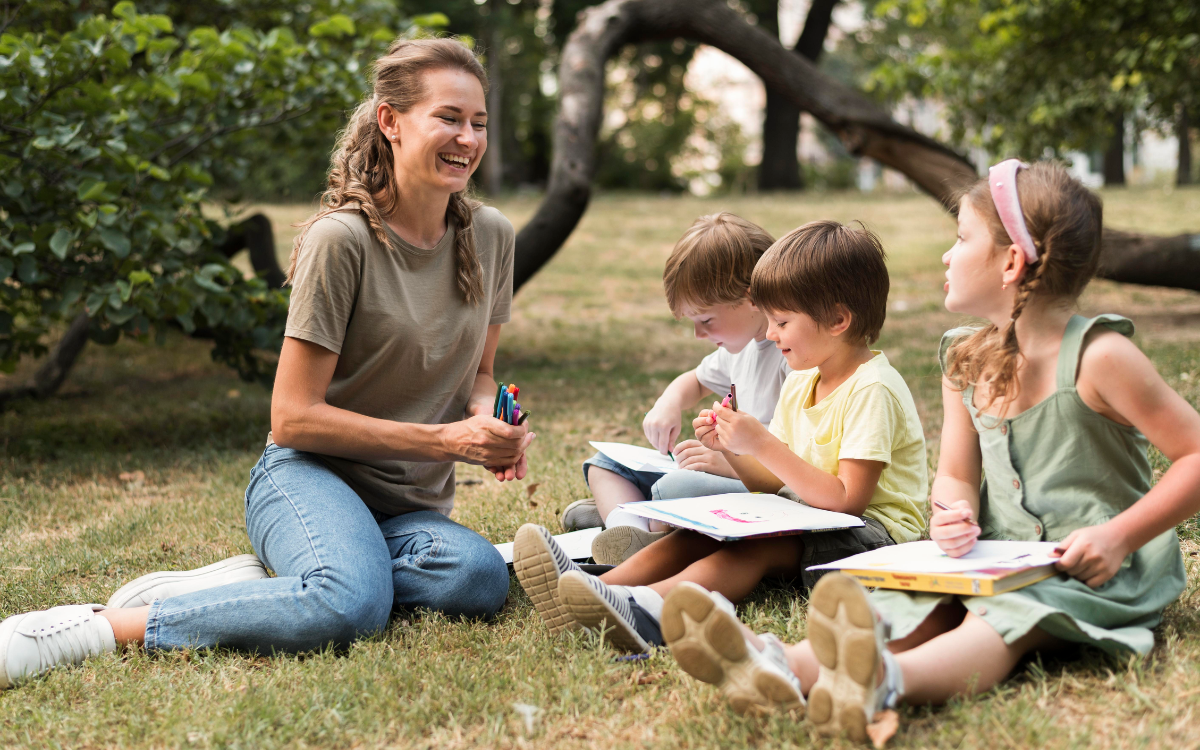
Group pupils effectively—this is a core principle of adaptive teaching that enables teachers to address diverse learning needs without creating inequity or additional stress. Instead of static, ability-based groups, teachers are encouraged to use flexible and temporary groupings that respond to real-time data and students’ knowledge.
Formative assessment helps determine how groups should be formed and when changing groups regularly might benefit understanding. These fluid arrangements avoid the pitfalls of grouping by perceived ability, which can lead to fixed mindsets and unequal access to instruction.
Crucially, grouping should never lead to creating unnecessary workload. Teachers can simplify logistics by using short-term tasks with clear roles, or rotating peer support strategies. The aim is to make grouping manageable and purposeful.
Teaching assistants can help manage these groupings by guiding discussions, ensuring participation, or offering tailored support to particular pupils. The result is a more responsive classroom in which all students engage with the same learning objectives at a level suited to their current understanding—supporting student performance while promoting collaboration and inclusivity.
Using Prior Knowledge to Adapt Teaching Methods
Understanding prior knowledge is essential to planning lessons that connect with what pupils already know and what they’re ready to learn. In adaptive teaching, this step is critical: without it, teachers risk pitching lessons either too low or too high, which can undermine student engagement and limit progress.
Techniques such as diagnostic quizzes, class discussions, or even open-ended tasks help reveal pupils’ existing knowledge before instruction begins. This insight allows teachers to adapt lessons—by introducing scaffolded learning, skipping already-mastered content, or adjusting teaching strategies to better meet learners where they are.
Incorporating formative assessment throughout the lesson further refines this process. Teachers can monitor student’s responses, address misconceptions, and adjust pacing or content in real time to ensure learning objectives remain in focus.
By anchoring teaching in students’ knowledge, educators enhance accessibility and relevance—allowing adaptive instruction to be both targeted and efficient. This approach not only supports particular pupils but elevates the learning experience for the entire class.
Differentiated Instruction vs. Adaptive Teaching: Key Differences
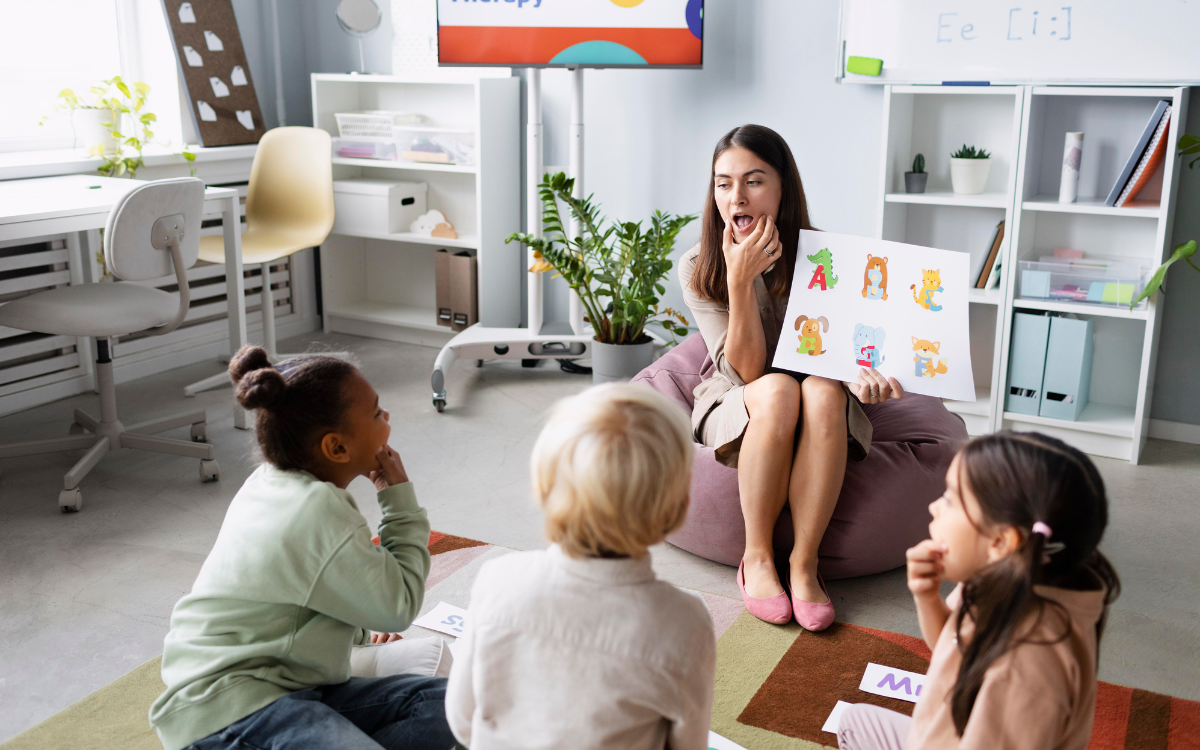
While often used interchangeably, differentiated instruction and adaptive teaching are not the same. Differentiated instruction typically involves planning multiple routes through a lesson—assigning different tasks, grouping by perceived ability, or preparing multiple worksheets to accommodate various learner levels.
Adaptive teaching, on the other hand, emphasizes a shared goal for all pupils and adjusts delivery in response to real-time understanding. It avoids artificially creating distinct tasks, instead offering dynamic support through scaffolded learning, flexible grouping, and targeted questioning.
This makes adaptive teaching more sustainable in practice. Rather than increasing teacher workload, it encourages subtle, strategic shifts based on formative assessment and student’s responses. It also supports equity by maintaining consistent high expectations and allowing all pupils to work toward common learning objectives.
In sum, adaptive teaching reflects a more responsive, inclusive approach to instruction—beneficial to both experienced teachers and those still developing their classroom expertise.
Boosting Student Performance Through Adaptive Practice
Adaptive practice is the consistent application of adaptive teaching strategies that lead to measurable gains in student performance. When teachers continuously reflect on and refine their approach—guided by formative assessment and classroom practice—they help all pupils progress effectively.
This might involve re-teaching a misunderstood concept with a new practical example, introducing a concept more slowly through scaffolded learning, or using tailored support to guide particular pupils. Importantly, the aim is not to simplify content, but to ensure that all pupils are able to master important concepts—with the support needed and at the right pace.
Data from assessments and observations guide decisions about when and how to adapt teaching. Teachers might revise lesson content for future lessons, reorganize groups, or change teaching materials based on what’s working.
Through such thoughtful adaptations, teachers not only improve outcomes but also build learners’ confidence and independence. This approach affirms that all pupils can thrive in the same class with the right support—making adaptive teaching a cornerstone of strong academic achievement.
Meeting the Needs of All Learners with Tailored Support

A major strength of adaptive teaching is its capacity to support particular pupils—including those with special educational needs or facing other barriers to learning—within the mainstream classroom. This is achieved through tailored support that complements whole-class instruction rather than replacing it.
Rather than isolating learners or using entirely separate tasks, teachers adjust teaching strategies, incorporate scaffold learning, or use teaching assistants to provide targeted support at the point of need. These interventions are driven by formative assessment and grounded in high-quality planning, ensuring that no learner is left behind.
Importantly, tailored support within adaptive instruction allows all students to access the same core learning objectives—promoting equity and inclusion without compromising rigor. Whether through guided practice, peer discussion, or resource adaptation, this approach helps learners achieve in ways that maintain dignity and autonomy.
By focusing on responsiveness, not segregation, adaptive teaching creates a more inclusive environment that benefits every learner.
Adaptive Teaching Across Primary and Secondary Schools
Adaptive teaching is critical across both primary school and secondary school settings, but its implementation may differ depending on the stage of education. In primary education, teachers typically work with one group for multiple subjects, making it easier to monitor students’ knowledge and adapt in real time.
In secondary schools, subject specialization and multiple class groups can create challenges in adaptive planning. Still, the core principles—using ongoing assessment, adjusting instruction based on student’s responses, and grouping pupils effectively—remain central.
The Early Career Framework emphasizes the importance of adaptive teaching strategies across all key stages, helping many teachers, especially those new to the profession, develop habits that support sustained student outcomes.
Whether you’re an experienced teacher or early in your career, embedding adaptive instruction into your classroom practice ensures that you can address diverse learning needs while maintaining consistency and purpose in your teaching.
Ultimately, adaptive teaching is a flexible model that aligns with the goals of every educational stage—ensuring progress and access for all learners.
Choosing Teaching Strategies to Address Diverse Learning Needs
Selecting the right teaching strategies is a cornerstone of adaptive teaching. Teachers must consider each pupil’s prior knowledge, learning style, and engagement level when deciding how to present new material. This thoughtful decision-making supports both student performance and learning outcomes.
To do this, teachers can use curriculum planning tools to embed flexibility into lessons. For instance, including optional practical examples or multimodal explanations allows individual students to connect with the content in different ways. Similarly, pacing adjustments and guided questioning provide natural points of adaptive instruction.
Using teaching materials creatively—such as interactive visuals or scaffolded worksheets—can also enhance accessibility without creating unnecessary workload. The key is to support student engagement while maintaining focus on the intended learning objectives.
Whether in a class of emerging readers or advanced problem solvers, a well-chosen strategy can help supporting pupils achieve mastery, improve outcomes, and stay motivated. The best approaches balance clarity with challenge—promoting learning that is inclusive, rigorous, and responsive to everyone in the room.
Empowering Educators: How Magrid Supports Adaptive Teaching
Magrid is a research-informed platform designed to support adaptive teaching in primary education. It helps teachers and school leaders strengthen classroom practice using intuitive tools that promote ongoing assessment, scaffold learning, and targeted support.
By aligning with principles of effective adaptive teaching, Magrid enables educators to adapt instruction based on pupils’ existing knowledge and student’s responses—without increasing workload or relying on multiple worksheets.
Magrid also supports teaching assistants in delivering tailored support and encourages flexibly grouping pupils to address diverse learning needs. It’s a practical way to improve student performance, plan future lessons, and ensure pupils master important concepts.
12 Engaging Summer Learning Activities for Kids

Keeping Young Minds Active During the Summer Months
Summer break is a time for fun and freedom, but it can also lead to the summer slide—a decline in math, reading, and writing skills. To keep young minds sharp, it’s essential to blend relaxation with enriching summer learning activities. Whether indoors or outdoors, at home or in the community, there are countless ways to support all grade levels.
This article shares 12 fun, hands-on ideas to encourage students to explore, create, and stay engaged all summer long—helping them return to school confident, motivated, and ready for a successful school year.
1. Build and Create with Recycled Materials
One of the simplest ways to keep kids engaged is by turning everyday household items into creative learning activities. Using recycled materials like cardboard boxes, plastic containers, and bottle caps, children can create structures, sculptures, or simple machines. These hands on activities strengthen spatial reasoning, engineering skills, and imaginative thinking.
A fun summer project might include building a model city, designing a bridge, or making a marble maze. Through play and experimentation, students apply problem-solving techniques while learning basic physics and design principles. These fun activities are ideal for all grade levels and easily tailored to different interests.
Educators and parents can scaffold this experience by prompting questions like, “What makes your design stronger?” or “How does gravity affect your maze?” This encourages students to think critically and explore real-world applications, even outside the classroom.
Best of all, these projects are low-cost and eco-friendly. They provide an excellent opportunity to discuss sustainability and the importance of using what we have to build something new—while having fun along the way.
2. Launch a Family Reading Marathon

One of the most powerful summer learning activities you can introduce is a family reading marathon. Set a collective goal: how many pages, chapters, or books can your family read during summer vacation? This shared challenge builds excitement and encourages regular reading habits that combat the summer slide.
Each student can keep a reading log, track favorite characters, or even rate the books. Add variety by including audiobooks, graphic novels, or culturally diverse stories. Younger children might draw their favorite scenes, while older readers can write short reviews or compare books they’ve read.
Create a cozy space for daily or weekly reading sessions, whether it’s indoors with pillows or outside in a backyard tent. Include opportunities to discuss books as a family, turning solitary reading into shared learning.
This is a low-pressure, high-impact way to build vocabulary, comprehension, and writing skills—while also bonding over stories and ideas. With a little planning and lots of encouragement, your family reading marathon can keep young minds active and inspired all summer long.
3. Start a Summer Writing Challenge
A great way to support writing skills over the summer months is by starting a writing challenge that lets students write freely and creatively. This summer project can include short stories, poems, travel logs, or even comic strips. The goal is to make writing fun, expressive, and part of everyday summer activities.
Set a goal together: maybe it’s writing five days a week, completing one short story per week, or filling a journal by the end of the summer vacation. Encourage your child to write about outings, family adventures, their friends, or observations from nature walks.
Integrating drawing or collage work can also enhance creativity, especially for younger grade levels. These types of hands on activities allow students to visualize their stories while building narrative structure and vocabulary.
To keep the challenge exciting, offer weekly prompts, share favorite books for inspiration, or host a family “reading night” where everyone shares their work. This approach helps develop both literacy and self-expression—two areas critical to student success in the upcoming school year.
4. Plant a Garden and Track Growth
Gardening is more than just a relaxing hobby—it’s an ideal summer learning opportunity that combines science, observation, and responsibility. Whether you have a backyard, balcony, or windowsill, kids can plant herbs, vegetables, or flowers and monitor their growth throughout the summer months.
This activity introduces life cycles, photosynthesis, and environmental awareness in a hands-on and memorable way. It also builds routine and care, as students water, weed, and observe changes over time. Younger children might draw pictures of their plants each week, while older ones can write journal entries or chart measurements—helping to strengthen both writing skills and reading comprehension.
To deepen the experience, encourage students to research plant types, discuss seasonal weather patterns, or watch videos about pollination and soil nutrients. This can lead to rich discussions about the natural world, our community, and food systems.
As a family or group project, gardening fosters teamwork, patience, and pride in progress. It’s a simple way to keep kids busy and connected to nature, while developing valuable academic and life skills.
5. Set Up a Backyard Science Lab
Transform your backyard or kitchen into a mini science lab this summer with engaging, easy-to-do experiments. From testing water absorption in different materials to exploring the power of baking soda and vinegar, these fun summer learning activities help children experience the scientific method firsthand.
These learning activities don’t require expensive tools or equipment. Everyday resources—like food coloring, measuring cups, lemons, or balloons—can be turned into educational experiments. For example, try creating a homemade volcano or making invisible ink with lemon juice. Activities like these encourage students to make hypotheses, observe changes, and draw conclusions—key skills for scientific thinking.
In addition to reinforcing math and science concepts, these activities inspire curiosity and problem-solving. They offer a great opportunity for parents and educators to ask open-ended questions, such as, “What do you think will happen next?” or “Why did that reaction occur?”
By integrating play, discovery, and analysis, your backyard can become a hub for learning that feels nothing like school—but delivers just as much value.
6. Explore Nature with Educational Walks

A simple walk in the park or around the neighborhood can turn into an exciting learning opportunity when approached with intention. Encourage your child to observe wildlife, identify plants, or note seasonal changes. These walks help kids explore their environment and connect with the natural world, all while promoting physical activity.
To enhance the experience, turn each outing into a mini adventure. Create themed scavenger hunts, draw maps of your path, or classify animals and insects observed. Younger students can draw what they see, while older ones might write reflection journals or short research reports afterward.
These fun activities are perfect for summer months, as they blend discovery with exercise. They’re also highly adaptable for different grade levels, whether in a rural area or city environment. Add in music, poetry, or photography for an even more creative touch.
This kind of outdoor engagement encourages curiosity, reinforces science and writing skills, and helps kids understand their place in the broader community and world. Plus, it’s a great way to spend quality time with family or friends while learning.
7. Make Math Part of Everyday Life
Summer is the perfect time to show kids that math is more than just numbers on a worksheet—it’s a part of everyday life. Using practical, fun activities, students can apply math skills to real-world situations like baking, budgeting, and home projects.
For example, let your child measure ingredients while cooking, calculate distances during road trips, or estimate costs while shopping. Create a “family store” where kids use fake money to buy and sell items, reinforcing skills in addition, subtraction, and budgeting.
These learning activities are particularly helpful in preventing the summer slide, especially in foundational grades where math fluency is still developing. They’re also adaptable for various grade levels, making them ideal for families with multiple children.
Parents, educators, and caregivers can further encourage students by turning these moments into mini-lessons, asking them to explain their thinking or predict outcomes. These casual yet meaningful math interactions will help provide students with continued growth during summer break—without feeling like traditional classroom work.
8. Create a Local History Timeline or Map

Turn your town into a classroom by helping students discover its past. This activity invites kids to research local landmarks, historic buildings, or well-known community figures and turn their findings into a creative timeline or illustrated map. It’s a perfect way to combine reading, writing, and critical thinking.
Visit your local library or city website to find dates, events, or videos about important historical moments. Then, help your child create a visual timeline on poster board or digitally. They can mark key events, draw relevant symbols, or even interview neighbors or family members for personal stories.
This summer project helps develop research skills, strengthens connections to local culture, and encourages a sense of civic awareness. By looking at their environment through a historical lens, students better understand how their community has grown and changed over time.
It’s also a chance to introduce vocabulary and map-reading skills, depending on your student’s grade level. In the process, they’ll build appreciation for the people and events that shaped their world—turning the past into something personal and engaging.
9. Learn a New Language Through Fun Apps and Games
Learning a new language during the summer months is not only enriching—it’s also a fantastic way to keep kids busy while broadening their understanding of the world. With so many online tools, games, and apps available, students can start building basic vocabulary and conversational skills right from home.
Apps like Duolingo Kids or Gus on the Go are designed to make language learning accessible and fun. These programs use repetition, videos, and voice interaction to help children learn common words and phrases. Pairing this with family practice—such as labeling household items or using new words during meals—can reinforce daily use.
This activity works well across grade levels, helping young students build foundational skills while giving older ones a head start in academic courses. Plus, it opens the door to explore new cultures, traditions, and customs—enhancing global awareness and empathy.
Best of all, language learning can become a family activity. Take turns speaking the new words, create flashcard games, or listen to music in the target language together.
10. Boost Math and Spatial Skills with Magrid

Magrid is a research-based platform that offers a unique approach to summer learning, especially in developing math skills and spatial reasoning for early grade levels. Designed with young minds in mind, Magrid supports learning without relying on language, making it ideal for multilingual learners or those still building verbal fluency.
What makes Magrid stand out among educational tools is its focus on visual learning and hands on activities. Its screen-free, guided lessons help children develop logic, memory, and pattern recognition—critical foundations for long-term math success. Parents and educators can easily track progress and adjust support as needed.
Using Magrid during summer break ensures that students stay sharp, even outside the classroom. Its structured, game-like approach transforms practice into fun, helping to encourage students to participate consistently all summer long. It’s especially useful for preventing the summer slide in early learners and offers scalable support across different grades and abilities.
By integrating Magrid into your summer learning activities, you can provide students with high-quality instruction that’s engaging, effective, and developmentally appropriate—right from home.
11. Start a “Kid Business” for Real-World Skills
Starting a small “kid business” is a creative and practical way to blend fun with learning. Whether it’s a lemonade stand, handmade crafts, dog-walking, or tutoring younger students, these summer activities teach responsibility, planning, and entrepreneurship—all while reinforcing math skills.
Begin by brainstorming ideas that align with your child’s interests. Once they choose one, help them set a budget, plan materials, and create simple marketing (flyers, signs, or online posts with supervision). Tracking profits and expenses introduces key math and organization skills in a natural, real-world context.
This kind of summer project also strengthens communication and confidence, especially when students interact with friends, neighbors, or the wider community. They learn how to present themselves, solve problems, and adapt—essential skills for success in both school and life.
It’s not about the money—it’s about teaching young minds how to manage a task from idea to execution. With support from parents or educators, a “kid business” can be one of the most empowering and educational experiences of the summer break.
12. Enroll in a Community-Based Summer Program
Local programs offered by libraries, schools, or community centers are great resources for structured summer learning. These opportunities provide built-in schedules, social interaction, and themed lessons that blend academic and creative exploration. Many even include music, games, and group projects.
Whether it’s a reading club, art camp, or STEM workshop, these summer activities allow students to explore interests outside the traditional classroom while still making academic progress. Plus, participating in local programs helps build friendships, confidence, and a deeper connection to the community.
Some programs are hosted online, making them accessible for families with transportation or scheduling challenges. Look for options that match your child’s grade level, learning style, and personal interests. These programs can also reinforce academic skills such as writing, reading, math, and critical thinking.
Teachers and educators often help design these summer initiatives to address the summer slide and provide students with a safe, enriching environment. Participating in such activities supports holistic development and helps ensure your student enters the next school year confident and ready to learn.
Conclusion: Make Summer Count with Fun and Learning
Summer is the perfect time to combine fun activities with meaningful learning. By choosing engaging summer learning activities, parents and educators can help students avoid the summer slide and stay sharp for the next school year. From gardening and storytelling to using tools like Magrid for math skills, each summer project offers a chance to develop new abilities. Whether indoors or outdoors, these learning activities keep kids busy, curious, and connected to the world around them—all summer long. With the right balance, summer vacation becomes a season of growth and discovery.
What Does Dyscalculia Look Like in Children?

Some children struggle with math more than expected. This could be dyscalculia—a specific learning disorder affecting number understanding, simple calculations, and math concepts. Often called math dyslexia, it can impact school age children academically and in everyday tasks. Recognizing sinais de discalculia early helps provide the right support.
What Does Dyscalculia Look Like?
Dyscalculia is not just about getting the wrong answer; it’s about consistently struggling with math skills, especially when faced with the same math problem repeatedly. Children may find it hard to interpret math symbols, memorize multiplication tables, or estimate quantities. This difficulty goes beyond poor performance—it’s a pattern that reflects how their brains process mathematics.
People with dyscalculia often avoid tasks that involve numbers, exhibit anxiety around math, or take much longer to complete math calculations. Recognizing what does dyscalculia look like requires attentiveness to consistent struggles across different math-related tasks, both in and out of school.
Recognizing a Learning Disability Early

Dyscalculia is classified as a learning disability under the broader category of learning disorders in the diagnostic and statistical manual. Recognizing it early gives struggling students access to appropriate interventions. It’s essential to notice signs that deviate from normal development, such as an inability to recognize patterns, confusion with math facts, or difficulties in mathematical reasoning.
Early identification helps align support with the disabilities education act, ensuring children receive help through specialized learning programs tailored to their needs and abilities.
Trouble Grasping Basic Math Concepts
A key indicator of dyscalculia is difficulty understanding basic math facts and math concepts. Children may confuse operations, mix up steps in word problems, or fail to understand how numbers relate. These issues hinder number sense, which is foundational to mathematical skills.
Unlike children who simply need more practice, those with dyscalculia often struggle despite repeated exposure and effort. The inability to make sense of mathematical reasoning leads to frustration and impacts confidence. This gap becomes more visible as school age children are expected to learn math through layered, cumulative instruction.
Mental Math Challenges and Everyday Struggles

Children with dyscalculia often face pronounced difficulty with mental math, especially when required to solve simple calculations without paper or visual aids. Tasks like figuring out how many minutes until lunch or calculating change can become stressful, impacting their everyday tasks.
These struggles aren’t due to a lack of effort but are rooted in how the brain processes mathematics. This challenge with mental math also affects their ability to retain math facts and leads to frustration, further contributing to mental health issues and increasing avoidance of anything involving numbers.
A Learning Disorder That Involves Numbers

Dyscalculia is a learning disorder that specifically affects a child’s capacity to understand and work with numbers. It’s not a temporary difficulty but a lifelong condition that often coexists with other learning disorders, such as dyslexia or ADHD.
As a math learning disability, it disrupts working memory, especially when solving a math problem under time pressure. Because it involves numbers, sequences, and quantities, dyscalculia can make even basic math tasks feel overwhelming, especially for school age children who are expected to meet academic benchmarks.
How Is Dyscalculia Diagnosed in Children?
To have dyscalculia diagnosed, professionals rely on medical tests, cognitive assessments, and behavioral evaluations. A healthcare provider, educational psychologist, or school specialist often uses the diagnostic and statistical manual (DSM-5) to identify criteria for this specific learning disorder.
Since dyscalculia symptoms often overlap with those of other learning disorders, different tests are used to isolate math-specific difficulties. Evaluation may include tests of working memory, mathematical reasoning, and basic math skills. Early diagnosis can help confirm dyscalculia and ensure that children are eligible for accommodations and support under the disabilities education act.
Developmental Dyscalculia: Signs from an Early Age

Developmental dyscalculia usually becomes evident during normal development, especially in early elementary years. Many children with this condition may fail to master basic math facts, struggle to learn math, or show delays in brain development related to quantitative reasoning. Red flags include difficulty counting, identifying quantities, or recalling multiplication tables.
These early signs of dyscalculia are often dismissed as temporary, but they persist and worsen without support. Recognizing them early allows for timely intervention and introduces specialized learning programs tailored to the child’s cognitive profile and strengths.
Dyscalculia Symptoms Seen at Home and in School
Dyscalculia symptoms can show up in both structured learning environments and casual settings. In school, children might avoid answering word problems, lose their place when keeping track of steps in math calculations, or provide different answers to the same math problem. At home, signs may include trouble with time, counting money, or remembering phone numbers.
These issues aren’t just academic—they can disrupt everyday tasks and even morning coffee routines when timing is involved. Whether observed by parents or a child’s teacher, early detection is key to appropriate support.
Acquired Dyscalculia After a Brain Injury

Unlike developmental dyscalculia, which appears early, acquired dyscalculia results from a brain injury or trauma later in life. Though rarer in children, it can follow serious accidents, neurological conditions, or illness. This form of math learning disability often causes sudden difficulty with tasks that previously posed no issue—like reading math symbols or solving simple calculations.
Diagnosis typically requires neurological assessment and input from a healthcare provider, especially to distinguish it from other learning disorders or mental fatigue due to recovery.
Number Dyslexia vs. Dyscalculia: What’s the Difference?

Though “number dyslexia” is a common term, it’s not officially recognized in the statistical manual. It’s often used informally to describe dyscalculia, but the two are not identical. Dyscalculia specifically impacts a child’s mathematical skills, number sense, and math concepts, while number dyslexia may refer to difficulties interpreting numerical information visually or symbolically.
Understanding the difference helps avoid confusion and supports clearer communication among educators, parents, and specialists when addressing a child’s teacher or designing interventions.
Common Symptoms in People with Dyscalculia
Common symptoms of dyscalculia include anxiety toward math, confusion over math symbols, and repeatedly arriving at incorrect answers for the same math problem. Children may also have difficulty estimating quantities or remembering math facts. These symptoms can affect mathematical reasoning, classroom participation, and self-confidence.
Some children even experience physical symptoms like sweating or shaking during timed math tests, indicating deeper mental health conditions. By paying attention to these signs, educators and parents can help confirm dyscalculia and provide the necessary emotional and educational support.
Common Signs of a Math Learning Disability
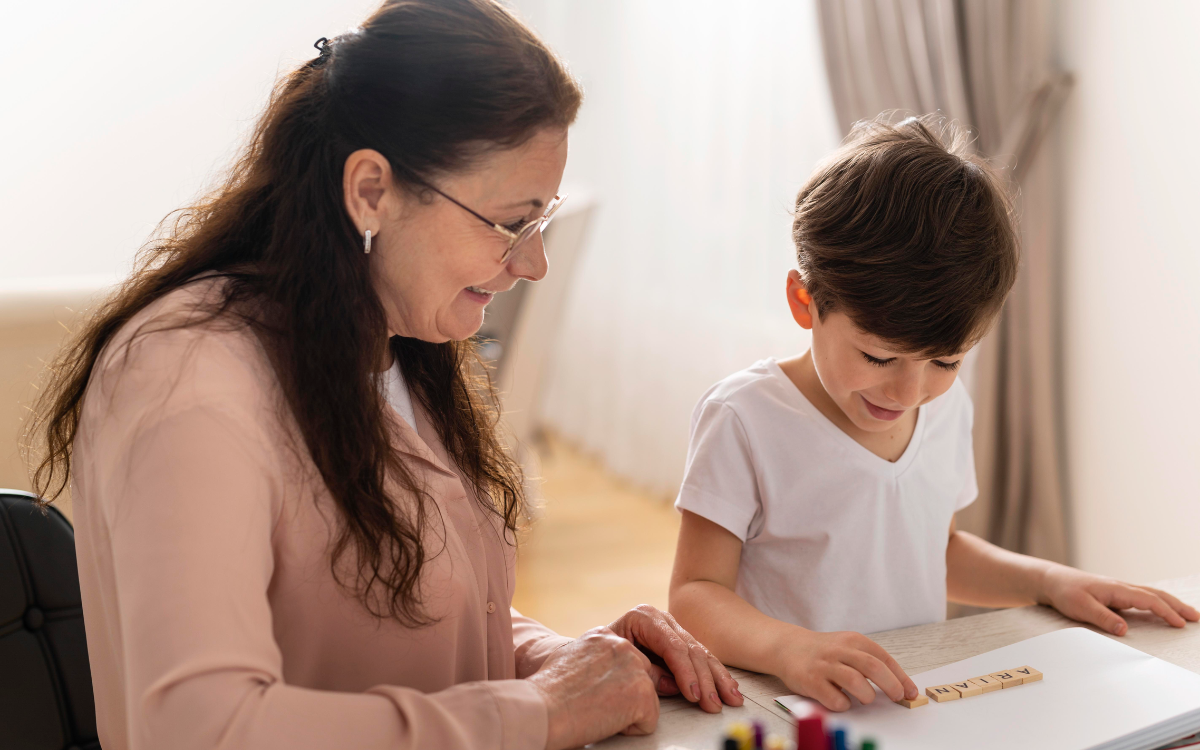
Among the common signs of a math learning disability are disorientation with directions, getting lost easily, and difficulty completing multi-step math problems. These signs often appear when children are asked to follow sequences, interpret math symbols, or solve real-world challenges that involve numbers.
Many children also show signs of work trouble in group activities or during assessments that require logic or mathematical reasoning. Since these signs resemble those of other learning disorders, careful observation and collaboration between a child’s teacher and specialists are essential for accurate identification.
Why Many Children with Dyscalculia Go Undiagnosed

Despite showing consistent difficulties, many children with dyscalculia go undiagnosed due to its overlap with other learning disorders, variations in brain development, or being mislabeled as lacking effort. Parents may notice different answers to simple problems or inconsistent performance, while teachers may overlook signs amid large class sizes.
Furthermore, a lack of awareness, reliance on generic testing, and the subtlety of working memory deficits can delay recognition. That’s why more research and targeted screening are critical to better confirm dyscalculia.
Helping Struggling Students with Specialized Support
Struggling students benefit from specialized learning programs that use visual tools and adaptive methods. Under the Disabilities Education Act, they may receive accommodations like extra time.
Supporting a math learning disability means changing how we teach, not lowering expectations—through collaboration between teachers, parents, and specialists.
Addressing Emotional and Mental Health Issues
Math struggles can trigger anxiety, low confidence, and long-term mental health conditions. Children with math dyslexia may feel ashamed or avoid math altogether.
Recognizing these emotional impacts allows parents and educators to foster resilience and support both math skills and a child’s overall well-being.
Empower Learning with Magrid’s Visual Math Platform
Magrid’s language-free platform helps children with dyscalculia build math skills through visual, interactive learning. Designed for learning disabilities, it supports number sense and confidence—without words or memorization.
Give every child the tools to succeed in mathematics with Magrid’s inclusive, evidence-based approach to early math education.
On the same topic: 8 livros sobre discalculia que os pais e educadores não podem deixar de ler
Learning Math for 4 Year Olds Through Play

Introduction: A Great Start Through Play
The four year mark is a perfect time to start building a solid foundation in early math. At this age, children are curious, energetic, and eager to learn through exploration. Incorporating math for 4 year olds into everyday play not only makes learning so much fun, but it also fosters lasting understanding.
By using fun activities, everyday objects, and natural curiosity, parents and educators can introduce essential math concepts without pressure. This approach encourages kids to grow at their own pace, develop confidence, and build the basic math skills needed for success in kindergarten and beyond.
Why Math for 4 Year Olds Matters
Why start early? Research shows that children who begin exploring math concepts at a young age tend to perform better academically later on. Introducing math for 4 year olds through play allows them to make sense of the world around them. At this stage, most children are capable of grasping ideas like counting, recognizing patterns, and comparing shapes or sizes.
Early exposure helps kids develop logical thinking and early estratégias de resolução de problemas. When math is introduced as part of fun and engaging routines, children build positive associations with learning and gain the confidence they need to tackle future math problems.
Understanding Early Math Skills in Four Year Olds
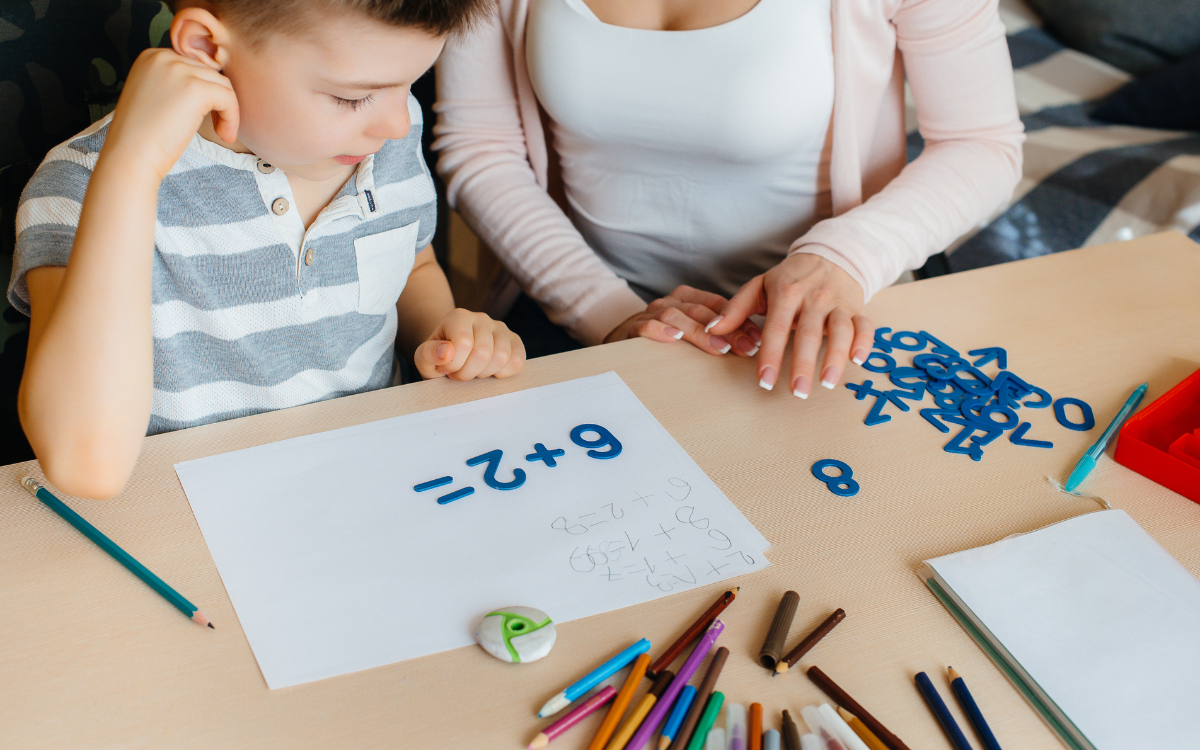
Before diving into structured lessons, it’s important to understand what math skills are typical for four year olds. Many children in this age group can already count to ten or higher, identify basic shapes, and begin to grasp quantity comparisons like “more” and “less.” These are all part of basic math development.
They may also start recognizing written numbers and attempt to write numbers on their own. At this stage, number recognition is more about exposure than perfection. Using everyday atividades de matemática, such as sorting blocks, arranging snacks, or comparing toy sizes, provides natural opportunities to practice. These experiences lay the foundation for basic addition, subtraction, and more complex thinking down the road.
Daily Routines That Build Math Skills
Everyday moments offer valuable chances to teach and practice early math. Simple daily routines like setting the table, pairing socks, or dividing snacks give children meaningful ways to learn about numbers and patterns. For example, ask your child to count how many plates are needed or to group fruit by color.
These activities not only build number recognition skills and math vocabulary but also introduce early problem-solving. With regular exposure in real-life situations, math for 4 year olds becomes a natural part of how they understand and interact with their world.
Connecting Math and Language Skills in Young Learners
Math and language skills are closely linked—especially in the early years. When we talk with children about numbers, sizes, and positions, we expose them to important mathematical language like “greater than,” “next to,” or “equal.” These words help four year olds understand math through conversation.
Describing shapes, counting out loud, or asking your child to explain their thinking are all simple ways to strengthen both math and verbal expression. As most kids begin developing their communication abilities, using math terms naturally in everyday speech supports both language and math skills, laying a strong foundation for future learning.
Teaching Shapes and Patterns to Four Year Olds
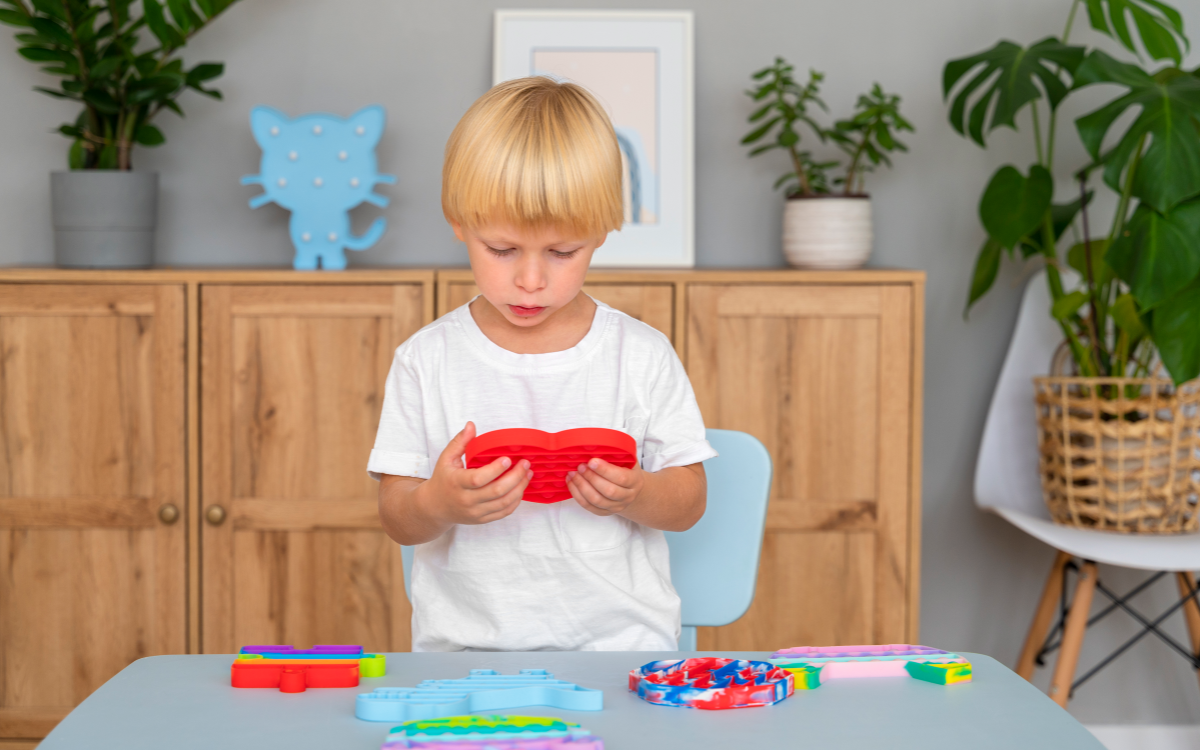
Exploring basic shapes and patterns is a fun and visual way to introduce important math concepts. Start with common shapes like circles, triangles, and squares—found in toys, books, and even food! Help four year olds recognize and name these objects, then guide them in creating simple patterns using colored blocks, stickers, or snack items.
These activities develop spatial awareness, categorization, and sequencing—all essential components of basic math. Through hands on activities, kids also gain early exposure to geometry in a fun way, reinforcing their understanding of how shapes work together in the world around them.
Counting with Everyday Objects and Toy Cars
Counting becomes engaging when children use everyday objects they love. Try lining up toy cars, blocks, or even spoons for your four year old to count. This tactile approach turns abstract numbers into something real and relatable. Ask your child to group cars by color or count how many are in a row.
These activities reinforce number recognition and counting skills through playful exploration. For added fun, use movement—like racing the cars—as part of the activity. This strategy taps into your child’s energy while supporting early math for 4 year olds in a meaningful way.
Fun Math Activities for Four Year Olds
Learning math doesn’t need to look like worksheets. In fact, fun math activities are often the most effective way to engage four year olds. Try number scavenger hunts, sorting games, or building towers with a certain number of blocks. These kinds of math activities feel like play but help kids develop key skills.
You can also incorporate simple board games that involve counting or moving spaces, which naturally teach number sequence and logic. With just a bit of creativity, basic math skills become part of playtime—helping children enjoy the process while they learn at their own pace.
Strengthening Number Recognition Through Games
Recognizing numbers is a big milestone for four year olds, and games are an excellent way to reinforce it. Matching two cards—one with a numeral and one with a picture—helps children make visual connections. Use numbered puzzle pieces, hopscotch mats, or dice-based activities to boost number recognition skills.
These interactive games can be repeated and varied, allowing kids to practice without boredom. Make it social by playing in pairs or small groups, encouraging communication and self confidence along the way. Learning through play ensures that math for 4 year olds remains engaging and effective.
Singing Songs to Learn Basic Math Concepts

Music offers a fun way to introduce basic math ideas like counting, sequencing, and even early subtraction. Singing familiar songs—like “Five Little Ducks” or “Ten in the Bed”—helps kids hear number sequences and learn how numbers go up or down.
Add finger movements or objects to act out the lyrics for a multi sensory approach. These tunes stick in children’s minds, making them ideal tools for reinforcing math skills. Best of all, singing songs makes learning so much fun for both parents and children alike.
Playing Games to Solve Problems and Think Critically
Structured games are a powerful tool to help kids solve problems while enjoying themselves. Board games, matching games, or simple card games encourage four year olds to use logic, count spaces, and make decisions. These activities challenge children to think ahead, recognize patterns, and determine the best move—all valuable math skills.
Games like “What’s Missing?” or “Which One Doesn’t Belong?” also build early reasoning. As they play, most children begin to develop persistence and patience, learning that mistakes are part of growth. Playing games is more than entertainment—it’s a meaningful way to foster basic math understanding.
Hands-On Math Activities for Active Four Year Olds
Young children learn best when they’re moving and touching, making hands on activities essential for teaching math for 4 year olds. Try using blocks, sand trays, or sticker charts to teach counting or number order. A multi sensory approach helps engage different learning styles—especially for active learners.
Let your child jump to numbered floor mats or use clay to create number shapes. These activities not only strengthen motor coordination but also reinforce number recognition, sequencing, and basic math skills. They’re a fun way to connect movement with learning in a natural, age-appropriate way.
Encouraging Four Year Olds to Write Numbers
By age four, many children begin trying to write numbers on their own. Encourage this through playful practice using finger painting, tracing sandpaper digits, or drawing numbers on chalkboards. These fun activities improve fine motor skills while supporting number recognition.
Start by showing one number at a time and naming it out loud. Allow your child to copy it using large, bold strokes. With repetition and support, four year olds become more confident in forming numbers, which helps prepare them for formal writing tasks in school and future math activities.
Making Math Fun to Build Self Confidence
Confidence is key when learning something new. That’s why it’s important to approach early math in a fun and low-pressure way. Using games, songs, or interactive math activities helps your child see learning as exciting instead of stressful. Celebrate small wins—like correctly counting a group of objects or solving a simple number puzzle.
Positive reinforcement builds self confidence, encouraging kids to take risks and try again when challenges arise. For most kids, the combination of encouragement, fun, and practice lays the groundwork for a lifelong love of math.
Supporting Kids at Their Own Pace

Every child learns differently, and it’s important to allow four year olds to learn at their own pace. Some might grasp number recognition quickly, while others need more time with shapes or counting. That’s okay!
Avoid comparing progress and instead focus on creating a nurturing environment filled with opportunities to practice, explore, and ask questions. When children feel supported rather than rushed, they’re more likely to stay curious and engaged—two essential qualities for meaningful progress in math skills and beyond.
Introducing Addition and Subtraction with Play
Early addition and subtraction can be introduced using real-life examples and simple toys. Try story-based scenarios like, “You have three toy cars. If we add one more, how many now?” Use snacks, fingers, or blocks to visually show the change. Let your child physically add or take away items to see how numbers shift.
These hands-on situations make abstract operations like basic addition more concrete. Keep it light and fun—no need for worksheets at this stage. With repetition and natural play, most children begin to understand how numbers develop, change, and connect in meaningful ways.
How Magrid Builds Math Skills Through Play

Magrid is a powerful learning platform designed to help four year olds build strong math skills through playful, screen-free experiences. With its research-based design, Magrid uses a multi sensory approach that supports children in developing number recognition, basic math understanding, and even early language skills. Its structured activities guide kids to solve problems, explore math concepts, and write numbers—all while having so much fun.
Parents and educators love how Magrid encourages children to learn at their own pace, reinforcing self confidence in a developmentally appropriate way. Whether it’s counting with visual supports or introducing basic addition, Magrid makes it easy to teach math in a fun way—right from home or school.
Try Magrid: A Great Start for Lifelong Learning
Give your child a head start with Magrid. Through playful, hands-on learning, Magrid helps four year olds build foundational math skills in a way that’s engaging, effective, and age-appropriate.
Ready to begin? Experimente o Magrid hoje mesmo and make math a joyful part of your child’s daily play!
20 Creative Math Activities for Kids at Home
Math activities for kids don’t have to stay in the classroom. When children explore math through games, stories, and play at home, they strengthen math skills in a fun way.
These activities help develop number sense, support school progress, and give parents practical tools to reinforce math learning every day.
Make Learning Fun with Games and Play
To make learning math exciting, use games that spark curiosity and allow children to solve problems hands-on.
Whether it’s a quick math game with two dice or creating your own board game, fun activities like these help engage students, reinforce key math concepts, and make learning feel like play.
1. Sidewalk Chalk Math Obstacle Course
Grab some sidewalk chalk and turn your driveway into a math adventure. Draw a number line, hopscotch problems, or shape paths to teach place value, subtraction, and geometry.
Kids solve each math problem as they move. This outdoor game builds gross motor skills and makes math fun for the whole class or small groups.
2. Create Your Own Board Game with Math Rules

Let children design their own board game that includes solving math facts, counting challenges, and shape questions. Add custom spaces like “solve a multiplication problem” or “roll two dice and subtract.”
This lets students practice math topics while being creative—an engaging way to develop math skills across all grade levels.
3. Bingo Cards with Math Facts
Create bingo cards filled with answers to various math problems—multiplication, division, even fractions. As teachers or parents call out the problems, students answer them and mark the correct answer on their card.
This classic classroom math game works well in small groups and builds automaticity with math facts in a fun format.
4. Play a Quick Math Game with Two Dice

This quick math game builds fluency and speed. Have students roll two dice, then add, subtract, or multiply the numbers.
Make it competitive—who can answer the most in a minute? It’s perfect for all grade levels and supports math facts, number sense, and classroom or at-home learning fun.
5. Place Value Cup Stack
Label cups with ones, tens, and hundreds. Kids build numbers by stacking them in the correct place value order.
You can ask a math problem like “What number is 300 + 40 + 2?” and students answer by building it. It’s a fun way to teach place value and math concepts.
6. Match the Fractions with Food
Use real snacks—apples, sandwiches, or cookies—to explore fractions. Cut food into halves, thirds, or quarters and have kids name and compare them.
This hands-on math activity makes fractions concrete. It’s great for younger children and helps teach the basics of division and shapes through everyday classroom math games at home.
7. Count and Sort with “Mouse Count” Story
Read Mouse Count aloud, then give kids small objects to count and sort—buttons, beans, or coins. As they add and subtract, they practice number sense and math vocabulary.
It’s a gentle, story-based activity that brings together math, reading, and early counting skills in a calm, engaging format.
8. DIY Geometry Hunt at Home
Send students on a shape scavenger hunt! Ask them to find circles, triangles, or rectangles around the house. They can draw, name, and classify each item.
It’s a fun way to reinforce geometry, develop vocabulary around shapes, and connect real-world objects with math topics—all while keeping children active and curious.
9. Math Topics Charades
Turn learning into laughter with math charades. Write math topics like subtraction, division, or place value on cards. One student acts them out while others guess.
This classroom favorite adapts well at home and helps children recall concepts. It’s a fun activity to reinforce vocabulary and engage students in groups or teams.
10. Math Facts Flashlight Game
Tape math facts around a dark room. Give your child a flashlight and call out a problem—when they find the correct answer, they shout it out.
This game sharpens math skills, supports fast recall, and makes learning fun. You can use it with all the numbers and across grade levels.
11. One Student, One Task: Problem Solving Rotation
Set up stations around the room with different math problems. One student solves one task at each stop before moving on. Activities can include worksheets, games, or shape sorting.
It’s ideal for small groups or home classrooms, encouraging independent thinking, repetition, and math progress across multiple skills and topics.
12. Multiplication Hopscotch
Draw a hopscotch grid with answers to multiplication problems using sidewalk chalk. Call out a problem—like 3 × 4—and students jump to the correct answer.
This active game builds multiplication fluency while developing physical coordination. It’s a great way to mix play, problem solving, and outdoor math fun.
13. Online Games for Different Grade Levels
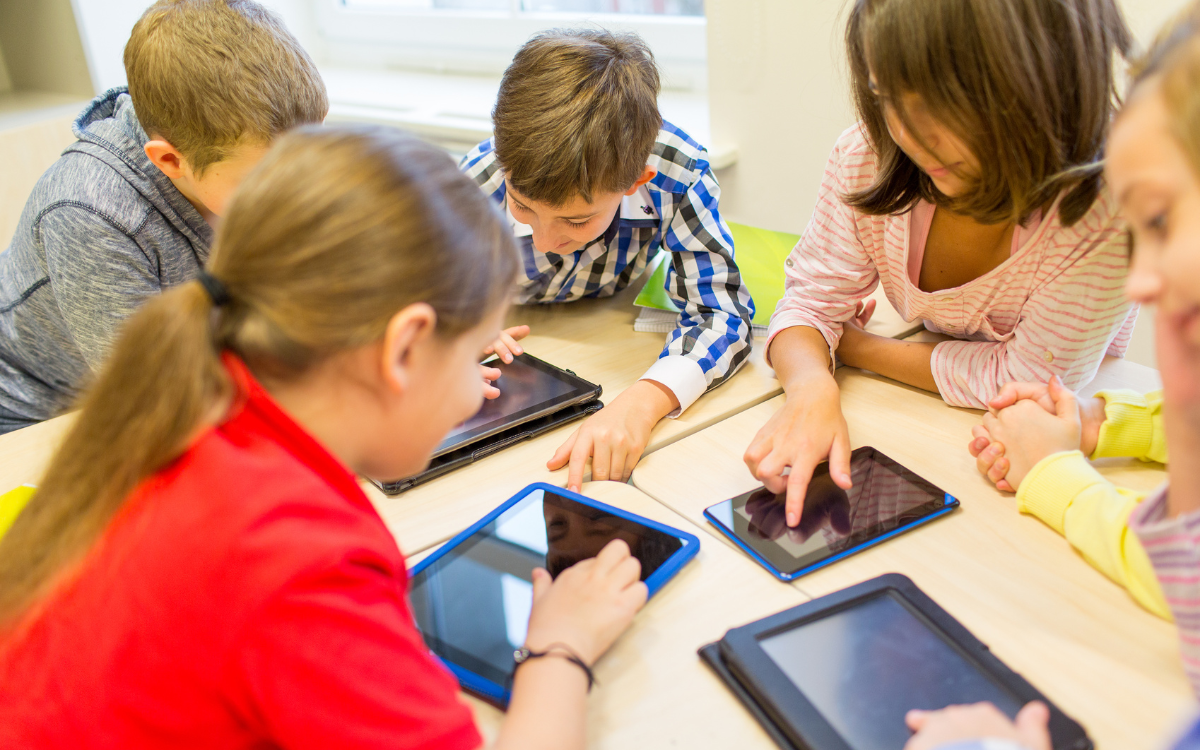
Online games are a great way to practice math skills tailored to specific grade levels. Choose age-appropriate platforms that teach geometry, place value, or fractions.
These games often adapt as students improve. They help teachers and parents reinforce math facts, build fluency, and keep students motivated through interactive learning.
14. Make Learning Fun with Kitchen Math
Cooking offers plenty of chances to teach math. Have children measure ingredients, double recipes, or convert units. They’ll practice fractions, addition, and division—all while making something delicious.
This fun activity helps kids apply math in real-life situations and supports number sense, problem solving, and learning through play.
15. Team-Based Problem Solving with Two Teams
Divide children into two teams and give them timed math challenges to solve. Problems can range from simple addition to multi-step geometry. Teams compete for points based on correct answers.
This encourages cooperation, builds confidence, and makes math games more engaging—perfect for classroom math games or family game nights.
16. Use Worksheets Creatively in Small Groups
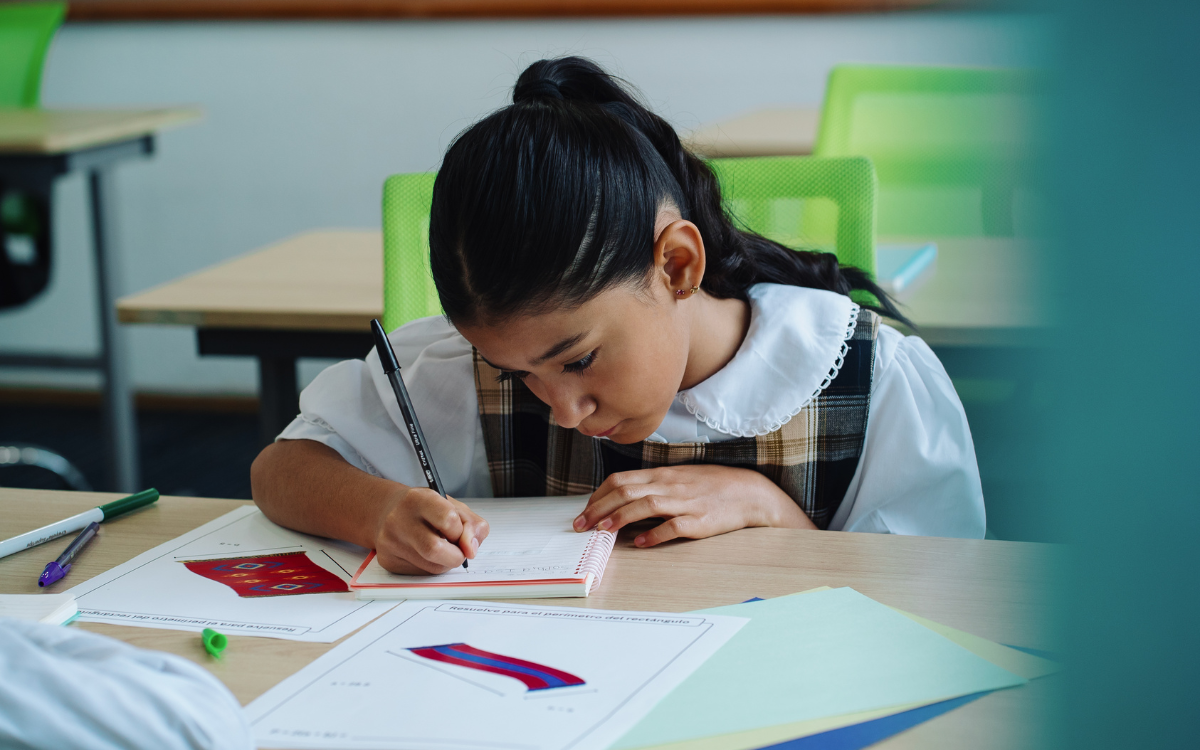
Turn regular math worksheets into a game. Divide the class or family into small groups and assign points for each correct answer. You can even let students create their own problems to challenge others.
This transforms traditional practice into an exciting and collaborative math activity for kids at home.
17. Interactive Math Fun with Magrid
Magrid offers screen-free, movement-based math activities that teach number sense, place value, and shapes. Children solve visual puzzles and play structured math games that feel like fun, not work.
It’s ideal for early learners and supports both classroom and home use, helping students build skills through purposeful, hands-on learning.
18. Teach Shapes and Geometry with Paper Folding

Grab some paper and start folding! Teach children about lines of symmetry, angles, and basic shapes through origami or simple folds.
This activity connects geometry with fine motor skills and spatial reasoning. It’s a quiet, focused way to teach key math concepts in a creative and engaging format.
19. Guess the Number with “All the Numbers” Clues
Think of a secret number. Kids ask yes/no questions like “Is it greater than 50?” or “Is it divisible by 5?” to narrow down the answer.
This classic logic game teaches math vocabulary, number properties, and strategic thinking. It’s a great way to engage students and build confidence with math.
20. Board Game Mash-Up with Math Rules
Choose a favorite board game and add math rules. Before students roll the dice, have them solve a math problem. Want to move forward? Answer correctly!
This encourages children to practice math facts while having fun. You can adapt this for subtraction, multiplication, or fractions depending on the grade.
Math Fun at Home Builds Long-Term Skills
Creative math activities for kids support learning far beyond the classroom. By blending fun, games, and problem solving, children practice essential math skills in a relaxed environment.
These playful strategies reinforce school lessons, support all grade levels, and help children build a strong foundation in math concepts at home.
Explore Magrid for Engaging Math Learning Tools
Looking for more ways to make learning fun? Try Magrid—an interactive, movement-based math platform designed for early learners.
With visual tasks and structured play, Magrid helps students practice number sense, geometry, and place value. It’s a powerful tool for teachers and parents aiming to build lifelong math confidence.