






Ten Creative Picks of the Best Math Games for Kids

Math can be one of the most rewarding — or challenging — subjects for children. That’s why finding the best math games for kids is more than just a fun diversion; it’s an effective strategy for reinforcing math skills in interesting ways.
Whether it’s a board game, card game, or a classroom activity, well-designed math games help children of all ages improve their number sense, build fluency with counting, and practice problem-solving.
By allowing kids to learn through play, math becomes less about worksheets and more about discovery. Games also naturally align with how young learners absorb information: through repetition, visual cues, and immediate feedback.
A fun game can turn subtraction into a race, multiplication into a strategy, and division into a challenge — all while encouraging critical thinking.
Importantly, math games can be adapted to match each child’s level, providing students the right answer format and mental math focus they need. For teachers and parents alike, these games offer a hands-on way to support classroom learning and curriculum goals.
When a child plays a math game, they’re not just passing time — they’re building a strong foundation in mathematics.
How Math Games Support Math Skills Development
From early math concepts to more complex operations, math games help children strengthen their understanding across different grade levels and skill levels.
Playing games consistently reinforces basic operations like addition, subtraction, and multiplication in a stress-free environment. They encourage children to engage actively — rather than passively — with mathematical thinking.
Young kids benefit from simple games that teach counting, number recognition, and patterns. For older kids, a great game might introduce multi-step math problems, multiplication skills, or even prime numbers.
With each play session, students can improve their test readiness and classroom performance, without feeling the pressure of traditional learning tools.
Card games and board games in particular help children visualize math problems and learn strategies that lead to the correct answer. These hands-on activities also promote cooperative play and social learning, which are essential to a balanced educational experience.
Best of all, most math games can be adapted to match a child’s level — making it easy to explore topics from place value to money in a way that fits your curriculum or learning goals.
1. Magrid: Visual Math Learning Without Language Barriers
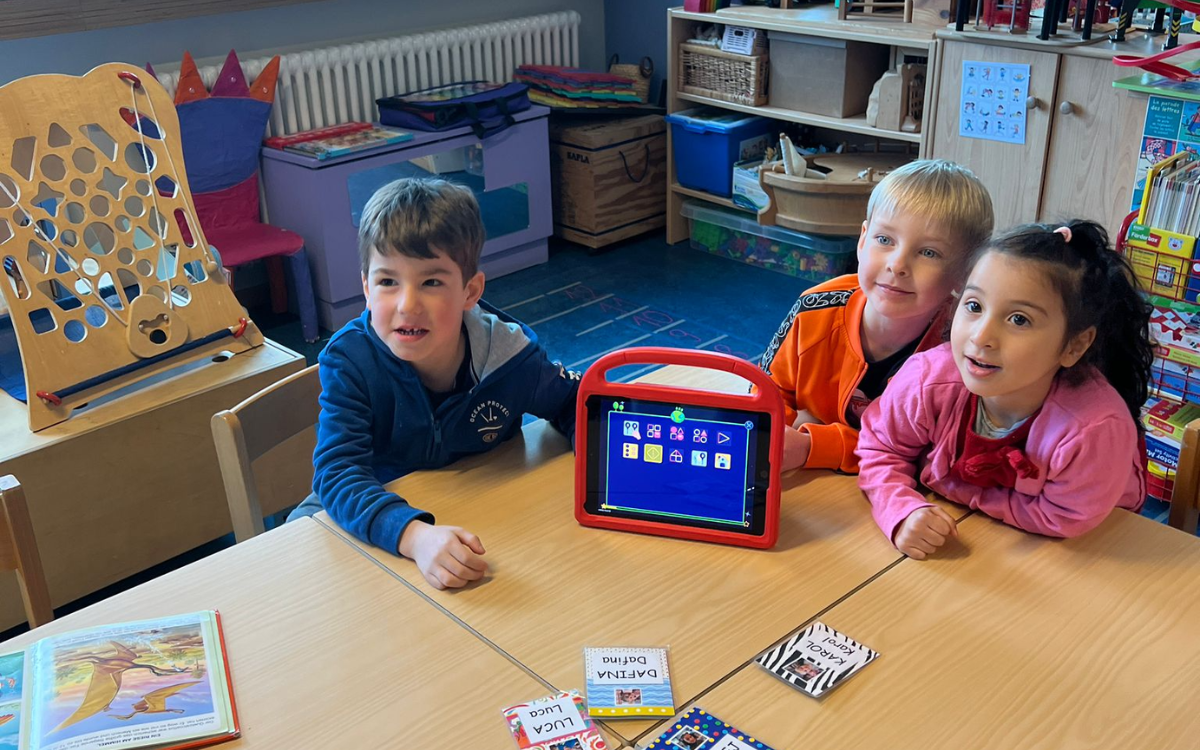
Designed specifically for young learners and early math development, Magrid is a visual, language-free app that helps children build number sense and foundational math skills without relying on text. It’s especially effective for pre-readers, multilingual classrooms, and students with diverse learning needs.
Magrid stands out because it supports learning math concepts without using spoken or written language — a rare and inclusive approach. The app is aligned with common core standards and is used by teachers in classrooms to supplement math instruction.
It allows every child to progress at their own pace while developing cognitive abilities critical to success in mathematics.
There are no in app purchases, which means parents and educators can focus entirely on the learning experience without distractions. From simple tasks like counting to more complex challenges involving spatial reasoning, Magrid ensures each child learns at their own level through interactive play.
Whether a child plays individually or as part of a whole class session, Magrid offers a unique and developmentally appropriate tool to support early math success and long-term mathematical thinking.
2. Math Card Flip: Boosting Math Facts with a Fun Gameation
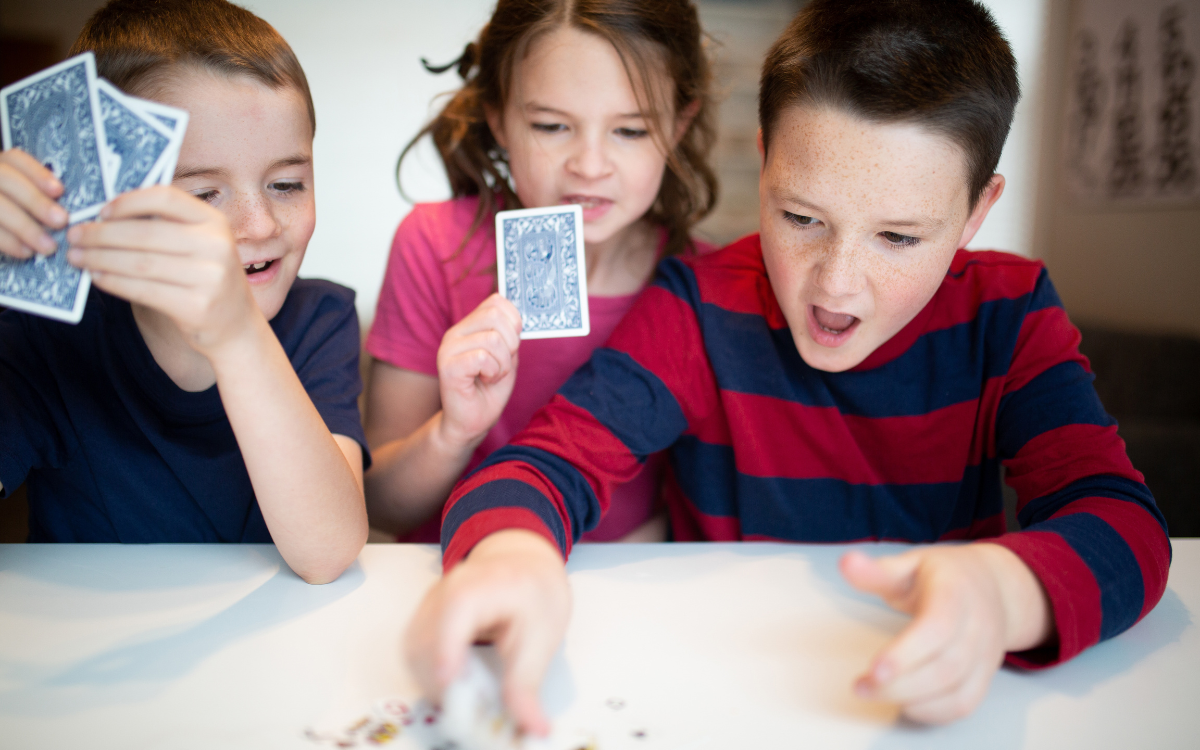
Math Card Flip is a fast-paced card game that strengthens mental math skills through engaging repetition. Using a standard deck or printable math-themed cards, students flip two cards at a time and either add, subtract, or multiply the numbers — depending on the round’s rule.
The goal is to solve each math problem quickly and give the right answer before your opponent does.
This simple game is great for both individual play and small groups. It supports fluency with math facts and encourages players to practice key skills like multiplication and subtraction in a non-threatening way. You can modify the game to fit any grade or child’s level, making it ideal for mixed-skill classrooms.
Teachers can use it to provide students with quick practice sessions, and parents can turn it into a nightly routine. No screens, no distractions — just focused, interactive math play that improves accuracy, speed, and confidence with numbers across all ages.
3. Sum Swamp: An Early Math Board Game Favorite
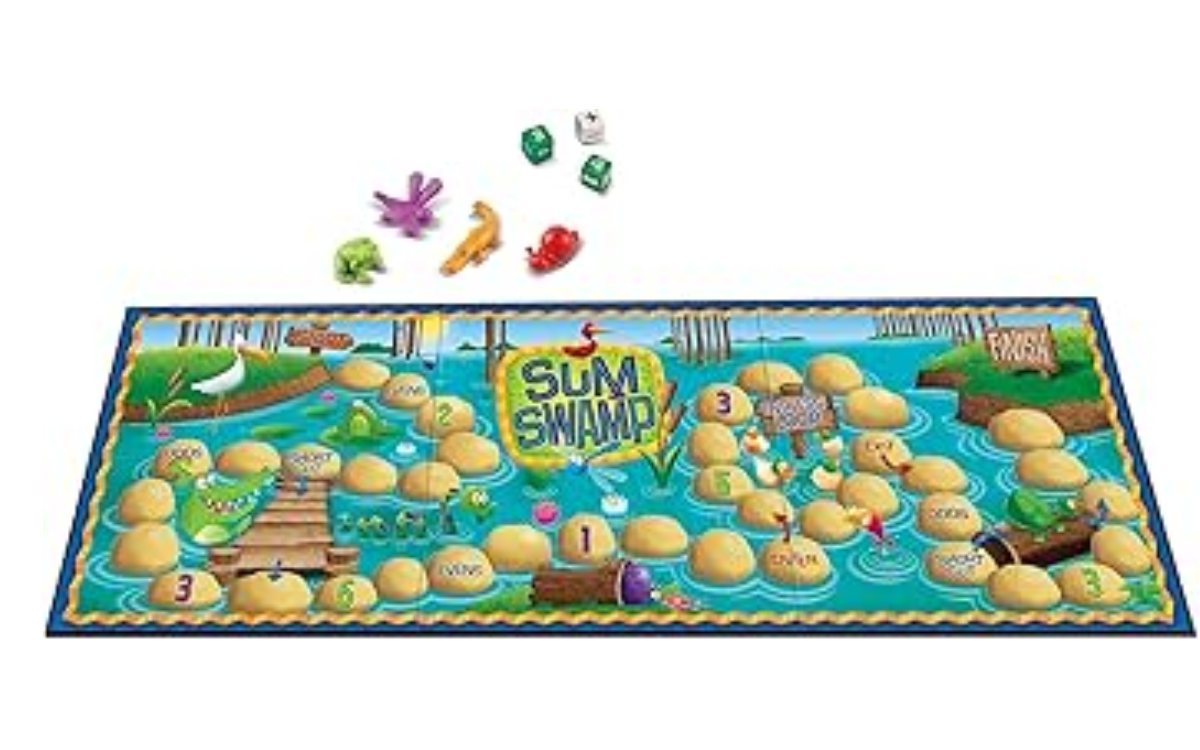
Sum Swamp is a classic board game that transforms early math into an exciting adventure through a colorful swamp. Designed for young kids in early grades, the game focuses on helping children learn basic addition, subtraction, and even number comparison through a series of playful challenges.
Players roll dice to generate math problems and move their game pieces by solving them. With each turn, they must find the correct answer to keep moving forward — a process that reinforces quick thinking and builds confidence in math facts.
This fun game is especially effective for early learners who are just starting to grasp math skills. Its playful visuals and hands-on mechanics make it a great game for developing number sense, counting fluency, and the ability to solve a math problem independently.
Sum Swamp is ideal for both classroom centers and family game nights, encouraging kids to play and learn together.
4. Roll & Solve: Dice-Based Math Game for the Whole Class
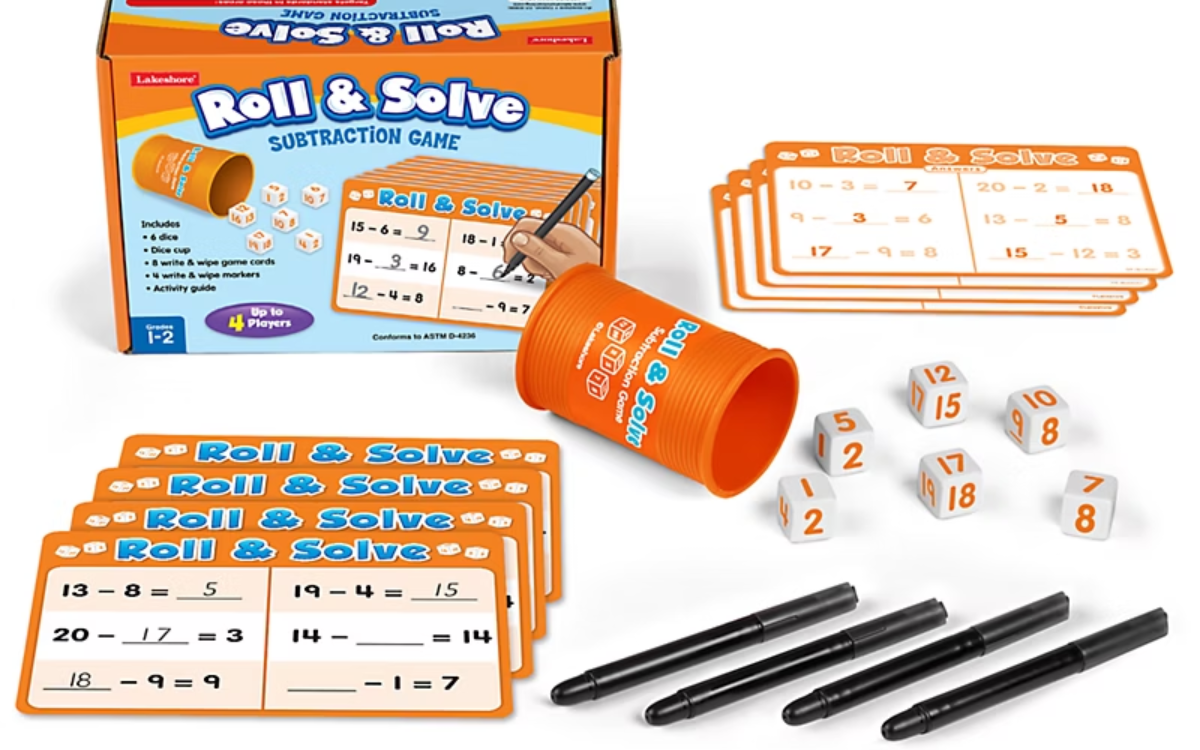
Roll & Solve is an easy-to-set-up classroom game that uses dice to create dynamic math questions on the spot. The game is perfect for whole class participation or small group stations, supporting a variety of skill levels in one session.
To play, students roll dice, generate two or more numbers, and then complete a math operation — addition, subtraction, multiplication, or even division — depending on the round’s challenge. Teachers can increase difficulty as needed, helping older kids or advanced learners stay engaged.
This simple game works across different grades and aligns well with common core standards. It offers a great way to provide students with daily math practice without relying on worksheets.
Teachers can use it to explore operations, place value, or prime numbers in fun and interactive ways that promote deep learning.
Roll & Solve keeps kids math-focused while building their confidence, especially in mental math and problem-solving under light, friendly pressure.
5. Math Facts Memory Match: Place Value and Recall Practice
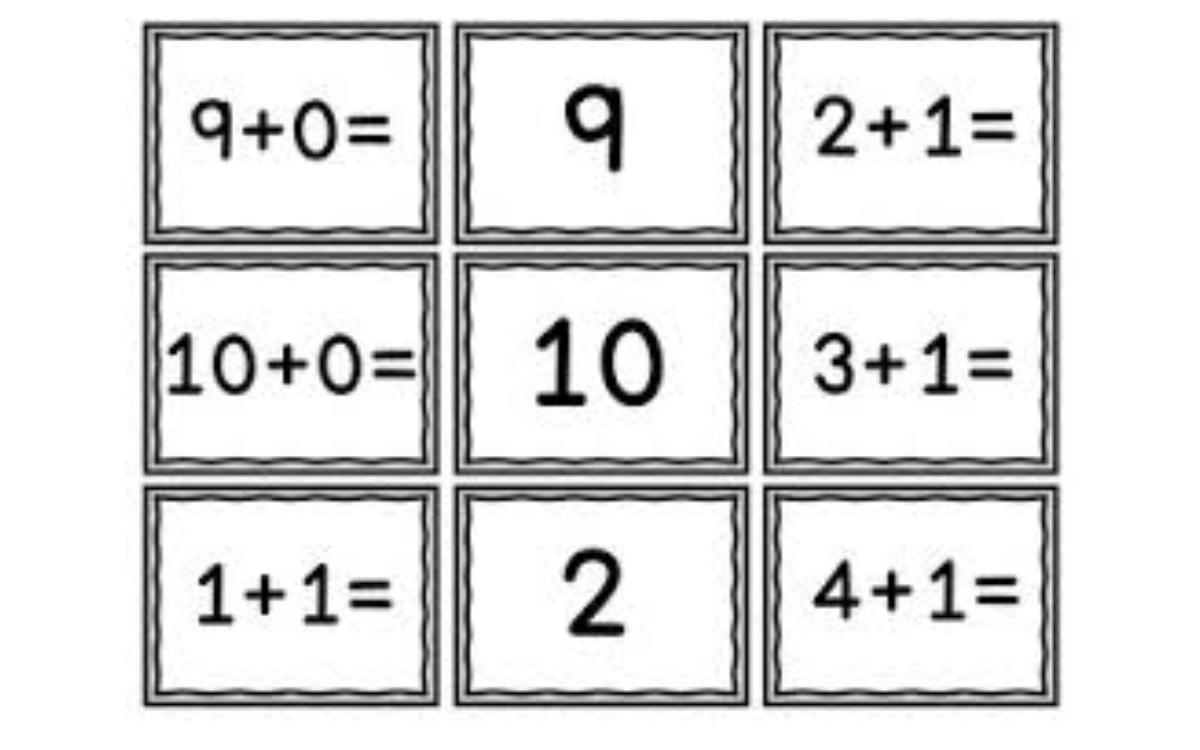
Math Facts Memory Match is a flexible, printable card game that sharpens recall skills through visual matching. Students flip over cards to find pairs that solve or relate to each other — like a multiplication problem and its answer, or a number and its place value term.
This game builds math facts fluency while encouraging strategic thinking and memory development. Because the format is visual and hands-on, it works particularly well for young learners who benefit from repetition and active play.
You can adapt the game to target addition, subtraction, multiplication, or even division, depending on the child’s level and the classroom focus. Teachers can introduce it during centers or as a quick math warm-up.
Math Facts Memory Match not only supports learning math in a fun and familiar format — it also gives children opportunities to test their knowledge and correct any mistakes in a low-stress setting, making it ideal for home or school use.
6. Pizza Fraction Fun: A Tasty Way to Learn Math

Pizza Fraction Fun is a colorful board game that helps children understand fractions through play-based learning. Players use pizza slices to visualize part-whole relationships, practice equivalencies, and even explore basic division.
Designed for kids ages 6 and up, this game introduces fractions in a hands-on, engaging format that supports both conceptual understanding and real-world application. As each child plays, they gain familiarity with key terms like half, third, and quarter — and learn to compare and combine them.
The game supports various skill levels and is useful for teaching both individual students and small groups. Because it emphasizes visual learning, it’s especially effective for reinforcing concepts in classrooms that follow common core standards.
With its combination of food-themed fun and academic focus, Pizza Fraction Fun is a great game to help kids learn without realizing they’re doing math.
It also works well for students who need extra support in transitioning from basic operations to more advanced concepts like division and equivalence.
7. Operation Equation: Solve Math Questions for Most Points

Operation Equation is a strategy-based game that challenges players to create and solve math questions using number and operator tiles. Players must combine numbers to form an equation — the more complex the operation, the more points they score.
Ideal for older kids, this game builds confidence with addition, subtraction, multiplication, and division while promoting deeper understanding of how numbers interact. Whether working individually or in teams, students are motivated to solve for the correct answer and earn the most points.
This game is great for reinforcing problem-solving strategies, especially when kids are transitioning to multi-step operations. It supports differentiation by allowing players to work at their own skill levels and is perfect for both classroom and home environments.
Operation Equation blends critical thinking with competition, encouraging students to explore math in interesting ways.
It’s a fun game that makes solving a math problem feel like cracking a code — both challenging and rewarding.
8. Prime Climb: Strategic Play Using Prime Numbers
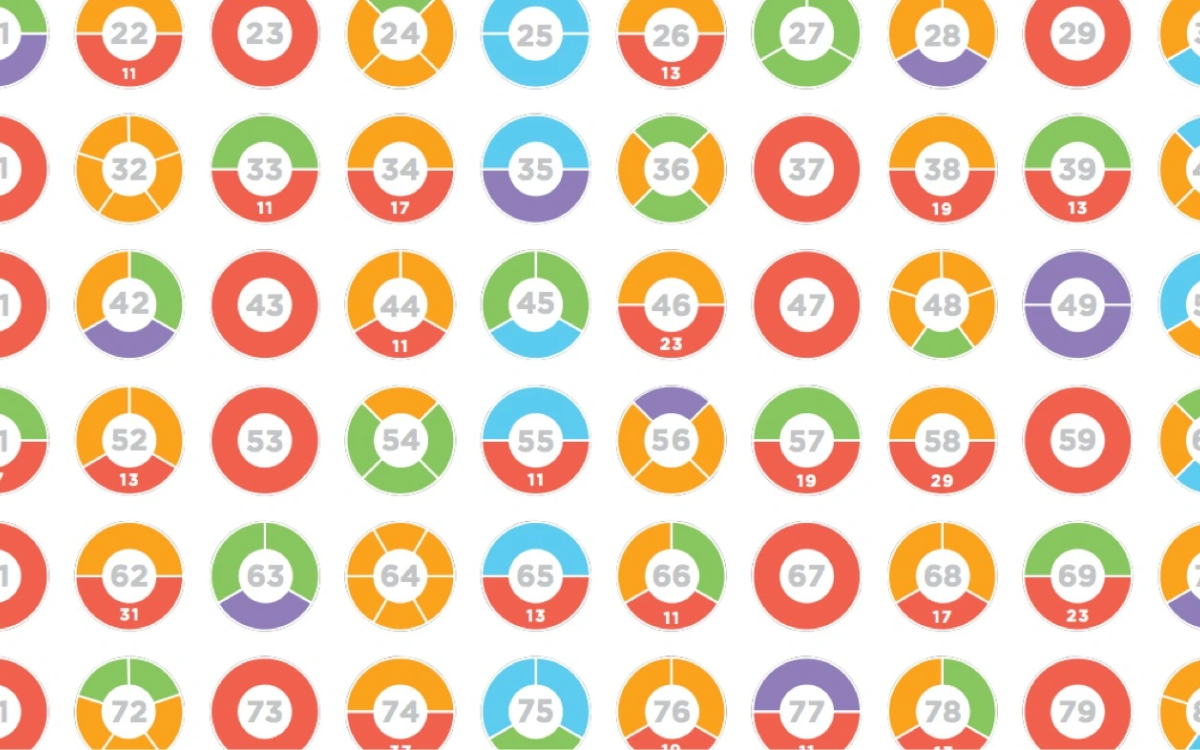
Prime Climb is a visually stunning board game that uses color and strategy to teach multiplication, division, and prime numbers. It’s especially suited for older kids and advanced learners who enjoy thinking several steps ahead.
Players use dice rolls to navigate a vibrant game board, combining number sense with strategic planning. Each space is color-coded by its mathematical properties, helping players identify factors, multiples, and primes.
The goal? Be the first to reach the center by solving math problems along the way.
This game encourages students to multiply and divide mentally while applying concepts like prime factorization. Teachers can use it in the classroom to reinforce higher-level operations and build fluency beyond basic math facts.
With its rich visuals and clever design, Prime Climb offers a unique learning experience that’s as enjoyable as it is educational — a great game for developing long-term math skills through play.
9. Don’t Break the Budget: A Simple Game to Learn Money Math
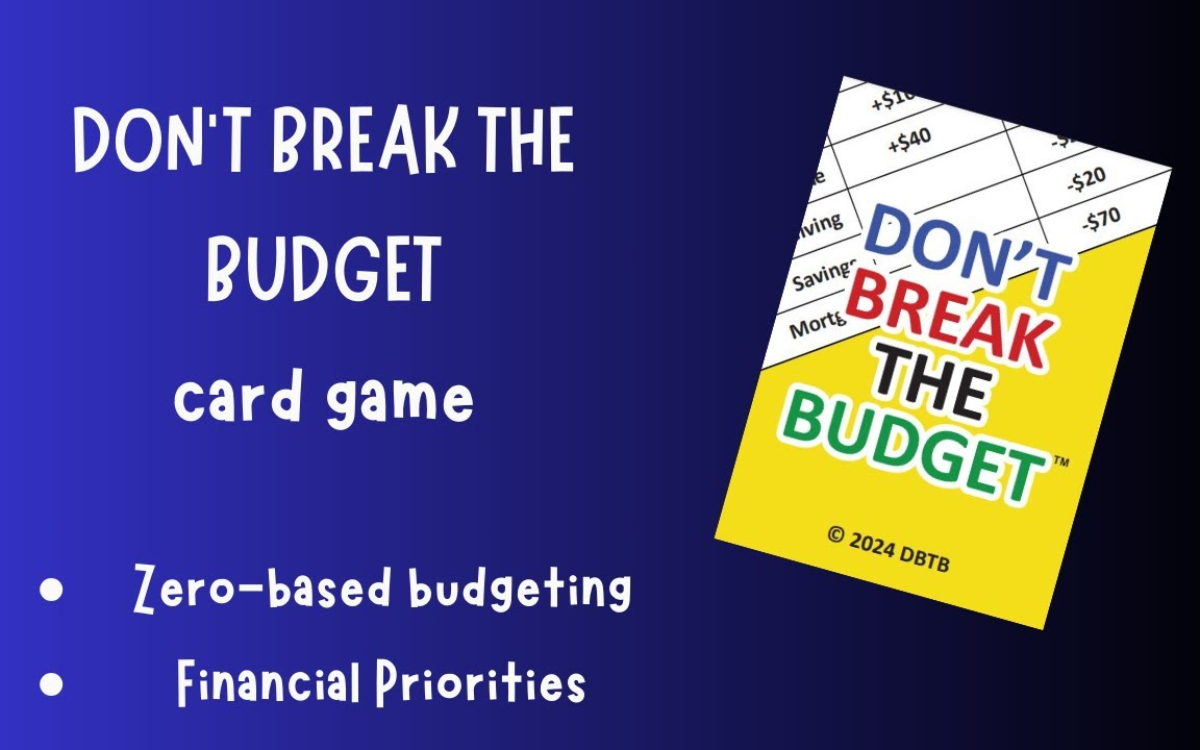
Don’t Break the Budget is a practical money-themed game that helps kids develop real-world math skills through playful decision-making.
Players are given a set amount of “money” and must buy items, save, and make smart financial choices — without going over budget.
This simple game teaches important concepts like addition, subtraction, and comparison. As each child plays, they encounter math problems that involve calculating costs, finding the right answer, and understanding place value. It’s a fun game that blends logic, math facts, and life skills.
Teachers can use this activity in the classroom to support curriculum objectives around money and basic operations. It’s easy to scale for different skill levels, making it ideal for students across grades.
Don’t Break the Budget is a great game to reinforce math learning in interesting ways, encouraging kids to explore spending, saving, and budgeting with real-life math applications.
10. Math Mission Challenge: Whole Class Game for All Skill Levels
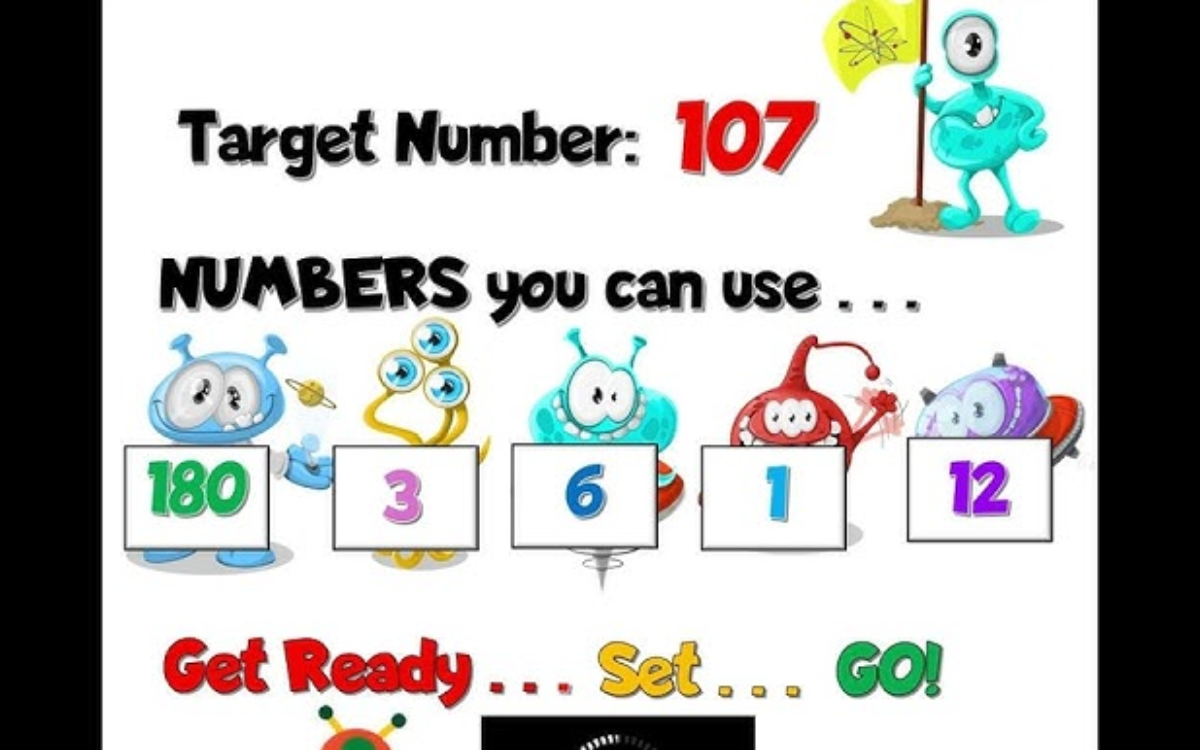
Math Mission Challenge is an engaging classroom activity designed for the whole class, where teams of students compete to solve a series of math problems. Each challenge varies by difficulty, allowing for a range of skill levels to participate.
Teachers present a math question, and teams race to submit the right answer within a time limit. Points are awarded based on accuracy and speed, making this a fun game that supports both critical thinking and collaboration.
This format is especially effective for reviewing math facts, testing number sense, and reinforcing core concepts like place value and operations. It also gives teachers flexibility to adjust questions to match the grade and curriculum.
Math Mission Challenge turns routine math review into a high-energy experience.
Whether it’s used as a weekly review or a warm-up activity, it helps students learn through movement, competition, and teamwork — a powerful blend for lasting progress in mathematics.
Keeping Kids Motivated While Playing Math Games
Rotating game types, celebrating progress, and matching activities to a child’s level keeps kids engaged. Let students play in groups, explore challenges, and focus on learning over perfection.
Whether at home or in the classroom, math games help every child learn, grow, and enjoy mathematics on their own terms.
Make Math Fun Every Day with the Right Game
From card games to classroom challenges, the best math games for kids make learning feel like play. Choose tools that match your goals, support curriculum, and engage students at all skill levels.
Try Magrid for early math development—and turn every math moment into a fun, focused learning experience.
Como ajudar uma criança com discalculia em casa
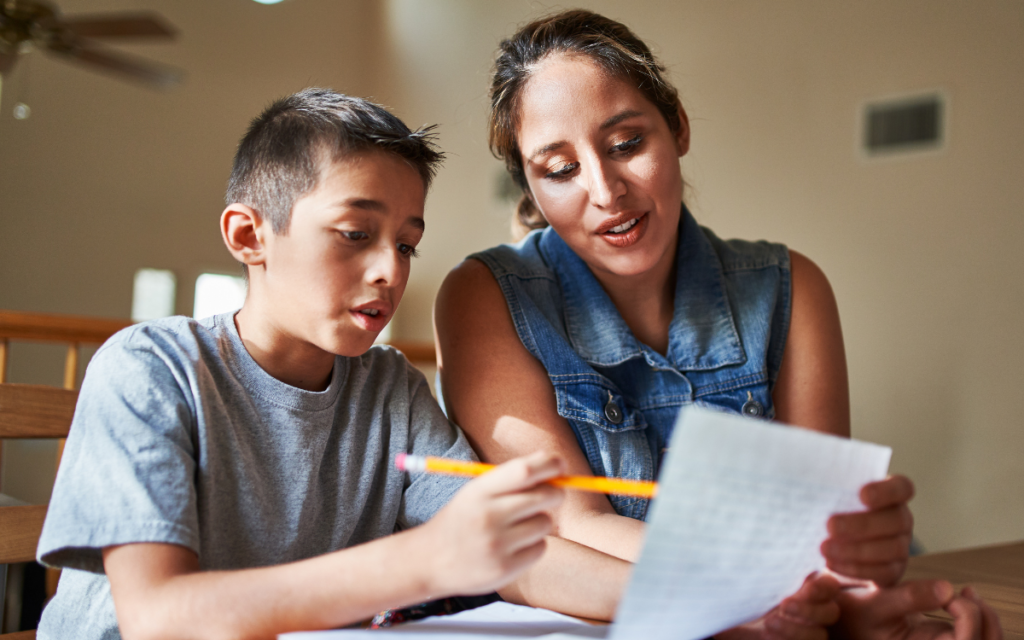
Compreender como ajudar uma criança com discalculia em casa
Ao procurar formas de ajudar uma criança com discalculia em casa, é importante começar por compreender bem esta diferença de aprendizagem. A discalculia é uma dificuldade de aprendizagem que afeta a capacidade da criança de processar números, padrões e conceitos matemáticos.
Muitas crianças sentem ansiedade em relação à matemática e têm dificuldades com conceitos numéricos básicos, especialmente nas primeiras etapas do ensino da matemática. Em casa, os pais podem ajudar as crianças observando as suas dificuldades, mantendo uma comunicação regular com o professor da criança e oferecendo apoio adicional sempre que possível.
O diagnóstico precoce da discalculia permite que as famílias desenvolvam estratégias que melhorem as competências matemáticas, reforcem a autoestima e promovam uma experiência positiva na aprendizagem da matemática.
Dividir os conceitos matemáticos em partes simples e fáceis de compreender
Para ensinar conceitos matemáticos de forma eficaz, divida-os em partes mais fáceis de compreender. Em vez de sobrecarregar o seu filho com trabalhos demorados ou problemas complexos, comece com conceitos matemáticos simples, como contar, comparar quantidades ou identificar formas.
Utilize exemplos concretos e materiais didáticos, como fichas ou contas, para explicar conceitos abstratos, como o valor posicional. Esta abordagem ajuda a melhorar o sentido numérico e permite que a criança se concentre numa ideia de cada vez.
Ao desenvolverem gradualmente os conceitos matemáticos básicos, as crianças podem dominar uma competência fundamental antes de passarem para a seguinte, o que promove uma melhor compreensão e uma retenção a longo prazo através de uma aprendizagem significativa e prática.
Identificar e apoiar precocemente as dificuldades de aprendizagem
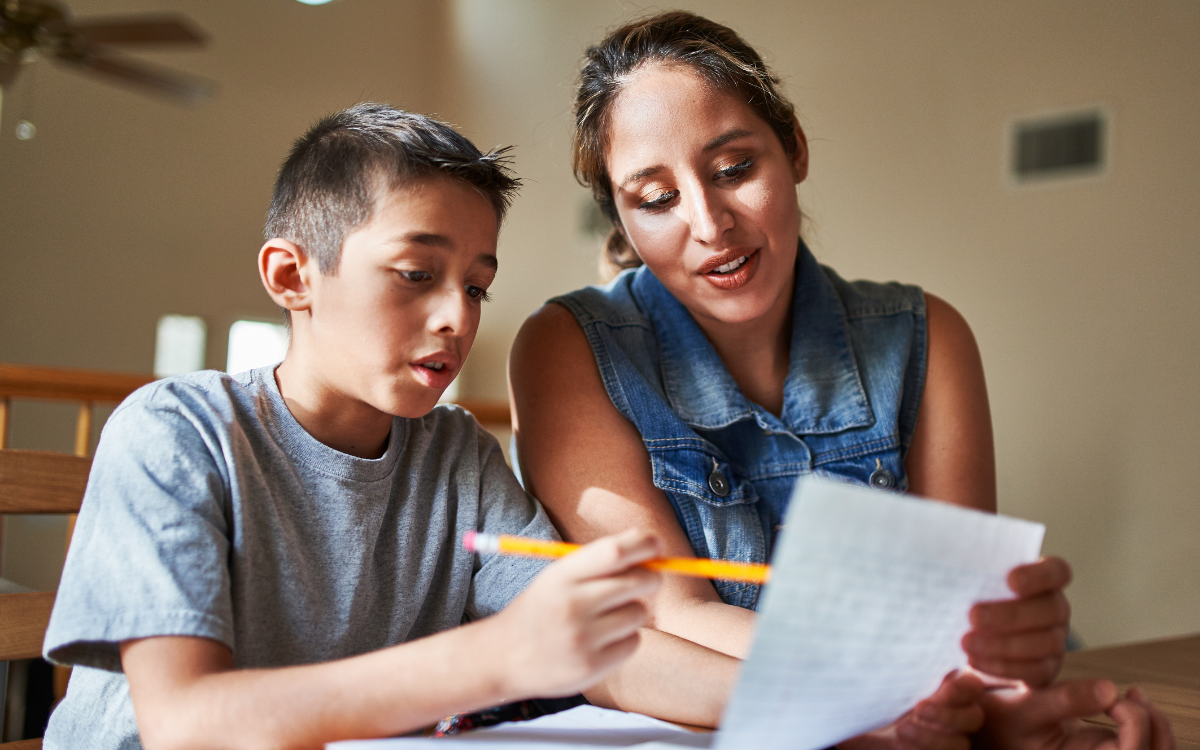
O reconhecimento precoce de dificuldades de aprendizagem, como a discalculia, é essencial para proporcionar um apoio específico. Esteja atento a sinais de alerta como dificuldade em memorizar operações matemáticas, invertição de números ou dificuldade persistente na resolução de problemas. Se suspeitar que o seu filho está com dificuldades, fale com o professor dele, solicite uma avaliação e consulte terapeutas educacionais, sempre que necessário.
O diagnóstico precoce ajuda os pais e os profissionais da escola a aplicarem diferentes estratégias adaptadas às necessidades do aluno. Identificar o problema numa fase inicial permite apoiar as crianças, criando uma base sólida para o desenvolvimento das competências matemáticas e, ao mesmo tempo, reduzindo a frustração e a ansiedade em relação à matemática.
Personalizar o ensino para crianças com discalculia
As estratégias de aprendizagem personalizadas são fundamentais para as crianças com discalculia. Uma vez que cada criança processa a matemática de forma diferente, adapte o seu estilo de ensino de modo a estar em sintonia com os pontos fortes de cada uma. Se uma criança tirar proveito da repetição, incorpore técnicas de memorização mecânica para as tabuadas.
Se forem alunos com aprendizagem visual, utilize recursos visuais, retas numéricas e papel quadriculado para aumentar a clareza. Incentive a exploração dos problemas matemáticos ao seu próprio ritmo, reforçando cada passo com elogios.
A aprendizagem personalizada permite que as crianças se envolvam mais profundamente, desenvolvam competências matemáticas e encarem os desafios como algo divertido, em vez de conceitos enfadonhos, tornando a jornada pela aprendizagem da matemática mais agradável e eficaz.
Permitir que a criança aprenda ao seu próprio ritmo

Cada criança aprende de forma diferente, por isso é fundamental deixá-las progredir ao seu próprio ritmo. Para crianças com discalculia, a abordagem apressada dos conceitos matemáticos conduz frequentemente à confusão e à ansiedade em relação à matemática.
Concentre-se em ajudar o seu filho a aprender de forma constante, revendo novos conceitos e reforçando os conceitos numéricos básicos até que sejam totalmente compreendidos. Este ritmo permite que a criança domine as competências fundamentais sem se sentir sobrecarregada.
Dar tempo para cometer erros e fazer correções reforça a confiança, ajuda muitas crianças a evitar o esgotamento e promove uma aprendizagem duradoura. Sessões curtas, pausas e comentários encorajadores contribuem todos para um progresso sustentável nas competências matemáticas.
Reduzir a ansiedade em relação à matemática com uma abordagem baseada na mentalidade de crescimento
Promover uma mentalidade de crescimento pode reduzir drasticamente a ansiedade em relação à matemática nas crianças. As crianças precisam de compreender que ter dificuldades com problemas matemáticos não significa que não tenham capacidade — significa apenas que ainda não dominam os conceitos.
Substitua o diálogo interno negativo por uma linguagem afirmativa e dê ênfase ao esforço, e não à perfeição. Recorra ao reforço positivo para celebrar até mesmo as pequenas vitórias. Experimente jogos que incluam desafios matemáticos divertidos para desviar a atenção do medo para a curiosidade. Incentivar uma atitude positiva ajuda os alunos a encarar as dificuldades como oportunidades de aprendizagem.
Com o tempo, estas mudanças de mentalidade ajudam as crianças a desenvolver resiliência e a aumentar a sua vontade de se envolverem com a matemática de forma mais aberta.
Apoiar as crianças através de recursos visuais e ferramentas digitais, como o Magrid

Para apoiar as crianças com discalculia, recorra a recursos visuais, ferramentas digitais e plataformas estruturadas, como Magrid.
O Magrid transforma conceitos enfadonhos em desafios divertidos, recorrendo a imagens cativantes, sequências numéricas e atividades interativas concebidas para melhorar o sentido numérico e a compreensão dos conceitos matemáticos. Ferramentas como esta são ideais para evitar a memorização mecânica e, em vez disso, promovem a compreensão conceptual através de exemplos concretos.
A abordagem visual da Magrid está em sintonia com a forma como muitas crianças aprendem melhor: através de pontos individuais, percursos animados e explicações simplificadas de princípios abstratos. Estas ferramentas podem proporcionar um apoio específico que está em consonância com estratégias de aprendizagem personalizadas.
Utilizar a tecnologia de apoio para ensinar conceitos matemáticos de forma eficaz
A tecnologia de apoio moderna oferece formas práticas de ensinar conceitos matemáticos a crianças com dificuldades de aprendizagem. Desde aplicações com suporte de voz até materiais manipuláveis virtuais e fichas de trabalho acessíveis, a tecnologia ajuda os alunos a envolverem-se com a matemática de forma mais eficaz.
Estas ferramentas tornam as ideias abstratas mais concretas e reduzem a dependência da memorização mecânica. Além disso, permitem um tempo mais alargado e um ritmo flexível, essenciais para reforçar os conceitos matemáticos e melhorar a concentração.
Ao integrar ferramentas digitais na prática quotidiana, proporciona ao seu filho formas estruturadas de enfrentar os desafios matemáticos e de desenvolver competências duradouras num ambiente acolhedor, interativo e motivador.
Ensinar novos conceitos utilizando exemplos concretos e materiais manipuláveis

Ao apresentar novos conceitos a uma criança com discalculia, recorra a exemplos concretos e a materiais manipuláveis. Por exemplo, utilize blocos para explicar as tabuadas ou contas para visualizar padrões numéricos.
Estes métodos táteis simplificam princípios abstratos e reforçam a compreensão da criança em relação aos conceitos matemáticos. Evite avançar para símbolos ou equações abstratas demasiado cedo, o que pode causar ansiedade em relação à matemática. Incorpore retas numéricas, contadores e pistas visuais para melhorar a concentração e a retenção.
A repetição com materiais concretos apoia a aprendizagem da matemática e ajuda a consolidar competências essenciais de uma forma acessível e envolvente.
Ajude o seu filho a envolver-se através de situações matemáticas da vida real e de desafios divertidos
Para ajudar o seu filho a manter-se motivado, relacione a matemática com a vida real. Envolva-o na cozinha, nas compras ou na gestão do orçamento, transformando as tarefas diárias em oportunidades para praticar a resolução de problemas e aplicar conceitos numéricos básicos.
Utilize jogos de tabuleiro, quebra-cabeças matemáticos online ou aplicações para jogar jogos que transformam conceitos enfadonhos em desafios divertidos. A incorporação de palavras-chave retiradas de situações reais ajuda as crianças a compreender o contexto e a relevância.
Ao combinar entretenimento com educação, desenvolve a autoconfiança, promove o reforço positivo e incentiva a aprendizagem consistente — tudo isto enquanto ajuda o seu filho a ver a matemática como uma parte útil e agradável da vida quotidiana.
Descubra como o Magrid pode ajudar o seu filho a aprender e a desenvolver-se
Se procura formas inovadoras de ajudar uma criança com discalculia em casa, a Magrid oferece uma solução abrangente.
Concebido para apoiar crianças com dificuldades de aprendizagem, o Magrid recorre a métodos baseados em investigação, como recursos visuais, retas numéricas e tarefas interativas que ensinam conceitos matemáticos com clareza e criatividade. Minimiza a ansiedade face à matemática, evita trabalhos demorados e permite que a criança avance ao seu próprio ritmo.
Quer se trate de resolver problemas de matemática ou de reforçar competências fundamentais, o Magrid ajuda a desenvolver a autoestima e a independência.
Comece a utilizar o Magrid ainda hoje para proporcionar ao seu filho o apoio adicional de que necessita para ter sucesso na matemática.
Sintomas da discalculia: como identificar os sinais precoces

A discalculia é um distúrbio específico da aprendizagem que afeta a capacidade de uma pessoa de compreender os números e resolver problemas matemáticos. Frequentemente designada por «dislexia matemática», esta dificuldade de aprendizagem pode ter um impacto significativo no sucesso académico e na vida quotidiana de uma criança.
Os sintomas da discalculia variam, mas geralmente incluem dificuldades com operações matemáticas básicas, cálculo mental e raciocínio matemático. Sendo uma condição que perdura ao longo da vida, a deteção precoce é fundamental para proporcionar o apoio adequado.
Reconhecer sinais precoces de discalculia ajuda pais, professores e especialistas em aprendizagem a tomarem medidas antes que as dificuldades relacionadas com a discalculia se agravem. Através de programas de aprendizagem especializados, as crianças em idade escolar podem desenvolver competências matemáticas mais sólidas e aprofundar a sua compreensão dos conceitos matemáticos.
O que é uma dificuldade de aprendizagem?

Uma dificuldade de aprendizagem é uma perturbação neurológica que afeta a capacidade de um indivíduo para processar e reter informação. Ao contrário de um atraso geral na aprendizagem, uma perturbação específica da aprendizagem afeta áreas específicas, tais como a leitura (dislexia) ou a matemática (dificuldade de aprendizagem em matemática).
A discalculia, por exemplo, é uma dificuldade de aprendizagem relacionada com a matemática que afeta muitas crianças em idade escolar e adultos. É importante referir que estes desafios não se devem à falta de inteligência, mas resultam de diferenças na estrutura e no funcionamento do cérebro.
Os especialistas em aprendizagem e um profissional de saúde trabalham em conjunto para confirmar a discalculia e determinar as intervenções adequadas.
Explorar conceitos matemáticos e a discalculia
Compreender conceitos matemáticos como quantidade, sequência e tempo é, muitas vezes, um desafio para as pessoas com discalculia. Muitas crianças com esta dificuldade de aprendizagem têm dificuldade em reconhecer padrões, interpretar símbolos matemáticos e seguir instruções com várias etapas.
Podem esquecer-se de como resolver o mesmo problema matemático repetidamente ou ter dificuldade em aplicar a matemática em situações da vida real, como lidar com dinheiro ou ler as horas. Estes sintomas comuns indicam frequentemente problemas mais profundos relacionados com o sentido numérico e a memória de trabalho, especialmente quando os cálculos matemáticos parecem demasiado complexos.
Com recursos visuais, apoio constante e mais investigação, os educadores podem ajudar as crianças a aprender matemática de forma mais eficaz.
Sinais de discalculia no cálculo mental
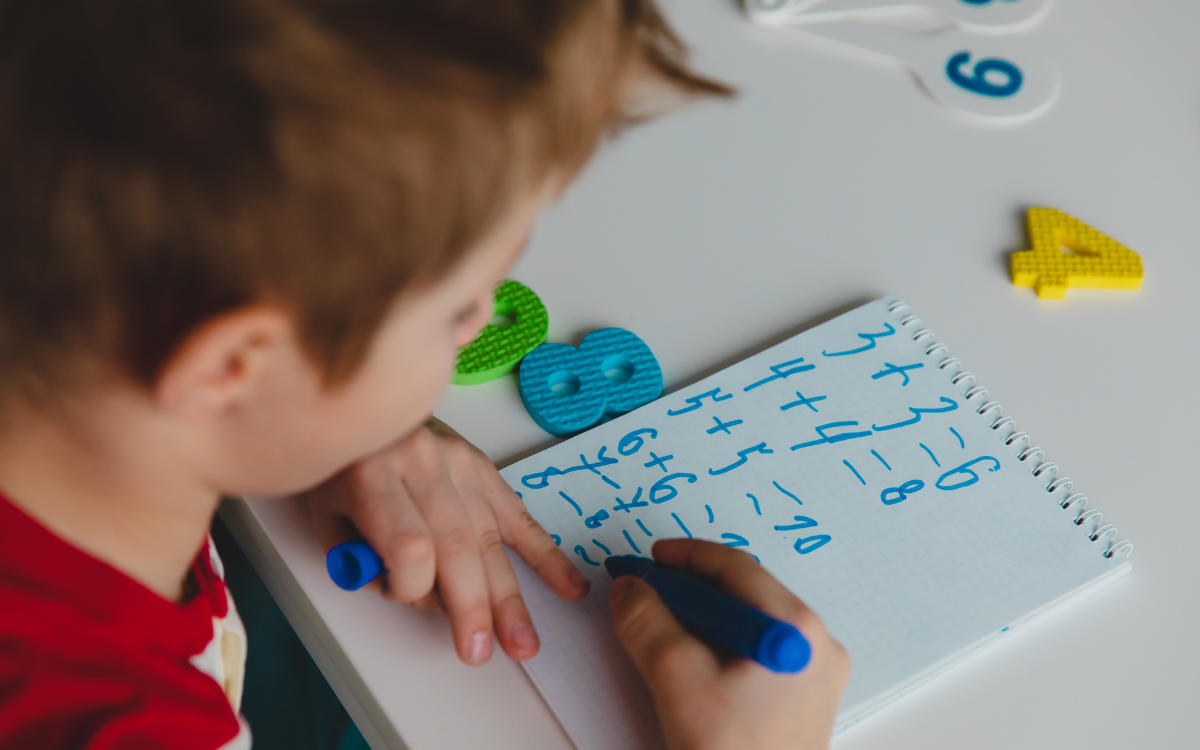
Um dos mais reveladores sinais de discalculia é a dificuldade com o cálculo mental e com cálculos simples. As crianças podem esquecer-se de operações matemáticas, ter dificuldades com as tabuadas ou ficar ansiosas ao resolver problemas com texto.
A ansiedade matemática pode aumentar quando lhes é pedido que resolvam o mesmo problema matemático várias vezes, mas continuam sem se lembrar dos passos. Estas dificuldades coexistem frequentemente com défices de memória de trabalho, tornando mais difícil reter e aplicar os conceitos matemáticos básicos.
Como resultado, as crianças podem sentir-se envergonhadas, especialmente se se sentirem perdidas com facilidade na aula ou se não conseguirem acompanhar o professor ou os colegas.
Quando um distúrbio de aprendizagem afeta os números
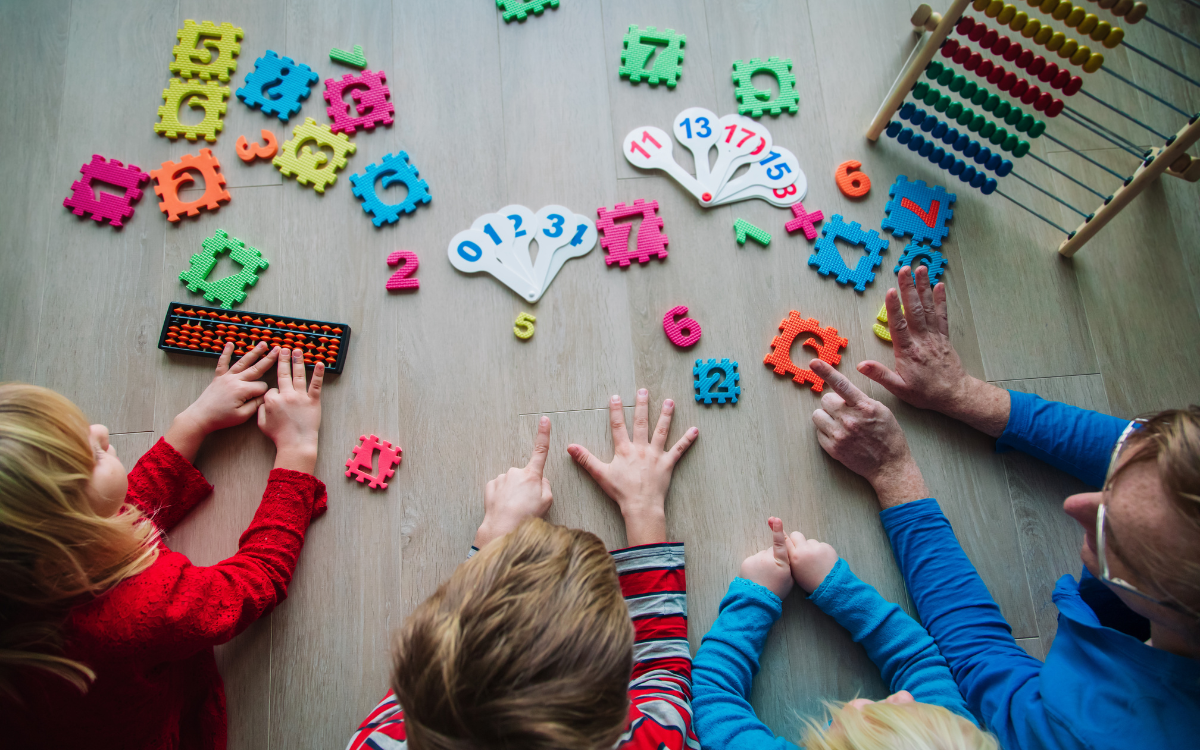
A discalculia é um distúrbio de aprendizagem que afeta especificamente a capacidade da criança de compreender os números, o que a torna um tipo distinto de dificuldade de aprendizagem em matemática.
Ao contrário das dificuldades gerais com a matemática, a discalculia afeta a forma como o cérebro interpreta os símbolos matemáticos, processa os factos matemáticos e lida com os cálculos matemáticos. As crianças com esta condição têm frequentemente dificuldade em acompanhar os passos de um problema matemático, mesmo que se trate do mesmo problema que já tenham visto anteriormente.
Este desafio não está relacionado com o esforço ou a inteligência — tem origem na estrutura cerebral, afetando a capacidade de uma pessoa para processar tarefas numéricas de forma eficaz.
Como se diagnostica a discalculia
O diagnóstico da discalculia implica a colaboração entre um profissional de saúde, o professor da criança e especialistas em aprendizagem. Para confirmar a discalculia, as avaliações analisam as competências matemáticas, a memória de trabalho e a capacidade de resolver cálculos simples e problemas verbais.
Os profissionais também analisam os sintomas físicos, os problemas de saúde mental e quaisquer condições associadas, como a dislexia ou o TDAH. Os pais desempenham um papel fundamental ao partilharem as suas observações sobre sintomas comuns, tais como dificuldades com as tabuadas, números de telefone ou a gestão do dinheiro.
As avaliações formais ajudam a distinguir a discalculia da ansiedade geral em relação à matemática ou de lacunas na instrução, permitindo o desenvolvimento de programas de aprendizagem especializados que respondam às necessidades específicas da criança.
Dificuldades nas competências matemáticas e no sentido numérico

Uma questão central na discalculia é a falta de sentido numérico — a compreensão intuitiva dos números e das quantidades. Muitas crianças apresentam dificuldades com operações matemáticas básicas, como as tabuadas, ou têm dificuldade em recorrer ao raciocínio matemático ao resolver um problema de matemática.
Podem ter dificuldade em reconhecer padrões, compreender conceitos matemáticos ou relacionar números com contextos da vida real, como o dinheiro ou o tempo. Devido a deficiências na memória de trabalho e na atenção, até mesmo cálculos simples podem ser confusos.
Os especialistas em aprendizagem recorrem frequentemente a recursos visuais e à repetição para ajudar as crianças a reforçar estas competências matemáticas essenciais ao longo do tempo.
Como identificar os sintomas da discalculia em crianças em idade escolar
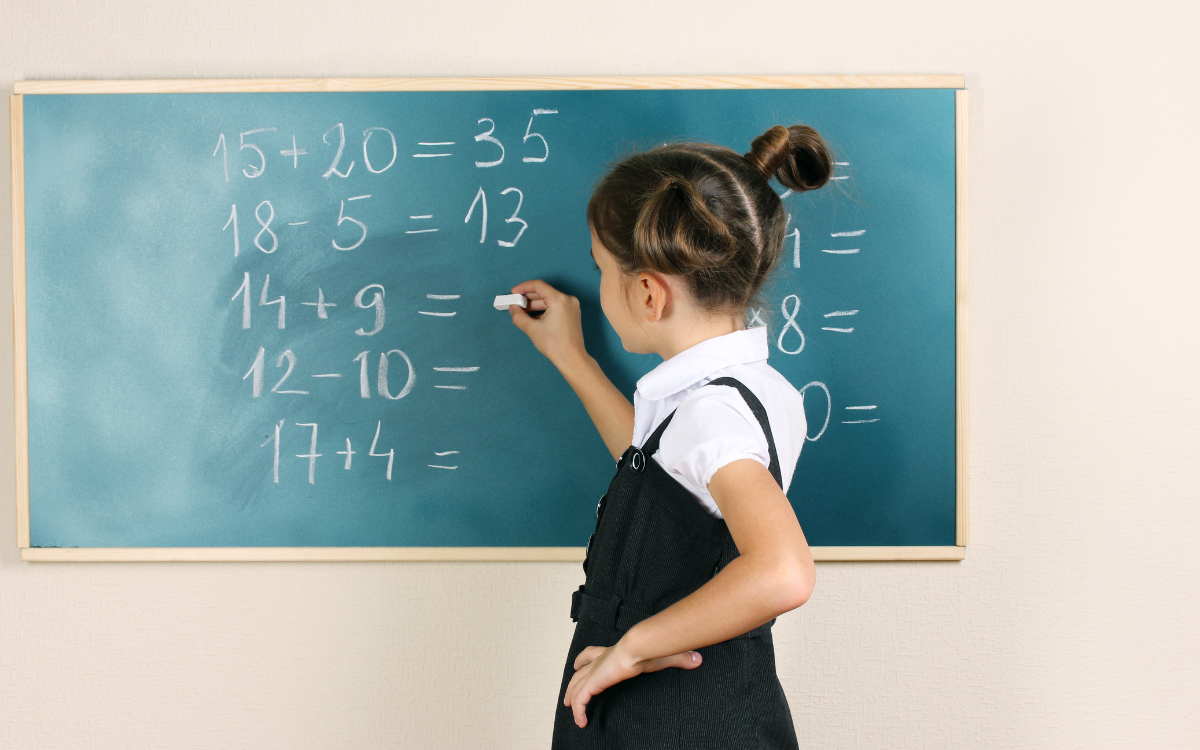
Em muitas crianças em idade escolar, os sintomas da discalculia surgem logo no início, à medida que começam a aprender matemática. Os sintomas mais comuns incluem perder-se facilmente ao contar, confundir símbolos matemáticos e evitar tarefas relacionadas com a matemática.
As crianças podem não conseguir memorizar operações matemáticas, ter dificuldades com as tabuadas ou esquecer-se de como resolver o mesmo problema matemático repetidamente. Estas dificuldades levam frequentemente as crianças a sentirem-se envergonhadas ou a lutarem sozinhas com o problema.
É importante que os pais, professores e especialistas em aprendizagem reconheçam estes sinais de alerta numa fase precoce, uma vez que a intervenção precoce pode melhorar significativamente a capacidade de cada criança de ter sucesso a nível académico e emocional.
O que é a discalculia adquirida?
Ao contrário da discalculia do desenvolvimento, que surge na infância, a discalculia adquirida resulta de uma lesão cerebral ou de um traumatismo que afeta as áreas responsáveis pelo processamento numérico.
Esta forma de dificuldade de aprendizagem pode surgir em qualquer idade e, muitas vezes, leva a dificuldades repentinas com cálculos matemáticos, contagem e resolução de problemas matemáticos que antes eram fáceis de resolver. As pessoas com discalculia causada por lesão também podem ter dificuldades com o cálculo mental ou com a interpretação de símbolos matemáticos.
Compreender estes fatores determinantes é essencial para a elaboração de programas de aprendizagem e reabilitação especializados estratégias que se centram na recuperação das competências matemáticas perdidas.
Sintomas comuns a que os pais e os professores devem estar atentos
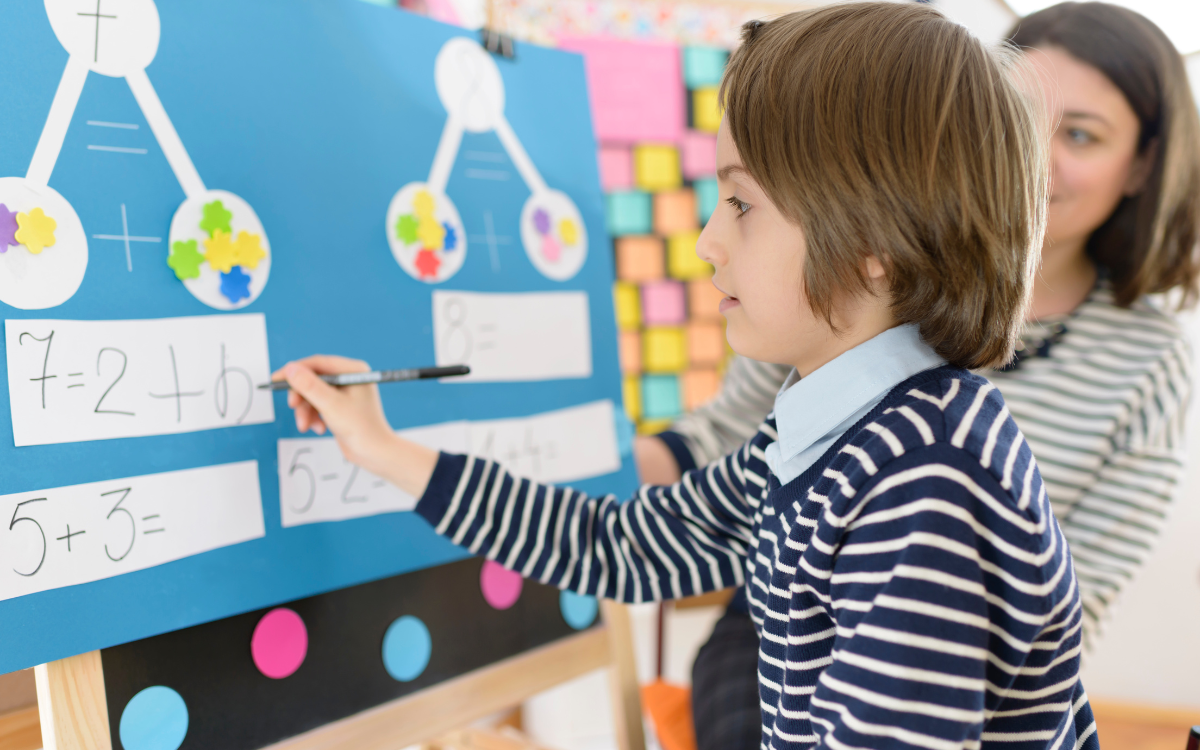
Os pais e os professores são, normalmente, os primeiros a perceber os sintomas comuns da discalculia. As crianças podem confundir números de telefone, interpretar mal símbolos matemáticos ou não conseguir memorizar as tabuadas.
Outros podem ficar facilmente confusos ao resolver um problema matemático ou demonstrar uma ansiedade intensa em relação à matemática antes de um teste. Alguns têm dificuldade em reconhecer padrões ou em aplicar noções matemáticas básicas na vida quotidiana, como usar dinheiro ou ler as horas no relógio.
Estes sinais de alerta indicam frequentemente mais do que uma dificuldade geral de aprendizagem — sugerem um distúrbio específico de aprendizagem que requer avaliação e apoio por parte de especialistas em aprendizagem e de um profissional de saúde qualificado.
Como os especialistas em aprendizagem apoiam as crianças com discalculia
Os especialistas em aprendizagem desempenham um papel fundamental no apoio às crianças com dificuldades de aprendizagem em matemática. Avaliam a memória de trabalho da criança, o seu raciocínio matemático e a sua fluência nos cálculos matemáticos, a fim de desenvolver intervenções específicas.
Estes programas incluem frequentemente programas de aprendizagem especializados que recorrem a recursos visuais, exemplos da vida real e repetição para reforçar as competências matemáticas. Também ensinam estratégias para resolver problemas verbais e lidar com a ansiedade matemática, ajudando a criança a ganhar confiança.
Trabalhando em estreita colaboração com o professor e os pais da criança, os especialistas garantem que os métodos de ensino sejam coerentes tanto na escola como em casa, de modo a reforçar o progresso e a incentivar o sucesso.
Condições relacionadas e dificuldades que se sobrepõem

A discalculia sobrepõe-se frequentemente a outras condições relacionadas, tais como a dislexia, o TDAH e problemas de saúde mental, como a ansiedade ou a depressão. Estes desafios adicionais podem afetar ainda mais a capacidade de uma pessoa de se concentrar, reter informação e realizar tarefas académicas.
Por exemplo, uma criança que sofra tanto de dislexia como de discalculia pode ter dificuldades tanto na leitura como na matemática, o que agrava as suas dificuldades de aprendizagem. Os repetidos insucessos podem também dar origem a problemas de saúde mental, levando as crianças a sentirem-se envergonhadas ou inadequadas.
Reconhecer estas ligações é fundamental para proporcionar um apoio holístico que responda tanto às necessidades cognitivas como às emocionais das pessoas com discalculia.
Por que é que as pessoas com discalculia se sentem envergonhadas
Muitas pessoas com discalculia, especialmente crianças em idade escolar, sentem-se envergonhadas quando não conseguem acompanhar tarefas matemáticas que parecem simples para os outros. A dificuldade em memorizar operações matemáticas, a confusão com símbolos matemáticos ou o facto de demorarem mais tempo a resolver problemas matemáticos podem causar vergonha ou frustração.
Este impacto emocional pode prejudicar a autoestima da criança, aumentando a ansiedade em relação à matemática e os comportamentos de evitação. Quando os colegas avançam na matemática, as crianças com discalculia podem retrair-se, acreditando que não têm capacidade para tal.
Com o apoio e a compreensão adequados, as crianças podem recuperar a confiança e perceber que a sua dificuldade de aprendizagem não as define.
Conclusão: A importância do reconhecimento precoce

O reconhecimento precoce dos sintomas da discalculia é fundamental para mitigar os desafios académicos e emocionais a longo prazo. Quando são identificados sinais como dificuldade em realizar cálculos simples, fraco sentido numérico ou erros repetidos em problemas matemáticos, os pais e os educadores podem tomar medidas.
O diagnóstico precoce por parte de um profissional de saúde e o acompanhamento de especialistas em aprendizagem permitem que as crianças tenham acesso a programas de aprendizagem especializados, adaptados às suas necessidades. Com um apoio consistente, as crianças podem melhorar as suas competências matemáticas, ganhar confiança e prosperar, apesar desta condição que as acompanhará ao longo da vida.
Uma intervenção proativa pode transformar a relação de uma criança com a matemática e revelar o seu potencial.
Apelo à ação: Obtenha o apoio adequado da Magrid
Se o seu filho apresentar sinais de discalculia ou tiver dificuldades com a aprendizagem da matemática, o Magrid pode ajudar.
A nossa plataforma não verbal e rica em elementos visuais foi concebida para crianças em idade escolar que enfrentam dificuldades de aprendizagem em matemática. A abordagem da Magrid desenvolve o sentido numérico, reduz a ansiedade face à matemática e reforça o raciocínio matemático através de tarefas intuitivas e recursos visuais.
Ajude o seu filho a aprender matemática com confiança — explore Magrid’s ferramentas e dar-lhes o apoio adequado já hoje.
Recursos para aprofundamento
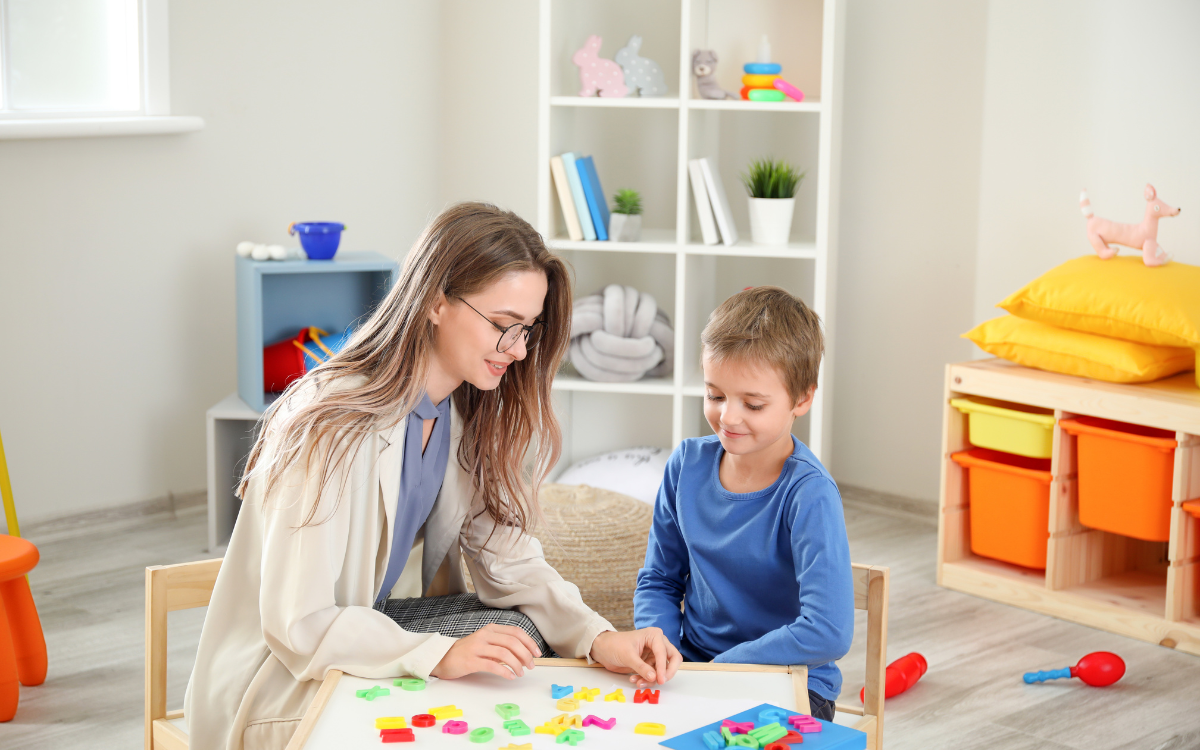
Para aprofundar os seus conhecimentos sobre a discalculia e os desafios que lhe estão associados, consulte estes recursos aprovados por especialistas:
- Livros: O Conjunto de Ferramentas para a Discalculia por Ronit Bird
- Sites: Understood.org, Dyscalculia.org, NumberDyslexia.com
- Artigos: “Como ajudar crianças com dificuldades de aprendizagem em matemática” na Edutopia
- Ferramentas: a plataforma online da Magrid para o desenvolvimento precoce da matemática
Estas ferramentas podem ajudar os educadores e os pais a apoiar de forma mais eficaz as crianças com dificuldades em matemática.
Understanding The Effects of Screen Time on Children
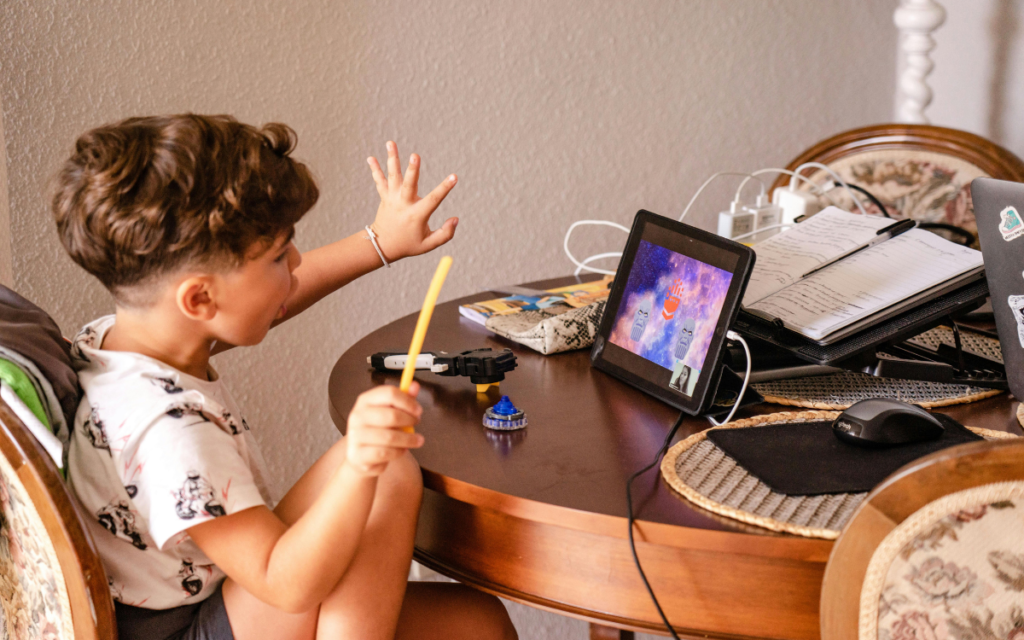
Today’s children are growing up in a digital world filled with media devices, from smartphones and tablets to TVs and computers. While these tools offer convenience and educational benefits, their widespread use raises concerns about the effects of screen time on children. With increasing access to digital technology, even children younger than two are exposed to screens daily, often during formative moments of early childhood development.
In this environment, understanding how screen use influences child development has become essential. Children now spend more than four hours a day engaged with screens, often without parental controls or structured routines. This prolonged exposure can impact everything from language development to mental health, making it critical for parents and caregivers to set boundaries.
Balancing the benefits of video chatting, educational apps, and entertainment with risks like sleep problems, behavioral and emotional problems, and reduced face to face interaction is not easy. Yet it’s necessary for protecting children’s well being. By learning what the research says and how to guide screen media habits, families can navigate this complex terrain and help young people grow in ways that support both digital fluency and real life skills.
The Effects of Screen Time on Children: An Overview
The effects of screen time on children are broad and multi-dimensional, influencing emotional, cognitive, social, and physical growth. While some screen media may offer educational content, excessive screen time—especially when unmonitored—can lead to challenges in language skills, motor skills, and overall child development.
Research highlights that screen exposure affects not just what children learn, but how they learn. Young children learn best through interactive, hands-on experiences, yet screen time often replaces play, conversation, and exploration. This shift can delay language development, hinder self regulation skills, and reduce social and language skills critical in early life.
Moreover, the impact extends into mental health, with studies linking high screen use to anxiety, mood swings, and attention difficulties. Whether it’s watching TV passively, playing games endlessly, or navigating constant notifications, these interactions can disrupt sleep, elevate stress, and impair working memory.
Even background stimuli like background TV or ambient noise from mobile media can affect focus and interpersonal bonding. To support healthy habits, families must consider not only the amount of time spent on screens but also the content, context, and quality of engagement. Early awareness and structured routines can significantly reduce risk and support more balanced development.
The Consequences of Excessive Screen Time
Excessive screen time is increasingly common in homes, schools, and public spaces, raising concern among pediatric experts and educators. Children who spend more than four hours daily on screens may show signs of behavioral problems, sleep disruptions, and increased irritability. As screen exposure grows, its effects ripple across multiple areas of child development.
Physically, high screen use can lead to reduced physical activity, contributing to weight gain and poor motor coordination. Cognitively, excessive screen engagement—particularly when content is fast-paced or overstimulating—can diminish attention spans and lower cognitive development benchmarks in both preschool aged children and older children.
Emotionally, children who rely heavily on screens for stimulation may struggle with emotional understanding and self regulation skills. Constant digital input reduces opportunities for face to face interaction, limiting time spent developing empathy and reading social cues. These challenges often continue into adolescence, affecting academic performance and peer relationships.
Notably, background television and mobile devices used passively or during family meals further displace meaningful interaction. Without limits, even video chatting can contribute to fragmented routines. Recognizing these risks allows caregivers to limit screen time, prioritize real life experiences, and promote healthy screen habits that foster long-term well being.
How Excessive Screen Use Shapes Early Development
Excessive screen exposure during early years can interfere with critical milestones in early childhood development. During this formative stage, young children build foundational language skills, motor coordination, and social skills through hands-on play, conversation, and movement. But with digital devices becoming ever-present, many preschool children are spending less time engaging in these essential experiences.
Research shows that early screen exposure—even passive forms like background TV—can disrupt play patterns and delay early language acquisition. Because young children learn best through physical exploration and responsive interaction, replacing these with screens can lead to developmental gaps, including reduced vocabulary and limited problem-solving skills.
Overuse of screen media has also been linked to weakened working memory and a decline in spontaneous play, both vital for cognitive flexibility and imagination. Children who rely on screens too early may also show delays in self regulation skills and emotional understanding, leading to increased frustration and emotional problems later in life.
To support balanced child development, parents must monitor screen viewing, encourage real life interaction, and use screens purposefully—choosing content that fosters engagement and ensuring it does not replace human connection, movement, or creative play.
The Link Between Screen Time and Mental Health

One of the more concerning effects of screen time on children is its impact on mental health. Studies have found that children and adolescents who engage in excessive screen time are more likely to experience anxiety, depression, and symptoms of attention disorders. As screen use increases, the risks to emotional well being grow.
Excessive screen exposure—especially through mobile devices and screen media—can overstimulate the nervous system, disrupt sleep, and decrease opportunities for meaningful face to face interaction. This can lead to social withdrawal, mood swings, and reduced resilience in handling stress.
For younger children, who are still developing emotional understanding and coping mechanisms, overuse of screens can interfere with the development of self regulation skills. Preschool children may become dependent on digital input for comfort, entertainment, or distraction, weakening their ability to manage emotions independently.
While not the sole cause of mental health challenges, screens often displace activities that support psychological health—like physical activity, outdoor time, and play. Parental involvement and consistent routines can buffer these risks. By helping young people balance screen engagement with offline experiences, parents play a critical role in supporting emotional development and mental resilience in a digital world.
Screen Time and Emotional Problems in Children
The rise in emotional problems among children and adolescents has been linked in part to elevated screen time levels. When children spend extended periods on digital devices, they often engage less in interpersonal exchanges that build emotional understanding. This lack of face to face interaction may lead to reduced empathy and poor emotional regulation.
Excessive screen time has also been associated with increased frustration, low tolerance for boredom, and difficulty calming down—especially in younger children. When screens are used as a default tool for soothing, children may miss out on learning to manage emotions through natural, real-world processes.
In particular, preschool children exposed to screen media early in life may develop signs of behavioral and emotional problems later on. They may become more reactive, less cooperative, and more reliant on screens for stimulation or comfort.
A balanced routine that includes ample play, conversation, and other children is crucial for healthy emotional growth. Reducing screen exposure, maintaining strong family interaction, and modeling calm behavior during stress can all help mitigate these risks. Creating emotional balance begins not only with limiting screen time, but with promoting strong emotional habits offline.
Why Parental Controls Are Not Enough
Parental controls offer helpful boundaries around screen use, but they are not enough on their own to prevent the effects of screen time on children. Filters, timers, and content blockers help restrict access to inappropriate material, but they don’t address overuse or guide healthy behavior.
Children spending long hours on media devices can still experience reduced language skills, sleep problems, and difficulty focusing, even if their content is “safe.” Moreover, overreliance on digital tools without human context may still affect early childhood development and emotional problems.
To truly support healthy screen habits, parents need to stay engaged—watching content together, discussing it, and helping kids reflect on their media choices. Screens should be used as a tool, not a replacement for conversation, family meals, or physical activity.
Effective guidance also involves teaching kids about time management, setting screen time expectations, and promoting real life alternatives. By combining parental controls with active involvement, parents create a more balanced digital environment that nurtures learning and emotional strength.
Preschool Children and Early Screen Exposure
Preschool children are especially sensitive to the effects of screen time on children due to the rapid brain growth that occurs during this period. Unfortunately, many preschool aged children are exposed to screen media before the age of two—a critical time for early language acquisition, social interaction, and sensorimotor development.
Early screen exposure—whether through watching TV, playing games, or mobile media—can displace hands-on exploration and limit opportunities for active learning. Young children learn best by touching, moving, and engaging with their environment and caregivers, not passively absorbing screen content.
Research links excessive screen time at a young age with increased risk for language delay, behavioral problems, and reduced motor skills. Even seemingly harmless habits, like leaving background TV on during playtime, have been shown to interfere with concentration and parent-child communication.
While educational programs and video chatting have their place, they should be used sparingly and intentionally. Parents should focus on building routines that support conversation, reading, and physical exploration. Limiting screen exposure during these early years sets the foundation for lifelong learning, strong social and language skills, and overall well being.
Language Skills and Digital Disruption
The development of language skills in early years relies heavily on face to face interaction, back-and-forth conversation, and responsive feedback. When these are replaced by screen media, particularly in preschool children, children may miss key opportunities to build vocabulary, practice pronunciation, and develop comprehension.
Early screen exposure has been consistently linked to language delay. In environments where background television or mobile media is frequently present, even young children who are not actively engaged with the content experience reduced communication from family members. This “silent” environment can limit a child’s verbal development, making it harder for them to process and use spoken language.
Though some digital programs are designed to teach language skills, these cannot replicate the depth of real life interaction. For children younger than two, even educational apps should be used only in conjunction with adult engagement, such as co-viewing and discussion.
To support early language development, families should prioritize conversation-rich activities, storytelling, and songs. Limiting passive screen viewing and increasing social interaction—especially with peers and adults—can significantly improve outcomes. In short, developing strong language skills in a digital world requires more than just selecting good content; it demands time, attention, and human connection.
The Role of Screen Media in Development
Screen media—including TV exposure, video games, and mobile devices—plays a growing role in shaping how young people learn, play, and interact. While educational content can enhance certain skills, overuse or poor-quality programming may undermine key areas of child development.
Children immersed in passive screen activities may struggle to transfer knowledge into real-world contexts. For instance, watching TV might expose a child to new vocabulary, but without practicing it through conversation or play, the benefit is minimal. Interactive screen media, like playing games, can stimulate hand-eye coordination, but may also encourage impulsivity or limit working memory if overused.
Additionally, reliance on screens for entertainment can displace physical activity, imaginative play, and social engagement. These are essential components of balanced early childhood experiences that build emotional intelligence and creativity.
Effective use of screen media requires moderation, supervision, and purposeful content selection. Rather than letting screens replace critical developmental activities, they should complement them—used to enrich, not dominate, a child’s learning environment. By understanding the nuanced impact of media formats, parents can make better choices that support rather than hinder developmental progress.
The Impact of Screen Use on Child Development
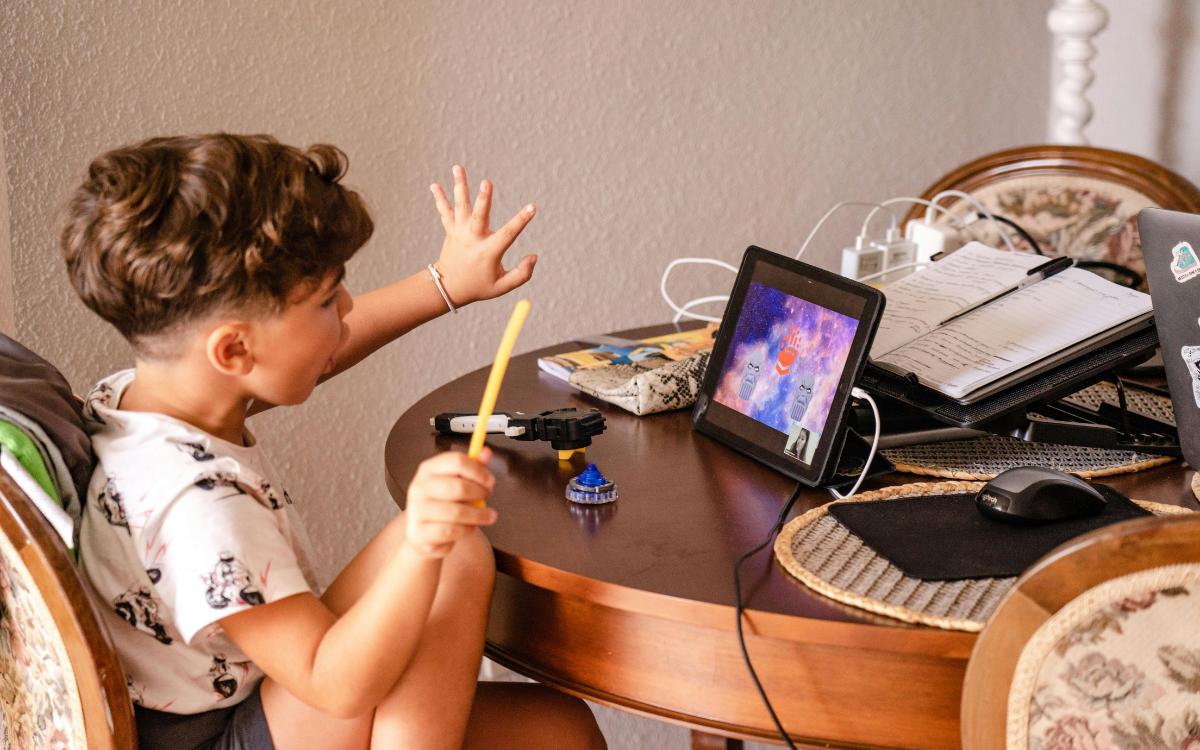
Screen use has become an integral part of children’s daily lives, but its impact on child development is mixed—and often concerning. Prolonged engagement with digital devices can interfere with physical, cognitive, and emotional growth.
From a physical standpoint, excessive screen time limits motor skills development by reducing time spent on movement-based play. As children spending hours with screens become more sedentary, they may experience delays in coordination and gross motor abilities.
Cognitively, screen exposure—particularly in fast-paced or highly stimulating formats—can weaken working memory and reduce the brain’s ability to focus and retain information. In younger children, this may show up as difficulty transitioning between tasks or following multi-step directions.
Emotionally, screens may impede self regulation skills by replacing opportunities for real-world challenges and problem-solving. Children who use screens to avoid boredom or distress may not build resilience or independent coping strategies.
Even social growth is at stake. When children substitute screen media for face to face interaction, they may develop fewer social skills, such as reading body language or interpreting tone. Supporting healthy child development means striking a balance: ensuring screen use enhances—not replaces—hands-on learning, real-world play, and meaningful relationships.
Early Childhood in a Screen-Saturated Environment
Early childhood is a sensitive period where experiences shape the brain’s architecture. Yet today’s children are often immersed in a screen-saturated environment, where background television, mobile devices, and constant screen exposure dominate daily life.
Even passive screen use, such as having the TV on during meals or playtime, can interfere with parent-child interaction. Studies show that background TV reduces the quality and quantity of verbal exchanges between family members and children, impacting early language development and social learning.
As children younger than five become increasingly comfortable with tapping, swiping, and watching, they may also become less engaged in activities that foster creativity and motor development. Time that could be spent in physical activity, imaginative play, or bonding is instead replaced by digital consumption.
While it’s unrealistic to eliminate screens entirely, families can make intentional choices to reduce passive exposure and prioritize healthy habits. This includes device-free zones, tech-free meals, and shared reading or playtime.
Creating mindful routines in early childhood ensures that screen media remains a tool—not a default. By balancing technology with human interaction and play, parents support long-term well being and more adaptive development in our digital world.
Family Habits and the Digital World
Family routines play a crucial role in shaping children’s relationship with screen media. In the digital world, children often model the screen use habits of their family members, which is why consistent, mindful routines are key.
Parenting style significantly influences how children manage screen time. Permissive or inconsistent approaches can lead to excessive screen exposure, while structured households that promote balance tend to support better outcomes. Practices like having regular family meals without background television or scheduling screen-free time create boundaries that encourage real life interaction.
Even seemingly small habits—like keeping mobile devices off during playtime—reinforce the value of presence and connection. These choices reduce passive screen exposure and promote engagement between parents and children.
As young children grow, they benefit from routines that include conversation, physical play, and offline bonding. By creating an environment where screen use is intentional and limited, families not only reduce the risks of behavioral problems, but also help children develop better self regulation skills and stronger emotional bonds within the household.
How Screens Influence Emotional Understanding
Emotional understanding is a key component of social development, and it’s built through real interactions—not screens. When children spending too much time with digital media miss out on live communication, they lose important chances to learn empathy, read facial expressions, and navigate emotional cues.
Face to face interaction helps children practice recognizing emotions in others and expressing their own feelings. Replacing this with screen time—especially excessive screen exposure—can delay emotional growth. In preschool children, this might look like trouble sharing, frustration with peers, or difficulty managing conflict.
Studies show that high screen use reduces time spent on imaginative play, storytelling, and turn-taking—all of which support emotional understanding. These missed opportunities can contribute to behavioral and emotional problems as children mature.
To support emotional development, parents should prioritize human connection. Sharing books, talking about feelings, and encouraging group play can strengthen these skills. While video chatting with family members can offer some benefits, nothing replaces the depth of emotional learning gained through real life relationships and direct interaction.
Promoting Health in a Digital Era
In a screen-saturated society, promoting health among children and adolescents means creating balance between technology and real-world experiences. Excessive screen time has been linked to reduced physical activity, sleep problems, and increased risk of mental health and behavioral problems.
Establishing healthy habits early is key. Encourage physical activity daily, limit screen time to age-appropriate guidelines, and build predictable routines that support sleep and nutrition. Avoid screen use during meals and near bedtime to improve well being and cognitive function.
Using parental controls is helpful, but promoting health also requires teaching kids why boundaries matter. Discuss the importance of real life experiences like playing outside, joining activities, and spending time with family members. Replace passive screen viewing with reading, building, or imaginative play—especially for young children.
Families can create device-free zones in the home and encourage shared screen use for educational content. Over time, these patterns reinforce better habits that benefit emotional, social, and physical health.
Promoting balance—not restriction—ensures that screen media supports growth rather than hindering it. In a digital world, this thoughtful approach empowers children to thrive while maintaining strong connections and healthy routines.
Research Findings: What the Data Tells Us

A growing body of research highlights the effects of screen time on children, particularly when it exceeds two or more hours per day. According to studies published in Paediatr Child Health and supported by systematic review and meta analysis, excessive screen time is associated with higher rates of obesity, sleep disturbance, language delay, and poor cognitive development.
In younger children, early screen exposure correlates with decreased language skills, reduced attention span, and delays in self regulation skills. In older age groups, studies link prolonged screen viewing to lower academic achievement and increased risk of anxiety and depression.
Research also finds that not all screen use is equal. Passive TV exposure and background noise tend to have more negative impacts than co-viewed educational programs or interactive learning tools. This reinforces the importance of content quality and parental involvement.
Across the board, researchers agree that screen time should be balanced with physical activity, in-person interaction, and adequate sleep. The goal is not to eliminate screens but to use them intentionally.
These findings provide clear guidance for parents, educators, and healthcare providers. By applying evidence-based strategies, we can help children and adolescents engage with digital technology in ways that promote learning, health, and emotional well-being.
Teaching Children Healthy Screen Habits
To reduce the effects of screen time on children, it’s essential to teach children how to manage their screen use in age-appropriate ways. From a young age, kids benefit from clear expectations, consistent routines, and conversations about how screens affect their well being.
Start by modeling healthy screen habits—take breaks, engage in real life activities, and avoid using digital devices during family time. Encourage children to reflect on their feelings after screen use: Are they tired, agitated, or relaxed? These insights help build self regulation skills and awareness.
Use visuals like charts or timers to help young children understand time limits. Designate tech-free times each day for play, reading, or conversation. For older children, involve them in decisions about when and how to use screens, helping them feel responsible and in control.
It’s also helpful to differentiate between necessary and non-educational screen time. Use parental controls where needed, but focus more on teaching judgment than enforcing restrictions.
When children and adolescents learn to balance screen engagement with physical activity, creativity, and connection, they’re more likely to grow into tech-savvy individuals with strong social and emotional grounding—ready to thrive in the digital world without being dominated by it.
Conclusion: Making Screen Time Work for Children
In today’s digital world, understanding the effects of screen time on children is more important than ever. While digital technology can support learning, excessive screen time—especially during early childhood—can negatively affect language development, mental health, and overall child development.
Rather than viewing screens as inherently harmful, families and educators can embrace mindful use. This means limiting passive exposure, avoiding background TV, and prioritizing face to face interaction, sleep, and physical activity. Tools like parental controls and consistent routines help, but long-term impact comes from intention and quality of use.
That’s why Magrid was designed with purpose. Our platform offers brief, research-aligned sessions—just 15 minutes a day—allowing children to benefit from structured learning without excessive screen exposure. It supports cognitive growth, tracks progress, and complements healthy developmental routines.
By combining scientific guidance with thoughtful tools, families can make screen time work for—not against—children’s growth. In doing so, we promote the well being of young minds while preparing them for a future where digital literacy and human connection go hand in hand.
Managing Recommended Screen Time for Children Daily

In today’s connected world, screens are part of nearly every aspect of daily life—from schoolwork to entertainment. While technology offers valuable tools, it also presents challenges for parents trying to manage screen time. Establishing daily routines that include healthy screen use is essential for promoting children’s health, learning, and social development.
When kids spend hours a day on electronic devices, it can interfere with physical activity, sleep, and real-life interactions. The key is not eliminating screens entirely, but creating balanced habits that align with the recommended screen time for children. Tools like parental controls and household rules can help families stay consistent.
Understanding how much time is appropriate based on age, activity, and content is crucial. With guidance from organizations like the American Academy of Pediatrics, families can make informed decisions to support their child’s screen time and encourage more time spent on outdoor play, creative thinking, and other activities.
Understanding Recommended Screen Time for Children
Knowing the recommended screen time for children helps parents guide everyday choices around media use. The American Academy of Pediatrics (AAP) suggests that children younger than 18 months avoid screens entirely—except for video chatting. For toddlers aged 18–24 months, screen use should be limited and supervised.
For older children (ages 2 to 5), the AAP recommends no more than one hour of high-quality programming per day. For children and adolescents over age 6, screen time should be balanced with physical activity, sleep, and other essential behaviors. These guidelines are echoed by Common Sense Media, which also stresses the importance of family involvement in digital habits.
While some screen use is educational, non-educational screen time should be closely monitored. Excessive exposure, especially to background TV or passive content, has been linked to poor language skills and reduced attention spans. Understanding these limits helps parents and caregivers promote healthy screen habits and prioritize well being in a digital age.
What Counts as Screen Time?
Before setting limits, it’s important to understand what qualifies as screen time. It includes any activity involving electronic devices such as TVs, computers, tablets, smartphones, or gaming consoles. Activities like watching TV, playing video games, video chatting, or browsing the internet all count toward a child’s screen time.
Even seemingly passive exposure—like having the TV on in the background—contributes to daily screen time. Experts encourage families to eliminate background TV when it’s not being watched, as it can distract from conversations, play, and learning.
While not all screen activities have the same impact, especially when comparing educational programs to pure entertainment, parents should still monitor the total time spent on screens. Whether it’s homework or recreation, managing screen use helps prevent too much screen time, supports children’s health, and allows for more time in real life experiences like reading, playing, and interacting with others.
Why Screen Time Needs Limits
Setting limits on screen time helps protect a child’s well being and supports healthy brain development. When kids spend hours a day on screens, it can interfere with sleep, physical activity, and emotional regulation. This is why experts urge parents to limit screen time across all age groups.
Too much screen time has been associated with attention problems, weight gain, and reduced social skills. The Centers for Disease Control and Prevention and the American Academy of Pediatrics recommend creating structured plans to reduce reliance on screens and encourage other activities.
Simple steps—like turning off screens during meals, avoiding screen use in the child’s bedroom, and planning outdoor play—can make a big difference. It’s also helpful to use parental controls and schedule consistent tech-free times throughout the day. Ultimately, children need balance to grow, connect, and thrive both online and offline.
Children Younger Than Two: Special Considerations

For children younger than two, minimizing screen time is especially important. The American Academy of Pediatrics advises against any screen exposure for infants under 18 months, except for supervised video chatting. At this age, the brain is rapidly developing and needs interaction, not passive content.
Background TV, even when not directly watched, can affect a baby’s attention and reduce meaningful parent-child interaction. This can have consequences for child language skills and social skills later in life.
Instead of screens, young children benefit from unstructured playtime, face-to-face communication, and tactile learning. These activities support real life development in ways that digital media cannot replicate. Parents and caregivers should focus on enriching routines and avoid using screens as a substitute for bonding, exploration, or soothing. Limiting screen exposure at this critical stage supports healthy brain development and builds stronger foundations for learning.
How Much Screen Time Is Too Much?
Understanding how much screen time is appropriate depends on a child’s age group and individual needs. For toddlers and young children, even one or two hours a day may interfere with crucial learning experiences. For older children and teens, more flexibility exists, but balance remains essential.
When a child’s screen use displaces physical activity, sleep, or outdoor play, it likely qualifies as too much screen time. The same applies when screen time causes behavioral shifts, such as irritability or withdrawal.
Research from adolescent psychiatry and child health organizations emphasizes the importance of moderation. Experts recommend keeping recreational screen time within daily limits while preserving time for other activities. By monitoring how screens affect a child’s well being and daily function, parents can better determine whether limits need adjustment. Ultimately, screen time limits should reflect both expert guidelines and the child’s real-world responses.
Managing Kids Screen Time Across the Day
Kids screen time can add up quickly across typical daily routines. From watching morning cartoons to using tablets for homework and ending the day watching TV, hours of exposure can accumulate without parents realizing it.
Creating a screen-use schedule helps limit screen time without needing constant enforcement. For example, avoid screens during meals, car rides, or just before bed. Use that time for conversation, reading, or outdoor play.
Involving children in the planning process can increase buy-in. Ask them to help choose other activities they enjoy so screens aren’t the default. Encourage real life experiences that promote interaction, creativity, and physical movement.
Managing daily screen time isn’t about being strict—it’s about helping kids make healthier choices. When screens are used intentionally, with breaks and balance, children’s health improves, and their relationship with media becomes more mindful and positive.
Screen Time by Age Group
Setting screen-time expectations by age group ensures that limits are age-appropriate and developmentally aligned. For infants, the guidance is clear: no screen use, aside from video chatting. For children younger than two, brief, supervised use may be okay, but real-world interaction should remain the focus.
For young children ages 2–5, recommended screen time for children is no more than one hour of quality programming daily. Parents should co-view content to enhance learning and language skills.
For older children (6–12), screen use becomes more varied—video games, educational tools, and entertainment are all common. While flexibility increases, experts still advise limiting recreational screen time to under two hours a day, not including homework.
Teens require even more personalized guidelines. With schoolwork, social media, and downtime all competing for attention, open dialogue and clear expectations become essential. Regardless of age group, balancing screen time with physical activity, sleep, and real life connections supports healthy development. Every family should revisit their media use plans regularly to reflect their child’s age, maturity, and needs.
Specific Guidelines for Older Children
Managing screen time for older children requires a thoughtful approach that respects their growing independence while protecting their well being. At this stage, media use often expands to include video games, social media, and streaming content.
Though these experiences can be engaging and social, excessive screen time may affect sleep, concentration, and social skills. Experts suggest keeping recreational screen time to under two hours a day, excluding homework or school-required use.
To help balance their routine, encourage other activities like hobbies, outdoor play, or creative projects. Keep screens out of the child’s bedroom to reduce nighttime distractions and encourage better sleep.
Parents should regularly review online habits, use parental controls where necessary, and model healthy screen habits themselves. With clear communication and supportive boundaries, older children can learn to self-regulate and develop a positive relationship with technology that supports both learning and leisure.
How Screen Time Affects Children’s Health
Excessive screen time can impact various aspects of children’s health, from physical development to emotional stability. Long hours of sedentary screen use may contribute to poor posture, weight gain, and reduced physical activity, all of which affect long-term well being.
Moreover, too much screen time has been linked to decreased sleep quality, especially when screens are used close to bedtime. Blue light exposure can delay melatonin production and interrupt natural sleep cycles.
Mental health concerns also arise, with some studies showing increased rates of anxiety, attention problems, and lower self-esteem linked to high daily screen time. Additionally, overuse of electronic devices can reduce the amount of face-to-face interaction, impacting social skills and emotional development.
To protect children’s health, parents are encouraged to create structured schedules, use parental controls, and promote alternatives like unstructured playtime and outdoor play. Healthy boundaries around media use can significantly improve both physical and emotional outcomes for growing children.
The Role of Screen Time in Better Sleep

Screen use—especially in the evening—can disrupt a child’s ability to get better sleep. Exposure to the blue light from electronic devices suppresses melatonin, the hormone that regulates sleep cycles. This delay in falling asleep can lead to fatigue, irritability, and trouble focusing the next day.
Experts recommend limiting screen time at least an hour before bed, particularly for kids who already struggle with rest. Removing screens from the child’s bedroom is one of the most effective steps toward improving sleep hygiene.
Instead of watching TV or scrolling before bed, encourage calming other activities such as reading or quiet play. Maintaining consistent bedtimes and limiting recreational screen time in the evening supports more restful sleep.
Healthy sleep is essential to children’s health, brain development, and emotional balance. By creating a tech-free bedtime routine, parents can set their kids up for deeper rest and more productive, focused days.
Screen Time and Its Health Effects
The long-term health effects of excessive screen time are becoming clearer through ongoing studies and meta analysis. High daily screen time has been linked to an increased risk of obesity, delayed child language skills, and diminished physical activity. These factors collectively contribute to poor children’s health outcomes.
Beyond the physical, emotional and behavioral concerns are also prevalent. Kids who spend more time on screens often report mood swings, lower attention spans, and difficulty handling frustration—all of which may impact academic and social success.
The Centers for Disease Control and Prevention and the American Academy of Pediatrics emphasize the need for families to monitor and manage media use closely. Building healthy screen habits early in life is key to avoiding harmful patterns that can persist into adolescence and adulthood.
Using tools like screen time limits, media plans, and tech-free zones, families can ensure that screens remain a tool—not a health risk—for their children’s daily lives.
Red Flags: When Screen Time Becomes a Concern
While screens are part of everyday life, certain signs may suggest screen time is becoming problematic. One red flag is when a child consistently chooses screens over other activities like outdoor play, reading, or family interaction.
Mood changes—such as irritability, restlessness, or tantrums when asked to turn off devices—can also signal excessive screen time. So can a drop in social skills, sleep problems, or reluctance to engage in real-world tasks.
If your child is spending several hours a day on electronic devices, especially non educational screen time, it may be time to reassess your household rules. Keep communication open, observe your child’s habits, and don’t hesitate to reach out to a pediatrician or school counselor if concerns persist.
Recognizing these signs early allows parents to reset routines and establish more balanced daily screen time, ensuring their child’s well being remains a priority.
Strategies to Reduce Screen Time Effectively
To reduce screen time, start by reviewing how much your child uses screens during a typical day. Create a clear schedule that includes designated time for screens and encourages breaks for other activities like chores, outdoor play, and reading.
Designate screen-free zones in the house—especially the child’s bedroom and dining areas. This supports better sleep and strengthens family interaction. Turn off background TV when it’s not being watched to avoid passive exposure.
Use parental controls on electronic devices to block inappropriate content and set timers that automatically limit daily screen time. Most devices allow you to track usage, which can help guide future decisions.
Make it a family effort. Children respond best when parents lead by example. Reduce your own screen use during family time to model healthy screen habits. Instead of focusing on punishment, use praise and encouragement when your child chooses non screen options.
Reducing kids screen time isn’t about removing screens entirely—it’s about creating balance, structure, and meaningful use of time for your child’s well being.
Establishing Daily Screen Time Limits
Setting consistent daily screen time limits gives children structure while still allowing them to enjoy screens in moderation. Begin by aligning your limits with guidelines from experts like the American Academy of Pediatrics. These limits vary by age group but generally suggest under two hours a day of recreational screen time.
Consider a weekly plan that includes device-free hours and active time, like outdoor play or creative projects. Build screen time into routines—for example, a half-hour of TV after homework or 15 minutes of video games after chores.
Use tools like screen timers, visual schedules, or digital apps to help reinforce limits. Involving your child in the process increases cooperation and understanding.
Most importantly, follow through. Enforce rules calmly and consistently, and use clear rules that everyone understands. Consistent screen time limits not only support children’s health but also help kids develop better self-control and habits that benefit their well being into adulthood.
Why Parental Modeling Matters
Children watch and copy the behaviors of those around them. That’s why setting a good example around screen use is essential for encouraging healthy screen habits.
If parents spend their own free time watching TV or checking their phones at meals, children may see this as normal. Instead, show your child how to balance screens with real life activities like conversation, hobbies, or reading.
Set device-free times that apply to the whole family, such as during dinner or before bed. Demonstrate how to take breaks from screens, and engage together in screen-free other activities.
Modeling good behavior is one of the most powerful tools for change. Children are more likely to respect screen time limits when they see adults doing the same. When everyone participates, managing daily screen time becomes a shared, supportive goal that nurtures healthier routines across the entire household.
The Influence of Screens on Language and Social Skills
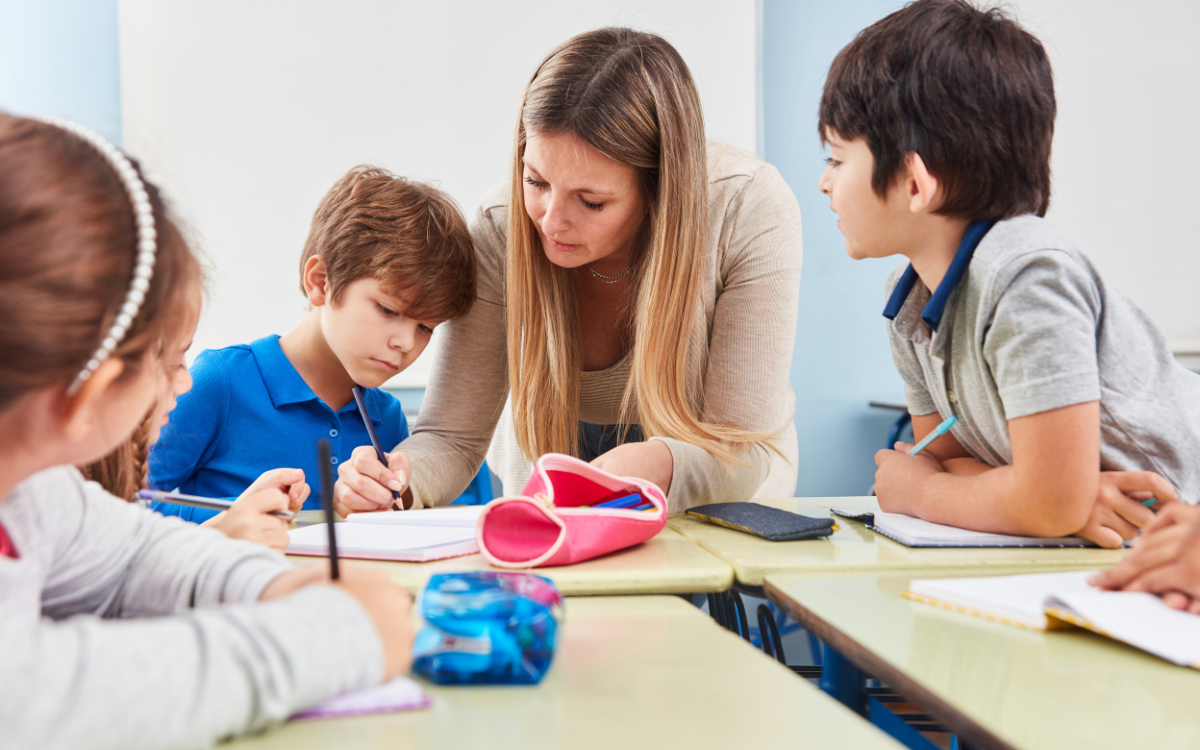
Excessive screen time—especially passive viewing like watching TV or scrolling—can impact a child’s language skills and social skills. For young children, time spent in front of screens can reduce the number of real-time conversations and interactions, which are essential for child language skills development.
When children aren’t engaging in real life play or face-to-face communication, they miss opportunities to interpret tone, body language, and emotional cues—key components of social learning. Background TV can also interfere with parent-child conversation and quality bonding.
While some digital content is educational, it cannot replace the value of live interaction. To support development, parents should eliminate background TV, co-view content, and balance screen use with conversation and active play.
Encouraging other activities like storytelling, games, and group play promotes strong communication skills and emotional intelligence. With intentional planning, screen time can be part of life without hindering essential social growth.
What Research Says: Reviews and Data
A growing body of research—including systematic reviews and meta-analyses from the last decade—shows the importance of managing screen time in childhood. Studies consistently link excessive screen time with increased risks of obesity, poor sleep, delayed language skills, and reduced physical activity.
Research from adolescent psychiatry, pediatric journals, and groups like the American Academy of Pediatrics and Common Sense Media has found that children and adolescents with high media use often struggle more with attention and social skills. These findings support the importance of creating boundaries and emphasizing healthy screen habits.
One consistent takeaway is that screen time limits are most effective when paired with parent involvement and balanced daily routines. Educational media is helpful in moderation, but passive screen use should not replace human interaction or other activities that promote growth.
By grounding decisions in evidence, parents can feel more confident managing their child’s screen time and supporting long-term well being.
Conclusion: Promoting Healthy Screen Habits Daily
Managing recommended screen time for children isn’t about banning screens—it’s about creating structure that supports your child’s well being. By understanding expert guidelines, observing your child’s behavior, and fostering open communication, parents can guide children toward balanced media use.
Start with clear household rules, set age-appropriate screen time limits, and promote other activities like reading, exercise, and outdoor play. Use parental controls and establish tech-free zones to reduce dependence on electronic devices and improve sleep and focus.
Model healthy screen habits, engage your child in planning their own daily screen time, and keep talking about how they use digital media. When children understand the “why” behind the limits, they’re more likely to cooperate and self-regulate.
At Magrid, we believe in using screens with purpose. That’s why our early education platform is designed for brief, focused use—just 15 minutes per day. It supports real learning through minimal screen exposure, ensuring children benefit from digital tools without compromising development. In a digital world, thoughtful screen use isn’t just possible—it’s essential.
Inclusive Learning for Children with Disabilities
Inclusive education ensures children with disabilities receive equitable support from birth onward. Through early intervention, special education, and collaborative services, schools promote well being and access for all. Inclusion isn’t just a requirement—it’s a commitment to ensuring that every child participates fully in education and life.
Who Are Children with Disabilities?
Children with disabilities may face developmental delays, health conditions, or physical challenges affecting learning. Recognizing the diverse needs of disabilities children allows educators and caregivers to offer tailored support services and inclusive environments where all children can grow, learn, and thrive.
Understanding the Disabilities Education Act
The Disabilities Education Act is a federal law that ensures access to free appropriate public education for students with disabilities. Often referred to as IDEA, it mandates that eligible children receive the support they need through special education services and related services.
This act plays a critical role in protecting the rights of children with disabilities and guiding schools in how to deliver education that meets individual needs. IDEA also encourages collaboration between families, schools, and district administrators to promote meaningful participation and improve outcomes for all students.
The Goal of the Disabilities Education Act IDEA
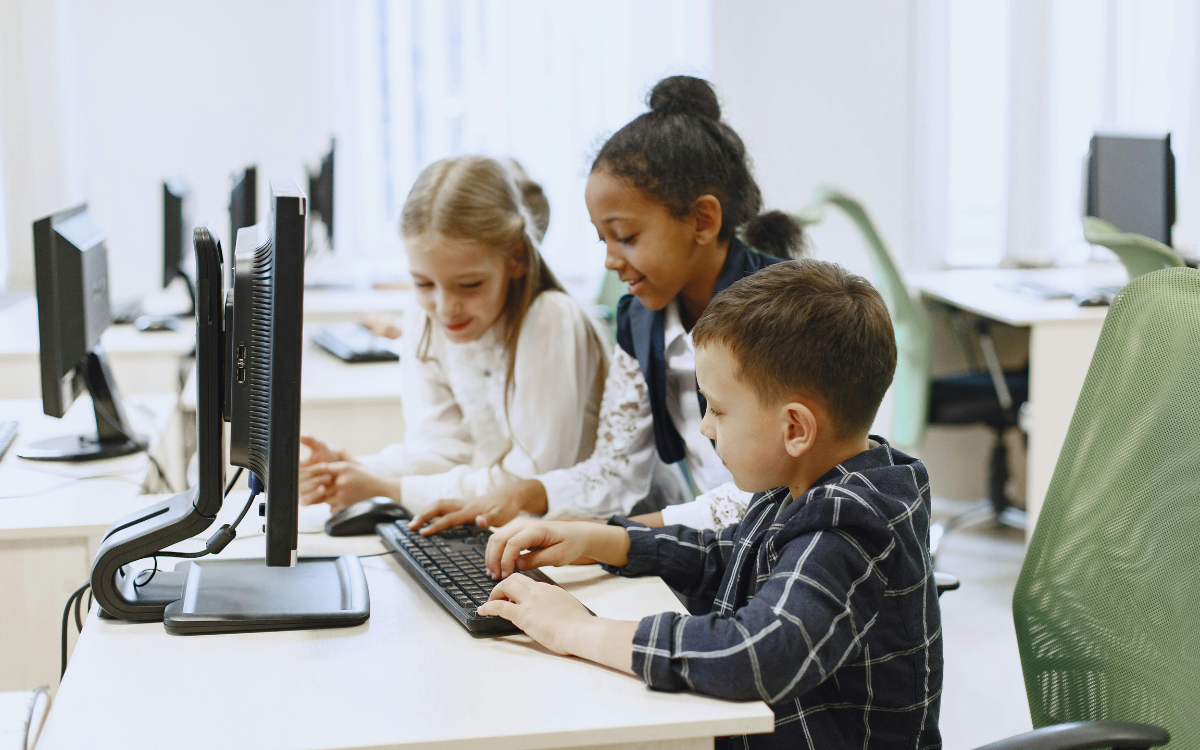
The Disabilities Education Act IDEA ensures that children with disabilities receive equitable opportunities in public education. Its primary goal is to support child development, independence, and future success through specialized programs and services.
By requiring individualized support and inclusive placements, IDEA advances the well being of eligible children across the country. It also emphasizes technical assistance, training, and collaboration among partners, including educators and caregivers. Ultimately, IDEA is not just about compliance—it’s about empowering youth with disabilities to live meaningful, educated lives and fully access their right to learn.
Free Appropriate Public Education Explained
Under IDEA, all children with disabilities are entitled to free appropriate public education (FAPE). This means that public schools must provide tailored education and support services without cost to families. FAPE ensures that eligible children receive individualized instruction, related services, and necessary accommodations in the least restrictive environment. It upholds equity by enabling full participation and helping students reach their academic and developmental goals.
What Are Early Intervention Services?
Early intervention services are designed to support children with disabilities from birth to age three who show signs of developmental delays or developmental disabilities. These services include therapies, developmental assessments, and family education tailored to each child’s development.
Provided through state-run programs, early intervention aims to enhance a child’s well being during the most critical years of brain growth. Services are often delivered in homes, child care settings, or community centers. These supports are essential in preparing eligible children for preschool, kindergarten, and beyond through collaborative, family-centered planning.
Benefits of Early Intervention
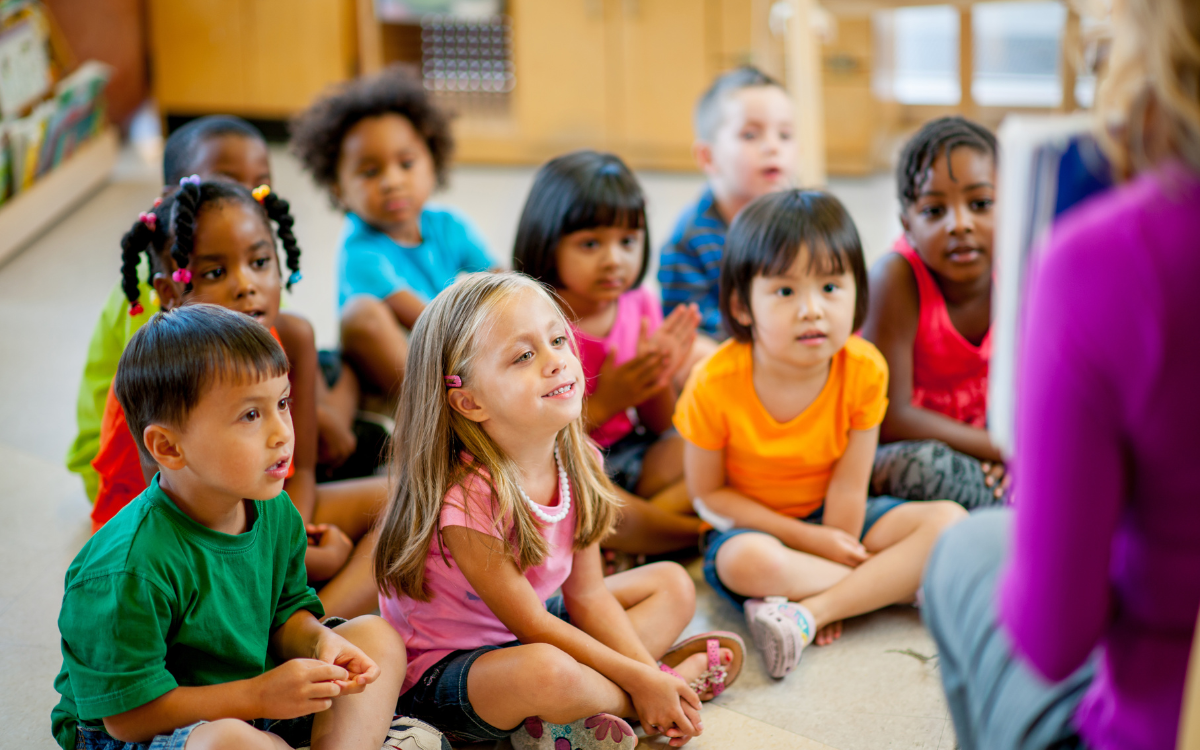
The benefits of early intervention are wide-reaching. By identifying developmental delays early and providing tailored support services, children can improve their physical, cognitive, and communication abilities. These services boost school readiness and emotional well being, laying a strong foundation for later education.
Families and caregivers also gain tools and confidence to better support their children. When early intervention services are implemented promptly, children with disabilities are more likely to succeed in school and participate fully in everyday life.
Who Qualifies for Early Intervention?
Early intervention is available to eligible children from birth to age three who have been diagnosed with developmental disabilities or exhibit clear signs of developmental delays. Evaluation by qualified professionals determines eligibility.
Factors may include delays in physical growth, communication, motor development, or social interaction. In many states, even children at risk due to health conditions like hearing loss or asthma may qualify for services under early intervention programs.
Early Intervention for Ages Birth to Three
For ages birth to three, early intervention services are especially critical. This period is when the brain undergoes rapid development, making timely treatment most effective.
Through home visits, developmental screening, and support services, children with disabilities begin receiving help early in life. These services not only promote child’s development but also support parents and caregivers in creating enriching, responsive environments during the earliest years of education and life.
The Role of Special Education in Schools

Special education provides individualized instruction for children with disabilities who require more support than general classroom settings offer. It is structured to accommodate the child’s unique learning needs, abilities, and goals.
Delivered in public and private school settings, special education may involve specialized teachers, adapted materials, and related services. It ensures every student has the opportunity to participate meaningfully in education. By law, these programs are aligned with the mandates of the Disabilities Education Act and are often supported through early intervention and continuous assessment.
Understanding the Special Education Process
The special education process begins with a formal evaluation to determine if a child is eligible for special education services. If eligible, a team—including educators, parents, and specialists—develops an Individualized Education Program (IEP).
This process ensures that children with disabilities receive tailored instruction and related services. Regular reviews of the child’s goals and progress help align services with the child’s development and changing educational needs.
Special Education Services and Access
Special education services include specialized teaching, accommodations, and support services designed for children with disabilities. These services may cover reading support, physical therapy, speech-language assistance, or behavioral interventions.
Accessing these services requires coordination between families, school districts, and professionals. Under the Disabilities Education Act IDEA, eligible children are guaranteed support in the least restrictive environment. Ensuring access means removing barriers and fostering inclusive classrooms that support both academic success and the well being of every student.
Supporting Disabilities Children in Classrooms

To effectively support disabilities children in classrooms, teachers must use inclusive teaching strategies and provide necessary accommodations. This may include visual aids, sensory tools, or differentiated instruction tailored to each learner’s needs.
Open communication with parents and caregivers helps reinforce learning outside the classroom. Training for educators is also essential in understanding the diverse characteristics of children with disabilities and ensuring they thrive in inclusive educational environments.
Individuals with Disabilities Education Rights
The Individuals with Disabilities Education Act guarantees that children with disabilities receive equal access to quality education. This includes the right to a free appropriate public education, individualized plans, and protections against discrimination.
Parents are active participants in the planning and decision-making process. The law also ensures that eligible students receive related services and accommodations necessary for meaningful participation. These rights are fundamental in protecting the dignity, well being, and future of every child in the school system.
Related Services That Support Learning

Related services are essential supports provided alongside special education to help children with disabilities benefit fully from classroom instruction. These may include speech therapy, occupational therapy, counseling, and transportation assistance.
Such services address physical, emotional, and developmental needs linked to the child’s development. Schools collaborate with specialists and families to determine what services are needed. When implemented effectively, related services improve learning outcomes and promote the well being of students across all educational settings.
The Importance of Quality Child Care
Accessible, inclusive child care plays a vital role in supporting children with disabilities. High-quality child care environments foster early development, learning, and well being through nurturing routines, responsive educators, and adaptive spaces.
Trained caregivers and staff collaborate with families and specialists to meet individual needs. For eligible children, this may include early learning accommodations, therapeutic support, or coordination with early intervention programs—ensuring all children thrive from an early age.
Financial Assistance and Access to Services
Families of children with disabilities often need help navigating the cost of support services and treatment. Financial assistance programs, offered through state agencies and nonprofits, help cover services like therapy, medical care, and adaptive equipment.
Under the Disabilities Education Act, many special education services and related services are provided at no cost in public education. Access to free or low-cost programs helps reduce barriers and ensure educational equity.
Connecting Families With Support Resources
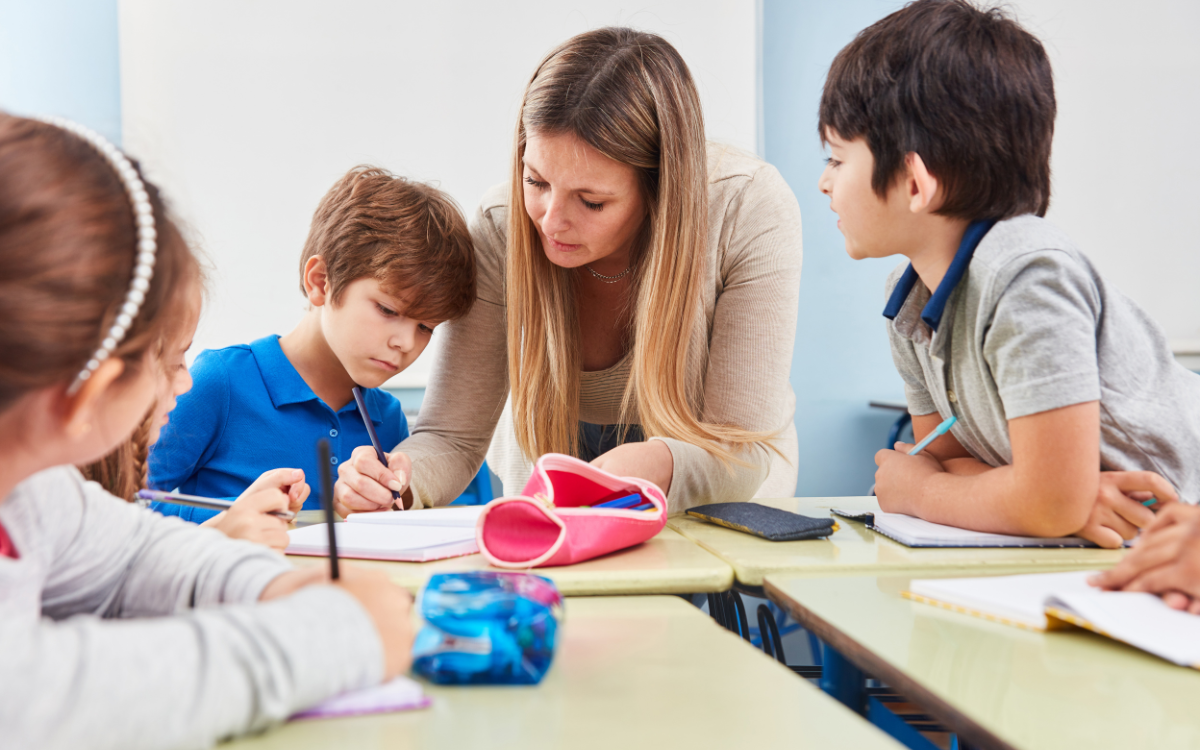
Access to resources is key for families raising children with disabilities. Support networks offer tools, advocacy guidance, and emotional encouragement. Local agencies, online directories, and national organizations provide information on early intervention, special education, and related services.
State education departments often host site listings with services and contacts. Connecting caregivers to these programs builds stronger support systems and helps families feel empowered in decisions that impact their child’s learning and well being.
Collaboration With Educators and Professionals
Effective inclusion depends on collaboration between educators, specialists, and families. Teachers, therapists, and administrators work together to design instruction and accommodations that support each student’s strengths and needs.
Regular communication ensures consistency across school, home, and community settings. Through teamwork, children with disabilities gain access to the tools they need to succeed, while professionals gain valuable insights from parents and caregivers who know the child best.
Programs That Foster Early Learning Success
Inclusive programs focused on early learning help children with disabilities build foundational skills in literacy, motor development, and social interaction. These initiatives often incorporate play-based learning, structured routines, and individualized goals.
Federal and local education agencies fund services that support learning from ages birth through preschool. These programs also offer training for caregivers and educators, ensuring quality implementation and better outcomes for eligible children entering kindergarten and beyond.
Federal and Regional Partners in Inclusion
In the United States, the Department of Education, Virgin Islands, and Federated States work together to support children with disabilities. These partners provide technical assistance, funding, and training to implement IDEA programs effectively.
Monitoring Implementation and Quality Outcomes
Schools and districts review special education plans, IEP goals, and related services. With continued training and technical assistance, educators ensure children with disabilities receive consistent, high-quality support services aligned with their evolving development.
Conclusion: Prioritizing the Well Being of All Children
Inclusive education prioritizes the well being of children with disabilities through early action, collaboration, and rights under IDEA. By supporting families and educators, we build a future where every child has equal opportunity to learn, grow, and participate fully in society.
At Magrid, we are committed to making inclusive learning practical and impactful. Our screen-free early education platform is designed specifically for children with disabilities, offering accessible, language-free activities that develop cognitive and mathematical skills without relying on verbal instructions. Magrid supports individualized education plans, works across a wide range of ability levels, and enables educators to track each child’s learning progress in real time—helping ensure every learner receives the attention they need to thrive.
Common Types of Learning Disabilities in Kids

Learning differences affect how children process language, numbers, and information. These differences, often due to learning disabilities, are not a sign of low intelligence but reflect diverse brain functioning. Early signs like poor handwriting, difficulty understanding spoken language, or struggles in social situations should not be ignored. Identifying the types of learning disabilities early and working with school personnel helps children access tailored support and achieve their potential.
O que é uma dificuldade de aprendizagem?
A learning disability is a neurodevelopmental disorder that hinders specific academic skills like reading, writing, or math. Defined by the Diagnostic and Statistical Manual, it differs from general learning delays and often runs in families. Under the Disabilities Education Act, affected children are eligible for special education services. Recognizing a specific learning disorder enables targeted support through strategies like an individualized education plan in the public school system.
Types of Learning Disabilities Explained
There are several types of learning disabilities, each impacting a different area of development. These include challenges in written language, mathematical calculations, reading comprehension, and spoken language. Each type of learning disorder affects how a child processes specific kinds of information, whether it’s decoding new words or solving word problems in math.
Some children have trouble recognizing words or understanding language-related tasks. Others may struggle with math concepts and fine motor skills required for writing. A child might have one type of learning disability, or multiple specific learning disorders that overlap.
Among the most recognized types are dyslexia (reading difficulties), dyscalculia (math-related challenges), and dysgraphia (writing impairments). These fall under the broader category of specific learning disorders, as defined in both the statistical manual and under federal law protections.
Identifying the type of learning disability is critical for selecting appropriate interventions. Whether through specialized instruction or accommodations via an individualized education program, recognizing the precise learning difference allows for better support in both school and home environments.
Understanding Specific Learning Disorders

Specific learning disorders are formally recognized mental disorders that impair the ability to acquire and apply academic skills. These disorders are defined by the American Psychiatric Association in the Diagnostic and Statistical Manual, focusing on persistent difficulties in core skill areas such as reading, writing, and math.
A child with a specific learning disability may perform below expected levels in one or more of these domains, even when given appropriate instruction. For example, they may struggle with recognizing words, understanding math concepts, or organizing written expression. These challenges are not due to lack of effort, poor teaching, or other mental health conditions but stem from a unique way the brain processes certain types of information.
Because these disorders can vary widely in presentation, educators and specialists must assess a child’s strengths and weaknesses carefully. With accurate identification and an individualized education plan in place, many children with specific learning disorders can achieve academic success and feel confident in their abilities.
The Role of Learning Disorders in Education
A learning disorder can significantly impact a child’s experience in school. Children with these disorders may find it difficult to keep up with peers in academic skills such as reading, writing, or math. These challenges often appear in school reports, where discrepancies between effort and achievement raise concerns.
Teachers and school personnel play a vital role in identifying early signs of learning disorders. Observations of difficulty understanding instructions, struggling with language-related tasks, or inconsistent performance can prompt further assessment. Collaboration between the child’s school and families is essential to ensure appropriate interventions are put in place.
Educational planning, including the development of an individualized education program, supports the child’s progress and fosters success in the classroom environment.
Auditory Processing Disorder and Its Impact
Auditory processing disorder (APD) is a type of processing disorder that affects how the brain interprets sounds. Children with APD can hear normally but have difficulty understanding spoken language, especially in noisy environments or when multiple people are speaking.
This disorder often goes unnoticed until a child begins school, where following verbal instructions and distinguishing different sounds becomes crucial. Children with APD may mishear words or struggle with new words, affecting their reading and language development.
Teachers might observe issues with responding appropriately in class discussions or misunderstanding directions. Early identification and support are vital, often involving speech-language specialists and the creation of an individualized education plan to support language and listening skills in learning environments.
Recognizing Processing Disorders in School-Age Children

A processing disorder refers to difficulties in how the brain receives, interprets, or responds to information. These issues can affect visual, auditory, or sensory input and often emerge during school age years when academic and social expectations increase.
Children with processing disorders may struggle with reading comprehension, language-related tasks, or understanding facial expressions and body language. These challenges can impact both academic success and participation in social situations.
Parents and teachers may notice signs like inconsistent performance, difficulty understanding instructions, or avoidance of certain tasks. Accurate diagnosis often requires input from several professionals, including educational psychologists and speech therapists. Once identified, children can benefit greatly from tailored strategies and accommodations through a structured individualized education program.
Visual-Spatial and Nonverbal Learning Differences
Some children exhibit learning differences that are not language-based but rooted in visual-spatial or nonverbal processing challenges. These include difficulty with visual and spatial information, interpreting body language, or understanding social cues in group settings.
Nonverbal learning disorders are a category of challenges where children often excel in verbal tasks but struggle with motor skills, facial expressions, and organizing information visually. Tasks like interpreting graphs, reading maps, or solving puzzles may cause confusion.
These learning differences can lead to misinterpretations in social situations or frustration with tasks involving spatial reasoning. Children may also show signs of anxiety or withdrawal due to repeated failures in these areas. Early recognition and consistent support from educators and family members can improve outcomes, especially when special education services are in place to address these specific needs.
Identifying Motor Skills Challenges
Children with learning disabilities may also face difficulties with motor skills, which include both fine motor skills (like writing) and gross motor skills (such as balance and coordination). Poor handwriting is often one of the earliest signs of fine motor challenges, making tasks like note-taking or completing worksheets difficult.
These motor-related learning differences can also affect participation in physical education or classroom activities involving cutting, drawing, or manipulating objects. When these challenges are paired with academic struggles, a more complex learning disorder may be present.
Occupational therapists often assess and support children in improving motor skills, while schools may incorporate accommodations through an individualized education plan. Recognizing and addressing these signs early allows children to develop greater independence and confidence in both academic and daily tasks.
Reading Comprehension and Written Expression Struggles

One of the most common specific learning issues involves reading comprehension. Children with this challenge may read fluently but fail to grasp meaning, summarize content, or make inferences. This difficulty impacts every subject area, from science to history, where reading is essential for understanding concepts.
Closely related are struggles with written expression. These children may have difficulty organizing thoughts, using correct grammar, or developing coherent paragraphs. Poor written language skills can lead to frustration and avoidance of writing tasks.
These problems often stem from underlying issues with language-related tasks or processing disorders. Teachers might also observe trouble with recognizing words or understanding new words. A comprehensive evaluation can help determine the right supports, such as explicit instruction in writing strategies and accommodations within the child’s school environment.
Difficulties With Math Skills and Concepts
Math-related learning disabilities are often under-identified but significantly affect a child’s academic experience. Children struggling with math skills may find it hard to grasp math concepts, perform mathematical calculations, or solve word problems.
These issues can be signs of dyscalculia, a specific learning disorder involving numbers and spatial understanding. Affected children may reverse digits, struggle with counting, or have difficulty understanding how numbers relate to one another.
In class, they might require extra time, visual aids, or hands-on manipulatives to process abstract information. Parents and teachers should look for persistent challenges in learning basic arithmetic despite adequate instruction. Addressing these difficulties through targeted math interventions and individualized education plans can help the child gain confidence and improve performance in this foundational subject.
The Link Between Learning Disabilities and Mental Health
There is a strong connection between learning disabilities and mental health. When children experience repeated failure in school or struggle to keep up with other kids, they may develop anxiety, depression, or low self-esteem. These emotional responses are not separate from the disability—they often emerge as a consequence of it.
In some cases, mental disorders such as attention deficit hyperactivity disorder (ADHD) or autism spectrum disorder co-occur with specific learning disorders, creating additional challenges. These coexisting conditions may impact behavior, focus, or social interaction.
Educators and parents must consider the whole child, recognizing that academic challenges can lead to emotional distress. School psychologists and counselors play a key role in providing support, and intervention plans should include strategies to bolster emotional well-being alongside academic skills. A comprehensive approach can lead to healthier outcomes both in and out of school.
Diagnosing Learning Disabilities: What Parents Should Know

Receiving a formal diagnosis is a crucial step in supporting a child with a learning disability. Diagnosis typically involves several professionals, including psychologists, speech-language pathologists, and educators. The process evaluates a child’s academic skills, language skills, and cognitive skills using tools like the Diagnostic and Statistical Manual and school-based assessments.
Schools rely on input from school personnel, observations, and school reports to identify consistent learning difficulties. Information about biological family history and the child’s developmental milestones can provide additional insight.
A thorough evaluation helps distinguish specific learning disorders from other disorders, such as anxiety or attention difficulties. Once identified, families can work with schools to develop an individualized education program tailored to the child’s unique strengths and challenges. Understanding the diagnosis helps parents advocate for the right special education services and ensures the child receives meaningful support to progress academically and socially.
Supporting Children Through an Individualized Education Program (IEP)
An individualized education plan (IEP), or individualized education program, is a legally required document under federal law that outlines how schools will support students with learning disabilities. It includes goals, accommodations, and specific strategies to help the child succeed in the classroom.
The IEP is developed collaboratively by school personnel, specialists, and family members. It considers the child’s learning differences, mental health, and motor skills, among other factors. The goal is to build on the child’s strengths while addressing areas of need through targeted instruction and classroom adjustments.
Monitoring the child’s progress is an ongoing part of the IEP process. Regular meetings ensure the plan evolves based on the child’s growth. This structured support system is vital for helping children with learning disorders thrive within a public school setting.
Recognizing Early Signs and Taking Action
Early signs of learning disabilities include trouble with reading comprehension, math skills, or written language. Children may also show difficulty understanding instructions or problems with fine motor skills. Comparing the child’s progress to other kids can help identify gaps. Early identification leads to timely intervention and access to special education services, helping children build on their strengths and gain needed support.
Conclusion: Embracing Learning Differences for Success
Recognizing and addressing the types of learning disabilities empowers children to succeed. Through collaboration, individualized education programs, and early support, we can nurture both academic skills and confidence. At Magrid, we support children with learning differences by strengthening motor skills, math concepts, and more—making inclusive learning possible for all. Every child deserves the chance to thrive.
15 Fun Math Activities for Preschoolers at Home
At a young age, children are naturally curious and eager to explore the world around them. Introducing math activities for preschoolers at home helps transform everyday life into playful opportunities for learning. By engaging in simple, hands on math activities, preschool children begin to develop basic math skills such as counting, number recognition, and shape identification. These experiences build a strong foundation for future learning and make math feel like an exciting adventure rather than a challenge.
Early math learning is about more than numbers. Through play, young learners improve their fine motor skills, strengthen hand eye coordination, and enhance their cognitive development. Activities like stacking blocks or sorting objects allow young children to recognize patterns and understand key math concepts in a natural way. The goal isn’t memorization but sparking curiosity, helping most children feel confident, and supporting their child’s development at an early age.
Building Early Math Skills in a Fun Way
One of the best parts of introducing preschool math at home is that children don’t even realize they are learning. Parents can turn simple routines into engaging opportunities to practice math skills. For example, asking a child to set the table teaches one to one correspondence while also supporting number sense. Everyday objects like toy cars, blocks, or even snacks can become tools for hands on learning.
This fun approach to early math learning encourages children to see numbers, shapes, and mathematical concepts in their surroundings. Through playful interactions, they begin to recognize numbers, match a corresponding number to a group of items, or identify shapes. Such playful math activities encourage a fun way of developing essential skills that will support their growth.
Understanding Key Math Concepts at an Early Age
Helping children explore key math concepts at an early age builds confidence and makes learning feel natural. Simple math activities for preschoolers, like grouping various shapes or organizing toys in numerical order, provide strong foundations for cognitive abilities. By connecting everyday life to math, children start to understand simple math concepts such as more or less, big or small, and near or far.
These experiences also nurture critical thinking by encouraging children to ask questions and solve problems. When a child finds a pattern in blocks or creates different shapes with playdough, they are not only developing math skills but also improving spatial awareness. Supporting young children in this way helps them gain confidence in their ability to solve problems and grasp new concepts.
The Role of Hands On Learning in Preschool Math
Children learn best when they can touch, move, and experiment. That’s why hands on learning is central to preschool math activities. Using building blocks, pipe cleaners, or even a paper towel roll, parents can create engaging experiences that support fine motor skills while also introducing mathematical concepts.
Hands on math activities give young learners the chance to see math come to life. For example, when children stack blocks, they practice balance, spatial relationships, and visual representation. Matching objects to a corresponding shape or sorting colored circles strengthens shape recognition and critical thinking skills. These playful experiences transform math activities into opportunities for discovery, helping children learn essential skills in a natural and joyful way. With repetition and practice, young children learn to connect ideas and build a strong foundation in math.
1. Building Blocks for Math Concepts
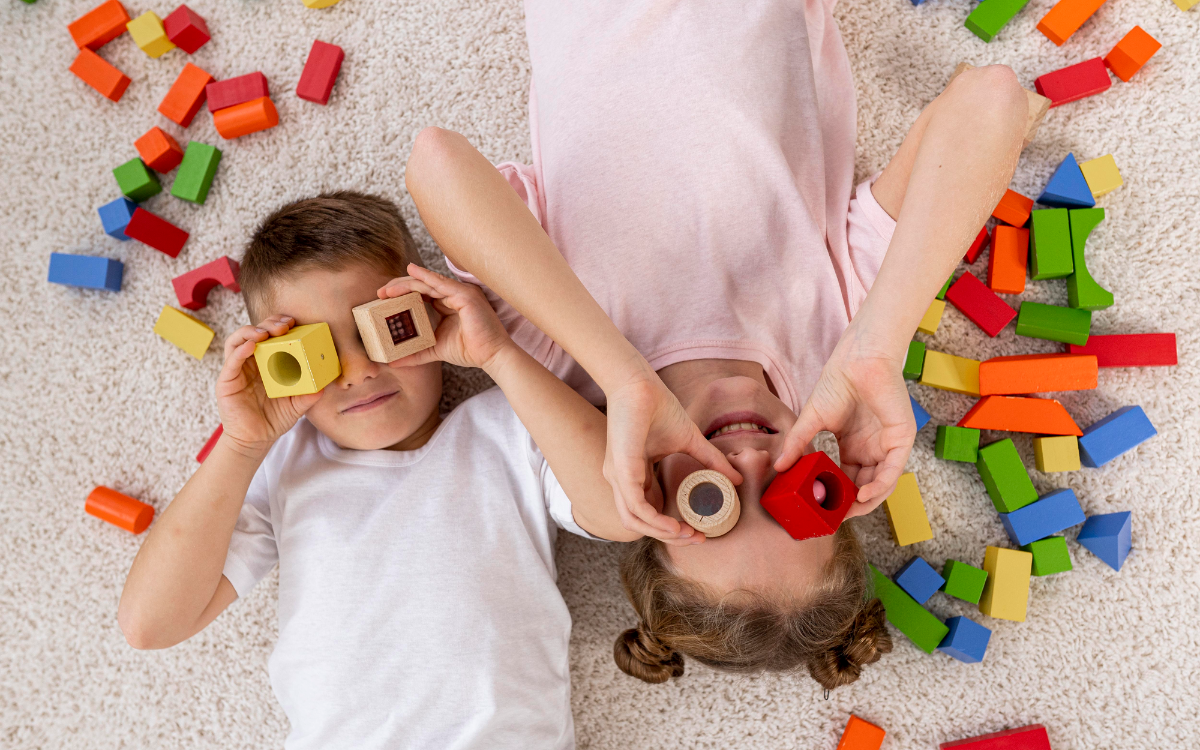
Building blocks are a classic tool for preschool math because they combine fun with learning. When young children stack and sort blocks, they strengthen fine motor skills and explore spatial awareness. Blocks can be grouped by color, size, or shape, helping them practice recognize patterns and understand different shapes.
This activity also introduces one to one correspondence as children match a corresponding number of blocks to a given instruction, such as “build a tower with four blocks.” These playful challenges encourage problem solving and nurture critical thinking skills. By turning stacking into a fun game, children connect everyday play to key math concepts like size comparison, sequencing, and balance. Building with blocks helps establish a strong foundation in math from an early age.
2. Paper Plate Number Recognition Game
A simple paper plate can be transformed into a fun way to develop number recognition skills. Parents can write numbers around the edge of a plate and provide small items, such as buttons or colored circles, for the child to place on the correct number. This practice helps children learn numerical order and connect each corresponding number to a visual representation.
Because the pieces are small, this activity also develops fine motor skills and hand eye coordination. As young learners place the correct number of items onto the plate, they practice early math learning and reinforce number sense. The activity is low-cost, uses everyday objects, and turns simple play into valuable practice. Most importantly, it keeps math activities for preschoolers lighthearted, interactive, and full of math fun.
3. Coin Sorting for Number Sense

Coin sorting is an excellent way to connect everyday life with preschool math activities. By grouping coins based on size, color, or value, children practice matching pairs and learn to identify visual representation of numbers. This helps them understand simple math concepts like grouping, comparing, and recognizing similarities.
As young children learn to count coins, they improve number recognition and strengthen their cognitive abilities. Handling small coins supports fine motor skills and hand eye coordination, while the sorting process encourages problem solving and critical thinking. Parents can make it more engaging by setting small challenges, such as “find five coins” or “match coins to the correct number card.” This hands on task combines math skills with practical life learning in a fun way.
4. Ice Cube Tray Counting Practice
An ice cube tray makes an ideal tool for hands on math activities. Parents can label each section with numbers and provide objects like buttons, beads, or small toy cars for children to place inside. This activity develops one to one correspondence by helping preschool children match each corresponding number with the correct quantity of items.
It’s also a playful way to encourage number sequence and number recognition skills, since children can see the order from left to right. Filling the tray requires focus and strengthens fine motor skills as well as hand eye coordination. With practice, children gain confidence in their math skills while having math fun. Simple, affordable, and highly engaging, this game is a perfect tool for early math learning at home.
5. String Beads for Patterns and Fine Motor Skills

Stringing beads is a wonderful hands on math activity that strengthens fine motor skills while introducing children to simple math concepts. Using colorful beads and a string, children can create patterns such as red-blue-red-blue, helping them recognize patterns and practice sequencing. These activities encourage critical thinking because the child must decide which bead comes next to complete the design.
This activity also develops spatial relationships and hand eye coordination, as the beads must be carefully placed on the string. Parents can incorporate number recognition by asking children to place a correct number of beads in a row. Over time, young learners begin to connect colors, numbers, and mathematical concepts, turning a craft-like project into a fun way to strengthen early math learning at home.
6. Matching Games with Colored Circles
Matching games are a classic choice among math activities for preschoolers. Using colored circles cut from construction paper, parents can create cards for young children to pair. Children might match by color, size, or by finding the corresponding shape. These activities help strengthen shape recognition, visual representation, and cognitive abilities.
By adjusting the level of difficulty, parents can introduce new concepts gradually. For example, starting with color matches and later moving to numerical order keeps most children engaged. Matching activities also encourage critical thinking skills, as children must decide which pairs belong together. This type of play builds essential skills while keeping math fun and accessible. Matching games are simple, reusable, and a fun game that supports a child’s natural curiosity and cognitive development.
7. Stacking Blocks to Learn Spatial Relationships
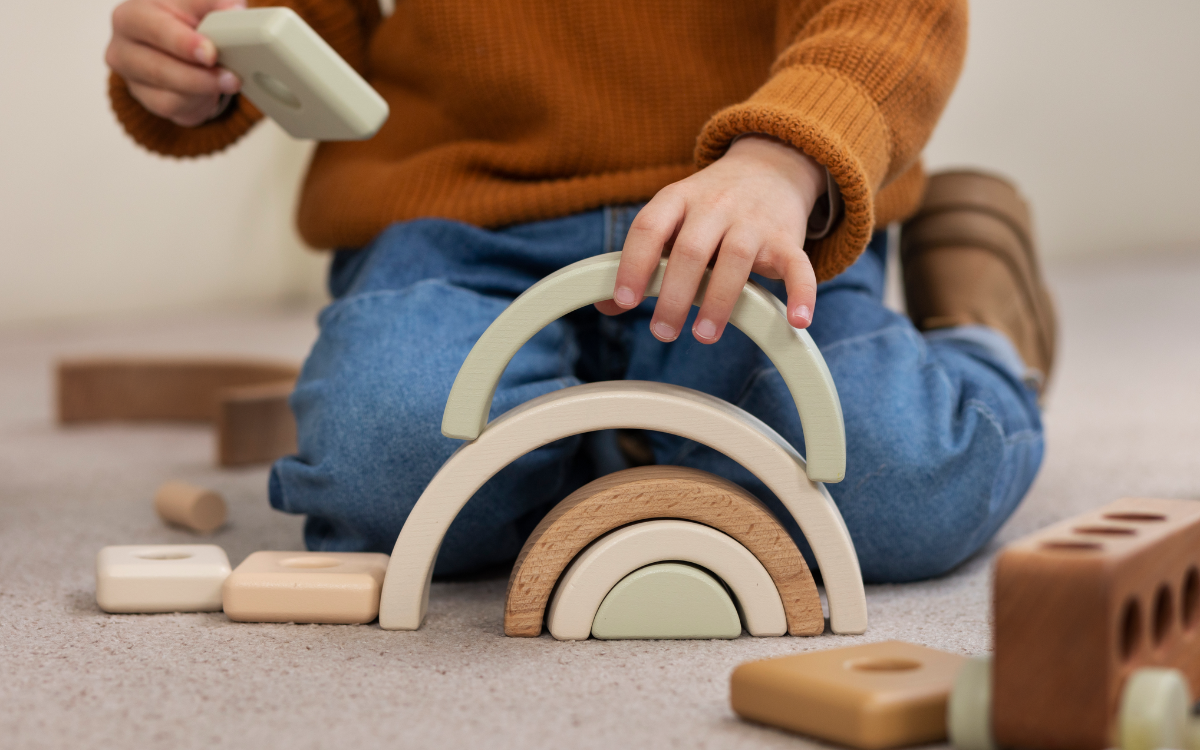
Stacking blocks may look like simple play, but it’s an effective preschool math activity that teaches spatial awareness and balance. As children try to make taller towers, they explore spatial relationships such as height, width, and stability. This activity also helps them solve problems, like figuring out why one tower stands while another falls.
The act of stacking supports fine motor skills and strengthens hand eye coordination. Parents can add a math twist by asking children to build towers with a specific number of blocks or to group them by various shapes. Through this type of hands on learning, children practice one to one correspondence and begin to understand key math concepts in a fun way. It’s a playful approach that prepares them for more advanced mathematical concepts later.
8. Toy Cars and Number Sequence Play
Using toy cars is an engaging method for combining play with early math learning. Parents can create a racetrack from paper towel rolls or construction paper, labeling lanes with numbers. Children then place the cars in the correct numerical order, reinforcing number recognition skills. This type of play links math to everyday life, keeping young learners motivated.
To extend the challenge, parents can ask the child to match each car to a corresponding number of items, such as parking one car with one block, two cars with two blocks, and so on. This simple yet exciting activity strengthens problem solving, cognitive development, and critical thinking. By blending movement, imagination, and numbers, children gain confidence in their math skills while enjoying plenty of math fun.
9. Try Magrid for Interactive Hands On Math Activities

One of the most exciting ways to introduce preschool children to math is through Magrid, a program designed to make hands on math activities engaging and accessible. Unlike worksheets, Magrid uses interactive exercises that encourage young children to explore mathematical concepts through engaging activities. Children can practice number recognition, shape recognition, and spatial relationships in a fun way that feels like a game.
Magrid supports cognitive development by offering activities that adapt to the child’s pace, helping them build confidence with basic math skills. Parents will appreciate how Magrid turns everyday devices into tools for early math learning. It’s an inviting approach that introduces young learners to key math concepts while also nurturing their critical thinking skills and problem solving abilities.
10. Paper Bags for One to One Correspondence
Paper bags are a simple and creative tool for teaching one to one correspondence. Parents can label each bag with a number and provide small objects such as buttons, beads, or other objects for children to place inside. For example, the bag labeled “3” should contain exactly three items.
This hands on activity strengthens number sense and helps children recognize numbers while practicing numerical order. As they count out loud, young learners reinforce both their number recognition skills and their confidence. It also develops fine motor skills as they pick up and drop the items into each bag. Using paper bags makes this activity affordable, fun, and adaptable for most children, providing a strong link between play and math concepts.
11. Construction Paper Shape Recognition

Using construction paper to cut out various shapes is a fun way to introduce children to shape recognition. Parents can create circles, triangles, and squares for preschool children to sort, match, or trace. Matching a corresponding shape to its outline enhances visual representation skills and strengthens cognitive abilities.
This activity can also be extended into problem solving tasks, such as asking children to combine shapes to create shapes like houses or animals. These playful exercises support fine motor skills, spatial awareness, and critical thinking while keeping math fun. By engaging with shapes in a tactile manner, children begin to understand key math concepts and build a strong foundation for future learning in geometry and other mathematical concepts.
12. Everyday Life Counting with Other Objects
Turning everyday life into math practice makes learning natural for young children. Simple tasks like counting fruit, sorting spoons, or grouping socks provide opportunities for early math learning. These small moments introduce simple math concepts such as grouping, comparing, and ordering while encouraging young learners to connect math to the world around them.
As the child finds objects to count, they strengthen number recognition skills and practice one to one correspondence. Picking up and organizing items also develops fine motor skills and hand eye coordination. Parents can make it more engaging by turning it into a fun game, such as racing to find the correct number of toys. This practice helps children solve problems while seeing the many benefits of math in everyday life.
13. Fun Game with Matching Pairs
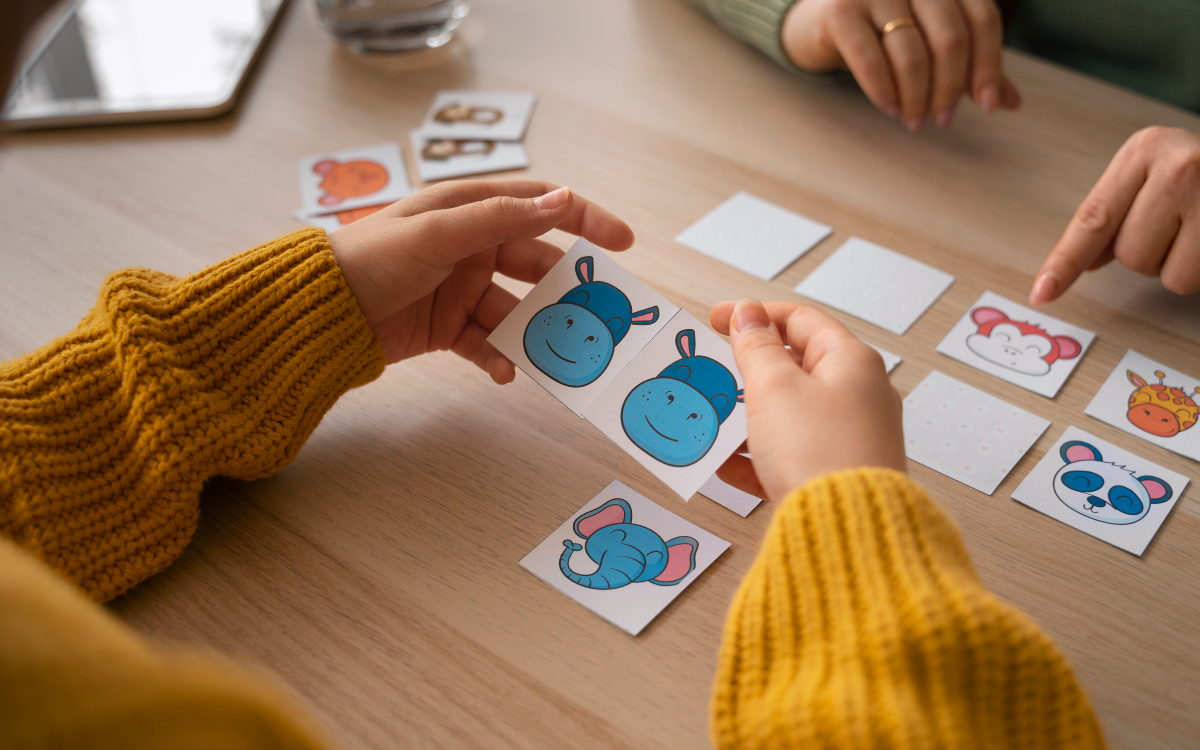
Playing a matching pairs game is an enjoyable way for preschool children to build number recognition skills and cognitive development. Parents can create cards with numbers, shapes, or colored circles and ask the child to find the corresponding pair. This activity develops visual representation skills and encourages young learners to focus and use critical thinking skills.
As children flip the cards, they practice memory skills and problem solving, while also strengthening hand eye coordination. The game can be adapted to different levels, such as matching numerical order or identifying various shapes. By turning learning into a fun game, children gain confidence in their math skills and begin to understand simple math concepts in a playful, low-pressure environment that supports their child’s development.
14. Visual Representation with Colored Circles
Using colored circles for sorting and counting gives young children a clear visual representation of mathematical concepts. Parents can cut out circles from construction paper and ask the child to group them by size, color, or number. For example, placing three red circles together reinforces number recognition and one to one correspondence.
This activity strengthens fine motor skills and spatial relationships as children move the pieces into position. It also encourages critical thinking when they need to decide how to sort or organize the circles. With repetition, young learners begin to recognize patterns and build confidence in early math learning. Simple to set up and adaptable, this is a fun way to practice preschool math activities at home while supporting a strong foundation in math.
15. Recognize Numbers Using Household Items

Young children learn best when math is connected to everyday life. Parents can use household items such as spoons, cups, or toy cars to practice recognize numbers and match them to a corresponding number of objects. For instance, placing three spoons on the table and labeling them with the number “3” reinforces number sequence and number recognition skills.
This task supports cognitive abilities, fine motor skills, and hand eye coordination as children handle and organize the items. It also introduces new concepts such as grouping and comparing. By engaging with familiar other objects, most children find this practice motivating and fun. The activity blends hands on learning with math fun, creating many opportunities for problem solving and building essential skills at an early age.
How Preschool Math Activities Support Cognitive Development
Beyond learning numbers and shapes, preschool math activities play a key role in building cognitive development. When young learners count, sort, and organize, they practice memory, focus, and critical thinking skills. These activities give children the chance to solve problems, compare objects, and understand relationships between quantities.
Using tools like stacking blocks, string beads, or matching games strengthens both fine motor skills and cognitive abilities. More importantly, math encourages children learn to ask questions and discover new concepts through exploration. Early exposure to key math concepts prepares children for future success in school by giving them the confidence to approach challenges. This type of hands on learning shows that math fun is not just about numbers but about building a curious and capable mind.
Encouraging Critical Thinking Skills Through Everyday Life Math
One of the many benefits of math activities for preschoolers is how they nurture critical thinking skills. Everyday tasks—like comparing which basket has more fruit, sorting socks by color, or arranging toys in numerical order—help young children build reasoning abilities. These moments strengthen cognitive abilities because the child must observe, compare, and make decisions.
Parents can guide by asking open-ended questions such as, “What happens if we add one more spoon?” or “Can you find the correct number of blocks for this pile?” Such prompts encourage problem solving and help young learners understand simple math concepts in a natural setting. By embedding math in everyday life, children build essential skills while seeing how numbers and mathematical concepts apply to the world around them.
Helping Young Children Learn Math Concepts in Everyday Life

Math becomes most meaningful when young children learn to see it in their daily experiences. Whether counting steps, identifying various shapes in buildings, or playing with matching games, every small moment contributes to their child’s development. These fun activities give children the chance to connect key math concepts with everyday life, making learning feel enjoyable rather than overwhelming.
By practicing number recognition, exploring different shapes, and engaging in hands on learning, preschool children strengthen both their fine motor skills and their cognitive development. Over time, these playful experiences prepare them to tackle more complex mathematical concepts with confidence.
The real goal of early math learning is not memorization but curiosity. When young learners are encouraged to explore, question, and solve problems, they build a strong foundation in math skills. Parents who make math a natural part of play give their children a lifelong advantage.
Discover Magrid for Preschool Math Fun
If you’re looking for a tool to make preschool math activities even more engaging, Magrid offers a unique solution. With its focus on hands on math activities and playful design, Magrid helps young learners practice number sense, shape recognition, and problem solving in a fun way. The program adapts to the child’s pace, making it suitable for most children at an early age.
By combining technology with proven methods of hands on learning, Magrid turns abstract mathematical concepts into exciting challenges. Parents can feel confident that their children are not just learning, but enjoying the journey. Explore o Magrid hoje mesmo to support your child’s cognitive development and build a strong foundation for future success in math.
Resources for Further Learning in Preschool Math
Parents who want to dive deeper into early math learning have many excellent resources available. Books such as The Young Mathematician at Home provide practical ideas for incorporating math activities into everyday life. Websites like the National Association for the Education of Young Children (NAEYC) offer guides on fostering basic math skills and critical thinking skills in playful ways.
Educational tools like building blocks, matching games, and digital platforms such as Magrid can also enrich a child’s learning experience. These resources help ensure that preschool children practice number recognition, shape recognition, and other essential skills at their own pace. By exploring these options, parents support young children learn in a fun way while reinforcing the importance of preschool math activities at home.
10 atividades de matemática envolventes para as crianças no regresso às aulas

O início de um novo ano letivo traz sempre uma mistura de entusiasmo e nervosismo, tanto para as crianças como para os professores. Para muitas crianças, a primeira semana de aulas define a forma como irão encarar a aprendizagem nos meses que se seguem. Isto é especialmente verdade nas aulas de matemática, onde a confiança e a curiosidade podem crescer rapidamente com as atividades certas. É por isso que utilizar o regresso às aulas atividades de matemática são tão eficazes — oferecem uma forma divertida e descontraída de dar as boas-vindas aos alunos, rever competências matemáticas essenciais e criar laços na sala de aula.
Quer lecione no ensino básico ou no ensino secundário, os primeiros dias são o momento ideal para introduzir atividades matemáticas que despertem a curiosidade. É mais provável que as crianças se mantenham envolvidas quando as aulas têm um caráter lúdico e colaborativo, em vez de se limitarem a fichas de trabalho e aulas expositivas. Desde atividades para quebrar o gelo até desafios em grupo, estas divertidas atividades de matemática permitem que os alunos pratiquem a resolução de problemas, ao mesmo tempo que criam laços com os novos colegas e com o professor.
Este artigo apresenta 10 ideias envolventes que pode pôr em prática imediatamente. Cada atividade para a aula de matemática foi concebida para ser simples de preparar, adaptável a diferentes níveis escolares e divertida para as crianças que regressam das férias de verão.
Por que é que as atividades de matemática no regresso às aulas são importantes
Para muitas crianças, a transição da liberdade do verão para a aprendizagem estruturada pode parecer abrupta. As atividades de matemática para o regresso às aulas ajudam a facilitar esta adaptação, transformando os primeiros dias em oportunidades de exploração, em vez de uma fonte de pressão. Quando as crianças abordam a matemática de uma forma envolvente, criam associações positivas que perduram ao longo de todo o ano letivo.
Estas atividades de matemática escolar têm vários objetivos. Reforçam conceitos matemáticos importantes e proporcionam prática de pensamento crítico, ao mesmo tempo que incentivam a colaboração. Os professores podem utilizá-las para observar os interesses dos alunos em matemática e identificar áreas em que é necessário apoio. Uma atividade de matemática bem escolhida pode revelar quais os alunos que se destacam com estratégias mentais, quais os que preferem recursos visuais e quais os que precisam de mais prática nas competências matemáticas básicas.
Para os professores de matemática do ensino básico, as atividades iniciais são especialmente úteis. Estas criam um ambiente em que os alunos escrevem, debatem e explicam o seu raciocínio — um hábito fundamental para o sucesso nas aulas de matemática de nível mais avançado. Em qualquer ano de escolaridade, as atividades bem concebidas são mais do que meros jogos: ajudam a criar rotinas na sala de aula, a definir expectativas e a promover um sentimento de pertença.
Em suma, começar o ano letivo com atividades de matemática planeadas garante que as crianças se sintam motivadas, preparadas e entusiasmadas para aprender.
1. Centros de Matemática para a Aprendizagem Interativa

Uma das formas mais eficazes de dar início ao ano letivo é criar centros de matemática. Estas estações para pequenos grupos permitem que os alunos trabalhem de forma independente ou em colaboração em diferentes tarefas de matemática, passando depois por diferentes atividades ao longo de uma única aula. Esta estrutura facilita a gestão de uma sala cheia de novos alunos, ao mesmo tempo que proporciona a todos uma prática significativa.
Por exemplo, pode organizar quatro estações durante a primeira semana de aulas: uma para praticar cálculo mental com cartões didáticos, outra para resolver puzzles, outra para uma atividade prática com materiais manipuláveis e outra para um desafio criativo, como criar um cartaz rápido sobre matemática. À medida que os alunos vão alternando entre as estações, o professor observa a forma como cada criança aborda os problemas, recolhendo informações úteis para futuros planos de aula.
Os centros de matemática são também altamente adaptáveis a todos os níveis de ensino. Nas turmas mais jovens, podem incluir atividades de contagem ou formas geométricas, enquanto no ensino básico, podem centrar-se no raciocínio algébrico ou na geometria. Esta flexibilidade torna-os uma ferramenta valiosa para o ensino da matemática em turmas diversificadas.
E o melhor de tudo? Os alunos adoram a variedade. Ao combinar diferentes atividades divertidas de matemática numa única sessão, os professores de matemática conseguem captar a atenção dos alunos e reduzir o nervosismo da primeira semana, ao mesmo tempo que revêem os conceitos fundamentais da matemática escolar.
2. Trabalho em grupo com desafios matemáticos
A colaboração é uma competência essencial, tanto no âmbito académico como na vida, e pode começar logo com desafios em grupo. Atribuir trabalhos em grupo logo no início do ano letivo não só ajuda as crianças a criar laços, como também lhes dá a perceber que a aula de matemática é um espaço para o trabalho em equipa.
Uma forma simples de começar é preparar três desafios de dificuldade crescente. Por exemplo, um pode envolver cálculos mentais rápidos, outro pode incluir problemas com palavras e o último pode exigir a aplicação criativa de um novo conceito matemático. Durante uma única aula, cada grupo trabalha em conjunto para resolver os três desafios, certificando-se de que os alunos anotam o seu raciocínio e o partilham com toda a turma no final.
Este tipo de atividade na aula de matemática tem múltiplos benefícios. Permite aos professores compreender melhor a forma como os alunos de matemática colaboram, resolvem problemas e comunicam. Além disso, reforça a ideia de que a sala de aula é um ambiente acolhedor, onde é normal cometer erros e aprender com eles.
Para os professores de matemática do ensino básico, estas atividades matemáticas divertidas são especialmente eficazes no início do ano letivo. Incentivam as crianças a ganhar confiança, a reforçar as competências matemáticas e a estabelecer laços com os colegas de turma — todos elementos essenciais para uma base sólida nas atividades escolares de matemática.
3. Cartazes de matemática para o regresso às aulas

Uma forma colorida e criativa de dar início ao ano letivo é convidar as crianças a criarem cartazes de matemática para o regresso às aulas. Este projeto funciona bem durante a primeira semana de aulas, uma vez que combina a expressão artística com atividades escolares de matemática que ajudam os professores a conhecer melhor os seus alunos.
Cada criança pode criar um cartaz que destaque um número, uma forma ou uma estratégia de resolução de problemas de que goste particularmente. Por exemplo, um aluno pode criar um cartaz que mostre porque é que gosta de multiplicar, enquanto outro pode explorar uma forma original de resolver frações. Ao pedir aos alunos que escrevam ou desenhem as suas ideias matemáticas, os professores ficam a conhecer melhor tanto os seus interesses matemáticos como os seus níveis de confiança.
Os cartazes também podem incluir toques pessoais, como passatempos ou temas favoritos, tornando-os um excelente ponto de partida para quebrar o gelo. Exibi-los na sala de aula no primeiro dia de aulas ajuda a criar um sentimento de participação e pertença. Isso mostra aos alunos de matemática que as suas ideias e criatividade são valorizadas.
Para os professores de matemática, esta atividade funciona também como uma avaliação formativa. Permite identificar os conhecimentos prévios, dá uma ideia das competências matemáticas dos alunos e estimula o diálogo. E o melhor de tudo é que transforma a sala de aula num espaço animado e inspirador, repleto de exemplos do raciocínio dos alunos e do seu entusiasmo pelas atividades de matemática no regresso às aulas.
4. Atividades divertidas de matemática com jogos de dados
Por vezes, são os materiais mais simples que dão origem às aulas mais envolventes. Os jogos com dados são uma opção comprovada para atividades divertidas de matemática, especialmente no início do ano, quando as crianças podem precisar de uma forma descontraída de aquecer. Um clássico é o “desafio dos cinco dados”, em que os alunos lançam os dados e, em seguida, criam equações utilizando a adição, a subtração, a multiplicação ou a divisão para chegar à resposta correta.
Estes jogos oferecem amplas possibilidades de diferenciação. Num determinado ano de escolaridade, os alunos podem limitar-se a trabalhar com a adição e a subtração, enquanto os alunos mais velhos de matemática podem incorporar raciocínio algébrico ou frações. Os professores podem tornar os jogos competitivos, cooperativos ou até mesmo uma breve pausa para relaxar a mente durante uma aula longa.
Os jogos com dados também estimulam o pensamento flexível e reforçam a matemática mental. Uma vez que os resultados variam a cada lançamento, os alunos praticam a aplicação de várias competências matemáticas de forma criativa. Os professores podem alargar a atividade pedindo aos alunos que escrevam as suas estratégias, o que aprofunda a reflexão e reforça os conceitos matemáticos ensinados na escola.
Como os dados são baratos e fáceis de transportar, constituem uma forma simples de os professores de matemática introduzirem variedade nas aulas. Quer sejam jogados em pares, em pequenos grupos ou com toda a turma, os jogos escolares baseados em dados criam entusiasmo e reforçam a autoconfiança logo desde a primeira semana de aulas.
5. Descobrir o Magrid para atividades de matemática envolventes

Embora os jogos e os cartazes tradicionais tenham o seu lugar, a tecnologia oferece novas possibilidades para tornar as atividades de matemática do regresso às aulas interativas e inclusivas. É aqui que Magrid destaca-se como um recurso tanto para alunos como para professores de matemática.
O Magrid foi concebido para ajudar os alunos de matemática a reforçar as suas competências matemáticas básicas através de tarefas envolventes e visualmente ricas. A sua plataforma interativa permite que os alunos trabalhem ao seu próprio ritmo, sem deixar de participar em atividades com toda a turma. Os professores podem atribuir atividades para uma única aula ou utilizá-las para elaborar planos de aula mais extensos.
Uma das vantagens do Magrid é a sua adaptabilidade a todos os níveis escolares. Quer esteja no ensino básico a introduzir o raciocínio algébrico, quer esteja nos anos iniciais a centrar-se nas formas e na contagem, a plataforma adapta-se para responder às diversas necessidades. Além disso, promove o pensamento crítico, ajudando as crianças a estabelecer ligações significativas entre os conceitos matemáticos.
Magrid é especialmente eficaz porque capta a atenção e reduz a ansiedade. Em vez de se basearem exclusivamente em fichas de matemática, os professores podem integrar o Magrid como uma versão digital dos exercícios clássicos. Esta combinação de tradição e inovação torna o ensino mais dinâmico e proporciona aos alunos, ao regressarem das férias de verão, um início de ano letivo tranquilo e motivador.
6. Fichas de matemática com um toque especial
Embora sejam frequentemente vistas como algo rotineiro, as fichas de matemática podem ser repensadas para se integrarem em aulas de matemática envolventes no regresso às aulas. Ao darem um toque criativo às fichas, os professores podem transformá-las de exercícios repetitivos em atividades significativas para a primeira semana.
Por exemplo, em vez de resolverem problemas padrão, peça aos alunos que preencham respostas relacionadas com as suas vidas pessoais. Uma ficha de trabalho pode propor um problema de multiplicação cuja solução seja igual ao número de irmãos que têm, ou uma tarefa de geometria em que calculem a área da sua própria secretária. Esta personalização transforma uma atividade da aula de matemática num ponto de partida para uma conversa e faz com que a matemática pareça mais relevante.
Em diferentes níveis de ensino, as fichas de trabalho podem ser adaptadas para corresponder às necessidades de desenvolvimento. As crianças mais novas podem colorir ou emparelhar formas, enquanto os professores de matemática do ensino básico podem criar quebra-cabeças de álgebra ou enigmas numéricos. O essencial é incentivar a criatividade, reforçando simultaneamente os conceitos matemáticos.
A inclusão de breves perguntas de reflexão, nas quais os alunos escrevem como resolveram um problema, estimula o pensamento crítico. Os professores também podem incorporar uma versão digital para os alunos que se sentem mais à vontade com a tecnologia. Com estas adaptações, as fichas de trabalho deixam de ser enfadonhas e tornam-se mais uma forma de promover o envolvimento durante a primeira semana de aulas.
7. Versão digital do livro «Matemática para o Regresso às Aulas»

A tecnologia pode tornar as atividades de matemática para o regresso às aulas mais flexíveis e acessíveis para todos os níveis de ensino. Uma versão digital de jogos clássicos ou fichas de trabalho permite aos professores chegar tanto aos alunos que frequentam as aulas presencialmente como aos que seguem o ensino à distância. Ao utilizar ferramentas como o Google Slides, o Jamboard ou plataformas de matemática online, os professores podem transformar tarefas tradicionais em atividades matemáticas divertidas e interativas.
Por exemplo, em vez de distribuir quebra-cabeças em papel, crie uma atividade do tipo «arrastar e largar» em que os alunos trabalhem em pares para associar equações à respetiva resposta correta. Ou conceba uma caça ao tesouro digital em que os alunos de matemática resolvam problemas para desbloquear a pista seguinte. Estas atividades envolventes podem ser realizadas durante uma aula ou prolongadas como trabalho de casa.
Um formato digital é também ideal para a revisão durante os cursos de verão ou quando os alunos regressam de um período de férias e precisam de refrescar os conhecimentos. Os professores podem facilmente adaptar os planos de aula, duplicar atividades para vários grupos ou partilhá-las como recursos gratuitos.
A utilização de uma versão digital não substitui a aprendizagem prática, mas oferece variedade. Atrai novos alunos que se possam sentir mais à vontade com a tecnologia e proporciona flexibilidade aos professores de matemática que pretendem tornar as suas atividades escolares de matemática mais inclusivas e dinâmicas no início do ano letivo.
8. Atividades para quebrar o gelo na aula de matemática no primeiro dia de aulas
O primeiro dia de aulas é o momento ideal para combinar as apresentações com atividades matemáticas leves e envolventes. As atividades matemáticas para quebrar o gelo ajudam as crianças a sentirem-se mais à vontade, ao mesmo tempo que praticam competências matemáticas essenciais. São especialmente úteis para os professores de matemática do ensino básico II, que muitas vezes têm vários alunos novos que se conhecem pela primeira vez.
Uma ideia popular é a “entrevista de matemática”. Em pares, um aluno faz perguntas a outro que envolvam números, tais como “Quantos animais de estimação tens?” ou “Qual é o teu número preferido?”. Depois, os alunos escrevem um breve perfil baseado na matemática para partilhar com toda a turma. Esta atividade simples promove tanto a comunicação como conceitos matemáticos escolares, como a contagem, as operações e a representação de dados.
Outra ideia divertida é uma atividade com uma reta numérica afixada na parede. Cada aluno escolhe um número que represente algo sobre si — a data do seu aniversário, o número de uma camisola desportiva ou até mesmo o número de livros que leu durante o verão. À medida que os alunos vão preenchendo a reta, surgem padrões que a turma pode discutir em conjunto.
Estas atividades de matemática para o regresso às aulas promovem o espírito de comunidade, reduzem o nervosismo do primeiro dia e criam um ambiente acolhedor na aula de matemática. Além disso, lembram às crianças que aprender matemática pode ser uma forma divertida de estabelecer laços com os outros logo desde o início.
9. Aulas de matemática através da narração de histórias
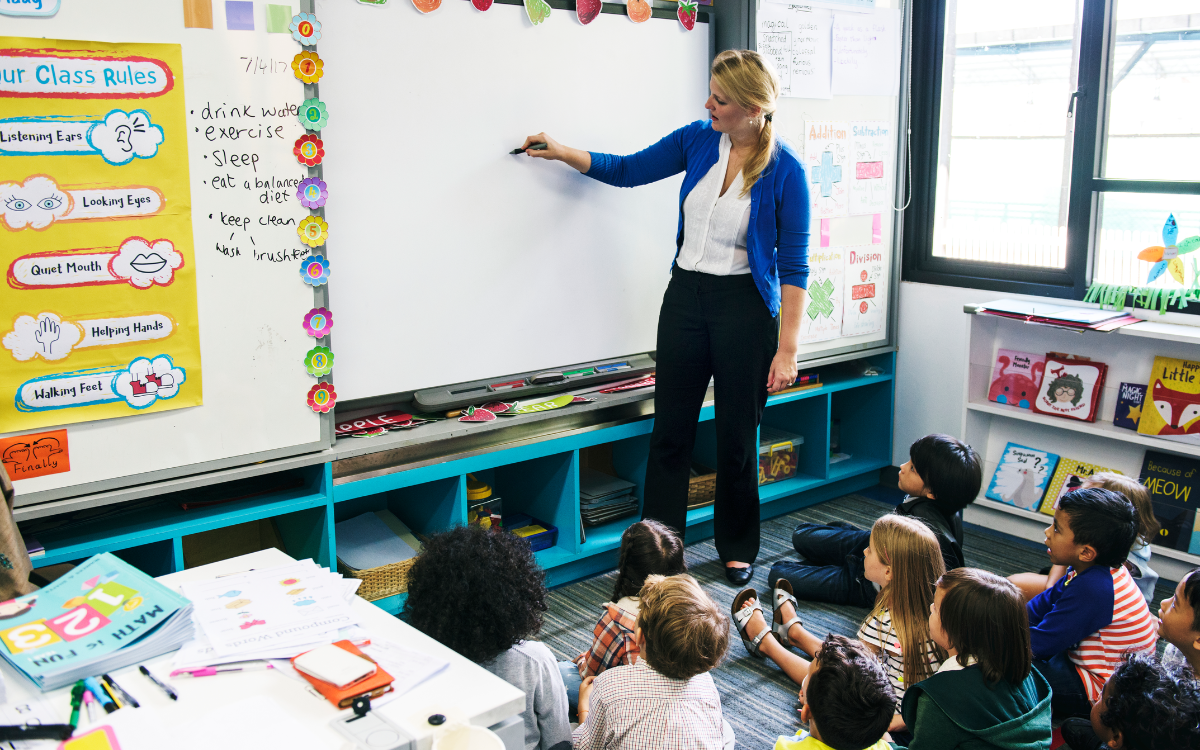
Contar histórias pode não parecer algo que se encaixe naturalmente numa aula de matemática, mas é uma forma eficaz de aprofundar a compreensão dos conceitos matemáticos. Ao pedir aos alunos de matemática que criem histórias curtas que envolvam números, formas ou equações, os professores podem aliar a criatividade à lógica.
Por exemplo, os alunos poderiam escrever um conto em que as personagens resolvem problemas utilizando álgebra ou calculam os recursos necessários para uma viagem. As crianças mais novas poderiam criar histórias em torno da contagem de objetos ou da exploração de formas geométricas. Estas atividades podem ser adaptadas a qualquer ano de escolaridade, tornando-as versáteis tanto para as salas de aula do ensino básico como do ensino secundário.
Como parte do processo, os professores podem pedir aos alunos que escrevam ou ilustrem as suas histórias e, em seguida, as partilhem com toda a turma. Isto proporciona oportunidades para o trabalho em grupo, o feedback entre colegas e muitos momentos de diversão.
Para os professores de matemática do ensino básico, a narrativa também pode servir como forma de avaliação. Ao ouvirem a forma como os alunos integram as lições de matemática nas suas narrativas, os professores conseguem perceber tanto os pontos fortes como os equívocos dos alunos.
O melhor de tudo é que a narrativa mostra que a matemática não se limita a fichas de trabalho ou testes. Demonstra que as atividades de matemática na escola podem ser criativas, colaborativas e extremamente envolventes — uma excelente lembrança para a primeira semana de aulas e para o futuro.
10. Atividades rotativas em sala de aula para um maior envolvimento
Por vezes, a forma mais eficaz de motivar os alunos de matemática é através do movimento e da variedade. A alternância de atividades mantém os alunos entusiasmados, ao mesmo tempo que lhes dá a oportunidade de experimentar vários desafios durante uma aula. Estas atividades são especialmente úteis na primeira semana de aulas, quando a capacidade de atenção é reduzida e os novos alunos estão ainda a adaptar-se.
Uma rotação típica pode incluir quatro atividades matemáticas curtas e divertidas: uma estação de puzzles, uma estação de fichas de trabalho de matemática, um desafio mental rápido, como um jogo de dados, e uma tarefa criativa, como a criação de um mini-cartaz de matemática. Os grupos de alunos passam cerca de 10 minutos em cada uma delas antes de passarem para a seguinte.
Este formato garante que os alunos trabalhem em pares ou em equipas, incentivando a colaboração e a responsabilização. Permite também que os professores de matemática circulem pela sala de aula, observem e prestem apoio sempre que necessário. Uma vez que as rotações podem ser adaptadas a cada ano de escolaridade, são igualmente eficazes nas salas de aula do ensino básico e para os professores de matemática do ensino secundário.
As atividades rotativas são uma forma divertida de combinar a revisão com novos desafios. Apresentam às crianças rotinas, destacam diferentes competências matemáticas e dão-lhes uma primeira ideia de como é diversificado e atividades emocionantes de matemática na escola pode decorrer ao longo do ano letivo.
Conclusão: Reforçar a confiança em matemática para o ano letivo

A primeira semana de aulas é mais do que apenas regras e rotinas — é uma oportunidade para despertar a curiosidade e preparar o terreno para o sucesso. As 10 atividades de matemática para o regresso às aulas aqui partilhadas mostram que a matemática pode ser divertida, social e criativa, ao mesmo tempo que reforça competências matemáticas essenciais. Desde centros de matemática e jogos de dados até à narração de histórias e ao trabalho em grupo, cada atividade da aula de matemática foi concebida para reduzir a ansiedade, reforçar a autoconfiança e fazer com que as crianças se sintam entusiasmadas com o ano que se avizinha.
Para os professores de matemática, estas atividades divertidas são ferramentas valiosas para a observação e a avaliação. Revelam os pontos fortes dos alunos, destacam áreas a melhorar e dão uma ideia dos interesses individuais em matemática. Em qualquer ano de escolaridade, começar com atividades escolares envolventes de matemática ajuda a criar uma cultura de sala de aula em que os erros são vistos como parte da aprendizagem e a colaboração é incentivada.
À medida que os alunos regressam das férias de verão, beneficiam de um equilíbrio entre estrutura e criatividade. Ao recorrer a estas atividades — e ao incorporar ferramentas digitais como Magrid—os professores podem garantir que o ano letivo comece com energia, confiança e alegria.
A matemática não tem de ser intimidante. Com as atividades certas para a primeira semana, torna-se uma oportunidade para as crianças interagirem, explorarem e descobrirem o lado divertido da matemática escolar.
12 Fun Pattern Activities for Preschoolers
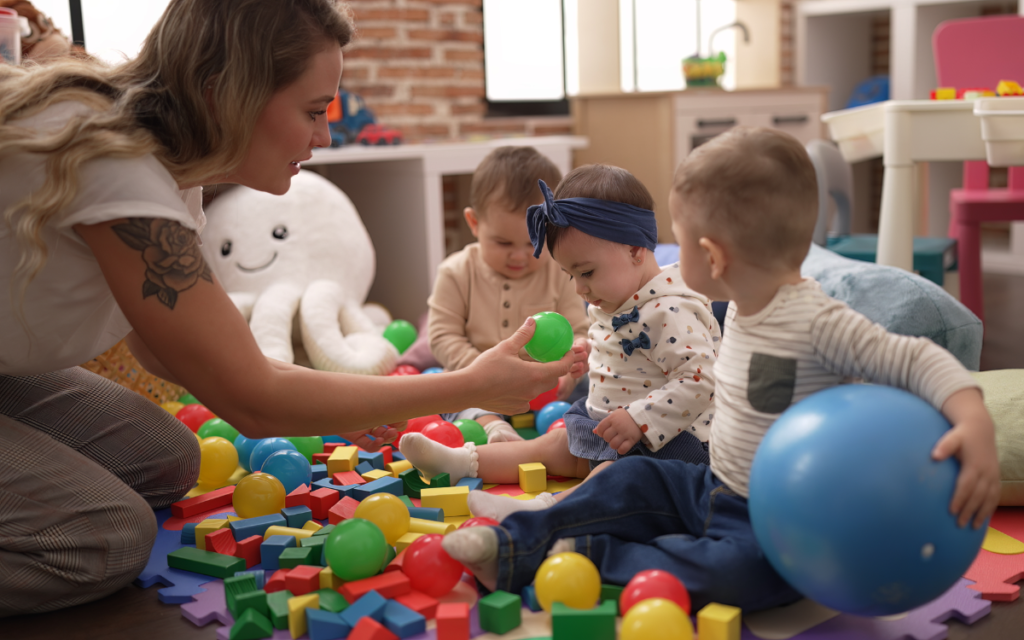
Introduction: Why Patterns Matter in Early Learning
Patterns are all around us — from the vertical stripes on a zebra to the beats in a favorite song. For toddlers and preschoolers, learning to recognize and create patterns lays the foundation for early math skills, logical thinking, and problem solving skills. These abilities support a child’s understanding of more complex ideas later in school, including skip counting, sequencing, and algebraic thinking.
Engaging in fun and engaging activities that focus on patterns helps children improve fine motor skills, build critical thinking, and gain confidence in their math skills. Through playful, hands-on experiences, children begin identifying patterns in shapes, colors, sounds, and movement—bringing learning to life. This article introduces 12 exciting pattern activities for preschoolers that blend fun with essential skill-building.
1. Pattern Activities for Preschoolers Using Beads and Strings
One of the most classic and effective pattern activities for preschoolers involves stringing beads in repeating sequences. Provide beads of various shapes and colors, and let children explore as they create patterns like red-blue-red-blue or small-large-small-large. Encourage them to copy patterns you model, then try building their own patterns using favorite color combinations.
This activity not only boosts fine motor development but also supports the ability to recognize and complete simple repeating patterns. It’s perfect for toddlers and preschoolers alike and makes a great quiet-time or small-group math center task.
2. Build ABC Patterns with Pattern Blocks
Pattern blocks are a powerful tool in teaching patterns, especially when introducing abc patterns. These three-part sequences (such as circle-square-triangle) help preschoolers recognize longer, more complex patterns than simple AB patterns.
Invite children to build rows using different shapes and colors. Once they master a pattern like red-blue-yellow, challenge them to create their own simple patterns or extend into a full pattern tower. This activity enhances visual patterns understanding and deepens their grasp of early math skills in a fun, tactile way.
3. Create Patterns with Stickers and Paper Strips
Give preschoolers stickers in different shapes (stars, hearts, squares) and let them make color patterns on paper strips. Start by guiding them with basic ab patterns like star-heart-star-heart, then allow them to create patterns independently.
This craft-based activity encourages creativity while strengthening patterning skills and fine motor control. It’s ideal for introducing simple patterns and makes an excellent addition to classroom art or atividades de matemática. Bonus: children love seeing their own patterns displayed on walls or taken home for families to admire.
4. Sorting and Identifying Patterns in Nature Walks

Nature offers countless chances to practice identifying patterns. During a walk, invite children to collect leaves, pebbles, or flowers, then sort them by size, color, or texture to form simple repeating patterns. You might spot vertical stripes on tree bark or different patterns in flower petals.
This hands-on exploration nurtures critical thinking skills, helps children recognize patterns in everyday life, and strengthens observation. Encourage them to make their own simple patterns using the items they find. Nature-based pattern activities for preschoolers also promote reasoning skills and support overall early math skills in a calming, real-world setting.
5. Movement Patterns for Active Preschoolers
Physical play is perfect for introducing movement patterns to toddlers and preschoolers. Try fun sequences like jump-clap-spin or stomp-stomp-wave. Start with ab patterns and gradually increase complexity to AABB or abc patterns.
These activities engage the body and brain, encouraging children to practice patterns using rhythm and coordination. Movement also improves fine motor skills, balance, and problem solving skills—especially when children are asked to copy patterns and extend them.
Use music or create obstacle courses with set movements to teach sound patterns and repeating patterns. It’s a playful way to support pattern recognition and math skills development.
6. Build a Pattern Tower with Colored Blocks
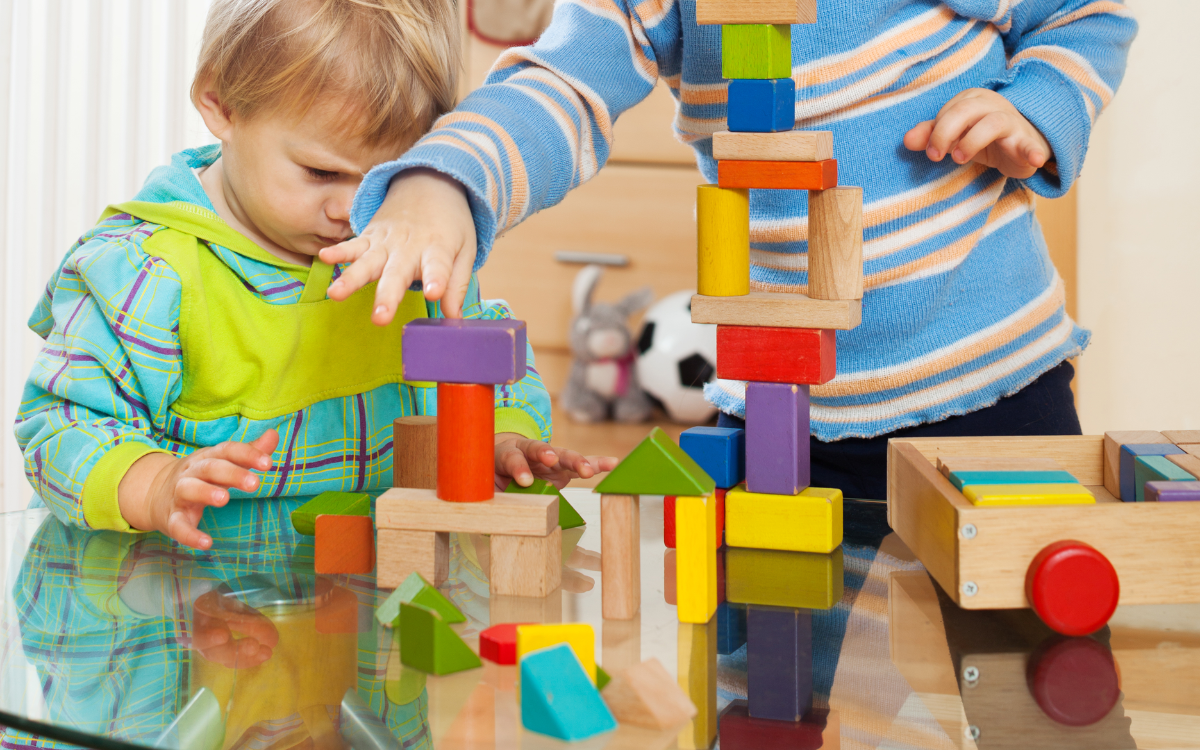
Using colored building blocks is a classic way to teach repeating patterns. Start with an ab pattern (like red block, blue block) and challenge children to copy patterns or create their own patterns with added shapes or heights.
As they stack, children explore visual patterns, math concepts, and fine motor coordination. Encourage experimenting with more complex patterns like AABB or ABC using blocks of various shapes.
These towers are not only fun but support logical thinking, patterning skills, and introduce basic preschool math concepts in a tangible, hands-on format.
7. Try Digital Pattern Activities with Magrid
Magrid offers an innovative way to explore pattern activities for preschoolers through its interactive, screen-free platform. Magrid includes activities where children build visual patterns, solve logical thinking challenges, and explore number patterns without digital distractions.
Magrid’s guided tasks help children create patterns, copy patterns, and extend sequences across formats—shapes, movements, and colors—while strengthening their critical thinking and math skills.
Whether used at home or at school, these activities reinforce core patterning concepts and support a child’s understanding of both simple patterns and more complex patterns.
8. Color Patterns with Pipe Cleaner Beads

Give preschoolers pipe cleaner strands and colorful beads to build color patterns like red-yellow-red-yellow or blue-green-yellow-blue-green-yellow. Children can copy patterns you demonstrate or create patterns using their favorite color combinations.
This craft encourages the development of fine motor skills, patterning skills, and logical thinking. You can even introduce aabb patterns or alternate by bead shape to explore different patterns. It’s a low-cost, hands-on fun activity that fits easily into any classroom or home setting.
Perfect for young learners who enjoy both art and math exploration.
9. Sound Patterns with Musical Instruments
Sound-based pattern activities for preschoolers are a playful way to teach simple repeating patterns. Use rhythm sticks, clapping, or small drums to create patterns like clap-clap-stomp or shake-tap-shake.
Ask children to recognize patterns, then extend them or invent a new pattern using sound patterns. This builds critical thinking skills, problem solving skills, and even early skip counting when rhythm is involved.
Combining movement and rhythm keeps toddlers and preschoolers engaged while supporting pattern recognition and auditory sequencing—a great fit for music corners or active learning time.
10. Teach AB Patterns with Toys and Snacks

Use simple, familiar items like toy cars and animal crackers to teach ab patterns. For example: car-snack-car-snack. Children can copy patterns you start and then begin to create their own patterns using other materials around them.
This activity is fun, adaptable, and supports early math skills, reasoning skills, and logical thinking. It’s ideal for introducing simple patterns in a concrete way, especially for pre k students just beginning to notice patterns in their everyday life.
Whether you’re in the classroom or at home, using toys and snacks makes pattern practice both engaging and delicious.
11. Shape Patterns with Cut-Outs and Templates
Cut out circles, triangles, squares, and other various shapes for preschoolers to use in shape patterns. Begin with easy ab patterns like circle-square-circle-square, then progress to AABB or ABC formats.
Let children glue their own simple patterns onto paper or arrange them freely on tables. This not only supports pattern recognition but also strengthens fine motor coordination and math skills.
Using free printable templates or stencils can help guide young learners as they create patterns and deepen their understanding patterns through repetition and design.
12. Free Printable Pattern Cards for Practice
Free printable pattern cards are a simple, structured way to help toddlers and preschoolers develop strong patterning skills. These cards can feature shape patterns, color patterns, or number patterns, making them ideal for practicing both simple patterns and more complex patterns.
Children can copy patterns, complete missing elements, or even use the cards to create patterns of their own using manipulatives like buttons or pattern blocks. Great for classroom stations or at-home learning, printable cards offer a low-prep option that supports math activities and critical thinking.
Use them in a math center or send them home for extra practice.
Fun Ways to Create Patterns at Home or School
Patterns don’t require special materials—they’re everywhere in everyday life. Use socks, silverware, crayons, or even snack pieces to make own simple patterns with your child. Arrange them by size, shape, or color to explore visual patterns and logical thinking.
Children love recognizing and forming repeating patterns with what they already know and use. These fun ways to build patterns also support math skills, reasoning skills, and critical thinking—all while encouraging creativity and real-world application.
The more children spot patterns around them, the stronger their understanding patterns becomes.
How Pattern Activities Build Math and Thinking Skills
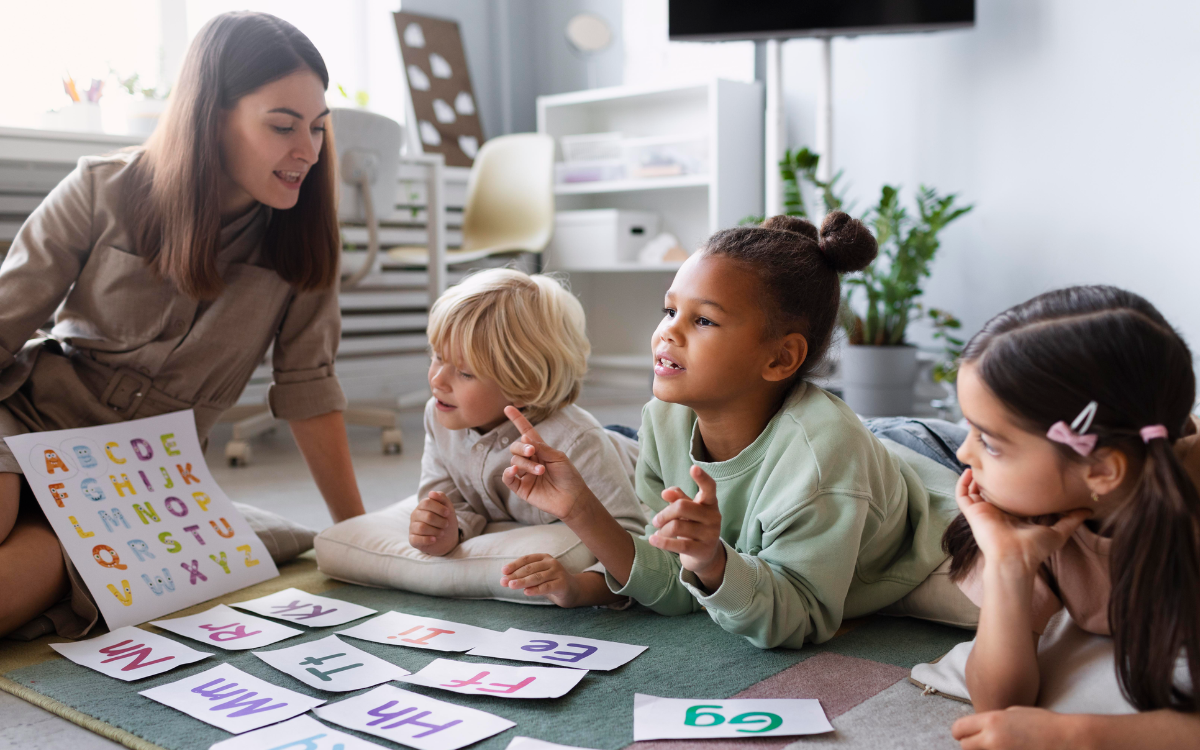
Patterning isn’t just a math exercise—it’s a thinking skill. When children engage with pattern activities, they’re developing foundational math skills like sequencing, categorization, and skip counting. These skills are essential for later success in arithmetic, geometry, and even coding.
But beyond numbers, patterns also support critical thinking, problem solving skills, and the ability to make predictions. Children begin to see connections, anticipate what comes next, and extend their thinking beyond the present moment.
Through activities like those above, children learn not just to recognize patterns, but to apply that knowledge across subjects and situations—enhancing their overall logical thinking and reasoning.
Conclusion: Help Children Learn Through Patterns Every Day
Helping children explore pattern activities for preschoolers supports much more than just math—it builds a lifelong toolkit for thinking, solving problems, and seeing structure in the world.
From ab patterns made with blocks to spotting vertical stripes on a walk, opportunities to practice and create patterns are everywhere. These activities encourage kids to play, explore, and build confidence in their early math skills.
Whether you’re a teacher, caregiver, or parent, integrating fun, hands-on math activities into daily routines ensures young learners grow with curiosity and joy in every learning moment.