






Boost Learning with This Preschool Math Curriculum

A strong preschool math curriculum does more than teach numbers—it builds a foundation for logical thinking, pattern recognition, and problem-solving from the earliest years. For children in early childhood, this kind of learning must be both structured and joyful. At this stage, math isn’t just about counting—it’s about using songs, games, images, and hands-on experiences to understand how the world works.
When children explore math activities through play, they develop what educators call mathematical skills rhythm—the natural flow of understanding math through experience. Effective curricula connect to children’s real-world environments, guiding little learners to explore, question, and discover.
Importantly, a preschool program that includes talk math images, interactive notebook pages, and hands-on manipulative mats helps promote minds on learning. With a focus on student growth, a well-crafted curriculum ensures every child—regardless of ability—has a chance to build confidence and a love for learning math fun.
What Makes an Effective Pre K Math Curriculum?

An outstanding pre k math curriculum offers more than worksheets or counting songs—it provides a well-balanced mix of play-based learning, assessment tools, and teacher guidance. At its core, a quality curriculum supports fellow pre k teachers by offering editable lesson plans, included practice sheets, and matching assessment trackers to track progress efficiently.
What sets an effective program apart is how it helps a teacher teach math in a way that adapts to student needs. It must include small group differentiation, where students grouped by learning levels explore concepts in flexible ways.
Key tools like aligned center mats and custom written included books make the curriculum highly engaging and age-appropriate. Whether used for formal assessing or observation-based approaches, these tools help teachers support each child’s unique learning path. A new prek math curriculum that addresses diverse classroom needs ensures equitable access to high-quality math learning.
Integrating Kindergarten Math Concepts in Preschool
While preschool and kindergarten serve different age groups, introducing gentle kindergarten math concepts early can give preschoolers a head start. These concepts include basic operations, spatial awareness, and beginning number bonds—all taught through play-based, exploratory activities.
Using a pre k math bundle that spirals learning toward kindergarten standards ensures smooth progression. In fact, many prek math curriculum programs now include transitional activities that introduce more advanced ideas in developmentally appropriate ways.
Teachers can use whole group lessons and small group lessons to allow children to explore counting, patterns, and measurements in interactive ways. When students teach each other in peer settings, they build both math understanding and communication skills.
By embedding critical thinking into each math lesson, educators promote curiosity and confidence. Introducing elements of kindergarten math early doesn’t rush children—it gives them the tools to make meaningful connections and meet future learning with excitement.
Building a Well-Rounded Math Curriculum for Little Learners
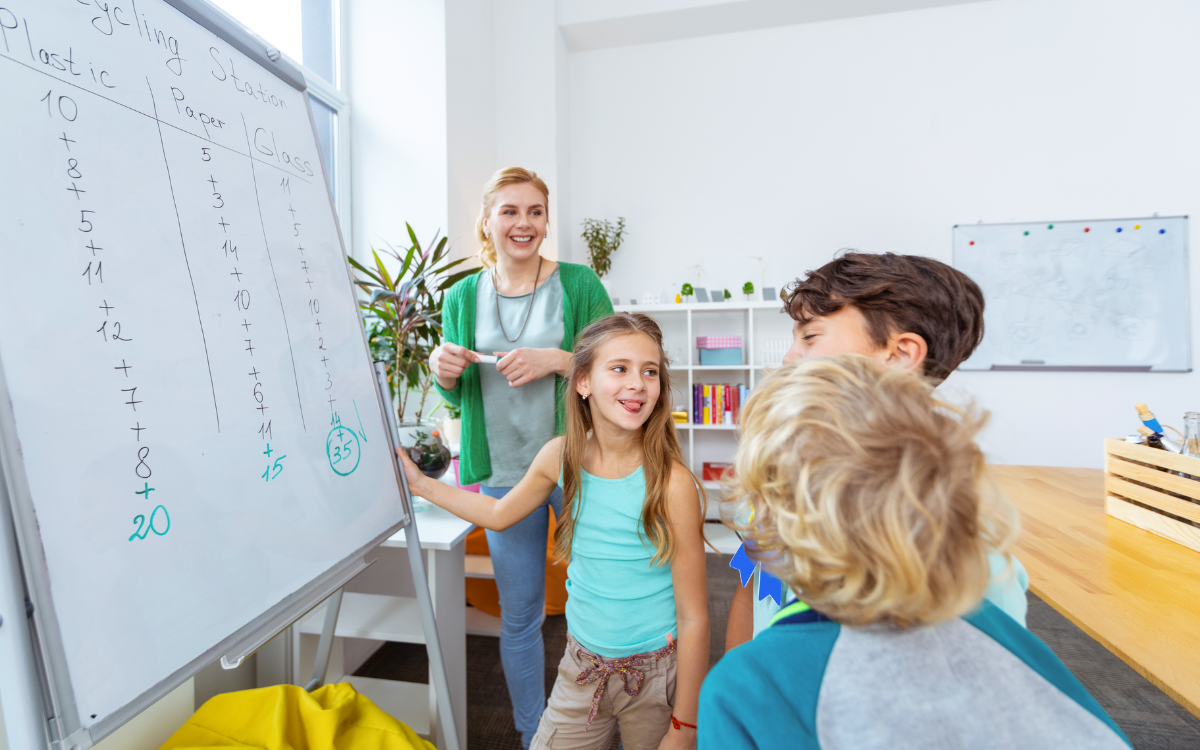
A comprehensive math curriculum for preschool must go beyond basic number sense. It should include components like vocabulary focus, daily critical thinking starters, and dramatic play task cards to address various learning styles.
Effective pre k math includes consistent structure and spiraled instruction. Lessons are enriched with interactive notebook pages, colorful math images, and song whole group lessons that make abstract concepts more relatable. When lesson plans are both clear and flexible, preschool teachers can adjust in real time to meet individual student needs.
Tools such as hands on manipulative mats and dramatic task cards offer tactile ways to deepen understanding. These methods help children connect ideas visually, verbally, and physically—reinforcing their grasp of concepts.
Incorporating small group differentiation and using an assessment tracker ensures instruction is tailored, while maintaining visibility into each child’s progress. The result? A curriculum that makes lessons successful and learning accessible to all.
Key Math Skills Every Preschooler Should Master
Foundational math skills developed in preschool set the stage for lifelong learning. These include number recognition, one-to-one correspondence, comparing quantities, understanding shapes, and recognizing patterns. An effective prek math program weaves these skills into daily routines and structured lessons.
To help little learners thrive, teachers can use included differentiated lesson plans that incorporate visual, auditory, and tactile learning. Pairing vocabulary cards with talk images and manipulatives allows children to build language and comprehension simultaneously.
Lessons should include daily critical thinking starters to stimulate curiosity and flexible thinking. Embedding math into play—like using teddy bears for counting or patterning—makes learning relatable.
Whether through informal or formal assessing, teachers can track which math skills need reinforcement using tools like a matching assessment tracker. When implemented thoughtfully, a skills-focused curriculum allows fellow classmates meet goals together, creating a sense of shared progress and achievement in the early childhood classroom.
Math Activities That Spark Joy and Curiosity
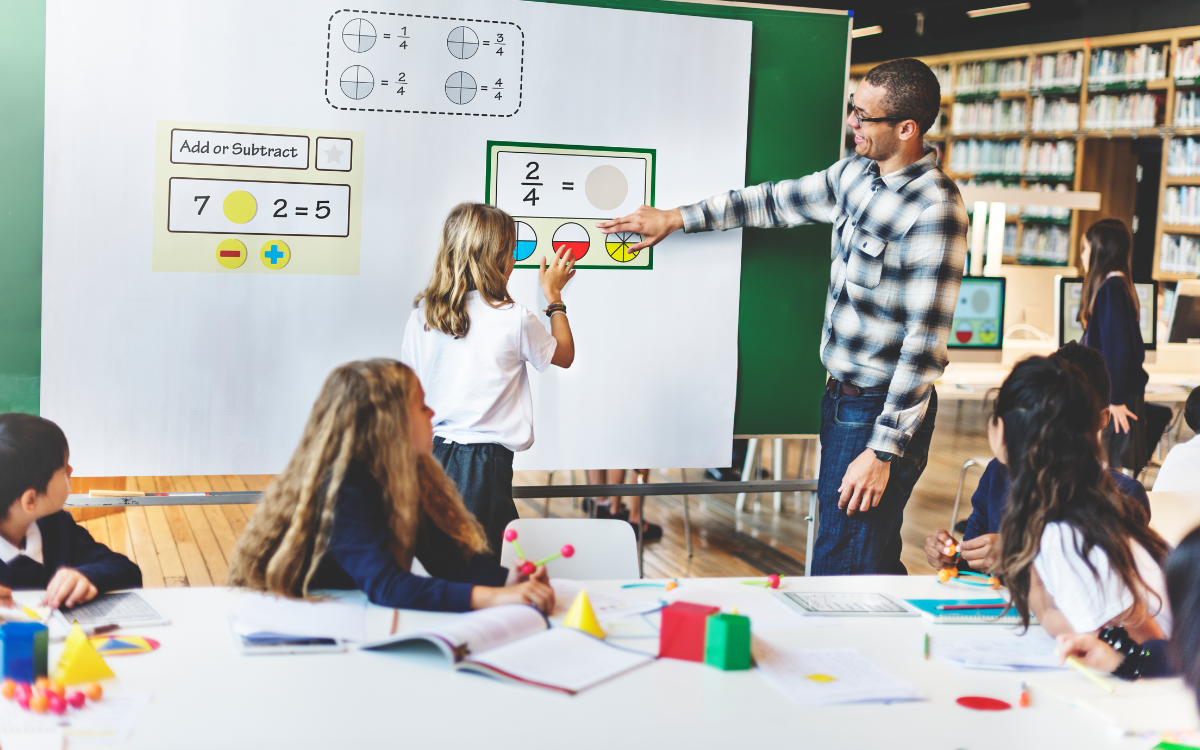
The right math activities don’t just teach—they excite, engage, and encourage exploration. In a successful pre k math curriculum, children aren’t just sitting quietly; instead, they’re moving, questioning, and discovering.
Activities like dramatic play task cards, song whole group lesson, and counting games using natural objects turn abstract ideas into meaningful experiences. Adding hands on manipulative mats to centers gives children tools to build their understanding through touch and repetition.
To promote kids talking about numbers and concepts, educators can incorporate talk math images and open-ended prompts. These tools help children explain their thinking, strengthening both their math reasoning and communication.
By integrating custom written included books that feature number adventures and math stories, teachers can seamlessly blend literacy with math. When learning math fun becomes part of the classroom culture, children naturally develop the confidence and curiosity to explore more—turning every day into a math fun adventure.
Pre K Math: Structured, Spiraled, and Student-Centered
A well-designed pre k math program provides structure while honoring the individuality of each learner. Spiraling instruction—revisiting concepts in new contexts—allows children to build upon what they’ve learned in previous lessons.
Using thoughtfully organized lesson plans, teachers can move through each pre k math unit with confidence, knowing the materials support both group and individual instruction. Elements like included practice sheets, aligned center mats, and interactive notebook pages keep learning consistent and organized.
Differentiation is key. By implementing small group lesson structures, teachers ensure that students grouped by readiness level receive personalized support. When paired with a teacher created scope and sequence, each lesson builds intentionally toward mastery.
A high-quality teach math curriculum doesn’t rely on rote repetition—it adapts, reflects, and evolves with each class. With tools in place and objectives clearly defined, teachers can make every math moment meaningful while allowing students teach one another through collaboration.
Using Preschool Math to Promote Hands-On Learning
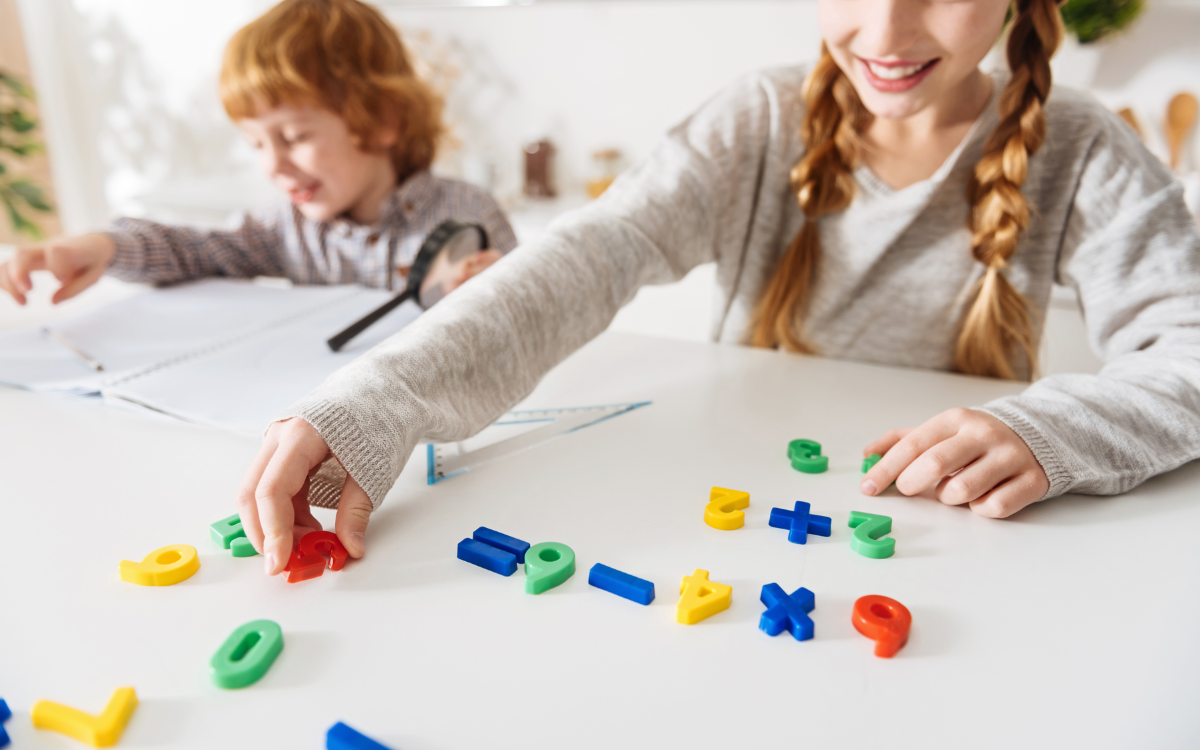
Preschool math thrives when it’s active, hands-on, and rooted in children’s experiences. Young learners are naturally curious and physical, making promote hands on learning not just effective, but essential.
By incorporating tools like dramatic task cards, vocabulary focus boards, and math images, teachers can create opportunities for children to manipulate, sort, and build. Whether they’re matching shapes, counting blocks, or using teddy bears to form patterns, every activity fosters deeper understanding.
Well-structured lessons allow students sit together in small groups, talk through their reasoning, and engage in meaningful collaboration. These experiences develop not just number sense but also social-emotional growth.
Preschool teachers can enhance learning by rotating math unit themes to keep content fresh and engaging. Embedding real-world concepts like sorting laundry or measuring ingredients strengthens the link between classroom math and daily life. Most importantly, this approach keeps the process importantly kid approved.
Creating a Math-Rich Early Childhood Environment
Designing a math-rich early childhood environment involves more than adding numbers to the walls—it means creating spaces where children’s experiences with math are natural, integrated, and engaging. Thoughtfully curated centers with aligned center mats, hands on manipulative mats, and rotating themes support exploration and reinforce concepts learned during math lesson time.
Adding math images and vocabulary cards to visual displays boosts recognition and reinforces language. Teachers can include custom written included books and interactive notebook pages in reading areas to bridge literacy and math.
Even dramatic play can support math when infused with dramatic play task cards and objects for counting or comparing. Whether it’s a pretend grocery store or a teddy bear picnic, each play scenario becomes an opportunity to build math skills naturally.
This type of immersive setup ensures math is everywhere—encouraging students teach themselves and each other through everyday interactions and shared discoveries.
How Teachers Can Support Pre K Math Curriculum Success

Success with any pre k math curriculum depends on the teacher’s ability to adapt and support individual learning paths. Preschool teachers, along with sped teachers and fellow pre k teachers, play a critical role in delivering meaningful math instruction across ability levels.
Using an assessment tracker—especially one designed for both informal or formal assessing—gives teachers valuable insight into each student’s progress. With that data, they can modify lesson plans, regroup students, or introduce targeted engaging math activities to reinforce learning.
Teachers benefit from editable lesson plans and resources that are easy to customize. This flexibility becomes a huge time saver, particularly when managing a class of diverse learners.
By collaborating with fellow classmates, students gain confidence while developing communication skills. A strong support system, reflective practice, and consistent use of tools like included differentiated lesson plans make it easier to ensure student growth every step of the way.
Lessons That Work: How to Make Lessons Successful
Making lessons successful means balancing structure with flexibility, and academic goals with student interest. Each math unit should provide room for experimentation, creativity, and responsiveness to where children are developmentally.
Integrating critical thinking questions into both whole group lessons and small group lessons helps teachers guide students toward deeper understanding. Encouraging kids talking about math allows children to process aloud, make connections, and learn from one another.
Use tools like dramatic task cards, talk math images, and hands on manipulative mats to make abstract ideas come alive. Teachers should also provide time for reflection, journaling, or drawing in interactive notebook pages.
Don’t overlook the power of peer learning—when students teach or explain concepts to each other, both learners benefit. With the right tools and strategies in place, a teacher created lesson becomes more than just instruction—it becomes a platform for discovery, confidence, and joyful learning.
Why This Preschool Math Curriculum Stands Out
This preschool math curriculum isn’t just about numbers—it’s about preparing children to think critically, solve problems, and engage with the world. Through carefully designed pre k math units, included practice sheets, and differentiated instruction, it helps teachers meet every child where they are.
What makes this curriculum shine are just a few highlights: flexible editable lesson plans, question assessment tools, and engaging math fun resources that are importantly kid approved. Whether you’re working with early childhood learners in inclusive classrooms or preparing students for the elementary grades, this curriculum offers structure without rigidity.
More than a program, it’s a tool for transformation—guiding preschool teachers in how to teach, reflect, and grow alongside their students. When classrooms are filled with joy, interaction, and rich learning materials, fellow classmates meet their potential every day.
With this approach, every math moment becomes an opportunity for exploration—and every child, a confident learner.
Looking to enhance your preschool math curriculum with hands-on learning? Magrid empowers young learners to build foundational math skills through visual, interactive play. Try Magrid today and turn early math moments into confident, curiosity-driven learning.
8 Engaging Learning Activities for 5 Year Olds

Introduction – Nurturing Young Minds Through Play and Purpose
At the age of five, children are bursting with curiosity, creativity, and an eagerness to explore the world around them. This stage is a crucial time for development, where learning through play becomes one of the most effective ways to build essential skills for school and life. Whether it’s recognizing letters, understanding emotions, or developing motricité fine, well-designed learning activities for 5 year olds can lay a strong foundation.
More than just fun, these activities help children gain self confidence, express themselves, and connect with family members and their environment. From using building blocks to creating their own stories, there are countless ways to engage little minds in meaningful learning. This article explores eight fun activities that support reading, writing, math, creativity, et social development—all tailored to meet the unique needs of 5-year-olds. Let’s dive into ideas that inspire, challenge, and nurture your child’s growing ability.
Understanding the Value of Learning Activities for 5 Year Olds
By the age of five, children are rapidly developing across cognitive, physical, emotional, and social domains. They’re learning to express themselves clearly, follow routines, and engage with other family members and peers more meaningfully. Learning activities for 5 year olds support this growth by providing opportunities to explore, experiment, and build important skills through play and discovery.
Activities at this age should focus on fostering motor skills, both large and fine, while helping kids begin to recognize patterns, shapes, letters, and numbers. From tracing simple words to sorting toys by color or size, these experiences develop their focus, memory, and spatial awareness. When parents and caregivers get involved, these activities also become moments of connection that encourage communication and bonding.
In addition to academic skills like early reading et math, children benefit from activities that teach discipline, emotions, and collaboration. A well-rounded mix of physical play, art, music, and storytelling provides a rich learning environment that prepares them for school and beyond. Whether it’s a hands-on science project or imaginative play with stuffed animals, each activity plays a role in shaping their understanding of the world—and their place in it.
1. Fun Learning Activities That Boost Skills and Self Confidence
For young children, fun and learning go hand-in-hand. When kids are actively engaged and enjoying themselves, they’re more likely to retain information, take risks, and push boundaries—all of which are critical to development. That’s why integrating fun learning activities into a 5-year-old’s routine helps nurture both their intellect and their self confidence.
These activités don’t have to be complex. Let your child act out a favorite story with stuffed animals, or turn household chores into playful challenges. Sorting socks by color or matching lids to containers may seem simple, but they sharpen spatial awareness and encourage attention to detail. Making up own stories, drawing pictures of family members, or creating a silly song together all build creative expression while enhancing vocabulary and communication.
Play-based learning also helps enfants learn to navigate emotions, develop discipline, and gain a sense of accomplishment when completing small tasks. Whether they’re building towers with toys, identifying letters on signs, or playing pretend with friends, every interaction adds to their understanding of themselves and their environment. The key is to provide a safe space where exploration is encouraged, mistakes are welcomed, and learning is always a joyful adventure.
2. Board Games That Teach and Entertain
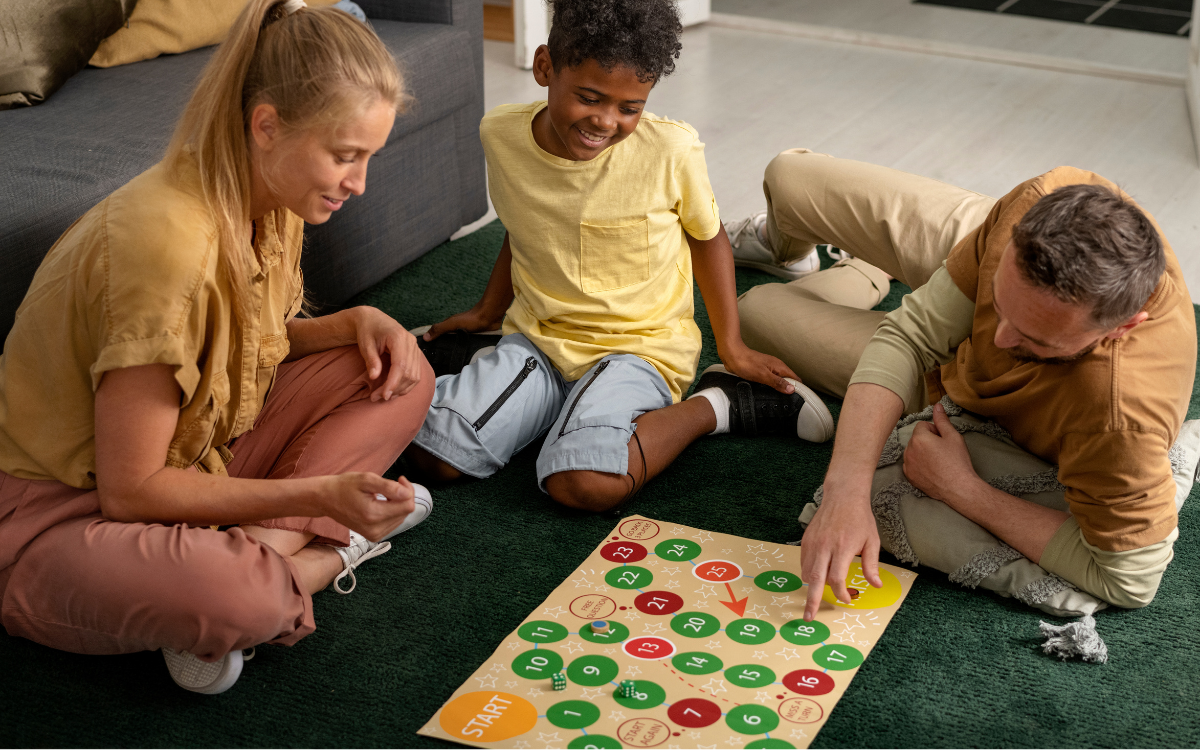
Board games offer a fantastic blend of fun and foundational learning for 5-year-olds. These games promote social development by teaching turn-taking, patience, and how to handle winning or losing gracefully. They also build vital academic and cognitive skills, such as number recognition, simple word identification, and decision-making.
Games like picture matching, early math puzzles, and alphabet bingo help enfants learn to recognize letters, count objects, and understand patterns. These activities support reading and writing skills, as well as basic strategy and memory-building. Playing together with family members also strengthens bonds and encourages conversation, offering a natural way to help your child grow in a supportive setting.
Whether it’s rolling dice, matching cards, or moving game pieces across a board, these games reinforce discipline, attention, and focus. Best of all, they deliver valuable learning moments wrapped in the excitement of play.
3. Creative Expression Through Art, Music, and Crafts
Creative expression is a powerful outlet for 5-year-olds to explore their thoughts, feelings, and the world around them. Through art, music, et crafts, children develop motricité fine, improve their focus, and strengthen their ability to communicate. These activities also foster emotional growth by giving kids space to express emotions they may not yet be able to put into words.
Set up a simple art station with crayons, paper, glue, and safe scissors. Invite your child to draw family members, cut out shapes, or create collages using found materials. These creative choices help develop spatial awareness, color recognition, and writing skills like pencil grip and hand control. Singing songs, playing simple instruments, or dancing to different rhythms further enhances coordination and listening skills.
Crafting also gives children opportunities to create their own stories—whether through puppets, painted scenes, or homemade books. These hands-on experiences connect imagination with physical activity, reinforcing what they’re learning in school while encouraging independent thought.
Quand parents get involved, the experience becomes even more meaningful. Whether you’re painting together or building something from recycled materials, you’re not just making art—you’re making memories and reinforcing lifelong learning.
4. Simple Science Experiments for Little Explorers

Introducing science experiments at an early age is an excellent way to spark curiosity and lay the groundwork for critical thinking. For 5-year-olds, the best experiments are hands-on, engaging, and easy to understand—turning everyday materials into tools of discovery. These experiences help children develop observation skills, spatial awareness, and early concepts of cause and effect.
One simple favorite is the classic baking soda and vinegar volcano. It’s messy, exciting, and full of learning! Kids get to mix ingredients, watch a reaction, and learn basic science vocabulary. Other experiments like floating and sinking toys in water or growing plants in clear containers help children connect with nature and understand how the world works.
These fun activities build more than academic knowledge—they also teach patience, focus, et discipline. They encourage children to ask questions, test ideas, and learn from unexpected results. Doing these activités together with parents ou other family members also provides opportunities for meaningful conversation and shared learning.
Best of all, experiments foster a deep sense of wonder that carries over into other areas like math, reading, and creative thinking. With a little setup and a lot of enthusiasm, you can help your child explore science through playful discovery.
5. Reading Books That Spark Imagination and Language Skills
One of the most powerful ways to support your child’s development is by reading books together. At age five, children are developing early reading et writing skills, expanding their vocabulary, and learning how stories are structured. Shared reading time builds not just literacy, but also emotions, empathy, and connection between parents et kids.
Choose books with simple words, clear pictures, and engaging themes that reflect your child’s interests—whether it’s animals, family members, or adventures in nature. Ask questions while reading: “What do you think will happen next?” or “How does the character feel?” These prompts help children focus, recognize emotions, and understand the story more deeply.
You can even involve your child by letting them “read” repetitive phrases or name letters et words they recognize. As they grow more confident, encourage them to retell the story in their own words, boosting memory, comprehension, and self confidence.
Regular reading sessions build a strong foundation for school readiness and a lifelong love of learning. Keep books accessible, rotate themes, and make reading part of your daily routine. With every page turned, you’re helping your child explore new worlds—and understand their own.
6. Strengthening Skills with Magrid: A Smart, Screen-Free Learning Tool
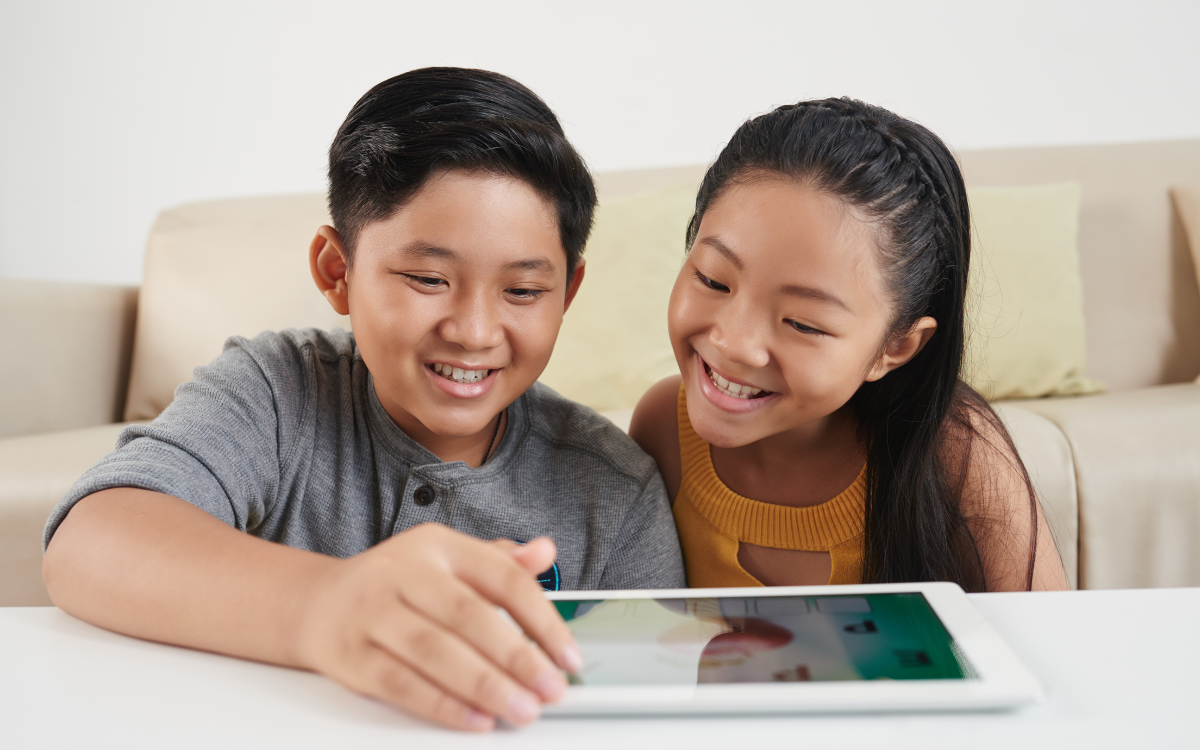
One exceptional activity for 5-year-olds is learning with Magrid, a research-based, screen-free platform designed to build foundational skills in math, reading, et spatial awareness. Unlike traditional digital tools, Magrid uses physical interaction and visual prompts to teach concepts in a way that feels like play—making learning fun, hands-on, and deeply engaging for enfants.
Through thoughtfully designed activities, Magrid enhances focus, discipline, et self confidence by encouraging children to solve problems, make connections, and complete challenges independently. Whether it’s identifying shapes, navigating patterns, or organizing sequences, Magrid strengthens motor skills and cognitive development while also supporting language acquisition.
The platform is also ideal for parents who want to help their child learn in a structured yet playful environment. By removing screens from the equation, Magrid creates a calm space that nurtures attention and reduces distraction. It’s a perfect way to support writing skills, number recognition, and early logic without overstimulation.
Using Magrid can be a daily ritual—one that not only builds academic ability but also encourages exploration, confidence, and a love of learning. As one of the most effective learning activities for 5 year olds, Magrid offers a meaningful blend of fun, structure, and discovery.
7. Outdoor Play: Explore, Move, and Learn in Nature
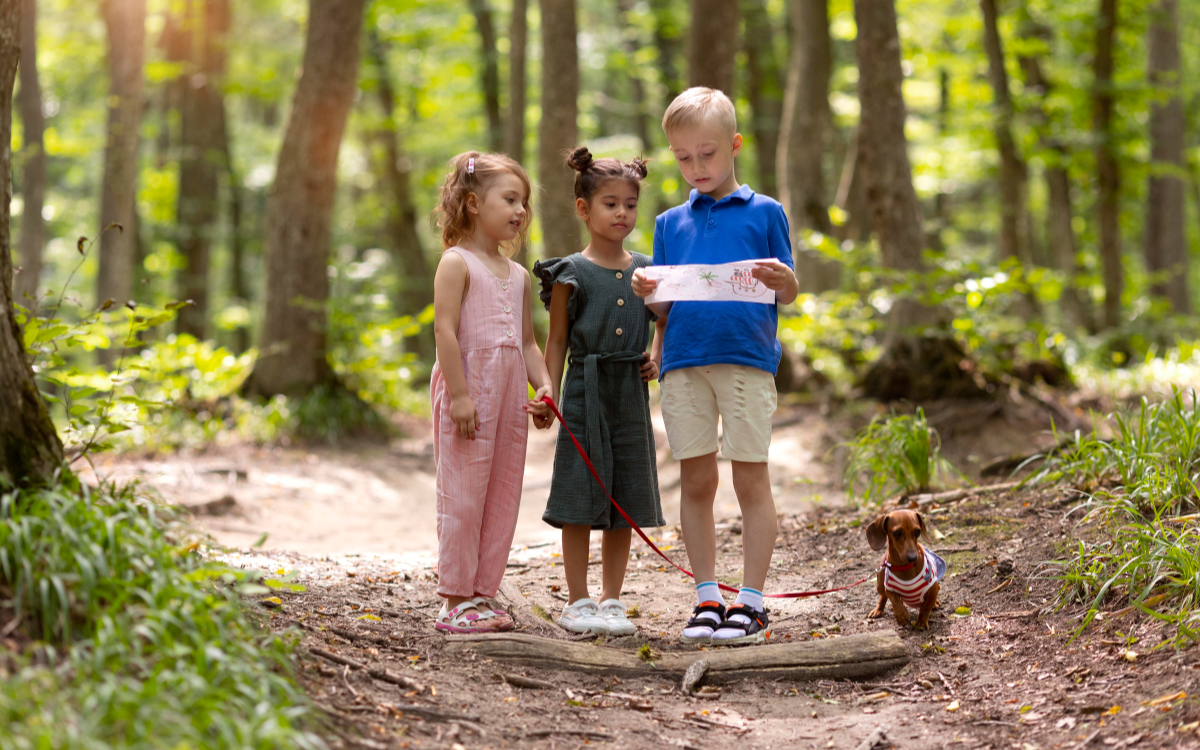
Getting fresh air and spending time in nature is essential for a child’s well-being and development. Outdoor play gives 5-year-olds the freedom to move, explore, and engage their senses in ways that indoor settings can’t replicate. Whether it’s running, climbing, or playing with toys outside, these activities support physical motor skills, coordination, and self confidence.
Try setting up simple nature scavenger hunts, building with natural materials, or playing balance games with sticks and rocks. You can also bring building blocks outdoors to combine imaginative play with environmental discovery. These fun activities help children develop spatial awareness and body control while cultivating a sense of wonder about the world.
Outdoor games also allow kids to act out stories, connect with family members, and release energy in healthy ways. Most importantly, outdoor play teaches children to appreciate their environment and discover the joy of learning through real-world exploration.
8. Family Time Activities: Learning with Loved Ones
Some of the most impactful learning happens during shared moments with parents et family members. Family-based activités create a warm environment where children feel supported, safe, and encouraged to explore new ideas. These moments help develop not only academic skills but also emotional intelligence and social development.
Try simple, engaging routines like baking together, where your child measures ingredients, stirs mixtures, or observes a baking soda reaction—teaching math, science, and cooperation in one go. Card games or collaborative crafts help reinforce discipline, turn-taking, and vocabulary.
Getting other family members involved in storytelling, reading, or building projects strengthens relationships and builds communication skills. Even daily chores can become learning experiences when paired with fun and encouragement.
The key is being present and allowing your child to participate meaningfully. These shared activities send a powerful message: learning is a part of everyday life, and your child has a vital role to play in it.
Conclusion – Helping Your Child Grow Through Play and Discovery

Every child is full of potential, and with the right support, they can thrive through fun learning activities that promote creativity, connection, and confidence. From acting out own stories with stuffed animals to exploring early science experiments or using screen-free tools like Magrid, the opportunities for learning are everywhere.
These eight learning activities for 5 year olds are designed to nurture the whole child—supporting motor skills, emotional awareness, reading, math, and social understanding in playful and meaningful ways. When parents et family members stay involved, learning becomes a shared journey that strengthens relationships and builds lifelong habits.
Whether indoors or outside, using materials or imagination, each moment offers a chance to help your child grow. With consistency, patience, and a sense of wonder, you can create an environment that supports your child’s development, encourages discovery, and fills their world with joy and possibility.
Looking for a fun way to build your child’s math and cognitive skills? Magrid offers hands-on, research-based activities designed for 3 to 7-year-olds to learn through play. Try Magrid today and make every learning moment count!
Understanding Math Progress Monitoring for Your Child
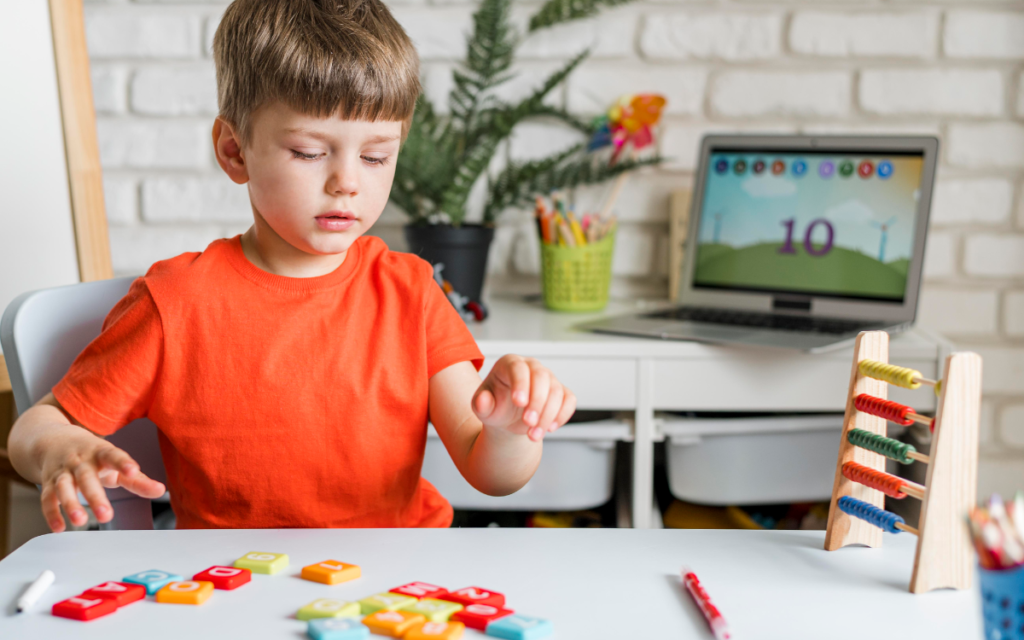
As a parent, you want to ensure your child is building strong math skills and staying on track throughout the school year. One of the most effective ways schools support this is through math progress monitoring—a method used to regularly track how students are understanding and applying key math concepts. This process helps identify when a student might need extra help, as well as when they’re ready to move ahead. By understanding how progress monitoring works, you’ll be better equipped to support your child’s learning journey, communicate with teachers, and make informed decisions about their instruction and growth in mathematics.
What Is Math Progress Monitoring?
Math progress monitoring is a way teachers check how well students are learning math over time. It involves using simple, regular assessments to see how a child is improving in specific areas. These assessments can track student growth by showing which skills have been mastered and which still need work. This process helps teachers make timely adjustments in instruction and supports identifying students who may be struggling. It’s also a helpful tool for parents who want to stay informed about their child’s academic progress.
Why Is Progress Monitoring Important in Math?
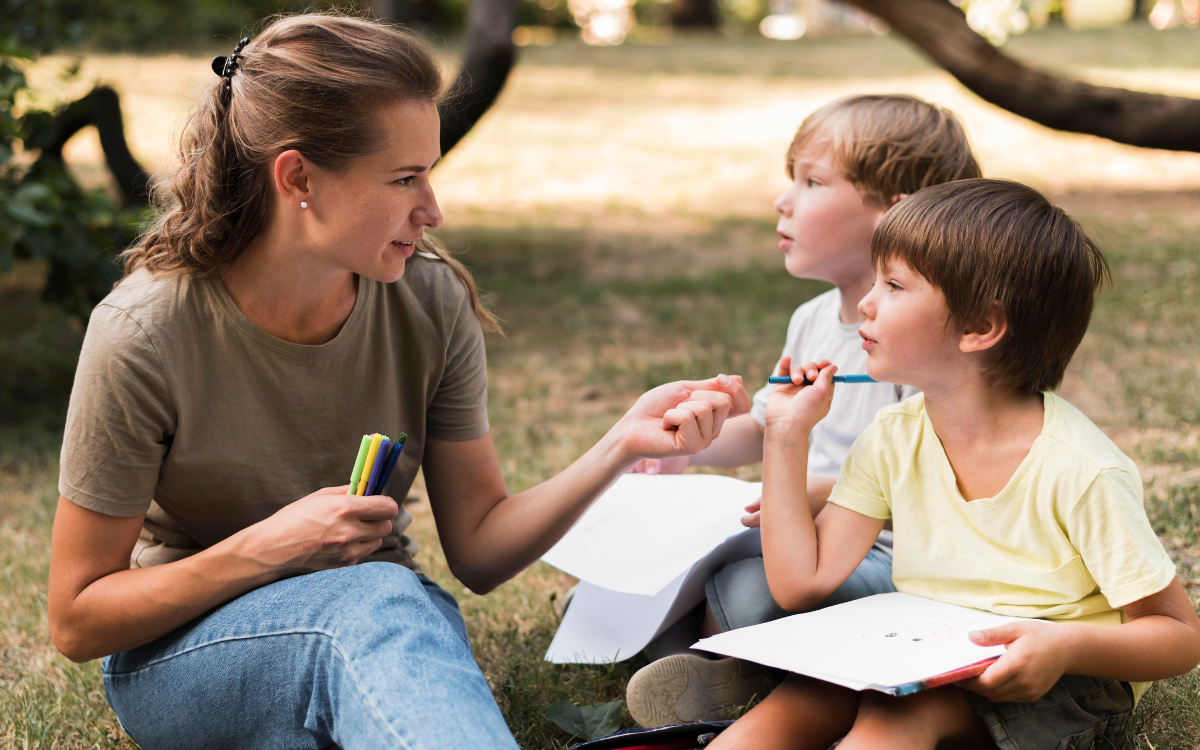
In math, every concept builds on the next. If a child falls behind early, it can affect future learning. Progress monitoring helps prevent this by regularly checking student learning through small, targeted assessments. Teachers use the results to guide classroom instruction, provide extra help when needed, and ensure all students stay on track with grade-level expectations. For parents, understanding this process can clarify how schools respond to their child’s academic needs and support long-term improvement in math performance.
How Schools Monitor Student Progress in Math
To monitor student progress in math, schools use a variety of methods. These might include short quizzes, teacher observations, digital tracking tools, and class assignments. Each tool helps gather student data that shows how well a student understands the current topic. This information allows teachers to adjust their lessons and target specific skills. It also ensures that learning remains aligned with grade-level goals throughout the school year.
The Role of Progress Monitoring Tools in Learning
Progress monitoring tools help schools and teachers gather accurate information about each student’s math development. These tools range from digital apps and online platforms to printed assessments and hands-on activities. They track student performance over time and allow educators to see which math skills need reinforcement. For parents, understanding these tools means knowing how teachers collect data and make decisions about classroom instruction. When used effectively, they provide clear insight into your child’s learning path and overall academic progress.
Different Types of Progress Monitoring Measures

There are different types of progress monitoring measures that schools may use to check how students are learning math. These can include formative assessments, short skill checks, benchmark tests, or curriculum-based measurements. Each type offers a snapshot of a student’s understanding and helps teachers tailor instruction accordingly. Parents might see these assessments coming home in folders or as digital reports. Knowing what they mean can help you support your child’s learning and work with teachers to address any areas needing improvement.
What Does Math Progress Look Like?
Math progress can show up in many ways, from mastering basic addition to confidently solving word problems. Younger learners may demonstrate growth by grasping counting strategies, while older students show understanding of patterns or problem-solving techniques. Regular feedback helps teachers and parents see how students are advancing through grade-level concepts. Recognizing signs of improvement helps ensure that students’ understanding stays on pace with their grade and course expectations throughout the school year.
How Student Data Informs Instruction and Intervention

Teachers rely on student data from assessments to adjust lessons and provide targeted intervention when necessary. If a child shows signs of difficulty in certain areas, the data helps identify where support is needed. This may lead to changes in teaching strategies or introducing new tools to aid learning. For parents, understanding how data informs instruction can build trust in the process and encourage collaboration to support ongoing student growth and improvement in math.
Helping Parents Understand Math Objectives by Grade Level
Each grade level has specific math objectives students are expected to meet. These include skills like number recognition, addition strategies, or understanding fractions—depending on the class and age. By knowing these goals, parents can better interpret their child’s progress reports and classroom updates. It also helps them support student learning at home by focusing on relevant concepts that align with what’s being taught throughout the school year.
Supporting Your Child’s Learning at Home
You don’t need to be a math expert to support student learning at home. Simple activities—like practicing math facts, using real-life math (e.g., cooking or budgeting), or encouraging use of school-approved tools—can reinforce classroom instruction. Stay informed by reviewing teacher feedback and asking questions about your child’s progress. Your involvement shows your child that math is important and encourages consistent effort throughout the school year.
Partnering With Teachers to Monitor Progress

Teachers and parents share the same goal: student success. Open communication helps you understand how your child is doing and what progress monitoring shows. Ask about recent assessments, upcoming topics, and how you can support at home. Working together allows both educators and families to better monitor student progress and ensure your child continues to grow in mathematics throughout the course of the year.
Conclusion: Empowering Parents Through Awareness and Action
Understanding math progress monitoring gives you valuable insight into your child’s academic path. When you know how teachers use data, tools, and strategies to support learning, you can take an active role in their progress. Partnering with educators, asking informed questions, and supporting learning at home all contribute to your child’s confidence, growth, and overall success in math.
Ready to take a more active role in your child’s math development? Magrid offers a research-based, visual learning platform designed specifically for young learners to build foundational math skills—without needing reading or language proficiency. Whether your child needs extra support or is ready to advance, Magrid adapts to their pace and learning style. Try Magrid today and empower your child with the tools they need to thrive in mathematics from the very beginning.
Learning Retention Pyramid: A Guide for Parents and Educators

Introduction: Understanding the Learning Retention Pyramid
The learning retention pyramid is a model that helps educators and parents understand how students retain knowledge through different learning experiences. Developed by the National Training Laboratories Institute, this model categorizes learning methods into active and passive forms, highlighting which strategies lead to greater retention.
In the current education system, passive learning methods like lectures and reading are commonly used, yet research shows that these are among the most ineffective methods for knowledge retention. In contrast, active engagement through group discussion, peer teaching, and hands-on activities significantly improves learning outcomes.
By incorporating various learning methods, parents and educators can help students develop a deeper understanding of concepts. This article explores the learning pyramid, its implications, and how it can be applied to maximize long-term memory. Understanding the learning process will allow us to correctly teach students in a way that truly makes sense.
What Is the Learning Pyramid?
The learning pyramid is a model that explains how different learning methods impact retention rates. First introduced by the National Training Laboratory, this pyramid ranks various learning styles based on how effectively they help students retain knowledge over an extended period.
At the top of the pyramid are passive study methods, such as reading and lectures, which result in short-term memory retention. Meanwhile, active forms of learning, such as teaching others, audio-visual methods, and hands-on experience, promote long-term memory and good mastery of subjects.
The cone of learning suggests that students retain only 10% of what they read but up to 90% of what they teach. These findings have influenced medical education, corporate training, and classroom teaching, proving that active engagement leads to a more effective learning outcome. Educators must use different methods to match students’ individual learning styles and enhance knowledge retention.
Passive Learning: The Least Effective Approach
Passive learning refers to learning methods where students absorb information without direct interaction or engagement. This includes listening to lectures, reading textbooks, and watching presentations—common practices in the current education system. Research from the National Training Laboratory confirms that these are among the most ineffective methods for retaining information.
In passive study methods, students may memorize content for a test, but their long-term memory retention is low. Without active participation, learners struggle to make connections between existing knowledge and new concepts, which hinders good mastery of subjects.
Although audio-visual learning through videos and slides can slightly improve retention rates, these methods alone are not enough. To truly improve retention, educators must supplement passive forms of learning with active engagement, such as group discussion, explaining concepts, and hands-on activities. This shift makes learning more meaningful and effective.
Active Learning: The Key to Knowledge Retention

Active learning involves active participation, where students engage directly with the material to enhance knowledge retention. Unlike passive learning, which relies on memorization, active forms of learning encourage students to think critically and apply their existing knowledge to new situations.
Techniques such as group discussion, peer teaching, and hands-on experience significantly improve retention rates. When students engage in explaining concepts to other students, they reinforce their understanding, leading to a deeper understanding of the material. Audio-visual methods, when combined with interactive learning, further support retention.
Studies in medical education and classroom settings show that students retain information better when they practice concepts rather than just reading about them. Implementing active engagement strategies in the learning process ensures a more effective learning outcome, making education more meaningful and enjoyable for students.
The Learning Experience: How Different Methods Affect Retention
A student’s learning experience directly impacts how well they retain knowledge. The learning retention pyramid highlights how various learning methods influence long-term memory and comprehension. Passive learning, such as reading or listening to lectures, often results in lower retention rates, while active learning strategies help students build a deeper understanding of concepts.
Each student has individual learning styles, meaning they respond differently to audio-visual learning, hands-on activities, or group discussion. Blended learning, which combines multiple approaches, can enhance the learning process by catering to different preferences.
To correctly teach, educators should consider various learning styles and incorporate interactive techniques. By increasing active participation and engagement, students develop a stronger connection to new material, leading to a more effective learning outcome and greater educational success.
The Role of Blended Learning in Retaining Information
Blended learning combines traditional teaching with audio-visual methods, hands-on experience, and group discussion to improve knowledge retention. This approach acknowledges that students learn in different ways and integrates active forms of learning to maximize long-term memory.
The learning retention pyramid supports blended learning as an effective learning method. Research from the National Training Laboratory suggests that incorporating interactive techniques, such as explaining concepts and teaching others, leads to greater retention than relying on passive study methods alone.
By using audio-visual learning tools alongside active engagement, educators can help students understand and apply knowledge more effectively. The combination of digital resources, discussions, and hands-on activities ensures that students engage deeply with the material, improving both short-term memory and long-term comprehension.
Audio-Visual Learning: Enhancing Knowledge Through Multimedia

Audio-visual learning is a powerful tool in education, combining visual and auditory elements to enhance the learning experience. Studies show that audio-visual methods are more engaging than text-based learning, helping students retain knowledge more effectively.
The learning pyramid categorizes audio-visual tools as more effective than traditional lectures but less effective than active participation strategies. To improve retention, educators should pair audio-visual learning with hands-on activities and group discussion.
In subjects like science class, videos, animations, and interactive simulations can reinforce complex ideas, bridging the gap between theory and practice. Blended learning, which integrates audio-visual tools with direct engagement, is one of the most effective methods for retaining information over an extended period. This approach allows students to develop a deeper understanding while keeping learning dynamic and interactive.
Teaching Others: The Best Way to Retain Knowledge
One of the most effective learning methods identified in the learning retention pyramid is teaching others. When students take on the role of the instructor, they reinforce their own understanding, leading to greater retention of the material. This aligns with findings from the National Training Laboratory, which show that students who engage in peer teaching retain knowledge far better than those who rely on passive learning.
Explaining concepts forces students to organize their thoughts, relate new information to existing knowledge, and clarify misunderstandings. This process enhances long-term memory and deepens comprehension.
Educators can encourage teaching others through group discussion, student-led presentations, and tutoring programs. In both traditional and blended learning environments, incorporating this strategy ensures that students not only learn but also develop the ability to correctly teach and apply their knowledge in real-world situations.
Hands-On Activities: The Power of Practice

Hands-on activities play a crucial role in the learning process, helping students develop a deeper understanding of concepts through direct experience. Unlike passive learning, where students passively absorb information, active participation in experiments, projects, and real-world applications leads to greater retention.
According to the learning retention pyramid, learning by doing is one of the most effective methods for retaining information over an extended period. For example, in a science class, students who conduct experiments rather than just reading about them tend to retain knowledge more effectively.
Blended learning approaches that incorporate hands-on experience alongside audio-visual methods create a dynamic learning experience. When students engage in practice, they connect new knowledge to existing knowledge, reinforcing their understanding and improving their ability to apply concepts in real-life situations. This approach ensures good mastery of skills and knowledge.
Group Discussion: Learning Through Collaboration
Group discussion is a powerful learning method that encourages students to articulate their thoughts, challenge ideas, and refine their understanding through interaction. Unlike passive study methods, where students learn in isolation, discussions increase active engagement and foster critical thinking.
The learning retention pyramid shows that students retain more information when they discuss topics with other students. Engaging in conversations forces learners to clarify their thoughts, address misconceptions, and reinforce knowledge, leading to long-term memory retention.
In a blended learning environment, group discussion can be combined with audio-visual learning and hands-on activities to enhance the learning experience. Educators can encourage participation by posing open-ended questions, facilitating debates, and incorporating peer teaching techniques. This method not only helps in retaining information but also develops communication and problem-solving skills, making learning more interactive and effective.
The Impact of the Current Education System on Learning Retention
The current education system relies heavily on passive forms of learning, such as lectures and rote memorization, despite extensive research proving that these are among the most ineffective methods for knowledge retention. Many schools still prioritize textbooks and standardized testing over active learning strategies, which significantly impacts students’ ability to retain knowledge.
The learning retention pyramid highlights that active participation through teaching others, group discussion, and hands-on activities leads to greater retention and better learning outcomes. However, these methods are often underutilized in traditional classrooms.
To correctly teach, educators should integrate audio-visual methods, peer teaching, and blended learning approaches into their instruction. Encouraging active engagement in the learning process helps students move beyond memorization and develop a deeper understanding of concepts, ultimately improving overall retention rates and academic success.
Applying the Learning Retention Pyramid in Education

Educators can enhance learning by applying the learning retention pyramid in classrooms. By shifting from passive learning to active forms of engagement, students achieve greater retention and deeper comprehension. Blended learning, incorporating audio-visual methods, group discussion, and hands-on experience, ensures an interactive learning experience.
Encouraging teaching others and explaining concepts helps students connect new material to existing knowledge. Research from the National Training Laboratory confirms that these techniques significantly improve knowledge retention. By using effective learning methods, teachers can correctly teach and help students retain knowledge for an extended period, ensuring long-term success.
The Science Behind Retaining Information Over an Extended Period
Memory plays a key role in the learning process, with short-term memory needing reinforcement to transition into long-term memory. The learning retention pyramid demonstrates that active engagement leads to greater retention, as students remember more when they practice, discuss, or teach others.
Studies in medical education and cognitive science show that repetition, hands-on activities, and audio-visual learning enhance retention rates. By using various learning methods that align with individual learning styles, educators help students retain information more effectively. Applying these strategies fosters a deeper understanding, making learning more meaningful and improving learning outcomes.
Conclusion: Towards Happy Learning and Greater Retention
The learning retention pyramid highlights the importance of active learning in improving knowledge retention. Traditional passive study methods are among the most ineffective methods, while hands-on experience, group discussion, and peer teaching lead to greater retention.
By integrating blended learning and active participation into the learning process, educators can create a more engaging environment that helps students retain information long-term. Encouraging happy learning through effective learning methods ensures a meaningful and enjoyable educational experience. Prioritizing active forms of learning helps students develop a deeper understanding, preparing them for lifelong success.
Want to reinforce deep, lasting learning for your child? Magrid brings the learning retention pyramid to life through hands-on activities that actively engage young minds. Try Magrid today and help your child retain more by learning through doing—just the way it works best.
Learning Math for 4 Year Olds Through Play

Introduction: A Great Start Through Play
The four year mark is a perfect time to start building a solid foundation in early math. At this age, children are curious, energetic, and eager to learn through exploration. Incorporating math for 4 year olds into everyday play not only makes learning so much fun, but it also fosters lasting understanding.
By using fun activities, everyday objects, and natural curiosity, parents and educators can introduce essential math concepts without pressure. This approach encourages kids to grow at their own pace, develop confidence, and build the basic math skills needed for success in kindergarten and beyond.
Why Math for 4 Year Olds Matters
Why start early? Research shows that children who begin exploring math concepts at a young age tend to perform better academically later on. Introducing math for 4 year olds through play allows them to make sense of the world around them. At this stage, most children are capable of grasping ideas like counting, recognizing patterns, and comparing shapes or sizes.
Early exposure helps kids develop logical thinking and early stratégies de résolution de problèmes. When math is introduced as part of fun and engaging routines, children build positive associations with learning and gain the confidence they need to tackle future math problems.
Understanding Early Math Skills in Four Year Olds
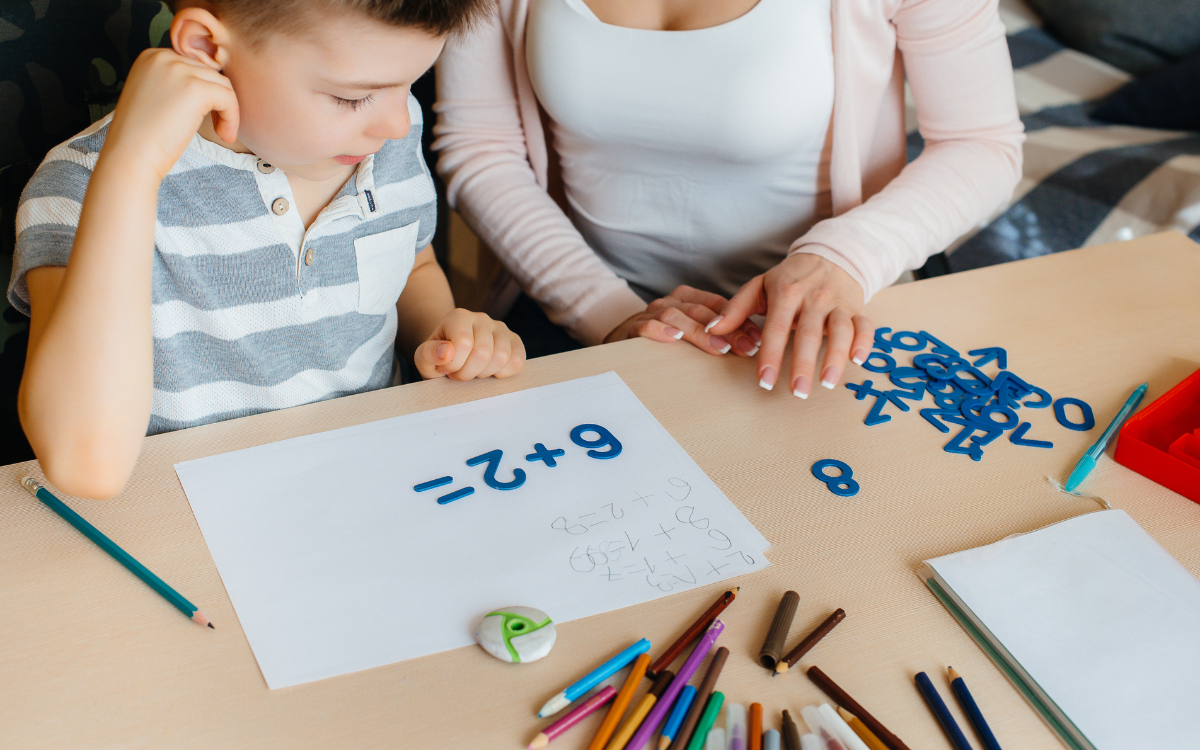
Before diving into structured lessons, it’s important to understand what math skills are typical for four year olds. Many children in this age group can already count to ten or higher, identify basic shapes, and begin to grasp quantity comparisons like “more” and “less.” These are all part of basic math development.
They may also start recognizing written numbers and attempt to write numbers on their own. At this stage, number recognition is more about exposure than perfection. Using everyday activités mathématiques, such as sorting blocks, arranging snacks, or comparing toy sizes, provides natural opportunities to practice. These experiences lay the foundation for basic addition, subtraction, and more complex thinking down the road.
Daily Routines That Build Math Skills
Everyday moments offer valuable chances to teach and practice early math. Simple daily routines like setting the table, pairing socks, or dividing snacks give children meaningful ways to learn about numbers and patterns. For example, ask your child to count how many plates are needed or to group fruit by color.
These activities not only build number recognition skills and math vocabulary but also introduce early problem-solving. With regular exposure in real-life situations, math for 4 year olds becomes a natural part of how they understand and interact with their world.
Connecting Math and Language Skills in Young Learners
Math and language skills are closely linked—especially in the early years. When we talk with children about numbers, sizes, and positions, we expose them to important mathematical language like “greater than,” “next to,” or “equal.” These words help four year olds understand math through conversation.
Describing shapes, counting out loud, or asking your child to explain their thinking are all simple ways to strengthen both math and verbal expression. As most kids begin developing their communication abilities, using math terms naturally in everyday speech supports both language and math skills, laying a strong foundation for future learning.
Teaching Shapes and Patterns to Four Year Olds
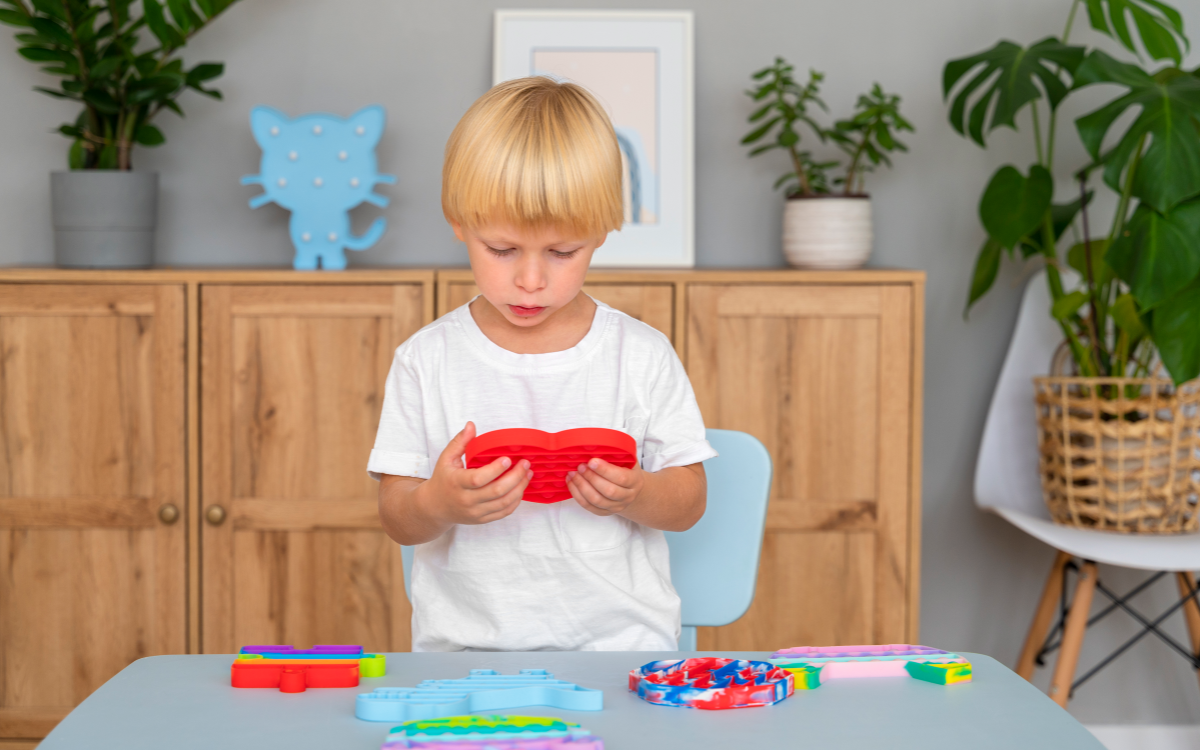
Exploring basic shapes and patterns is a fun and visual way to introduce important math concepts. Start with common shapes like circles, triangles, and squares—found in toys, books, and even food! Help four year olds recognize and name these objects, then guide them in creating simple patterns using colored blocks, stickers, or snack items.
These activities develop spatial awareness, categorization, and sequencing—all essential components of basic math. Through hands on activities, kids also gain early exposure to geometry in a fun way, reinforcing their understanding of how shapes work together in the world around them.
Counting with Everyday Objects and Toy Cars
Counting becomes engaging when children use everyday objects they love. Try lining up toy cars, blocks, or even spoons for your four year old to count. This tactile approach turns abstract numbers into something real and relatable. Ask your child to group cars by color or count how many are in a row.
These activities reinforce number recognition and counting skills through playful exploration. For added fun, use movement—like racing the cars—as part of the activity. This strategy taps into your child’s energy while supporting early math for 4 year olds in a meaningful way.
Fun Math Activities for Four Year Olds
Learning math doesn’t need to look like worksheets. In fact, fun math activities are often the most effective way to engage four year olds. Try number scavenger hunts, sorting games, or building towers with a certain number of blocks. These kinds of math activities feel like play but help kids develop key skills.
You can also incorporate simple board games that involve counting or moving spaces, which naturally teach number sequence and logic. With just a bit of creativity, basic math skills become part of playtime—helping children enjoy the process while they learn at their own pace.
Strengthening Number Recognition Through Games
Recognizing numbers is a big milestone for four year olds, and games are an excellent way to reinforce it. Matching two cards—one with a numeral and one with a picture—helps children make visual connections. Use numbered puzzle pieces, hopscotch mats, or dice-based activities to boost number recognition skills.
These interactive games can be repeated and varied, allowing kids to practice without boredom. Make it social by playing in pairs or small groups, encouraging communication and self confidence along the way. Learning through play ensures that math for 4 year olds remains engaging and effective.
Singing Songs to Learn Basic Math Concepts

Music offers a fun way to introduce basic math ideas like counting, sequencing, and even early subtraction. Singing familiar songs—like “Five Little Ducks” or “Ten in the Bed”—helps kids hear number sequences and learn how numbers go up or down.
Add finger movements or objects to act out the lyrics for a multi sensory approach. These tunes stick in children’s minds, making them ideal tools for reinforcing math skills. Best of all, singing songs makes learning so much fun for both parents and children alike.
Playing Games to Solve Problems and Think Critically
Structured games are a powerful tool to help kids solve problems while enjoying themselves. Board games, matching games, or simple card games encourage four year olds to use logic, count spaces, and make decisions. These activities challenge children to think ahead, recognize patterns, and determine the best move—all valuable math skills.
Games like “What’s Missing?” or “Which One Doesn’t Belong?” also build early reasoning. As they play, most children begin to develop persistence and patience, learning that mistakes are part of growth. Playing games is more than entertainment—it’s a meaningful way to foster basic math understanding.
Hands-On Math Activities for Active Four Year Olds
Young children learn best when they’re moving and touching, making hands on activities essential for teaching math for 4 year olds. Try using blocks, sand trays, or sticker charts to teach counting or number order. A multi sensory approach helps engage different learning styles—especially for active learners.
Let your child jump to numbered floor mats or use clay to create number shapes. These activities not only strengthen motor coordination but also reinforce number recognition, sequencing, and basic math skills. They’re a fun way to connect movement with learning in a natural, age-appropriate way.
Encouraging Four Year Olds to Write Numbers
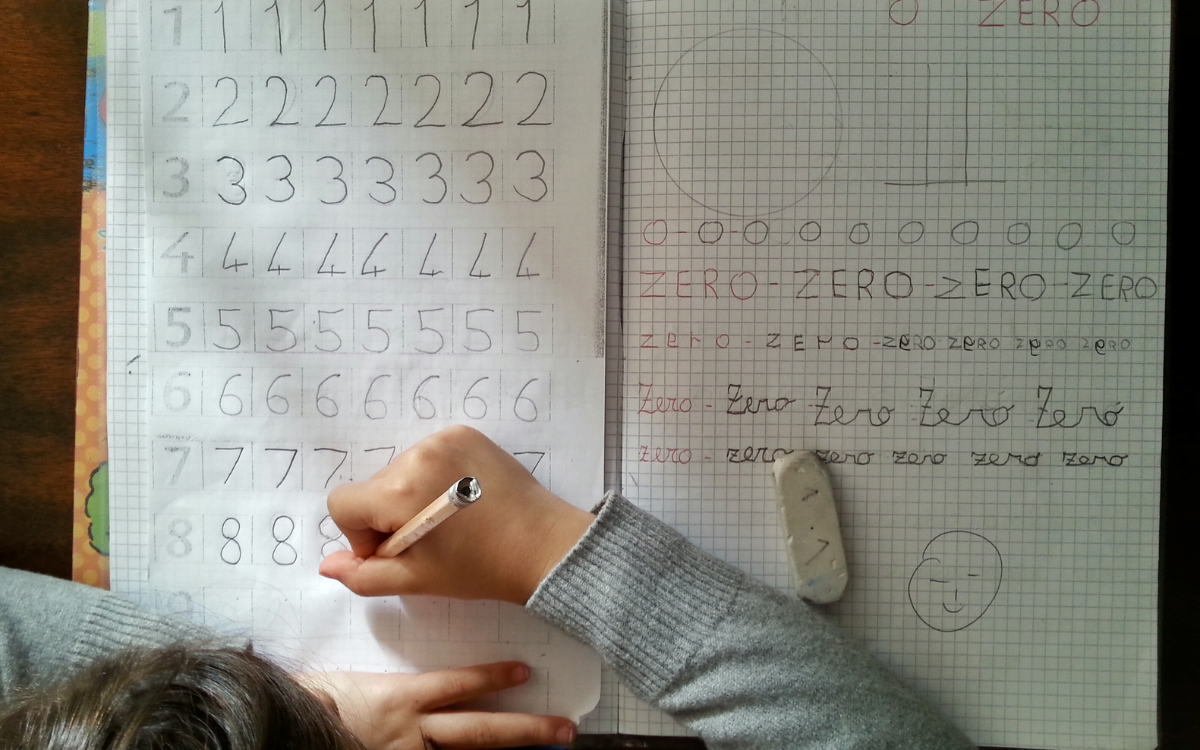
By age four, many children begin trying to write numbers on their own. Encourage this through playful practice using finger painting, tracing sandpaper digits, or drawing numbers on chalkboards. These fun activities improve fine motor skills while supporting number recognition.
Start by showing one number at a time and naming it out loud. Allow your child to copy it using large, bold strokes. With repetition and support, four year olds become more confident in forming numbers, which helps prepare them for formal writing tasks in school and future math activities.
Making Math Fun to Build Self Confidence
Confidence is key when learning something new. That’s why it’s important to approach early math in a fun and low-pressure way. Using games, songs, or interactive math activities helps your child see learning as exciting instead of stressful. Celebrate small wins—like correctly counting a group of objects or solving a simple number puzzle.
Positive reinforcement builds self confidence, encouraging kids to take risks and try again when challenges arise. For most kids, the combination of encouragement, fun, and practice lays the groundwork for a lifelong love of math.
Supporting Kids at Their Own Pace

Every child learns differently, and it’s important to allow four year olds to learn at their own pace. Some might grasp number recognition quickly, while others need more time with shapes or counting. That’s okay!
Avoid comparing progress and instead focus on creating a nurturing environment filled with opportunities to practice, explore, and ask questions. When children feel supported rather than rushed, they’re more likely to stay curious and engaged—two essential qualities for meaningful progress in math skills and beyond.
Introducing Addition and Subtraction with Play
Early addition and subtraction can be introduced using real-life examples and simple toys. Try story-based scenarios like, “You have three toy cars. If we add one more, how many now?” Use snacks, fingers, or blocks to visually show the change. Let your child physically add or take away items to see how numbers shift.
These hands-on situations make abstract operations like basic addition more concrete. Keep it light and fun—no need for worksheets at this stage. With repetition and natural play, most children begin to understand how numbers develop, change, and connect in meaningful ways.
How Magrid Builds Math Skills Through Play

Magrid is a powerful learning platform designed to help four year olds build strong math skills through playful, screen-free experiences. With its research-based design, Magrid uses a multi sensory approach that supports children in developing number recognition, basic math understanding, and even early language skills. Its structured activities guide kids to solve problems, explore math concepts, and write numbers—all while having so much fun.
Parents and educators love how Magrid encourages children to learn at their own pace, reinforcing self confidence in a developmentally appropriate way. Whether it’s counting with visual supports or introducing basic addition, Magrid makes it easy to teach math in a fun way—right from home or school.
Try Magrid: A Great Start for Lifelong Learning
Give your child a head start with Magrid. Through playful, hands-on learning, Magrid helps four year olds build foundational math skills in a way that’s engaging, effective, and age-appropriate.
Ready to begin? Try Magrid today and make math a joyful part of your child’s daily play!
L'enseignement adaptatif : un aperçu destiné aux enseignants

L'enseignement adaptatif est une approche flexible et fondée sur des données probantes qui aide les enseignants à adapter leur enseignement en fonction des connaissances et des besoins des élèves, sans pour autant revoir leurs attentes à la baisse. Au lieu de créer des tâches artificiellement distinctes, les enseignants adaptent stratégies pédagogiques afin que tous les élèves puissent atteindre des objectifs d'apprentissage communs, tout en conservant des attentes élevées.
Ancrée dans la pratique en classe et approuvée par le Cadre de référence pour les enseignants en début de carrière, cette approche s’avère particulièrement utile dans l’enseignement primaire et dans les établissements scolaires ordinaires, où l’on observe souvent des besoins d’apprentissage variés et des lacunes dans les connaissances. Avec le soutien des assistants pédagogiques et en s’appuyant sur une évaluation continue, les enseignants apportent un accompagnement ciblé afin de garantir que tous les élèves — en particulier ceux confrontés à des obstacles à l’apprentissage — maîtrisent les concepts essentiels et améliorent leurs résultats.
Pourquoi l'enseignement adaptatif est-il important dans les classes d'aujourd'hui ?

L'enseignement adaptatif est important car il aide les enseignants à répondre aux besoins d'élèves aux profils variés tout en favorisant l'équité. En recourant à l'évaluation formative et en tenant compte des réponses des élèves, les enseignants adaptent leurs cours en temps réel afin d'améliorer les résultats des élèves et de combler leurs lacunes en matière de connaissances préalables.
Cette approche favorise un apprentissage progressif et un regroupement flexible des élèves, permettant ainsi à tous les apprenants d'accéder à des tâches stimulantes sans pour autant compromettre le niveau d'exigence. Elle évite les écueils d'un modèle uniforme et permet de maintenir un niveau élevé d'implication des élèves.
Pour les responsables d'établissement, la promotion de stratégies pédagogiques adaptatives lors de la conception des programmes scolaires garantit une planification efficace qui profite à chaque élève. Elle permet aux enseignants d'atteindre les objectifs d'apprentissage et de favoriser la mise en place de classes inclusives, où les attentes sont élevées, dans toutes les matières.
Précisions sur la notion d’« enseignement adaptatif »
Le terme ’ enseignement adaptatif » peut être interprété à tort comme consistant simplement à adapter les exercices à chaque élève, mais il recouvre en réalité bien plus que cela. Fondamentalement, l’enseignement adaptatif consiste à apporter des ajustements réfléchis au contenu des cours, à l’accompagnement et à la manière de les dispenser, en fonction des connaissances et des besoins des élèves, sans pour autant abaisser le niveau d’exigence.
Cette approche consiste à identifier le niveau des apprenants à l'aide d'outils tels que l'évaluation formative, puis à adapter l'enseignement afin de combler les lacunes, de renforcer les concepts clés ou d'approfondir les acquis. Par exemple, les enseignants peuvent adapter leurs cours en modifiant le matériel pédagogique, le rythme ou les stratégies de regroupement, tout en continuant à se concentrer sur des objectifs d'apprentissage communs.
Il est important de noter que l’enseignement adaptatif met l’accent sur l’importance de l’interaction humaine pour répondre aux besoins des apprenants. Il ne s’agit pas de créer de multiples fiches d’exercices pour différents groupes, mais d’utiliser des stratégies pédagogiques qui tiennent compte de la compréhension en temps réel et favorisent la réussite. Lorsqu’il est bien mené, cet enseignement adaptatif est de qualité : réfléchi, inclusif et axé sur les objectifs, il aide chaque élève à s’épanouir dans le cadre des objectifs collectifs de la classe.
Des stratégies pédagogiques adaptatives qui font leurs preuves dans la pratique

Pour mettre en œuvre avec succès des stratégies pédagogiques adaptatives, il faut faire preuve d’intentionnalité et de souplesse. Les stratégies les plus efficaces s’appuient sur l’évaluation formative et s’articulent autour d’une compréhension approfondie des acquis des élèves et des objectifs d’apprentissage. Ces stratégies ne consistent pas à attribuer des tâches différentes à chaque élève, mais à adapter les cours afin d’y intégrer un apprentissage progressif, des questions adaptées et des méthodes de soutien différenciées.
Une stratégie particulièrement efficace consiste à regrouper les élèves de manière optimale en recourant à des regroupements souples et temporaires. Cela permet aux enseignants de répondre aux besoins qui se font jour tout en modifiant régulièrement la composition des groupes en fonction des données d’évaluation. Les enseignants peuvent également proposer un accompagnement ciblé ou sur mesure à certains élèves — souvent en collaboration avec des assistants pédagogiques — afin de consolider des concepts importants avant ou après l’enseignement dispensé à l’ensemble de la classe.
D'autres approches consistent à adapter les supports pédagogiques, à intégrer des exemples concrets ou à modifier la structure d'un exercice afin de réduire les obstacles à l'apprentissage tout en maintenant un niveau élevé d'exigence cognitive. Ces stratégies améliorent les performances des élèves et leur permettent de gagner en confiance et en autonomie.
La pratique adaptative ne vise pas la complexité pour elle-même ; elle repose sur la pertinence et la réactivité. En choisissant les bons outils et en restant concentrés sur des objectifs communs, les enseignants peuvent s’adapter de manière durable et efficace, aidant ainsi tous les élèves à connaître une réussite significative, tant dans les cours actuels que futurs.
L'évaluation formative : le moteur de l'enseignement adaptatif
L'évaluation formative est au cœur de l'enseignement adaptatif, car elle permet d'avoir un aperçu immédiat du niveau de compréhension de chaque élève. Contrairement à l'évaluation sommative, qui évalue les acquis à la fin d'une unité, l'évaluation formative est continue et guide la pratique quotidienne en classe. Elle comprend des techniques telles que le questionnement, les fiches de synthèse et l'analyse des réponses des élèves pendant les cours.
Ces informations permettent aux enseignants d'identifier les lacunes dans les connaissances, de repérer les idées fausses et d'adapter le contenu des cours avant que les malentendus ne s'ancrent. Par exemple, si les élèves ont des difficultés avec un concept, l'enseignant peut décider de le réexpliquer en utilisant d'autres stratégies pédagogiques ou d'organiser une séance de préparation supplémentaire pour un petit groupe.
Utilisée de manière cohérente, l'évaluation formative facilite la planification future et garantit que les stratégies pédagogiques adaptatives s'appuient sur des données en temps réel. Elle aide également les enseignants à déterminer quand apporter un soutien ciblé ou quand passer à l'étape suivante, ce qui maximise les chances que les élèves maîtrisent les concepts essentiels et permet de maintenir l'enseignement en adéquation avec les objectifs d'apprentissage.
Prise en compte des objectifs d'apprentissage dans l'enseignement primaire

Dans l'enseignement primaire, il peut s'avérer difficile d'atteindre des objectifs d'apprentissage communs au sein d'une classe composée d'élèves aux expériences et aux parcours variés. L'enseignement adaptatif répond à ce défi en mettant l'accent sur la manière de dispenser les cours afin que chaque enfant, quel que soit son niveau de départ, puisse accéder au programme scolaire et réussir.
Les enseignants du primaire travaillent souvent avec des élèves dont le niveau de connaissances préalables varie considérablement, même au sein d’une même classe. Certains élèves peuvent avoir besoin d’un accompagnement pédagogique pour assimiler un concept, tandis que d’autres sont peut-être déjà prêts à l’appliquer de manière autonome. En recourant à des stratégies pédagogiques adaptatives, les enseignants peuvent adapter leur enseignement pour tenir compte de ces différences sans avoir à concevoir des cours distincts ni à distribuer plusieurs fiches d’exercices.
Il est également important que les enseignants continuent à nourrir de grandes attentes envers tous les élèves, en veillant à ce qu’ils soient à la fois stimulés et soutenus de manière équitable. À cet égard, l’enseignement adaptatif offre une solution qui allie rigueur et accessibilité, aider les apprenants à atteindre les objectifs du programme scolaire à des rythmes différents.
Lorsqu’il est mis en œuvre efficacement, l’enseignement adaptatif dans les classes du primaire permet de s’assurer qu’aucun élève ne soit laissé pour compte, tout en évitant que les élèves les plus avancés ne se désintéressent de la matière. Il crée un environnement solidaire et inclusif où chaque élève peut réussir grâce à un accès concret aux concepts essentiels.
Caractéristiques d'un enseignement adaptatif de qualité
Un enseignement adaptatif de qualité se caractérise par des choix mûrement réfléchis, une réflexion permanente et une compréhension approfondie des besoins des élèves. Il ne s'agit pas d'une approche réactive fondée sur des suppositions, mais d'une démarche proactive s'inscrivant dans une planification pédagogique réfléchie et dans la pratique quotidienne en classe.
L'une des caractéristiques essentielles réside dans la mise en place d'une planification efficace qui anticipe les domaines dans lesquels les élèves pourraient rencontrer des difficultés. Les enseignants identifient les obstacles à l'apprentissage et élaborent des stratégies pédagogiques — telles que la constitution de groupes flexibles ou l'intégration d'exemples concrets — afin d'aider les élèves à les surmonter.
Une autre caractéristique distinctive réside dans la manière dont les enseignants utilisent les données issues de l'évaluation formative pour affiner leur enseignement. Ils tiennent compte de l'implication des élèves, de leurs résultats et des tendances observées dans leurs acquis pour adapter leur approche pédagogique en temps réel. Cela peut notamment passer par le recours à des assistants pédagogiques afin d'apporter un soutien ciblé, ou par l'ajustement de la manière dont les contenus sont structurés pour en faciliter l'assimilation.
Un aspect essentiel d’un enseignement adaptatif de qualité réside dans le fait qu’il maintient des attentes élevées pour tous les apprenants. Il évite de regrouper les élèves en fonction de leurs capacités supposées ou de recourir à une différenciation répétitive. Au contraire, il donne à tous les élèves — y compris ceux présentant des besoins éducatifs particuliers — les outils nécessaires pour réussir aux côtés de leurs camarades.
En fin de compte, un enseignement adaptatif efficace favorise un apprentissage inclusif tout en réduisant le risque d'imposer une charge de travail inutile, ce qui profite tant aux élèves qu'aux enseignants.
Comment les assistants pédagogiques favorisent un enseignement adaptatif
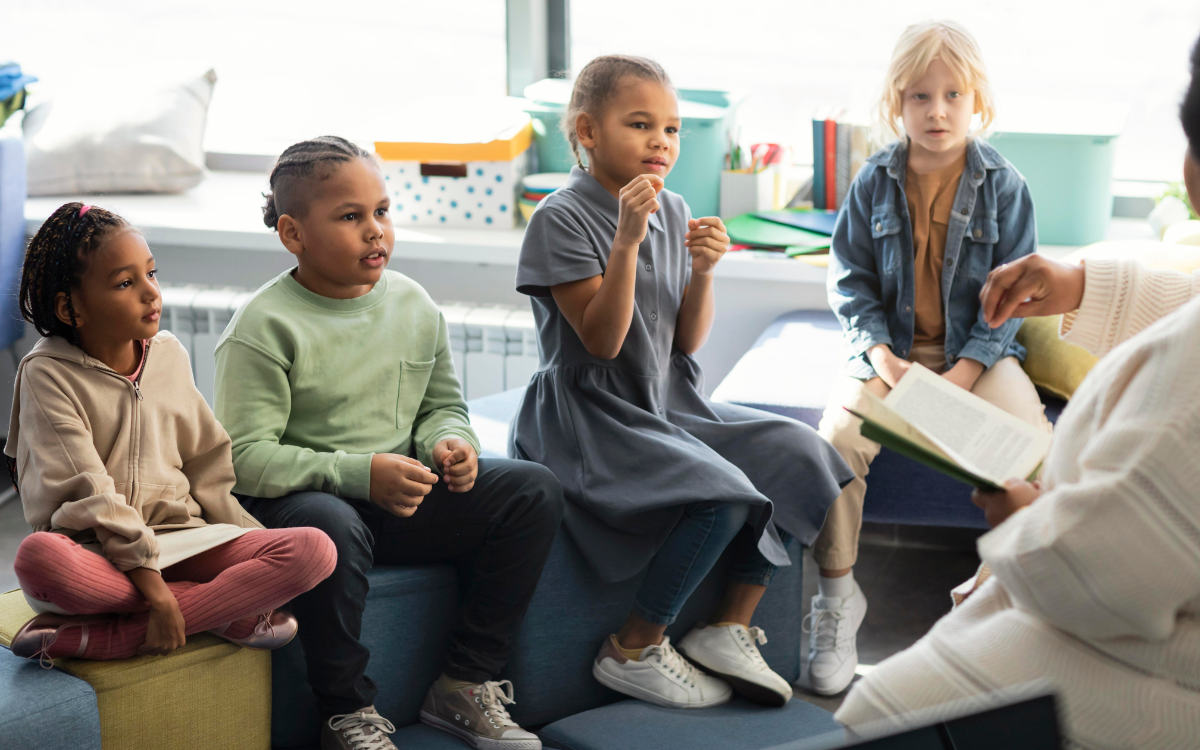
Les assistants pédagogiques jouent un rôle essentiel dans la mise en œuvre d’un enseignement adapté. Lorsqu’ils sont déployés de manière stratégique, ils permettent d’accompagner les élèves qui ont besoin d’un soutien personnalisé sans les retirer de l’enseignement dispensé à l’ensemble de la classe. Cela favorise l’inclusion et renforce le principe selon lequel tous les élèves peuvent tendre vers des objectifs d’apprentissage communs.
Dans de nombreux cas, les assistants pédagogiques apportent un soutien ciblé grâce à des méthodes telles que la préparation préalable des cours, l'encadrement de petits groupes ou l'aide apportée aux élèves pour mettre en pratique les concepts récemment abordés. Leur soutien doit s'inscrire dans le cadre de la préparation des cours de l'enseignant et ne pas constituer un parcours pédagogique distinct.
La collaboration entre les enseignants et les assistants pédagogiques est essentielle pour garantir la cohérence et l'efficacité des interventions. Qu'il s'agisse d'accompagner l'apprentissage progressif ou de clarifier les consignes, leur travail doit reposer sur une bonne compréhension des acquis des élèves et du contenu prévu pour la leçon.
Pour véritablement donner les moyens d'agir aux enseignants et améliorer les résultats des élèves, les responsables scolaires doivent veiller à ce que les assistants pédagogiques soient intégrés à la planification et à la réflexion pédagogique, et non pas simplement chargés de tâches spécifiques. Lorsqu'ils sont utilisés à bon escient, ils constituent un atout essentiel pour que l'enseignement adaptatif fonctionne au quotidien dans les classes.
Attentes élevées et enseignement adaptatif : trouver le juste équilibre
L'une des idées reçues concernant l'enseignement adaptatif est qu'il implique de revoir à la baisse les attentes scolaires. En réalité, un enseignement adaptatif efficace permet à tous les élèves de réussir tout en maintenant des attentes élevées pour chacun d'entre eux. Les enseignants doivent trouver un juste équilibre entre offrir un soutien adapté et maintenir un niveau de difficulté cognitif suffisant.
Cet équilibre est atteint en concevant des activités stimulantes, rendues accessibles grâce à un apprentissage progressif et à un rythme adapté. Les enseignants peuvent proposer un accompagnement ciblé ou réorganiser leur approche pédagogique afin d’aider les élèves à assimiler la matière, sans pour autant édulcorer les objectifs d’apprentissage.
Grâce à l'évaluation formative, les enseignants peuvent suivre les progrès des élèves et déterminer à quel moment il convient de leur proposer des défis plus ambitieux ou de leur apporter un soutien supplémentaire. Qu'il s'agisse d'adapter les supports pédagogiques ou d'ajuster leurs techniques d'interrogation, l'objectif reste le même : permettre aux élèves de maîtriser les concepts essentiels en y consacrant un effort significatif.
Pour maintenir la rigueur dans le cadre d'une approche adaptative, il faut mettre en œuvre des pratiques pédagogiques réfléchies, disposer de solides connaissances disciplinaires et élaborer une planification réfléchie — le tout fondé sur la conviction que chaque élève, quels que soient son milieu d'origine ou ses capacités, est capable d'atteindre des niveaux d'exigence élevés.
Comment regrouper les élèves de manière efficace et flexible
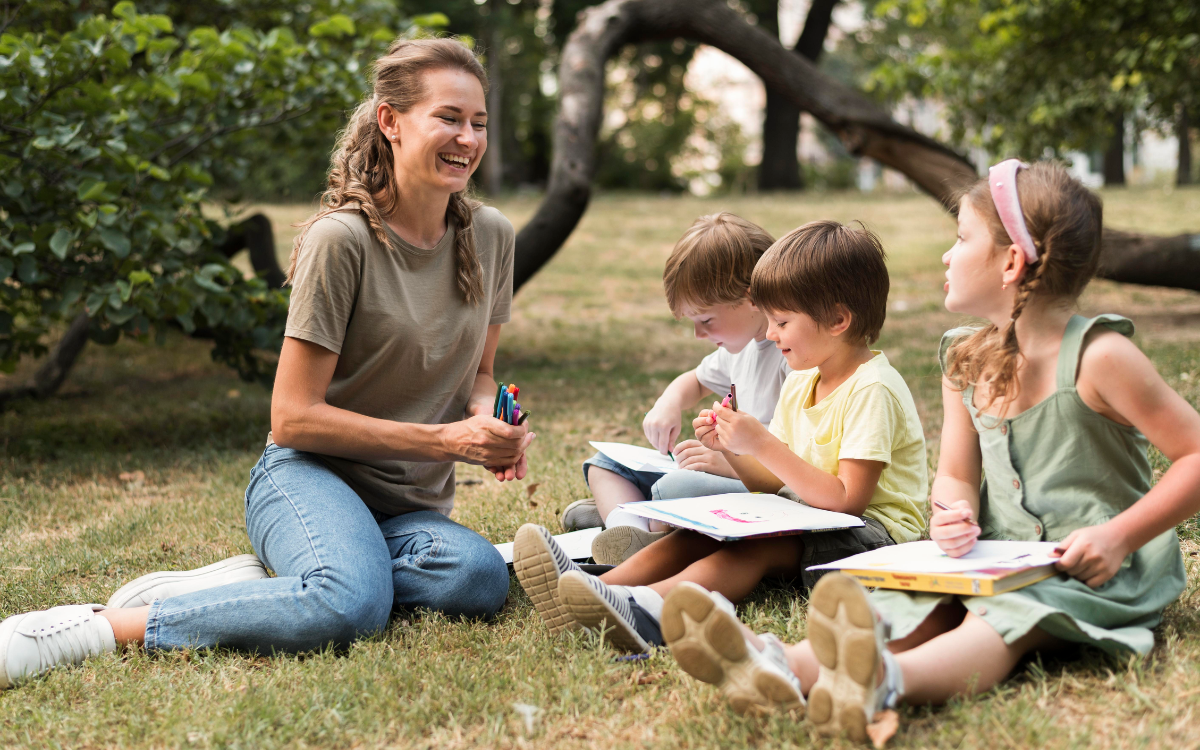
Regrouper efficacement les élèves : il s’agit là d’un principe fondamental de l’enseignement adaptatif qui permet aux enseignants de répondre à la diversité des besoins d’apprentissage sans créer d’inégalités ni de stress supplémentaire. Plutôt que de former des groupes statiques basés sur les niveaux de compétence, les enseignants sont encouragés à recourir à des regroupements souples et temporaires qui s’adaptent aux données en temps réel et au niveau de connaissances des élèves.
L'évaluation formative permet de déterminer comment les groupes doivent être constitués et à quel moment un changement régulier de groupes pourrait favoriser la compréhension. Ces organisations souples permettent d'éviter les écueils liés au regroupement en fonction des capacités perçues, qui peut conduire à des mentalités figées et à un accès inégal à l'enseignement.
Il est essentiel que la mise en groupes n'entraîne jamais de charge de travail inutile. Les enseignants peuvent simplifier l'organisation en proposant des tâches de courte durée avec des rôles clairement définis, ou en alternant les stratégies d'entraide entre élèves. L'objectif est de rendre la mise en groupes gérable et utile.
Les assistants pédagogiques peuvent contribuer à la gestion de ces groupes en animant les discussions, en veillant à ce que tous participent ou en apportant un soutien personnalisé à certains élèves. Il en résulte une classe plus réactive, dans laquelle tous les élèves travaillent sur les mêmes objectifs d’apprentissage à un niveau adapté à leur niveau de compréhension actuel, ce qui favorise leurs résultats tout en encourageant la collaboration et l’inclusion.
Utiliser les connaissances préalables pour adapter les méthodes pédagogiques
Il est essentiel de bien cerner les acquis des élèves pour concevoir des cours qui s'appuient sur ce qu'ils savent déjà et qui correspondent à ce qu'ils sont prêts à apprendre. Dans le cadre d'un enseignement adaptatif, cette étape est cruciale : sans elle, les enseignants risquent de proposer des cours trop simples ou trop complexes, ce qui peut nuire à l'implication des élèves et freiner leurs progrès.
Des techniques telles que les questionnaires de diagnostic, les discussions en classe ou encore les exercices ouverts permettent de mettre en évidence les connaissances préalables des élèves avant le début de l'enseignement. Ces informations permettent aux enseignants d'adapter leurs cours, notamment en mettant en place un apprentissage progressif, en omettant les contenus déjà maîtrisés ou en ajustant leurs stratégies pédagogiques afin de mieux répondre aux besoins des élèves en fonction de leur niveau.
L'intégration de l'évaluation formative tout au long du cours permet d'affiner encore davantage ce processus. Les enseignants peuvent ainsi suivre les réponses des élèves, corriger les idées fausses et adapter le rythme ou le contenu en temps réel afin de s'assurer que les objectifs d'apprentissage restent au centre de l'attention.
En ancrant l'enseignement dans les connaissances des élèves, les enseignants améliorent l'accessibilité et la pertinence de leur démarche, ce qui permet à l'enseignement adaptatif d'être à la fois ciblé et efficace. Cette approche permet non seulement d'accompagner certains élèves en particulier, mais aussi d'enrichir l'expérience d'apprentissage de toute la classe.
Enseignement différencié et enseignement adaptatif : principales différences
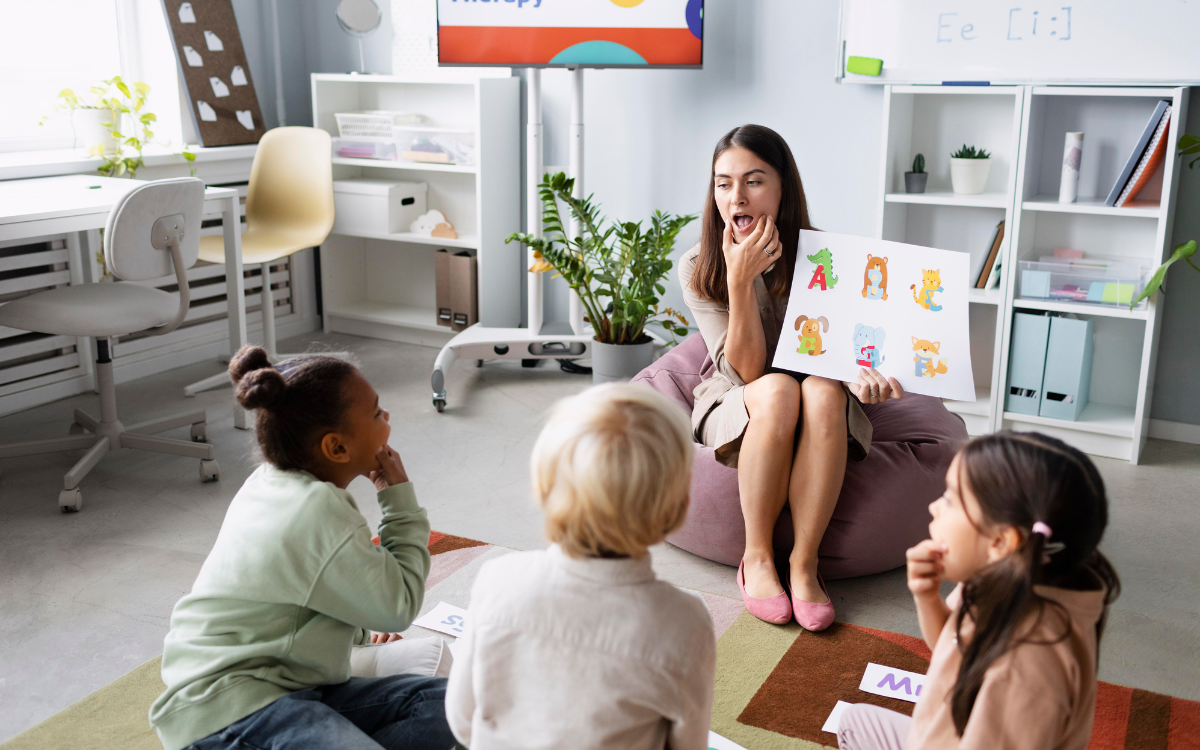
Bien qu’on les utilise souvent comme synonymes, l’enseignement différencié et l’enseignement adaptatif ne sont pas identiques. L’enseignement différencié consiste généralement à prévoir plusieurs parcours au sein d’une même leçon : attribuer des tâches différentes, regrouper les élèves en fonction de leurs capacités perçues ou préparer plusieurs fiches d’exercices afin de s’adapter aux différents niveaux des apprenants.
L'enseignement adaptatif, quant à lui, met l'accent sur un objectif commun à tous les élèves et adapte la manière de transmettre les connaissances en fonction de leur niveau de compréhension en temps réel. Il évite de créer artificiellement des tâches distinctes, préférant offrir un soutien dynamique grâce à un apprentissage progressif, à des regroupements flexibles et à des questions ciblées.
Cela rend l'enseignement adaptatif plus viable dans la pratique. Plutôt que d'alourdir la charge de travail des enseignants, cette approche favorise des ajustements subtils et stratégiques fondés sur l'évaluation formative et les réactions des élèves. Elle contribue également à l'équité en maintenant des attentes élevées et constantes, et en permettant à tous les élèves de progresser vers des objectifs d'apprentissage communs.
En résumé, l'enseignement adaptatif reflète une approche pédagogique plus réactive et plus inclusive, qui profite aussi bien aux enseignants expérimentés qu'à ceux qui sont encore en train de développer leurs compétences pédagogiques.
Améliorer les résultats des élèves grâce à des exercices adaptatifs
La pratique adaptative consiste à mettre en œuvre de manière cohérente des stratégies pédagogiques adaptatives qui se traduisent par des progrès mesurables dans les résultats des élèves. Lorsque les enseignants mènent une réflexion continue sur leur approche et l’affinent — en s’appuyant sur l’évaluation formative et leur pratique en classe —, ils aider tous les élèves à progresser efficacement.
Cela peut consister à réexpliquer un concept mal compris à l'aide d'un nouvel exemple concret, à introduire un concept plus progressivement grâce à un apprentissage progressif, ou à proposer un accompagnement sur mesure pour guider certains élèves. Il est important de noter que l'objectif n'est pas de simplifier le contenu, mais de veiller à ce que tous les élèves soient en mesure de maîtriser les concepts essentiels, avec l'aide nécessaire et au rythme qui leur convient.
Les données issues des évaluations et des observations permettent de déterminer quand et comment adapter l'enseignement. Les enseignants peuvent ainsi revoir le contenu des cours à venir, réorganiser les groupes ou modifier le matériel pédagogique en fonction de ce qui s'avère efficace.
Grâce à ces adaptations bien pensées, les enseignants améliorent non seulement les résultats, mais renforcent également la confiance et l'autonomie des élèves. Cette approche confirme que tous les élèves peuvent s'épanouir au sein d'une même classe s'ils bénéficient d'un accompagnement adapté, ce qui fait de l'enseignement adaptatif la pierre angulaire d'une réussite scolaire solide.
Répondre aux besoins de tous les apprenants grâce à un accompagnement sur mesure
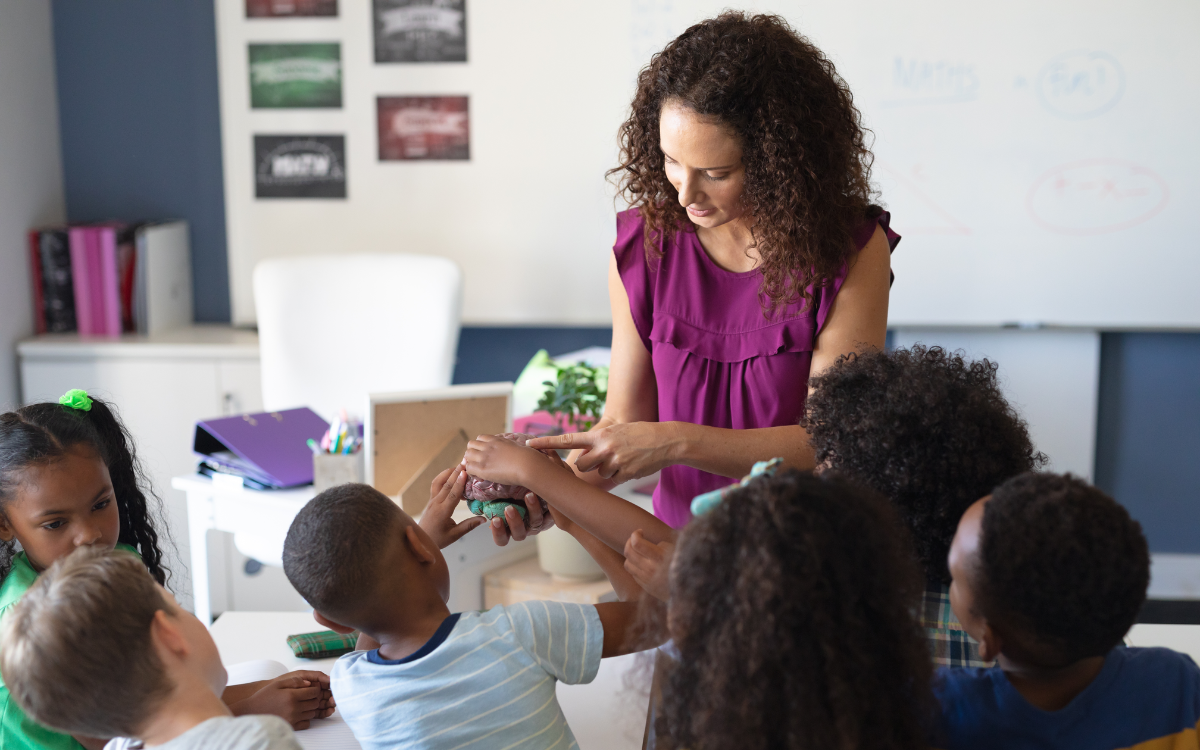
L'un des principaux atouts de l'enseignement adaptatif réside dans sa capacité à accompagner certains élèves — notamment ceux présentant des besoins éducatifs particuliers ou confrontés à d'autres obstacles à l'apprentissage — au sein d'une classe ordinaire. Cela passe par un accompagnement sur mesure qui vient compléter l'enseignement dispensé à l'ensemble de la classe, sans pour autant le remplacer.
Plutôt que d'isoler les élèves ou de leur proposer des exercices totalement distincts, les enseignants adaptent leurs stratégies pédagogiques, intègrent des dispositifs d'accompagnement de l'apprentissage ou font appel à des assistants pédagogiques pour apporter un soutien ciblé là où le besoin s'en fait sentir. Ces interventions s'appuient sur l'évaluation formative et reposent sur une préparation de grande qualité, garantissant ainsi qu'aucun élève ne soit laissé pour compte.
Il est important de noter que l'accompagnement personnalisé proposé dans le cadre de l'enseignement adaptatif permet à tous les élèves d'accéder aux mêmes objectifs d'apprentissage fondamentaux, favorisant ainsi l'équité et l'inclusion sans pour autant compromettre la rigueur. Que ce soit par le biais d'exercices guidés, de discussions entre pairs ou de l'adaptation des ressources, cette approche aide les apprenants à réussir tout en préservant leur dignité et leur autonomie.
En mettant l'accent sur la réactivité plutôt que sur la ségrégation, l'enseignement adaptatif crée un environnement plus inclusif qui profite à tous les apprenants.
L'enseignement adaptatif dans les écoles primaires et secondaires
L'enseignement adaptatif revêt une importance cruciale tant à l'école primaire qu'au collège et au lycée, mais sa mise en œuvre peut varier selon le niveau scolaire. À l'école primaire, les enseignants travaillent généralement avec un même groupe pour plusieurs matières, ce qui leur permet de suivre plus facilement les acquis des élèves et de s'adapter en temps réel.
Dans les établissements d'enseignement secondaire, la spécialisation par matière et la multiplicité des groupes de classe peuvent compliquer la planification adaptative. Néanmoins, les principes fondamentaux — recourir à l'évaluation continue, adapter l'enseignement en fonction des réponses des élèves et regrouper efficacement les élèves — restent essentiels.
Le cadre de référence pour les enseignants en début de carrière souligne l'importance des stratégies pédagogiques adaptatives à toutes les étapes clés de la scolarité, aidant ainsi de nombreux enseignants, en particulier ceux qui débutent dans la profession, à acquérir des habitudes qui favorisent des résultats scolaires durables chez les élèves.
Que vous soyez un enseignant expérimenté ou en début de carrière, l'intégration de l'enseignement adaptatif dans votre pratique pédagogique vous permet de répondre à la diversité des besoins d'apprentissage tout en préservant la cohérence et la cohésion de votre enseignement.
En fin de compte, l'enseignement adaptatif est un modèle flexible qui s'inscrit dans les objectifs de chaque cycle éducatif, garantissant ainsi la progression et l'accès à l'éducation pour tous les apprenants.
Choisir des stratégies pédagogiques adaptées à la diversité des besoins d'apprentissage
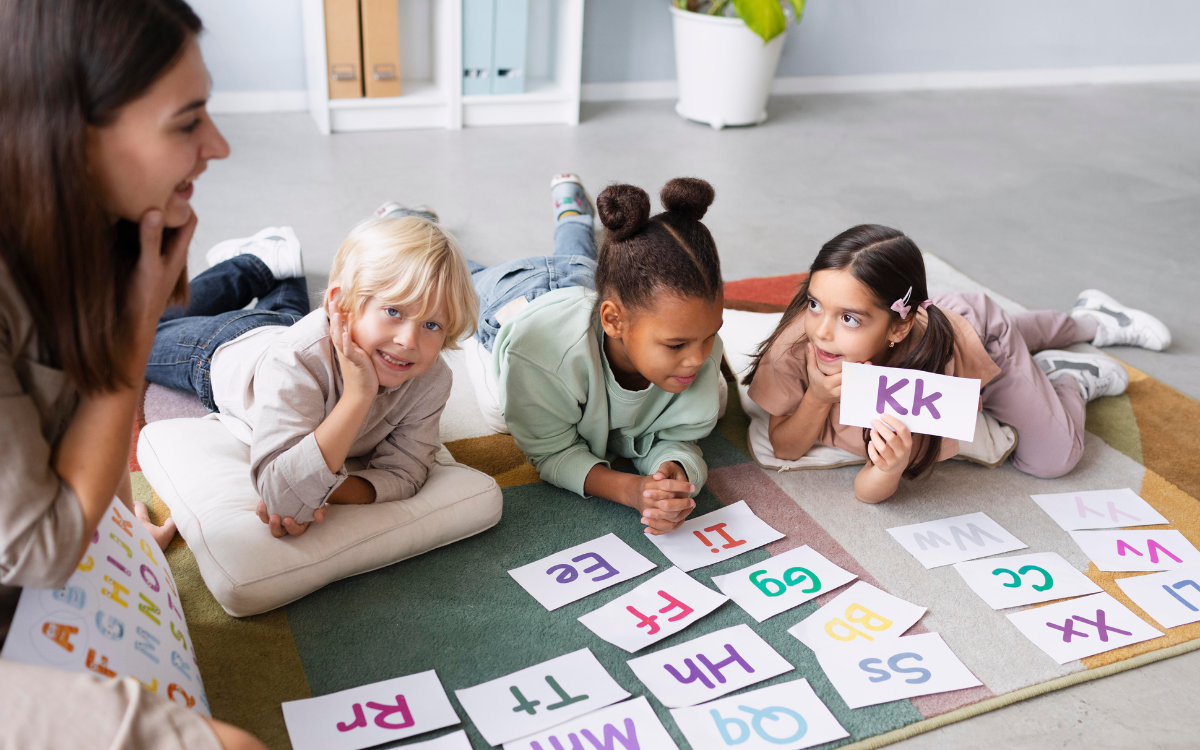
Le choix des stratégies pédagogiques adaptées constitue l'un des piliers de l'enseignement adaptatif. Les enseignants doivent tenir compte des connaissances préalables, du style d'apprentissage et du niveau d'implication de chaque élève lorsqu'ils décident de la manière de présenter de nouveaux contenus. Cette prise de décision réfléchie favorise à la fois les performances des élèves et les résultats d'apprentissage.
Pour ce faire, les enseignants peuvent utiliser des outils de préparation des cours afin d’intégrer une certaine souplesse dans leurs cours. Par exemple, l’ajout d’exemples pratiques facultatifs ou d’explications multimodales permet à chaque élève d’aborder le contenu de différentes manières. De même, l’ajustement du rythme et les questions guidées constituent des occasions naturelles de mettre en place un enseignement adaptatif.
L'utilisation créative de supports pédagogiques — tels que des supports visuels interactifs ou des fiches d'exercices progressives — peut également améliorer l'accessibilité sans alourdir inutilement la charge de travail. L'essentiel est de favoriser l'implication des élèves tout en restant concentré sur les objectifs d'apprentissage visés.
Que ce soit dans une classe d’élèves débutants en lecture ou d’élèves avancés capables de résoudre des problèmes, une stratégie bien choisie peut aider les élèves à atteindre la maîtrise, à améliorer leurs résultats et à rester motivés. Les meilleures approches allient clarté et défi, en favorisant un apprentissage inclusif, rigoureux et à l'écoute de toutes les personnes présentes dans la salle.
Donner les moyens aux enseignants : comment Magrid favorise l'enseignement adaptatif
Magrid est une plateforme fondée sur la recherche, conçue pour favoriser un enseignement adaptatif dans l'enseignement primaire. Elle aide les enseignants et les chefs d'établissement à améliorer leurs pratiques pédagogiques grâce à des outils intuitifs qui favorisent l'évaluation continue, l'accompagnement progressif de l'apprentissage et un soutien ciblé.
En s'alignant sur les principes d'un enseignement adaptatif efficace, Magrid permet aux enseignants d'adapter leur enseignement en fonction des connaissances préalables des élèves et de leurs réponses, sans alourdir leur charge de travail ni recourir à de multiples fiches d'exercices.
Magrid Il aide également les assistants pédagogiques à apporter un soutien sur mesure et encourage la constitution de groupes flexibles d'élèves afin de répondre à la diversité des besoins d'apprentissage. C'est un moyen concret d'améliorer les résultats des élèves, de planifier les cours à venir et de s'assurer que les élèves maîtrisent les concepts essentiels.
12 Engaging Summer Learning Activities for Kids

Keeping Young Minds Active During the Summer Months
Summer break is a time for fun and freedom, but it can also lead to the summer slide—a decline in math, reading, and writing skills. To keep young minds sharp, it’s essential to blend relaxation with enriching summer learning activities. Whether indoors or outdoors, at home or in the community, there are countless ways to support all grade levels.
This article shares 12 fun, hands-on ideas to encourage students to explore, create, and stay engaged all summer long—helping them return to school confident, motivated, and ready for a successful school year.
1. Build and Create with Recycled Materials
One of the simplest ways to keep kids engaged is by turning everyday household items into creative learning activities. Using recycled materials like cardboard boxes, plastic containers, and bottle caps, children can create structures, sculptures, or simple machines. These hands on activities strengthen spatial reasoning, engineering skills, and imaginative thinking.
A fun summer project might include building a model city, designing a bridge, or making a marble maze. Through play and experimentation, students apply problem-solving techniques while learning basic physics and design principles. These fun activities are ideal for all grade levels and easily tailored to different interests.
Educators and parents can scaffold this experience by prompting questions like, “What makes your design stronger?” or “How does gravity affect your maze?” This encourages students to think critically and explore real-world applications, even outside the classroom.
Best of all, these projects are low-cost and eco-friendly. They provide an excellent opportunity to discuss sustainability and the importance of using what we have to build something new—while having fun along the way.
2. Launch a Family Reading Marathon

One of the most powerful summer learning activities you can introduce is a family reading marathon. Set a collective goal: how many pages, chapters, or books can your family read during summer vacation? This shared challenge builds excitement and encourages regular reading habits that combat the summer slide.
Each student can keep a reading log, track favorite characters, or even rate the books. Add variety by including audiobooks, graphic novels, or culturally diverse stories. Younger children might draw their favorite scenes, while older readers can write short reviews or compare books they’ve read.
Create a cozy space for daily or weekly reading sessions, whether it’s indoors with pillows or outside in a backyard tent. Include opportunities to discuss books as a family, turning solitary reading into shared learning.
This is a low-pressure, high-impact way to build vocabulary, comprehension, and writing skills—while also bonding over stories and ideas. With a little planning and lots of encouragement, your family reading marathon can keep young minds active and inspired all summer long.
3. Start a Summer Writing Challenge
A great way to support writing skills over the summer months is by starting a writing challenge that lets students write freely and creatively. This summer project can include short stories, poems, travel logs, or even comic strips. The goal is to make writing fun, expressive, and part of everyday summer activities.
Set a goal together: maybe it’s writing five days a week, completing one short story per week, or filling a journal by the end of the summer vacation. Encourage your child to write about outings, family adventures, their friends, or observations from nature walks.
Integrating drawing or collage work can also enhance creativity, especially for younger grade levels. These types of hands on activities allow students to visualize their stories while building narrative structure and vocabulary.
To keep the challenge exciting, offer weekly prompts, share favorite books for inspiration, or host a family “reading night” where everyone shares their work. This approach helps develop both literacy and self-expression—two areas critical to student success in the upcoming school year.
4. Plant a Garden and Track Growth
Gardening is more than just a relaxing hobby—it’s an ideal summer learning opportunity that combines science, observation, and responsibility. Whether you have a backyard, balcony, or windowsill, kids can plant herbs, vegetables, or flowers and monitor their growth throughout the summer months.
This activity introduces life cycles, photosynthesis, and environmental awareness in a hands-on and memorable way. It also builds routine and care, as students water, weed, and observe changes over time. Younger children might draw pictures of their plants each week, while older ones can write journal entries or chart measurements—helping to strengthen both writing skills and reading comprehension.
To deepen the experience, encourage students to research plant types, discuss seasonal weather patterns, or watch videos about pollination and soil nutrients. This can lead to rich discussions about the natural world, our community, and food systems.
As a family or group project, gardening fosters teamwork, patience, and pride in progress. It’s a simple way to keep kids busy and connected to nature, while developing valuable academic and life skills.
5. Set Up a Backyard Science Lab
Transform your backyard or kitchen into a mini science lab this summer with engaging, easy-to-do experiments. From testing water absorption in different materials to exploring the power of baking soda and vinegar, these fun summer learning activities help children experience the scientific method firsthand.
These learning activities don’t require expensive tools or equipment. Everyday resources—like food coloring, measuring cups, lemons, or balloons—can be turned into educational experiments. For example, try creating a homemade volcano or making invisible ink with lemon juice. Activities like these encourage students to make hypotheses, observe changes, and draw conclusions—key skills for scientific thinking.
In addition to reinforcing math and science concepts, these activities inspire curiosity and problem-solving. They offer a great opportunity for parents and educators to ask open-ended questions, such as, “What do you think will happen next?” or “Why did that reaction occur?”
By integrating play, discovery, and analysis, your backyard can become a hub for learning that feels nothing like school—but delivers just as much value.
6. Explore Nature with Educational Walks

A simple walk in the park or around the neighborhood can turn into an exciting learning opportunity when approached with intention. Encourage your child to observe wildlife, identify plants, or note seasonal changes. These walks help kids explore their environment and connect with the natural world, all while promoting physical activity.
To enhance the experience, turn each outing into a mini adventure. Create themed scavenger hunts, draw maps of your path, or classify animals and insects observed. Younger students can draw what they see, while older ones might write reflection journals or short research reports afterward.
These fun activities are perfect for summer months, as they blend discovery with exercise. They’re also highly adaptable for different grade levels, whether in a rural area or city environment. Add in music, poetry, or photography for an even more creative touch.
This kind of outdoor engagement encourages curiosity, reinforces science and writing skills, and helps kids understand their place in the broader community and world. Plus, it’s a great way to spend quality time with family or friends while learning.
7. Make Math Part of Everyday Life
Summer is the perfect time to show kids that math is more than just numbers on a worksheet—it’s a part of everyday life. Using practical, fun activities, students can apply math skills to real-world situations like baking, budgeting, and home projects.
For example, let your child measure ingredients while cooking, calculate distances during road trips, or estimate costs while shopping. Create a “family store” where kids use fake money to buy and sell items, reinforcing skills in addition, subtraction, and budgeting.
These learning activities are particularly helpful in preventing the summer slide, especially in foundational grades where math fluency is still developing. They’re also adaptable for various grade levels, making them ideal for families with multiple children.
Parents, educators, and caregivers can further encourage students by turning these moments into mini-lessons, asking them to explain their thinking or predict outcomes. These casual yet meaningful math interactions will help provide students with continued growth during summer break—without feeling like traditional classroom work.
8. Create a Local History Timeline or Map

Turn your town into a classroom by helping students discover its past. This activity invites kids to research local landmarks, historic buildings, or well-known community figures and turn their findings into a creative timeline or illustrated map. It’s a perfect way to combine reading, writing, and critical thinking.
Visit your local library or city website to find dates, events, or videos about important historical moments. Then, help your child create a visual timeline on poster board or digitally. They can mark key events, draw relevant symbols, or even interview neighbors or family members for personal stories.
This summer project helps develop research skills, strengthens connections to local culture, and encourages a sense of civic awareness. By looking at their environment through a historical lens, students better understand how their community has grown and changed over time.
It’s also a chance to introduce vocabulary and map-reading skills, depending on your student’s grade level. In the process, they’ll build appreciation for the people and events that shaped their world—turning the past into something personal and engaging.
9. Learn a New Language Through Fun Apps and Games
Learning a new language during the summer months is not only enriching—it’s also a fantastic way to keep kids busy while broadening their understanding of the world. With so many online tools, games, and apps available, students can start building basic vocabulary and conversational skills right from home.
Apps like Duolingo Kids or Gus on the Go are designed to make language learning accessible and fun. These programs use repetition, videos, and voice interaction to help children learn common words and phrases. Pairing this with family practice—such as labeling household items or using new words during meals—can reinforce daily use.
This activity works well across grade levels, helping young students build foundational skills while giving older ones a head start in academic courses. Plus, it opens the door to explore new cultures, traditions, and customs—enhancing global awareness and empathy.
Best of all, language learning can become a family activity. Take turns speaking the new words, create flashcard games, or listen to music in the target language together.
10. Boost Math and Spatial Skills with Magrid

Magrid is a research-based platform that offers a unique approach to summer learning, especially in developing math skills and spatial reasoning for early grade levels. Designed with young minds in mind, Magrid supports learning without relying on language, making it ideal for multilingual learners or those still building verbal fluency.
What makes Magrid stand out among educational tools is its focus on visual learning and hands on activities. Its screen-free, guided lessons help children develop logic, memory, and pattern recognition—critical foundations for long-term math success. Parents and educators can easily track progress and adjust support as needed.
Using Magrid during summer break ensures that students stay sharp, even outside the classroom. Its structured, game-like approach transforms practice into fun, helping to encourage students to participate consistently all summer long. It’s especially useful for preventing the summer slide in early learners and offers scalable support across different grades and abilities.
By integrating Magrid into your summer learning activities, you can provide students with high-quality instruction that’s engaging, effective, and developmentally appropriate—right from home.
11. Start a “Kid Business” for Real-World Skills
Starting a small “kid business” is a creative and practical way to blend fun with learning. Whether it’s a lemonade stand, handmade crafts, dog-walking, or tutoring younger students, these summer activities teach responsibility, planning, and entrepreneurship—all while reinforcing math skills.
Begin by brainstorming ideas that align with your child’s interests. Once they choose one, help them set a budget, plan materials, and create simple marketing (flyers, signs, or online posts with supervision). Tracking profits and expenses introduces key math and organization skills in a natural, real-world context.
This kind of summer project also strengthens communication and confidence, especially when students interact with friends, neighbors, or the wider community. They learn how to present themselves, solve problems, and adapt—essential skills for success in both school and life.
It’s not about the money—it’s about teaching young minds how to manage a task from idea to execution. With support from parents or educators, a “kid business” can be one of the most empowering and educational experiences of the summer break.
12. Enroll in a Community-Based Summer Program
Local programs offered by libraries, schools, or community centers are great resources for structured summer learning. These opportunities provide built-in schedules, social interaction, and themed lessons that blend academic and creative exploration. Many even include music, games, and group projects.
Whether it’s a reading club, art camp, or STEM workshop, these summer activities allow students to explore interests outside the traditional classroom while still making academic progress. Plus, participating in local programs helps build friendships, confidence, and a deeper connection to the community.
Some programs are hosted online, making them accessible for families with transportation or scheduling challenges. Look for options that match your child’s grade level, learning style, and personal interests. These programs can also reinforce academic skills such as writing, reading, math, and critical thinking.
Teachers and educators often help design these summer initiatives to address the summer slide and provide students with a safe, enriching environment. Participating in such activities supports holistic development and helps ensure your student enters the next school year confident and ready to learn.
Conclusion: Make Summer Count with Fun and Learning
Summer is the perfect time to combine fun activities with meaningful learning. By choosing engaging summer learning activities, parents and educators can help students avoid the summer slide and stay sharp for the next school year. From gardening and storytelling to using tools like Magrid for math skills, each summer project offers a chance to develop new abilities. Whether indoors or outdoors, these learning activities keep kids busy, curious, and connected to the world around them—all summer long. With the right balance, summer vacation becomes a season of growth and discovery.
What Does Dyscalculia Look Like in Children?

Some children struggle with math more than expected. This could be dyscalculia—a specific learning disorder affecting number understanding, simple calculations, and math concepts. Often called math dyslexia, it can impact school age children academically and in everyday tasks. Recognizing signs of dyscalculia early helps provide the right support.
What Does Dyscalculia Look Like?
Dyscalculia is not just about getting the wrong answer; it’s about consistently struggling with math skills, especially when faced with the same math problem repeatedly. Children may find it hard to interpret math symbols, memorize multiplication tables, or estimate quantities. This difficulty goes beyond poor performance—it’s a pattern that reflects how their brains process mathematics.
People with dyscalculia often avoid tasks that involve numbers, exhibit anxiety around math, or take much longer to complete math calculations. Recognizing what does dyscalculia look like requires attentiveness to consistent struggles across different math-related tasks, both in and out of school.
Recognizing a Learning Disability Early

Dyscalculia is classified as a learning disability under the broader category of learning disorders in the diagnostic and statistical manual. Recognizing it early gives struggling students access to appropriate interventions. It’s essential to notice signs that deviate from normal development, such as an inability to recognize patterns, confusion with math facts, or difficulties in mathematical reasoning.
Early identification helps align support with the disabilities education act, ensuring children receive help through specialized learning programs tailored to their needs and abilities.
Trouble Grasping Basic Math Concepts
A key indicator of dyscalculia is difficulty understanding basic math facts and math concepts. Children may confuse operations, mix up steps in word problems, or fail to understand how numbers relate. These issues hinder number sense, which is foundational to mathematical skills.
Unlike children who simply need more practice, those with dyscalculia often struggle despite repeated exposure and effort. The inability to make sense of mathematical reasoning leads to frustration and impacts confidence. This gap becomes more visible as school age children are expected to learn math through layered, cumulative instruction.
Mental Math Challenges and Everyday Struggles
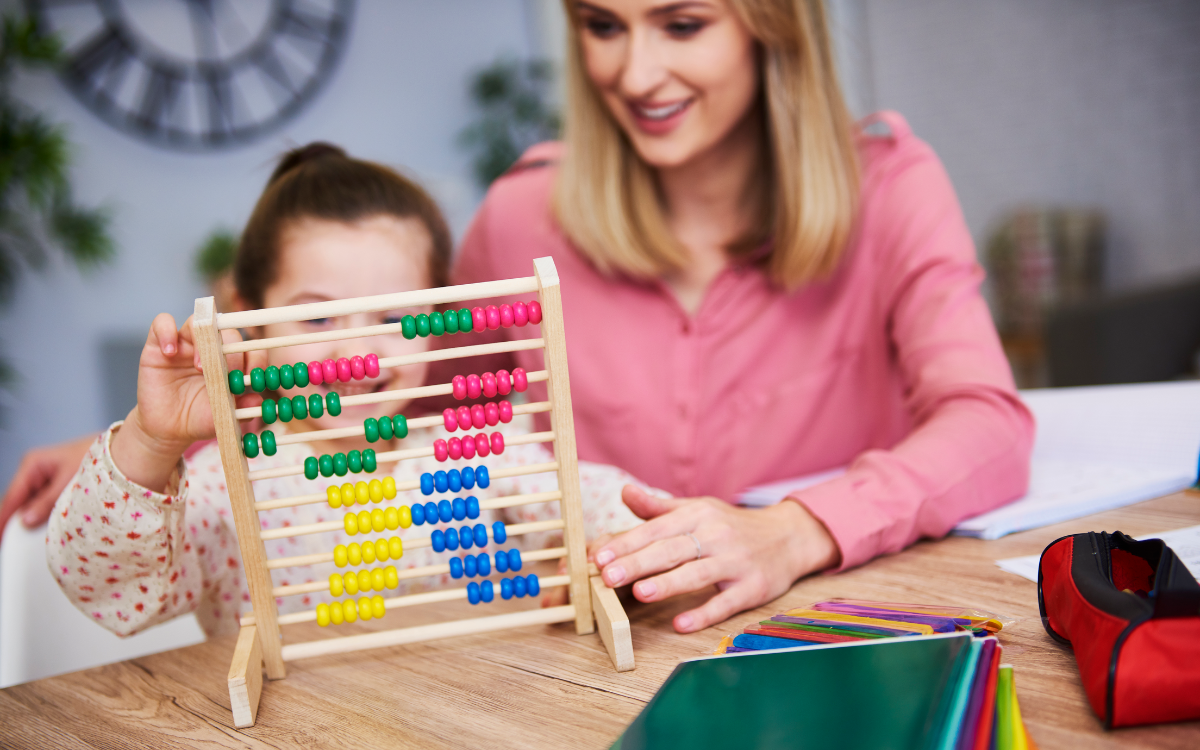
Children with dyscalculia often face pronounced difficulty with mental math, especially when required to solve simple calculations without paper or visual aids. Tasks like figuring out how many minutes until lunch or calculating change can become stressful, impacting their everyday tasks.
These struggles aren’t due to a lack of effort but are rooted in how the brain processes mathematics. This challenge with mental math also affects their ability to retain math facts and leads to frustration, further contributing to mental health issues and increasing avoidance of anything involving numbers.
A Learning Disorder That Involves Numbers
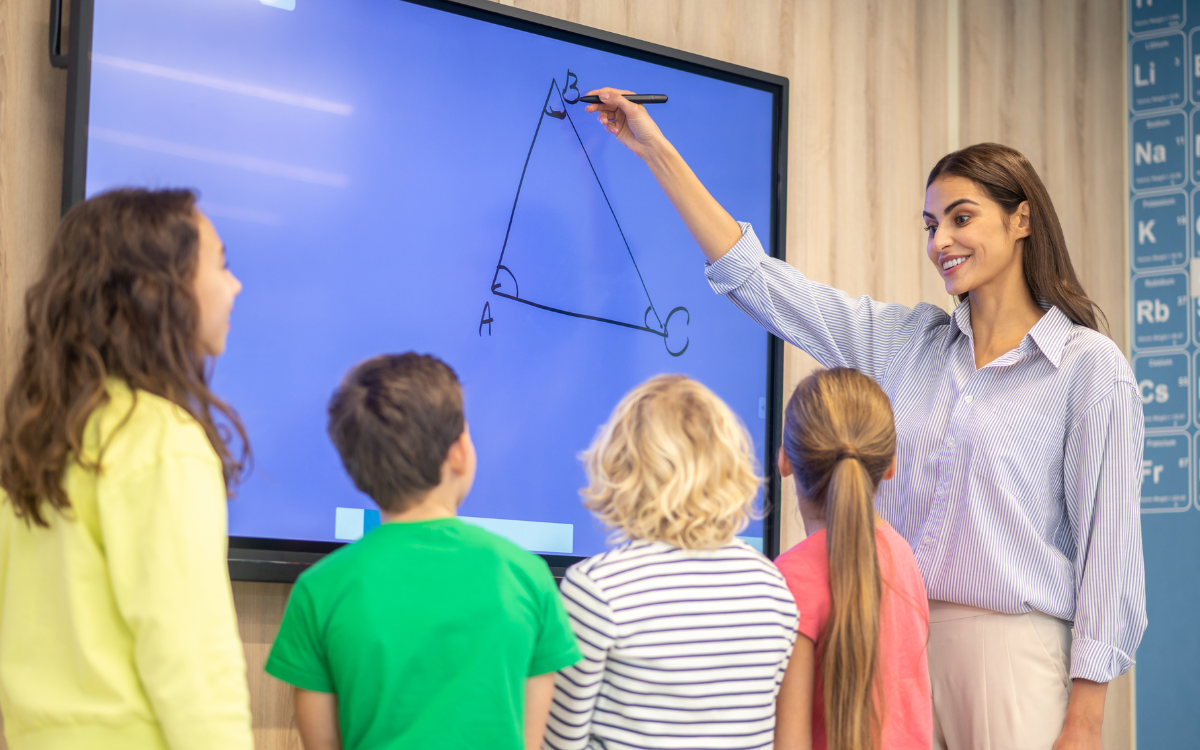
Dyscalculia is a learning disorder that specifically affects a child’s capacity to understand and work with numbers. It’s not a temporary difficulty but a lifelong condition that often coexists with other learning disorders, such as dyslexia or ADHD.
As a math learning disability, it disrupts working memory, especially when solving a math problem under time pressure. Because it involves numbers, sequences, and quantities, dyscalculia can make even basic math tasks feel overwhelming, especially for school age children who are expected to meet academic benchmarks.
How Is Dyscalculia Diagnosed in Children?
To have dyscalculia diagnosed, professionals rely on medical tests, cognitive assessments, and behavioral evaluations. A healthcare provider, educational psychologist, or school specialist often uses the diagnostic and statistical manual (DSM-5) to identify criteria for this specific learning disorder.
Since dyscalculia symptoms often overlap with those of other learning disorders, different tests are used to isolate math-specific difficulties. Evaluation may include tests of working memory, mathematical reasoning, and basic math skills. Early diagnosis can help confirm dyscalculia and ensure that children are eligible for accommodations and support under the disabilities education act.
Developmental Dyscalculia: Signs from an Early Age

Developmental dyscalculia usually becomes evident during normal development, especially in early elementary years. Many children with this condition may fail to master basic math facts, struggle to learn math, or show delays in brain development related to quantitative reasoning. Red flags include difficulty counting, identifying quantities, or recalling multiplication tables.
These early signs of dyscalculia are often dismissed as temporary, but they persist and worsen without support. Recognizing them early allows for timely intervention and introduces specialized learning programs tailored to the child’s cognitive profile and strengths.
Dyscalculia Symptoms Seen at Home and in School
Dyscalculia symptoms can show up in both structured learning environments and casual settings. In school, children might avoid answering word problems, lose their place when keeping track of steps in math calculations, or provide different answers to the same math problem. At home, signs may include trouble with time, counting money, or remembering phone numbers.
These issues aren’t just academic—they can disrupt everyday tasks and even morning coffee routines when timing is involved. Whether observed by parents or a child’s teacher, early detection is key to appropriate support.
Acquired Dyscalculia After a Brain Injury

Unlike developmental dyscalculia, which appears early, acquired dyscalculia results from a brain injury or trauma later in life. Though rarer in children, it can follow serious accidents, neurological conditions, or illness. This form of math learning disability often causes sudden difficulty with tasks that previously posed no issue—like reading math symbols or solving simple calculations.
Diagnosis typically requires neurological assessment and input from a healthcare provider, especially to distinguish it from other learning disorders or mental fatigue due to recovery.
Number Dyslexia vs. Dyscalculia: What’s the Difference?

Though “number dyslexia” is a common term, it’s not officially recognized in the statistical manual. It’s often used informally to describe dyscalculia, but the two are not identical. Dyscalculia specifically impacts a child’s mathematical skills, number sense, and math concepts, while number dyslexia may refer to difficulties interpreting numerical information visually or symbolically.
Understanding the difference helps avoid confusion and supports clearer communication among educators, parents, and specialists when addressing a child’s teacher or designing interventions.
Common Symptoms in People with Dyscalculia
Common symptoms of dyscalculia include anxiety toward math, confusion over math symbols, and repeatedly arriving at incorrect answers for the same math problem. Children may also have difficulty estimating quantities or remembering math facts. These symptoms can affect mathematical reasoning, classroom participation, and self-confidence.
Some children even experience physical symptoms like sweating or shaking during timed math tests, indicating deeper mental health conditions. By paying attention to these signs, educators and parents can help confirm dyscalculia and provide the necessary emotional and educational support.
Common Signs of a Math Learning Disability
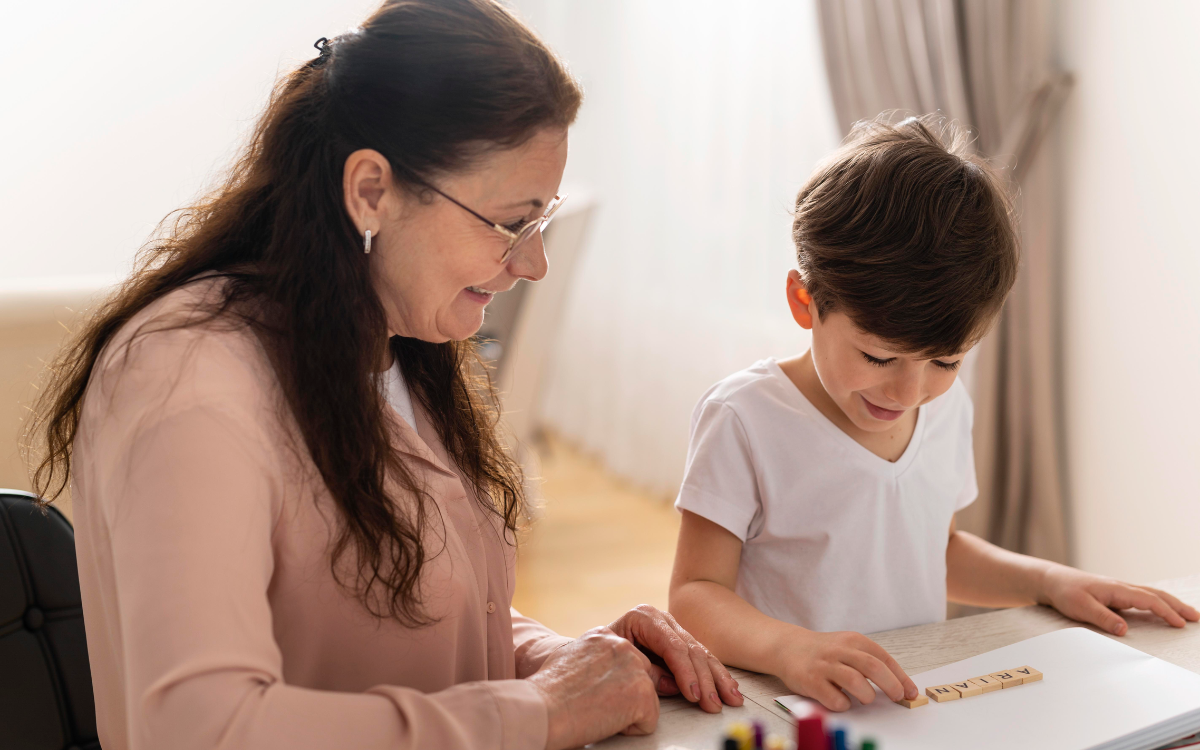
Among the common signs of a math learning disability are disorientation with directions, getting lost easily, and difficulty completing multi-step math problems. These signs often appear when children are asked to follow sequences, interpret math symbols, or solve real-world challenges that involve numbers.
Many children also show signs of work trouble in group activities or during assessments that require logic or mathematical reasoning. Since these signs resemble those of other learning disorders, careful observation and collaboration between a child’s teacher and specialists are essential for accurate identification.
Why Many Children with Dyscalculia Go Undiagnosed
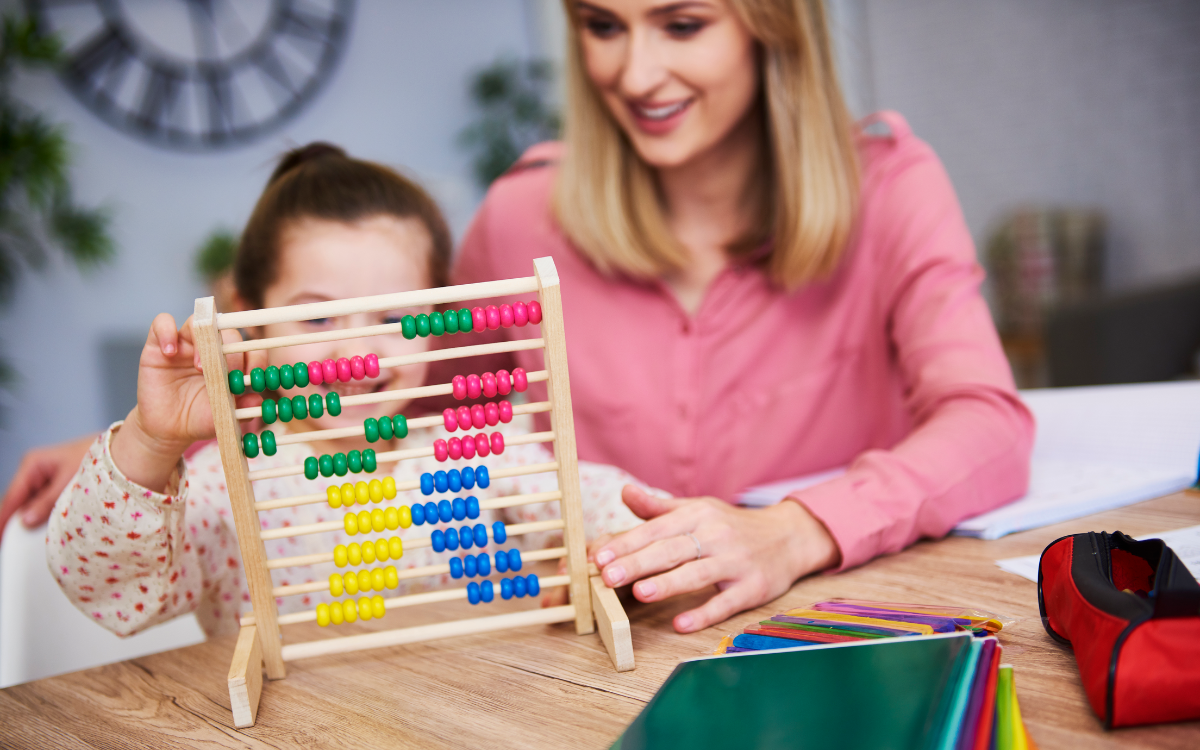
Despite showing consistent difficulties, many children with dyscalculia go undiagnosed due to its overlap with other learning disorders, variations in brain development, or being mislabeled as lacking effort. Parents may notice different answers to simple problems or inconsistent performance, while teachers may overlook signs amid large class sizes.
Furthermore, a lack of awareness, reliance on generic testing, and the subtlety of working memory deficits can delay recognition. That’s why more research and targeted screening are critical to better confirm dyscalculia.
Helping Struggling Students with Specialized Support
Struggling students benefit from specialized learning programs that use visual tools and adaptive methods. Under the Disabilities Education Act, they may receive accommodations like extra time.
Supporting a math learning disability means changing how we teach, not lowering expectations—through collaboration between teachers, parents, and specialists.
Addressing Emotional and Mental Health Issues
Math struggles can trigger anxiety, low confidence, and long-term mental health conditions. Children with math dyslexia may feel ashamed or avoid math altogether.
Recognizing these emotional impacts allows parents and educators to foster resilience and support both math skills and a child’s overall well-being.
Empower Learning with Magrid’s Visual Math Platform
Magrid’s language-free platform helps children with dyscalculia build math skills through visual, interactive learning. Designed for learning disabilities, it supports number sense and confidence—without words or memorization.
Give every child the tools to succeed in mathematics with Magrid’s inclusive, evidence-based approach to early math education.
On the same topic: 8 ouvrages incontournables sur la dyscalculie destinés aux parents et aux enseignants
20 Creative Math Activities for Kids at Home
Math activities for kids don’t have to stay in the classroom. When children explore math through games, stories, and play at home, they strengthen math skills in a fun way.
These activities help develop number sense, support school progress, and give parents practical tools to reinforce math learning every day.
Make Learning Fun with Games and Play
To make learning math exciting, use games that spark curiosity and allow children to solve problems hands-on.
Whether it’s a quick math game with two dice or creating your own board game, fun activities like these help engage students, reinforce key math concepts, and make learning feel like play.
1. Sidewalk Chalk Math Obstacle Course
Grab some sidewalk chalk and turn your driveway into a math adventure. Draw a number line, hopscotch problems, or shape paths to teach place value, subtraction, and geometry.
Kids solve each math problem as they move. This outdoor game builds gross motor skills and makes math fun for the whole class or small groups.
2. Create Your Own Board Game with Math Rules

Let children design their own board game that includes solving math facts, counting challenges, and shape questions. Add custom spaces like “solve a multiplication problem” or “roll two dice and subtract.”
This lets students practice math topics while being creative—an engaging way to develop math skills across all grade levels.
3. Bingo Cards with Math Facts
Create bingo cards filled with answers to various math problems—multiplication, division, even fractions. As teachers or parents call out the problems, students answer them and mark the correct answer on their card.
This classic classroom math game works well in small groups and builds automaticity with math facts in a fun format.
4. Play a Quick Math Game with Two Dice

This quick math game builds fluency and speed. Have students roll two dice, then add, subtract, or multiply the numbers.
Make it competitive—who can answer the most in a minute? It’s perfect for all grade levels and supports math facts, number sense, and classroom or at-home learning fun.
5. Place Value Cup Stack
Label cups with ones, tens, and hundreds. Kids build numbers by stacking them in the correct place value order.
You can ask a math problem like “What number is 300 + 40 + 2?” and students answer by building it. It’s a fun way to teach place value and math concepts.
6. Match the Fractions with Food
Use real snacks—apples, sandwiches, or cookies—to explore fractions. Cut food into halves, thirds, or quarters and have kids name and compare them.
This hands-on math activity makes fractions concrete. It’s great for younger children and helps teach the basics of division and shapes through everyday classroom math games at home.
7. Count and Sort with “Mouse Count” Story
Read Mouse Count aloud, then give kids small objects to count and sort—buttons, beans, or coins. As they add and subtract, they practice number sense and math vocabulary.
It’s a gentle, story-based activity that brings together math, reading, and early counting skills in a calm, engaging format.
8. DIY Geometry Hunt at Home
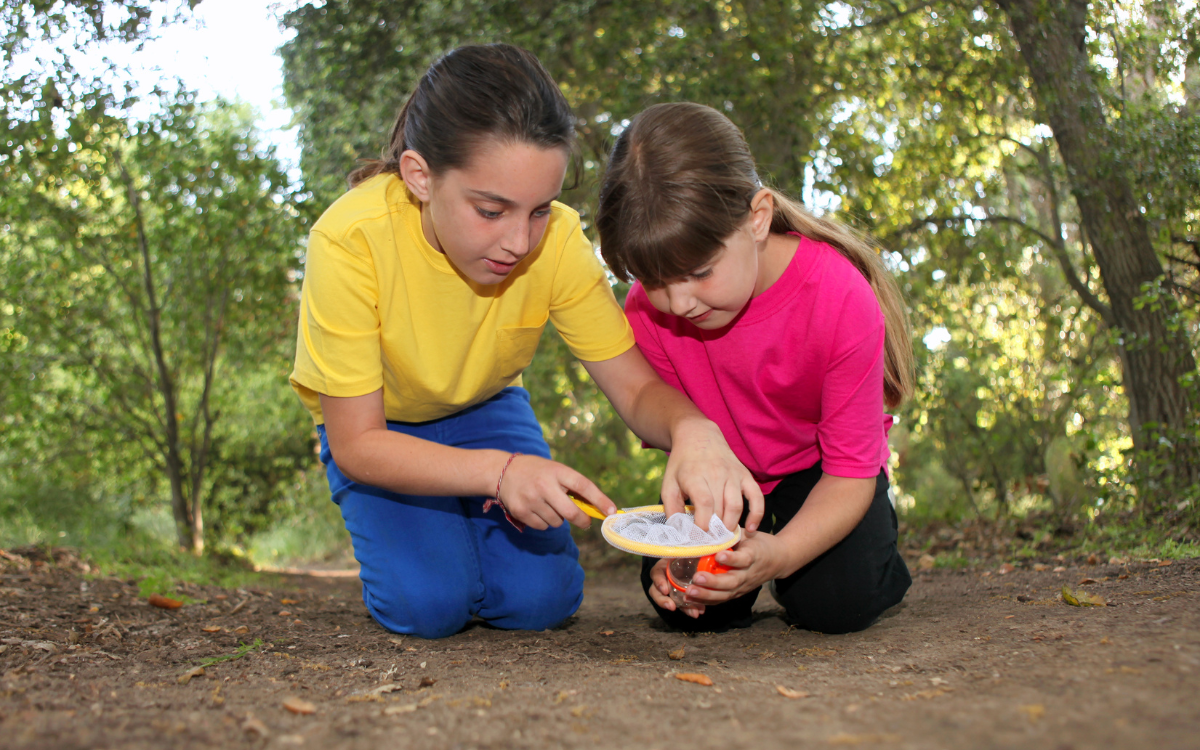
Send students on a shape scavenger hunt! Ask them to find circles, triangles, or rectangles around the house. They can draw, name, and classify each item.
It’s a fun way to reinforce geometry, develop vocabulary around shapes, and connect real-world objects with math topics—all while keeping children active and curious.
9. Math Topics Charades
Turn learning into laughter with math charades. Write math topics like subtraction, division, or place value on cards. One student acts them out while others guess.
This classroom favorite adapts well at home and helps children recall concepts. It’s a fun activity to reinforce vocabulary and engage students in groups or teams.
10. Math Facts Flashlight Game
Tape math facts around a dark room. Give your child a flashlight and call out a problem—when they find the correct answer, they shout it out.
This game sharpens math skills, supports fast recall, and makes learning fun. You can use it with all the numbers and across grade levels.
11. One Student, One Task: Problem Solving Rotation
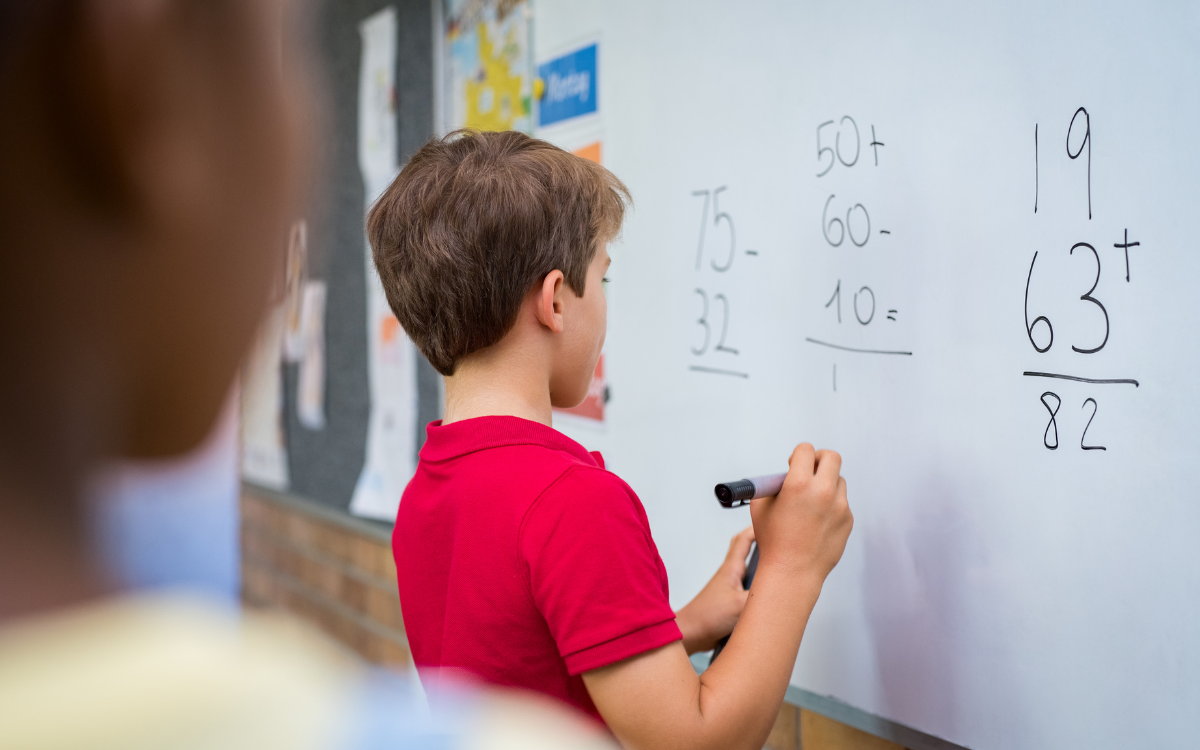
Set up stations around the room with different math problems. One student solves one task at each stop before moving on. Activities can include worksheets, games, or shape sorting.
It’s ideal for small groups or home classrooms, encouraging independent thinking, repetition, and math progress across multiple skills and topics.
12. Multiplication Hopscotch
Draw a hopscotch grid with answers to multiplication problems using sidewalk chalk. Call out a problem—like 3 × 4—and students jump to the correct answer.
This active game builds multiplication fluency while developing physical coordination. It’s a great way to mix play, problem solving, and outdoor math fun.
13. Online Games for Different Grade Levels
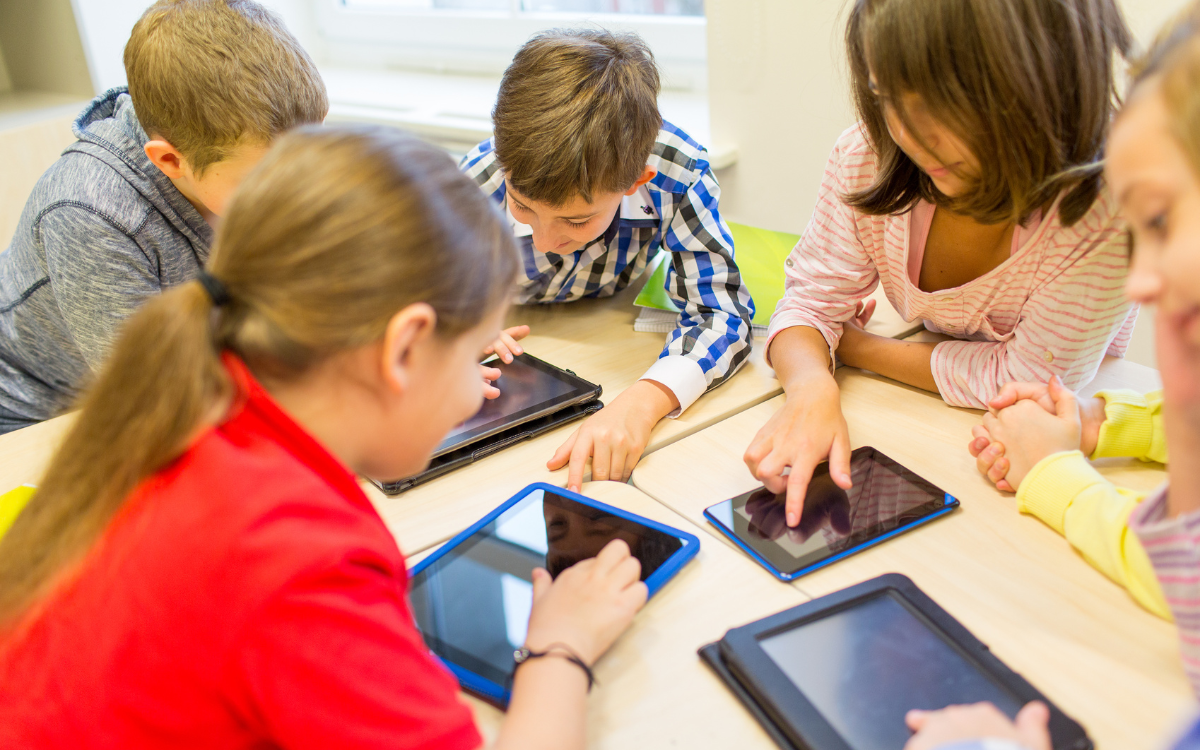
Online games are a great way to practice math skills tailored to specific grade levels. Choose age-appropriate platforms that teach geometry, place value, or fractions.
These games often adapt as students improve. They help teachers and parents reinforce math facts, build fluency, and keep students motivated through interactive learning.
14. Make Learning Fun with Kitchen Math
Cooking offers plenty of chances to teach math. Have children measure ingredients, double recipes, or convert units. They’ll practice fractions, addition, and division—all while making something delicious.
This fun activity helps kids apply math in real-life situations and supports number sense, problem solving, and learning through play.
15. Team-Based Problem Solving with Two Teams
Divide children into two teams and give them timed math challenges to solve. Problems can range from simple addition to multi-step geometry. Teams compete for points based on correct answers.
This encourages cooperation, builds confidence, and makes math games more engaging—perfect for classroom math games or family game nights.
16. Use Worksheets Creatively in Small Groups
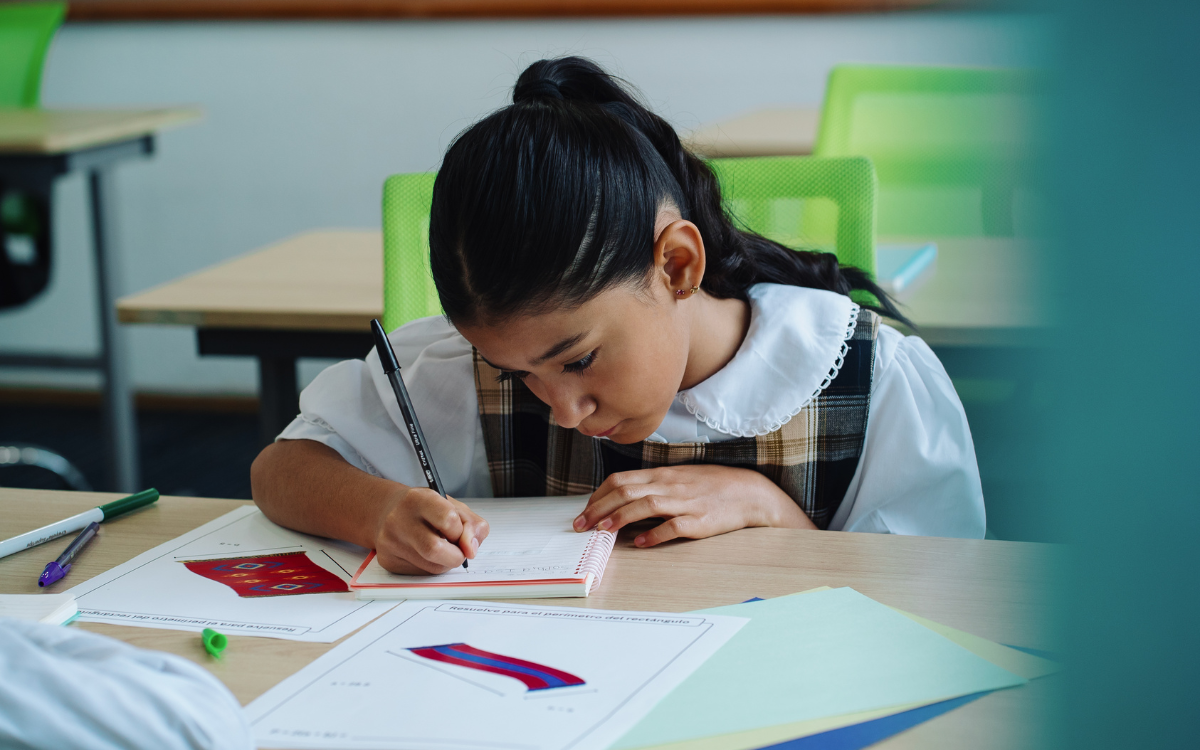
Turn regular math worksheets into a game. Divide the class or family into small groups and assign points for each correct answer. You can even let students create their own problems to challenge others.
This transforms traditional practice into an exciting and collaborative math activity for kids at home.
17. Interactive Math Fun with Magrid
Magrid offers screen-free, movement-based math activities that teach number sense, place value, and shapes. Children solve visual puzzles and play structured math games that feel like fun, not work.
It’s ideal for early learners and supports both classroom and home use, helping students build skills through purposeful, hands-on learning.
18. Teach Shapes and Geometry with Paper Folding

Grab some paper and start folding! Teach children about lines of symmetry, angles, and basic shapes through origami or simple folds.
This activity connects geometry with fine motor skills and spatial reasoning. It’s a quiet, focused way to teach key math concepts in a creative and engaging format.
19. Guess the Number with “All the Numbers” Clues
Think of a secret number. Kids ask yes/no questions like “Is it greater than 50?” or “Is it divisible by 5?” to narrow down the answer.
This classic logic game teaches math vocabulary, number properties, and strategic thinking. It’s a great way to engage students and build confidence with math.
20. Board Game Mash-Up with Math Rules
Choose a favorite board game and add math rules. Before students roll the dice, have them solve a math problem. Want to move forward? Answer correctly!
This encourages children to practice math facts while having fun. You can adapt this for subtraction, multiplication, or fractions depending on the grade.
Math Fun at Home Builds Long-Term Skills
Creative math activities for kids support learning far beyond the classroom. By blending fun, games, and problem solving, children practice essential math skills in a relaxed environment.
These playful strategies reinforce school lessons, support all grade levels, and help children build a strong foundation in math concepts at home.
Explore Magrid for Engaging Math Learning Tools
Looking for more ways to make learning fun? Essayez Magrid—an interactive, movement-based math platform designed for early learners.
With visual tasks and structured play, Magrid helps students practice number sense, geometry, and place value. It’s a powerful tool for teachers and parents aiming to build lifelong math confidence.
Ten Creative Picks of the Best Math Games for Kids

Math can be one of the most rewarding — or challenging — subjects for children. That’s why finding the best math games for kids is more than just a fun diversion; it’s an effective strategy for reinforcing math skills in interesting ways.
Whether it’s a board game, card game, or a classroom activity, well-designed math games help children of all ages improve their number sense, build fluency with counting, and practice problem-solving.
By allowing kids to learn through play, math becomes less about worksheets and more about discovery. Games also naturally align with how young learners absorb information: through repetition, visual cues, and immediate feedback.
A fun game can turn subtraction into a race, multiplication into a strategy, and division into a challenge — all while encouraging critical thinking.
Importantly, math games can be adapted to match each child’s level, providing students the right answer format and mental math focus they need. For teachers and parents alike, these games offer a hands-on way to support classroom learning and curriculum goals.
When a child plays a math game, they’re not just passing time — they’re building a strong foundation in mathematics.
How Math Games Support Math Skills Development
From early math concepts to more complex operations, math games help children strengthen their understanding across different grade levels and skill levels.
Playing games consistently reinforces basic operations like addition, subtraction, and multiplication in a stress-free environment. They encourage children to engage actively — rather than passively — with mathematical thinking.
Young kids benefit from simple games that teach counting, number recognition, and patterns. For older kids, a great game might introduce multi-step math problems, multiplication skills, or even prime numbers.
With each play session, students can improve their test readiness and classroom performance, without feeling the pressure of traditional learning tools.
Card games and board games in particular help children visualize math problems and learn strategies that lead to the correct answer. These hands-on activities also promote cooperative play and social learning, which are essential to a balanced educational experience.
Best of all, most math games can be adapted to match a child’s level — making it easy to explore topics from place value to money in a way that fits your curriculum or learning goals.
1. Magrid: Visual Math Learning Without Language Barriers
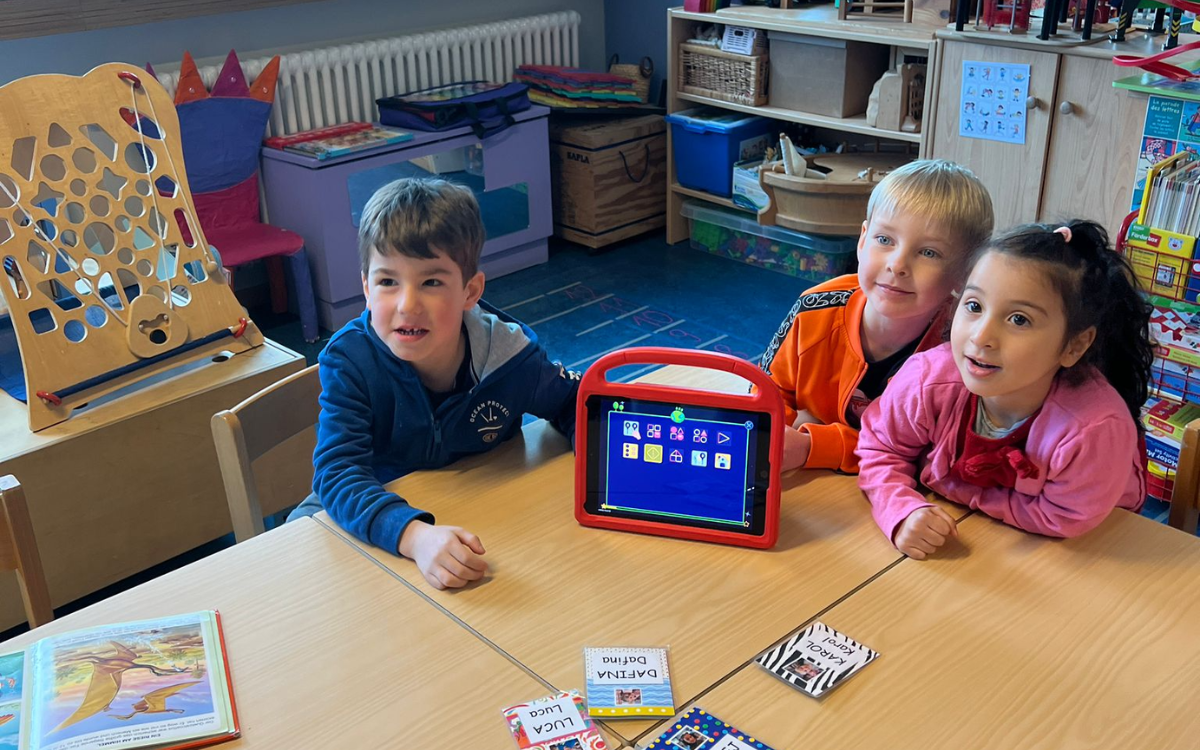
Designed specifically for young learners and early math development, Magrid is a visual, language-free app that helps children build number sense and foundational math skills without relying on text. It’s especially effective for pre-readers, multilingual classrooms, and students with diverse learning needs.
Magrid stands out because it supports learning math concepts without using spoken or written language — a rare and inclusive approach. The app is aligned with common core standards and is used by teachers in classrooms to supplement math instruction.
It allows every child to progress at their own pace while developing cognitive abilities critical to success in mathematics.
There are no in app purchases, which means parents and educators can focus entirely on the learning experience without distractions. From simple tasks like counting to more complex challenges involving spatial reasoning, Magrid ensures each child learns at their own level through interactive play.
Whether a child plays individually or as part of a whole class session, Magrid offers a unique and developmentally appropriate tool to support early math success and long-term mathematical thinking.
2. Math Card Flip: Boosting Math Facts with a Fun Gameation
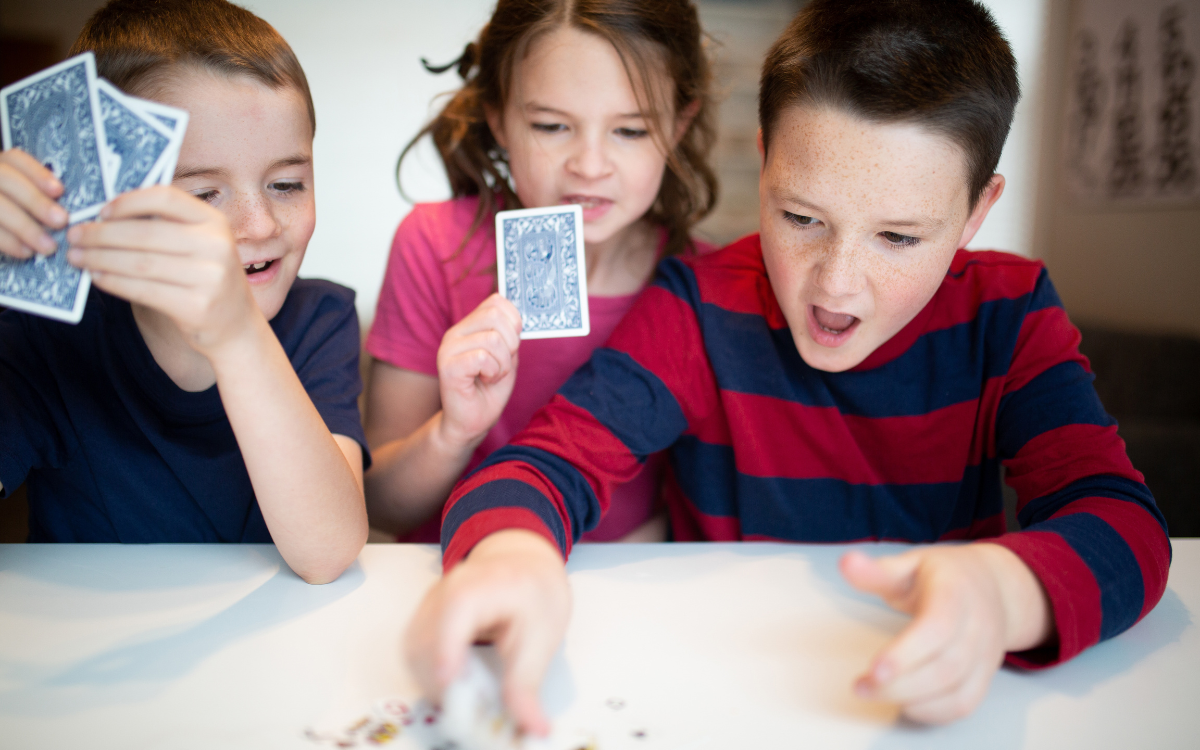
Math Card Flip is a fast-paced card game that strengthens mental math skills through engaging repetition. Using a standard deck or printable math-themed cards, students flip two cards at a time and either add, subtract, or multiply the numbers — depending on the round’s rule.
The goal is to solve each math problem quickly and give the right answer before your opponent does.
This simple game is great for both individual play and small groups. It supports fluency with math facts and encourages players to practice key skills like multiplication and subtraction in a non-threatening way. You can modify the game to fit any grade or child’s level, making it ideal for mixed-skill classrooms.
Teachers can use it to provide students with quick practice sessions, and parents can turn it into a nightly routine. No screens, no distractions — just focused, interactive math play that improves accuracy, speed, and confidence with numbers across all ages.
3. Sum Swamp: An Early Math Board Game Favorite
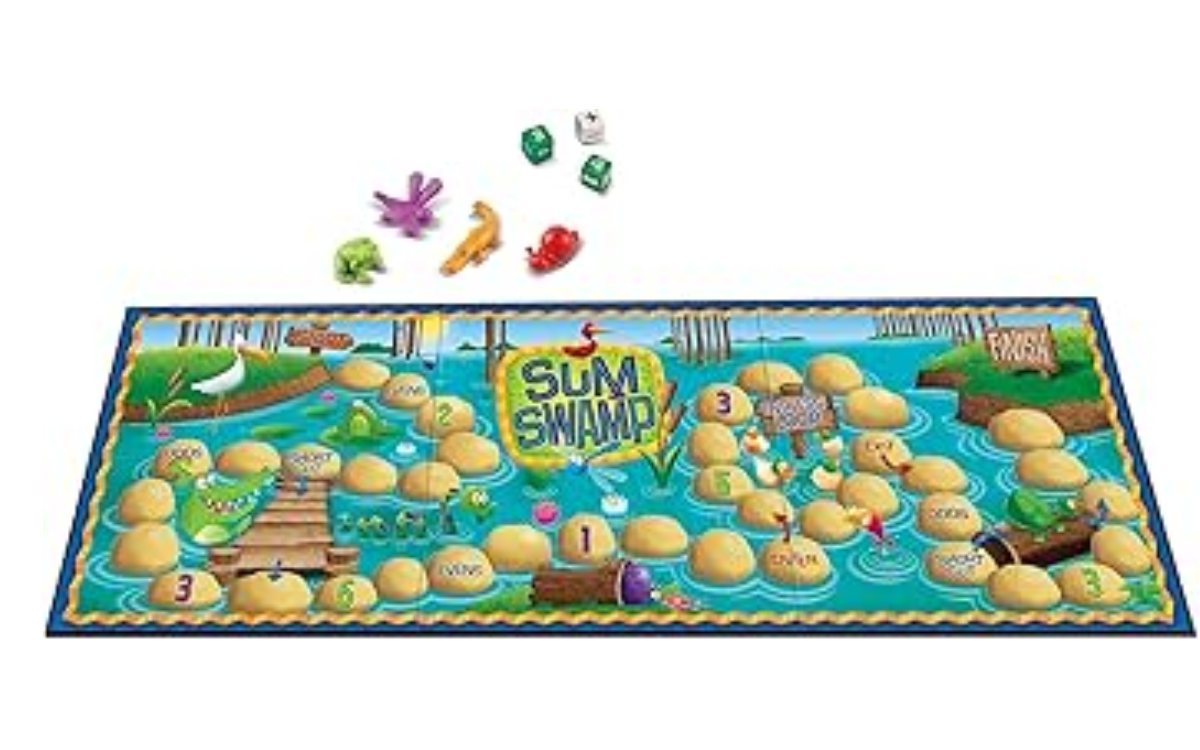
Sum Swamp is a classic board game that transforms early math into an exciting adventure through a colorful swamp. Designed for young kids in early grades, the game focuses on helping children learn basic addition, subtraction, and even number comparison through a series of playful challenges.
Players roll dice to generate math problems and move their game pieces by solving them. With each turn, they must find the correct answer to keep moving forward — a process that reinforces quick thinking and builds confidence in math facts.
This fun game is especially effective for early learners who are just starting to grasp math skills. Its playful visuals and hands-on mechanics make it a great game for developing number sense, counting fluency, and the ability to solve a math problem independently.
Sum Swamp is ideal for both classroom centers and family game nights, encouraging kids to play and learn together.
4. Roll & Solve: Dice-Based Math Game for the Whole Class
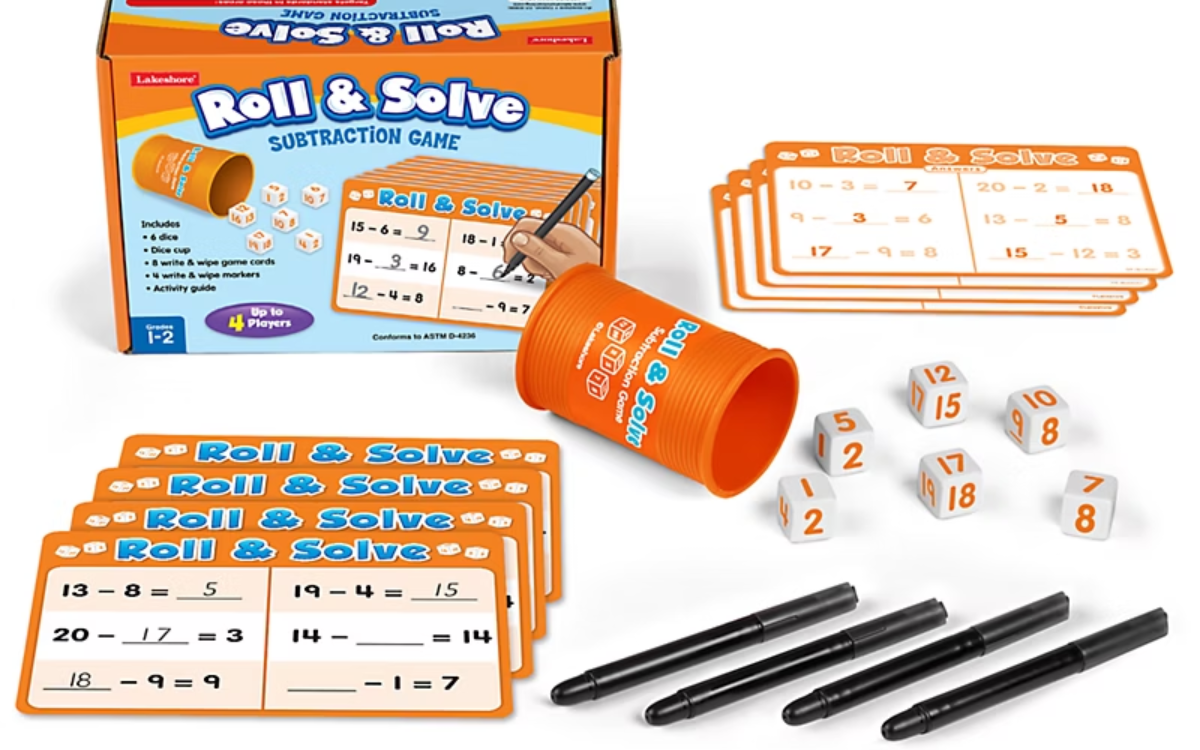
Roll & Solve is an easy-to-set-up classroom game that uses dice to create dynamic math questions on the spot. The game is perfect for whole class participation or small group stations, supporting a variety of skill levels in one session.
To play, students roll dice, generate two or more numbers, and then complete a math operation — addition, subtraction, multiplication, or even division — depending on the round’s challenge. Teachers can increase difficulty as needed, helping older kids or advanced learners stay engaged.
This simple game works across different grades and aligns well with common core standards. It offers a great way to provide students with daily math practice without relying on worksheets.
Teachers can use it to explore operations, place value, or prime numbers in fun and interactive ways that promote deep learning.
Roll & Solve keeps kids math-focused while building their confidence, especially in mental math and problem-solving under light, friendly pressure.
5. Math Facts Memory Match: Place Value and Recall Practice
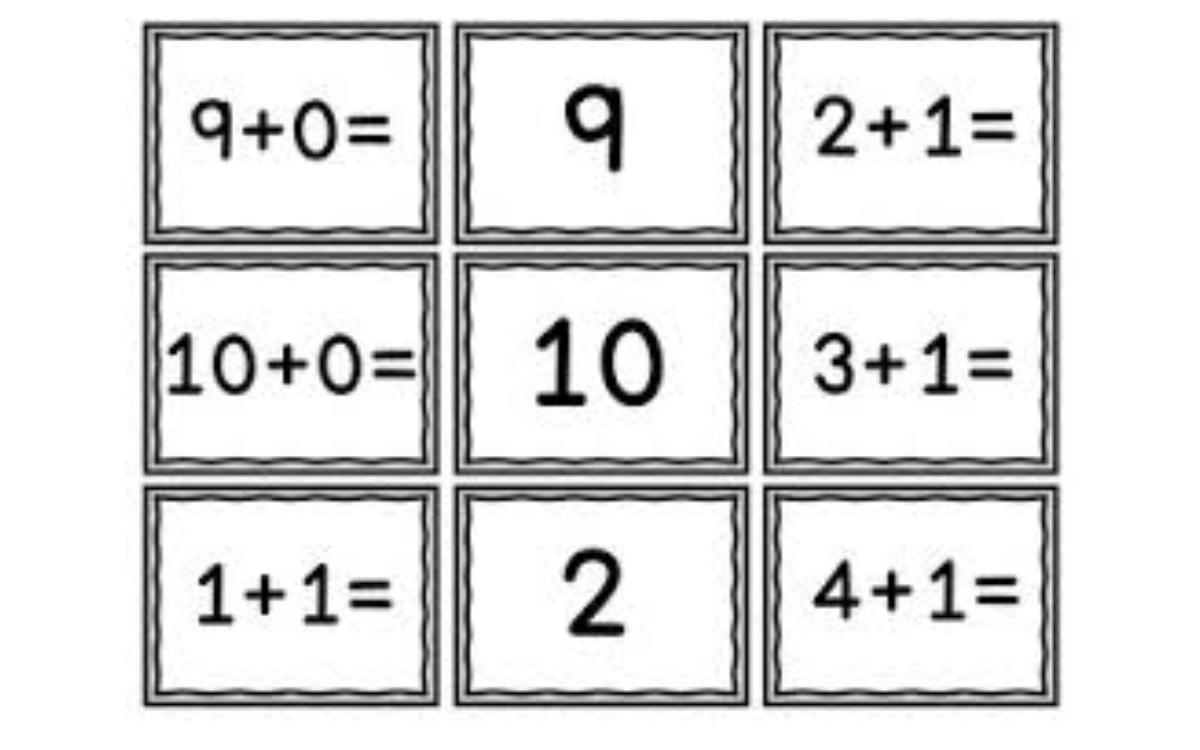
Math Facts Memory Match is a flexible, printable card game that sharpens recall skills through visual matching. Students flip over cards to find pairs that solve or relate to each other — like a multiplication problem and its answer, or a number and its place value term.
This game builds math facts fluency while encouraging strategic thinking and memory development. Because the format is visual and hands-on, it works particularly well for young learners who benefit from repetition and active play.
You can adapt the game to target addition, subtraction, multiplication, or even division, depending on the child’s level and the classroom focus. Teachers can introduce it during centers or as a quick math warm-up.
Math Facts Memory Match not only supports learning math in a fun and familiar format — it also gives children opportunities to test their knowledge and correct any mistakes in a low-stress setting, making it ideal for home or school use.
6. Pizza Fraction Fun: A Tasty Way to Learn Math

Pizza Fraction Fun is a colorful board game that helps children understand fractions through play-based learning. Players use pizza slices to visualize part-whole relationships, practice equivalencies, and even explore basic division.
Designed for kids ages 6 and up, this game introduces fractions in a hands-on, engaging format that supports both conceptual understanding and real-world application. As each child plays, they gain familiarity with key terms like half, third, and quarter — and learn to compare and combine them.
The game supports various skill levels and is useful for teaching both individual students and small groups. Because it emphasizes visual learning, it’s especially effective for reinforcing concepts in classrooms that follow common core standards.
With its combination of food-themed fun and academic focus, Pizza Fraction Fun is a great game to help kids learn without realizing they’re doing math.
It also works well for students who need extra support in transitioning from basic operations to more advanced concepts like division and equivalence.
7. Operation Equation: Solve Math Questions for Most Points
Operation Equation is a strategy-based game that challenges players to create and solve math questions using number and operator tiles. Players must combine numbers to form an equation — the more complex the operation, the more points they score.
Ideal for older kids, this game builds confidence with addition, subtraction, multiplication, and division while promoting deeper understanding of how numbers interact. Whether working individually or in teams, students are motivated to solve for the correct answer and earn the most points.
This game is great for reinforcing problem-solving strategies, especially when kids are transitioning to multi-step operations. It supports differentiation by allowing players to work at their own skill levels and is perfect for both classroom and home environments.
Operation Equation blends critical thinking with competition, encouraging students to explore math in interesting ways.
It’s a fun game that makes solving a math problem feel like cracking a code — both challenging and rewarding.
8. Prime Climb: Strategic Play Using Prime Numbers
Prime Climb is a visually stunning board game that uses color and strategy to teach multiplication, division, and prime numbers. It’s especially suited for older kids and advanced learners who enjoy thinking several steps ahead.
Players use dice rolls to navigate a vibrant game board, combining number sense with strategic planning. Each space is color-coded by its mathematical properties, helping players identify factors, multiples, and primes.
The goal? Be the first to reach the center by solving math problems along the way.
This game encourages students to multiply and divide mentally while applying concepts like prime factorization. Teachers can use it in the classroom to reinforce higher-level operations and build fluency beyond basic math facts.
With its rich visuals and clever design, Prime Climb offers a unique learning experience that’s as enjoyable as it is educational — a great game for developing long-term math skills through play.
9. Don’t Break the Budget: A Simple Game to Learn Money Math
Don’t Break the Budget is a practical money-themed game that helps kids develop real-world math skills through playful decision-making.
Players are given a set amount of “money” and must buy items, save, and make smart financial choices — without going over budget.
This simple game teaches important concepts like addition, subtraction, and comparison. As each child plays, they encounter math problems that involve calculating costs, finding the right answer, and understanding place value. It’s a fun game that blends logic, math facts, and life skills.
Teachers can use this activity in the classroom to support curriculum objectives around money and basic operations. It’s easy to scale for different skill levels, making it ideal for students across grades.
Don’t Break the Budget is a great game to reinforce math learning in interesting ways, encouraging kids to explore spending, saving, and budgeting with real-life math applications.
10. Math Mission Challenge: Whole Class Game for All Skill Levels
Math Mission Challenge is an engaging classroom activity designed for the whole class, where teams of students compete to solve a series of math problems. Each challenge varies by difficulty, allowing for a range of skill levels to participate.
Teachers present a math question, and teams race to submit the right answer within a time limit. Points are awarded based on accuracy and speed, making this a fun game that supports both critical thinking and collaboration.
This format is especially effective for reviewing math facts, testing number sense, and reinforcing core concepts like place value and operations. It also gives teachers flexibility to adjust questions to match the grade and curriculum.
Math Mission Challenge turns routine math review into a high-energy experience.
Whether it’s used as a weekly review or a warm-up activity, it helps students learn through movement, competition, and teamwork — a powerful blend for lasting progress in mathematics.
Keeping Kids Motivated While Playing Math Games
Rotating game types, celebrating progress, and matching activities to a child’s level keeps kids engaged. Let students play in groups, explore challenges, and focus on learning over perfection.
Whether at home or in the classroom, math games help every child learn, grow, and enjoy mathematics on their own terms.
Make Math Fun Every Day with the Right Game
From card games to classroom challenges, the best math games for kids make learning feel like play. Choose tools that match your goals, support curriculum, and engage students at all skill levels.
Try Magrid for early math development—and turn every math moment into a fun, focused learning experience.