Introduction – Nurturing Young Minds Through Play and Purpose
At the age of five, children are bursting with curiosity, creativity, and an eagerness to explore the world around them. This stage is a crucial time for development, where learning through
play becomes one of the most effective ways to build essential
skills for school and life. Whether it’s recognizing
letters, understanding
emotions, or developing
capacidades motoras finas, well-designed
learning activities for 5 year olds can lay a strong foundation.
More than just fun, these
activities help children gain self confidence, express themselves, and connect with
family members and their environment. From using
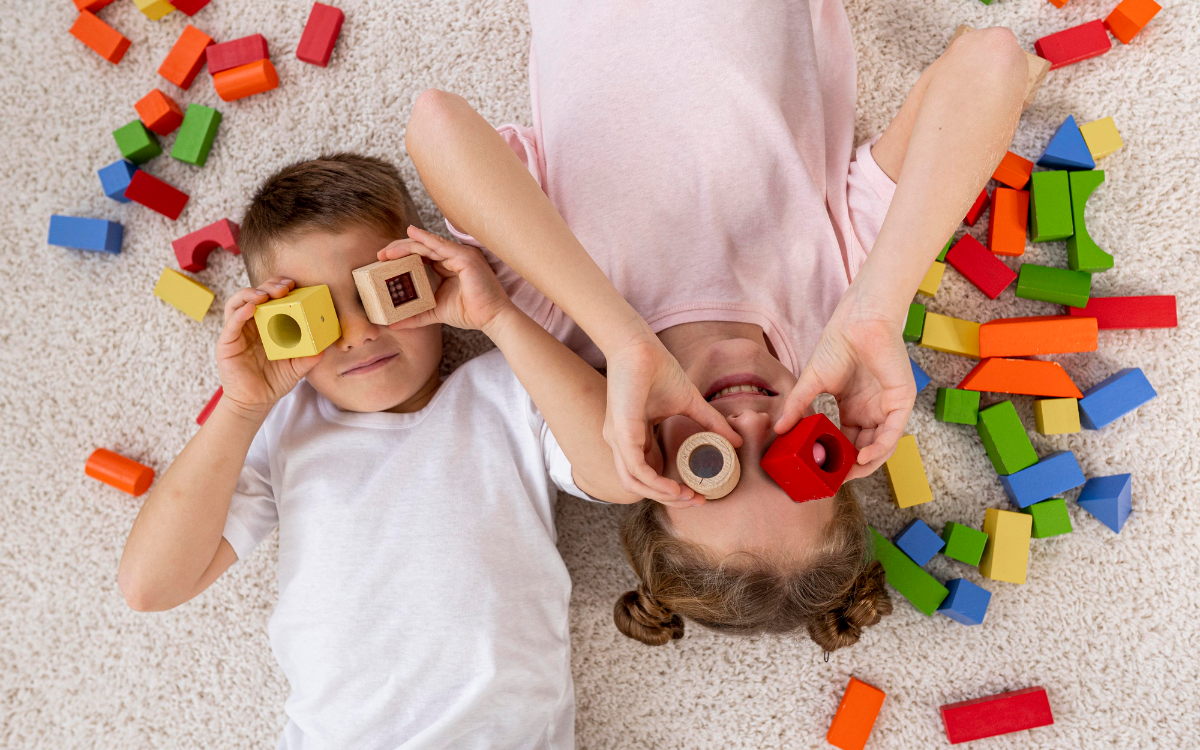
building blocks to creating their
own stories, there are countless ways to engage little minds in meaningful
learning. This article explores eight
fun activities that support
reading,
writing,
math,
creativity, e
social development—all tailored to meet the unique needs of 5-year-olds. Let’s dive into ideas that inspire, challenge, and nurture your child’s growing
ability.
Understanding the Value of Learning Activities for 5 Year Olds
By the age of five, children are rapidly developing across cognitive, physical, emotional, and social domains. They’re learning to express themselves clearly, follow routines, and engage with
other family members and peers more meaningfully.
Learning activities for 5 year olds support this growth by providing opportunities to explore, experiment, and build important
skills through play and discovery.
Activities at this age should focus on fostering
motor skills, both large and
fine, while helping kids begin to
recognize patterns, shapes,
letters, and numbers. From tracing
simple words to sorting toys by color or size, these experiences develop their
focus, memory, and
spatial awareness. When
parents and caregivers
get involved, these activities also become moments of connection that encourage communication and bonding.
In addition to academic skills like early
reading e
math, children benefit from activities that teach
discipline,
emotions, and collaboration. A well-rounded mix of physical play, art, music, and storytelling provides a rich learning environment that prepares them for
school and beyond. Whether it’s a hands-on
science project or imaginative play with
stuffed animals, each activity plays a role in shaping their understanding of the
world—and their place in it.
1. Fun Learning Activities That Boost Skills and Self Confidence
For young children,
fun and learning go hand-in-hand. When
kids are actively engaged and enjoying themselves, they’re more likely to retain information, take risks, and push boundaries—all of which are critical to
development. That’s why integrating
fun learning activities into a 5-year-old’s routine helps nurture both their intellect and their
self confidence.
These
atividades don’t have to be complex. Let your child act out a favorite
story with
stuffed animals, or turn household chores into playful challenges. Sorting socks by color or matching lids to containers may seem simple, but they sharpen
spatial awareness and encourage attention to detail. Making up
own stories, drawing pictures of
family members, or creating a silly song together all build
creative expression while enhancing vocabulary and communication.
Play-based learning also helps
crianças learn to navigate
emotions, develop
discipline, and gain a sense of accomplishment when completing small tasks. Whether they’re building towers with
toys, identifying
letters on signs, or playing pretend with friends, every interaction adds to their understanding of themselves and their
environment. The key is to provide a safe space where exploration is encouraged, mistakes are welcomed, and learning is always a joyful adventure.
2. Board Games That Teach and Entertain
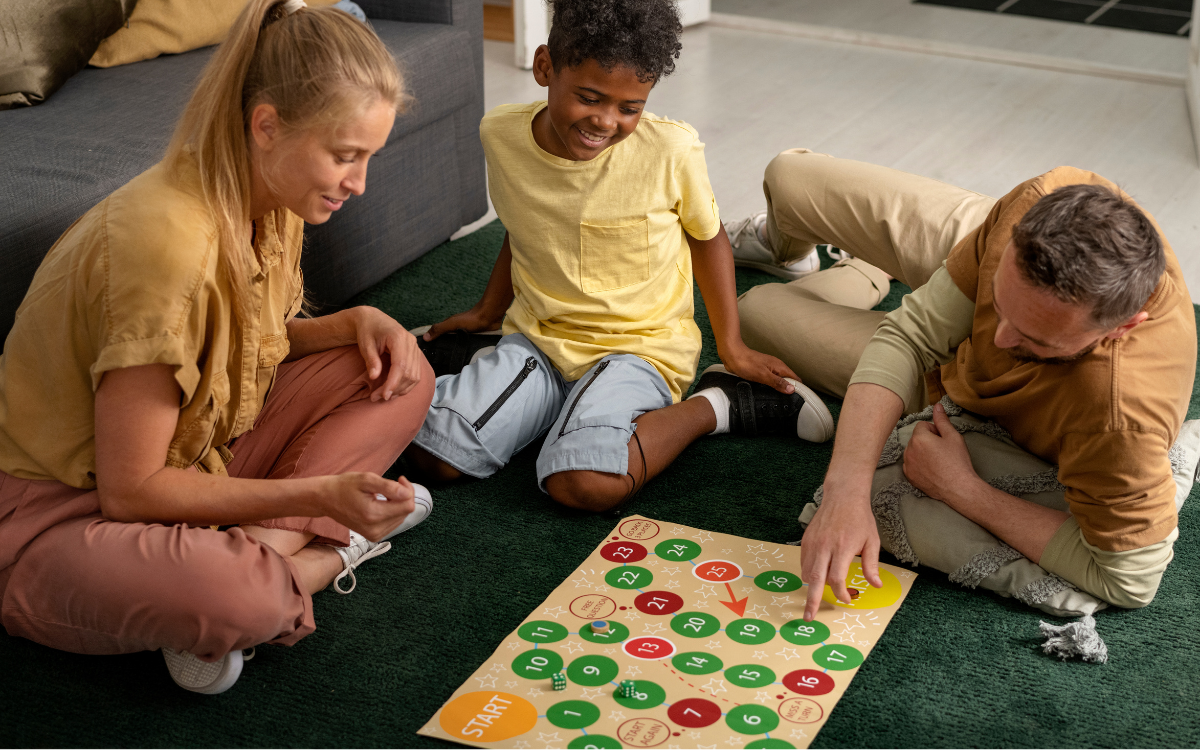
Board games offer a fantastic blend of fun and foundational
learning for 5-year-olds. These games promote
social development by teaching turn-taking, patience, and how to handle winning or losing gracefully. They also build vital academic and cognitive
skills, such as number recognition,
simple word identification, and decision-making.
Games like picture matching, early
math puzzles, and alphabet bingo help
crianças learn to
recognize letters, count objects, and understand patterns. These
activities support reading and writing skills, as well as basic strategy and memory-building. Playing together with
family members also strengthens bonds and encourages conversation, offering a natural way to
help your child grow in a supportive setting.
Whether it’s rolling dice, matching cards, or moving game pieces across a board, these
games reinforce
discipline, attention, and
focus. Best of all, they deliver valuable
learning moments wrapped in the excitement of play.
3. Creative Expression Through Art, Music, and Crafts
Creative expression is a powerful outlet for 5-year-olds to explore their thoughts, feelings, and the
world around them. Through
art,
music, e
crafts, children develop
capacidades motoras finas, improve their
focus, and strengthen their ability to communicate.
These activities also foster emotional growth by giving kids space to express
emotions they may not yet be able to put into
words.
Set up a simple art station with crayons, paper, glue, and safe scissors. Invite your child to draw
family members, cut out shapes, or create collages using found
materials. These creative choices help develop
spatial awareness, color recognition, and
competências de escrita like pencil grip and hand control. Singing songs, playing simple instruments, or dancing to different rhythms further enhances coordination and listening
skills.
Crafting also gives children opportunities to
create their
own stories—whether through puppets, painted scenes, or homemade books. These hands-on experiences connect imagination with physical activity, reinforcing what they’re learning in
school while encouraging independent thought.
When
parents get
involved, the experience becomes even more meaningful. Whether you're painting together or building something from recycled
materials, you're not just making art—you're making memories and reinforcing lifelong learning.
4. Simple Science Experiments for Little Explorers

Introducing
science experiments at an early age is an excellent way to spark
curiosity and lay the groundwork for critical thinking. For 5-year-olds, the best experiments are hands-on, engaging, and easy to understand—turning everyday
materials into tools of discovery. These experiences help children develop observation skills,
spatial awareness, and early concepts of cause and effect.
One simple favorite is the classic
baking soda and vinegar volcano. It’s messy, exciting, and full of learning! Kids get to mix ingredients, watch a reaction, and learn basic
science vocabulary. Other experiments like floating and sinking toys in water or growing plants in clear containers help children connect with
nature and understand how the
world works.
These
fun activities build more than academic knowledge—they also teach patience,
focus, e
discipline. They encourage children to ask questions, test ideas, and learn from unexpected results. Doing these
atividades together with
parents ou
other family members also provides opportunities for meaningful conversation and shared
learning.
Best of all, experiments foster a deep sense of wonder that carries over into other areas like
math,
reading, and creative thinking. With a little setup and a lot of enthusiasm, you can help your child explore science through playful discovery.
5. Reading Books That Spark Imagination and Language Skills
One of the most powerful ways to support your child’s development is by
reading books together. At age five, children are developing early
reading e
competências de escrita, expanding their vocabulary, and learning how
stories are structured. Shared reading time builds not just
literacy, but also
emotions, empathy, and connection between
parents e
kids.
Choose books with
simple words, clear
pictures, and engaging themes that reflect your child’s interests—whether it’s animals,
family members, or adventures in
nature. Ask questions while reading: “What do you think will happen next?” or “How does the character feel?” These prompts help children
focus,
recognize emotions, and understand the
story more deeply.
You can even involve your child by letting them “read” repetitive phrases or name
letters e
words they recognize. As they grow more confident, encourage them to retell the
story in their
own words, boosting memory, comprehension, and
self confidence.
Regular reading sessions build a strong foundation for
school readiness and a lifelong love of
learning. Keep books accessible, rotate themes, and make reading part of your daily routine. With every page turned, you’re helping your child explore new worlds—and understand their own.
6. Strengthening Skills with Magrid: A Smart, Screen-Free Learning Tool

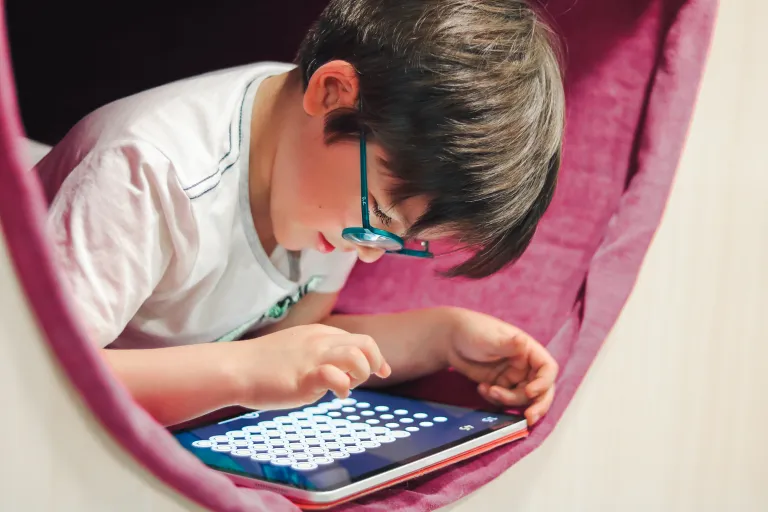
One exceptional activity for 5-year-olds is learning with
Magrid, a research-based, screen-free platform designed to build foundational
skills in
math,
reading, e
spatial awareness. Unlike traditional digital tools, Magrid uses physical interaction and visual prompts to teach concepts in a way that feels like play—making
learning fun, hands-on, and deeply engaging for
crianças.
Through
thoughtfully designed activities, Magrid enhances
focus,
discipline, e
self confidence by encouraging children to solve problems, make connections, and complete challenges independently. Whether it’s identifying shapes, navigating patterns, or organizing sequences, Magrid strengthens
motor skills and cognitive development while also supporting language acquisition.
The platform is also ideal for
parents who want to
help their child learn in a structured yet playful environment. By removing screens from the equation, Magrid creates a calm space that nurtures attention and reduces distraction. It’s a perfect way to support
competências de escrita, number recognition, and early logic without overstimulation.
Using Magrid can be a daily ritual—one that not only builds academic ability but also encourages exploration, confidence, and a love of
learning. As one of the most effective
learning activities for 5 year olds, Magrid offers a meaningful blend of
fun, structure, and discovery.
7. Outdoor Play: Explore, Move, and Learn in Nature
Getting
fresh air and spending time in
nature is essential for a child’s well-being and
development. Outdoor
play gives 5-year-olds the freedom to move, explore, and engage their senses in ways that indoor settings can't replicate. Whether it’s running, climbing, or playing with
toys outside, these
activities support physical motor skills, coordination, and
self confidence.
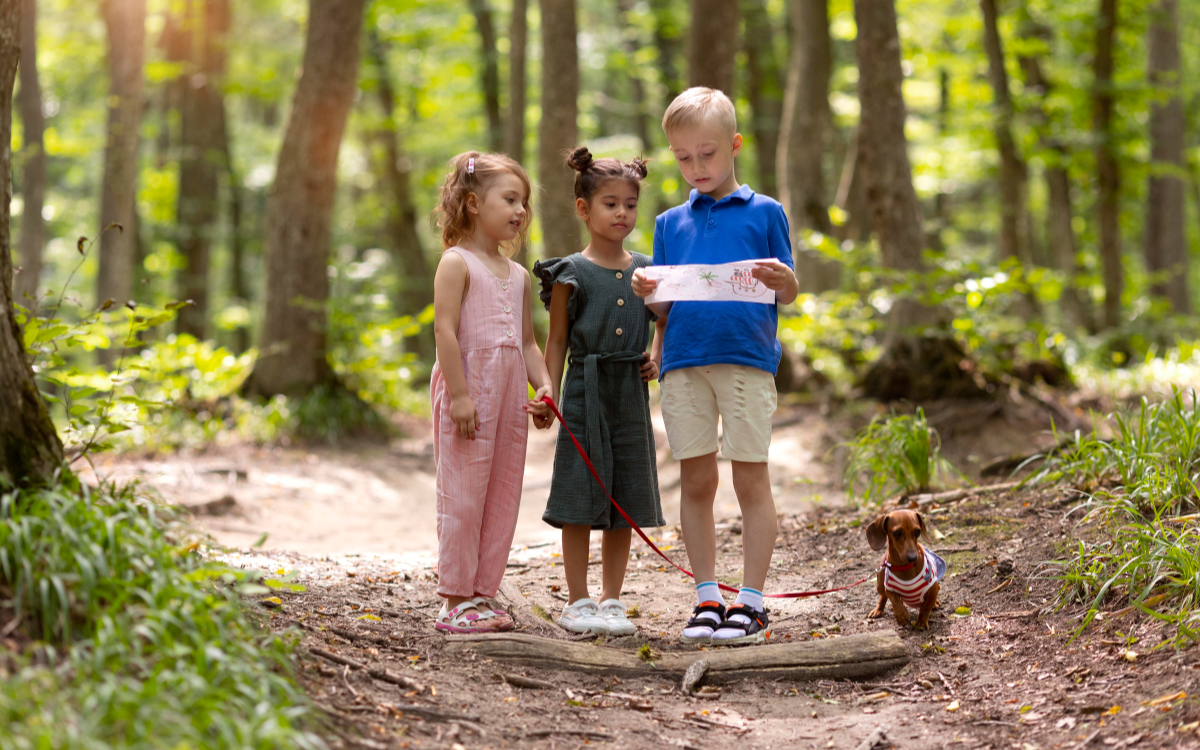
Try setting up simple nature scavenger hunts, building with
natural materials, or playing balance games with sticks and rocks. You can also bring
building blocks outdoors to combine imaginative
play with environmental discovery. These
fun activities help children develop spatial awareness and body control while cultivating a sense of wonder about the
world.
Outdoor
games also allow kids to
act out
stories, connect with
family members, and release energy in healthy ways. Most importantly, outdoor
play teaches children to appreciate their environment and discover the joy of
learning through real-world exploration.
8. Family Time Activities: Learning with Loved Ones
Some of the most impactful
learning happens during shared moments with
parents e
family members. Family-based
atividades create a warm environment where children feel supported, safe, and encouraged to explore new ideas. These moments help
develop not only academic
skills but also emotional intelligence and
social development.
Try simple, engaging routines like baking together, where your child measures ingredients, stirs mixtures, or observes a
baking soda reaction—teaching
math,
science, and cooperation in one go.
Card games or collaborative
crafts help reinforce
discipline, turn-taking, and vocabulary.
Getting
other family members involved in storytelling, reading, or building projects strengthens relationships and builds communication
skills. Even daily chores can become
learning experiences when paired with fun and encouragement.
The key is being present and allowing your child to participate meaningfully. These shared activities send a powerful message:
learning is a part of everyday
life, and your child has a vital role to play in it.
Conclusion – Helping Your Child Grow Through Play and Discovery

Every child is full of potential, and with the right support, they can thrive through
fun learning activities that promote creativity, connection, and confidence. From acting out
own stories with
stuffed animals to exploring early
science experiments or using screen-free tools like
Magrid, the opportunities for
learning are everywhere.
These eight
learning activities for 5 year olds are designed to nurture the whole child—supporting
motor skills, emotional awareness,
reading,
math, and social understanding in playful and meaningful ways. When
parents e
family members stay
involved, learning becomes a shared journey that strengthens relationships and builds lifelong habits.
Whether indoors or outside, using
materials or imagination, each moment offers a chance to
help your child grow. With consistency, patience, and a sense of wonder, you can create an environment that supports your child’s
development, encourages discovery, and fills their world with joy and possibility.
Looking for a fun way to build your child’s math and cognitive skills? Magrid offers hands-on, research-based activities designed for 3 to 7-year-olds to learn through play.
Experimente o Magrid hoje mesmo and make every learning moment count!
Introduction – Nurturing Young Minds Through Play and Purpose
At the age of five, children are bursting with curiosity, creativity, and an eagerness to explore the world around them. This stage is a crucial time for development, where learning through play becomes one of the most effective ways to build essential skills for school and life. Whether it’s recognizing letters, understanding emotions, or developing capacidades motoras finas, well-designed learning activities for 5 year olds can lay a strong foundation.
More than just fun, these activities help children gain self confidence, express themselves, and connect with family members and their environment. From using building blocks to creating their own stories, there are countless ways to engage little minds in meaningful learning. This article explores eight fun activities that support reading, writing, math, creativity, e social development—all tailored to meet the unique needs of 5-year-olds. Let’s dive into ideas that inspire, challenge, and nurture your child’s growing ability.
Understanding the Value of Learning Activities for 5 Year Olds
By the age of five, children are rapidly developing across cognitive, physical, emotional, and social domains. They’re learning to express themselves clearly, follow routines, and engage with other family members and peers more meaningfully. Learning activities for 5 year olds support this growth by providing opportunities to explore, experiment, and build important skills through play and discovery.
Activities at this age should focus on fostering motor skills, both large and fine, while helping kids begin to recognize patterns, shapes, letters, and numbers. From tracing simple words to sorting toys by color or size, these experiences develop their focus, memory, and spatial awareness. When parents and caregivers get involved, these activities also become moments of connection that encourage communication and bonding.
In addition to academic skills like early reading e math, children benefit from activities that teach discipline, emotions, and collaboration. A well-rounded mix of physical play, art, music, and storytelling provides a rich learning environment that prepares them for school and beyond. Whether it’s a hands-on science project or imaginative play with stuffed animals, each activity plays a role in shaping their understanding of the world—and their place in it.
1. Fun Learning Activities That Boost Skills and Self Confidence
For young children, fun and learning go hand-in-hand. When kids are actively engaged and enjoying themselves, they’re more likely to retain information, take risks, and push boundaries—all of which are critical to development. That’s why integrating fun learning activities into a 5-year-old’s routine helps nurture both their intellect and their self confidence.
These atividades don’t have to be complex. Let your child act out a favorite story with stuffed animals, or turn household chores into playful challenges. Sorting socks by color or matching lids to containers may seem simple, but they sharpen spatial awareness and encourage attention to detail. Making up own stories, drawing pictures of family members, or creating a silly song together all build creative expression while enhancing vocabulary and communication.
Play-based learning also helps crianças learn to navigate emotions, develop discipline, and gain a sense of accomplishment when completing small tasks. Whether they’re building towers with toys, identifying letters on signs, or playing pretend with friends, every interaction adds to their understanding of themselves and their environment. The key is to provide a safe space where exploration is encouraged, mistakes are welcomed, and learning is always a joyful adventure.
2. Board Games That Teach and Entertain
Board games offer a fantastic blend of fun and foundational learning for 5-year-olds. These games promote social development by teaching turn-taking, patience, and how to handle winning or losing gracefully. They also build vital academic and cognitive skills, such as number recognition, simple word identification, and decision-making.
Games like picture matching, early math puzzles, and alphabet bingo help crianças learn to recognize letters, count objects, and understand patterns. These activities support reading and writing skills, as well as basic strategy and memory-building. Playing together with family members also strengthens bonds and encourages conversation, offering a natural way to help your child grow in a supportive setting.
Whether it’s rolling dice, matching cards, or moving game pieces across a board, these games reinforce discipline, attention, and focus. Best of all, they deliver valuable learning moments wrapped in the excitement of play.
3. Creative Expression Through Art, Music, and Crafts
Creative expression is a powerful outlet for 5-year-olds to explore their thoughts, feelings, and the world around them. Through art, music, e crafts, children develop capacidades motoras finas, improve their focus, and strengthen their ability to communicate. These activities also foster emotional growth by giving kids space to express emotions they may not yet be able to put into words.
Set up a simple art station with crayons, paper, glue, and safe scissors. Invite your child to draw family members, cut out shapes, or create collages using found materials. These creative choices help develop spatial awareness, color recognition, and competências de escrita like pencil grip and hand control. Singing songs, playing simple instruments, or dancing to different rhythms further enhances coordination and listening skills.
Crafting also gives children opportunities to create their own stories—whether through puppets, painted scenes, or homemade books. These hands-on experiences connect imagination with physical activity, reinforcing what they’re learning in school while encouraging independent thought.
When parents get involved, the experience becomes even more meaningful. Whether you’re painting together or building something from recycled materials, you’re not just making art—you’re making memories and reinforcing lifelong learning.
4. Simple Science Experiments for Little Explorers
Introducing science experiments at an early age is an excellent way to spark curiosity and lay the groundwork for critical thinking. For 5-year-olds, the best experiments are hands-on, engaging, and easy to understand—turning everyday materials into tools of discovery. These experiences help children develop observation skills, spatial awareness, and early concepts of cause and effect.
One simple favorite is the classic baking soda and vinegar volcano. It’s messy, exciting, and full of learning! Kids get to mix ingredients, watch a reaction, and learn basic science vocabulary. Other experiments like floating and sinking toys in water or growing plants in clear containers help children connect with nature and understand how the world works.
These fun activities build more than academic knowledge—they also teach patience, focus, e discipline. They encourage children to ask questions, test ideas, and learn from unexpected results. Doing these atividades together with parents ou other family members also provides opportunities for meaningful conversation and shared learning.
Best of all, experiments foster a deep sense of wonder that carries over into other areas like math, reading, and creative thinking. With a little setup and a lot of enthusiasm, you can help your child explore science through playful discovery.
5. Reading Books That Spark Imagination and Language Skills
One of the most powerful ways to support your child’s development is by reading books together. At age five, children are developing early reading e competências de escrita, expanding their vocabulary, and learning how stories are structured. Shared reading time builds not just literacy, but also emotions, empathy, and connection between parents e kids.
Choose books with simple words, clear pictures, and engaging themes that reflect your child’s interests—whether it’s animals, family members, or adventures in nature. Ask questions while reading: “What do you think will happen next?” or “How does the character feel?” These prompts help children focus, recognize emotions, and understand the story more deeply.
You can even involve your child by letting them “read” repetitive phrases or name letters e words they recognize. As they grow more confident, encourage them to retell the story in their own words, boosting memory, comprehension, and self confidence.
Regular reading sessions build a strong foundation for school readiness and a lifelong love of learning. Keep books accessible, rotate themes, and make reading part of your daily routine. With every page turned, you’re helping your child explore new worlds—and understand their own.
6. Strengthening Skills with Magrid: A Smart, Screen-Free Learning Tool
One exceptional activity for 5-year-olds is learning with Magrid, a research-based, screen-free platform designed to build foundational skills in math, reading, e spatial awareness. Unlike traditional digital tools, Magrid uses physical interaction and visual prompts to teach concepts in a way that feels like play—making learning fun, hands-on, and deeply engaging for crianças.
Through thoughtfully designed activities, Magrid enhances focus, discipline, e self confidence by encouraging children to solve problems, make connections, and complete challenges independently. Whether it’s identifying shapes, navigating patterns, or organizing sequences, Magrid strengthens motor skills and cognitive development while also supporting language acquisition.
The platform is also ideal for parents who want to help their child learn in a structured yet playful environment. By removing screens from the equation, Magrid creates a calm space that nurtures attention and reduces distraction. It’s a perfect way to support competências de escrita, number recognition, and early logic without overstimulation.
Using Magrid can be a daily ritual—one that not only builds academic ability but also encourages exploration, confidence, and a love of learning. As one of the most effective learning activities for 5 year olds, Magrid offers a meaningful blend of fun, structure, and discovery.
7. Outdoor Play: Explore, Move, and Learn in Nature
Getting fresh air and spending time in nature is essential for a child’s well-being and development. Outdoor play gives 5-year-olds the freedom to move, explore, and engage their senses in ways that indoor settings can’t replicate. Whether it’s running, climbing, or playing with toys outside, these activities support physical motor skills, coordination, and self confidence.
Try setting up simple nature scavenger hunts, building with natural materials, or playing balance games with sticks and rocks. You can also bring building blocks outdoors to combine imaginative play with environmental discovery. These fun activities help children develop spatial awareness and body control while cultivating a sense of wonder about the world.
Outdoor games also allow kids to act out stories, connect with family members, and release energy in healthy ways. Most importantly, outdoor play teaches children to appreciate their environment and discover the joy of learning through real-world exploration.
8. Family Time Activities: Learning with Loved Ones
Some of the most impactful learning happens during shared moments with parents e family members. Family-based atividades create a warm environment where children feel supported, safe, and encouraged to explore new ideas. These moments help develop not only academic skills but also emotional intelligence and social development.
Try simple, engaging routines like baking together, where your child measures ingredients, stirs mixtures, or observes a baking soda reaction—teaching math, science, and cooperation in one go. Card games or collaborative crafts help reinforce discipline, turn-taking, and vocabulary.
Getting other family members involved in storytelling, reading, or building projects strengthens relationships and builds communication skills. Even daily chores can become learning experiences when paired with fun and encouragement.
The key is being present and allowing your child to participate meaningfully. These shared activities send a powerful message: learning is a part of everyday life, and your child has a vital role to play in it.
Conclusion – Helping Your Child Grow Through Play and Discovery
Every child is full of potential, and with the right support, they can thrive through fun learning activities that promote creativity, connection, and confidence. From acting out own stories with stuffed animals to exploring early science experiments or using screen-free tools like Magrid, the opportunities for learning are everywhere.
These eight learning activities for 5 year olds are designed to nurture the whole child—supporting motor skills, emotional awareness, reading, math, and social understanding in playful and meaningful ways. When parents e family members stay involved, learning becomes a shared journey that strengthens relationships and builds lifelong habits.
Whether indoors or outside, using materials or imagination, each moment offers a chance to help your child grow. With consistency, patience, and a sense of wonder, you can create an environment that supports your child’s development, encourages discovery, and fills their world with joy and possibility.
Looking for a fun way to build your child’s math and cognitive skills? Magrid offers hands-on, research-based activities designed for 3 to 7-year-olds to learn through play. Experimente o Magrid hoje mesmo and make every learning moment count!