






Tailoring Education for Children with ADHD

ADHD is a neurodevelopmental disorder characterized by challenges with attention, impulsivity, and executive functioning. It could then be a challenge also for the teachers (Ewe, 2019) and the parents (Marquet-Doléac et al., 2023 ; Gavin et al., 2023). These core deficits can manifest in various ways, leading to:
– Attentional Difficulties: Children with ADHD may struggle to focus, easily get distracted, and have difficulty sustaining attention over time. (Barkley, 2014)
– Executive Functioning Challenges: These skills involve planning, organizing, managing time, and regulating behavior. Children with ADHD often experience difficulties in these areas. (Sonuga-Barke, 2005)
– Impulsivity: They may act before thinking, interrupt frequently, and struggle with self-control, leading to behavioral issues in the classroom. (Willcutt, 2005)
– Not an exhaustive list.

These challenges can significantly impact academic performance, leading to frustration, lower grades, and difficulties with social interactions (Loe et al., 2007). For instance, several studies have demonstrated that ADHD students can struggle with cognition and mathematics, as highlighted by a systematic review (Kanevski et al., 2021). Focus should be on developing evidence-based strategies that target specific cognitive deficits:
– Creating a Supportive Environment: Structured classrooms with minimal distractions, clear expectations, and regular breaks can be beneficial (Loe et al., 2007). Visual aids, organizational tools, and routines can help establish predictability and reduce anxiety. (Barkley, 2014)
– Breaking Down Tasks: Large assignments can be overwhelming. Breaking down tasks into smaller, manageable steps can improve focus and a sense of accomplishment. (DuPaul, 2014)
– Providing Visual and Auditory Support: Using visual aids like charts, diagrams, and graphic organizers, along with read-aloud instructions and audio recordings, can enhance comprehension for children with ADHD. (Fuchs, 2013)
– Addressing Executive Functioning: Target specific executive function challenges with exercises that improve working memory, planning, and self-regulation. (Dawson, 2013)
– Encouraging Active Learning: Hands-on activities, movement breaks, and interactive learning experiences can increase engagement and retention. (Pellegrini, 2008)
– Promoting Positive Reinforcement: Celebrate successes, acknowledge effort, and focus on individual progress rather than comparing with peers. (DuPaul, 2014)
Collaboration and training: Crucial Elements
Teachers, parents, and therapists, such as nurses (Heuer, 2016) are encouraged to work together to create a supportive and consistent learning environment. Open communication, shared goals, behavior management training for parents (Feng et al., 2023) or for teachers (for a systematic review and meta-analysis: Ward et al., 2020 ; Östberg et al, 2011), and individualized strategies can be essential for promoting academic success and personal growth.
Technology and Tools
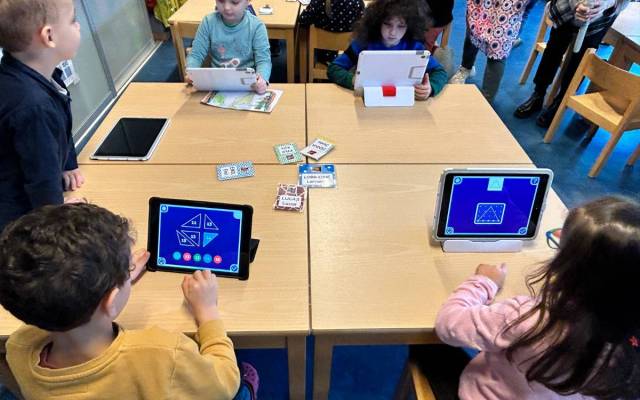
Technology can be a valuable tool for supporting individuals with ADHD (see a systematic review: Păsărelu et al, 2020). Apps, software, and online resources can provide personalized learning experiences, track progress, and offer additional support in terms of mental health management (Knouse et al., 2022). However, it’s essential to carefully evaluate the effectiveness of these tools and ensure they align with individual needs.
The Importance of Individualization
No two children with ADHD are the same. It is critical to conduct individualized assessments to identify each child’s specific strengths, challenges, and preferred learning approaches. This information can then inform the development of tailored educational plans that maximize their potential.
Note: If you would like to know more about ADHD and common misconceptions, we could recommend watching this short video from the Centre for Educational Neuroscience.
Last scientific review in August/September 2024
References:
– Chaulagain, A., Lyhmann, I., Halmøy, A., Widding-Havneraas, T., Nyttingnes, O., Bjelland, I., & Mykletun, A. (2023). A systematic meta-review of systematic reviews on attention deficit hyperactivity disorder. European Psychiatry, 66(1), e90. doi:10.1192/j.eurpsy.2023.2451
– Barkley, R. A. (2014). Attention-Deficit/Hyperactivity Disorder: A Handbook for Diagnosis and Treatment. Guilford Press.
– Dawson, P., & Guare, R. (2013). Executive Functions in Children with Autism Spectrum Disorders: A Comprehensive Guide to Assessment and Intervention. Guilford Press.
– DuPaul, G. J., & Stoner, G. (2014). ADHD in the Schools: Assessment, Treatment, and Management. Guilford Press.
Ewe, L. P. (2019). ADHD symptoms and the teacher–student relationship: a systematic literature review. Emotional and Behavioural Difficulties, 24(2), 136–155. https://doi.org/10.1080/13632752.2019.1597562
– Feng, M., Xu, J., Zhai, M., Wu, Q., Chu, K., Xie, L., Luo, R., Li, H., Xu, Q., Xu, X., & Ke, X. (2023). Behavior Management Training for Parents of Children with Preschool ADHD Based on Parent-Child Interactions : A Multicenter Randomized Controlled, Follow-Up Study. Behavioural Neurology, 2023, 1‑13. https://doi.org/10.1155/2023/3735634Fuchs, D., Fuchs, L. S., & Compton, D. L. (2013). Interventions for Students with Learning Disabilities. Pearson.
– Heuer, B., & Williams, S. (2016). Collaboration Between PNPs and School Nurses : Meeting the Complex Medical and Academic Needs of the Child With ADHD. Journal Of Pediatric Health Care, 30(1), 88‑93. https://doi.org/10.1016/j.pedhc.2015.09.001
– Gavin, B., Twomey, C., Minihan, E., O’Reilly, G., & McNicholas, F. (2023). Parenting interventions, ADHD and homework: a systematic review. Irish Educational Studies, 1–21. https://doi.org/10.1080/03323315.2023.2174572
– Irene M. Loe, Heidi M. Feldman, Academic and Educational Outcomes of Children With ADHD, Journal of Pediatric Psychology, Volume 32, Issue 6, July 2007, Pages 643–654, https://doi.org/10.1093/jpepsy/jsl054
– Kanevski, M., Booth, J. N., Oldridge, J., McDougal, E., Stewart, T. M., McGeown, S., & Rhodes, S. M. (2021). The relationship between cognition and mathematics in children with attention-deficit/hyperactivity disorder: a systematic review. Child Neuropsychology, 28(3), 394–426. https://doi.org/10.1080/09297049.2021.1985444
– Knouse, L. E., Hu, X., Sachs, G., & Isaacs, S. (2022). Usability and feasibility of a cognitive-behavioral mobile app for ADHD in adults. PLOS Digital Health, 1(8), e0000083. https://doi.org/10.1371/journal.pdig.0000083
– Marquet-Doléac, J., Biotteau, M., & Chaix, Y. (2024). Behavioral Parent Training for School-Aged Children With ADHD: A Systematic Review of Randomized Control Trials. Journal of Attention Disorders, 28(3), 377-393. https://doi.org/10.1177/10870547231211595
– Östberg, M., & Rydell, A. M. (2011). An efficacy study of a combined parent and teacher management training programme for children with ADHD. Nordic Journal of Psychiatry, 66(2), 123–130. https://doi.org/10.3109/08039488.2011.641587
– Pellegrini, A. D., & Galda, L. (2008). Play and Education: A Developmental Perspective. Pearson.
– Păsărelu, C. R., Andersson, G., & Dobrean, A. (2020). Attention-deficit/ hyperactivity disorder mobile apps : A systematic review. International Journal Of Medical Informatics, 138, 104133. https://doi.org/10.1016/j.ijmedinf.2020.104133
– Salari, N., Ghasemi, H., Abdoli, N. et al. The global prevalence of ADHD in children and adolescents: a systematic review and meta-analysis. Ital
– J Pediatr 49, 48 (2023). https://doi.org/10.1186/s13052-023-01456-1
– Sonuga-Barke, E. J. S. (2005). Attention-Deficit/Hyperactivity Disorder: A Handbook for Clinicians. Cambridge University Press.
– Ward, R. J., Bristow, S. J., Kovshoff, H., Cortese, S., & Kreppner, J. (2022). The Effects of ADHD Teacher Training Programs on Teachers and
– Pupils: A Systematic Review and Meta-Analysis. Journal of Attention Disorders, 26(2), 225-244. https://doi.org/10.1177/1087054720972801
– Willcutt, E. G., & Pennington, B. F. (2005). Attention-Deficit/Hyperactivity Disorder: A Neurodevelopmental Perspective. Guilford Press.
Spatial Visualization: A Key Skill In Early Math Learning

Many children struggle with spatial visualization, which is the ability to mentally manipulate and rotate objects in space. But don’t worry, there are ways to boost math learning by mastering spatial visualization.
In this article, we’ll explore the importance of spatial visualization in math, how it impacts problem-solving skills, and strategies to improve spatial reasoning abilities beyond individual differences. Whether you’re a parent looking to improve your child’s math performance or a teacher who wants to enhance your student’s cognitive skills, this article will provide you with valuable techniques and resources.

The Importance Of Spatial Visualization In Math Learning
Spatial visualization refers to the mental manipulation and visualization of objects in space, which helps in understanding and solving mathematical problems. When children have strong spatial visualization skills, they can easily comprehend geometric concepts, visualize patterns, and mentally rotate objects in their minds. This ability is particularly important in building the foundation for fields such as geometry, trigonometry, and calculus, where visualizing shapes and manipulating them is essential.
Spatial visualization is important for young children aged 3-9 as well, albeit in a more simplified form. Developing spatial visualization skills in this age group can lay a strong foundation for their cognitive development. Here’s why spatial visualization is important for young children:
Early Math Skills: Spatial visualization helps young children understand basic mathematical concepts. For instance, it aids in comprehending the concepts of size, shape, and relative position, which are fundamental to early math learning.
Geometry and Spatial Awareness: Spatial visualization is crucial for developing spatial awareness and understanding basic geometric shapes, such as squares, circles, triangles, and rectangles. These concepts are often introduced in early childhood education.
Puzzle Solving: Spatial reasoning skills are honed when children play with puzzles and spatial games. Solving puzzles and arranging shapes can improve their problem-solving abilities, even at a young age.
Measurement and Comparison: Young children learn about measurement and comparison through spatial activities. For example, comparing the sizes of objects, understanding concepts like “bigger” and “smaller,” and estimating quantities involve spatial thinking.
Patterns and Symmetry: Spatial visualization helps children recognize and create patterns and understand symmetry, which are important mathematical concepts introduced in early education.
Spatial Language: Developing spatial vocabulary, such as words like “above,” “below,” “beside,” “in front of,” and “behind,” helps children communicate spatial relationships and enhances their mathematical language skills.
Preparation for Later Learning: Building a strong foundation in spatial visualization during early childhood sets the stage for more advanced math learning in later years. It helps children transition into more complex mathematical concepts with greater ease.
Fine Motor Skills: Spatial activities often involve manipulating objects, which can improve fine motor skills. Developing hand-eye coordination and dexterity is important for various aspects of learning, including math.
Creativity and Imagination: Spatial visualization encourages creativity and imagination in young children. They can use their spatial skills to create art, build structures, and explore their unique ideas.
Play-based Learning: Many educational activities for children aged 3-9 are designed to incorporate spatial thinking through play. Games, building blocks, and interactive toys encourage children to think spatially while having fun.

How Spatial Visualization Skills Impact Math Performance
Students with strong spatial visualization skills tend to perform better in math. They can easily understand and apply geometric concepts, visualize patterns, and solve complex mathematical problems. Spatial visualization skills help in the development of logical reasoning, critical thinking, and problem-solving abilities.
On the other hand, students with weak spatial visualization skills may struggle to grasp geometric concepts, find it challenging to visualize and understand shapes, and face difficulties in solving math problems. They may rely heavily on rote memorization rather than understanding the underlying concepts, which can hinder their overall math performance.
Challenges Students Face With Spatial Visualization
Many children face challenges when it comes to spatial visualization. Some may find it difficult to mentally rotate shapes or visualize objects in different orientations. Others may struggle with understanding and applying geometric concepts, such as symmetry or congruence. These challenges can hinder their spatial ability to comprehend complex math problems and hinder their overall math performance.
One common challenge is the inability to see the relationship between 2D representations, such as diagrams or graphs, and their corresponding 3D objects. For example, students may struggle to understand how a 2D representation of a cube relates to the actual 3D shape. This difficulty in making connections between different representations can impede their ability to solve geometry problems effectively.

Cognitive Tests For Spatial Visualization
Spatial visualization is an important cognitive skill that plays a crucial role in a child’s overall development. It refers to the ability to mentally manipulate and understand spatial relations between objects in the physical environment. This skill is necessary for various tasks such as reading maps, understanding directions, and solving complex problems in subjects like mathematics and science. To assess a child’s spatial visualization abilities, cognitive tests specifically designed for this purpose are used.
Cognitive tests for children’s development in spatial visualization are designed to measure their ability to mentally rotate and manipulate objects in their mind’s eye. These tests typically involve tasks such as identifying rotated or mirrored images, assembling puzzles, or mentally transforming shapes. By assessing a child’s performance on these tasks, educators and psychologists can gain insights into their spatial reasoning skills and identify any areas that may require further development.
Mental Rotation Test (MRT)
One commonly used cognitive test for spatial visualization is the Mental Rotation Test (MRT). In this test, children are presented with pairs of two-dimensional or three-dimensional objects and are asked to determine if they are the same or different when rotated or mirrored. The MRT measures a child’s ability to mentally rotate objects and visualize them from different angles. This test provides valuable information about a child’s spatial reasoning abilities and can help identify any difficulties they may have in this area.
Block Design Task
Another cognitive test used for assessing spatial visualization in children is the Block Design task. In this task, children are given a set of blocks and asked to recreate a pattern or design using the blocks. This task requires children to mentally visualize the final design and manipulate the blocks accordingly. The Block Design task assesses a child’s ability to mentally manipulate objects in space and is often used as part of a comprehensive cognitive assessment.
Surface Development Test
The surface development test is a standardized assessment that evaluates a child’s ability to mentally unfold and visualize two-dimensional shapes into three-dimensional objects. This test typically involves presenting a series of flat patterns or nets of geometric shapes, and the child is required to mentally fold and assemble the shapes to recreate the original three-dimensional object. The test measures the child’s spatial reasoning, mental rotation, and ability to understand spatial relationships.
Paper Folding Test
The paper folding test is another assessment tool used to evaluate children’s spatial visualization abilities. In this test, children are presented with a series of folded papers and asked to predict where holes or markings will appear when the paper is unfolded. This task requires children to mentally unfold the paper and imagine its original state before it was folded. By correctly predicting the outcome, children demonstrate their ability to mentally manipulate and visualize two-dimensional shapes in three-dimensional space.

Strategies To Support Spatial Visualization Development
The good news is that spatial thinking can be developed and improved with practice. Here are some techniques and exercises that can help enhance your child’s spatial reasoning abilities:
Drawing and sketching: Practice drawing and sketching different geometric shapes from various angles. This exercise helps in visualizing shapes in different orientations and enhances spatial awareness.
Building models: Use materials like blocks, clay, or Legos to create 3D models of geometric shapes. Children can construct 3D shapes using clay or toothpicks and visualize the relationships between different parts. This hands-on activity allows physical manipulation of objects and understanding of their properties in a tangible way.
Mental rotation: Engage in mental rotation exercises by visualizing objects and mentally rotating them in the mind. Start with simple shapes and gradually progress to more complex ones. This exercise strengthens the ability to mentally manipulate objects.
Puzzles and games: Have them solve puzzles and play games that require spatial visualization skills. Activities like jigsaw puzzles, Rubik’s cubes, or tangrams can help improve spatial visualization ability. Play games like chess, Tangram, or Sudoku that require spatial reasoning. These games help develop problem-solving skills and enhance spatial abilities.
Group work and collaboration: Encourage children to work in groups and collaborate on problem-solving tasks that require spatial visualization skills. This fosters peer learning and allows them to share different perspectives and strategies.
Virtual reality and digital apps: Use virtual reality technology or digital apps like Magrid specifically designed to improve spatial visualization skills. These tools provide an interactive and immersive learning experience that enhances their spatial awareness. Children can take up an age-appropriate spatial visualization course that can aid in understanding complex concepts.
Practice these methods consistently to see improvements in your child’s spatial skills. Make it a habit to incorporate spatial visualization exercises into a daily math practice routine. Teachers can also help develop the students’ spatial skills by incorporating spatial visualization activities in math lessons and creating an engaging and interactive learning environment.

Learn With Magrid – An Evidence-Based Early Math Learning Solution
Spatial visualization is a fundamental skill that can significantly enhance the math learning experience. By developing your child’s spatial visualization abilities, they can better understand geometric concepts, visualize patterns, and solve complex mathematical problems suited to their age.
Magrid provides an effective and evidence-based pedagogical program that focuses on developing early spatial-visual, mathematical, and cognitive abilities for preschool, early childhood, and special needs learning.
Designed By Experts: The Magrid app is designed, developed, tested, and validated by experts in respective fields such as psychology, education, computer science, neuroscience, and cognitive science. As concerned parents, rest assured your children are learning the best standards of math skills.
Practical And Engaging: While parents may worry about the use of technology in educating children, Magrid ensures a healthy balance and a hands-on environment that effectively utilizes technology to complement learning while also simultaneously reducing screen time and cutting down on sensory overload.
Individualized Learning Approach: Magrid employs a two-year comprehensive and curriculum-aligned program that acts as a roadmap for teachers to meet their specific teaching objectives while also imparting students with independent learning opportunities so they can learn and grow at their comfortable pace.
With over 2,500 training activities actively implemented in public schools all over Luxembourg, Magrid transcends beyond language to be a fun, interactive, and educational math learning solution. Whether it is kids who are on the Autism spectrum, those with hearing difficulties and language-related disorders, suspected dyslexia, dyscalculia, and dyspraxia, those who find it difficult to understand instructions, and also children who are second-language learners, all have an inclusive opportunity to learn and grow with Magrid.
Discover all about Magrid and the challenges we help our educators and parents overcome in their journey to nurturing their children.
Simple Tips on How to Help a Child with Dyspraxia

Dyspraxia, also known as developmental coordination disorder (DCD), affects a child’s ability to plan and execute coordinated movements. This condition can make everyday tasks, such as tying shoelaces or writing, particularly challenging. Children with dyspraxia often struggle with both fine motor skills (such as writing) and gross motor skills (like running or jumping). These difficulties can lead to frustration and impact a child’s self-confidence.
While dyspraxia is a lifelong condition, early intervention can significantly help children develop new motor skills and find ways to manage their challenges. Children with dyspraxia may also face other difficulties, such as language difficulties or symptoms of attention deficit hyperactivity disorder (ADHD), which can complicate their development further. Understanding these challenges is the first step in helping a child navigate everyday life with more ease.
What is Dyspraxia? An Overview of Developmental Coordination Disorder
Dyspraxia, officially known as developmental coordination disorder (DCD), is a learning difficulty that affects the brain’s ability to process movement information correctly. This condition impacts a child’s ability to carry out both fine motor and gross motor tasks, meaning that activities requiring hand-eye coordination or full-body movement can be challenging. For example, tasks that seem simple, like tying shoelaces or using a pencil, require effort and concentration for a child with dyspraxia.
It’s also important to note that dyspraxia often overlaps with other conditions, such as attention deficit hyperactivity disorder (ADHD) and language difficulties. Children diagnosed with dyspraxia may experience additional challenges, including poor planning and difficulty with visual cues, which can affect their ability to navigate daily activities.
Early identification and a supportive approach can help dyspraxic individuals develop new motor skills and improve their ability to function in school and other environments.
Signs to Look For: Recognizing Dyspraxia in Children
Recognizing dyspraxia in children can be challenging because its symptoms often overlap with other developmental conditions. Children with dyspraxia typically struggle with motor skills, particularly those that require fine motor coordination, like writing or using utensils. They may also have difficulty with gross motor skills, such as running, jumping, or balancing.
In addition to movement difficulties, children may show signs of poor planning, difficulty following visual cues, and an inability to complete tasks that require coordinated movements. These challenges can become more apparent as a child grows older and faces more complex tasks, such as writing or performing well in school. Identifying these signs early is key to providing the right support.
How to Help a Child with Dyspraxia Improve Motor Skills

Helping a child with dyspraxia develop motor skills requires patience, practice, and a structured approach. Both fine motor skills and gross motor skills need attention, as each plays a crucial role in everyday tasks. Encouraging the child to engage in activities that are fun yet challenging is key to progress. Start with simple tasks that involve working on motor coordination, such as building blocks or using utensils during mealtimes.
It’s important to gradually increase the difficulty of tasks to improve coordination without overwhelming the child. For example, practicing simple hand movements like threading beads or catching a ball can help build new motor skills. Positive reinforcement and repetition are essential for these children as they work through motor challenges. Engaging in tasks that focus on both fine and gross motor coordination will help a child develop confidence in their abilities over time.
Supporting Fine Motor Skills Development: Practical Tips
Children with dyspraxia often struggle with activities that require fine motor skills, such as handwriting, using scissors, or buttoning clothes. To support the development of fine motor skills, start by introducing tools that can help make tasks easier. For example, adding special grips to pencils or utensils can provide extra support for children having difficulty holding items.
Activities like drawing, cutting out shapes, or playing with modeling clay are great for improving dexterity. These tasks help the child practice individual movements and improve their hand-eye coordination. Be sure to break tasks down into smaller steps, giving clear, simple instructions. Offering extra time to complete tasks is crucial in reducing frustration.
Additionally, integrating play that emphasizes fine motor coordination will make the learning process enjoyable. Over time, these repeated actions will help strengthen the child’s motor skills, making daily activities less of a struggle.
Learn more about the differences between dyslexia and dyspraxia in this article.
Gross Motor Skills: Activities to Encourage Coordinated Movements

Improving gross motor skills is just as important as developing fine motor skills for children with dyspraxia. Engaging them in activities that promote coordinated movements helps improve their physical abilities. Simple outdoor games, such as throwing and catching a ball, running, or balancing on a beam, can be highly effective. These tasks are great for building gross motor coordination while also being fun.
Incorporating physical exercises into everyday life helps a child practice without feeling overwhelmed. Activities like jumping, climbing, or cycling help to improve balance, coordination, and overall movement abilities. As with fine motor tasks, it’s essential to gradually increase the complexity of these activities to maintain progress.
By practicing regularly, children can strengthen their gross motor skills, making it easier to navigate more complex physical tasks. This can also have a positive effect on their ability to perform everyday tasks independently.
The Role of Occupational Therapy in Dyspraxia Support

Occupational therapy plays a crucial role in helping a child with dyspraxia manage everyday challenges. Occupational therapists work closely with children to improve both fine motor and gross motor skills, focusing on practical strategies that help with coordinated movements. These sessions often involve practicing tasks that the child may find difficult, such as writing, using utensils, or tying shoelaces.
Through occupational therapy, children can learn how to break down complex activities into simpler steps, making them easier to manage. This therapy is especially helpful for teaching children to perform essential daily activities more independently.
Additionally, therapists use adaptive techniques and tools, such as special grips or modified equipment, to support children in developing new abilities. Occupational therapy not only improves motor function but also boosts the child’s overall self-confidence, helping them thrive in school and other environments.
Using a Multi-Sensory Approach for Learning New Skills

A multi-sensory approach is highly effective in teaching children with dyspraxia new motor skills. Since these children often face sensory processing challenges, using multiple senses simultaneously—such as sight, sound, and touch—can make learning easier. Incorporating visual cues like images or videos can help the child better understand tasks that involve movement.
For example, practicing a sequence of movements while watching a demonstration helps reinforce the child’s ability to mimic the actions. Additionally, tactile activities, such as feeling different textures or manipulating objects, provide sensory input that aids in learning.
This approach can also be used to improve language difficulties and social skills by integrating speech and gestures. By engaging more than one sense at a time, children with dyspraxia are better equipped to grasp complex concepts and gradually increase their abilities.
School Support: How Teachers Can Help Children with Dyspraxia

Teachers play a vital role in supporting children with dyspraxia in the classroom. Implementing strategies that break down tasks into manageable steps helps children overcome their coordination difficulties and thrive academically. For instance, tasks that require fine motor skills, such as writing, can be simplified by using special grips or providing additional resources.
Providing extra time for assignments or tests allows children to complete their work without feeling rushed. Teachers can also use visual cues and hands-on activities to accommodate different learning styles. Collaboration with parents and occupational therapists ensures that children receive consistent support both at school and at home.
By creating an inclusive classroom environment, teachers empower children with dyspraxia to succeed, building their academic skills and their confidence in their abilities.
Conclusion: How Early Intervention Can Make a Difference

Early intervention is key to helping a child with dyspraxia develop essential motor skills and navigate daily challenges. By understanding the symptoms and working with professionals like occupational therapists, parents and teachers can offer targeted support.
Simple strategies, from using a multi-sensory approach to breaking tasks into smaller steps, can significantly improve the child’s ability to perform tasks and gain self-confidence. Early identification, combined with patience and structured support, enables children with dyspraxia to thrive, whether at home, in school, or in social settings.
Early intervention, along with the right tools, can make a significant difference for children with dyspraxia. One such tool is Magrid, which offers a variety of activities designed to help strengthen motor skills.
Its multi-sensory approach supports children who face challenges with fine motor coordination and coordinated movements. By working through engaging tasks at their own pace, children can gradually build confidence and improve their abilities in a supportive, stress-free environment. Get started here.
What Motivates a Child to Learn – Your Guide to Success

Introduction: The Essence of Motivation in Learning
Understanding what motivates a child to learn is a cornerstone in crafting an educational journey that not only imparts knowledge but also instills a lifelong love for learning. This foundational insight goes beyond the traditional academic metrics, reaching into the heart of what makes learning a deeply personal and engaging experience for each child. Motivation, in its essence, acts as the fuel that powers the educational engine, driving curiosity, engagement, and perseverance.
The significance of motivation cannot be overstated. It shapes the way children approach learning tasks, influences their ability to overcome challenges, and affects their overall academic and personal development.
A motivated child is more likely to engage deeply with material, explore subjects with enthusiasm, and persist in the face of difficulties. This drive to learn has profound implications not only for academic achievement but also for the development of skills such as critical thinking, problem-solving, and the ability to work independently.
In essence, understanding and fostering motivation within young learners is pivotal. It is not just about encouraging them to excel in their current academic pursuits but also about equipping them with the mindset and tools necessary for future success. This introductory exploration into the essence of motivation sets the stage for uncovering strategies that can ignite and sustain the inner drive of every child, making their educational journey both rewarding and transformative.
The Dynamics of Motivation

Intrinsic vs. Extrinsic Motivation
The journey of learning is propelled by two fundamental types of motivation: intrinsic and extrinsic. Intrinsic motivation springs from within, characterized by a learner’s internal desire to explore, understand, and master a subject for the sheer satisfaction and fulfillment it brings.
This type of motivation is crucial for long-term engagement and deep, meaningful learning experiences. In contrast, extrinsic motivation is fueled by external rewards or the avoidance of negative outcomes.
Rewards such as praise, grades, or prizes, and deterrents like criticism or the fear of failure, are typical extrinsic motivators. While extrinsic motivation can effectively initiate or guide certain learning activities, it may not sustain long-term interest or engagement as effectively as intrinsic motivation.
Balancing these motivational forces is essential, as overreliance on extrinsic rewards can diminish the natural curiosity and joy of learning inherent in intrinsic motivation.
Positive Reinforcement and Encouragement
Positive reinforcement and encouragement are pivotal in nurturing a child’s motivation to learn. Recognizing and celebrating a child’s efforts and progress, rather than solely focusing on outcomes, reinforces the value of perseverance and the process of learning itself.
This approach fosters a growth mindset, helping children understand that intelligence and abilities can develop through effort, strategy, and facing challenges. Encouragement serves as a powerful tool in bolstering a child’s self-esteem and confidence, making learning a more approachable and enjoyable endeavor.
When children feel supported and valued, their intrinsic motivation flourishes, driving them to engage more deeply and persistently with learning tasks.
Understanding Individual Needs
A one-size-fits-all approach falls short in addressing the diverse landscape of learner motivation. Acknowledging that “not all kids” are motivated by the same factors is crucial in tailoring educational experiences that resonate with individual learners.
Children vary greatly in their interests, learning styles, and what they find challenging or rewarding. Some may thrive on competition and recognition, while others find motivation in collaboration and the intrinsic joy of discovery. Understanding and catering to these individual differences is key to unlocking each child’s motivational potential.
By providing personalized learning experiences that align with a child’s unique interests and abilities, educators and parents can significantly enhance motivation, making learning a more engaging and personally meaningful process.
In weaving together the intricate threads of intrinsic and extrinsic motivation, positive reinforcement, and an understanding of individual needs, we can create a tapestry of educational experiences that not only motivate but also inspire.
This holistic approach to motivation emphasizes the importance of nurturing a love for learning that extends beyond external rewards, fostering a resilient and enduring drive to explore, discover, and grow.
Engaging the Child’s Mind and Interests

Aligning with Interests
Tailoring learning experiences to a child’s unique interests stands as a fundamental strategy in fostering deep and enduring motivation. Recognizing and integrating what captivates a child—be it dinosaurs, space exploration, or storytelling—into educational activities transforms learning from a mandated chore into an exciting adventure.
This alignment encourages children to explore subjects with enthusiasm, facilitating a more profound and meaningful engagement with the material. Educators and parents can cultivate this alignment by observing the child’s spontaneous play and inquiries, thus identifying genuine interests that can serve as gateways to broader learning experiences.
By leveraging these interests, educational content becomes more relevant, making the learning process enjoyable and intrinsically rewarding.
Critical Thinking and Problem Solving
Developing a child’s critical thinking and problem-solving skills is essential in preparing them for the complexities of the world. Engaging children in activities that challenge their reasoning and analytical abilities encourages them to think independently, ask questions, and seek solutions.
Strategies such as presenting real-world problems, encouraging open-ended questions, and fostering debate or discussion stimulate critical thinking. Problem-solving skills can be enhanced through puzzles, games, and practical tasks that require children to apply what they have learned in novel situations.
These activities not only motivate children by making learning interactive and hands-on but also equip them with the cognitive tools necessary for academic success and everyday life.
The Role of a Child’s Teacher and Parents
The collaborative efforts of educators and parents are crucial in creating a motivating learning environment. Teachers possess the expertise to design curricula that align with educational standards while incorporating students’ interests and fostering critical thinking.
At home, parents can reinforce these learning experiences through supportive conversations, practical applications, and by providing resources that cater to their child’s curiosities. Open communication between educators and parents ensures a cohesive approach to motivation, enabling both parties to share insights about the child’s interests, successes, and areas needing support.
This partnership is instrumental in creating a consistent and encouraging environment that motivates children to learn and grow.
Creating a Supportive Learning Environment

Celebrating Achievements
Recognizing and celebrating a child’s efforts and achievements plays a vital role in building their self-esteem and confidence. Celebration goes beyond acknowledging success in tests or assignments; it involves appreciating the process, effort, and perseverance leading up to outcomes.
Setting achievable goals and celebrating milestones, no matter how small, reinforces the value of hard work and resilience. Such positive reinforcement encourages children to set higher goals and continue striving, knowing their efforts are seen and valued. This approach not only boosts motivation but also helps children develop a healthy self-concept and appreciation for their own growth.
Fostering a Growth Mindset
A growth mindset, the belief that abilities and intelligence can be developed through dedication and hard work, is foundational in motivating children to embrace learning and overcome challenges. Techniques to cultivate this mindset include praising effort over innate ability, framing challenges as opportunities to learn, and teaching children about the brain’s capacity to grow through learning.
Encouraging children to view setbacks as natural steps in the learning process helps them to persist in the face of difficulties and to approach tasks with curiosity and determination. By fostering a growth mindset, educators and parents can help children realize their potential and see effort and learning as pathways to success.
The Impact of Social Interactions
Social interactions play a significant role in motivating learning and fostering active engagement. Collaborative learning experiences, peer discussions, and group projects promote the development of social bonds and enhance learning through shared experiences. These interactions offer diverse perspectives, encouraging children to articulate their thoughts, listen to others, and work cooperatively towards common goals.
The sense of belonging and support gained through positive social interactions bolsters motivation, making learning a shared, enjoyable journey. Furthermore, teaching children the value of empathy, respect, and communication within these interactions prepares them for successful, meaningful relationships throughout life.
By focusing on aligning learning with children’s interests, encouraging critical thinking and problem-solving, and fostering supportive environments both at school and home, we can create educational experiences that are not only motivating but transformative, laying the foundation for lifelong curiosity and growth.
Innovative Approaches to Learning

Leveraging Digital Tools
The advent of the digital age has ushered in a transformative era for educational methodologies, where leveraging digital tools has become a cornerstone in engaging young minds. Interactive software, educational apps, and online platforms offer dynamic, personalized learning experiences that can captivate children’s interests far beyond traditional methods.
These digital resources utilize animations, simulations, and gamification to make learning concepts more accessible and enjoyable, thereby maintaining active engagement. For instance, storytelling apps that animate characters and plots from literature can turn reading into an interactive adventure, sparking a love for stories and reading.
Moreover, educational video games can enhance problem-solving skills by presenting challenges in entertaining formats. It’s imperative, however, to ensure a balanced approach to screen time, integrating technology with hands-on activities to nurture a well-rounded learning experience.
Extracurricular Activities
The integration of extracurricular activities into a child’s learning path offers a multifaceted approach to education, enriching the learning experience beyond academic pursuits. These activities, ranging from arts and crafts to sports and science clubs, provide practical applications of classroom knowledge, fostering a deeper understanding and appreciation for various subjects.
Participating in these activities can significantly enhance motivation by introducing children to new challenges and achievements in contexts they find appealing and enjoyable. Furthermore, extracurricular activities promote social skills, teamwork, and leadership, as children interact with peers who share similar interests.
The sense of accomplishment and belonging gained through these activities bolsters self-esteem and can translate into a more engaged attitude towards academic learning.
Overcoming Challenges in Motivation

Identifying and Addressing Motivation Loss
Children’s motivation can wane for various reasons, including unchallenging content, overwhelming academic pressures, or a disconnect between learning materials and their interests. Recognizing these signs of motivation loss is crucial for timely intervention.
Strategies to counteract this include introducing diverse learning activities that cater to the child’s learning style and interests, thus reigniting curiosity and enthusiasm. Personalized learning paths that adapt to the child’s pace can also mitigate feelings of frustration or boredom. Encouragement and support from educators and parents are key, offering reassurance that challenges are surmountable and part of the learning process.
Creating a nurturing environment where children feel valued and heard encourages them to express concerns and actively participate in finding solutions, fostering resilience and a positive outlook towards learning.
Setting and Achieving Goals
Effective goal setting transforms abstract aspirations into concrete targets, providing children with clear milestones to strive towards. This process involves collaboration between the child, educators, and parents to establish goals that are challenging yet achievable, ensuring the child remains motivated and engaged.
Celebrating each milestone, no matter how small, reinforces the effort and progress made, instilling a sense of pride and accomplishment. Incorporating rewards, such as special treats or recognition, can serve as additional motivation, making the achievement of goals a celebrated event. Encouraging children to reflect on their achievements and set new goals fosters a continuous cycle of motivation, growth, and learning.
This proactive approach to goal setting and achievement nurtures a lifelong commitment to personal development and learning.
Conclusion: A Lifelong Journey of Learning

Motivating children to learn is an evolving journey, not a destination. It requires continuous support, adjustment, and encouragement to foster a resilient and adaptable mindset towards education. Educators and parents play pivotal roles in this process, acting as guides and supporters who illuminate the path of discovery and curiosity for each child.
By embracing the individual needs of each learner, acknowledging their efforts, and celebrating their achievements, we lay the foundation for a lifelong love of learning. This journey is enriched by understanding and leveraging the diverse ways kids learn, from digital tools to extracurricular activities, ensuring learning remains engaging, relevant, and enjoyable.
The goal is to inspire not just academic success but a deep-seated passion for exploration and growth that lasts a lifetime.
Join the Journey with Magrid
Discover how Magrid can be an integral part of your child’s learning journey. Our platform is designed to support and enhance motivation through innovative learning tools that cater to diverse learning styles and interests.
By joining Magrid, you’re not just providing your child with an educational resource; you’re offering them a portal to a world of discovery, designed to ignite their passion for learning and equip them with the skills necessary for success in the digital age. Start your child’s journey to a brighter, more motivated future today.
Resources for Further Learning
For those seeking to dive deeper into the dynamics of motivating young learners, here’s a curated list of resources:
Books:
• “Mindset: The New Psychology of Success” by Carol S. Dweck
• “Drive: The Surprising Truth About What Motivates Us” by Daniel H. Pink
Websites:
• Edutopia (www.edutopia.org): A comprehensive resource offering strategies, tips, and insights on engaging and motivating students.
• MindShift (www.kqed.org/mindshift): Explores the future of learning, covering innovative educational methods and practices.
Signs of Dyslexia in 7 Year Old

Introduction: Understanding Dyslexia in Young Children
Recognizing dyslexia early supports a child’s educational journey and overall well-being. Dyslexia is a common learning disorder that primarily affects reading and writing abilities. It manifests in children through difficulties in processing language, which can hinder their academic performance and self-esteem.
Children with dyslexia often struggle with reading, spelling, and writing tasks, which can lead to frustration and emotional stress. These challenges do not reflect their intelligence but rather a difference in how their brain processes information. Early identification of dyslexia symptoms allows for timely intervention, significantly improving a child’s learning experience and emotional health.
Parents and teachers play a vital role in identifying the early signs of dyslexia. Vigilance and proactiveness can help children receive the necessary support to thrive in school and beyond. Early intervention strategies, such as specialized teaching methods and tools, can mitigate the impact of dyslexia, enabling children to develop essential literacy skills.
Understanding and addressing dyslexia early ensures that children can reach their full potential despite their learning difficulties.
What is Dyslexia?
Dyslexia is a neurological condition that affects the ability to read, write, and spell. It is characterized by difficulties in recognizing and processing letters and sounds, making it challenging to decode words accurately. Dyslexia is a specific learning disorder that can vary in severity from person to person.
Children with dyslexia often exhibit common signs, such as difficulty with sound awareness, which is the ability to hear and manipulate individual sounds in words. This learning difficulty can lead to reading fluency and comprehension struggles, impacting their academic performance. Despite these challenges, many dyslexic individuals possess excellent long-term memory and creative problem-solving skills.
Understanding dyslexia involves recognizing that it is unrelated to a lack of intelligence or effort. Instead, it is a different way of processing information. By identifying dyslexia early and implementing appropriate educational strategies, children can overcome many of the barriers associated with this learning disorder, allowing them to achieve success in school and in life.
Early Signs of Dyslexia in 7 year old
Identifying early signs of dyslexia in 7-year-olds is essential for providing timely support and intervention. Dyslexia, a common learning disorder, affects children’s reading, writing, and spelling ability. Recognizing these early signs can help parents and teachers support children with dyslexia more effectively.
Common early indicators of dyslexia in 7-year-olds include:
• Difficulty Recognizing Common Words: Struggles with identifying and reading simple, frequently used words.
• Trouble with Phonemic Awareness: Challenges in identifying and manipulating individual sounds in words, making reading and spelling difficult.
• Inconsistent Spelling: Variations in spelling the same word within a single writing piece indicate difficulty with word recognition.
• Slow Reading Speed: Reading may be slow, with frequent pauses, mispronunciations, and errors.
• Poor Rhyming Skills: Difficulty recognizing and creating rhymes, a sign of trouble with phonological processing.
• Confusion with Similar Letters: Mixing up letters that look or sound alike, such as ‘b’ and ‘d’, or ‘p’ and ‘q’.
• Difficulty with Sequencing: Struggles in remembering sequences like the days of the week or the alphabet.
These signs may vary in intensity and not all children will exhibit every symptom. However, early recognition of these indicators can lead to timely intervention, helping children develop the skills they need to succeed academically and emotionally.
Dyslexia Symptoms in Primary School-Age Children

As children progress through primary school, dyslexia symptoms can become more pronounced and varied. Recognizing these symptoms is crucial for providing appropriate support and interventions to help children with dyslexia succeed.
For children around the age of 7, common dyslexia symptoms include:
• Difficulty Reading Aloud: Frequent mispronunciations, slow reading speed, and hesitation while reading aloud.
• Issues with Handwriting: Poor handwriting, with letters and words often jumbled together, making written work hard to read.
• Trouble Spelling Simple Words: Consistent misspelling of common words, indicating difficulty with word recognition and recall.
• Problems Following Instructions: Challenges in following multi-step instructions lead to difficulties in completing classroom tasks.
• Confusion with Left and Right: Difficulty with spatial orientation, often confusing left and right directions.
• Difficulty Remembering Dates and Names: Problems with memory retention for important dates, names, and sequences.
As children move through primary school, additional symptoms may emerge:
• Avoidance of Reading and Writing: Reluctance to engage in activities that involve reading and writing due to frustration and repeated failures.
• Difficulty with Time Management: Struggles with organizing tasks, managing time effectively, and completing assignments on time.
• Low Self-Esteem: Constant struggles with schoolwork can lead to poor self-esteem, causing children to feel inadequate compared to their peers.
• Behavioral Issues: Some children may act out or become the “class clown” to distract from their learning difficulties, leading to behavioral problems.
These symptoms can vary in severity and may overlap with other learning difficulties. Recognizing and addressing these symptoms early can make a significant difference in the educational and emotional development of children with dyslexia.
Providing appropriate support and interventions helps them build confidence, improve their academic performance, and develop essential life skills.
How Dyslexia Affects Learning and Development
Dyslexia significantly impacts various aspects of a child’s learning and development. One of the most profound effects is on reading. Children with dyslexia often struggle to decode words, leading to slow and laborious reading.
This difficulty stems from poor phonemic awareness, which is the ability to hear, identify, and manipulate individual sounds in words. As a result, children with dyslexia find it hard to recognize frequent words, affecting their reading fluency and comprehension.
Writing is another area where children with dyslexia face significant challenges. They often have poor handwriting, characterized by inconsistently formed letters and words that are difficult to read. Spelling is particularly problematic, with frequent errors even in simple words.
These difficulties arise because dyslexia affects the ability to remember and apply spelling rules, making written communication a daunting task.
Dyslexia also hinders language development. Children may experience delays in learning to speak and struggle with vocabulary acquisition and sentence structure. This can lead to broader communication difficulties in understanding others and expressing themselves.
The challenges with sound awareness extend to trouble with rhyming and distinguishing between similar sounds, which are crucial skills for language development and literacy.
The combined impact of these issues can significantly affect a child’s academic performance and self-esteem. They may struggle to keep up with their peers, leading to frustration and emotional stress.
Understanding how dyslexia affects learning and development is essential for providing the appropriate support and interventions to help children with dyslexia succeed in school and beyond.
Signs of Dyslexia When a Child Starts School

When a child begins formal education, the structured environment and academic demands can make the signs of dyslexia more apparent. One of the earliest indicators is difficulty learning the alphabet. Children with dyslexia often struggle to remember the names and sounds of letters, which can delay their reading progress.
As they attempt to write, problems with letter formation become evident. Their handwriting may be inconsistent and difficult to read, with frequent reversals and mix-ups of letters.
Reading progress is usually slow. Children with dyslexia may take much longer to learn to read than their peers and often read much slower. They may also have trouble following classroom instructions, particularly those that involve multiple steps. This difficulty in processing and remembering verbal instructions can lead to incomplete or incorrect task completion.
Behaviorally, these children may frequently complain about reading and writing tasks. Their frustration with these activities can result in avoidance and a reluctance to participate in classroom assignments. Performance can also be inconsistent, with good and bad days, adding to the challenge of assessing their true capabilities.
Recognizing these signs early allows for interventions to help children adapt to the academic environment and develop essential literacy skills.
Behavioral and Emotional Signs of Dyslexia
Children with dyslexia often exhibit distinct behavioral and emotional signs that indicate their struggles. One common behavioral sign is the avoidance of reading or writing tasks. These children may go to great lengths to avoid situations that require them to read aloud or complete written assignments, often because these activities highlight their difficulties.
Acting out in the classroom can also be a sign of dyslexia. Some children may become disruptive, seeking to divert attention from their struggles and avoid embarrassment.
Emotionally, children with dyslexia frequently experience high levels of frustration. Their persistent challenges in reading and writing can lead to feelings of inadequacy and helplessness. This ongoing frustration can significantly impact their self-esteem, as they may begin to see themselves as less capable than their peers.
Over time, this can result in a reluctance to participate in class, social withdrawal, and decreased motivation to learn. Understanding these behavioral and emotional signs is crucial for providing the appropriate support and interventions to help children with dyslexia build confidence and achieve academic success.
The Role of Teachers and Parents in Identifying Dyslexia

The collaboration between teachers and parents is essential in identifying and supporting children with dyslexia. Both play a crucial role in observing and documenting signs of dyslexia, ensuring early and accurate identification.
Teachers are often the first to notice potential signs of dyslexia in a classroom setting. They can observe patterns in a child’s reading and writing difficulties, track their progress, and compare it with their peers. Teachers can document these signs using structured observations and assessments, providing valuable information for further evaluation.
On the other hand, parents have the advantage of observing their child’s behavior and learning patterns in various settings outside school. They can provide insights into their child’s early development, language acquisition, and any difficulties encountered with reading and writing at home.
Parents can share their observations with teachers by maintaining open communication, creating a comprehensive picture of the child’s abilities and challenges. Strategies for effective collaboration include regular meetings, sharing notes and observations, and jointly developing action plans to support the child.
This teamwork ensures that children with dyslexia receive consistent support tailored to their needs, helping them academically and emotionally thrive.
Diagnosing Dyslexia: When to Seek Professional Help
Diagnosing dyslexia involves observing persistent reading, writing, and spelling difficulties that are not typical for the child’s age. The process often begins when parents or teachers notice these issues. Early signs such as trouble recognizing common words, sound awareness challenges, and slow reading progress can prompt further evaluation.
Once these symptoms are observed, seeking professional help is crucial. Parents should consult their child’s teacher and school psychologist to discuss concerns and request an evaluation. Schools often have protocols for assessing learning difficulties, including psychological testing and academic assessments to identify dyslexia.
Specialists such as educational psychologists or neuropsychologists can conduct comprehensive evaluations using various tools and tests to assess reading, language, and cognitive abilities. Early intervention ensures children receive the necessary support, improving their academic and emotional well-being.

Effective intervention for children with dyslexia involves structured literacy programs emphasizing sound awareness, phonics, vocabulary, and reading comprehension. Programs like Orton-Gillingham and Wilson Reading System use multi-sensory approaches, engaging multiple senses to reinforce learning.
Individualized instruction allows educators to tailor lessons to the child’s needs, such as one-on-one tutoring focusing on decoding words or improving reading fluency.
Classroom accommodations, including extra time on tests and using audiobooks, support dyslexic students by making learning more accessible. Technology tools like speech-to-text software can also be beneficial.
Regular assessment and monitoring are crucial to track progress and adjust interventions. These strategies help dyslexic children develop essential literacy skills, build confidence, and succeed academically.
Supporting Dyslexic Children at Home
Parents play a vital role in supporting dyslexic children at home by creating a positive learning environment. Setting aside a quiet, distraction-free area for homework and establishing a consistent routine helps maintain focus.
Reading together daily improves skills and fosters a love for reading. Multi-sensory learning activities, such as using magnetic letters for spelling or word games, make learning enjoyable.
Utilizing resources like audiobooks and educational apps designed for dyslexic children like Magrid provides additional support. Open communication with teachers ensures parents stay informed about their child’s progress and challenges, allowing for consistent support at home and school.
Encouraging self-advocacy helps children understand their learning difficulties and communicate their needs, building confidence and independence. These strategies enhance the learning experience and well-being of dyslexic children.
Conclusion: Moving Forward with Awareness and Support

Recognizing and supporting dyslexic children is crucial for their academic success and emotional well-being. Early identification of dyslexia signs, such as difficulties with reading, writing, and sound awareness, allows for timely intervention.
Effective strategies include structured literacy programs, individualized instruction, and supportive classroom accommodations. Parents play a vital role by creating positive learning environments at home and collaborating with teachers.
Continued awareness and proactive support are essential. By understanding dyslexia and employing tailored strategies, we can help dyslexic children develop confidence and achieve their potential.
Parents are encouraged to explore tools like Magrid, an evidence-based math learning solution designed to support children with learning difficulties, including dyslexia. Magrid provides engaging and effective resources to enhance cognitive skills and improve academic performance, making it an excellent addition to your child’s learning toolkit. Try if for free here →
Want to learn more? Read some of our other articles on the topic:
- Essential Accommodations for Dyslexia at School
- Dyslexia, Dysgraphia, Dyscalculia – Defining the Terms
- Education Challenges Of Kids With Hearing Dyslexia
- Distinguishing Dyslexia and Dysgraphia
Explore these comprehensive scientific publications to gain a thorough understanding of reading disabilities and dyslexia:
- Catts, H. W. (2017). Early identification of reading disabilities. Theories of reading development, 311-332.
- Hudson, R. F., High, L., & Otaiba, S. A. (2007). Dyslexia and the brain: What does current research tell us?. The reading teacher, 60(6), 506-515.
- Peterson, R. L., Pennington, B. F., Olson, R. K., & Wadsworth, S. J. (2014). Longitudinal stability of phonological and surface subtypes of developmental dyslexia. Scientific Studies of Reading, 18(5), 347-362.
- Regtvoort, A. G., & van der Leij, A. (2007). Early intervention with children of dyslexic parents: Effects of computer-based reading instruction at home on literacy acquisition. Learning and individual differences, 17(1), 35-53.
What Does Learning Differences Mean?

The Broad Spectrum of Learning Differences
Learning differences represent a broad and nuanced spectrum of cognitive variations that significantly influence how individuals perceive, process, and retain information. The term itself encompasses a wide array of specific challenges, from difficulty with reading and writing to struggles in understanding mathematical concepts. However, it’s imperative to distinguish at the outset that learning differences are not indicative of intelligence levels; rather, they highlight diversity in learning styles.
The concept of learning differences is crucial in educational and developmental contexts, as it underscores the need for tailored approaches to teaching and learning. Recognizing and understanding these differences is the first step towards providing effective support and creating inclusive environments that cater to the diverse needs of learners. This recognition not only aids in mitigating potential frustrations experienced by students with learning differences but also celebrates the unique perspectives and skills they bring to the table.
Central to the discussion on learning differences is the distinction between learning differences and learning disabilities. While all learning disabilities fall under the broader category of learning differences, not all learning differences qualify as disabilities. Learning disabilities are officially diagnosed conditions that affect specific cognitive functions such as reading (dyslexia), math (dyscalculia), or writing (dysgraphia). In contrast, learning differences can encompass a wider range of learning styles that don’t fit the typical educational mold but don’t necessarily impair the learning process to the extent of necessitating a formal diagnosis.
The journey towards understanding and effectively supporting individuals with learning differences begins with acknowledging the diversity in how we learn. By adopting this perspective, educators, parents, and society at large can move towards a more inclusive and empathetic approach.
This article aims to delve into what constitutes learning differences, the challenges and opportunities they present, and the pathways to support those who experience the world through a different educational lens. Through fostering an environment of understanding and support, we can ensure that all learners have the opportunity to succeed and thrive, irrespective of their cognitive makeup.
Understanding Learning Difference and Disability
Learning differences refer to a wide range of cognitive variations that impact how individuals understand, process, and engage with information. These differences underscore the unique ways in which people perceive their educational and environmental stimuli, often requiring distinct approaches to learning and instruction. At the heart of understanding learning differences is the recognition that each individual’s brain operates in a unique manner, influencing their ability to read, write, calculate, or perform other academic tasks.
A crucial aspect of this understanding is distinguishing between learning differences and learning disabilities. Learning disabilities are specific, diagnosable conditions that significantly hinder oneâs ability to perform certain academic tasks, falling under the broader umbrella of learning differences. Conditions such as dyslexia, which affects reading, dyscalculia, which impacts mathematical abilities, and dysgraphia, which influences writing, are categorized as learning disabilities.
They are characterized by a clear discrepancy between an individual’s intellectual capabilities and their academic performance in specific areas. In contrast, learning differences might not always stem from neurological issues and may not significantly impair learning to the extent of a disability but still signify a departure from conventional learning methods.
Recognizing and respecting learning differences is essential for fostering an inclusive educational environment. Understanding these differences not only helps in identifying the need for specialized instructional strategies but also promotes a culture of empathy and support. By acknowledging the diverse learning needs of students, educators can tailor their teaching methods to accommodate various learning styles, thereby enhancing the educational experience for all students. This approach not only benefits those with specific learning disabilities but also enriches the learning environment by embracing a wide range of perspectives and learning strategies.
The Spectrum of Learning Disabilities

Learning disabilities represent a specific category within the broader spectrum of learning differences, characterized by neurological disorders that lead to difficulties in acquiring and using academic skills. These disabilities are not indicative of intelligence levels but rather highlight discrepancies between an individual’s potential and actual performance in areas such as reading, writing, and mathematics.
Among the most recognized learning disabilities are dyslexia, dyscalculia, and dysgraphia. Dyslexia is a reading disorder marked by challenges in recognizing words, decoding letter sounds, and understanding sentences, significantly impacting reading fluency and comprehension. Dyscalculia affects an individual’s ability to understand numbers and perform mathematical calculations, leading to difficulties in grasping basic math concepts, solving problems, and managing time. Dysgraphia is characterized by difficulties with writing, including problems with spelling, handwriting, and organizing ideas on paper, which can affect a student’s ability to express knowledge effectively.
The impact of these learning disabilities on school-aged children can be profound, affecting not only their academic achievements but also their self-esteem and social interactions. Students with learning disabilities may struggle with tasks that appear simple to their peers, leading to frustration, anxiety, and a sense of isolation. The challenges faced in the classroom can extend to other areas of life, affecting organizational skills, time management, and the ability to follow instructions. Recognizing and addressing these disabilities early is crucial for providing the necessary support and interventions to help students overcome obstacles and achieve their full potential.
The Role of Executive Functioning
Executive functioning refers to a set of cognitive processes that enable individuals to plan, focus attention, remember instructions, and juggle multiple tasks efficiently. These processes include working memory, flexible thinking, and self-control, playing a crucial role in learning, behavior, and navigating daily activities.
Challenges in executive functioning can significantly impact a person’s ability to learn and perform routine tasks. Students with executive functioning difficulties may struggle with organizing their thoughts, prioritizing tasks, following through on assignments, and managing their time effectively. These challenges can lead to problems in academic performance, as students might find it hard to start tasks, stay focused in class, or remember instructions.
There is a notable link between executive functioning challenges and attention disorders, such as Attention Deficit Hyperactivity Disorder (ADHD). Individuals with ADHD often experience impairments in executive functions, which can exacerbate difficulties in paying attention, controlling impulses, and remaining organized. Understanding the role of executive functioning in learning and daily activities is essential for identifying strategies that can support individuals facing these challenges. By addressing executive functioning difficulties, educators and parents can help students develop the skills needed to succeed academically and in life.
Attention Disorders and Learning

Attention Deficit Hyperactivity Disorder (ADHD) is a prevalent neurodevelopmental disorder that significantly impacts learning and academic performance. It is characterized by symptoms of inattention, hyperactivity, and impulsivity, which can pose considerable challenges in an educational setting. Students with ADHD may struggle to focus on tasks, follow detailed instructions, or remain seated and quiet, which can interfere with both their own learning and the learning environment of their peers.
The relationship between attention issues and learning difficulties is complex and multifaceted. Inattention can lead to missed instructions and details, making it hard for students to keep up with lessons or complete assignments accurately. Hyperactivity and impulsivity can disrupt classroom activities and hinder the ability to engage in sustained, effortful tasks. These challenges often result in academic underperformance, not necessarily due to a lack of understanding or ability but because of difficulties in managing attention and behavior.
To support students with attention disorders, educators and caregivers can implement several strategies. Structured routines, clear and concise instructions, and consistent feedback can help manage expectations and improve focus. Breaks for physical activity, along with accommodations such as extra time for tasks or the option to work in a quieter space, can also be beneficial. Individualized education plans (IEPs) or 504 plans can provide formal structures for accommodations and support, ensuring that students with ADHD receive the resources they need to succeed in an educational context.
Understanding Other Challenges
Beyond learning disabilities and attention disorders, students may face other challenges that impact their educational experiences. Language disorders, for instance, can affect a child’s ability to understand and produce spoken language, leading to difficulties in reading, writing, and engaging in classroom discussions. Fine motor skill difficulties can impact a student’s ability to write neatly or perform tasks requiring precise hand movements, such as cutting with scissors or typing on a keyboard. Brain injuries, whether congenital or acquired, can lead to a wide range of cognitive, physical, and emotional challenges, further complicating the learning process.
The importance of interventions such as occupational therapy cannot be overstated in addressing these challenges. Occupational therapy can help students develop the fine motor skills necessary for writing and handling classroom materials, while speech therapy can support language development. Additionally, tailored educational strategies and accommodations can make a significant difference in helping students with these challenges access the curriculum and participate fully in school activities. By recognizing and addressing these additional challenges, educators and parents can create a more inclusive and supportive educational environment for all students.
The Impact of Learning Differences in the Classroom

Students with learning differences often face significant challenges in traditional classroom settings, where teaching methods and assessment standards are typically designed for neurotypical learning styles. These challenges can manifest as difficulties in following lectures, understanding written instructions, keeping up with peers during activities, or expressing knowledge in conventional test formats. Consequently, students may experience frustration, decreased motivation, and a sense of isolation.
To mitigate these challenges, teachers and educators must adapt their teaching methods to accommodate diverse learning needs. This adaptation can include incorporating multisensory teaching techniques, providing written and oral instructions, allowing alternative demonstration of knowledge (such as verbal explanations instead of written answers), and implementing technology-assisted learning tools. Such strategies can help create a more inclusive learning environment that recognizes and values different learning styles.
Individualized Education Plans (IEPs) play a crucial role in this context. IEPs are tailored documents designed to set out a plan for meeting the unique educational needs of a child with a disability. They ensure that students receive the specific support they need, such as modified assignments, extra time on tests, or the use of particular aids like calculators or speech-to-text software. IEPs are developed collaboratively by teachers, parents, and other professionals, ensuring that educational interventions are comprehensive and aligned with the student’s strengths and challenges.
Supporting Students with Learning Differences: Parental and Educational Perspectives
Parents play an essential role in supporting their children with learning differences. They are often the first to recognize their child’s unique needs and can advocate for them within the educational system. Parental involvement includes working closely with teachers to understand their child’s learning profile, participating in the development of IEPs, and providing consistent support at home through reinforcement of skills and encouragement.
Schools and teachers can support students with learning differences by ensuring access to the right resources, such as specialized educational materials, technology aids, and support services like tutoring or counseling. Professional development for teachers on the nature of learning differences and effective strategies for inclusion can also enhance their ability to support diverse learners.
The Learning Disabilities Association and National Institutes play significant roles in advocating for and supporting individuals with learning differences. These organizations provide resources for education, research, and policy development, aiming to improve the educational and social outcomes for people with learning differences. They offer guidance for parents and educators, promote awareness and understanding of learning differences, and advocate for changes in educational policy to ensure that all students have the opportunity to succeed. The collaboration between parents, educators, and advocacy organizations is vital in creating an educational landscape where every student, regardless of their learning differences, is given the tools to thrive.
Success with the Right Learning Disability Support

The journey of students with learning differences can be transformed through the right support, understanding, and patience. Tailored educational strategies, when applied effectively, have the power to unlock the potential of these students, enabling them to succeed both academically and personally. There are countless examples of individuals who, with accommodations suited to their unique learning styles, have gone on to achieve remarkable success. From utilizing technology in the classroom to adapt teaching methods to individual learning needs, the key lies in recognizing and nurturing the inherent strengths of each student.
The role of educators, parents, and the broader community is pivotal in this process. A nurturing environment that fosters growth, resilience, and self-confidence can make all the difference. Understanding and patience from teachers and family members help in building a supportive ecosystem around the student, encouraging them to overcome challenges and thrive. Success, therefore, is not just about academic achievements but also about personal growth, self-awareness, and the ability to navigate the world with confidence.
Embracing Magrid: A Leap in Early Math Learning
Magrid is a pioneering early learning application designed to revolutionize math education for children aged 3 to 9, including those with special needs. This evidence-based program, developed by experts across various fields, offers a unique, engaging learning experience. It focuses on developing visual-spatial, cognitive, and mathematical abilities through an individualized learning approach, minimizing screen time while maximizing educational impact.
Adopted in all public schools in Luxembourg and celebrated with numerous awards, Magrid demonstrates its effectiveness and versatility. Whether for children on the autism spectrum, those facing learning challenges like dyslexia, or early learners from diverse language backgrounds, Magrid provides a language-free, inclusive educational solution.
It empowers educators with a full two-year program and offers parents a dashboard to actively participate in their child’s learning journey. Discover how Magrid can give your child or students a competitive edge in STEM fields, making learning math an engaging, rewarding experience. Get started.
Parenting an ADHD Child Age by Age: Tips for Success

Introduction: Understanding ADHD and Its Impact on Parenting
Attention Deficit Hyperactivity Disorder (ADHD) affects approximately 5-10% of children worldwide, presenting unique challenges due to symptoms like inattention, hyperactivity, and impulsivity. Tailored, age-specific parenting strategies are essential for effectively managing these challenges as children grow.
This article offers practical tips for parenting an ADHD child at different developmental stages, focusing on supporting their behavior, self-esteem, and overall development. By understanding ADHD symptoms and implementing effective techniques, parents can help their children thrive.
Parenting an ADHD Child Age by Age: Why Age Matters
ADHD symptoms and challenges evolve significantly as children grow, necessitating age-specific parenting strategies. For younger children, hyperactivity and impulsivity are often more pronounced, leading to difficulties with sitting still, following instructions, and waiting their turn.
As children reach school age, inattention becomes a primary concern, impacting their ability to focus on tasks and perform academically.
Adolescents with ADHD may struggle with executive functioning, time management, and social relationships. Understanding these developmental changes is crucial for parents to support their child’s needs effectively.
Adapting parenting strategies to each growth stage helps address specific symptoms and behaviors, fostering a supportive environment that promotes positive development. By recognizing and responding to the unique challenges presented at each age, parents can better guide their ADHD child towards success and well-being.
ADHD Symptoms and Their Effects on a Child’s Behavior
ADHD symptoms manifest differently across various age groups, affecting children’s behavior and development uniquely. In younger children, common symptoms include excessive fidgeting, difficulty remaining seated, and impulsive actions like interrupting others or acting without thinking. These behaviors can lead to conflicts with peers and challenges in structured settings like preschool. For more activities that can help improve behavior, check out these 7 engaging sequencing activities for kids.
As children enter school age (6-12 years), inattention becomes more prominent. They may struggle to focus on schoolwork, follow multi-step instructions, or complete tasks. This often results in academic difficulties and negative teacher feedback, affecting the child’s self-esteem and motivation.
During adolescence, ADHD symptoms often include challenges with organization, time management, and sustaining attention on long-term projects. Teenagers may also experience heightened impulsivity, leading to risky behaviors and difficulties in social interactions. These symptoms can hinder academic performance and strain relationships with peers and family members.
Understanding how ADHD symptoms impact a child’s behavior at different ages enables parents to implement targeted strategies that address these challenges. By doing so, they can help their child navigate the complexities of ADHD, fostering better behavioral outcomes and overall development.
Parenting Younger Children with ADHD

Parenting younger children (ages 3-6) with ADHD presents unique challenges, as these children often exhibit high levels of hyperactivity and impulsivity. They may have difficulty sitting still, following simple instructions, or waiting their turn, leading to frustration for both the child and the parents. Managing these behaviors requires patience and consistency. Explore these 20 fun math activities for toddlers to help build a strong foundation in learning.
Parents should establish a predictable daily routine to foster a nurturing environment that provides structure and stability. Visual schedules can help children understand and anticipate their day, reducing anxiety and improving compliance. Clear, concise instructions and breaking tasks into smaller, manageable steps are crucial.
Positive reinforcement is effective in encouraging good behavior. Praising and rewarding children immediately for desired actions reinforces positive conduct. Additionally, creating a calm and organized home environment minimizes distractions and overstimulation, which can exacerbate ADHD symptoms.
Remaining calm and patient is essential, as younger children often respond better to gentle guidance than to punishment. Consistent routines, positive reinforcement, and a nurturing environment can help manage ADHD symptoms in younger children, laying a strong foundation for their future development.
ADHD Parenting Strategies for School-Age Children
For children ages 6-12, ADHD parenting strategies must adapt to the increased demands of school and social interactions. Key strategies include establishing structured routines, implementing behavioral management techniques, and fostering a strong partnership with the child’s school.
Consistency in daily routines helps school-age children manage their time and responsibilities more effectively. Visual schedules, checklists, and clear rules provide the structure to navigate their day successfully. Positive reinforcement remains crucial; rewarding good behavior and achievements encourages continued effort and compliance.
Parent training programs can equip parents with effective techniques for managing ADHD behaviors. These programs often focus on positive communication, conflict resolution, and behavior modification strategies tailored to ADHD.
Collaboration with the child’s school is essential. Developing an Individualized Education Plan (IEP) or a 504 Plan ensures the child receives the necessary accommodations and support to succeed academically. Regular communication with teachers allows parents to monitor progress and promptly address issues.
By implementing structured routines, participating in parent training, and working closely with the school, parents can provide a supportive environment that helps their school-age child with ADHD thrive academically and socially.
Helping Older Children with ADHD Succeed

Adolescents (ages 13-18) with ADHD face unique challenges, such as managing time, handling increased academic demands, and navigating social relationships.
Effective parenting strategies for this age group include teaching time management skills, helping with organizational strategies, and promoting self-advocacy.
Providing teens with tools like planners, digital calendars, and reminders can help them manage their responsibilities. Encouraging open communication and offering emotional support is vital in helping them develop self-confidence and independence.
Involvement in extracurricular activities provides a positive outlet for their energy and helps them discover and pursue their interests. Promoting self-advocacy empowers teens to communicate their needs effectively and take responsibility for their actions, fostering a sense of autonomy and self-worth.
Supporting adolescents in building these skills can significantly enhance their ability to cope with ADHD-related challenges and succeed in both academic and social settings.
Building Self-Esteem and Social Skills in Children with ADHD

Children with ADHD often struggle with low self-esteem and social skills. Parents can build their children’s self-esteem by focusing on their strengths and providing opportunities for success. Encouraging participation in activities they enjoy and excel at can boost their confidence and help them feel valued (discover what motivates a child to learn and how you can support their success).
Teaching social skills through role-playing, coaching, and providing opportunities for social interaction helps children with ADHD develop meaningful relationships. Positive reinforcement, such as praising and rewarding good social behaviors, further enhances their social competence and self-esteem.
Creating an environment where children feel safe and supported enables them to take risks, learn from their mistakes, and grow. By reinforcing positive behaviors and celebrating small achievements, parents can help their ADHD child develop a strong sense of self-worth and the social skills needed to navigate their world successfully.
Behavioral Management Techniques for ADHD Children
Effective behavioral management techniques include setting clear boundaries, using positive reinforcement, and implementing consistent consequences for negative behaviors. Behavior therapy, often guided by a professional, can help parents develop and apply these techniques effectively.
At home, creating a reward system to recognize and encourage good behavior can motivate children to follow the rules and complete tasks. Consistency and patience are key to successfully managing ADHD behaviors.
Parents should establish clear, simple rules and consistently apply them to help the child understand expectations. Positive reinforcement, such as verbal praise, stickers, or extra playtime, encourages repeated good behavior. Implementing consequences for negative behaviors should be immediate and appropriate to help children learn from their actions.
By combining professional guidance with consistent and patient behavior management techniques at home, parents can effectively address ADHD behaviors and promote positive development in their child.
The Role of ADHD Medications and Treatment Options

ADHD medications can be an important part of a comprehensive treatment plan. Stimulant and non-stimulant medications help manage symptoms by improving attention and reducing hyperactivity and impulsivity.
However, a healthcare professional must prescribe and monitor them to ensure safety and effectiveness. Parents should stay informed about these medications’ benefits and potential side effects, including changes in appetite, sleep patterns, and mood.
Combining medication with behavioral therapies often yields the best results, as this approach helps children develop coping strategies and improve their overall functioning.
Behavioral therapies, such as cognitive-behavioral therapy (CBT) and parent training programs, complement medication by addressing emotional and social challenges. They enable children to better manage their symptoms and enhance their quality of life.
Creating a Structured Environment for ADHD Children
A structured environment is crucial for children with ADHD. Consistent routines, clear expectations, and organized spaces help reduce distractions and increase focus. Parents can use tools like visual schedules, timers, and checklists to support their child’s daily activities.
Visual schedules provide a clear day outline, helping children anticipate and prepare for upcoming tasks. Timers can aid in managing time and transitions between activities. A quiet, clutter-free study area minimizes distractions, enhancing concentration and productivity.
Additionally, establishing regular sleep and meal times promotes stability and well-being. Clear expectations and consistent rules ensure children understand their expectations, reducing confusion and frustration. By creating a structured environment, parents can support their child’s ability to manage ADHD symptoms effectively.
Seeking Professional and Parental Support

Seeking professional support, such as therapists, counsellors, and ADHD specialists, can provide valuable guidance and strategies tailored to a child’s needs. These professionals can offer individualized treatment plans and support for managing ADHD symptoms.
Joining support groups for parents of children with ADHD offers a sense of community and shared experiences. These groups provide emotional support and practical advice, connecting parents with others who understand the challenges of raising a child with ADHD and fostering a network of mutual support.
Building a comprehensive support network helps parents navigate the complexities of ADHD, ensuring their child receives holistic care. Accessing resources, such as books, workshops, and online forums, further empowers parents with knowledge and tools to advocate for their child and enhance their development.
Conclusion: Empowering Parents and Children for Long-Term Success
Tailored parenting approaches make a world of difference in managing ADHD and helping your child thrive. Stay proactive and supportive—your efforts truly matter!
Dive deeper with:
- “Parenting Children with ADHD” by Vincent J. Monastra, PhD
- “The ADHD Parenting Handbook” by Colleen Alexander-Roberts.
Our other articles on the topic:
- Understanding the ADD ADHD Iceberg
- Tailoring Education to ADHD Learning Styles
- 12 Simple Activities for ADHD Kids
For an extra boost, try Magrid to make math learning fun and effective. Together, we can empower our children for a bright and successful future!
Unlocking Number Skills: How to Help a Child with Dyscalculia

Navigating the world of numbers is a fundamental skill, yet for some children, understanding math concepts can feel like traversing a maze without a map. Dyscalculia, a specific learning disability impacting numerical comprehension, often presents unique challenges that require specialized approaches to learning.
In this guide, we’ll delve into effective strategies and supportive measures tailored to empower parents, educators, and caregivers in guiding children with dyscalculia toward unlocking their number skills. From targeted interventions to fostering a positive learning environment, join us on a journey to discover the keys to assisting these remarkable young minds in conquering the world of mathematics.
Understanding Dyscalculia
Dyscalculia is a specific learning difficulty that affects a child’s ability to understand numbers, and mathematical concepts, and perform arithmetic operations. Children with dyscalculia often struggle with basic number recognition, counting, understanding mathematical symbols, and grasping the concept of quantity. Like dyslexia and other learning disabilities, dyscalculia is a condition that lasts a lifetime. However, with the right support and strategies, it’s possible to help these children develop their number skills and build confidence in mathematics.
Identifying Signs of Dyscalculia
Recognizing signs of dyscalculia in a child is the first step toward providing appropriate help. Some common signs include:
1. Difficulty with Basic Number Concepts: Struggling to grasp number magnitude, quantity, and understanding the order of numbers.
2. Challenges with Arithmetic Operations: Difficulty performing basic arithmetic, such as addition, subtraction, multiplication, and division.
3. Trouble Understanding Mathematical Symbols: Difficulty understanding symbols like +, -, x, ÷, =, and other mathematical notations.
4. Difficulty with Measurement and Time: Struggles in understanding measurements, telling time, and comprehending spatial concepts.

Strategies to Support Children with Dyscalculia
Encouraging Practical Application and Real-World Connections
Integrating real-world applications into math lessons offers children with dyscalculia a tangible context to understand mathematical concepts. Connecting math to daily activities like cooking, shopping, or measuring objects bridges the gap between abstract ideas and practical use. For instance, involving them in measuring ingredients while baking or calculating change during shopping instills relevance and demonstrates the importance of math in everyday life. This approach not only enhances understanding but also fosters a deeper appreciation for the relevance of mathematical skills beyond the classroom.
Breaking Down Math Anxiety and Building Confidence
Creating a safe and non-judgmental environment where mistakes are viewed as part of the learning process alleviates anxiety. Employing relaxation techniques, such as deep breathing exercises or mindfulness practices, helps manage stress during math-related tasks. Encouraging a growth mindset, emphasizing the power of perseverance and effort over immediate success, nurtures resilience. Providing opportunities for small successes and recognizing progress cultivates a sense of accomplishment, boosting self-esteem and confidence.
Tracking Progress and Adjusting Strategies
Monitoring their performance and understanding which approaches yield better results allows for informed adjustments. Flexibility in teaching methods ensures the adaptation of strategies that resonate with the child’s learning style. Evaluating their strengths and weaknesses helps refine intervention plans, allowing for targeted support and continuous improvement. This dynamic approach ensures that the child receives tailored assistance, maximizing their learning potential.
Encouraging Self-Advocacy and Independence
Teaching them to recognize their strengths, express their challenges, and seek help when required fosters independence. Encouraging them to ask questions, seek clarification, and communicate their learning preferences to teachers and peers develops self-confidence. Providing opportunities for independent problem-solving and decision-making cultivates self-reliance, enabling them to navigate challenges confidently.
Multisensory Learning Approach
Incorporating visual, auditory, and tactile elements in learning allows for varied comprehension avenues. Visual aids such as number lines, charts, and diagrams offer concrete representations of abstract concepts. Auditory cues, like chanting multiplication tables or counting aloud, reinforce learning through sound. Tactile engagement, using manipulatives like blocks or beads, provides a hands-on experience, enhancing understanding and retention. This holistic approach caters to diverse learning styles, reinforcing mathematical concepts through multiple sensory pathways.
Individualized Instruction and Differentiated Learning
Tailoring instruction to match their pace and learning style ensures effective comprehension. Breaking down complex concepts into manageable steps and providing additional practice for specific areas of struggle enables gradual mastery. Offering varied explanations and using alternative methods when necessary help reinforce understanding. By employing a differentiated approach, educators can cater to individual needs, fostering a more supportive and inclusive learning environment.
Explicit Teaching of Math Concepts
Clear, step-by-step instructions accompanied by ample examples and repetition are essential. Presenting concepts in a structured manner and explicitly explaining mathematical symbols and terms reduces confusion. Additionally, providing ample opportunities for guided practice and reviewing previously learned concepts reinforces understanding and confidence in tackling mathematical problems independently.
Assistive Technology and Tools
Integrating assistive technology and specialized tools can significantly enhance the learning experience for children with dyscalculia. Educational apps, computer software, and digital tools designed specifically for dyscalculia offer interactive and engaging ways to reinforce mathematical skills. These tools often provide personalized learning experiences tailored to individual needs, allowing children to practice at their own pace. Physical tools such as abacuses, number lines, or manipulative math games can also aid in visualizing and understanding abstract mathematical concepts.

Emotional Support and Encouragement
Creating a nurturing and encouraging environment where mistakes are viewed as opportunities for learning is crucial. Celebrating small victories and efforts, rather than focusing solely on correct answers, boosts confidence and motivation. Addressing math-related anxiety by acknowledging challenges and providing reassurance cultivates a positive attitude toward math, fostering resilience and a willingness to persist despite difficulties.
Collaborative Efforts and Professional Guidance
Collaboration between educators, parents, and specialists is key to providing comprehensive support for children with dyscalculia. Regular communication allows for sharing insights on the child’s progress and adjusting strategies accordingly. Seeking guidance from educational psychologists, special education teachers, or learning specialists enables access to personalized interventions and strategies tailored to the child’s specific needs. This collaborative approach ensures a holistic support system that considers various perspectives and expertise to better assist the child.
Sharing Success Stories and Inspirational Examples
Presenting success stories of individuals who have overcome dyscalculia can inspire both children and their caregivers. Hearing about others who faced similar challenges and succeeded can instill hope and determination.
Sharing milestones achieved by children with dyscalculia, illustrating their progress and growth over time reinforces the message that progress is achievable with persistence and support.

Tips on How to Teach Math Concepts to Children with Dyscalculia
Teaching basic math concepts to children with dyscalculia requires patience, creativity, and tailored approaches to address their specific needs. Here are some tips to effectively teach students the basics either at home or in a math class:
Use Concrete Manipulatives and Visual Aids
Utilize physical objects, manipulatives, and visual aids to represent numbers and mathematical operations. Objects like blocks, counters, or beads help in visualizing and understanding abstract concepts like addition, subtraction, multiplication, and division. Concrete representations provide a tangible way for children with dyscalculia to grasp mathematical ideas.
Break Down Concepts into Smaller Steps
Divide complex math problems into smaller, more manageable steps. Provide clear and sequential instructions, ensuring each step is understood before moving forward. This approach prevents overwhelming the child and allows for gradual comprehension of mathematical concepts.
Emphasize Understanding over Rote Memorization
Encourage conceptual understanding rather than relying solely on memorization. Help children comprehend the “why” behind mathematical operations by explaining the logic and reasoning behind each concept. Relate mathematical ideas to real-life situations to enhance relevance and understanding.
Incorporate Multisensory Techniques
Engage multiple senses—visual, auditory, and tactile—in teaching math. Utilize auditory methods like chants, songs, or verbal instructions, visual aids such as diagrams or number lines, and tactile experiences using manipulatives. Don’t be afraid to play games and integrate math concepts. This multisensory approach reinforces learning through different pathways, accommodating diverse learning styles.
Provide Ample Practice and Repetition
Offer opportunities for repeated practice to reinforce learning. Allow children to practice skills in various contexts and settings to enhance retention. Regular review of previously learned concepts helps solidify understanding and builds confidence in applying math skills.
Use Alternative Methods for Computation
Introduce alternative methods for computation to accommodate different learning styles. For instance, allow the use of calculators or alternative strategies for multiplication, addition, subtraction, and division. Focus on understanding the underlying principles rather than solely on traditional methods.
Encourage Self-Paced Learning
Allow children to progress at their own pace. Provide flexibility in learning, allowing extra time or additional support when needed. Tailor instruction based on the child’s individual strengths and weaknesses to create a supportive and accommodating learning environment.
Offer Positive Reinforcement and Support
Provide positive reinforcement and encouragement for efforts and progress. Celebrate small achievements and offer constructive feedback to motivate children. Foster a supportive environment where mistakes are viewed as part of the learning process, promoting a positive attitude towards math.
Foster Confidence and a Growth Mindset
Encourage a growth mindset by emphasizing the importance of effort and perseverance in learning math. Help children recognize their strengths and build confidence in their ability to tackle math challenges. Encourage a belief in continuous improvement and the understanding that mistakes are opportunities for learning and growth.
Magrid – The Best Tool to Help Children With Dyscalculia
Encouraging a child who struggles with math, or even other learning disorders, requires a multifaceted approach. It involves creating a supportive environment, personalized learning strategies, and fostering a positive attitude towards learning. By employing the strategies discussed here consistently and with patience, you can help your child build confidence, overcome challenges, and develop a healthier relationship with mathematics.
If you’re looking for an assistive tool to help your child who is struggling with dyscalculia, consider using Magrid.
Magrid, an innovative math app, revolutionizes early math education for 3 to 9-year-olds, particularly aiding children with diverse needs:
• It’s language-free, supporting typical learners and those on the autism spectrum.
• Specifically designed for dyslexia, dyspraxia, and dyscalculia.
• Accommodates hearing impairments and aids second-language learners.
• Ideal for children facing language-related disorders or language proficiency challenges.
Magrid’s adaptable, evidence-based approach caters to diverse learners, especially benefiting those with dyscalculia. Its focus on visual-spatial and cognitive skills creates an inclusive and empowering learning environment, fostering fundamental math skills effortlessly.
Navigating Dyspraxia and Autism in Education

Introduction: Understanding Dyspraxia and Autism
Awareness of dyspraxia and autism is crucial in education to support diverse student needs. Dyspraxia, also known as developmental coordination disorder (DCD), affects motor skills, causing difficulties in physical coordination and planning movements.
Autism spectrum disorder (ASD) is characterized by challenges in communication, social interaction, and repetitive behaviors. Both conditions can co-occur, complicating diagnosis and intervention. Educators play a vital role in recognizing these disorders and implementing appropriate support strategies.
Understanding the unique challenges faced by children with dyspraxia and autism can enhance their educational experience, helping them thrive in school settings.
What are Dyspraxia and Autism?

Dyspraxia and autism are developmental disorders affecting learning and interaction. Dyspraxia, or developmental coordination disorder (DCD), is characterized by difficulties in motor planning and coordination, impacting both gross and fine motor skills.
Children with dyspraxia struggle with tasks like writing, tying shoelaces, or participating in sports. Autism spectrum disorder (ASD) encompasses conditions marked by challenges in social interaction, communication difficulties, and repetitive behaviors. Unlike dyspraxia, autism primarily affects social and communication skills.
Both conditions require tailored support and interventions to help children navigate daily life and educational environments effectively.
Autism Spectrum Disorder: Key Features
ASD includes conditions with varying severity. Key characteristics of ASD include communication difficulties, such as delayed speech and language development, and social interaction challenges, including trouble understanding social cues and making eye contact.
Repetitive behaviors, like hand-flapping or insistence on routines, are common. Many children with ASD have sensory processing issues, reacting strongly to stimuli like bright lights or loud noises. Other autism spectrum disorders, such as Asperger’s syndrome, share these features but may present with higher intellectual abilities and fewer language difficulties.
Early diagnosis and intervention help children with ASD develop essential skills and improve their quality of life.
Developmental Coordination Disorder Explained
DCD, known as dyspraxia, is a neurological condition affecting the ability to plan and execute physical movements. This disorder impacts gross motor skills, like running and jumping, and fine motor skills, such as writing and buttoning clothes.
Children with DCD often struggle with coordination, appearing clumsy or uncoordinated. Unlike autism, which affects social and communication skills, DCD primarily affects motor skills. However, both conditions can co-occur, complicating diagnosis and intervention strategies.
Understanding DCD is essential for educators and parents to provide targeted support, helping children develop the motor skills necessary for daily tasks and school participation.
Motor Skills and Their Importance
Motor skills are divided into gross motor skills, involving large muscle movements like running and jumping, and fine motor skills, involving precise movements such as writing. These skills are crucial for a child’s physical development and daily functioning.
Children with dyspraxia DCD often face significant challenges in both areas, impacting their ability to participate in physical activities and perform everyday tasks. In educational settings, motor skills are vital for tasks like writing, using scissors, and participating in sports.
Early intervention and targeted support can help children with motor skill difficulties improve their physical coordination, boosting their confidence and ability to engage fully in school and social activities.
Gross Motor Skills vs. Fine Motor Skills

Gross motor skills involve large muscle movements such as running, jumping, and climbing, while fine motor skills require precise movements like writing, buttoning clothes, and using scissors. Children with dyspraxia often struggle with both types of motor skills, which can impact their ability to participate in physical activities and complete everyday tasks.
For example, a child may have difficulty coordinating their limbs to catch a ball (gross motor skill) or struggle to hold a pencil properly (fine motor skill). These challenges can affect their performance in sports, playground activities, and classroom tasks, leading to frustration and lower self-esteem.
Early intervention and targeted support can significantly improve motor skill development and overall participation in various activities.
Motor Planning and Coordination Difficulties
Motor planning is the ability to conceive, plan, and execute physical movements. In children with dyspraxia, motor planning is often impaired, leading to significant coordination difficulties. These children may struggle to sequence movements correctly, making activities like tying shoelaces, riding a bike, or participating in sports challenging.
Coordination difficulties can manifest as clumsiness, difficulty with hand-eye coordination, and problems with balance. These issues not only affect physical tasks but can also impact academic performance, as tasks like writing and cutting with scissors require precise motor planning.
Understanding the role of motor planning in dyspraxia is crucial for developing effective interventions and support strategies to help affected children improve their coordination and motor skills.
Role of Occupational Therapy in Managing Symptoms

Communication Difficulties in Autism Spectrum Disorders
Communication difficulties are a hallmark of autism spectrum disorders (ASD), impacting a child’s ability to express and understand others. Challenges include delayed speech, nonverbal communication issues, and difficulty understanding social cues.
Children with ASD often struggle with eye contact and interpreting facial expressions. Strategies to support communication include using visual aids, implementing speech therapy, and creating structured environments. Visual aids help children understand and express themselves, while speech therapy develops verbal and nonverbal skills.
Consistent and predictable environments reduce anxiety and improve communication, enabling children with ASD to interact more effectively with peers and adults.
Repetitive Behaviors and Sensory Processing Issues

Repetitive behaviors like hand-flapping, rocking, or strict routines are common in children with autism spectrum disorders (ASD) and can help manage anxiety and sensory overload.
Sensory processing issues, where children overreact or underreact to stimuli like bright lights or loud noises, are also prevalent. These difficulties affect focus, learning, and interaction. Understanding these behaviors is crucial for providing support. Strategies include creating sensory-friendly environments, using sensory integration techniques, and teaching self-regulation skills.
Addressing sensory processing issues helps children with ASD engage more comfortably and effectively in various activities.
Social Interaction and Social Cues
Children with dyspraxia and autism often face significant challenges in social interaction. They may struggle to interpret social cues, such as body language and facial expressions, making it difficult to engage in typical social exchanges.
Understanding these social cues is essential for developing meaningful relationships and effective communication. To support these children, educators and parents can use role-playing exercises, social stories, and direct teaching of social skills.
By fostering a supportive and inclusive environment, we can help children with dyspraxia and autism improve their social interactions and build stronger connections with their peers.
Educational Strategies for Dyspraxia and Autism

Effective teaching methods for children with dyspraxia and autism include the use of visual aids, structured routines, and targeted support. Visual aids, such as picture schedules and charts, can help children understand and follow instructions more easily.
Structured routines provide a predictable environment, reducing anxiety and enhancing learning. Additionally, individualized support, including one-on-one instruction and tailored activities, addresses each child’s unique needs.
Managing Sensory Overload in the Classroom
Managing sensory overload in the classroom is crucial for children with dyspraxia and autism. Strategies to reduce sensory overload include minimizing background noise, using soft lighting, and providing sensory breaks.
Creating designated quiet areas where children can retreat when overwhelmed is also beneficial. Incorporating sensory-friendly tools, such as noise-canceling headphones and fidget toys, can help students self-regulate.
By creating a supportive environment that addresses sensory needs, educators can improve focus, reduce anxiety, and enhance the overall learning experience for children with sensory processing issues.
Supporting Intellectual Abilities and Executive Functioning

Children with dyspraxia and autism often face challenges with executive functioning, which includes skills like planning, organization, and problem-solving. To support these abilities, educators can use visual schedules, step-by-step instructions, and clear, consistent routines.
Techniques such as breaking tasks into smaller, manageable steps and using checklists can help children stay organized and focused. Encouraging the development of intellectual abilities through engaging, hands-on activities also fosters learning and growth.
Providing targeted support in these areas enables children to develop the skills needed for academic success and daily life.
Promoting Self-Regulation and Time Management
Self-regulation and time management are crucial skills for children with dyspraxia and autism. Teaching self-regulation involves helping children recognize and manage their emotions and reactions.
Techniques such as mindfulness exercises, deep breathing, and sensory breaks can be effective. Time management skills can be developed using visual timers, clear schedules, and time-based tasks. Encouraging the use of planners and setting specific goals helps children understand the concept of time and manage it effectively.
By promoting these skills, educators and parents can empower children to navigate their daily routines more independently and efficiently.
Co-Occurring Conditions and Their Impact
Many children with dyspraxia and autism also have co-occurring conditions, such as attention deficit hyperactivity disorder (ADHD), anxiety, , or sensory processing disorders.
These additional conditions can complicate diagnosis and intervention, requiring a comprehensive approach to manage multiple symptoms. Effective management involves coordinated care from healthcare professionals, tailored interventions, and consistent support from educators and parents.
Understanding the interplay between these conditions is essential for providing holistic care and ensuring that each child receives the appropriate support to address their unique challenges and enhance their overall well-being.
Parental and Educator Support: Building a Network

Collaboration between parents and educators is vital for supporting children with dyspraxia and autism. Open communication and regular meetings help ensure that everyone is on the same page regarding the child’s needs and progress.
Sharing resources, strategies, and observations can lead to more effective interventions and a consistent support system. Building a network of support, including healthcare professionals, therapists, and support groups, provides a comprehensive approach to addressing the child’s challenges.
By working together, parents and educators can create a nurturing environment that fosters growth and learning.
Conclusion: Navigating the Educational Landscape
Navigating the educational landscape for children with dyspraxia and autism requires understanding, patience, and tailored support.
By recognizing the unique challenges these children face and implementing effective strategies, educators and parents can significantly enhance their learning experiences. Early intervention, targeted support, and a collaborative approach are key to helping children with dyspraxia and autism thrive in school and beyond.
Continued learning and adaptation of techniques will ensure that these children receive the best possible education and support, enabling them to reach their full potential.
Resources for Further Learning
For more information on dyspraxia and autism, consider reading the following books:
• “The Out-of-Sync Child” by Carol Kranowitz
• “The Complete Guide to Asperger’s Syndrome” by Tony Attwood
These resources offer valuable insights, strategies, and support for parents, educators, and caregivers working with children with dyspraxia and autism.
Understanding The Learning Spectrum In Early Childhood

Navigating the learning journey of autistic children in early childhood can often feel like unlocking a mysterious path to progress. Every child is unique, and understanding how best to support their development requires patience, expertise, and tailored education strategies. In this article, we delve into the challenges faced by parents and educators in providing the right support for autistic children during their critical early years.
By recognizing the learning spectrum of autistic children, we can unlock their potential for growth and achievement. We’ll explore evidence-based techniques that have proven effective in fostering cognitive, social, and emotional development. From sensory integration activities to communication strategies, this article offers practical insights and actionable tips to help parents and educators on this transformative journey.
Understanding and embracing the individual strengths and challenges of each child is essential. With the right guidance and support, we can empower autistic children to develop their true potential and thrive in any learning environment.
Join us as we unlock the path to progress and embark on a rewarding learning journey with autistic children in early childhood.
Early Childhood Interventions For Autistic Children
Early intervention is key to maximizing the potential of autistic children in their critical early years. This is a crucial period where the brain undergoes early development. Targeted interventions, if used in combination with an immersive natural environment, can have a profound impact on their cognitive, social, and emotional growth.
Applied Behavior Analysis (ABA) is a commonly used intervention for autistic children. It focuses on breaking down complex skills into smaller, manageable steps and reinforcing positive behaviors. ABA interventions can help improve communication skills, social interactions, and adaptive behaviors.
Speech therapy is another essential early intervention for autistic children. Many autistic children struggle with communication and language development. Similar to music therapy, this uses various techniques to improve their ability to express themselves verbally and understand others.
Occupational therapy is also beneficial for autistic children, as it addresses sensory integration difficulties. Occupational therapists help children develop sensory processing skills, fine motor skills, and self-regulation abilities. These interventions can significantly improve a child’s ability to participate in daily activities and engage in the learning process.
By providing early interventions tailored to the specific needs of autistic children, parents and educators can set the foundation for their future success.

Importance Of Individualized Education Plans
Individualized Education Plans (IEPs) are critical for autistic children to receive the necessary support and accommodations in their learning environment. These plans are developed collaboratively by educators, parents, and other professionals involved in the child’s care.
IEPs outline specific goals, accommodations, and strategies to address the unique needs of every individual student. They ensure that the child’s education is tailored to their strengths and challenges. IEPs may include modifications to the curriculum, specialized instruction, assistive technology support, and educational services. Here are a few snippets to help better understand the nature of IEPs.
Targeted Goals And Objectives
IEPs outline specific educational goals and objectives for the child. They are achievable but also challenging. For children with autism, these goals may focus on areas such as communication skills, social interaction, behavior management, academic achievement, and daily living skills.
Legal Protections
IEPs are legally binding documents that outline the rights and services to which children with disabilities are entitled. This ensures that children with autism are provided with appropriate educational accommodations and services in compliance with the law.
Ongoing Assessment And Progress Monitoring
IEPs typically include a system for regular assessment and progress monitoring. This allows educators and parents to track the child’s development and adjust the plan as needed. For children with autism, who may have unique and evolving needs, this flexibility is crucial.
Inclusion And Social Integration
IEPs often emphasize the importance of inclusion and social integration. This means that efforts are made to include children with autism in mainstream classrooms and activities whenever possible, while still providing the necessary support and accommodations.
Long-Term Planning
IEPs can extend beyond the immediate school years. They often include transition plans that prepare the child for life after school, including post-secondary education, vocational training, employment, and independent living.
Research-Based Strategies
IEPs should incorporate evidence-based strategies and interventions that have been shown to be effective for children with autism. This ensures that the child receives the best possible education and support.
Regular communication and collaboration between educators, parents, and therapists are essential for the successful implementation of IEPs. These can be implemented alongside behavior management or a resident educator program to make it more effective. By closely monitoring the child’s progress and by providing important related services, educators can unlock the path to progress and facilitate their learning journey.

Creating A Supportive And Inclusive Learning Environment
Creating a supportive and inclusive learning environment is crucial for the success of autistic children. It is a rewarding career working with children with autism as each day can be challenging. Inclusive classrooms promote acceptance, understanding, and respect for all students, regardless of their abilities or disabilities. An inclusive environment fosters a sense of belonging and encourages collaboration and social interaction. Here are a few measures educators can implement for the same.
Promote A Culture Of Acceptance And Understanding
Educate students about autism within the school setting and encourage empathy and respect for their peers with autism. Foster an environment where differences are celebrated and everyone feels valued.
Implement Sensory-Friendly Strategies
Autistic children often have sensory sensitivities. Providing sensory breaks, using noise-canceling headphones, and creating calming spaces can help reduce sensory overload and promote focus and engagement.
Use Visual Supports
Visual aids, such as schedules, visual cues, and social stories, can help autistic children understand expectations, routines, and social situations. Visual supports enhance comprehension and provide a predictable and structured learning environment.
Encourage Peer Interactions
Facilitate opportunities for autistic children to interact with their neurotypical peers. Peer support and socialization can have a positive impact on their social development and help build meaningful relationships.
By creating a supportive and inclusive learning environment, educators can unlock the potential of autistic children and foster their progress.
Strategies For Effective Communication And Social Skills Development
Communication and social skills development are areas of significant challenge for many autistic children. However, with the right strategies and interventions, these skills can be improved and enhanced
Here are some strategies for effective communication and social skills development:
Visual Support For Communication
Use visual aids, such as picture schedules, communication boards, and visual cues, to support communication. Visual supports can help autistic children understand and express their needs, thoughts, and emotions.
Social Skills Training
Implement social skills training programs that teach autistic children how to initiate and maintain conversations, interpret social cues, and develop meaningful relationships. A mentoring program may be set up for this purpose. Role-playing, social stories, and group activities can be valuable tools for social skills development.
Visual Support For Communication
Use visual aids, such as picture schedules, communication boards, and visual cues, to support communication. Visual supports can help autistic children understand and express their needs, thoughts, and emotions.
Peer Modeling And Inclusion
Encourage peer interactions and inclusion in social activities. Pairing autistic children with neurotypical peers can provide positive role models and opportunities for social learning.
Social Narratives
Create social narratives or social stories that outline appropriate social behaviors and expectations in specific situations. Social narratives can help autistic children understand social rules and navigate social interactions more confidently.

Sensory Integration Techniques For Autistic Children
Sensory integration difficulties are common among autistic children. They may be oversensitive or undersensitive to sensory input, which can affect their ability to focus, learn, and engage in daily activities.
Sensory integration techniques can help autistic children process sensory information more effectively and regulate their responses to sensory stimuli. Here are a few examples.
Environmental Modifications
Create an environment that is conducive to sensory integration. Use neutral or calming colors, minimize visual clutter, and provide appropriate lighting and seating options. Consider the child’s preferences and sensitivities when designing the learning space.
Sensory Breaks
Allow for regular sensory breaks during learning activities. These breaks provide opportunities for autistic children to self-regulate and engage in sensory activities that help them stay focused and calm.
Sensory-Friendly Materials
Provide sensory-friendly materials, such as fidget toys, weighted blankets, and textured objects, to support sensory integration and self-soothing.
By incorporating sensory integration techniques into the learning environment, educators can help autistic children regulate their sensory responses and enhance their engagement and learning experience.
Addressing Behavioral Challenges In The Learning Journey
Autistic children may exhibit challenging behaviors that can disrupt the learning environment. Understanding the underlying causes of these behaviors is essential for effective intervention and support.
Challenging behaviors in autistic children can be a result of:
Sensory Overload
Autistic children may become overwhelmed by sensory stimuli, leading to meltdowns or withdrawal. Identifying triggers and providing appropriate sensory support can help prevent or manage these behaviors.
Communication Difficulties
Frustration due to communication challenges can manifest as behavioral outbursts. Teaching alternative communication methods, such as sign language or augmentative and alternative communication (AAC) systems, can alleviate communication barriers and reduce behavioral challenges.
Anxiety And Stress
Autistic children may experience heightened anxiety or stress in unfamiliar or unpredictable situations. Implementing visual supports, providing predictability, and teaching relaxation techniques can help manage anxiety and reduce challenging behaviors.
Executive Functioning Difficulties
Executive functioning refers to cognitive processes such as organization, planning, and impulse control. Autistic children may struggle with these skills, leading to difficulties in following instructions or managing their behavior. Break tasks into smaller steps, provide visual support, and teach self-regulation strategies to support executive functioning.
Addressing behavioral challenges requires a proactive and individualized approach. By identifying the underlying causes and implementing appropriate strategies, educators can support autistic children in managing their behaviors and creating a positive learning environment.
Collaborating With Parents And Caregivers For Holistic Support
Collaboration between educators and parents is crucial for the holistic support of autistic children. Parents have valuable insights into their child’s strengths, challenges, and individual needs. By forming support groups, educators and parents can develop comprehensive strategies to support the child’s learning and development.
Here are some ways educators can collaborate with parents and caregivers:
Regular Communication
Maintain open lines of communication with parents to share updates, discuss progress, and address any concerns. Regular meetings and progress reports can help ensure that everyone is aligned in supporting the child’s needs.
Parent Training And Workshops
Offer parent training sessions and workshops that provide insights into autism and effective intervention strategies. These sessions can empower parents with the knowledge and skills to support their child’s learning journey.
Celebrating Progress
Recognize and celebrate the achievements and milestones of autistic children. Regularly acknowledge and appreciate their progress, no matter how small, to boost their confidence and motivation.
Collaboration between educators and parents is a powerful tool in unlocking the path to progress for autistic children. By working together, they can provide holistic support and create a seamless learning experience.
Help Your Child Climb The Learning Spectrum With Magrid
Unlocking the path to progress for autistic children in early childhood requires an understanding of their unique strengths, challenges, and learning needs. By embracing individual differences and tailoring interventions to accommodate these needs, educators and parents can unlock the potential of autistic children and foster their growth and achievement.
Enter Magrid, a pedagogical program that is an early special needs learning solution for your child. It focuses on improving the development of cognitive, mathematical-based, and visual-spatial abilities for children ages 3 to 9.
Designed and developed by experts, Magrid has also been tested by professionals in the fields of neuroscience, cognitive science, education, and psychology. Through the implementation of technology and with the help of an interactive learning environment, it focuses more on learning while reducing screen time. The app has also been designed to reduce all sensory and cognitive loads on children with autism.
Magrid can be used by preschool children, including those diagnosed with dyslexia, dyspraxia, or hearing difficulties. Second language learners or those who are not experienced with any instructional language can also use Magrid without any problem.
Learn more about our research methods and how we work to give all students an inclusive education for life-long success. Better yet, give Magrid a try today!