Introdução: Os alicerces da aprendizagem
In the journey of child development, the role of a structured learning environment is paramount, laying the groundwork for lifelong success. Such environments offer clarity, direction, and the scaffolding children need to thrive academically and socially.
Yet, the importance of an unstructured learning environment, where children explore and learn at their own pace, cannot be understated. Both structured and unstructured environments play crucial roles in children's development, each contributing uniquely to the acquisition of new knowledge, skills, and understanding.
Recognizing and integrating the strengths of both approaches can significantly enhance a child's learning experience, fostering a well-rounded and adaptable individual.
The Importance of Structured Learning in Early Education

Structured learning in early education is more than just a methodical approach; it's a fundamental framework that supports and guides young learners towards achieving specific educational goals. This form of learning provides a clear, organized pathway for acquiring new knowledge and skills, fostering an environment where understanding and competence can flourish.
By emphasizing structured learning, educators lay a strong foundation for children, equipping them with the necessary tools to navigate the complexities of future learning challenges. It's a process that balances the acquisition of knowledge with the development of critical thinking and problem-solving skills, ensuring that learning experiences are both meaningful and impactful.
Structured vs. Unstructured Learning Environment

The debate between structured and unstructured learning environments centers on the balance of guidance versus freedom in educational settings. Structured learning offers a directed path to learning, with clearly defined goals and systematic progression.
This method provides learners with a framework to build upon, imparting essential knowledge and skills. Conversely, unstructured learning environments allow learners to explore subjects at their own pace, fostering creativity and self-motivation.
However, the most effective educational experiences often result from a blend of both approaches. Incorporating structured courses with the freedom of unstructured exploration ensures a more holistic development, catering to the diverse needs and learning methods of children.
Implementing Structured Learning at Home and School

Creating a structured learning environment both at home and in the classroom requires intention and strategy. For educators and parents, the goal is to cultivate spaces that encourage focused learning while accommodating the individual needs of each child.
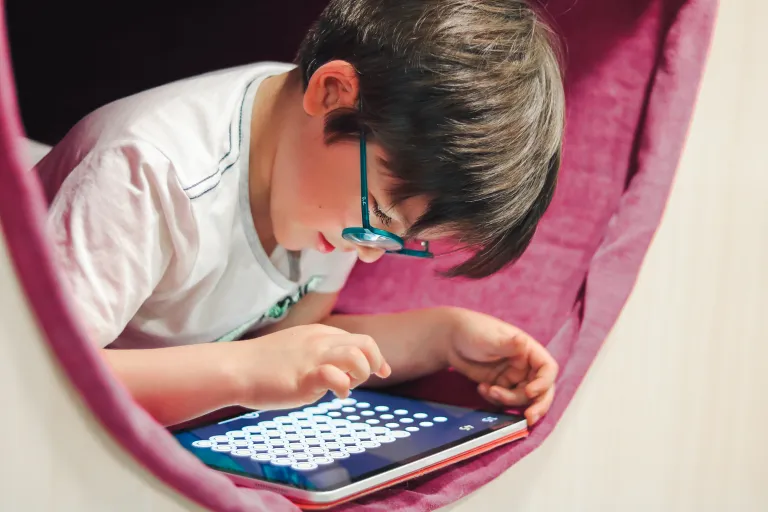
At home, this means setting aside dedicated areas for study and establishing routines. Schools can enhance structured learning by leveraging technology, providing access to resources that complement traditional methods. Teachers play a critical role, not just as instructors but as mentors. The incorporation of structured learning tools, such as educational apps and online materials, enables a more engaging learning experience.
By integrating technology and traditional methods, educators can create a learning atmosphere that is both structured and adaptable, ensuring that students not only acquire knowledge and skills but also develop a passion for learning.
The Role of Technology in Structured Learning

In the realm of education, technology has emerged as a pivotal tool in fostering structured learning. Innovative tech tools and online materials offer educators and learners alike unparalleled access to resources that enhance the learning process.
These tools, ranging from interactive software to educational platforms, allow for a more personalized and engaging learning experience. Magrid stands as a prime example of how technology can support structured learning, offering a comprehensive suite of activities designed to improve mathematical skills in young learners.
By integrating such technologies into the curriculum, educators can provide a structured yet flexible learning environment that encourages students to achieve their full potential. The utilization of tech in education not only supports the acquisition of knowledge but also promotes the development of digital literacy skills, preparing students for the tech-driven world ahead.
Developing a Personalized Learning Plan

Tailoring learning experiences to meet individual needs is a cornerstone of effective education. Personalized learning plans, which take into account the unique abilities, interests, and learning pace of each student, are instrumental in maximizing educational outcomes.
By aligning individualized learning with the curriculum, educators can ensure that practice and progression are tailored to the learner's specific needs. This approach not only enhances the learning experience but also fosters a sense of ownership and motivation in students, driving them towards their educational goals.
The implementation of personalized plans requires a commitment to understanding each student's learning profile, enabling educators to design interventions that promote steady progression and achievement.
Encouraging Progress Through Structured Courses

Structured courses play a critical role in the educational journey, providing a framework for steady progress and the achievement of learning milestones. These courses, carefully designed with a progression of concepts in mind, guide students through a logical sequence of knowledge acquisition and skill development.
By setting clear objectives and benchmarks, structured courses help learners gauge their progress, fostering a sense of accomplishment and motivating them to advance further. The impact of such structured learning experiences is profound, laying the foundation for a deep and lasting understanding of the subject matter.
This structured approach ensures that students not only gain essential knowledge but also develop the ability to apply what they've learned in new and challenging contexts.
Conclusion: Embracing Structured Learning for Future Success

Structured learning is more than an educational strategy; it's a pathway to future success. By providing clarity, direction, and support, structured learning environments empower students to navigate the complexities of learning with confidence.
Educators and parents play vital roles in crafting these environments, utilizing both technology and traditional methods to create a balanced and enriching educational experience. The integration of structured and unstructured learning methods enriches the educational landscape, ensuring that students are well-prepared for the challenges ahead.
As we look to the future, embracing structured learning will remain essential in cultivating knowledgeable, skilled, and adaptable learners.
Discover how Magrid can transform your approach to education, making learning both effective and enjoyable. Start today, and make Magrid the cornerstone of your child's structured learning environment.
Recursos para aprofundamento
• "
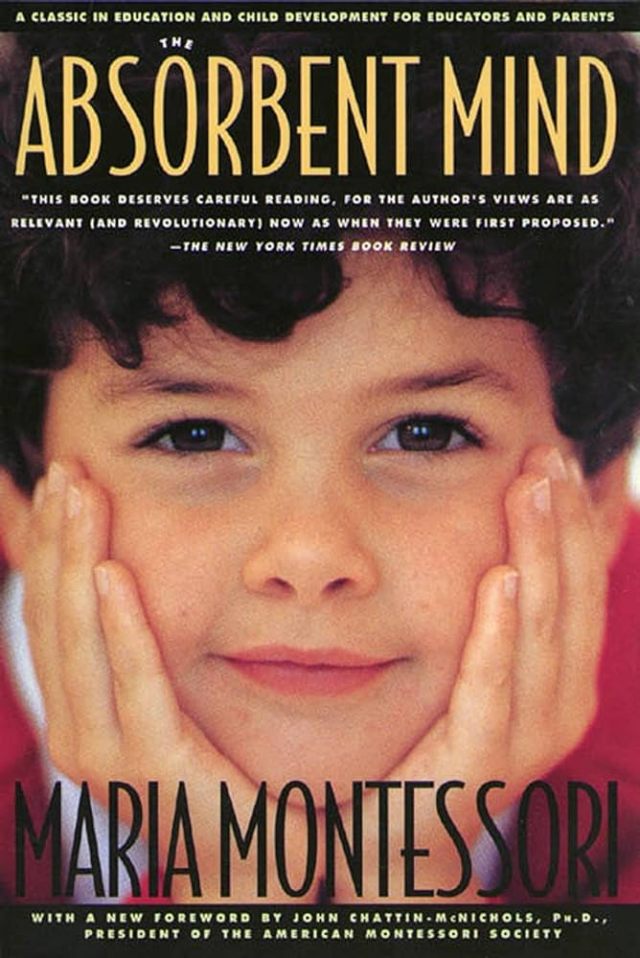
The Absorbent Mind" by Maria Montessori
Introdução: Os alicerces da aprendizagem
In the journey of child development, the role of a structured learning environment is paramount, laying the groundwork for lifelong success. Such environments offer clarity, direction, and the scaffolding children need to thrive academically and socially.
Yet, the importance of an unstructured learning environment, where children explore and learn at their own pace, cannot be understated. Both structured and unstructured environments play crucial roles in children’s development, each contributing uniquely to the acquisition of new knowledge, skills, and understanding.
Recognizing and integrating the strengths of both approaches can significantly enhance a child’s learning experience, fostering a well-rounded and adaptable individual.
The Importance of Structured Learning in Early Education
Structured learning in early education is more than just a methodical approach; it’s a fundamental framework that supports and guides young learners towards achieving specific educational goals. This form of learning provides a clear, organized pathway for acquiring new knowledge and skills, fostering an environment where understanding and competence can flourish.
By emphasizing structured learning, educators lay a strong foundation for children, equipping them with the necessary tools to navigate the complexities of future learning challenges. It’s a process that balances the acquisition of knowledge with the development of critical thinking and problem-solving skills, ensuring that learning experiences are both meaningful and impactful.
Structured vs. Unstructured Learning Environment
The debate between structured and unstructured learning environments centers on the balance of guidance versus freedom in educational settings. Structured learning offers a directed path to learning, with clearly defined goals and systematic progression.
This method provides learners with a framework to build upon, imparting essential knowledge and skills. Conversely, unstructured learning environments allow learners to explore subjects at their own pace, fostering creativity and self-motivation.
However, the most effective educational experiences often result from a blend of both approaches. Incorporating structured courses with the freedom of unstructured exploration ensures a more holistic development, catering to the diverse needs and learning methods of children.
Implementing Structured Learning at Home and School
Creating a structured learning environment both at home and in the classroom requires intention and strategy. For educators and parents, the goal is to cultivate spaces that encourage focused learning while accommodating the individual needs of each child.
At home, this means setting aside dedicated areas for study and establishing routines. Schools can enhance structured learning by leveraging technology, providing access to resources that complement traditional methods. Teachers play a critical role, not just as instructors but as mentors. The incorporation of structured learning tools, such as educational apps and online materials, enables a more engaging learning experience.
By integrating technology and traditional methods, educators can create a learning atmosphere that is both structured and adaptable, ensuring that students not only acquire knowledge and skills but also develop a passion for learning.
The Role of Technology in Structured Learning
In the realm of education, technology has emerged as a pivotal tool in fostering structured learning. Innovative tech tools and online materials offer educators and learners alike unparalleled access to resources that enhance the learning process.
These tools, ranging from interactive software to educational platforms, allow for a more personalized and engaging learning experience. Magrid stands as a prime example of how technology can support structured learning, offering a comprehensive suite of activities designed to improve mathematical skills in young learners.
By integrating such technologies into the curriculum, educators can provide a structured yet flexible learning environment that encourages students to achieve their full potential. The utilization of tech in education not only supports the acquisition of knowledge but also promotes the development of digital literacy skills, preparing students for the tech-driven world ahead.
Developing a Personalized Learning Plan
Tailoring learning experiences to meet individual needs is a cornerstone of effective education. Personalized learning plans, which take into account the unique abilities, interests, and learning pace of each student, are instrumental in maximizing educational outcomes.
By aligning individualized learning with the curriculum, educators can ensure that practice and progression are tailored to the learner’s specific needs. This approach not only enhances the learning experience but also fosters a sense of ownership and motivation in students, driving them towards their educational goals.
The implementation of personalized plans requires a commitment to understanding each student’s learning profile, enabling educators to design interventions that promote steady progression and achievement.
Encouraging Progress Through Structured Courses
Structured courses play a critical role in the educational journey, providing a framework for steady progress and the achievement of learning milestones. These courses, carefully designed with a progression of concepts in mind, guide students through a logical sequence of knowledge acquisition and skill development.
By setting clear objectives and benchmarks, structured courses help learners gauge their progress, fostering a sense of accomplishment and motivating them to advance further. The impact of such structured learning experiences is profound, laying the foundation for a deep and lasting understanding of the subject matter.
This structured approach ensures that students not only gain essential knowledge but also develop the ability to apply what they’ve learned in new and challenging contexts.
Conclusion: Embracing Structured Learning for Future Success
Structured learning is more than an educational strategy; it’s a pathway to future success. By providing clarity, direction, and support, structured learning environments empower students to navigate the complexities of learning with confidence.
Educators and parents play vital roles in crafting these environments, utilizing both technology and traditional methods to create a balanced and enriching educational experience. The integration of structured and unstructured learning methods enriches the educational landscape, ensuring that students are well-prepared for the challenges ahead.
As we look to the future, embracing structured learning will remain essential in cultivating knowledgeable, skilled, and adaptable learners.
Discover how Magrid can transform your approach to education, making learning both effective and enjoyable. Start today, and make Magrid the cornerstone of your child’s structured learning environment.
Recursos para aprofundamento
• “The Absorbent Mind” by Maria Montessori