





Identifying the Early Symptoms of Dysgraphia

Early identification of dysgraphia is essential to supporting a child’s educational journey. As an often misunderstood learning disability, dysgraphia impacts a child’s ability to perform writing tasks efficiently. It is classified under specific learning disabilities, alongside conditions like developmental dyslexia and certain language disorders. According to the American Psychiatric Association’s Diagnostic and Statistical Manual, dysgraphia is associated with impaired handwriting, impaired spelling, and difficulties with written expression.
Children with dysgraphia struggle with the writing process, not because of a lack of intelligence, but due to challenges in fine motor coordination, language processing, or visual motor integration. These deficits can make it difficult to complete basic letter writing, organize written words, or perform writing related assignments. This can have a lasting impact on academic skills and self-esteem.
Understanding the symptoms of dysgraphia early allows for effective early intervention, particularly in classroom settings where writing skills are considered an important academic skill. Parents, educational psychologists, and special education teachers play a crucial role in observing signs, arranging formalized handwriting assessments, and advocating for supportive or assistive resources.
Recognizing the condition early also allows schools to meet obligations under the Disabilities Education Act, ensuring children with writing challenges receive the support they need.
Understanding the Symptoms of Dysgraphia
The symptoms of dysgraphia can vary from child to child but usually emerge as persistent writing difficulties that interfere with academic performance. Affected children may exhibit slow writing speed, inconsistent letter formation, poor spelling, or trouble copying written text. Many also struggle with the physical act of writing, especially when using standard writing instruments.
These challenges are often linked to problems with fine motor skills, working memory, or language processing skills. Children may write legibly one day and poorly the next, reflecting underlying difficulties with motor planning, spatial perception, or the retrieval of previously acquired skills. For some, writing becomes so taxing that they avoid writing related tasks entirely.
In classrooms, dysgraphia symptoms often show up during writing assignments or standardized tests that demand fluency in written language. Teachers may notice messy handwriting, uneven spacing, or reversed letters, all of which indicate a breakdown in the coordination between cognitive and motor skills.
It’s important to distinguish between temporary struggles and persistent symptoms that may indicate developmental dysgraphia, a specific learning disability. If concerns persist, referral to occupational therapists or educational psychologists for handwriting assessments is recommended.
How Dysgraphia Affects Written Expression
Dysgraphia significantly affects writing at multiple levels, especially when it comes to written expression. Children with this condition often have good verbal ideas but struggle to get those ideas onto paper. This disconnect is caused by challenges in combining language processing, working memory, and fine motor tasks required to form coherent written words.
As a result, their written work may lack structure, display poor spelling, or show signs of fragmented thought. These challenges persist even when the child has strong verbal language skills. This gap can be frustrating and often leads to avoidance of writing assignments or handwriting practice.
Moreover, dysgraphia affects the ability to revise and edit one’s work—both essential parts of the writing process. Without intervention, these issues can undermine a student’s confidence in their writing ability, making it difficult to progress through the mainstream education curriculum. Timely support is crucial to help bridge this gap in written language development.
Why Dysgraphia Is Considered One of Many Learning Disabilities
Dysgraphia is officially classified as a learning disability because it affects the acquisition and execution of foundational writing skills. Like other learning disorders, it impacts how students process and retain information—in this case, related to writing tools, letter formation, and fine motor coordination.
Under the Individuals with Disabilities Education Act, dysgraphia falls within the category of specific learning disabilities, along with other learning disorders such as autism spectrum disorder and developmental dyslexia. These conditions interfere with educational progress, despite normal intelligence and exposure to effective instruction.
According to the Diagnostic and Statistical Manual, a diagnosis requires observable difficulties in academic skills such as written expression and consistent failure in writing related tasks. It’s important to note that dysgraphia symptoms can coexist with other learning disabilities, making comprehensive assessment essential.
Acknowledging dysgraphia as a specific learning disability ensures students receive tailored interventions and equitable access to learning opportunities.
How Dysgraphia Affects Writing in Everyday Tasks

Dysgraphia affects writing far beyond handwriting alone. In daily classroom activities, children with dysgraphia often struggle to complete routine writing tasks, such as note-taking, journaling, or short-answer responses. The effort required to manage fine motor coordination, spelling, and sentence structure can make even brief written assignments exhausting.
Because writing is a complex process involving language processing, working memory, and motor planning, these students may lose track of their ideas while focusing on the mechanics of writing. This often results in incomplete responses or simplified written text that does not reflect their true understanding of the subject matter.
In some cases, children perform better when allowed to use alternative writing tools, such as keyboards or speech to text software, especially for longer writing related assignments. Without appropriate accommodations, dysgraphia can negatively affect performance across subjects, reinforcing the need for early support within the mainstream education curriculum.
Distinguishing Dysgraphia from Other Learning Disorders
Dysgraphia is frequently confused with other learning disorders, particularly dyslexia and dysgraphia, because both affect written language. However, while dyslexia primarily impacts reading and phonological processing, dysgraphia is centered on difficulties with the physical act of writing and organizing written output.
Children with dysgraphia may read fluently yet struggle with letter formation, spacing, or producing legible handwriting. In contrast, students with dyslexia often show challenges in decoding and spelling. Dysgraphia can also co-occur with other learning disorders, including attention-related conditions or language disorders, making accurate identification more complex.
Differentiating between these conditions requires comprehensive evaluation by educational psychologists, often including handwriting assessments and language-based testing. Clear distinctions ensure that interventions address the correct underlying difficulties rather than treating symptoms alone.
Understanding Dysgraphia as a Learning Disability
As a learning disability, dysgraphia interferes with a student’s ability to acquire and demonstrate essential academic skills through writing. Despite adequate instruction and intelligence, students may struggle with acquiring writing skills due to weaknesses in fine motor, visual motor integration, or written organization.
Within educational systems, dysgraphia is categorized as a specific learning disability, meaning it affects a particular area of learning rather than overall cognitive ability. This classification helps schools determine eligibility for specialized instruction, accommodations, and related services under federal guidelines.
Dysgraphia may exist independently or alongside other learning disabilities, such as autism spectrum disorder or attention-related challenges. Recognizing it as a legitimate learning disability helps shift the focus from performance-based expectations to skill-based support, ensuring children receive targeted instruction and access to supportive or assistive resources.
When Dysgraphia Is a Standalone Learning Disorder
In some cases, dysgraphia presents as a distinct learning disorder, without accompanying reading or language impairments. These students often demonstrate strong verbal reasoning and comprehension but encounter persistent writing problems that interfere with classroom performance.
This form of dysgraphia may stem from deficits in motor skills, spatial perception, or difficulties coordinating other writing instruments effectively. Students may struggle with tasks like copying from the board or maintaining consistent spacing, even after repeated instruction and handwriting practice.
When dysgraphia appears on its own, it is still considered a specific learning disorder under educational and psychological frameworks. Identifying it accurately allows educators to focus interventions on handwriting mechanics, organization, and alternative output methods—rather than unnecessary reading or language remediation—ensuring support is both efficient and appropriate.
Spotting Dysgraphia Symptoms in Young Children

Recognizing dysgraphia symptoms in early learners is crucial for timely intervention. In preschool and early elementary years, children may exhibit signs such as awkward pencil grip, difficulty with letter formation, and resistance to writing tasks like drawing shapes or tracing lines. These issues often stem from delays in fine motor skills or fine motor coordination, making it harder to control writing instruments.
Children with dysgraphia may also struggle with handwriting practice, have trouble copying from the board, or take significantly longer to complete simple writing related tasks. Their written words might float unevenly on the page, with inconsistent spacing, slanted lines, or reversed letters. These patterns point to issues with visual motor integration and spatial perception.
Educators and parents should also be alert to emotional signs, such as frustration or avoidance during writing assignments. Since working memory and language processing skills are often involved, these early indicators provide valuable clues that a specific learning disability like dysgraphia may be present.
The Role of Occupational Therapy in Supporting Children with Dysgraphia
Occupational therapy plays a pivotal role in addressing the underlying challenges associated with dysgraphia. Occupational therapists assess fine motor development, posture, grip, and hand strength—critical areas that affect the ability to write smoothly and legibly. Through individualized therapy sessions, children practice fine motor tasks that improve writing ability, such as using raised lines, clay modeling, or finger exercises.
Therapists also help children develop strategies for organizing written text and completing writing tasks more efficiently. For students with developmental dysgraphia, therapy may include multisensory techniques to strengthen connections between movement, memory, and language processing.
In collaboration with special education teachers, occupational therapists may recommend classroom accommodations like slant boards, pencil grips, or alternative writing tools. They may also support the use of speech to text software for students whose writing difficulties severely limit output. These interventions help children build the foundational writing skills they need to navigate the mainstream education curriculum successfully.
Exploring the Features of Motor Dysgraphia
Motor dysgraphia is a subtype of dysgraphia primarily linked to weaknesses in fine motor coordination and motor skills. Unlike other forms, it is not caused by cognitive or language processing issues, but rather by the body’s difficulty executing precise movements needed for writing.
Children with motor dysgraphia often show illegible handwriting, inconsistent letter formation, and difficulty maintaining speed during writing assignments. These issues become particularly evident during formalized handwriting assessments, where they struggle with the physical act of writing, even if they have strong oral language and reading abilities.
This subtype may result from underdeveloped fine motor skills, delayed visual motor integration, or even past brain injury. While some students may benefit from handwriting practice, others may require significant adaptations, including the use of keyboards or other writing instruments.
Recognizing motor dysgraphia allows educators and occupational therapists to focus support efforts on motor-based remediation rather than cognitive or language-based interventions.
Tools and Assessments Used to Diagnose Dysgraphia
To accurately diagnose dysgraphia, professionals use a combination of standardized evaluations and observational checklists. Educational psychologists and occupational therapists often administer formalized handwriting assessments that examine speed, legibility, spacing, and letter formation during various writing related tasks.
Assessments also explore underlying cognitive functions like working memory, language processing, and visual motor integration—areas commonly impacted in both developmental dysgraphia and acquired dysgraphia. Professionals may analyze samples from real-world writing assignments to evaluate how dysgraphia affects writing in academic settings.
Tools like the Beery VMI, the DASH (Detailed Assessment of Speed of Handwriting), and individualized rubrics help pinpoint the exact nature of the child’s writing difficulties. Comprehensive evaluations are essential to differentiate dysgraphia from other learning disabilities, such as language disorders, ADHD, or developmental dyslexia.
Once the diagnosis of dysgraphia is confirmed, schools can develop tailored learning plans, accommodations, and access to supportive or assistive resources, in compliance with the Disabilities Education Act.
Academic Challenges Tied to Writing Skills Development
Dysgraphia often creates barriers during the development of core writing skills, making it difficult for students to express what they know through writing. These challenges can impact the mastery of foundational writing skills, such as paragraph construction, sequencing of ideas, and proper grammar in written expression.
Because writing is both a motor and cognitive process, children with dysgraphia may struggle to integrate language processing, working memory, and fine motor abilities. As a result, their performance on writing assignments may not reflect their actual understanding.
This disconnect not only undermines academic skills, but also affects motivation and participation in classroom tasks. Students may avoid writing related assignments, take longer to complete them, or produce incomplete written text. Without early identification and support, these difficulties can lead to long-term gaps in writing ability, requiring targeted intervention to help students meet grade-level expectations within a mainstream education curriculum.
Recognizing Dysgraphia within the Framework of the Diagnostic and Statistical Manual
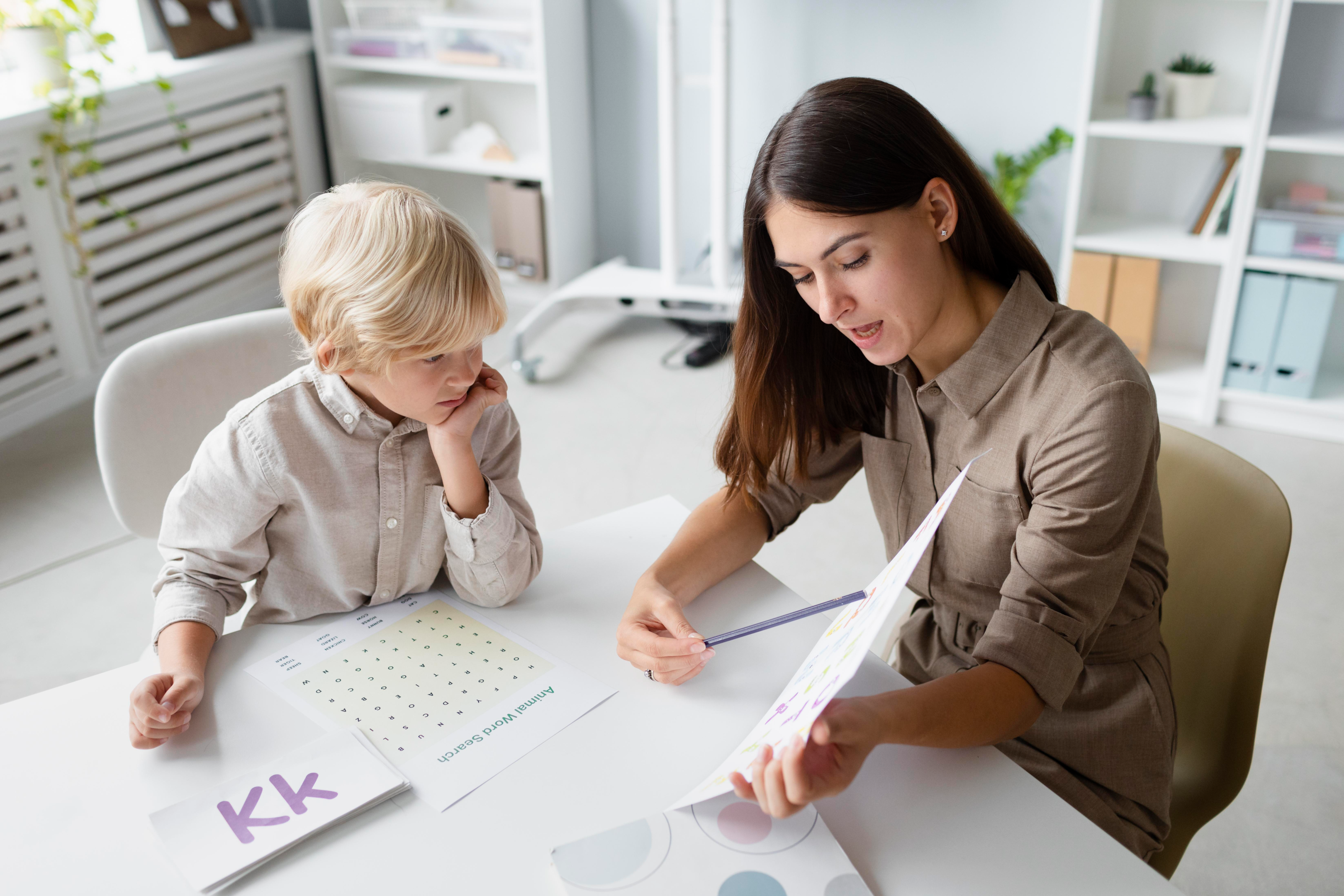
Dysgraphia is recognized as part of specific learning disorders in the Diagnostic and Statistical Manual of Mental Disorders (DSM-5), published by the American Psychiatric Association. Though the DSM does not list “dysgraphia” by name, it categorizes it under disorders of written expression, which includes persistent difficulties with written language, impaired spelling, and impaired handwriting.
To meet criteria for a specific learning disability, students must show significant difficulties in acquiring writing skills, despite appropriate instruction and intellectual capability. The statistical manual emphasizes that these struggles must interfere with academic or occupational performance and be evident over time.
Professionals use this framework during the diagnosis of dysgraphia, often in conjunction with tools like formalized handwriting assessments and teacher observations. Understanding how dysgraphia fits into the DSM-5 helps educators, clinicians, and families advocate for proper supports under education laws like the Disabilities Education Act.
Early Intervention Strategies for Children with Writing Problems
Effective early intervention is critical for children who show signs of writing problems. Intervening during the early school years increases the likelihood of improving fine motor skills, strengthening writing ability, and building confidence with writing tasks.
Support may include structured handwriting practice to target letter formation, use of raised lines to improve spacing, or visual aids to assist with spatial perception. Multisensory instruction—incorporating sight, sound, and movement—can enhance both language processing and motor skills.
Assistive technologies like speech to text software offer valuable alternatives for students who cannot keep pace with handwritten work. These tools allow learners to focus on expressing ideas rather than the physical act of writing.
Collaboration among occupational therapists, teachers, and families ensures consistent support across settings. Tailoring intervention strategies to each student’s specific challenges—whether stemming from motor dysgraphia, language disorders, or fine motor impairments—leads to more meaningful progress.
Helping Children with Dysgraphia Thrive in the Classroom
Supporting children with dysgraphia in the classroom requires a combination of awareness, flexibility, and individualized planning. With the right accommodations, these students can overcome many barriers posed by writing difficulties and develop the academic skills they need to succeed.
Educators play a key role in identifying early dysgraphia symptoms and implementing strategies such as allowing extended time for writing related tasks, offering alternative formats for written assignments, or reducing the volume of required writing tasks without lowering expectations. Providing access to supportive or assistive resources, like speech to text software or special writing paper with raised lines, helps students complete work more effectively.
Classroom modifications may also include visual aids, keyboard use, or reduced emphasis on spelling during note-taking. By focusing on content rather than handwriting mechanics, teachers can better assess a student’s knowledge.
Ultimately, the goal is to foster independence and confidence in students with dysgraphia, ensuring they can fully engage in the mainstream education curriculum alongside their peers. Recognizing dysgraphia as a legitimate specific learning disability paves the way for compassionate, equitable, and effective instruction.
How Magrid Supports Early Learners with Diverse Needs
While Magrid is not a tool specifically designed for diagnosing or treating dysgraphia, its early math learning solution offers meaningful support for young learners who experience difficulties in writing and related tasks.
Magrid’s visual, interactive approach strengthens working memory, visual-spatial reasoning, and attention control—skills that are often impacted in children with specific learning disabilities, including dysgraphia. Because it is language-free, Magrid is accessible to all children, including those with language processing challenges or other learning disabilities.
The platform also encourages structured engagement, helping children build academic skills and confidence through success in early learning tasks. For students who may struggle with written expression or fine motor tasks, Magrid offers a supportive space to thrive without the added pressure of handwriting.
Explore how Magrid complements inclusive education efforts and helps children build the cognitive foundation for learning across subjects.
Memoria de trabajo

Un programa inclusivo para fortalecer la memoria de trabajo
Magrid es una aplicación educativa inclusiva y basada en la investigación, diseñada para ayudar a los niños a desarrollar habilidades cognitivas fundamentales como memoria de trabajo. Con más de 3.000 actividades interactivas, Magrid ofrece oportunidades estructuradas para practicar la retención, el procesamiento y el uso de la información, habilidades esenciales para aprender matemáticas y rendir al máximo en el aula.
El programa está adaptado a las necesidades sensoriales y se puede seguir al ritmo de cada uno, lo que permite a los niños de entre 4 y 7 años —y a los alumnos con necesidades especiales de hasta 12 años— participar de forma autónoma y eficaz.
¿Qué es la memoria de trabajo?
La memoria de trabajo es la capacidad de retener y procesar información en la mente durante breves periodos de tiempo. Es fundamental para tareas como seguir instrucciones de varios pasos, resolver problemas, organizar las ideas y mantener la concentración durante el aprendizaje.
Cuando la memoria de trabajo es débil, los niños pueden olvidar las instrucciones, perder el hilo de los pasos de un problema o tener dificultades para organizar sus ideas. Esto puede afectar no solo al aprendizaje de las matemáticas, sino también a la comprensión lectora, la expresión escrita y las rutinas cotidianas. Una memoria de trabajo sólida favorece la atención, el razonamiento y la resolución de problemas, lo que la convierte en una habilidad fundamental para el éxito académico y la independencia.
Cómo ayuda Magrid a desarrollar la memoria de trabajo
Magrid beneficia a ambos niños neurotípicos y aquellos con necesidades educativas especiales. Para los niños con TDAH, dislexia u otras dificultades de aprendizaje, la memoria de trabajo suele ser un punto débil que afecta directamente al rendimiento académico. El diseño intuitivo y sin lenguaje de Magrid ofrece ejercicios específicos para desarrollar esta habilidad fundamental, al tiempo que refuerza la confianza y facilita el aprendizaje.
Magrid no solo enseña matemáticas, sino que integra ejercicios de memoria de trabajo en cada paso del aprendizaje. Muchas tareas requieren que los niños recuerden instrucciones sencillas, retengan información visual en la mente y la apliquen momentos después, lo que refuerza directamente su capacidad de memoria. A diferencia de las herramientas de aprendizaje pasivo, Magrid ofrece a los niños oportunidades activas y repetidas para entrenar esta habilidad fundamental mientras se mantienen inmersos en la resolución de problemas.
Así es como Magrid trabaja la memoria de trabajo:
● Comprender y aplicar instrucciones – Los niños ven u oyen una secuencia que deben recordar y utilizar poco después, lo que les permite desarrollar la capacidad de retener información durante un breve periodo de tiempo mientras actúan en consecuencia.
● Diseño visual y sin lenguaje – Las instrucciones intuitivas reducen la sobrecarga, lo que permite a los niños centrarse en las exigencias de memoria en lugar de en la decodificación del texto.
● Repetición con variaciones – Las habilidades básicas relacionadas con la memoria se refuerzan en múltiples contextos, lo que potencia su aplicación a tareas de la vida real.
● Integración de las matemáticas y la memoria – Al practicar conceptos matemáticos mediante actividades basadas en la memoria, los niños refuerzan simultáneamente sus capacidades académicas y cognitivas.
Magrid se basa en investigaciones de la Universidad de Luxemburgo y la Universidad de Tubinga, que demuestran su eficacia a la hora de mejorar el aprendizaje temprano de las matemáticas y las habilidades cognitivas. El programa está diseñado para fomentar también el desarrollo de habilidades cognitivas más amplias, como la atención, la memoria de trabajo y la función ejecutiva.
Actividades específicas para la memoria de trabajo en Magrid
La memoria de trabajo actúa como un espacio de trabajo mental: retiene y utiliza la información el tiempo justo para que los niños puedan seguir instrucciones, resolver problemas o aprender algo nuevo. Una memoria de trabajo sólida favorece la lectura, las matemáticas y la atención, y ayuda a los niños a mantenerse concentrados e interesados.
● En aprendizaje diario, favorece la concentración y la autorregulación, lo que facilita seguir instrucciones y realizar tareas.
● En matemáticas, permite a los niños seguir mentalmente los números y los pasos para resolver problemas.
● En lectura, les ayuda a recordar las letras, los sonidos y las palabras que acaban de aprender, lo que les permite mejorar su fluidez y su comprensión.
Magrid presenta una variedad de Actividades de memoria de trabajo basadas en la resolución de problemas que se adaptan a la capacidad del niño. Estas tareas ofrecen oportunidades repetidas y atractivas para reforzar diferentes aspectos de la memoria de trabajo.
Las tareas específicas de memoria de trabajo en Magrid:
Colorear el diagrama correspondiente
Los niños observan una secuencia de colores en un diagrama y la reproducen en otro lugar de la pantalla. Este ejercicio, sencillo pero muy eficaz, entrena la capacidad de retener información visual durante un breve periodo de tiempo y aplicarla con precisión.
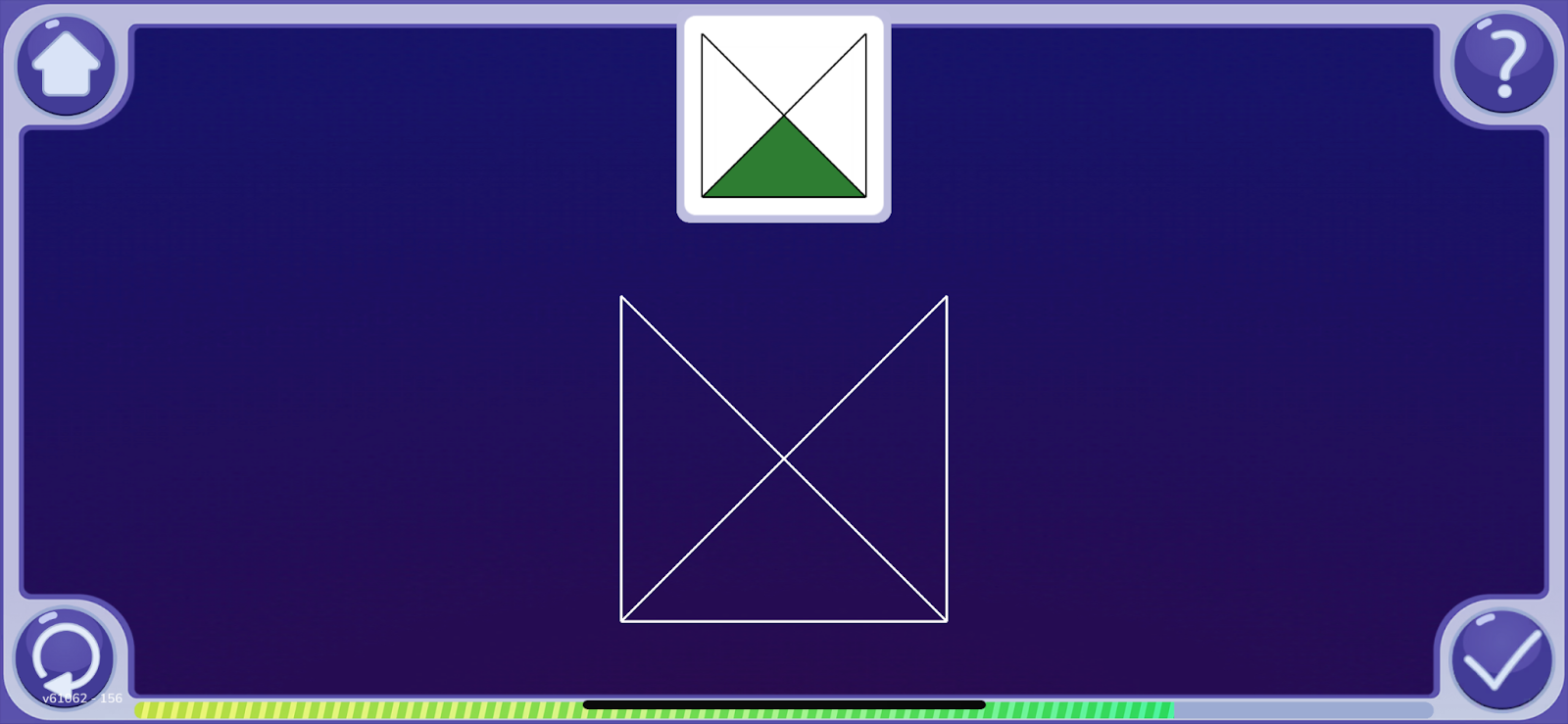
Este paso consiste en observar el modelo de la parte superior e identificar qué sección de la figura más grande debe marcarse en verde.
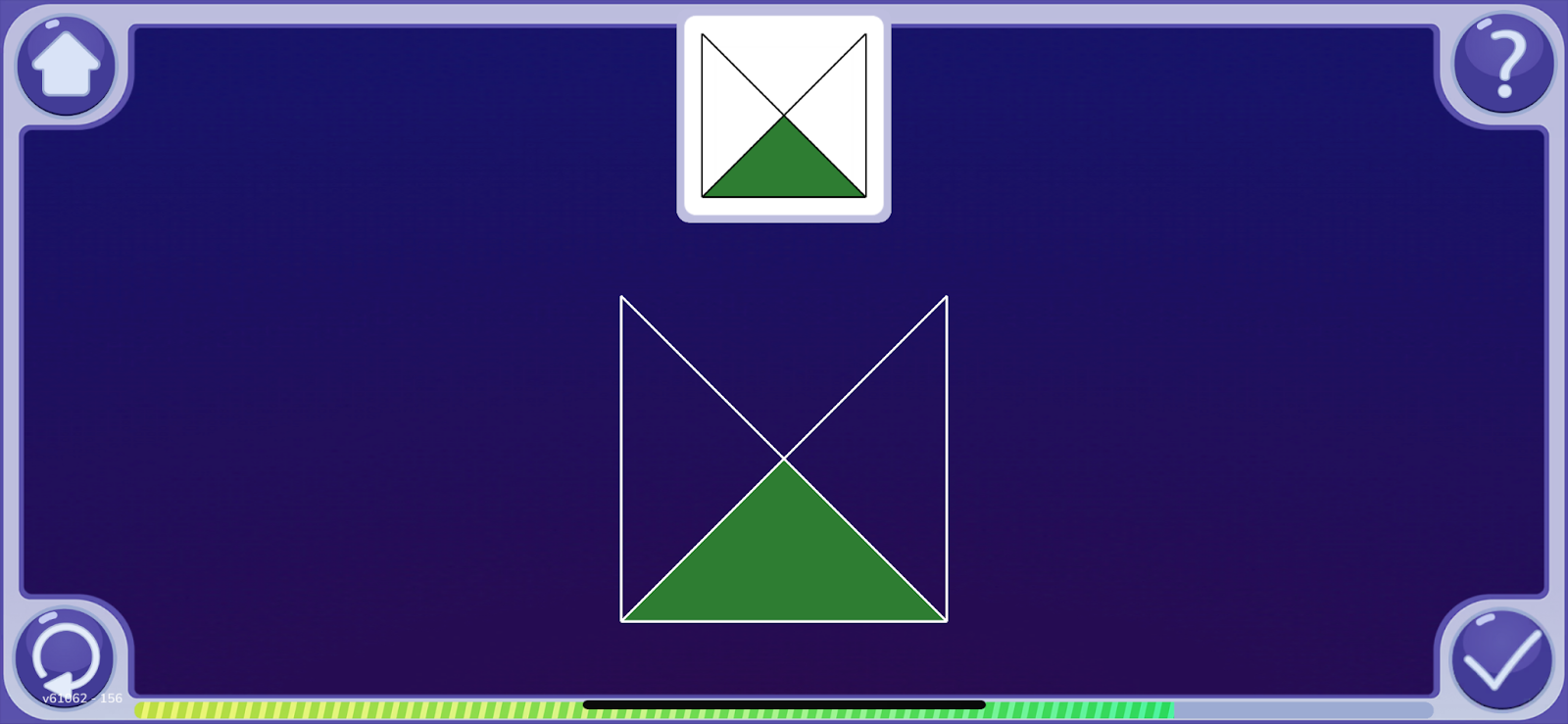
Una vez seleccionada la sección verde correcta en la figura más grande, el ejercicio continúa con otras figuras.
Memoria visual del color
Una actividad sencilla en la que los niños deben recordar dónde aparece un color concreto en la pantalla. Al mantener las imágenes despejadas, esta tarea permite practicar la memoria de la forma más accesible.

En este paso hay que observar la parte superior del modelo y fijarse en qué sección de la figura aparece resaltada en azul.

En esta fase, el modelo desaparece y la tarea consiste en recordar qué sección estaba coloreada originalmente.

Una vez seleccionada la sección azul correcta de la figura, el ejercicio continúa con otros patrones que hay que memorizar.
Memoria de relleno de color
Los niños observan durante unos segundos un diagrama con secciones de diferentes colores y, a continuación, lo reproducen en una versión en blanco. A medida que avanzan, los diagramas se vuelven más complejos, lo que les supone un reto a la hora de retener y aplicar varios datos a la vez.
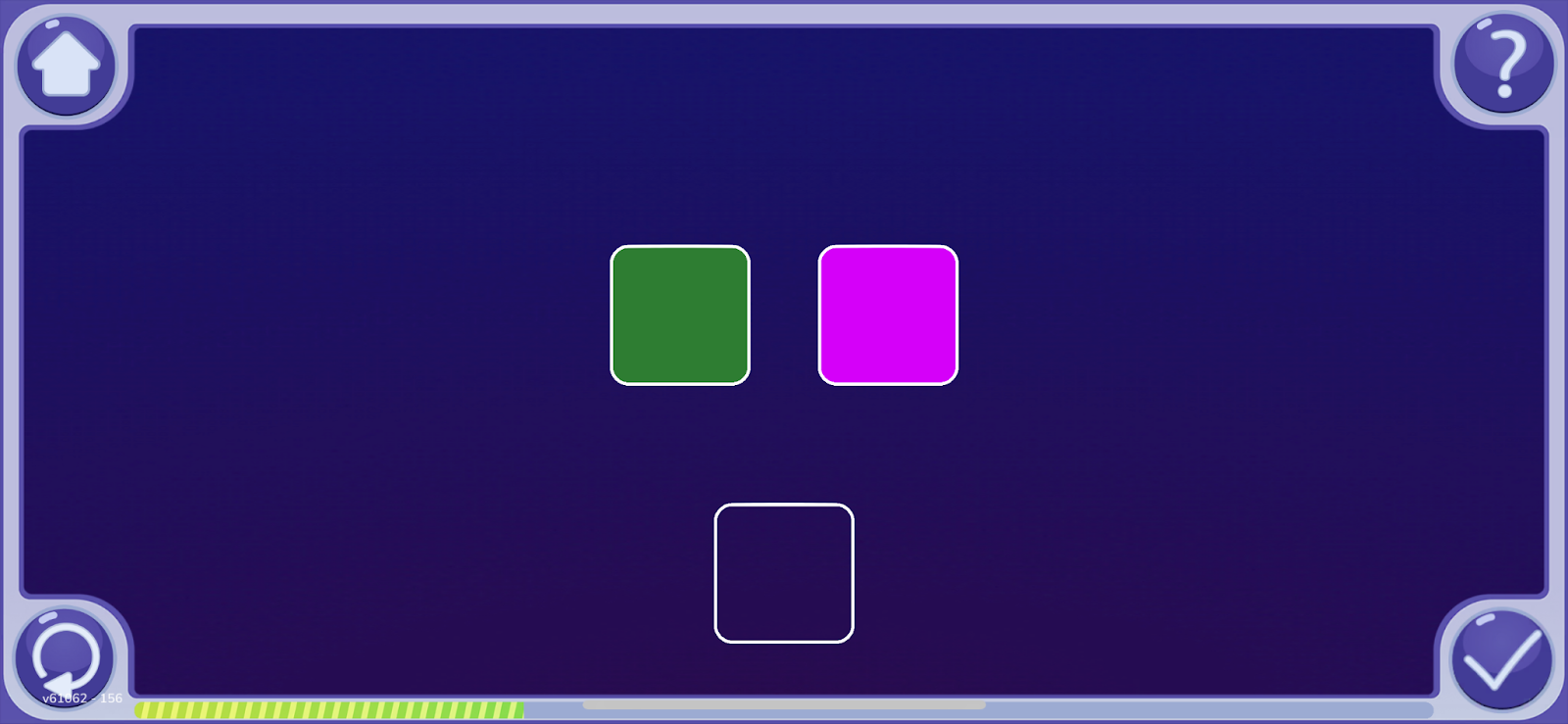
En este paso hay que fijarse en los dos cuadrados de colores de la parte superior y fijarse en qué color aparece en cada posición.

En esta fase, los colores desaparecen y la tarea consiste en recordar qué cuadrado de la parte superior coincidía con el color que ahora se muestra en la parte inferior.

Una vez seleccionado el cuadrado que coincide con el color de la parte inferior, el ejercicio continúa con nuevas combinaciones de colores.
Memoria de ubicación de personajes
En la pantalla aparecen brevemente varios personajes detallados, y los niños deben recordar tanto de qué personaje se trataba como dónde estaba situado. Esta tarea refuerza tanto la memoria de identificación como la memoria espacial, ambas importantes para la resolución de problemas de orden superior y el aprendizaje en el aula.

En este paso hay que observar los caracteres y anotar qué carácter se coloca en cada una de las tres casillas.
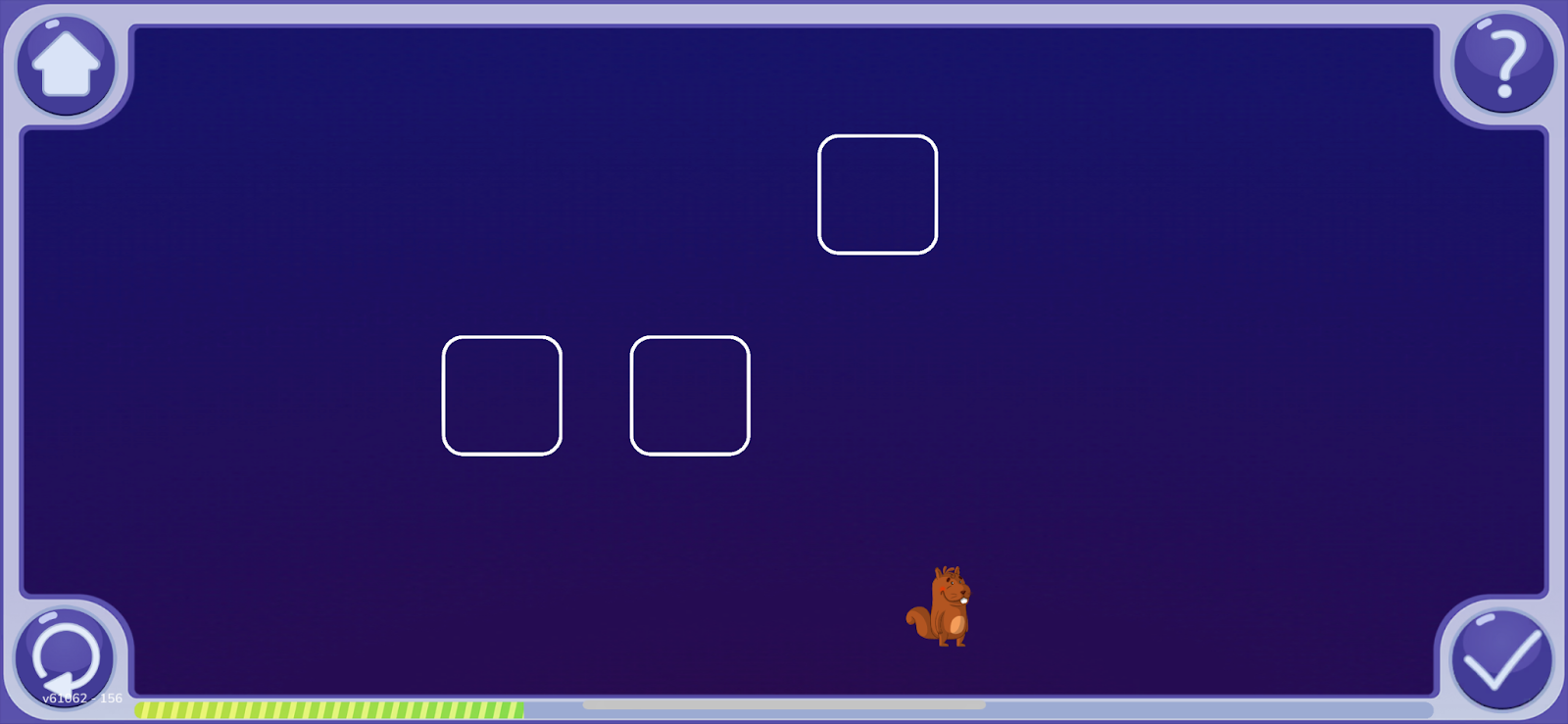
En esta fase, los personajes desaparecen y la tarea consiste en recordar dónde estaba situado cada uno de ellos.
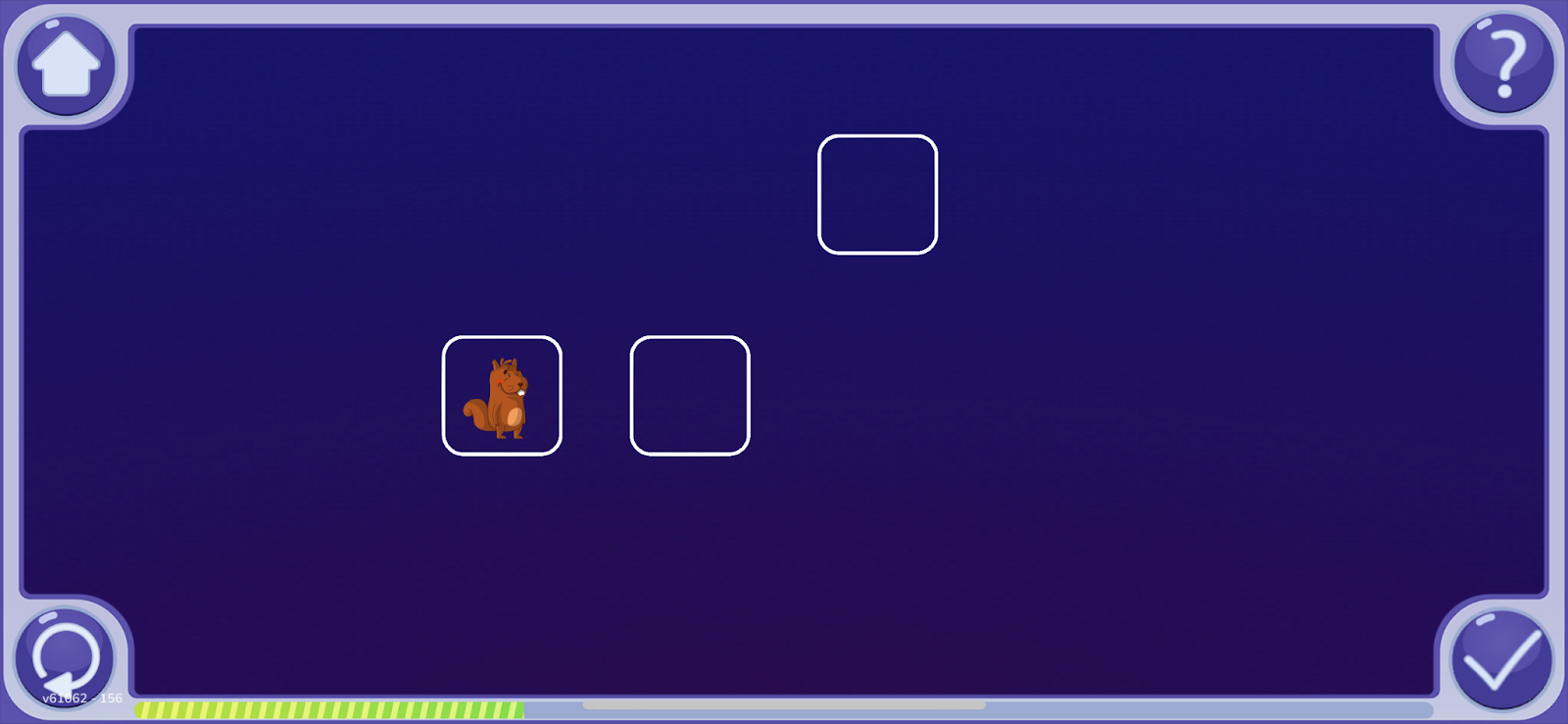
Tras identificar el carácter que se muestra y pulsar en el recuadro donde aparecía originalmente, el ejercicio continúa con nuevas ubicaciones de los caracteres.
Al combinar estos ejercicios tan variados con una jugabilidad atractiva, Magrid garantiza que los niños no solo desarrollen su comprensión de las matemáticas, sino que también entrenen los mismos sistemas cognitivos que hacen posible el aprendizaje.
Para profesores
Magrid es fácil de integrar en las aulas de educación infantil y primaria. Sus actividades, centradas en la memoria, se ajustan a las competencias básicas en aritmética, resolución de problemas y secuenciación. Los alumnos pueden trabajar de forma autónoma, lo que ofrece a los profesores flexibilidad para centrarse en grupos reducidos o proporcionar apoyo específico. Se ha demostrado que las sesiones diarias breves (de 10 a 15 minutos) son muy eficaces y evitan la sobrecarga de aprendizaje.
El panel de control del profesor realiza un seguimiento del rendimiento de los alumnos, destaca los avances tanto en matemáticas como en habilidades cognitivas e identifica aquellas áreas en las que podría ser necesario un apoyo adicional. Al integrar ejercicios de memoria de trabajo en las clases de matemáticas, Magrid ayuda a los profesores a reforzar las habilidades de aprendizaje básicas sin suponer una carga de trabajo adicional.
Para los padres
En casa, Magrid ofrece a los niños una forma divertida de fortalecer la memoria de trabajo mientras practican matemáticas. Las instrucciones claras y visuales permiten a los niños realizar las actividades de forma autónoma, lo que da a los padres la tranquilidad de saber que el tiempo que pasan frente a la pantalla es productivo y tiene un propósito.
Los padres pueden utilizar el panel de control para ver el progreso de sus hijos tanto en matemáticas como en habilidades de memoria, lo que les permite celebrar fácilmente sus logros y observar su evolución a lo largo del tiempo. Con su diseño sencillo y adaptado a las necesidades sensoriales, la aplicación ofrece un espacio tranquilo en el que los niños pueden concentrarse y perseverar.
Fomentar la confianza a través de la memoria de trabajo
La memoria de trabajo es fundamental para el aprendizaje, desde seguir instrucciones hasta resolver problemas de varios pasos. Al reforzar esta habilidad, Magrid ayuda a los niños a convertirse en alumnos más seguros de sí mismos, capaces de organizarse, llevar a cabo las tareas y alcanzar el éxito académico.
Tanto para los niños neurotípicos como para aquellos con necesidades especiales, Magrid ofrece una forma inclusiva y eficaz de desarrollar la memoria de trabajo, al tiempo que hace que las matemáticas resulten atractivas y accesibles. Mediante una práctica constante y respaldada por la investigación, todos los niños pueden reforzar esta habilidad esencial y alcanzar una mayor independencia en el aprendizaje y en la vida.
Desarrollo de la memoria de trabajo en la primera infancia: estrategias para niños con un desarrollo típico
En los primeros años de vida, los niños no solo aprenden a contar o a leer, sino que aprenden a aprender. En el centro de este proceso se encuentra la memoria de trabajo, una habilidad cognitiva fundamental que permite a los niños retener y manipular información en su mente durante breves periodos de tiempo. Es lo que ayuda a un niño a recordar los pasos para lavarse los dientes, seguir las instrucciones de varios pasos de un profesor o llevar la cuenta de los números en un juego de contar.
Aunque a menudo se pasa por alto, la memoria de trabajo es un potente indicador del éxito académico, especialmente en matemáticas y en la alfabetización. En el caso de los niños con un desarrollo típico, desempeña un papel esencial en la transición de la exploración a través del juego a entornos de aprendizaje más estructurados. Este artículo analiza estrategias prácticas y adecuadas al nivel de desarrollo que los educadores y cuidadores pueden utilizar para ayudar a fortalecer la memoria de trabajo en los jóvenes estudiantes.
¿Qué es la memoria de trabajo y por qué es importante en la primera infancia?
La memoria de trabajo puede compararse con una nota adhesiva mental para los niños: les ayuda a retener fragmentos de información el tiempo justo necesario para utilizarlos. Esto puede incluir recordar el final de una frase mientras leen el principio, mantener un número en la mente mientras resuelven un problema matemático sencillo o recordar el siguiente paso de una rutina en el aula.
En la educación infantil, una memoria de trabajo sólida favorece la atención, la resolución de problemas y la capacidad de seguir instrucciones. Además, está estrechamente relacionada con la función ejecutiva, que incluye habilidades como el control de los impulsos y la capacidad de cambiar de tarea. Por ejemplo, un niño con una memoria de trabajo bien desarrollada tiene más probabilidades de mantenerse concentrado en la tarea, recordar las normas del aula y participar de forma activa en las actividades en grupo.
Un subtipo especialmente importante es la memoria de trabajo visoespacial, es decir, la capacidad de retener y manipular información visual y espacial. Esta habilidad es la base de las primeras habilidades numéricas, como estimar cantidades, reconocer patrones y comprender las formas y el espacio. Cuando los niños desarrollan esta capacidad desde una edad temprana, están mejor preparados para abordar los conceptos matemáticos fundamentales.
Utiliza recursos visuales y representaciones de la vida real
Una de las formas más eficaces de potenciar la memoria de trabajo en los niños pequeños es mediante el aprendizaje visual. A los niños pequeños a menudo les cuesta retener en la mente las instrucciones verbales, pero los elementos visuales les proporcionan algo concreto en lo que basar su comprensión. Por ejemplo, en lugar de limitarse a decir “primero guarda tu juguete y luego lávate las manos”, un profesor podría utilizar una tabla ilustrada con iconos sencillos que muestren cada paso. Esto ayuda a los niños a retener la información y a ponerla en práctica de forma más fiable.
Las representaciones de la vida real también ayudan a que los conceptos abstractos resulten más fáciles de asimilar. En las primeras etapas del aprendizaje de las matemáticas, el uso de objetos físicos como botones, bloques o frutas permite a los niños ver y tocar lo que están contando o agrupando. Esta interacción tangible reduce el esfuerzo mental que supone mantener los números en la cabeza y favorece la memoria a través de la participación sensorial.
El apoyo visual no es solo un complemento, sino una estrategia que aprovecha la forma en que el cerebro de los más pequeños procesa y retiene la información de forma natural. Ya sea mediante diagramas etiquetados, guiones gráficos o rutinas ilustradas, los elementos visuales ayudan a los niños a alcanzar el éxito al mantener la información clave visible, familiar y accesible.
Divide las tareas en pasos más pequeños y manejables
Incluso a los niños pequeños con un desarrollo típico les pueden resultar abrumadoras las instrucciones que constan de varios pasos. Cuantos más pasos incluya una tarea, mayor será la memoria de trabajo necesaria para llevarla a cabo. Una estrategia sencilla pero eficaz consiste en dividir las tareas en partes más pequeñas y secuenciales, y guiar a los niños de forma clara a lo largo de cada paso.
Este enfoque —conocido a menudo como “andamiaje educativo”— ayuda a los niños a centrarse en una parte manejable de información cada vez. Por ejemplo, en lugar de decir: “Dibuja tu casa, píntala y luego escribe tu nombre”, un profesor podría empezar diciendo: «Primero, dibuja tu casa. Avísame cuando hayas terminado». Una vez completado el primer paso, se da la siguiente instrucción.
El uso de indicaciones verbales junto con señales físicas (como señalar los materiales o mostrar cómo se realizan las acciones) puede reducir aún más la carga cognitiva. Las listas de verificación visuales también son eficaces, ya que permiten a los niños seguir su propio progreso paso a paso.
Al simplificar la cantidad de información que los niños deben retener mentalmente al mismo tiempo, los educadores les preparan para el éxito y desarrollan su capacidad para llevar a cabo tareas más complejas con el paso del tiempo.
La repetición y el ritmo para reforzar el aprendizaje
La repetición es fundamental en la primera infancia: es la forma en que los niños adquieren familiaridad, confianza y fluidez. En lo que respecta a la memoria de trabajo, la repetición y el ritmo ayudan a consolidar las conexiones neuronales, lo que facilita que los niños retengan y recuperen información con el paso del tiempo.
Las canciones, los cánticos y las actividades rítmicas son herramientas especialmente eficaces. Por ejemplo, un niño puede aprender a contar hasta diez no mediante la memorización mecánica, sino cantando una melodía pegadiza que integra los números en una estructura predecible. Las rimas y los patrones rítmicos reducen el esfuerzo cognitivo que supone recordar y fomentan la automatización, especialmente en entornos grupales, donde la repetición se convierte en parte de la rutina social.
La repetición también favorece el aprendizaje en diferentes contextos. Si los niños practican repetidamente la misma habilidad basada en la memoria (como ordenar secuencias o emparejar elementos) en diversos formatos —rompecabezas, juegos, actividades físicas—, es más probable que apliquen esas habilidades de forma flexible. De este modo, la repetición se convierte en un puente entre la retención a corto plazo y la comprensión a largo plazo.
Cómo Magrid refuerza la memoria de trabajo a través de la práctica lúdica
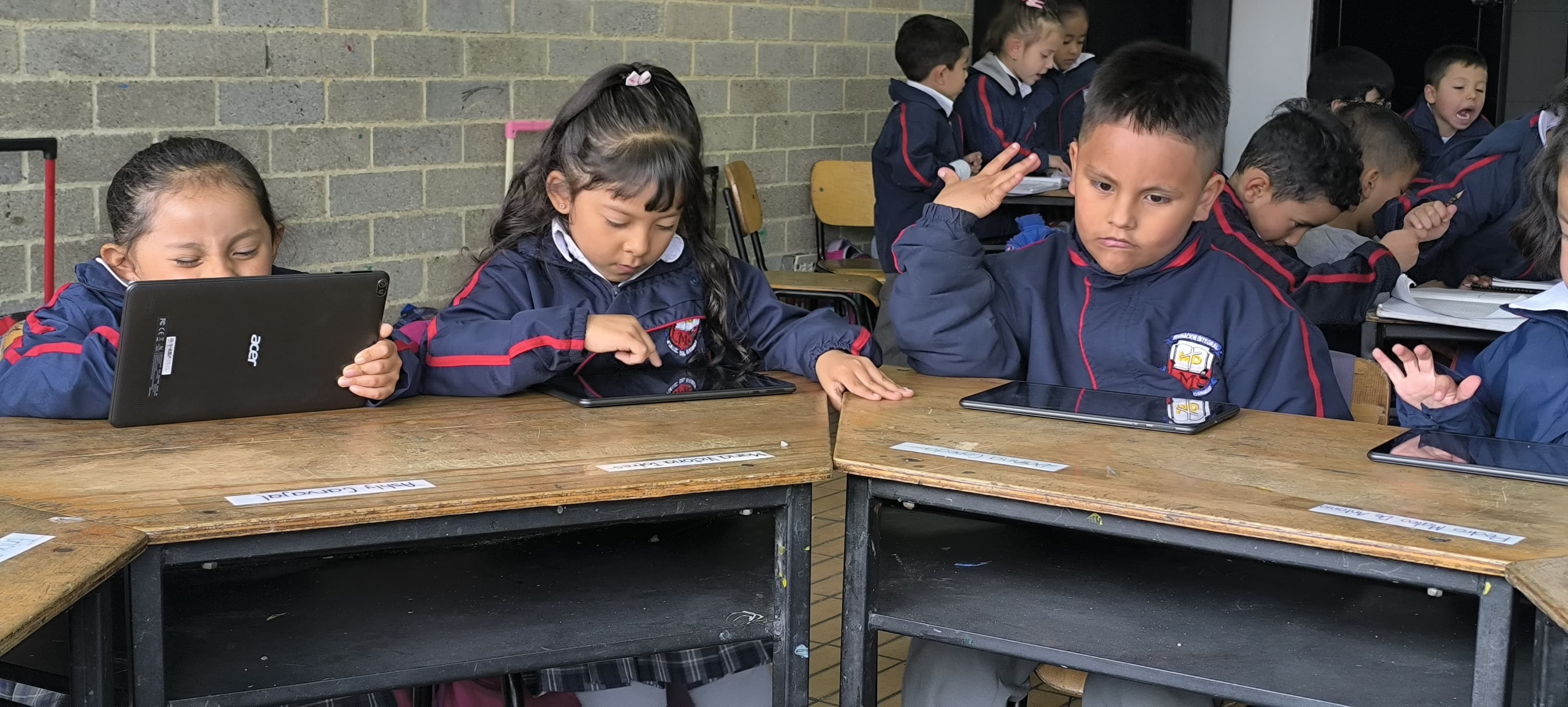
Aunque los docentes pueden hacer mucho para potenciar la memoria de trabajo en el aula, las herramientas adecuadas pueden amplificar ese impacto. Magrid es una de esas herramientas: una plataforma de aprendizaje inclusiva y basada en la investigación que integra el desarrollo de la memoria de trabajo directamente en sus actividades matemáticas.
Lo que hace que Magrid sea único es su capacidad para transformar las habilidades de memoria abstractas en experiencias atractivas y accesibles. Su diseño visual y sin lenguaje elimina las distracciones innecesarias, lo que permite a los niños centrarse por completo en la tarea que tienen entre manos. Muchas de sus más de 3.000 actividades están estructuradas para estimular la memoria de trabajo mediante retos breves y específicos cuya complejidad va aumentando progresivamente.
A continuación te ofrecemos algunos ejemplos de cómo Magrid entrena la memoria de trabajo:
- La actividad de colorear según el diagrama exige a los niños que observen un patrón de colores y luego lo reproduzcan en un espacio diferente, lo que les anima a retener la información visual en la memoria durante un breve instante antes de actuar en consecuencia.
- «Visual Color Memory» presenta una figura con secciones de colores que desaparecen antes de que los niños tengan que recordar y seleccionar la posición correcta.
- El juego «Color Fill Memory» aumenta la dificultad al exigir que se recuerden varios datos —posición, color y orden— en un breve lapso de tiempo.
- El juego «Memoria de ubicación de personajes» refuerza la memoria espacial al pedir a los niños que recuerden tanto lo que han visto como dónde aparecía.

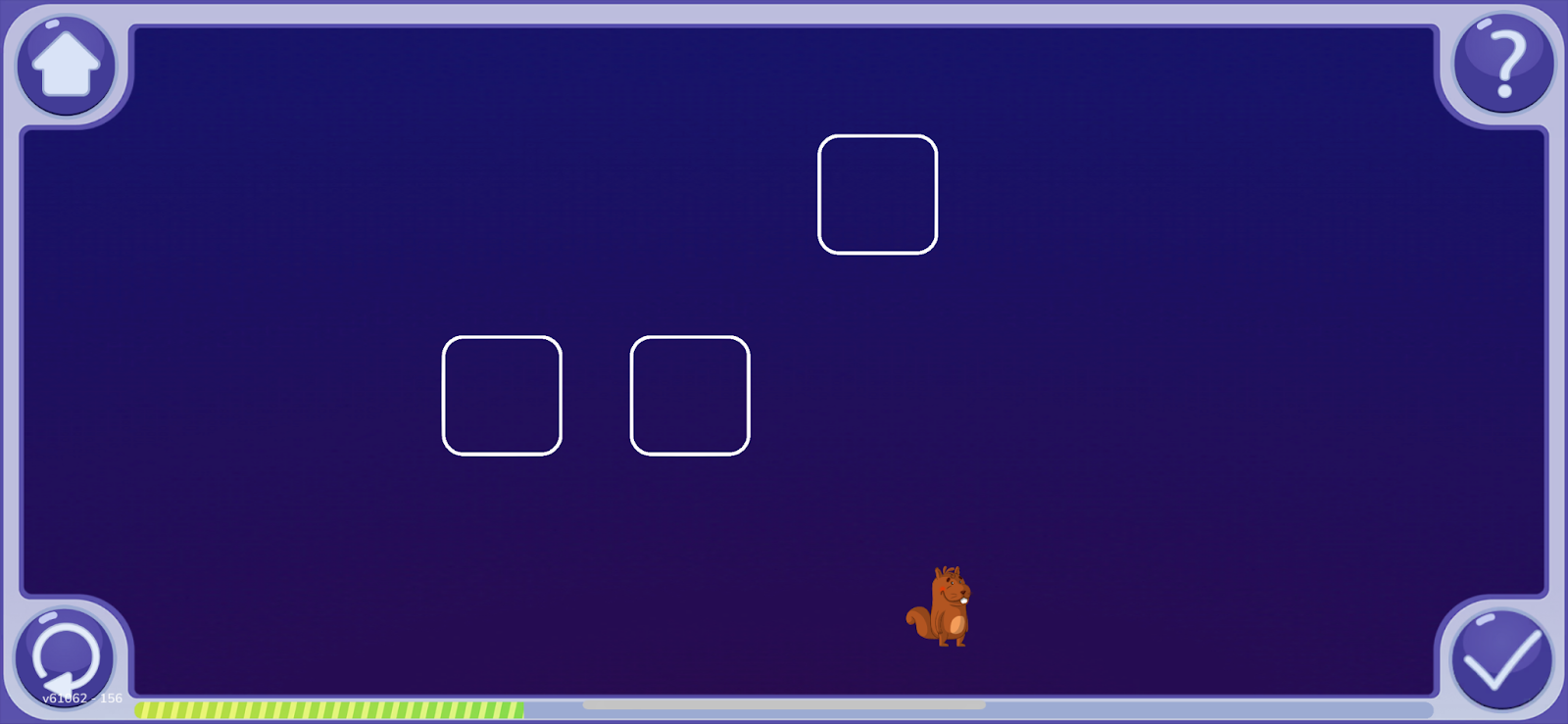
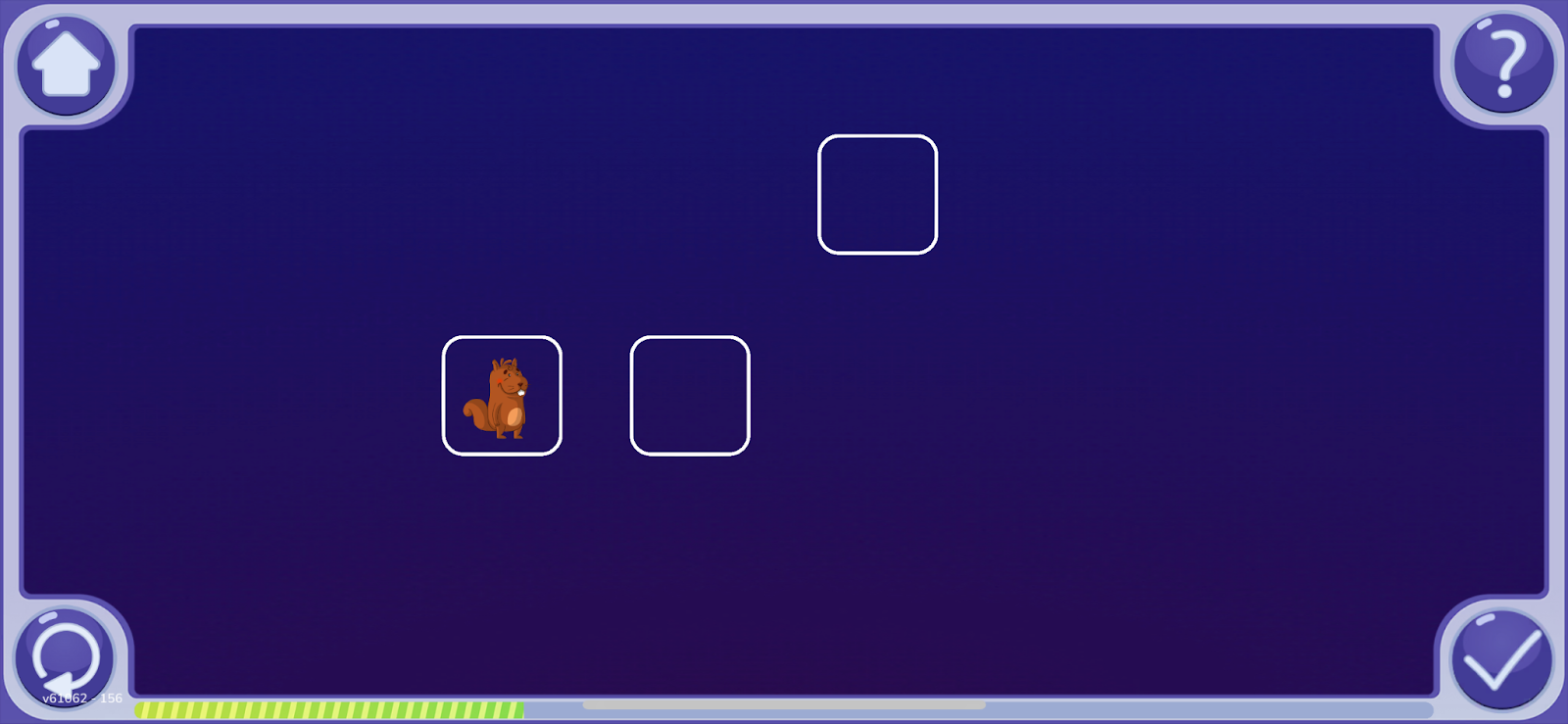
Estas actividades no son meros ejercicios de memoria, sino que son lúdicas, interactivas y adecuadas para cada etapa de desarrollo. Magrid combina las matemáticas y la memoria en una experiencia fluida, lo que refuerza tanto el desarrollo cognitivo como el académico. Su estructura, que permite a cada uno avanzar a su propio ritmo, está pensada para niños de entre 4 y 7 años y sigue siendo eficaz para alumnos con necesidades especiales hasta los 12 años.
Para los profesores, Magrid es fácil de integrar en las rutinas diarias. Y para los niños, ofrece una forma divertida y centrada de desarrollar habilidades cognitivas fundamentales que van mucho más allá de las matemáticas.
Utiliza el movimiento y los descansos para revitalizar la capacidad cognitiva
Los niños pequeños tienen una capacidad limitada de memoria de trabajo y se cansan mentalmente con rapidez. Para mantener la atención y favorecer la retención de la memoria, necesitan oportunidades para recargar pilas. Ahí es donde entran en juego los descansos cognitivos y el movimiento.
Las pausas breves y deliberadas entre tareas dan tiempo al cerebro para procesar la información y descansar. Un descanso de cinco minutos para moverse tras una actividad que requiera concentración puede ayudar a los niños a retomar la actividad con una atención renovada. Esto no tiene por qué alterar el ritmo de la jornada: se pueden incorporar directamente al ritmo de la clase estiramientos rápidos, bailes en los que hay que quedarse quietos o ejercicios de respiración consciente.
El propio aprendizaje basado en el movimiento también puede reforzar la memoria. Actividades como saltar a puntos numerados en el suelo o utilizar gestos con las manos para recordar las secuencias de un cuento combinan la memoria cinestésica con señales visuales y auditivas. Estas experiencias multisensoriales proporcionan múltiples puntos de acceso para la memorización y una mayor implicación.
En lugar de obligar a los niños a realizar largas sesiones de trabajo concentrado, alternar el esfuerzo con el descanso respeta las necesidades de desarrollo de los más pequeños y ayuda a preservar la memoria de trabajo para cuando más se necesita.
Fomentar el aprendizaje práctico: aprendizaje táctil e interactivo
Los niños aprenden mejor cuando participan activamente en su propio proceso de descubrimiento. Esto es especialmente cierto en el desarrollo de la memoria de trabajo, que se potencia con experiencias prácticas e interactivas.
Cuando los niños manipulan materiales físicos —como clasificar objetos, crear patrones o resolver rompecabezas—, no solo están aprendiendo sobre formas o números. También están fortaleciendo los sistemas cognitivos que les ayudan a retener y utilizar la información en tiempo real. Por ejemplo, ordenar bloques de colores para reproducir un modelo requiere tener ese modelo en mente, llevar la cuenta de lo que ya se ha colocado y decidir qué viene a continuación.
El aprendizaje interactivo también fomenta la participación. Los niños tienden a mantenerse más concentrados y a completar las tareas cuando pueden tocar, mover y explorar. Esta motivación natural favorece la memoria, ya que mantiene la atención y crea asociaciones significativas con la experiencia de aprendizaje.
Ya sea mediante cajas sensoriales, juegos de contar o estaciones de construcción, ofrecer a los niños oportunidades para aprender haciendo es una de las formas más eficaces de desarrollar la memoria y profundizar en la comprensión.
Hacer de la memoria de trabajo un tema central en el día a día del aula
La memoria de trabajo no es solo una habilidad cognitiva, sino un elemento fundamental para el éxito del aprendizaje en la primera infancia. Cuando los niños son capaces de retener y utilizar la información de forma eficaz, están mejor preparados para seguir instrucciones, resolver problemas e interactuar de forma significativa con los contenidos académicos.
La buena noticia es que potenciar la memoria de trabajo no requiere una revisión a fondo del plan de estudios. Todo empieza por tomar decisiones deliberadas: utilizar elementos visuales, estructurar las tareas en partes más manejables, incorporar la repetición y el movimiento, y ofrecer a los niños oportunidades para aprender a través de la acción. Estas estrategias no solo mejoran la memoria, sino que también potencian la concentración, la independencia y la confianza.
Al integrar estas prácticas en las rutinas diarias del aula, los educadores pueden garantizar que el desarrollo de la memoria de trabajo no sea un elemento secundario, sino una parte natural y esencial de la educación infantil.
Crea unas bases de aprendizaje más sólidas con Magrid
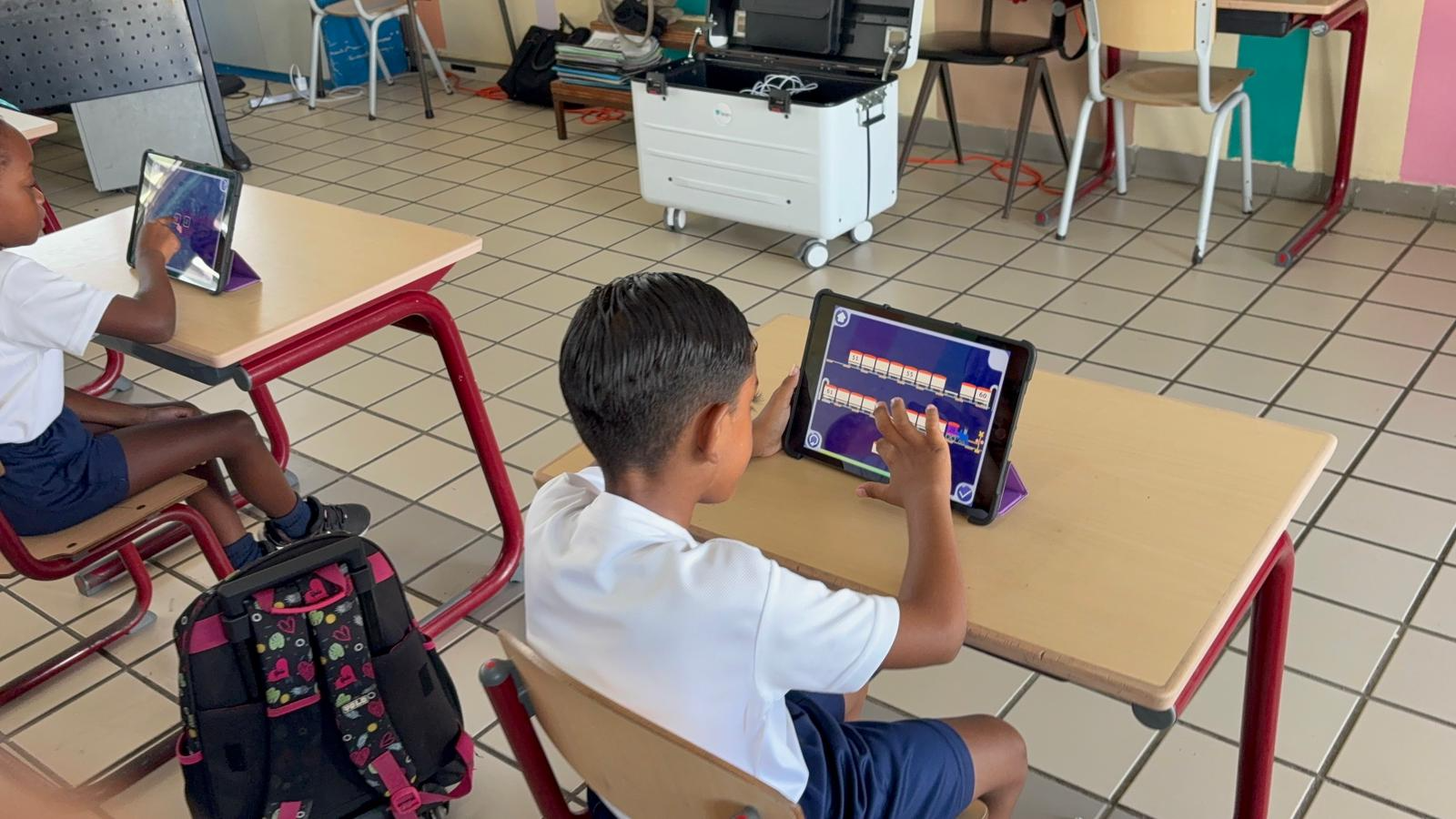
Si buscas una forma eficaz de potenciar la memoria de trabajo al tiempo que enseñas las competencias académicas básicas, Magrid ofrece una solución práctica y respaldada por la investigación. Diseñado específicamente para los más pequeños, Magrid convierte cada interacción en una oportunidad para desarrollar la memoria, a través de tareas visuales, retos interactivos y actividades adaptadas a su nivel de desarrollo.
Tanto si eres un profesor que busca herramientas para apoyar a todos los alumnos como si eres un padre o una madre que busca que el tiempo que sus hijos pasan frente a la pantalla en casa sea provechoso, Magrid ofrece un espacio tranquilo e inclusivo en el que los niños pueden reforzar sus bases cognitivas al tiempo que ganan confianza en las matemáticas.
Visita magrid.com para descubrir cómo Magrid puede convertirse en un socio de confianza en tu entorno de aprendizaje.
Recursos para seguir aprendiendo
- Working Memory and Learning: A Practical Guide for Teachers by Susan Gathercole & Tracy Alloway
- Centro de Harvard para el Desarrollo Infantil – Investigación sobre la función ejecutiva y el desarrollo cognitivo
- Magrid.com – Más información sobre el enfoque de Magrid respecto a las matemáticas y la memoria
What Causes Dyscalculia? Understanding the Root Problems

Dyscalculia is a math learning disability that affects a person’s ability to understand math concepts, recognize numbers, and perform calculations. Often referred to as math dyslexia, this condition impacts more than just math tests—it interferes with everyday life activities like reading phone numbers, managing time concepts, or estimating distances. As students struggle with basic math skills, their math anxiety and math failure may increase. Understanding what causes dyscalculia is essential for teachers, parents, and professionals to support children with dyscalculia through early identification and effective interventions. In this article, we’ll explore the underlying causes and highlight ways to improve math skills and learning math outcomes.
What Causes Dyscalculia? Exploring the Leading Theories
So, what causes dyscalculia? While no single factor explains all cases, research shows that dyscalculia often stems from a combination of genetic, neurological, and developmental influences. Developmental dyscalculia can arise early in life and may be linked to differences in brain development, particularly in the parietal lobe, which is involved in mathematical reasoning, number sense, and processing math facts. Environmental and biological factors—like fetal alcohol syndrome, low birth weight, or Turner’s syndrome—also play a role. In some cases, a brain injury may lead to acquired dyscalculia. Understanding these causes of dyscalculia helps explain why some children struggle with math problems, counting, and even grasping basic number concepts despite having strong abilities in other subjects.
The Role of Brain Development and Structure
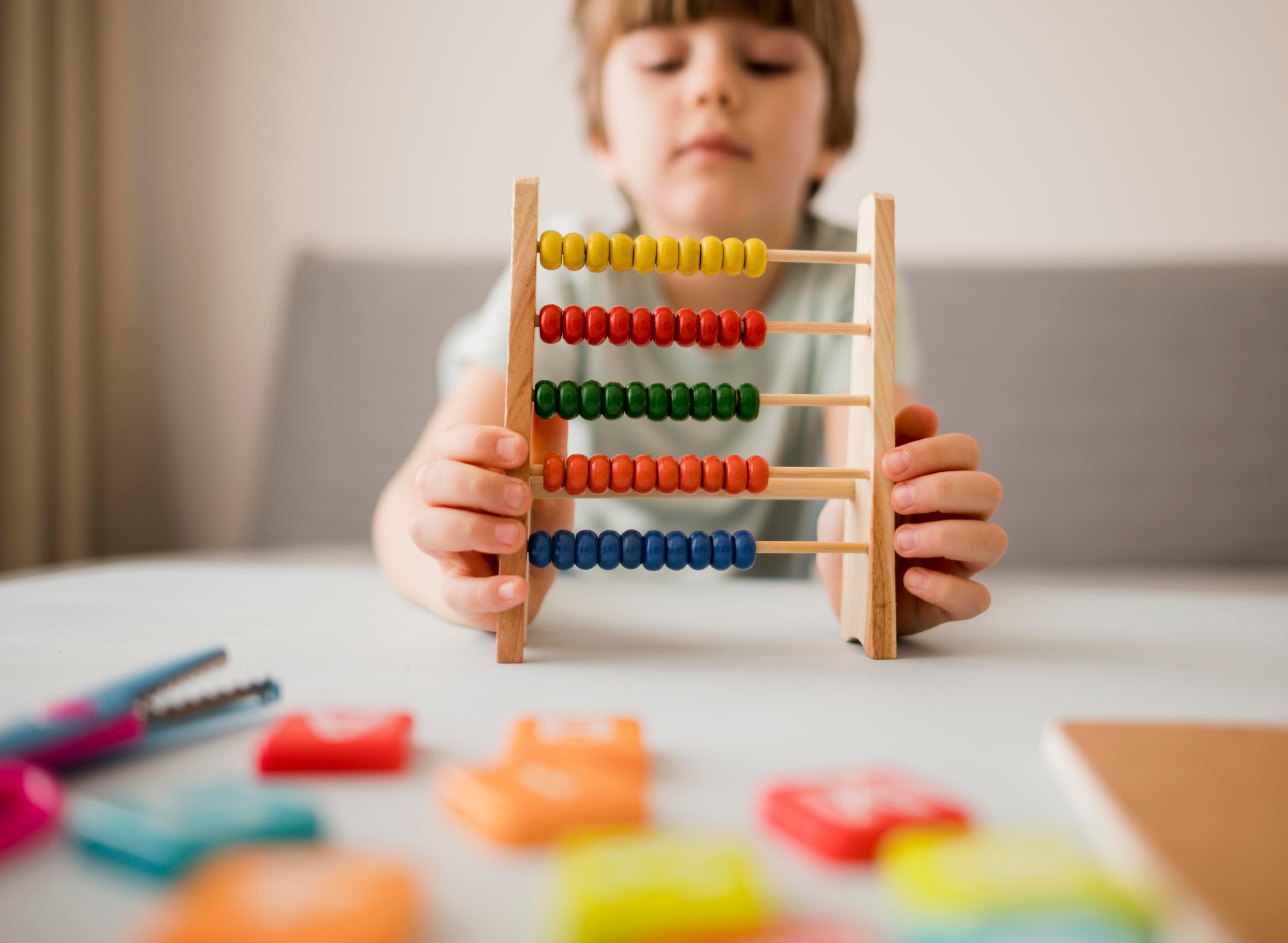
Brain development plays a critical role in how we understand and work with numbers. Studies link dyscalculia to structural and functional differences in the right parietal lobe, an area essential for processing number lines, place value, and two-digit comparisons. In addition to the parietal lobe, the frontal lobe is involved in working memory, helping us hold and manipulate numbers when solving problems or interpreting word problems. Differences in these brain regions can make it difficult for students to process math facts quickly or maintain focus, especially when filtering out irrelevant information. This neurological difference is central to understanding what causes dyscalculia and how it impacts a child’s ability to learn.
How Learning Disability Factors into Math Challenges
Dyscalculia is classified as a specific learning disorder, specifically a learning disability affecting numerical understanding. Unlike general academic struggles, this learning disorder primarily interferes with basic math, math concepts, and number sense, making tasks like keeping track of steps in math problems or recalling math rules more difficult. Many children with dyscalculia also have related conditions like dyslexia or ADHD, which can further complicate learning math. These overlapping conditions may reduce a child’s ability to connect symbols to quantities or perform calculations fluently. Recognizing dyscalculia as a true learning disability helps ensure appropriate support is provided in school and at home through targeted strategies.
Genetics and First Degree Family Members
Genetics can play a significant role in what causes dyscalculia. Research indicates that if first degree family members—like parents or siblings—have a learning disability such as dyslexia or dyscalculia, children are at a higher risk of developing similar difficulties. These inherited traits can affect brain development, including regions responsible for mathematical reasoning and visual memory. This may result in early struggles with basic number concepts, math facts, or the ability to understand place value, even before formal math instruction begins.
Developmental Dyscalculia vs. Acquired Dyscalculia
It’s important to distinguish between developmental dyscalculia and acquired dyscalculia. The former usually appears in childhood and can be related to early neurological or developmental differences, which may include genetics. Acquired dyscalculia, however, can develop later in life as a result of a brain injury affecting areas like the parietal lobe. Both types can lead to difficulty understanding math concepts, retaining math facts, or interpreting number lines. Recognizing the difference helps educators choose appropriate interventions tailored to the child’s ability and developmental stage.
Math Dyslexia and Visual Memory Difficulties
Often referred to as math dyslexia, dyscalculia involves more than just trouble with numbers. One key issue is poor visual memory, which affects the ability to recognize patterns, remember math facts, or track positions on number lines. Many students with dyscalculia struggle to differentiate symbols like + and × or to align two digits correctly in multi-step math problems. These challenges can lead to confusion when solving word problems or recalling basic math procedures. When visual memory and working memory are impaired, the process of learning math becomes far more difficult, increasing frustration and math anxiety.
Understanding the Signs of Dyscalculia in Children
Recognizing the signs of dyscalculia early can make a big difference. Children with dyscalculia may have difficulty with counting, memorizing math facts, understanding time concepts, or estimating quantities in everyday life. They often struggle with basic number concepts, such as what “more” or “less” means, and may avoid math tests due to fear of failure. Teachers may notice issues with sequencing steps or keeping track of operations. Identifying these signs allows for early identification, which is essential to improving a child’s ability and reducing long-term impacts on their math skills.
How Math Anxiety Impacts Learning Math

Math anxiety is a common emotional barrier that worsens difficulties for people with dyscalculia. When students feel anxious, their working memory becomes overloaded, making it harder to process math problems, understand place value, or retain math facts. This emotional stress may stem from repeated math failure, poor test experiences, or being compared to peers in school. Over time, math anxiety can lead to avoidance, reducing exposure to math concepts and hindering learning math altogether. Addressing emotional well-being is just as important as teaching math skills for long-term improvement.
Children with Dyscalculia in Everyday Life
The effects of dyscalculia stretch far beyond the classroom. In everyday life, children with dyscalculia may struggle with tasks involving phone numbers, telling time, measuring ingredients, or estimating change. These challenges arise from weak number sense, poor understanding of time concepts, and difficulty with mathematical reasoning. Without support, this can impact self-esteem and independence. Even recreational activities involving scoring or spatial judgment can be confusing. Recognizing that math is woven into daily routines helps parents and teachers provide more real-world support for children navigating learning disorders like dyscalculia.
Challenges with Math Skills and Number Sense
One of the most consistent issues for people with dyscalculia is weak number sense — the intuitive grasp of numbers and their relationships. This impacts basic math skills such as comparing quantities, estimating, and understanding place value. Students often struggle with math facts, counting, and making sense of two digits or decimals. As these core difficulties accumulate, learning math becomes more frustrating, especially when compared to progress in other subjects. Teachers need to focus on reinforcing basic number concepts to help students rebuild confidence and strengthen foundational math understanding.
Trouble in Math Tests and Other Subjects
Children with dyscalculia often perform poorly on math tests, especially those involving multi-step word problems, equations, or mental calculations. These challenges aren’t limited to math—subjects like science and geography, which also require mathematical reasoning, can be difficult too. The inability to process numbers, remember math facts, or interpret data can affect learning across the board. Different tests that measure conceptual understanding, rather than speed, may offer a fairer way to assess progress. Adapting assessment strategies supports students in demonstrating their skills without triggering math anxiety or confusion.
Key Takeaways: Understanding the Underlying Causes

Understanding what causes dyscalculia is crucial for educators, parents, and specialists seeking to support struggling learners. From genetic predispositions and brain development to environmental influences like low birth weight or fetal alcohol syndrome, multiple underlying causes contribute to this complex learning disability. Differences in the right parietal lobe, weak working memory, and impaired visual memory all interfere with a child’s ability to grasp math concepts and apply math skills in both school and everyday life. Awareness and early response are key. Through tailored support and inclusive strategies, we can make learning math easier for all students.
Helping Students: Support Dyscalculia with Magrid
At Magrid, we believe that every child deserves the tools to succeed—especially those facing learning disabilities like dyscalculia. Our visual, language-free learning platform is designed to strengthen math skills, build number sense, and support basic math understanding without adding pressure. Whether it’s improving math concepts, reinforcing working memory, or building confidence, Magrid offers a safe space for children with dyscalculia to thrive. With a research-based approach and accessible design, Magrid helps make learning math easier. Support your learners today with inclusive, effective tools tailored for real mathematics success.
Understanding the Symptoms of Dyscalculia

Dyscalculia is a math learning disability that affects a person’s ability to understand and work with numbers. Often referred to as math dyslexia, this specific learning disorder impacts math skills, such as mental math, counting, and basic calculations. It’s recognized as a learning disability in the Diagnostic and Statistical Manual of Mental Disorders and can significantly affect school age children and many adults. Though it varies in severity, dyscalculia is a lifelong condition that can disrupt mathematical reasoning, everyday problem solving, and tasks like recalling phone numbers or understanding math symbols. Early identification helps provide the right support for children to thrive.
Recognizing the Symptoms of Dyscalculia Early
Early recognition of the symptoms of dyscalculia can make a critical difference in how a child struggles with math. Common symptoms often emerge in math class, where a child may have trouble with basic math facts, word problems, or understanding math concepts like small quantities. These síntomas de la discalculia are not always obvious and may be mistaken for lack of effort or general learning difficulties. However, trained learning specialists can use diagnostic tests to distinguish dyscalculia from other learning differences. Spotting issues like poor number sense or trouble with mental math early gives parents and teachers a chance to intervene effectively.
Common Symptoms of Dyscalculia in Children
The common symptoms of dyscalculia can be observed across different aspects of a child’s life. Many children with dyscalculia struggle to learn math in ways typical of their peers. They may have difficulty with multiplication tables, recognize patterns, or even tell which of two numbers is larger—a challenge linked to poor non symbolic comparison skills. A child’s teacher might notice a student repeatedly making errors with the same math problem or failing to remember simple math facts. Physical symptoms like frustration, math anxiety, or test anxiety can emerge in mathematics settings. These learning difficulties often impact working memory, making it harder to complete mathematical tasks or retain steps in multi-step problems.
How a Learning Disability Affects Math Skills
When a learning disability such as dyscalculia is present, it can severely limit a student’s ability to build foundational math skills. Unlike typical learning disorders, dyscalculia specifically affects numerical understanding, problem solving, and basic math operations. Children may not grasp math concepts like place value, understanding numbers, or counting. They may confuse math symbols, or struggle with visual aids intended to clarify these ideas. According to the Child Mind Institute, these challenges may co-occur with related conditions like dyslexia or ADHD. Without targeted learning programs, the child’s individual’s ability to keep pace in math class and other subjects may decline.
Math Concepts That Confuse Children with Dyscalculia
Children with dyscalculia often find even basic math concepts confusing. They may not understand the relationship between numbers, struggle to recognize patterns, or misinterpret math symbols. Concepts like place value, measurement, and sequencing often seem abstract or disconnected, which makes learning difficulties more pronounced. This confusion is especially noticeable during mathematical tasks that require estimating small quantities, solving word problems, or engaging in mathematical reasoning. These difficulties are not due to lack of effort but are signs of a specific learning disability. Without support, these students may fall behind in math class, where most lessons build on previously taught concepts.
The Overlap Between Math Dyslexia and Dyscalculia
Though math dyslexia and dyscalculia are different, they often co-occur and can be confused. Both are specific learning disabilities, but they affect distinct areas of processing. Math dyslexia (also called dyslexia with math impact) is primarily linked to difficulty with reading numbers and math symbols, while dyscalculia affects mathematical reasoning, mental math, and number sense. Related conditions like ADHD can further complicate symptoms. Understanding the overlap between these learning disorders can help parents, teachers, and learning specialists tailor interventions that address the unique needs of each child struggling with math and other subjects.
How Dyscalculia Is Diagnosed Professionally
To have dyscalculia diagnosed, professionals use diagnostic tests and tools aligned with the Diagnostic and Statistical Manual—often referred to as the statistical manual in mental health fields. A psychologist or qualified learning specialist evaluates a child’s abilities in mathematical tasks, working memory, and basic calculations. Resources like the Child Mind Institute help guide families through this process. The goal is to determine if the learning difficulties are due to a specific learning disorder rather than lack of instruction or attention. In some cases, a child’s teacher may be the first to refer the student for testing after noticing repeated struggles with the same math problem or inability to learn math concepts.
Learning Disorders That Co-Occur with Dyscalculia

Dyscalculia frequently exists alongside other learning differences and learning disorders, such as dyslexia, ADHD, and language-based specific learning disabilities. These related conditions can make diagnosis and intervention more complex, as many children experience overlapping challenges in reading, writing, and mathematics. A learning disability in math can sometimes mask or be masked by issues in other subjects, so it’s essential to assess the full range of skills. Emotional responses such as math anxiety and test anxiety may also arise. A comprehensive approach involving diagnostic tests, learning specialists, and collaborative input from the child’s teacher is key to successful support.
What a Child’s Teacher Might Notice First
Often, a child’s teacher is the first to observe signs of dyscalculia in the classroom. Children may have trouble with basic math facts, solving word problems, or recalling how to approach the same math problem day after day. The child might avoid participating in math class, show visible frustration, or express feeling lost during mathematical tasks. Teachers may also note weak working memory, difficulty with counting, or inconsistent performance on basic calculations. These observations play a critical role in early identification and referral for diagnostic tests by learning specialists or school-based support teams.
Basic Calculations That Trigger Struggles
One of the clearest symptoms of dyscalculia is difficulty with basic calculations. Tasks like simple addition, subtraction, or recalling multiplication tables can overwhelm a child. They may confuse numbers, forget steps, or misplace digits—especially when under pressure. These struggles affect mental math, automatic recall of math facts, and the ability to solve even routine math problems. For school age children, failing to master basic math skills can create anxiety and a growing gap in academic performance. Identifying these persistent difficulties early is key to providing the right support and intervention.
Acquired Dyscalculia: When Symptoms Appear Later
Unlike developmental dyscalculia seen in children, acquired dyscalculia emerges after brain damage or injury, often due to stroke, trauma, or illness. It can affect many adults who previously had no difficulty with math skills or mathematical reasoning. Individuals may suddenly struggle with understanding numbers, performing basic calculations, or interpreting math symbols. This condition highlights the brain’s role in numerical processing. As with other learning disorders, proper diagnosis through mental health evaluation and diagnostic tests is crucial. While less common than developmental dyscalculia, acquired forms reveal how vulnerable a person’s ability to perform numerical tasks can be under cognitive stress.
Learning Programs That Can Support Dyscalculia
Specialized learning programs are essential for supporting children with dyscalculia. These programs often include visual aids, structured practice with math concepts, and strategies to build number sense and problem solving skills. Programs may also address emotional challenges, helping reduce math anxiety and test anxiety that often accompany the dyscalculia struggle. Intervention plans developed by learning specialists and supported by a child’s teacher can target gaps in basic math understanding and strengthen the child’s overall individual’s ability to succeed. With the right support, many children can overcome daily challenges and gain confidence in mathematics.
What Common Dyscalculia Looks Like Day-to-Day
Common dyscalculia can show up in subtle ways during everyday life. A child might struggle to tell time, calculate change, or remember phone numbers. Even estimating small quantities—like how many steps to the door—can be confusing. These daily challenges reflect deeper issues with number sense, mathematical tasks, and working memory. Parents may notice their child feeling frustrated or even feel embarrassed when faced with basic math situations. Unlike temporary setbacks, these persistent struggles are symptoms of dyscalculia, not a lack of effort. Recognizing them helps families seek learning programs and the right support for their child’s unique needs.
Physical Symptoms Related to Math Anxiety
Alongside cognitive issues, children with dyscalculia often experience physical symptoms tied to math anxiety. These can include sweating, stomachaches, or headaches during math class or before tests. The stress of not being able to solve a math problem, recall math facts, or complete basic calculations may trigger a fight-or-flight response. These reactions aren’t merely emotional—they reflect how deeply the dyscalculia struggle affects a child’s mental health. Reducing anxiety through positive reinforcement and supportive environments can significantly ease the learning process.
Why Many Children Struggle Without the Right Support
Many children with learning difficulties go undiagnosed, especially when their symptoms are subtle. Without the right support, these students may fall further behind in math class and other subjects, developing low self-esteem and greater math anxiety. Because learning differences like dyscalculia aren’t always immediately obvious, it’s crucial for educators and parents to remain observant. A child who repeatedly avoids mathematical tasks or performs inconsistently with math concepts might be signaling a deeper issue. Early recognition, along with access to tailored learning programs, can dramatically change the learning trajectory.
Supporting Children with Dyscalculia

Understanding the symptoms of dyscalculia is the first step toward helping a child succeed. From difficulty recalling basic math facts to emotional distress during math class, these signs point to a deeper learning disability that affects both academic and personal development. Recognizing common dyscalculia early allows educators, learning specialists, and parents to provide meaningful interventions. Whether the challenge lies in mathematical reasoning, working memory, or everyday math skills, support makes a difference. With the right combination of diagnostic tests, emotional care, and adaptive learning programs, children with dyscalculia can thrive in mathematics and beyond.
Explore Magrid’s Math Learning Support
If your child struggles with math concepts, basic calculations, or shows common symptoms of a math learning disability, Magrid can help. Our research-based, screen-free learning programs use visual aids to strengthen number sense, build math skills, and reduce math anxiety. Designed for children with dyscalculia and other learning differences, Magrid offers a supportive path to confidence and success in mathematics. Discover how your child can thrive with the right support—explore Magrid’s tools and resources today.
Number Comparison with Magrid
[bt_bb_section layout=”boxed_1200″ lazy_load=”yes” show_video_on_mobile=”” bb_version=”5.6.9″][bt_bb_row][bt_bb_column order=”0,;,,;,,;,,;,,;,,;,” lazy_load=”yes” shape=”inherit” bb_version=”5.6.9″ width=”1/1″ width_xl=”1/1″ width_lg=”1/1″ width_md=”1/1″ width_sm=”1/1″ width_xs=”1/1″ align=”center,;,,;,,;,,;,,;,,;,” vertical_align=”top,;,,;,,;,,;,,;,,;,” background_image=”” inner_background_image=”” color_scheme=”” inner_color_scheme=”” background_color=”” inner_background_color=”” opacity=”” padding=”normal,;,,;,,;,,;,,;,,;,” shadow=”” responsive=”” publish_datetime=”” expiry_datetime=”” animation=”no_animation,;,,;,,;,,;,,;,,;,” el_id=”” el_class=”” el_style=””][bt_bb_separator bb_version=”5.6.9″ top_spacing=”normal,;,,;,,;,,;,,;,,;,” bottom_spacing=”normal,;,,;,,;,,;,,;,,;,” border_style=”none” border_width=”” responsive=”” publish_datetime=”” expiry_datetime=”” animation=”no_animation,;,,;,,;,,;,,;,,;,” el_id=”” el_class=”” el_style=””][/bt_bb_separator][bt_bb_image lazy_load=”yes” bb_version=”5.6.9″ image=”” size=”medium” image_height=”” shape=”square” align=”inherit,;,,;,,;,,;,,;,,;,” caption=”” url=”” target=”_self” hover_style=”simple” content_display=”always” content_background_color=”” content_background_opacity=”” content_align=”middle” responsive=”” publish_datetime=”” expiry_datetime=”” animation=”no_animation,;,,;,,;,,;,,;,,;,” el_id=”” el_class=”” el_style=””][/bt_bb_image][/bt_bb_column][/bt_bb_row][bt_bb_row row_width=”default” shape=”inherit” bb_version=”5.6.9″][bt_bb_column order=”0″ lazy_load=”yes” shape=”inherit” bb_version=”5.6.9″ width=”1/1″ width_xl=”1/1″ width_lg=”1/1″ width_md=”1/1″ width_sm=”1/1″ width_xs=”1/1″][bt_bb_separator bb_version=”5.6.9″ top_spacing=”extra_small,;,,;,,;,,;,,;,,;,” bottom_spacing=”small,;,,;,,;,,;,,;,,;,” border_style=”none” border_width=”” responsive=”” publish_datetime=”” expiry_datetime=”” animation=”no_animation,;,,;,,;,,;,,;,,;,” el_id=”” el_class=”” el_style=””][/bt_bb_separator][bt_bb_text bb_version=”5.6.9″ bt_bb_toggled=”false” ai_prompt_helper=”eyJrZXl3b3JkcyI6IiIsInRvbmUiOiIiLCJtb2RlIjoiZ2VuZXJhdGUiLCJsYW5ndWFnZSI6IiIsImxlbmd0aCI6IiJ9″]
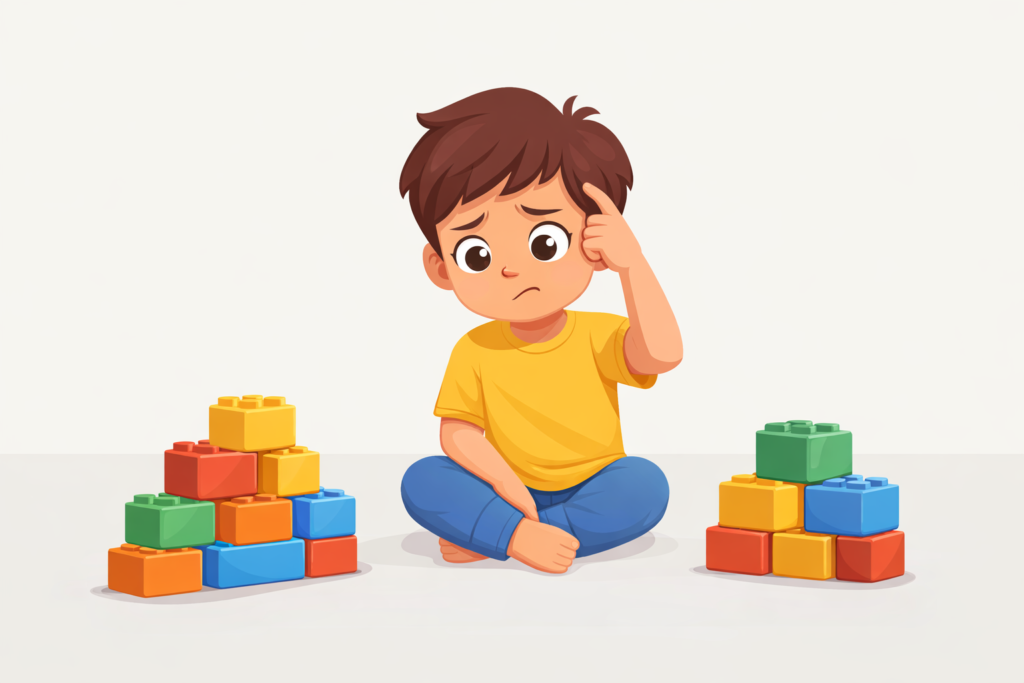
What Is Number Comparison?
Number comparison is the mathematical skill of examining two or more quantities or numerals to determine which is larger, smaller, or if they are equal. For example, recognizing that 8 is greater than 5, or that a group of 6 apples is smaller than a group of 9 apples.
This foundational skill helps learners make sense of number values, supports early number sense development, and prepares students for more advanced math concepts. Number comparison can involve comparing physical groups of objects, written numbers, or a combination of both, allowing learners to build understanding at multiple levels.
Why Number Comparison Matters in Early Learning
Understanding how numbers relate to one another, which comes first, which is bigger or smaller, is critical for mathematical thinking. It strengthens number sense, helps children see relationships between numerals, and builds confidence for future math concepts such as addition, subtraction, place value, and problem solving.
Number comparison also supports real-life decision making, like comparing quantities of objects, understanding amounts when sharing, or deciding which option gives “more.”

Foundational Skills Needed Before Comparing Numbers
Before learners can confidently compare numbers or quantities, several underlying skills need to be in place. These skills work together to support accurate and meaningful comparison:
- – Counting: Knowing the correct number sequence and being able to count objects reliably without skipping or repeating items.
- – Number Recognition: Identifying numerals and connecting them to the quantities they represent.
- – One-to-One Correspondence: Assigning one number word to one object when counting, ensuring accurate totals.
- – Subitising: Recognising small quantities instantly without needing to count each item.
- – Visual Discrimination: Noticing differences between groups, symbols, or quantities.
- – Understanding “More,” “Less,” and “Equal”: Grasping the concept of size difference and equality, both visually and numerically.
Gaps in any of these areas can make number comparison more challenging. Strengthening these foundations helps learners approach comparison tasks with greater confidence and success. Through De Magrid’s wide range of tasks and sub-competencies, these foundational skills are continuously developed and reinforced alongside number comparison, supporting learners in a connected and meaningful way.
Visual Example:
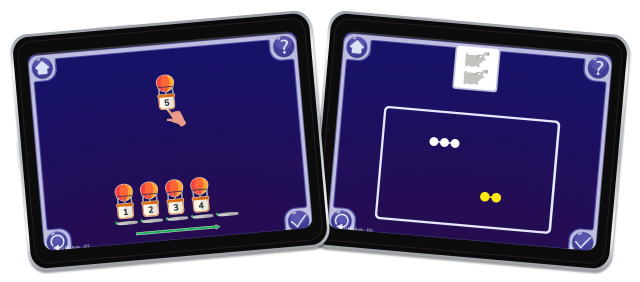
How Learners Develop Number Comparison Skills
Children typically develop number comparison skills through a gradual and predictable progression, moving from concrete experiences to more abstract thinking. Magrid’s progression of number comparison tasks is deliberately designed around this developmental approach, guiding learners step by step from visual and hands-on comparisons toward more symbolic and abstract reasoning as their confidence and understanding grow.
- Visual Comparison: Learners begin by noticing that one group looks bigger or smaller than another, often without counting.
- Counting to Compare: Children count each group and compare totals to decide which has more or less.
- Recognising Quantities and Numerals: With experience, learners rely less on counting every item and more on recognising known quantities or numbers.
- Symbolic Comparison: Learners begin to compare written numbers side-by-side, without visual representations to count.
As skills develop, learners become more flexible, choosing efficient strategies and moving smoothly between visual and symbolic representations.
The Role of Estimation in Number Comparison
Estimation plays an important role in number comparison, especially as quantities grow larger. Rather than counting every item, learners begin to make informed guesses about which group is larger or smaller based on visual cues and prior knowledge.
Estimation encourages flexible thinking, reduces cognitive load, and helps learners build confidence, particularly when exact counting would be time-consuming or overwhelming. Magrid tasks support estimation by allowing learners to compare visible groups and structured collections, promoting deeper number sense.
Understanding Equality and Balance
Comparing numbers isn’t only about identifying “more” or “less” — understanding equality is just as important. Equality means that two groups or numbers represent the same value, even if they look different.
Balancing tasks help learners develop this understanding by encouraging them to add or remove items until both sides match. These experiences strengthen one-to-one correspondence, promote careful observation, and support early algebraic thinking by showing that number representations can change while still remaining equal.
Engaging Number Comparison Activities (General)
Educators and families can support number comparison through a wide range of hands-on and meaningful activities:
- – Use Manipulatives or Toys: Compare groups of blocks, counters, or everyday objects.
- – Number Lines: Place numbers on a number line to see which is farther right (larger) or left (smaller).
- – Comparison Games: Simple card or dice games where players compare values.
- – Real-Life Comparisons: Compare snacks, collections, steps taken, or toys shared between people.
These activities help learners connect abstract ideas to real experiences.
How Magrid Supports Number Comparison
Magrid includes a collection of carefully designed tasks that build number comparison skills through visual supports, structured progression, and pressure-free interaction.
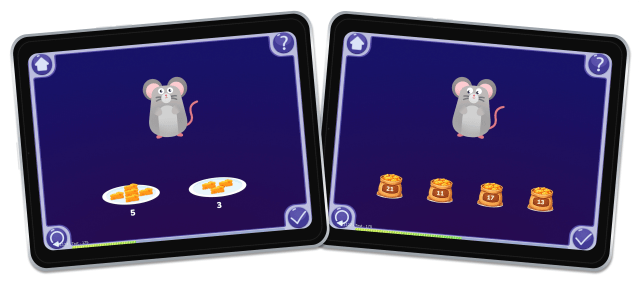
Selecciona el más grande
Learners choose the largest amount of cheese for a hungry mouse by comparing quantities and numbers. The task begins with two clear options and gradually increases in complexity by adding more choices and introducing hidden quantities. This supports estimation, number recognition, and flexible thinking.
Choose the Largest Group
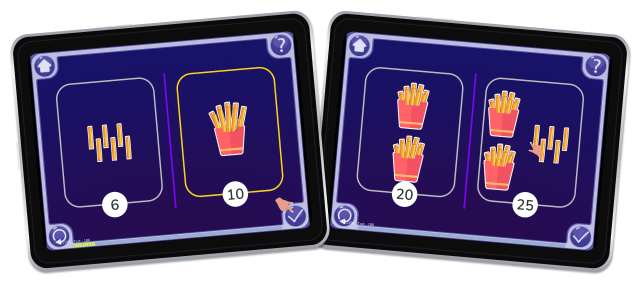
Children compare groups of items organised into tens and leftover pieces. This allows learners to succeed using counting, grouping by tens, or recognising numbers, while also building early place value understanding. Learners begin to see a group of ten as a single unit rather than counting each item individually.
Create Equal Groups
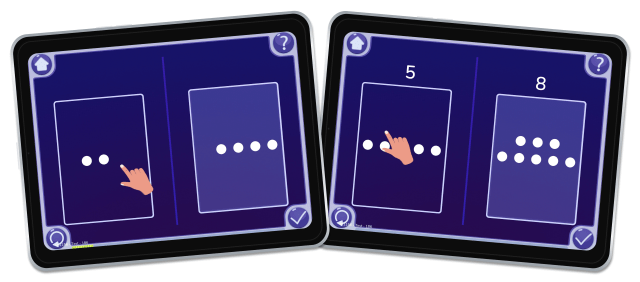
Learners add or remove dots to balance two groups on the screen. Early levels focus on visual balance, while later levels introduce numerals to support quicker estimation and problem solving. The open-ended design keeps the activity accessible and low-pressure, particularly for learners who benefit from exploration.
Progressions for Number Comparison Development
Magrid supports number comparison across a wide range of levels, allowing learners to progress at their own pace, developing the following skills:
- – Find the Larger Group (1–5), (1–10), (1–30)
- – Find the Larger Number (1–10), (1–20), (1–100)
- – Create Equal Groups (1–5), (1–10), (1–20)
Each progression builds confidence while reinforcing key concepts needed for the next stage.
Further Practice for Number Comparison
Children can strengthen the number comparison skills they develop with Magrid through a variety of activities at school or at home. Ongoing practice also supports the use of appropriate comparison language and symbols, helping learners understand terminology commonly used within their country or cultural context.
– Number Lines & Ordering Activities
Once learners can compare numbers, ordering them from smallest to largest (or vice versa) deepens understanding of number relationships. Ordering activities support later skills such as estimation, pattern recognition, and skip counting.
– Core Vocabulary for Number Comparison
Teaching meaningful language helps learners articulate comparison ideas:
Greater Than
- – big → bigger → biggest
- – large → larger → largest
- – many → more → most
Less Than
- – small → smaller → smallest
- – few → fewer → fewest
- – little → less → least
Equality
- – equal
- – same
- – balanced
Introducing visual supports, such as open-mouth comparison symbols, balance scales, or number lines, helps learners internalise these terms in a clear and memorable way. At home, everyday moments like meals, snack times, or games also provide valuable opportunities to talk about quantities, whether groups are equal, and who has more or less of something.
– Comparison Exercises Using Symbols
For learners who are ready to explore more advanced concepts, number comparison can be extended through the use of mathematical symbols. Pairing sets of objects or numerals and practising the correct use of comparison symbols (>, <, = ) encourages learners to move from concrete experiences toward abstract mathematical thinking. These activities support the transition to symbolic language while reinforcing accuracy, understanding, and confidence.
Common Challenges When Learning Number Comparison
Learners may experience difficulties when first learning to compare numbers, including:
- – Relying on visual size rather than quantity
- – Counting errors or skipped objects
- – Difficulty comparing close numbers
- – Confusion between comparison the numbers when quantities are hidden
Recognising these challenges allows educators to provide targeted support and appropriate scaffolding. Magrid tasks include built-in tutorials and step-by-step guidance, helping students work through these challenges and progress confidently without frustration or concern.

Strategies for Special Needs Learners
Students with special educational needs often benefit from explicit, supportive approaches to number comparison:
- – Visual Supports: Ten-frames, structured groups, and clear visuals reduce cognitive load.
- – Structured Scaffolding: Gradually increasing difficulty helps learners build confidence step by step.
- – Consistent Routines: Predictable task formats support memory and understanding.
- – Multi-Sensory Experiences: Combining visual, tactile, and auditory input increases engagement and retention.
- – Flexible Pathways: Allowing multiple ways to solve tasks supports diverse learning profiles.
Magrid’s design supports these strategies by offering clear visuals, repetition, and opportunities for success without time pressure.
Real-World Applications of Number Comparison
Number comparison skills extend far beyond the classroom:
- – Comparing quantities when shopping
- – Deciding who has more or fewer items
- – Sharing fairly between groups
- – Making choices based on size or amount
These real-life connections help learners see the purpose and value of mathematics.
Taking Number Comparison Beyond the Basics
As learners gain confidence, number comparison can be extended to include:
- – Comparisons with multi-digit numbers
- – Comparisons between many different groups or numbers
- – Comparing lengths, weights, or measurements
- – Games involving dice, cards, or estimation strategies
Conclusión
Number comparison is a cornerstone of early numeracy, underpinning learners’ ability to think mathematically and reason about quantities, values, and relationships between numbers. Through engaging activities, thoughtful scaffolding, and tools like Magrid’s number comparison tasks, students of all abilities, including those with special educational needs, can build confidence, strengthen their reasoning skills, deepen understanding, and enjoy exploring how numbers relate to one another.
[/bt_bb_text][/bt_bb_column][/bt_bb_row][/bt_bb_section]
Hand-Eye Coordination
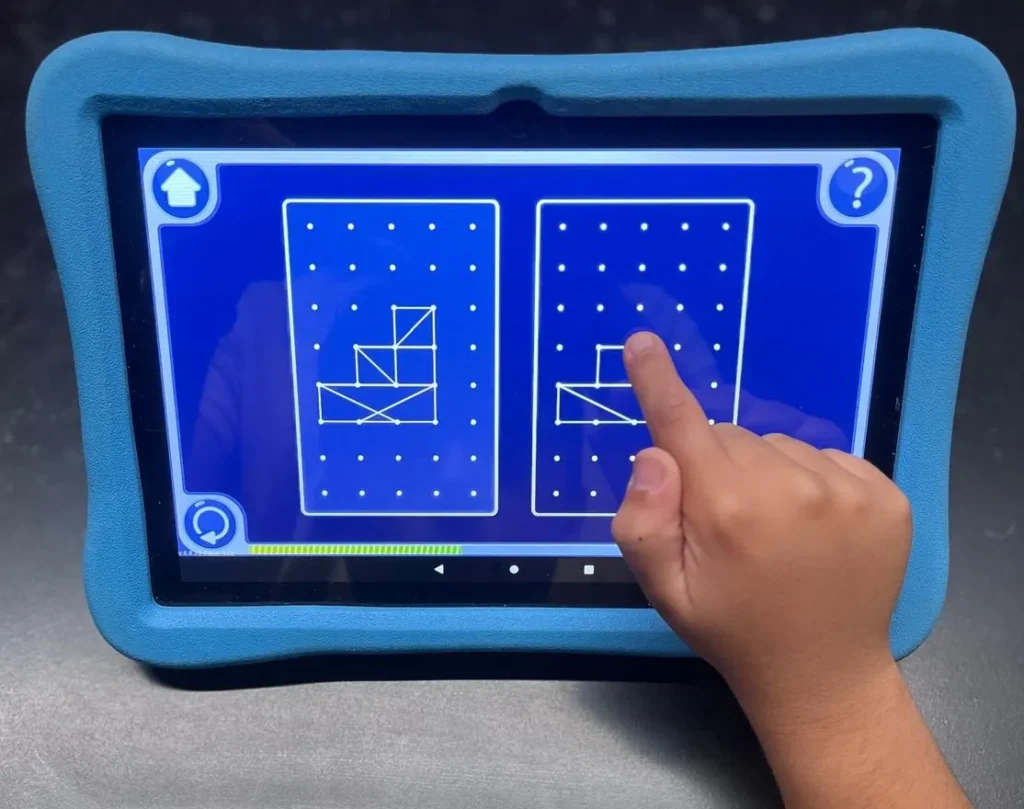
Developing Hand-Eye Coordination with Magrid Hand-eye coordination is a foundational skill that helps children translate what they see into purposeful movement with their hands. From catching a ball to tracing shapes, this coordination between visual input and motor control underlies many everyday tasks in school and life. In early childhood, hand-eye coordination develops through experience, […]
¿Cómo se diagnostica la discalculia en los niños?

Introducción: Cómo se diagnostica la discalculia
¿Cómo se diagnostica la discalculia y por qué es importante para el futuro escolar del niño? La discalculia es un trastorno específico del aprendizaje que afecta a la capacidad de una persona para comprender los números y los conceptos matemáticos básicos. Aunque muchos niños experimentan dificultades temporales con las matemáticas, la discalculia implica dificultades matemáticas persistentes que interfieren en el aprendizaje, en la capacidad para resolver problemas y en las tareas cotidianas relacionadas con las matemáticas.
En el aula, estas dificultades pueden manifestarse en problemas para aprender las operaciones matemáticas básicas, hacer los deberes de matemáticas o resolver problemas matemáticos con texto. En casa, al niño le puede costar contar el cambio, leer un reloj analógico o recordar números de teléfono. Dado que las habilidades matemáticas son fundamentales para las matemáticas y otras asignaturas, es esencial detectarlas a tiempo.
Los padres y los profesores suelen observar signos comunes, pero no tienen claro qué significan. ¿Se trata de ansiedad, falta de práctica, TDAH o una dificultad específica de aprendizaje? Comprender cómo se diagnostica la discalculia ayuda a las familias a determinar el proceso de evaluación adecuado y a conseguir el apoyo necesario.
Este artículo explica el proceso de diagnóstico paso a paso, aclara los signos de la discalculia en niños en edad escolar y describe cómo los profesionales determinan si las dificultades matemáticas de un niño se deben a una diferencia de aprendizaje o a una discapacidad de aprendizaje formal.
¿Qué es la discalculia como trastorno específico del aprendizaje?
La discalculia es una dificultad específica del aprendizaje que afecta a las matemáticas. Se clasifica formalmente como un trastorno específico del aprendizaje en el Manual Diagnóstico y Estadístico, el manual estadístico que utilizan los profesionales para diagnosticar los trastornos del aprendizaje. A diferencia de las dificultades ocasionales con las matemáticas, la discalculia refleja una dificultad persistente para comprender conceptos matemáticos básicos y desarrollar el sentido numérico.
La discalculia, a veces denominada “dislexia matemática”, es distinta de la dislexia, que afecta principalmente al lenguaje y a la lectura. Aunque ambas afecciones pueden implicar problemas de memoria de trabajo y dificultades de procesamiento, la discalculia afecta específicamente a las habilidades matemáticas, como contar, recordar operaciones matemáticas, realizar cálculos mentales y resolver sumas.
Un niño con discalculia puede tener dificultades para comprender las cantidades, comparar números o entender las relaciones matemáticas básicas. Esto afecta a la capacidad del niño para desarrollar conceptos más avanzados con el paso del tiempo. La dificultad no se debe a una inteligencia limitada ni a una enseñanza deficiente. Por el contrario, refleja una diferencia en la forma en que el cerebro procesa la información numérica.
Reconocer la discalculia como una discapacidad de aprendizaje legítima ayuda a las familias y a los educadores a responder con estrategias basadas en la evidencia, en lugar de dar por sentado que se trata de una falta de esfuerzo o de motivación.
Primeros signos de discalculia en niños en edad escolar
El síntomas de la discalculia A menudo aparecen en la primera infancia, pero se hacen más evidentes durante la jornada escolar en los niños en edad escolar. En la etapa de preescolar y en los primeros cursos de primaria, es posible que al niño le cueste contar con precisión, relacionar los números con las cantidades o comprender los números más allá de la simple memorización.
Muchos niños experimentan dificultades temporales cuando empiezan a aprender matemáticas básicas. Sin embargo, los problemas persistentes con el sentido numérico son uno de los indicadores más claros de la discalculia. Por ejemplo, es posible que un niño no comprenda que el número 8 representa una cantidad mayor que el 6, incluso tras haberlo practicado repetidamente. Es posible que siga dependiendo en gran medida de los dedos mucho después de que sus compañeros hayan memorizado las operaciones matemáticas básicas.
Otros signos tempranos son la dificultad para aprender las tablas de multiplicar, la confusión con problemas matemáticos sencillos y la dificultad para resolver problemas verbales adecuados para su edad. El niño también puede mostrar ansiedad ante las tareas de matemáticas o incluso evitar por completo hacer los deberes de esta asignatura.
Es importante señalar que muchos niños presentan dificultades ocasionales con las matemáticas. La diferencia clave radica en la constancia y la gravedad de dichas dificultades. Cuando las dificultades persisten a pesar de una enseñanza específica e interfieren en la capacidad del niño para comprender los conceptos matemáticos, puede ser necesario realizar una evaluación más exhaustiva.
Signos habituales y dificultades matemáticas que observan los profesores

En el aula, los profesores suelen ser los primeros en detectar los signos habituales de la discalculia. Es posible que a un alumno le cueste recordar operaciones matemáticas, realizar cálculos mentales o seguir tareas de resolución de problemas de varios pasos. Incluso tras repetirlo varias veces, las respuestas pueden parecer incoherentes o basadas en conjeturas más que en la comprensión.
Los profesores pueden observar dificultades con los problemas matemáticos con texto, sobre todo cuando hay que integrar el lenguaje y las matemáticas. Es posible que el niño entienda las palabras, pero no consiga relacionarlas con los conceptos matemáticos adecuados. Durante las actividades cronometradas, como la práctica de las tablas de multiplicar, el alumno puede mostrar signos evidentes de ansiedad o frustración.
Otras dificultades matemáticas incluyen problemas para leer un reloj analógico, recordar secuencias como números de teléfono u organizar los pasos de operaciones matemáticas básicas. En comparación con sus compañeros de la misma edad, la capacidad del niño para realizar tareas relacionadas con las matemáticas puede parecer significativamente retrasada.
Estos patrones suelen llamar la atención porque el niño obtiene buenos resultados en otras asignaturas. Cuando las dificultades en matemáticas son aisladas y persistentes, los profesores pueden recomendar que se le realicen pruebas al niño para determinar si padece un trastorno específico del aprendizaje, como la discalculia.
En qué se diferencian las dificultades matemáticas de los problemas habituales con las matemáticas
No todas las dificultades con las matemáticas indican discalculia. Muchos niños experimentan dificultades temporales con las matemáticas cuando se les presentan nuevos conceptos o problemas más complejos. Por ejemplo, a un niño le pueden resultar confusas las fracciones al principio o puede cometer errores al aprender las tablas de multiplicar. Con práctica y estrategias didácticas eficaces, estas dificultades suelen mejorar.
Por el contrario, un las dificultades relacionadas con la discalculia es persistente y resistente a la enseñanza convencional. El niño puede seguir teniendo dificultades para recordar operaciones matemáticas básicas, resolver un problema de suma o aplicar habilidades de resolución de problemas, incluso tras repetidos repaso. Estos patrones se mantienen constantes en distintos entornos y a lo largo del tiempo.
Otra diferencia radica en la capacidad del niño para generalizar lo aprendido. Un alumno sin dificultades de aprendizaje puede llegar a comprender los números y aplicarlos con flexibilidad. Un niño con discalculia suele presentar carencias en el sentido numérico que afectan a su rendimiento general en matemáticas y a las tareas relacionadas con esta materia.
Cuando los deberes de matemáticas se convierten en una fuente diaria de frustración y ansiedad, y el progreso sigue siendo limitado, esto puede indicar algo más que una variación normal en el desarrollo.
¿Cuándo se debe evaluar a un niño para detectar una dificultad de aprendizaje?
Decidir cuándo se debe evaluar a un niño para detectar una dificultad de aprendizaje puede resultar complicado. Una dificultad persistente para contar, realizar cálculos mentales o comprender conceptos matemáticos básicos, más allá de lo que cabe esperar para su edad, es un claro indicio. Si el niño sigue teniendo dificultades a pesar de recibir apoyo específico, una evaluación más exhaustiva puede ayudar a determinar la causa.
Los profesores suelen desempeñar un papel fundamental a la hora de detectar cuándo un niño tiene dificultades significativas en comparación con sus compañeros. Si las dificultades en matemáticas interfieren en la jornada escolar o afectan a la gestión del tiempo y a la realización de los deberes de matemáticas, puede recomendarse una derivación para que se le realice una evaluación. Los padres también pueden observar dificultades en tareas cotidianas, como leer un reloj analógico o recordar números de teléfono.
Es importante valorar si las dificultades se limitan a las matemáticas o si también se dan en otras áreas. Algunos niños presentan trastornos concomitantes, como el TDAH u otros trastornos del aprendizaje. Un enfoque integral ayuda a determinar si el patrón refleja una discapacidad específica del aprendizaje, como la discalculia.
El proceso de evaluación: cómo evalúan los profesionales las competencias matemáticas
El proceso de evaluación de los casos de posible discalculia es exhaustivo y estructurado. Por lo general, es un profesor o un padre quien solicita la evaluación cuando las dificultades del niño con las matemáticas persisten. A continuación, un psicólogo educativo u otro profesional cualificado lleva a cabo una evaluación formal para valorar las habilidades matemáticas del niño y su perfil de aprendizaje general.
Esta evaluación incluye pruebas estandarizadas que miden el rendimiento en matemáticas, la precisión en operaciones matemáticas básicas y la fluidez en las operaciones aritméticas. Los profesionales también evalúan la memoria de trabajo, la atención y la capacidad del niño para comprender los números y los conceptos matemáticos fundamentales. Las observaciones informales realizadas durante las tareas de resolución de problemas aportan información adicional sobre las estrategias empleadas y los errores cometidos.
Es importante destacar que el proceso de evaluación analiza el rendimiento del niño en relación con las expectativas propias de su edad y las oportunidades educativas de las que dispone. El objetivo es determinar si las dificultades en matemáticas se deben a un trastorno específico del aprendizaje y no a deficiencias en la enseñanza.
También se revisa la información de antecedentes, incluyendo el historial de desarrollo, los informes escolares y los comentarios del profesor. Esta perspectiva amplia ayuda a identificar patrones en las tareas relacionadas con las matemáticas y garantiza que la evaluación refleje el alcance completo de los puntos fuertes y las necesidades del niño antes de realizar un diagnóstico formal.
Cómo se diagnostica la discalculia, paso a paso
¿Cómo se diagnostica la discalculia de forma clara y sistemática? El diagnóstico suele seguir varios pasos, guiados por los criterios establecidos en el manual estadístico que se utiliza para identificar los trastornos del aprendizaje.
En primer lugar, se documentan las preocupaciones. Los profesores y los padres describen las dificultades del niño en matemáticas, aportando ejemplos como errores recurrentes en operaciones matemáticas básicas, dificultad para resolver problemas verbales o un sentido numérico limitado. Si estas dificultades persisten a pesar de las intervenciones específicas, se recomienda realizar una evaluación formal.
En segundo lugar, se evalúa al niño mediante pruebas estandarizadas y tareas estructuradas. Estas pruebas miden el rendimiento en matemáticas, la precisión en las operaciones matemáticas básicas y la eficiencia en el cálculo mental. Los profesionales analizan la capacidad del niño para realizar tareas relacionadas con las matemáticas en comparación con sus compañeros de la misma edad.
En tercer lugar, el evaluador analiza si las dificultades interfieren de manera significativa en el rendimiento académico o en las actividades cotidianas. Para diagnosticar un trastorno específico del aprendizaje, las dificultades deben ser persistentes y no poder explicarse mejor por una discapacidad intelectual, la falta de enseñanza u otros factores.
Por último, el profesional integra los resultados de las pruebas, las observaciones y el historial de desarrollo para determinar si se diagnostica discalculia. Este enfoque minucioso garantiza que el diagnóstico refleje una verdadera diferencia de aprendizaje y sienta las bases para aplicar estrategias educativas y un apoyo adecuados.
Pruebas utilizadas para diagnosticar la discalculia en niños
Para diagnosticar la discalculia con precisión, los profesionales recurren a una combinación de pruebas estandarizadas y herramientas de evaluación específicas. Estas pruebas están diseñadas para evaluar diferentes aspectos de las matemáticas, como la precisión en los cálculos, la fluidez en las operaciones matemáticas básicas y la comprensión de los conceptos matemáticos.
Es posible que se pida al niño que resuelva un problema de suma, que realice ejercicios cronometrados sobre operaciones matemáticas básicas o que resuelva problemas matemáticos con texto que evalúen su capacidad de razonamiento y de resolución de problemas. Los evaluadores también observan cómo aborda el niño los problemas con texto, si es capaz de explicar sus respuestas y con qué eficacia aplica las estrategias aprendidas.
Además de las pruebas de rendimiento, a menudo se incluyen medidas cognitivas. Estas pueden evaluar la memoria de trabajo, la velocidad de procesamiento y la atención, aspectos que pueden influir en el rendimiento en matemáticas. Observar cómo el niño comprende los números y aplica el sentido numérico en tareas estructuradas e informales aporta información adicional.
El objetivo de estas pruebas no es solo identificar puntos débiles, sino también detectar patrones. La dificultad constante en las tareas relacionadas con las matemáticas ayuda a los profesionales a determinar si el diagnóstico de discalculia es la explicación más acertada para las dificultades persistentes del niño en esta materia.
El papel del rendimiento de los niños en edad escolar en distintos entornos
A la hora de evaluar a los niños en edad escolar, los profesionales tienen en cuenta su rendimiento en distintos entornos. El rendimiento de un niño durante la jornada escolar puede diferir del que muestra en casa, por lo que es fundamental contar con la información tanto de los profesores como de los padres.
Los profesores pueden señalar dificultades para resolver problemas matemáticos de forma autónoma, un progreso lento en el aprendizaje de las tablas de multiplicar o una confusión persistente con conceptos matemáticos a pesar de haber recibido enseñanza repetida. En casa, los padres pueden observar dificultades para contar dinero, leer un reloj analógico o recordar números de teléfono. Estos retos cotidianos reflejan debilidades subyacentes en el sentido numérico y en las habilidades matemáticas básicas.
Comparar el rendimiento en distintos entornos ayuda a determinar si las dificultades en matemáticas son constantes. Si un niño obtiene resultados igualmente bajos en diferentes contextos, esto refuerza la hipótesis de que se trata de una dificultad de aprendizaje, en lugar de factores situacionales como la ansiedad durante los exámenes.
Analizar los patrones que se observan en el colegio, en los deberes y en las rutinas diarias permite hacerse una idea más clara de la capacidad general del niño para comprender y aplicar las habilidades matemáticas.

Cómo puede variar el diagnóstico de la discalculia en niños mayores
Cuando se diagnostica discalculia en niños de más edad, los síntomas suelen cambiar. En lugar de tener dificultades evidentes para contar, el alumno puede tener problemas con conceptos matemáticos más avanzados, como las fracciones, los decimales o los problemas matemáticos de varios pasos.
Los niños mayores con discalculia pueden evitar las asignaturas de matemáticas de nivel superior o mostrar una ansiedad considerable antes de los exámenes. El cálculo mental se vuelve cada vez más complicado, y las dificultades para resolver problemas pueden extenderse a tareas de la vida cotidiana que requieren planificación y gestión del tiempo. Por ejemplo, calcular a ojo los costes o el tiempo transcurrido puede resultarles abrumador.
Dado que las expectativas aumentan con la edad, la brecha entre el alumno y sus compañeros puede ampliarse. Los profesores pueden observar que el rendimiento de la persona en otras asignaturas sigue siendo bueno, lo que pone de manifiesto que la dificultad se limita específicamente a las matemáticas.
En esta fase, aún se puede establecer un diagnóstico formal si se cumplen los criterios de un trastorno específico del aprendizaje. Detección de la discalculia en los niños mayores permite a los educadores adaptar sus estrategias y ofrecer un apoyo específico.
Cómo diferenciar la discalculia de otros trastornos del aprendizaje
Diferenciar la discalculia de otros trastornos del aprendizaje es una parte importante del proceso de evaluación. Aunque a veces se denomina a la discalculia «dislexia matemática», se distingue de la dislexia, que afecta principalmente a la lectura y al procesamiento del lenguaje. Un niño puede padecer uno de estos trastornos o ambos, pero cada uno de ellos requiere una evaluación independiente.
Los problemas de atención, como el TDAH, también pueden afectar al rendimiento en matemáticas. En estos casos, los errores pueden deberse a la falta de atención, más que a una dificultad fundamental con el sentido numérico o la comprensión de los conceptos matemáticos. Una evaluación minuciosa ayuda a determinar si el problema principal es una dificultad de aprendizaje en matemáticas o si se trata de dificultades relacionadas con la concentración y el funcionamiento ejecutivo.
Los profesionales analizan los resultados de las pruebas, las observaciones realizadas en el aula y el historial de desarrollo para precisar el diagnóstico. Este enfoque exhaustivo garantiza que las medidas de apoyo se adapten a las necesidades específicas del niño.
Una identificación precisa no solo ayuda a diagnosticar correctamente la discalculia, sino que también evita que se confunda una dificultad de aprendizaje con un trastorno más general o que no guarde relación con ella.
Tras el diagnóstico: ¿cómo se trata la discalculia?
Una vez que se ha establecido un diagnóstico formal, las familias suelen preguntar cómo se puede tratar la discalculia de forma eficaz en el colegio y en casa. Aunque la discalculia no desaparece, las investigaciones demuestran que una enseñanza específica y estructurada puede mejorar significativamente las habilidades matemáticas y reducir la ansiedad.
Las estrategias eficaces se centran en reforzar el sentido numérico y en reforzar la comprensión de los conceptos matemáticos básicos. La enseñanza explícita, la demostración paso a paso y la práctica guiada repetida ayudan a los niños a desarrollar representaciones mentales más precisas de los números. Las ayudas visuales, como las rectas numéricas, los materiales manipulativos y los modelos visuales, favorecen la capacidad del niño para comprender conceptos matemáticos abstractos.
La enseñanza suele consistir en desglosar los problemas matemáticos en pasos más pequeños y en enseñar directamente estrategias para resolverlos. Repasar las operaciones matemáticas básicas mediante enfoques multisensoriales puede mejorar la fluidez con el tiempo. Dado que la memoria de trabajo puede verse afectada, también puede ser útil reducir la carga cognitiva y proporcionar apoyo escrito.
Es importante destacar que las intervenciones deben ser individualizadas. Un psicólogo educativo o un especialista puede recomendar adaptaciones durante la jornada escolar, como tiempo adicional en los exámenes o formatos alternativos para demostrar los conocimientos. Con un apoyo constante, muchos niños ganan confianza y mejoran su rendimiento en las tareas relacionadas con las matemáticas.
Explicación clara de cómo se diagnostica la discalculia
Entender cómo Se diagnostica la discalculia permite a los padres y a los educadores intervenir de forma temprana y eficaz. La discalculia es un trastorno específico del aprendizaje que se caracteriza por dificultades matemáticas persistentes que van más allá de las dificultades típicas relacionadas con el desarrollo en esta materia. Mediante un proceso de evaluación estructurado, los profesionales evalúan las habilidades matemáticas, el sentido numérico, la memoria de trabajo y el rendimiento académico general.
El diagnóstico se basa en pruebas estandarizadas, observaciones y criterios claros descritos en el manual estadístico. También es necesario determinar que la capacidad del niño en matemáticas se sitúa significativamente por debajo de lo esperado para su edad y que esta dificultad interfiere en su aprendizaje.
La detección precoz permite a los centros educativos aplicar estrategias adecuadas y reducir el impacto emocional que supone el fracaso repetido. Con una evaluación y un apoyo adecuados, un niño con discalculia puede reforzar sus habilidades para resolver problemas, ganar confianza y comprender mejor los números. Unas respuestas claras permiten definir con mayor claridad los pasos a seguir.
Cómo ayuda Magrid a todos los niños con discalculia
Cuando las dificultades en matemáticas persisten, la detección precoz y el apoyo estructurado pueden marcar una diferencia significativa. Los centros educativos desempeñan un papel fundamental a la hora de identificar los indicios de discalculia y poner en marcha un proceso de evaluación minucioso. Al dotar a los profesores de estrategias basadas en la evidencia, los educadores pueden actuar de forma proactiva en lugar de esperar a que se produzcan repetidos fracasos.
Magrid Ayuda a los colegios a reforzar las habilidades matemáticas básicas mediante actividades basadas en la investigación, diseñadas para desarrollar el sentido numérico, consolidar los conceptos matemáticos básicos y mejorar la capacidad de resolución de problemas. Su enfoque estructurado ayuda a los niños con dificultades en matemáticas a desarrollar una comprensión más profunda sin aumentar su ansiedad.
En el caso de los niños en edad escolar a los que se les ha diagnosticado una dificultad de aprendizaje o que muestran signos comunes de dificultades persistentes, la práctica constante con tareas cuidadosamente secuenciadas puede mejorar su capacidad para comprender los números y aplicar los conceptos matemáticos de forma flexible. Intervenir a tiempo reduce las barreras a largo plazo.
Si tu centro educativo busca recursos eficaces para apoyar a los alumnos con discalculia o con dificultades de aprendizaje más generales, descubre cómo De Magrid’s Las herramientas basadas en la evidencia pueden complementar la enseñanza en el aula y fomentar que los alumnos adquieran confianza y destreza en matemáticas.

11 Activities for Kids with Autism

Choosing meaningful activities for kids with autism is a powerful way to support a child’s development across multiple domains. Research shows that structured activities can strengthen communication skills, language skills, motor skills, and cognitive skills in autistic children. Because the autism spectrum includes a wide range of profiles, children with autism often benefit from predictable routines and a safe and supportive environment that respects their sensory preferences.
Well-designed activities for children do more than fill time. They help kids learn how to practice social skills, develop problem solving skills, and build essential skills for daily life. When adults intentionally teach communication skills through play, children regulate emotions more effectively and engage in richer social interactions. By focusing on the child’s interests and offering sensory play, movement, and guided interaction in a fun way, caregivers create opportunities that are highly beneficial for long-term growth and confidence.
Understanding the Autism Spectrum and Autism Spectrum Disorder
The autism spectrum refers to a broad range of developmental differences that influence how individuals communicate, interact socially, and process sensory information. Autism spectrum disorder is characterized by differences in communication skills, social interactions, and patterns of behavior that may include repetitive behaviors or strong preferences for predictable routines. Many children with autism experience unique sensory processing abilities, which affect how they respond to sensory input such as sound, touch, or movement.
For some children with autism, sensory sensitivities can lead to sensory overload in busy environments. Others may seek additional sensory stimulation to feel regulated. These differences influence emotional regulation, self regulation, and the way children regulate attention and behavior. Understanding sensory processing and sensory integration helps adults provide appropriate responses and structured activities that support the child’s development. Recognizing individual strengths and challenges across the autism spectrum allows educators and families to design supportive experiences that nurture cognitive abilities, language development, and developing social skills.
How Activities for Kids with Autism Support Development
Intentional activities for kids with autism create opportunities to strengthen cognitive skills, social skills, and motor skills simultaneously. Evidence from early intervention research shows that structured activities in a supportive environment are highly beneficial for improving communication skills and developing problem solving skills. When children engage in guided play, they practice logical thinking, critical thinking, and perspective taking in meaningful contexts.
Activities for autistic learners can also encourage social interaction by teaching social cues and appropriate responses during shared tasks. Whether through cooperative games, storytelling, or movement-based play, children build problem solving abilities while practicing turn taking and flexibility. Aligning tasks with the child’s interests increases motivation and helps kids learn more effectively. Over time, consistent engagement in thoughtfully planned activities for children supports emotional regulation, strengthens essential skills, and promotes steady progress across multiple areas of development.
1. Sensory Play and Activities for Autistic Children
Sensory play is a cornerstone of effective activities for autistic learners. Sensory activities provide controlled sensory input that helps children regulate arousal levels and improve sensory processing abilities. Sensory bins filled with rice, beans, or water beads offer tactile activities that expose children to different textures in a safe and supportive environment. These sensory play activities support body awareness, hand eye coordination, and fine motor skills while encouraging exploration.
Because many autistic children experience sensory sensitivities, carefully designed sensory experiences can prevent sensory overload and promote sensory integration. Tools such as sensory bottles, textured materials, and calming sensory stimulation allow children regulate their responses gradually. When adults observe a child’s sensory preferences and adapt accordingly, sensory play becomes a fun way to build cognitive abilities and support emotional regulation as part of everyday activities for children with autism.
2. Building Fine Motor Skills Through Structured Play
Developing fine motor skills is essential for independence in tasks such as writing, buttoning clothes, and using utensils. Structured activities for kids with autism can be designed to develop fine motor skills in a gradual and engaging way. Sensory bins, threading beads, stacking blocks, and using child-safe scissors all strengthen small hand muscles while improving hand eye coordination.
These activities also support cognitive skills and problem solving skills as children sort, classify, and manipulate objects. Tactile activities that include different textures provide valuable sensory input while maintaining a supportive environment. When adults model strategies and offer encouragement, niños con autismo gain confidence and persistence. Over time, consistent practice helps improve motor skills and builds essential skills that positively influence academic readiness and everyday functioning.
3. Strengthening Motor Skills in Children with Autism
Gross motor skills play a central role in overall health, coordination, and confidence. Many autistic children benefit from movement-based activities that improve motor skills, balance, and body awareness. Obstacle courses, jumping games, and climbing structures provide structured activities that also encourage exploration and social interactions.
Swimming lessons are particularly highly beneficial for children with autism spectrum disorder. Water offers calming sensory stimulation while supporting muscle strength and coordination. Movement games that involve following directions also help teach communication skills and reinforce visual cues. By combining physical activity with clear guidance, adults support emotional regulation and self regulation. Regular practice of gross motor activities not only strengthens physical abilities but also enhances focus, resilience, and participation in daily routines.
4. Enhancing Communication Skills with Visual Supports
Supporting communication skills is a priority when planning activities for kids with autism. Many autistic children respond well to visual aids and visual cues that clarify expectations and reduce uncertainty. Picture schedules, labeled classroom materials, and gesture prompts are simple tools that improve communication skills and support language development.
Activities for children that involve matching images, sequencing events, or role play can teach communication skills in meaningful contexts. Social stories are especially effective for explaining social cues and guiding appropriate responses during social interactions. When adults consistently model language and encourage children to express choices, kids learn to initiate and maintain exchanges. Structured activities that integrate visual supports create a safe and supportive environment where improving communication skills becomes a natural part of daily routines.
5. Using Magrid to Strengthen Cognitive Skills
Magrid provides a structured and engaging way to support children with autism as they build cognitive skills and problem solving abilities. Its carefully designed learning approach encourages logical thinking, pattern recognition, and reasoning through interactive challenges that adapt to each child’s development. By presenting tasks in clear, structured steps supported by visual cues, Magrid helps children maintain focus and progress at their own pace.
For many autistic children, predictable routines and visually organized learning experiences are highly beneficial. Magrid aligns with these needs while encouraging children to develop problem solving skills and critical thinking in a fun way. Educators and families can integrate Magrid into daily learning routines to complement other activities for kids with autism while supporting attention, confidence, and overall cognitive development.
6. Using Board Games to Develop Problem Solving Skills

Board games are valuable activities for autistic learners because they combine structure with social engagement. Simple board games encourage turn taking, perspective taking, and developing social skills in a predictable format. Through play, children practice social cues and learn appropriate responses to both success and frustration.
In addition to strengthening social skills, board games help develop problem solving skills, logical thinking, and critical thinking. Children plan moves, anticipate outcomes, and adjust strategies, which enhances cognitive abilities. Adults can scaffold tasks to match the child’s development and encourage social interaction in a fun way. With consistent practice, board games become a supportive environment where children with autism build confidence while expanding both social and cognitive competencies.
7. Musical Instruments and Rhythm Activities for Children with Autism
Musical instruments can be powerful tools within activities for kids with autism. Rhythm-based experiences provide structured sensory input that supports self regulation and emotional regulation. Drums, xylophones, and simple percussion instruments offer predictable patterns that many autistic children enjoy, making participation less overwhelming.
Music sessions can also strengthen communication skills and language skills. Singing repetitive songs encourages language development, while call-and-response games promote social interactions and perspective taking. Group rhythm activities encourage social interaction in a supportive environment where children practice waiting, listening, and responding. Engaging with music allows children to express creativity while reinforcing cognitive skills such as memory and sequencing. When adapted to sensory preferences, music becomes a highly beneficial and motivating learning experience.
8. Bubble Play and Sensory Activities for Engagement
Bubble play is a simple yet effective addition to sensory activities. Blowing bubbles naturally promotes deep breathing, which supports emotional regulation and helps children regulate stress. Watching bubbles float provides gentle sensory stimulation, while popping them strengthens hand eye coordination and fine motor skills.
This sensory experience can also teach communication skills by prompting requests such as “more” or “again.” Adults can pause intentionally to encourage children to initiate interaction. Because bubble play is predictable and visually engaging, it reduces sensory overload while maintaining attention. As part of structured activities, it offers a fun way to combine sensory play, language development, and joyful social interactions.
9. Activities for Autistic Learners That Encourage Social Skills
Activities for autistic learners should intentionally target developing social skills. Structured role play, cooperative building tasks, and guided group games encourage children to practice social skills in realistic contexts. Adults can model social cues and coach appropriate responses, helping children understand how to navigate social interactions.
Small group activities for children provide opportunities to share materials, negotiate roles, and solve simple conflicts. These experiences strengthen problem solving abilities while encouraging perspective taking. Many autistic children benefit from predictable routines within social activities, which reduce anxiety and support self regulation. When aligned with the child’s interests, these experiences encourage exploration and increase motivation. Over time, consistent practice fosters confidence and meaningful peer connections.
10. Supporting Emotional Regulation and Self Regulation
Emotional regulation is closely connected to learning and participation. Supporting children with autism spectrum disorder involves teaching strategies that help children regulate their reactions to strong feelings. Breathing exercises and simple yoga poses are practical tools that promote self regulation and body awareness.
Creating calming corners with sensory bottles, soft lighting, and comforting materials provides controlled sensory input during moments of stress. These spaces offer a safe and supportive environment where children can recover from sensory overload. Adults play a key role by modeling calm behavior and guiding appropriate responses. When emotional regulation strategies are embedded in daily structured activities, children build resilience and essential skills that positively influence their child’s development and long-term well-being.
11. Cognitive Skills and Logical Thinking Activities for Children
Strengthening cognitive skills is an important goal of well-planned activities for children on the autism spectrum. Puzzles, matching tasks, sorting games, and construction toys encourage logical thinking and critical thinking in a structured format. These tasks also help develop problem solving skills as children analyze patterns, test solutions, and adjust strategies.
When adults scaffold challenges step by step, children build confidence while expanding their cognitive abilities. Integrating visual cues can clarify instructions and reduce frustration. Many autistic children respond positively to clear goals and predictable outcomes, which support emotional regulation. By connecting thinking tasks to the child’s interests, educators can develop problem solving skills in a motivating and meaningful way that strengthens both academic readiness and everyday decision making.
12. Outdoor Activities for Children to Explore Nature

Outdoor activities for children provide rich opportunities to explore nature while supporting sensory integration and physical development. Natural environments offer varied sensory experiences, including different textures, sounds, and movement patterns that enhance sensory processing. Walking on grass, climbing playground structures, or digging in soil strengthens gross motor skills and body awareness.
Time outdoors also encourages children to regulate attention and reduce stress. Activities such as simple scavenger hunts or cooperative ball games encourage social interaction in a less restrictive setting. For many autistic children, open spaces reduce sensory overload and promote calm engagement. With thoughtful supervision, outdoor play becomes a highly beneficial extension of structured activities.
Choosing Activities for Kids with Autism Based on a Child’s Interests
Selecting activities for kids with autism based on the child’s interests increases motivation and engagement. When tasks reflect what autistic children enjoy, participation becomes more natural and sustained. Whether a child prefers numbers, animals, music, or building materials, these preferences can be incorporated into structured activities that target communication skills, motor skills, or cognitive skills.
Interest-based planning also supports language development and improving communication skills because children are more likely to initiate conversation around familiar topics. Adults can embed goals such as practicing social skills or enhancing problem solving abilities within preferred themes. By observing and adapting to individual sensory preferences, caregivers create a supportive environment that respects the child’s development and maximizes meaningful learning opportunities.
Creating a Safe and Supportive Environment for Children with Autism
A safe and supportive environment is fundamental when implementing activities for kids with autism. Clear expectations, predictable routines, and consistent guidance reduce anxiety and promote participation. Visual aids and visual cues can clarify transitions, helping children move smoothly between structured activities.
Minimizing overwhelming noise or bright lights can prevent sensory overload and respect sensory sensitivities. Organized spaces with defined areas for learning, movement, and calming encourage independence and self regulation. Supporting children also involves recognizing signs of stress and offering appropriate responses before challenges escalate. When adults provide steady encouragement and adapt tasks to each child’s development, children with autism spectrum disorder are more likely to build essential skills and engage confidently in daily life.
Conclusion: Empowering Autistic Children Through Purposeful Activities
Thoughtfully selected activities for kids with autism can positively influence every dimension of a child’s development. From sensory play and board games to musical instruments and outdoor exploration, each experience offers opportunities to strengthen communication skills, social skills, motor skills, and cognitive skills. Structured activities grounded in research help develop fine motor skills, enhance problem solving skills, and support emotional regulation.
By aligning experiences with the child’s interests and sensory preferences, adults create a supportive environment where autistic children can thrive. Consistent guidance, visual supports, and predictable routines encourage social interactions and steady progress. When families and educators collaborate to provide meaningful, engaging opportunities, children with autism build confidence, resilience, and essential skills that support lifelong learning and well-being.
Discover Research-Based Activities for Kids with Autism with Magrid
Magrid offers research-informed activities for children designed to strengthen cognitive skills, logical thinking, and problem solving abilities in an engaging way. Our structured activities align with best practices for supporting children with autism spectrum disorder, helping educators and families foster essential skills within a supportive environment.
By integrating clear visual supports, purposeful challenges, and developmentally appropriate progression, Magrid encourages children to build confidence while improving communication skills and critical thinking. If you are looking for effective activities for kids with autism that complement sensory play, social development, and academic growth, explore how Magrid can support your educational approach and enrich each child’s development through meaningful learning experiences.

What Does Dyslexia Look Like in Children?

Introduction: What Does Dyslexia Look Like?
What does dyslexia look like in everyday classroom life? Dyslexia is a neurodevelopmental learning disorder that primarily affects reading skills, spelling, and writing, despite typical intelligence and access to instruction. According to the International Dyslexia Association, it is characterized by reading difficulties related to inaccurate or slow word recognition, poor spelling, and challenges in language processing.
Un niño con dislexia may struggle to connect letters to sounds, recognize familiar words automatically, or read with fluency. These reading problems are not caused by lack of effort or poor education. Instead, research shows differences in how the brain processes language. A person with dyslexia often has strong reasoning ability, creativity, and problem solving skills, even while experiencing difficulty learning to read.
Understanding the signs of dyslexia is the first step toward early identification, appropriate support, and long term success for students in school and beyond.
What Does Dyslexia Look Like in Preschool Years
What does dyslexia look like before a child begins formal reading instruction? In preschool, the signs are often linked to spoken language rather than printed words. A child may have trouble recognizing rhymes, remembering songs, or identifying beginning sounds in common words.
Some children struggle to learn letter names or confuse similar sounds. They may have difficulty learning new words or recalling familiar words quickly. For example, a child might mix up the sounds in simple words or struggle to clap syllables.
These early signs of dyslexia reflect challenges in phonological awareness, a foundational skill for later reading development. While many young children develop at their own pace, persistent difficulty learning sound letter connections compared to other children can signal risk. Early identification allows parents and educators to provide helpful, targeted instruction before reading problems intensify in school.
Signs of Dyslexia in Elementary School Students
In elementary school, the signs of dyslexia often become clearer as students are expected to read independently. A student may read slowly, with limited fluency, and struggle to decode unfamiliar words. Even after repeated practice, poor spelling and inconsistent writing may persist.
Some children reverse letters beyond the age when most other children have mastered them. However, occasional mistakes are common, and reversing letters alone does not mean dyslexia. The key difference is persistence and the overall pattern of reading difficulties.
Students with dyslexia may have trouble recognizing sight words automatically. Instead of instantly identifying common words, they must sound them out each time, which slows reading and affects comprehension and meaning. This can impact the student’s ability to keep up with classroom tasks in subjects like history or math, where reading is required to understand instructions.
Teachers and parents may notice that the child can speak thoughtfully about a topic but struggles to express the same ideas in writing. This gap between oral language and reading performance is one of the important signs educators monitor.
What Does Dyslexia Look Like in Adolescents
What does dyslexia look like as students grow older? In middle and high school, reading difficulties may continue, but the symptoms can appear differently. Adolescents with dyslexia often read accurately yet very slow, which affects fluency and efficiency during exams or assignments.
They may struggle with complex grammar, spelling, and organizing writing. Learning a foreign language can be particularly challenging due to underlying language processing differences. Students might avoid reading aloud or feel frustration when comparing themselves to peers.
Despite these struggles, intelligence and reasoning ability remain intact. Many adolescents develop strong coping strategies, such as relying on context to recognize words or asking for extra time to complete tasks. With appropriate support, including a reading specialist or tutor, and access to accommodations such as a quiet space, students can continue overcoming dyslexia and achieve academic success.
How a Dyslexic Person Processes Language
A person with dyslexia processes written language differently at the level of the brain. Research using neuroimaging shows that areas responsible for phonological awareness and rapid word recognition are activated less efficiently. This affects how letters are linked to sounds and how words are stored for automatic retrieval.
Language processing involves building a strong connection between sounds, letters, and meaning. When this system develops differently, students may have trouble decoding unfamiliar words or quickly recognizing familiar words. As a result, reading can feel effortful and slow, even after repeated instruction.
This difference does not reflect low intelligence or lack of motivation. In fact, many students with dyslexia demonstrate strong reasoning skills and creative thinking. The difficulty lies specifically in learning to read and spell efficiently. Understanding these brain based differences helps educators design explicit, structured instruction that strengthens foundational reading skills and supports long term academic success.
Visual Dyslexia: Myths and Research Findings
The term visual dyslexia is sometimes used to describe reading problems that appear related to visual confusion, such as reverse letters or skipping words. However, scientific evidence indicates that dyslexia is primarily a language based learning disorder rather than a visual impairment.
While some students may show visual attention difficulties, the core issue usually involves phonological processing and difficulty connecting letters to sounds. A comprehensive diagnostic assessment helps distinguish between true dyslexia and other factors that may affect reading.
Relying only on surface signs can delay appropriate services. For this reason, a formal evaluation conducted by trained professionals is essential. Accurate identification ensures that instruction targets the underlying language challenges rather than unrelated visual concerns.

Academic Impact: Reading, Writing, and Beyond
Dyslexia affects more than reading class. Because reading skills support most areas of education, ongoing reading difficulties can influence performance in writing, math, science, and history. For example, difficulty understanding word problems in math may stem from challenges in reading rather than numerical ability.
Students may produce written work with poor spelling, inconsistent grammar, or limited organization. Completing tasks can take longer, especially when fluency is slow. Without accommodations such as extra time, the student’s ability may not be accurately reflected in grades.
Over time, repeated struggles can lead to frustration and reduced confidence. Yet with structured literacy instruction and appropriate special education services, many learners make steady progress. Matching instruction to the student’s needs is key to improving outcomes across academic subjects.
Emotional Support for Students with Dyslexia
Emotional support plays a central role in helping students with dyslexia thrive. Persistent difficulty learning to read can affect a child’s sense of competence, especially when comparing themselves to other children in school. Feelings of frustration or embarrassment may emerge if struggles are misunderstood.
Parents, teachers, and families can make a meaningful difference by acknowledging effort and emphasizing strengths. Creating a safe classroom environment, offering a quiet space for demanding tasks, and celebrating progress are helpful strategies.
Open communication between home and school also strengthens support. When students understand that dyslexia reflects a difference in how their brain processes language, not a lack of intelligence, they are more likely to develop resilience and confidence while overcoming dyslexia.
When Is Dyslexia Diagnosed? From Screening to Formal Evaluation
Many families wonder when dyslexia is diagnosed and what the process involves. Early identification often begins when a teacher notices persistent reading problems that do not improve with regular instruction. Warning signs may prompt a referral within the school district for further review.
A diagnostic assessment typically examines phonological awareness, decoding, fluency, spelling, and overall language skills. Professionals compare the child’s performance to age expectations and consider the student’s ability in other areas. If concerns remain, a formal evaluation may be conducted to determine eligibility for special education services.
Parents play an important role throughout this process. They can request testing and share observations from home. The goal is not simply to assign a label, but to understand the specific learning profile so that targeted instruction and support can begin as early as possible, improving long term educational outcomes.
Evidence Based Instruction and Special Education Services
Once dyslexia is diagnosed, structured and explicit instruction becomes essential. Research supports systematic phonics instruction that directly teaches how letters represent sounds and how words are decoded. Skills must be taught clearly, practiced frequently, and reinforced over time.
A reading specialist or trained teacher may provide small group or individualized lessons. Some students qualify for special education services through their school district, while others work with a private tutor. Accommodations such as extra time, access to audiobooks, or completing tasks in a quiet space can reduce barriers.
Allowing students to progress at their own pace while maintaining high expectations supports both growth and confidence. With consistent, evidence based instruction, many learners show measurable improvement in reading fluency and spelling.
Overcoming Dyslexia: Long Term Strategies for Success
Overcoming dyslexia is a gradual process that requires persistence, effective instruction, and coordinated support from families and educators. While dyslexia does not disappear, students can build strong coping strategies and academic skills.
Explicit teaching of decoding, spelling patterns, and vocabulary strengthens reading ability over time. Practice recognizing new words and reviewing common words improves automaticity. Older students may benefit from learning organizational strategies for writing and studying subjects such as history.
Equally important is reinforcing a growth mindset. When children understand that their struggles reflect a difference in language processing rather than intelligence, they are more likely to persevere. With appropriate support, many personas con dislexia achieve academic and professional success.
Supporting Every Child with Dyslexia
Understanding what dyslexia looks like helps parents, teachers, and schools respond effectively. Dyslexia is a language based learning disorder that affects reading, spelling, and fluency, yet it does not limit intelligence or potential. Recognizing the signs of dyslexia early and ensuring timely evaluation can significantly improve a child’s educational journey.
Providing structured instruction, emotional support, and appropriate services allows students to build essential skills with confidence. Every child deserves the opportunity to develop strong foundations for learning.
Magrid’s Language Free Learning Program for Children with Dyslexia
To strengthen early number sense and the cognitive foundations that support overall academic development, schools can benefit from approaches that remove unnecessary barriers to learning. Magrid’s language free program helps students, especially those with dyslexia, engage with early mathematics and key cognitive skills in a way that feels accessible and confidence building. By presenting activities without written instructions or heavy language demands, Magrid allows children to focus on reasoning, patterns, quantities, and spatial thinking rather than struggling with reading.
A language free learning environment can significantly reduce the pressure and stress many learners experience when traditional instruction relies heavily on text. Instead of feeling overwhelmed or discouraged, students can approach mathematical thinking through visual and interactive problem solving. This makes learning more approachable and helps children stay motivated as they build their understanding.
The program introduces concepts through small, targeted steps that gradually develop essential core skills. This structured progression ensures students build strong foundations in early learning math while strengthening cognitive abilities such as memory, attention, and logical reasoning. By supporting learning in manageable stages, Magrid helps ensure that students who learn differently can keep pace with their peers and develop the confidence needed for long term academic success.