






Mathematical Development Across Early Childhood

Mathematical development during early childhood involves a dynamic interplay between domain-general and domain-specific cognitive skills, which evolve with age and learning complexity.
In an interview conducted on 12.11.2024 by Dr. Schmitt Pereira Anna for Magrid, two authors Dr. Ilse Coolen and Dr. Sixtine Omont-Lescieux, detailed and explained for us one of their recent studies, which was part of a project conducted under the supervision of Prof. André Knops*.This one explored how these skills contribute to mathematics abilities in children aged 3, 5, and 7 years, offering new insights into the age-specific predictors of mathematical success.
*Coolen, I. E. J. I., Omont- Lescieux, S., & Knops, A. (2023). Now You See It, Now You Don’t – Cognitive Skills and Their Contributions to Mathematics Across Early Development. Journal of Cognition, 6(1): 43, pp. 1–21. https://doi.org/10.5334/joc.309
Can you remind us what the objective of your study was?
The aim of this study was to investigate which skills contribute to children’s mathematics abilities and whether these are the same at every age during development.
A wide variety of domain-general and domain-specific cognitive skills* have been identified as predictors of success in mathematics. However, as the complexity of mathematics learning increases with age, and as the cognitive demands associated with this learning also increase, it can be assumed that predictors of mathematical success may vary with age. This study of children aged 3, 5, and 7 years aims to 1) identify the different skills contributing to mathematics abilities and 2) explore their dynamics during development.
*Some cognitive skills are called domain-general (e.g., spatial skills and inhibition) because they are involved in different types of learning, such as reading, writing, or mathematics. Other skills are called domain-specific because they are involved in a single type of learning. For instance, the ability to process or estimate quantities are skills involved only when learning mathematics.
What was lacking in the scientific literature before your study?
In the scientific literature, the various domain-general and domain-specific cognitive skills identified as predictors of mathematics were often studied separately. As a result, it was difficult to establish how these skills interacted individually in mathematical development. What’s more, the mathematics curriculum is specific to each stage of development and, therefore, to each age group, which is not always taken into account in previous studies, where mathematics abilities were generally measured using a standardised, global assessment.
This study, therefore, 1) tested the predictors hypothesised by age group based on the mathematics curriculum; and 2) explored the contribution of these domain-general and domain-specific cognitive skills in specific mathematics subcomponents.
What were your initial hypotheses and why?
The various hypotheses concerning predictors of success in mathematics are based on the French mathematics curriculum corresponding to the ages tested and on existing scientific literature.
In the first year of preschool (i.e., 3-4-year-olds), we expected to observe that visuospatial memory and the ability to compare non-symbolic quantities (e.g., comparing two sets of dots and deciding which one contains more dots) are predictors of mathematics ability. In other words, if 3-4-year-olds have good cognitive skills in visuospatial memory and quantity comparison, then we’ll observe that they’re good at mathematics.
Why is this? Activities in preschool classes involve 1) the use of visuo-spatial skills (e.g., constructions with 3D objects such as blocks or different shapes) and 2) the manipulation of quantities, with the learning of the notions “more than”, “less than”.
In the third and final year of preschool (i.e., 5-6-year-olds), we expected to observe that 1) visuospatial memory, spatial attention, and the ability to add non-symbolic quantities are strong predictors of mathematics ability.
Why is this? At the age of 5 years, we hypothesised that children would use spatial attention when counting or performing simple additions and subtractions by representing numbers (i.e., 1, 2, 3) on a mental number line with smaller numbers to the left of larger numbers. As they calculate, they move along this mental number line (Knops, Thirion, et al., 2009). They also use their visuospatial skills because when they count, they define the place of the number in the number sequence (e.g., 3 in 3rd place), and depending on their calculation strategies, they may use their fingers to help them count (Liu & Zhang, 2022). Furthermore, children begin to make simple additions from non-symbolic quantities (starting to learn additions with objects), meaning that we hypothesised that non-symbolic additions would become more important than non-symbolic comparisons.
Finally, depending on mathematical skills, inhibition may begin to have an impact. For example, when learning subtractions, children need to inhibit maladaptive strategies and automatic responses (e.g., seeing 2 and 3 together, create an automatic response of 5) used for additions in order to apply the correct strategies to solve subtractions (Bull & Scerif, 2001). Although, as subtractions are not usually learned until the end of preschool, inhibition might not play a role yet.
In the second year of primary school (i.e., 7-8-year-olds), we expected to observe that inhibition and non-symbolic addition skills are strong predictors of mathematics ability.
Why is this? At the age of 7 years, visuospatial skills, like spatial attention and spatial memory, tend to become less important as verbal memory (although not tested in this study) comes to play a more important role, particularly in the ability to retrieve arithmetic results (Coolen & Castronovo, 2023; De Smedt et al., 2009). Indeed, counting on fingers or counting up and down using a mental number line might become less frequent and are replaced by retrieving verbally-stored responses from memory. However, the role of inhibition increases with the increasing demand to adopt the right strategy for solving mathematical problems (e.g., adding instead of subtracting). Next, at this age, non-symbolic addition skills are hypothesised to be important in order to correctly manipulate the quantities used in symbolic arithmetic and obtain the correct expected result (Feigenson et al., 2013; Lourenco et al., 2012).
What were your study groups?
Typical children (without diagnosed disabilities) attending French-language public and private schools in Paris. Three different cohorts were tested: the youngest cohort was made up of children at the start of preschool, aged 3 to 4 years; the second cohort, aged 5 to 6 years, was in the third and final year of preschool; and children aged 7 to 8 years were in the second year of primary school. The parents came from relatively high socio-economic backgrounds, with an average of 2.75 on a scale of 4 in terms of parental education level (the scale being 1: primary education completed, 2: secondary education completed, 3: university education completed, 4: doctoral education completed), meaning that most households had at least one university degree.
What was your research methodology, and why did you choose this particular one?
The current study is based on the first data acquisition of a longitudinal design (assessing participants at several moments across time) in which we followed each child over a three-year period. In children aged 3, 5 and 7 years, we tested, on an individual basis in school, the various domain-general and domain-specific cognitive skills identified as predictors of mathematics, as well as their mathematical skills (different subtests of the TEDI-math, a standardised mathematics battery were used). Each child was tested over 2 or 3 sessions (depending on age) of 20 to 40 minutes each. To motivate the children, we designed a treasure map, and in order to reach the treasure and receive a small diploma, they had to complete all the short tests. At the end of each test, the child stuck a sticker on the treasure map over the image of the corresponding test.
What are your main results?
The overall aim of this study was to identify the contributions of domain-specific and domain-general cognitive skills and their interactions across mathematical development, taking into account mathematical activities carried out in the classroom at different ages: 3 years, 5 years and 7 years. In general, the skills of processing non-symbolic quantities (comparing quantities and adding quantities) appear to be important for mathematical development in all three age groups, with the exception of non-symbolic addition in the youngest cohort. Visuospatial skills seem most important at the age of 5 years, and no significant role was found for inhibition and spatial attention throughout mathematical development at all ages tested. A slightly more divergent view between age groups emerges when exploring the relations between cognitive skills and the different mathematics subtests taken separately.
Do they align with your research hypotheses? Are they consistent with the scientific literature or different?
In relation to our hypotheses, we found that they were over-optimistic with regard to the age ranges studied. However, the relations expected for a given age group seemed to be realised more in the age group above it (e.g., expected predictors at the age of 3 years were significant at the age of 5). This could be explained by the fact that our hypotheses were based on the school curriculum, which describes what children should have acquired by the end of the year without necessarily reflecting their learning process over the course of the year. It is possible that the expected predictors only become significant when the mathematical skills we thought would emerge at the start of learning are fully understood and acquired by the children.
In the first year of preschool (3-4-year-olds), children begin to learn the meaning of numbers and their corresponding values, as well as engage in pre-mathematical activities such as pattern and block building. We, therefore, hypothesised that visuospatial skills and quantity comparison abilities were important variables for mathematical competence at this age. However, only quantity comparison skills were significantly related to mathematical skills. This is probably due to the elements included in the mathematical task, which do not directly reflect the spatial components of mathematics (e.g., block building, pattern recognition). Although it has been suggested that promoting spatial skills through block building and pattern construction at preschool age is important for later mathematics (Wijns et al., 2020), this may be a link that is not yet formed in the first year of preschool age.
Third year of preschool (5-6-year-olds): At this age, children begin to understand the basics of numbers, such as Arabic digits and the counting sequence, and to perform simple calculations (e.g., 2 + 3). Our results showed that the ability to compare non-symbolic quantities, add non-symbolic quantities, and visuospatial short-term memory were all linked to mathematical performance. However, further analysis of the different mathematics subtests revealed that visuospatial short-term memory was the most important cognitive skill for tasks such as number comparison and arithmetic. Other measures, such as non-symbolic addition and comparison, did not show the same significant links. This is consistent with previous research (Coolen & Castronovo, 2023) that highlights the importance of visuospatial memory for mathematical learning at this age, suggesting that children still use visual strategies to solve problems, such as finger counting.
However, contrary to our expectations, inhibition and spatial attention were not significantly related to 5-year-olds’ mathematical skills. Children are already starting to use new strategies to solve mathematical problems, which may require inhibiting old methods, but most seem to have not yet integrated these new strategies. This indicates that by the end of preschool, children tend to rely on visuospatial approaches rather than more advanced verbal strategies. We had also assumed that spatial attention would play a role when using number representations on a mental line to perform calculations, but this was not reflected in our results. Nevertheless, other research suggests that automatic activation of a spatial representation of numbers does not occur until the age of 9 (Van Galen and Reitsma, 2008).
Second year of primary school (7-8-year-olds): At this age, students are learning to manipulate numbers up to three digits and need to memorise the addition, subtraction and multiplication tables. We, therefore, thought that visuospatial memory and attention skills would be less important, as verbal skills should play a more critical role. In addition, it was expected that inhibition – the ability to replace old strategies with new ones – would be significant in their mathematical learning.
However, our results show that only certain cognitive skills specific to mathematics, such as comparing non-symbolic quantities and non-symbolic addition, were linked to the 7-year-olds’ mathematical performance. Visuospatial memory was significantly related to arithmetic, and the ability to compare non-symbolic quantities was related to the symbolic number comparison task. These results support the idea that visuospatial skills help to acquire new mathematical skills, although they become less crucial once the skills have been mastered (Andersson, 2008).
Our hypothesis that inhibition plays an important role in the mathematical performance of 7-year-olds has not been confirmed. Previous research shows that links between inhibition and mathematics can vary, often due to age, the way tasks are measured, or the relevance of the inhibition tasks chosen (Lee & Lee, 2019). Thus, the lack of a link between inhibition and mathematical performance in our study could be due to the nature of the tasks tested, which did not require inhibiting old strategies or filtering out irrelevant information.
Has this research had practical implications for the school curriculum in France or on a broader educational level?
This study should be regarded above all as fundamental research, the results of which should be translated into teaching practice only with caution. For example, we must always bear in mind that the positive effects obtained by training cross-domain skills (e.g., working memory training to improve mathematics) lead to only very limited improvement. In addition, it should be borne in mind that our analyses always relate to the group as a whole, making it difficult to infer strategies at the individual level. Nevertheless, our results can contribute to the development of hypotheses in pedagogical practice. Teachers may prefer to target games or exercises that involve the domain-general and domain-specific cognitive skills identified as predictors of mathematics at a particular age.
What are your current research projects on children and mathematics?
Today, as part of our research, we have taken a closer look at the role of one of the domain-general cognitive skills called inhibition and its role in the development of symbolic (i.e. Arabic numerals) and non-symbolic arithmetic (addition and subtraction) skills in 5- and 7-year-old children (Omont-Lescieux et al., 2024).
Moreover, this cross-sectional study is part of a longitudinal study. We tested these 3-, 5- and 7-year-olds for 3 years, with the aim of better understanding the contribution of domain-general and domain-specific cognitive skills to mathematics learning across the ages of 3 to 9 years.
Would you like to add anything?
What’s important to note from these results is that we hypothesised that domain-general and domain-specific cognitive skills related to mathematics skills would differ by age, reflecting the mathematics skills acquired at that age. Although the results do not entirely match the hypotheses, differences in unique contributions to mathematics by age group can be seen.
The non-symbolic quantity comparison task is the only task that plays a consistently significant role in mathematics performance across the three age groups studied, although this role is less important when explored in separate mathematics subtests. Non-symbolic addition skills, which represent a skill somewhat separable from non-symbolic quantity comparison, as shown by the results of the present study and previous literature (Coolen et al., 2022; Gilmore et al., 2011), only begin to play a role in mathematics from the age of 5 years. In contrast, visuospatial memory plays an important role in mathematics and in most subtests from the age of 5 years.
This is in line with previous research demonstrating an important role for visuospatial memory in 5-year-olds, followed by a shift from visuospatial to verbal memory from the age of 6 years onwards (Coolen & Castronovo, 2023; De Smedt et al., 2009), reflecting the strategies used in mathematical tasks (e.g. visual finger counting or arithmetic retrieval from verbal memory).
What potential links or connections do you see with your study and the scientific studies conducted in relation to Magrid?
MAGRID is designed to enhance the development of early mathematical, visuospatial, and cognitive abilities in children through a language-neutral, tablet-based application. Research has demonstrated MAGRID’s effectiveness in measuring visuospatial and early numerical skills (Pazouki et al., 2018) as well as in fostering early visuospatial skills (Cornu et al., 2017) in young children. These studies align closely with our findings (Coolen et al., 2023), which emphasise a strong connection between visuospatial and mathematical skills from as early as 5 years of age.
The connection we identified between early visuospatial skills and mathematical abilities suggests that MAGRID’s focus on early intervention, targeting a critical period of cognitive development, is well-placed. By leveraging findings from both MAGRID-related studies and our research, MAGRID has the potential to broaden its pedagogical framework, supporting not only visuospatial and mathematical skills but also other cognitive abilities that underpin early learning.
Full reference: Coolen, I. E. J. I., Omont- Lescieux, S., & Knops, A. (2023). Now You See It, Now You Don’t – Cognitive Skills and Their Contributions to Mathematics Across Early Development. Journal of Cognition, 6(1): 43, pp. 1–21. https://doi.org/10.5334/joc.309
Who are the authors of this study?
Ilse Coolen, Dr., Marie Skłodowska-Curie Action Fellow at Parenting and Special Education Research Unit, KU Leuven, Belgium and Experimental Psychology at the University of Oxford, UK. Her main research is currently focusing on understanding the causal mechanisms behind spatial skills and mathematics in 5-7-year-old children.
Sixtine Omont-Lescieux, Dr., Postdoctoral Fellowship at Translational Neuroanatomy and Neuroimaging Laboratory (LN2T) – Neuroscience Institute in Université Libre de Bruxelles. She is currently working on the cerebral bases of early digital acquisitions using MEG and MRI in children aged 5-6 and adults.
Andre Knops, Prof., CNRS researcher (Directeur de recherche) at Université de Paris Cité, LaPsyDÉ, CNRS, F-75005 Paris, France. He currently leads the Numerical Cognition Group.
Références
Andersson, U. (2008). Working memory as a predictor of written arithmetical skills in children: The importance of central executive functions. British Journal of Educational Psychology, 78(2), 181–203. DOI: https://doi.org/10.1348/000709907X209854
Bull, R., & Scerif, G. (2001). Executive functioning as a predictor of children’s mathematics ability: inhibition, switching, and working memory. Developmental Neuropsychology, 19(3), 273–293. DOI: https://doi.org/10.1207/S15326942DN1903_3
Coolen, I. E. J. I., & Castronovo, J. (2023). How memory counts in mathematical development. Journal of Cognition. DOI: https://doi.org/10.5334/joc.248
Coolen, I. E. J. I., Riggs, K. J., Bugler, M., & Castronovo, J. (2022). The approximate number system and mathematics achievement: it’s complicated. A thorough investigation of different ANS measures and executive functions in mathematics achievement in children. Journal of Cognitive Psychology. DOI: https://doi.org/10.1080/20445911.2022.2044338
Cornu, V., Schiltz, C., Pazouki, T., & Martin, R. (2017). Training early visuo-spatial abilities : A controlled classroom-based intervention study. Applied Developmental Science, 23(1), 1-21. https://doi.org/10.1080/10888691.2016.1276835
De Smedt, B., Janssen, R., Bouwens, K., Verschaffel, L., Boets, B., & Ghesquière, P. (2009). Working memory and individual differences in mathematics achievement: a longitudinal study from first grade to second grade. Journal of Experimental Child Psychology, 103(2), 186–201. DOI: https://doi. org/10.1016/j.jecp.2009.01.004
Feigenson, L., Libertus, M. E., & Halberda, J. (2013). Links Between the Intuitive Sense of Number and Formal Mathematics Ability. Child Development Perspectives, 7(2), 74–79. DOI: https://doi. org/10.1111/cdep.12019
Friso-Van den Bos, I., Van der Ven, S. H., Kroesbergen, E. H., & Van Luit, J. E. (2013). Working memory and mathematics in primary school children: A meta-analysis. Educational research review, 10, 29–44. DOI: https://doi.org/10.1016/j.edurev.2013.05.003
Gilmore, C., Attridge, N., & Inglis, M. (2011). Measuring the approximate number system. Quarterly Journal of Experimental Psychology (2006), 64(11), 2099–2109. DOI: https://doi.org/10.1080/174702 18.2011.574710
Gunderson, E. A., Ramirez, G., Beilock, S. L., & Levine, S. C. (2012). The relation between spatial skill and early number knowledge: The role of the linear number line. Developmental Psychology, 48(5), 1229– 1241. DOI: https://doi.org/10.1037/A0027433
Hawes, Z. C. K., & Ansari, D. (2020). What explains the relationship between spatial and mathematical skills? A review of evidence from brain and behavior. Psychonomic Bulletin and Review, 27(3), 465– 482. DOI: https://doi.org/10.3758/s13423-019-01694-7
Knops, A., Thirion, B., Hubbard, E. M., Michel, V., & Dehaene, S. (2009). Recruitment of an area involved in eye movements during mental arithmetic. Science, 324(5934), 1583–1585. DOI: https://doi. org/10.1126/science.1171599
Lee, K., & Lee, H. W. (2019). Inhibition and Mathematical Performance: Poorly Correlated, Poorly Measured, or Poorly Matched? Child Development Perspectives, 13(1), 28–33. DOI: https://doi. org/10.1111/CDEP.12304
Libertus, M. E., Feigenson, L., & Halberda, J. (2013). Numerical approximation abilities correlate with and predict informal but not formal mathematics abilities. Journal of Experimental Child Psychology, 116(4), 829–838. DOI: https://doi.org/10.1016/j.jecp.2013.08.003
Liu, Y., & Zhang, X. (2022). Spatial skills and counting sequence knowledge: Investigating reciprocal longitudinal relations in early years. Early Childhood Research Quarterly, 59, 1–11. DOI: https://doi. org/10.1016/j.ecresq.2021.09.013
Lourenco, S. F., Bonny, J. W., Fernandez, E. P., & Rao, S. (2012). Nonsymbolic number and cumulative area representations contribute shared and unique variance to symbolic math competence. Proceedings of the National Academy of Sciences of the United States of America, 109(46), 18737– 18742. DOI: https://doi.org/10.1073/pnas.1207212109
Omont-Lescieux, S., Knops, A., & Coolen, I. E. J. I. (2024, June 5). The role of inhibition in the development of arithmetic skills – a cross-sectional study in 5- and 7-year-old children. [preprint] https://doi.org/10.31234/osf.io/29zfb
Pazouki, T., Cornu, V., Sonnleitner, P., Schiltz, C., Fischbach, A., & Martin, R. (2018d). Magrid : A Language-Neutral Early Mathematical Training and Learning Application. International Journal Of Emerging Technologies In Learning (iJET), 13(08), 4. https://doi.org/10.3991/ijet.v13i08.8271
Peng, P., Lin, X., Ünal, Z. E., Lee, K., Namkung, J., Chow, J., & Sales, A. (2020). Examining the mutual relations between language and mathematics: A meta-analysis. Psychological Bulletin, 146(7), 595– 634. DOI: https://doi.org/10.1037/bul0000231
Pinheiro-Chagas, P., Didino, D., Haase, V. G., Wood, G., & Knops, A. (2018). The developmental trajectory of the operational momentum effect. Frontiers in Psychology, 9(JUL), 1062. DOI: https://doi. org/10.3389/fpsyg.2018.01062
van Galen, M. S., & Reitsma, P. (2008). Developing access to number magnitude: A study of the SNARC effect in 7- to 9-year-olds. Journal of Experimental Child Psychology, 101(2), 99–113. DOI: https://doi. org/10.1016/j.jecp.2008.05.001
Verguts, T., & Fias, W. (2005). Interacting neighbors: A connectionist model of retrieval in single-digit multiplication. Mem Cogn 33, 1–16. DOI: https://doi.org/10.3758/BF03195293
Wijns, N., De Smedt, B., Verschaffel, L., & Torbeyns, J. (2020). Are preschoolers who spontaneously create patterns better in mathematics? British Journal of Educational Psychology, 90(3), 753–769. DOI: https://doi.org/10.1111/BJEP.12329
Dyscalculia Strategies: Building Math Confidence in the Classroom

Dyscalculia is a specific learning disability that affects students’ ability to understand and work with numbers, causing challenges with math concepts and tasks that many students find straightforward.
This learning disability can make even basic math skills—like counting, place value, or solving simple problems—feel overwhelming. Not all students with learning disabilities struggle with math in this way, but dyscalculia specifically impacts number sense and mathematical understanding.
In the classroom, students with dyscalculia may struggle with core math concepts like times tables, math operations, and number patterns, which can lower their confidence and increase math anxiety.
Teachers can make a big difference by using dyscalculia strategies that build student confidence and foster a positive mindset toward learning math. With the right tools, teaching strategies, and classroom support, teachers can help students with dyscalculia feel empowered, reduce their math anxiety, and find success in math class.
Recognizing Dyscalculia: Key Signs in the Classroom
Recognizing dyscalculia early on is essential to providing effective support. Students with dyscalculia often show signs that teachers can observe in the classroom, such as difficulty understanding math concepts, struggling with math facts, or making careless mistakes even on basic math problems.
These students may find math operations, place value, and even counting challenging. Dyscalculia impacts more than just math class; it can affect students’ everyday lives, such as when solving problems that involve calculating percentages or reading time.
Teachers can spot potential learning differences by watching for these difficulties and noting any patterns in students’ work. Educational therapists or specialists in learning disabilities can then provide a deeper evaluation.
With early identification, teachers can begin implementing strategies that provide the extra support students need, such as visual aids, multisensory instruction, and assistive technology, to help students with dyscalculia understand and engage with math in meaningful ways.
The Importance of a Supportive Teaching Approach
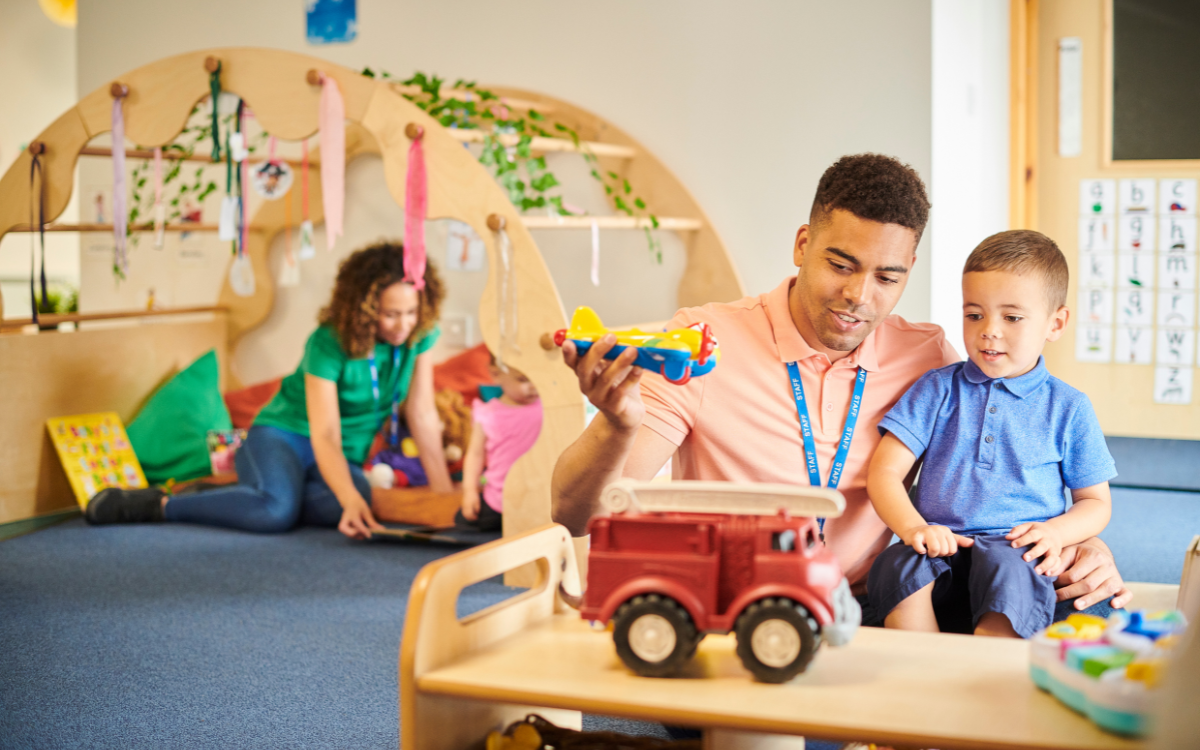
A supportive teaching approach can have a profound effect on students with dyscalculia. By creating a growth-minded environment, teachers can help reduce math anxiety and support students’ confidence. Using positive reinforcement, focusing on progress rather than perfection, and incorporating a variety of teaching strategies allow students to approach math with a stronger sense of self-assurance.
Many teachers find that using visual aids, physical objects, and practical examples helps make math more accessible for students with learning differences, as these tools break down complex math concepts into simpler, manageable steps.
It’s also essential to recognize that not all students learn at the same pace or in the same way. By adapting teaching methods to meet each student’s unique needs and providing extra support where necessary, teachers can make math class a safe and encouraging space.
Patience, encouragement, and the consistent application of dyscalculia strategies can make a big difference in helping these students succeed, fostering long-term growth and confidence in their math abilities.
Establishing Clear Math Goals for Students with Dyscalculia
For les élèves atteints de dyscalculie, setting clear, achievable math goals can make a big difference in their progress and confidence. Because dyscalculia is a specific learning disability, these students benefit from personalized goals that account for their unique challenges with math concepts.
Teachers can help students work towards steady improvement by setting realistic goals, like mastering foundational math facts, understanding basic math operations, or building number sense.
Tailoring goals allows teachers to focus on teaching what each student needs most, while celebrating progress in small steps. For example, rather than aiming to solve entire math problems at once, students can begin by focusing on smaller objectives, such as understanding place value or learning to calculate percentages.
When teachers support students by breaking down math challenges into manageable goals, they help build both skills and confidence, making math more approachable and setting students up for long-term success in their learning journey.
Using Multisensory Instruction to Teach Students

Multisensory instruction is an effective approach for teaching students with dyscalculia, as it engages multiple senses to reinforce math concepts. This method goes beyond traditional teaching by incorporating visual, auditory, and tactile elements to help students understand mathematical ideas.
For instance, using physical objects, like blocks or counters, can illustrate addition or subtraction, allowing students to physically move pieces and see the results of math operations.
Another example is using sandpaper numbers or textured number lines, which allow students to trace shapes as they say them aloud, connecting the visual and tactile experiences. Visual aids like color-coded charts, diagrams, or visual representations of place value can help make abstract math concepts more concrete, allowing students to “see” numbers and understand their relationships.
This teaching approach helps students learn math in a more interactive and memorable way. Since students with dyscalculia often struggle to retain math information through traditional methods, multisensory instruction gives them alternative ways to engage with and understand math, making it easier to retain concepts and feel more confident in their math abilities.
Simplifying Math Concepts Through Visual Aids
Visual aids are an invaluable resource for teaching math concepts to students with dyscalculia. By using tools like number lines, charts, color-coded systems, and other visual representations, teachers can break down complex ideas and make abstract concepts more accessible.
For example, a number line can help students see the relationship between numbers and understand concepts like addition or subtraction more clearly.
Color-coded charts are another helpful tool, as they can visually group numbers, math operations, or place values, giving students a reference that simplifies problem-solving. Diagrams, shapes, and even simple drawings can also make challenging ideas like fractions or times tables easier to understand.
These visual aids not only support the student’s learning process but also reduce math anxiety by presenting information in a straightforward way. For students with dyscalculia, seeing math in a clear, visual format helps them grasp concepts faster and build confidence in their math skills.
Physical Objects in Math: Making Concepts Tangible

For students with dyscalculia, abstract math concepts can be challenging to grasp, so using physical objects relating math to real life can make a significant difference. Physical tools like blocks, counters, beads, or coins provide students with a tangible way to interact with numbers, helping them to better understand basic math concepts. When students can move or manipulate these objects to represent numbers, they get a clearer sense of addition, subtraction, and even multiplication.
Using physical objects also helps students visualize math problems, making it easier to solve them. For instance, they might count out blocks for addition or take away counters for subtraction, reinforcing the principles of these operations.
Additionally, physical objects can support students in understanding more complex topics, like place value, as they assign different values to different sets of objects, giving them a hands-on learning experience.
This hands-on approach can make a big difference for students with dyscalculia by allowing them to actively engage with math and develop their understanding over time. It supports students by giving them practical, concrete tools to explore mathematical ideas, building a strong foundation and boosting their confidence as they move on to more complex math skills.
Building Confidence with a Focus on Basic Math Skills
For les élèves atteints de dyscalculie, building confidence starts with focusing on basic math skills. A strong foundation in essential skills, such as addition and subtraction, is key to helping students advance in math and reduce math anxiety. Teachers can adopt a teaching approach that emphasizes steady, incremental progress, ensuring students feel successful at each step before moving on to more difficult concepts.
By mastering one concept at a time, students gain confidence, which helps them overcome math challenges more easily. This focus on foundational math skills provides students with a reliable base, making them feel prepared for future learning. Teachers can also reinforce these skills with practice, using activities that build familiarity and fluency.
As students become more comfortable with basic math skills, their self-assurance in math class grows, encouraging them to tackle new concepts with a positive attitude and resilience.
The Role of Assistive Technology in Dyscalculia
Assistive technology offers students with dyscalculia practical support to navigate math challenges without hindering their learning. Tools like calculators, for example, allow students to participate in math activities without getting stuck on basic calculations, helping them focus on understanding more complex math concepts.
Specialized math apps can provide engaging, step-by-step instructions on topics such as addition, subtraction, and place value, breaking down mathematical operations in a way that supports students’ comprehension.
Digital apps, interactive software, and other assistive technology also allow students to learn at their own pace, repeating exercises as needed to reinforce understanding. Visual aids in digital formats, such as virtual number lines or interactive charts, can help students visualize relationships between numbers and clarify math concepts.
These tools make math more accessible and can even address issues like math anxiety by providing a less pressured environment for learning.
Using assistive technology ensures that students with dyscalculia receive the support they need while still participating actively in math learning. By incorporating technology thoughtfully, teachers can create a supportive learning experience that keeps students engaged, builds confidence, and helps them progress in math without becoming overwhelmed.
Magrid: A Proven Solution for Supporting Students with Dyscalculia
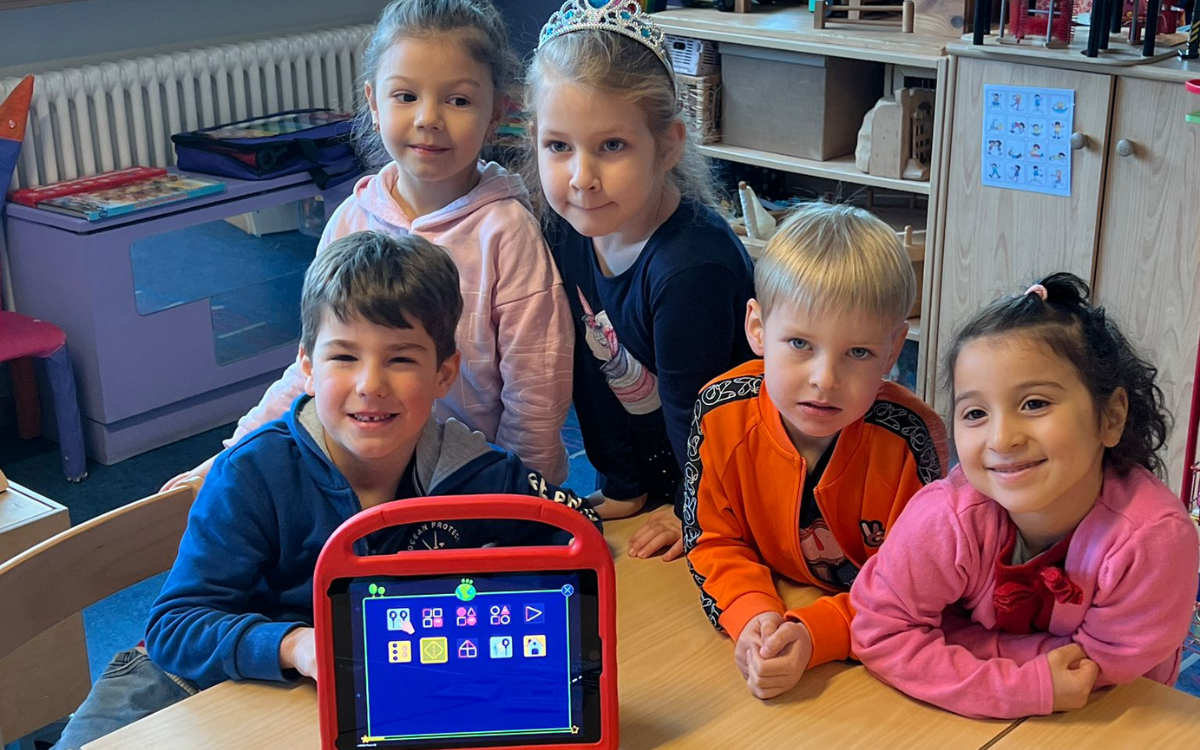
Magrid is an evidence-based tool designed to support children with learning challenges like dyscalculia. Developed by experts in early childhood education, cognitive science, and psychology, Magrid takes a unique, language-free approach to teaching math concepts, enabling students from diverse linguistic backgrounds and abilities to engage with mathematics without language barriers.
This is especially helpful for students with dyscalculia, as Magrid allows them to focus on understanding math concepts directly.
Magrid has been implemented at a national level in all public schools in Luxembourg, providing comprehensive support to young learners with dyscalculia. Its success has led to adoption in schools worldwide, where it has proven effective in helping students build essential math skills and overcome math challenges.
The program offers a structured curriculum that aligns with teaching standards and includes interactive tools and progress tracking features that allow teachers to monitor and celebrate student growth.
By incorporating Magrid into their classrooms, teachers are equipped with a powerful resource that supports students’ individual learning needs, providing a hands-on, engaging way to explore math concepts. Magrid empowers educators to foster math confidence and create an inclusive, effective learning environment for students with dyscalculia.
Conclusion: Equipping Teachers with the Right Tools for Success
Supporting students with dyscalculia requires thoughtful strategies, patience, and the right tools. By using methods such as setting clear goals, employing multisensory instruction, and integrating visual aids, teachers can make math concepts more accessible and less intimidating.
Approaches that focus on building basic math skills and leveraging assistive technology allow students to engage in math learning at their own pace, boosting confidence and reducing math anxiety.
When teachers have a toolkit of dyscalculia strategies, they are well-positioned to create a classroom environment where all students, regardless of learning challenges, can succeed. Implementing these techniques fosters long-term growth, equipping students with the foundational skills and self-assurance they need to tackle math confidently.
With ongoing support and understanding, teachers can make a lasting, positive impact on students’ educational journeys, helping them develop a growth mindset and thrive in math class.
Resources on This Specific Learning Disability

To deepen your understanding of dyscalculia and effective teaching strategies, here are some helpful resources:
Livres
- Overcoming Dyscalculia and Difficulties with Number by Ronit Bird: A practical guide for educators and parents with activities and insights on supporting children with dyscalculia.
- The Dyscalculia Toolkit by Jane Emerson and Patricia Babtie: An excellent resource packed with hands-on strategies for teaching math to students with dyscalculia.
- 8 ouvrages incontournables sur la dyscalculie destinés aux parents et aux enseignants
Online Articles and Websites
- British Dyslexia Association – Offers detailed articles and resources on dyscalculia, including teaching strategies and tools: bdadyslexia.org.uk.
- Understood.org – Provides accessible resources for educators and parents, including specific strategies to support math learning differences: understood.org.
Educational Technology
- Magrid – Explore Magrid’s evidence-based, language-free math tools for dyscalculia, used in classrooms worldwide. Visit: magrid.education.
These resources provide in-depth insights and practical strategies to help teachers support students with dyscalculia effectively.
Comment la dyscalculie affecte-t-elle l'apprentissage chez les enfants ?

Introduction : Qu'est-ce que la dyscalculie ?
La dyscalculie est un trouble spécifique de l'apprentissage qui affecte la capacité d'un enfant à comprendre les nombres et à résoudre des problèmes mathématiques élémentaires. Souvent comparée à la “ dyslexie mathématique ”, la dyscalculie empêche les enfants d'acquérir facilement des compétences mathématiques de base, telles que l'addition et la soustraction, ou de reconnaître facilement les nombres.
Ce trouble d'apprentissage touche les enfants d'âge scolaire, en particulier lorsqu'ils commencent à aborder davantage de matières liées aux mathématiques à l'école.
Les enfants atteints de dyscalculie ont souvent du mal à effectuer des calculs, même simples, et peuvent se sentir perdus face à des notions mathématiques élémentaires, telles que les tables de multiplication ou les droites numériques. Ces difficultés rencontrées dès les premières étapes de l'apprentissage des mathématiques les empêchent d'acquérir des bases solides et, sans accompagnement, la dyscalculie peut entraîner des difficultés persistantes en cours de mathématiques.
Un diagnostic précoce et un accompagnement ciblé sont essentiels, car ils peuvent aider les enfants à acquérir progressivement les compétences mathématiques nécessaires, ce qui leur permet d'atteindre le niveau requis pour leur classe et de comprendre plus facilement les concepts mathématiques.
En quoi la dyscalculie affecte-t-elle l'apprentissage ?

La dyscalculie affecte la capacité d'un enfant à comprendre et à mettre en pratique les concepts mathématiques, ce qui a des répercussions sur leur façon d'aborder les chiffres, les calculs et la résolution de problèmes. Les enfants atteints de ce trouble d'apprentissage peuvent avoir des difficultés à comprendre les notions mathématiques de base, telles que l'addition, la soustraction et les tables de multiplication, qui constituent les fondements essentiels du raisonnement mathématique.
Résoudre des problèmes mathématiques comportant plusieurs étapes, comme les problèmes sous forme de texte, peut représenter un défi de taille, car ceux-ci font souvent appel à la fois à des concepts abstraits et à une réflexion séquentielle.
La dyscalculie affectant la capacité d’un enfant à mémoriser des informations liées aux mathématiques, il peut lui être difficile de suivre le rythme de ses camarades en cours de maths et d’atteindre le niveau requis pour sa classe. L’absence de sens des nombres ou de capacité à reconnaître des régularités dans les nombres rend l’apprentissage des mathématiques frustrant, d’autant plus que les problèmes mathématiques gagnent en complexité.
Au fil du temps, en l'absence d'un accompagnement adapté, cette difficulté peut avoir une incidence sur leur confiance en eux et leur envie de s'investir dans d'autres matières faisant appel aux mathématiques.
Reconnaître la dyscalculie chez les enfants
Les symptômes courants de la dyscalculie peuvent aider les parents et les enseignants à détecter précocement ce trouble de l'apprentissage. Les enfants atteints de dyscalculie peuvent avoir des difficultés à estimer des quantités, à mémoriser les tables de multiplication ou à effectuer correctement des opérations mathématiques élémentaires. Des difficultés liées au sens des nombres, telles que la reconnaissance des chiffres ou la compréhension des quantités, sont également fréquentes.
De plus, la dyscalculie s’accompagne souvent d’autres troubles d’apprentissage, tels que la dyslexie, ce qui rend son diagnostic difficile. Bien qu’aucun symptôme isolé ne permette de confirmer la dyscalculie, le fait de constater des difficultés récurrentes dans les activités liées aux mathématiques, tant à la maison qu’à l’école, peut indiquer qu’un enfant aurait intérêt à faire l’objet d’une évaluation plus approfondie.
Comprendre l'impact de ce trouble d'apprentissage sur les compétences en mathématiques

La dyscalculie affecte les compétences mathématiques de base d'un enfant, ce qui rend difficile la reconnaissance des chiffres, la compréhension des quantités et l'application du raisonnement mathématique. Ce trouble de l'apprentissage affecte la capacité de l'enfant à associer les chiffres à une signification, ce qui entraîne des difficultés dans des tâches telles que compter des objets, comparer des valeurs ou effectuer des calculs simples.
Par exemple, les enfants atteints de dyscalculie peuvent avoir du mal à comprendre les étapes successives des problèmes mathématiques, ce qui peut s'avérer particulièrement difficile lorsqu'il s'agit de résoudre des problèmes écrits comportant plusieurs étapes ou faisant appel à des concepts abstraits.
De ce fait, ces enfants ont souvent du mal à décomposer des problèmes complexes ou à suivre des consignes impliquant des opérations mathématiques. En raison de leurs difficultés en matière de pensée abstraite et séquentielle, les enfants dyscalculiques peuvent rencontrer des difficultés persistantes en cours de mathématiques, notamment lorsqu’on leur demande de réaliser des exercices en plusieurs étapes ou d’assimiler de nouveaux concepts mathématiques.
Les conséquences de la dyscalculie vont au-delà des cours de mathématiques et peuvent rendre l'apprentissage scolaire dans son ensemble plus difficile, en particulier lorsque d'autres matières font appel aux mathématiques.
Les opérations mathématiques de base et les raisons pour lesquelles elles sont difficiles pour les enfants atteints de dyscalculie
Les opérations mathématiques de base, telles que l'addition, la soustraction et les tables de multiplication, constituent des compétences fondamentales qui permettent d'aborder l'apprentissage des mathématiques à un niveau plus avancé.
Cependant, pour les enfants atteints de dyscalculie, ces opérations peuvent être extrêmement difficiles à mémoriser et à restituer. Les enfants dyscalculiques ont souvent du mal à stocker ces opérations mathématiques dans leur mémoire à long terme, ce qui rend les calculs simples fastidieux et frustrants.
La répétition et la pratique régulières sont essentielles à la mémorisation, mais les enfants atteints de dyscalculie peuvent avoir besoin d’un soutien supplémentaire, comme l’utilisation de supports visuels ou d’activités pratiques, pour renforcer leur capacité à se souvenir. Cette pratique ciblée les aide à acquérir progressivement les bases des compétences mathématiques élémentaires, ce qui atténue certaines de leurs difficultés quotidiennes en mathématiques.
Les répercussions sur la vie quotidienne au-delà de la salle de classe

Les effets de la dyscalculie vont au-delà du cadre scolaire et ont des répercussions sur la capacité de l’enfant à accomplir des tâches telles que la gestion du temps, la gestion de l’argent et la lecture de cartes. Les activités quotidiennes, comme respecter un emploi du temps, gérer ses finances ou même mémoriser des numéros de téléphone, peuvent sembler insurmontables pour les enfants atteints de dyscalculie.
La gestion du temps devient un véritable défi, car ils peuvent avoir du mal à estimer le temps nécessaire ou à organiser les événements dans l'ordre chronologique, ce qui rend difficile la planification d'activités futures ou le maintien d'une bonne organisation.
Ces difficultés ont une incidence sur leurs résultats scolaires et leurs compétences pratiques, car les tâches liées aux mathématiques font partie intégrante de la vie quotidienne. Apprendre à maîtriser ces domaines nécessite souvent un accompagnement et un entraînement supplémentaires, afin d’aider les enfants dyscalculiques à mettre en place des routines et des techniques qui rendent les tâches quotidiennes plus faciles à gérer et moins stressantes.
Les cours de mathématiques et les difficultés spécifiques des enfants dyscalculiques
Les cours de mathématiques posent des défis particuliers pour les enfants atteints de dyscalculie, car ils ont souvent du mal à saisir les nouveaux concepts mathématiques et à suivre le rythme de la classe. Comprendre et mettre en pratique le raisonnement mathématique, en particulier dans le cadre d'un travail en groupe, peut s'avérer difficile pour les enfants dyscalculiques.
Par exemple, les exercices qui nécessitent des calculs en plusieurs étapes ou qui impliquent de résoudre des problèmes en temps réel peuvent leur sembler insurmontables, ce qui leur donne l'impression d'être à la traîne en classe.
L'utilisation de supports visuels, tels que les droites numériques et les représentations graphiques, peut rendre les concepts abstraits plus concrets et plus faciles à comprendre. Des stratégies d'apprentissage alternatives, comme les activités pratiques ou les outils mathématiques numériques, offrent aux enfants dyscalculiques différentes façons d'aborder les mathématiques sans subir la pression des méthodes traditionnelles.
Les enseignants peuvent aider en décomposant les notions complexes en étapes plus simples et en encourageant les séances d'entraînement en groupe ou individuelles. Avec un accompagnement adapté, les cours de mathématiques peuvent devenir une expérience plus accessible et plus positive pour les enfants confrontés à des difficultés liées à la dyscalculie.
Diagnostic : comment on identifie la “ dyslexie mathématique ” chez les enfants
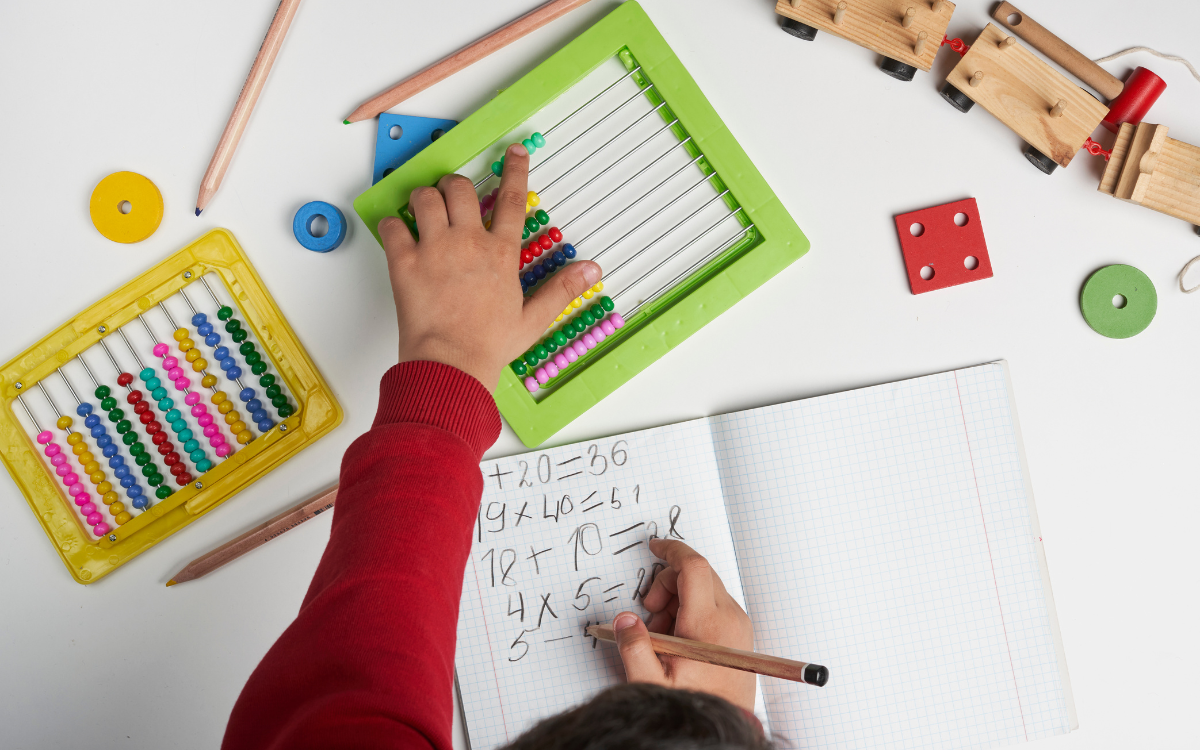
Le diagnostic de la dyscalculie nécessite des examens approfondis réalisés par des spécialistes, notamment des psychologues scolaires ou des experts en troubles de l'apprentissage. L'évaluation repose souvent sur une combinaison d'évaluations cognitives, de tests du sens des nombres et d'exercices spécifiques liés aux mathématiques.
Ces tests permettent d'identifier les difficultés en matière de raisonnement mathématique, de compétences mathématiques de base et de capacités de résolution de problèmes.
La dyscalculie est reconnue comme un trouble spécifique de l'apprentissage, et un diagnostic précoce est essentiel pour une prise en charge efficace.
Le fait de détecter la dyscalculie le plus tôt possible permet aux parents et aux éducateurs de mettre en place des stratégies d'accompagnement, afin d'aider les enfants à acquérir les compétences mathématiques essentielles dès leur plus jeune âge et de réduire ainsi les difficultés futures en mathématiques à mesure qu'ils progressent dans leur parcours scolaire.
Soutenir l'apprentissage des mathématiques à la maison
Les parents jouent un rôle essentiel dans aider les enfants atteints de dyscalculie à prendre confiance en eux en mathématiques. À la maison, l'utilisation de supports visuels tels que des droites numériques ou des jetons de couleur peut rendre les problèmes mathématiques abstraits plus concrets. Les jeux de chiffres, les casse-têtes et les activités pratiques faisant appel aux mathématiques peuvent renforcer l'apprentissage sans la pression inhérente à une salle de classe.
Il est essentiel de créer un environnement favorable et peu stressant. Encouragez-le à s'entraîner sans mettre l'accent sur la rapidité ou la perfection, car cela peut réduire son anxiété face aux mathématiques. Le renforcement positif est également utile : célébrer les petites victoires peut renforcer la confiance en soi de l'enfant.
Enfin, intégrer les mathématiques dans les activités quotidiennes, comme les mesures en cuisine ou le comptage d'objets pendant le jeu, peut rendre l'apprentissage des mathématiques plus facile et plus agréable. Lorsque les enfants se sentent à l'aise pour s'exercer aux mathématiques dans un environnement bienveillant, ils peuvent progressivement améliorer leurs compétences en la matière au fil du temps, jetant ainsi les bases de leur apprentissage futur.
Stratégies d'apprentissage efficaces pour les enfants atteints de dyscalculie

Décomposer les problèmes mathématiques en étapes plus petites et plus faciles à gérer peut aider les enfants atteints de dyscalculie à se sentir moins dépassés. Les supports visuels, tels que les droites numériques et les objets classés par couleur, facilitent la compréhension des concepts mathématiques.
Intégrer les mathématiques dans les activités quotidiennes, comme compter les articles lors des courses ou mesurer les ingrédients en cuisine, permet également de renforcer la confiance en soi. Ces stratégies aident les enfants à développer leurs compétences mathématiques dans un environnement détendu, améliorant ainsi progressivement leur raisonnement mathématique et leur aisance avec les chiffres.
Comment la technologie peut aider les enfants atteints de dyscalculie
Les technologies, telles que les applications éducatives, offrent un accompagnement personnalisé et des supports visuels qui facilitent l'apprentissage des mathématiques. L'application Magrid, conçue pour les enfants atteints de dyscalculie, permet de développer les compétences mathématiques de base grâce à des activités structurées et sans langage.
Magrid’s Cette approche stimulante aide à la fois les parents et les enseignants, en proposant un suivi des progrès et des exercices structurés qui favorisent une expérience d'apprentissage inclusive. De tels outils permettent aux enfants de prendre confiance en eux et de maîtriser les compétences mathématiques essentielles.
Conclusion : aider les enfants à surmonter leurs difficultés en mathématiques
La dyscalculie ne se limite pas aux cours de mathématiques ; elle a également des répercussions sur les compétences de la vie quotidienne. En collaborant, les parents et les enseignants peuvent faire une réelle différence en apportant un soutien adapté aux besoins de l'enfant.
Des outils tels que Magrid, associés à de la patience et à des encouragements, aident les enfants à surmonter leurs difficultés en mathématiques et à acquérir des compétences essentielles. Grâce à une approche bienveillante et à un accompagnement constant, les enfants atteints de dyscalculie peuvent aborder les mathématiques avec confiance, se forgeant ainsi de solides bases pour leur réussite future.
Comment aider un enfant atteint de dyspraxie à s'épanouir

Introduction: Understanding Dyspraxia in Children
Dyspraxia, also known as developmental coordination disorder (DCD), is a condition that affects a child’s ability to perform tasks that require coordinated movements. For parents, understanding dyspraxia is essential, as it impacts many areas of daily life, from physical activities to social interactions.
Children with dyspraxia often struggle with fine motor skills, making tasks like handwriting or tying shoelaces challenging. They may also face difficulties with gross motor skills, such as balancing or running, which can affect their confidence in group settings and play. Beyond physical symptoms, children with dyspraxia may experience language difficulties and social skills challenges.
Recognizing and understanding these signs early on can help parents and caregivers provide targeted support, improving the child’s overall development and self-confidence.
Recognizing the Signs of Developmental Coordination Disorder
The signs of dyspraxia often appear early and vary from child to child. Common indicators include coordination difficulties, poor balance, and struggles with motor skills, which make even routine tasks more difficult. Fine motor skills, needed for activities like writing or using small objects, may develop slowly, resulting in awkward movements.
A child with dyspraxia may also have trouble following visual cues, affecting their ability to perform tasks involving multiple steps. Parents may notice that their child tires quickly during activities or seems clumsy, which can affect their ability to engage in sports and social play.
How Dyspraxia Differs from Other Conditions

Dyspraxia is often mistaken for other developmental conditions, par exemple TDAH or sensory processing disorders, but it has distinct characteristics. While attention deficit hyperactivity disorder involves difficulties with focus and impulsivity, dyspraxia specifically affects movement coordination and fine motor skills.
Additionally, dyspraxia can coexist with language difficulties, adding complexity to communication and learning. Unlike sensory processing issues, which relate to how the brain interprets sensory input, dyspraxia focuses on planning and executing movements.
Recognizing these differences helps parents and health professionals tailor support and seek appropriate interventions, such as occupational therapy, to address each child’s unique needs.
How to Help a Child with Dyspraxia: An Overview
Learning how to help a child with dyspraxia begins with understanding their individual challenges. By practicing patience, encouragement, and consistency, parents can create a positive environment that supports skill development.
Strategies like breaking down complex tasks, providing extra time, and using visual cues can make daily activities more manageable for children with dyspraxia. Incorporating occupational therapy and multi-sensory approaches are also effective, as these methods engage the child’s strengths and gradually build their ability to handle new tasks with confidence.
Supporting Fine Motor Skills Development

Strengthening fine motor skills is essential for children with dyspraxia, as these skills are needed for everyday tasks like handwriting, buttoning clothes, and using utensils. Parents can help by introducing fun activities that focus on hand control and coordination.
Threading beads, playing with putty, or drawing with crayons are excellent ways to improve finger strength and dexterity. Additionally, using tools like special grips for pencils or engaging in activities that involve pinching and grasping can make a significant difference.
These exercises support the development of fine motor control, which not only makes daily tasks easier but also improves a child’s confidence in handling items that require precision.
Developing Gross Motor Skills for Physical Confidence
Gross motor skills are essential for coordinated movements and physical confidence, as they involve larger muscle groups needed for activities like running, jumping, and balancing. Children with dyspraxia often struggle with these movements, which can affect their confidence in physical play.
To help, parents can try simple, engaging activities that improve these skills gradually. Games like hopscotch, catch, or obstacle courses encourage movement while building muscle strength and coordination. Balance games, such as standing on one foot or walking along a line, are also beneficial.
These exercises not only develop gross motor skills but also help children gain confidence in physical activities, making social play and group interactions more enjoyable.
Building Social Skills through Interaction and Play

Dyspraxia-related movement difficulties can impact a child’s social skills, as clumsiness or struggles with physical tasks may lead to shyness or frustration. Parents can support social skill development by encouraging interactive play in a positive, pressure-free environment.
Role-playing games and cooperative activities, such as building a tower together or taking turns in a board game, can help children practice social cues and patience. Simple group activities, where children work together toward a shared goal, can boost their confidence in social settings.
By creating opportunities for successful interactions, parents help children with dyspraxia feel more comfortable in group situations and gradually improve their social skills.
Encouraging Independence in Daily Tasks
Encouraging independence in everyday tasks is crucial for building confidence in children with dyspraxia. Start with simple activities, like brushing teeth or dressing, and break them down into manageable steps.
For instance, guide your child through each step of putting on a shirt or using a toothbrush. Visual cues, such as picture cards showing each task stage, can also be helpful. Gradually reducing assistance allows children to practice each step independently, building their sense of accomplishment.
Patience is key—celebrate small successes along the way, as these everyday tasks contribute to the child’s overall ability to manage routine responsibilities on their own.
Working with an Occupational Therapist

Occupational therapy plays a crucial role in helping children with dyspraxia develop the skills they need for daily living. An occupational therapist assesses the child’s unique challenges with motor skills, coordination, and daily tasks, creating a personalized plan to improve these areas.
Therapy often involves engaging, hands-on activities like using therapeutic putty for fine motor control or balancing exercises to build gross motor skills. For children who struggle with tasks like dressing or writing, therapists use strategies that break down these tasks into smaller, more manageable steps. Additionally, occupational therapy may involve using special tools, such as weighted pens or grips, to help children perform tasks independently.
Working with an occupational therapist helps children with dyspraxia build confidence and skills essential for everyday life.
The Role of Speech Therapy for Language Difficulties

Children with dyspraxia sometimes face language difficulties, making speech therapy a valuable support. A speech therapist works with the child to improve clarity of speech, strengthen language comprehension, and increase communication confidence.
Goals include enhancing the child’s ability to form words and sentences clearly and assisting with social communication. Speech therapists may use visual aids and repetition exercises to help children with dyspraxia express themselves more effectively. By improving language skills, speech therapy enables children to interact more confidently with peers, family, and teachers.
Using Visual Cues to Support Learning
Visual cues, such as charts and picture sequences, can help children with dyspraxia follow instructions and build independence in daily tasks. For instance, a picture sequence showing each step of getting dressed can guide the child through the process without constant reminders.
Similarly, using a chart with images for tidying up toys or completing a routine can provide structure and predictability. These aids allow children with dyspraxia to rely less on verbal instructions, making it easier to remember tasks and gradually build new skills through visual reinforcement.
Adopting a Multi-Sensory Approach to Learning

A multi-sensory approach, which engages multiple senses—such as touch, sight, and sound—can be particularly effective for children with dyspraxia. This method reinforces learning by engaging more parts of the brain, helping children retain information and develop skills more effectively.
For example, activities that combine touch and sight, like tracing letters in sand or using textured mats, can improve coordination and sensory processing. Visual aids, sounds, or music can also be incorporated into activities to maintain interest and reinforce learning.
Using a multi-sensory approach allows children to practice motor skills and cognitive tasks in an engaging way, making learning more accessible and enjoyable for them.
Gradually Increasing Task Complexity
To help a child with dyspraxia build skills without frustration, increase the complexity of tasks gradually. Start with simple steps, like putting on one shoe, before moving to more involved tasks.
As the child gains confidence, add steps or new tasks to promote skill development. This slow, steady progression prevents overwhelm and encourages a sense of accomplishment.
Building Self-Confidence through Positive Reinforcement
Positive reinforcement is key to helping children with dyspraxia feel capable. Celebrate small achievements, like completing a step in a daily task, and offer specific praise to reinforce their progress.
By creating a supportive environment and acknowledging each milestone, parents can boost a child’s self-confidence, making it easier for them to stay motivated and resilient.
Understanding the Role of Teachers and Schools

Teachers can play a vital role by adapting tasks and allowing extra time for children with dyspraxia. Simple adjustments, like using visual aids or breaking assignments into smaller steps, can make a big difference.
Parents should communicate openly with teachers about their child’s unique needs to create a supportive learning environment that encourages both growth and comfort at school.
Recognizing and Leveraging Your Child’s Strengths
Focusing on a child’s unique strengths can help build self-worth and resilience. Encourage activities they enjoy or show natural ability in, such as art, music, or storytelling, to boost their confidence.
Recognizing and leveraging these strengths reminds children with dyspraxia of their capabilities, helping them feel valued and motivated in both structured tasks and play.
Conclusion: Thriving with Dyspraxia – A Parent’s Role
Patience, encouragement, and adaptability are key for parents supporting a child with dyspraxia. Progress may be gradual, but consistent support and understanding make a lasting impact. Focus on small successes, celebrate growth, and continue to adapt to your child’s needs.
With the right approach, children with dyspraxia can build confidence, independence, and resilience to thrive.
L'enseignement à domicile pour les enfants autistes : guide pratique à l'intention des parents pour réussir

L'enseignement à domicile est devenu une option de plus en plus prisée par les parents qui recherchent une approche plus personnalisée pour l'éducation de leur enfant. Les classes traditionnelles ont souvent du mal à s'adapter aux modes d'apprentissage spécifiques des enfants autistes, ce qui pousse de nombreux parents à rechercher des alternatives privilégiant une attention personnalisée et une grande flexibilité. Ce guide a pour but d'aider les parents pratiquant l'enseignement à domicile à comprendre comment créer une expérience éducative enrichissante, adaptée aux besoins des enfants autistes.
En associant une approche pédagogique adaptée à l’autisme à des programmes d’enseignement à domicile, les familles peuvent relever des défis spécifiques tout en favorisant l’acquisition de compétences sociales essentielles, la progression scolaire et le développement émotionnel. Que vous vous lanciez dans l’enseignement à domicile pour un enfant autiste ou que vous cherchiez à affiner votre approche, ce guide vous proposera des conseils concrets, des ressources utiles et des mots d’encouragement pour vous aider, vous et votre enfant, à réussir.
Comprendre L'enseignement à domicile pour les enfants autistes

L'enseignement à domicile pour les enfants autistes est une forme d'éducation à domicile dans laquelle les parents prennent l'initiative d'élaborer un programme scolaire adapté au style d'apprentissage et aux besoins spécifiques de leur enfant. Contrairement à l'enseignement scolaire traditionnel, cette approche permet aux parents d'adapter le rythme, les méthodes et le contenu de l'éducation de leur enfant, garantissant ainsi un environnement où les enfants autistes peuvent s'épanouir.
Pour de nombreux parents, l'enseignement à domicile est l'occasion d'offrir à leur enfant une attention personnalisée, ce qui n'est tout simplement pas possible dans le cadre de l'école publique. Les enfants atteints de troubles du spectre autistique sont souvent confrontés à des difficultés dans les classes traditionnelles, telles que la surstimulation et des difficultés à mettre en pratique leurs compétences sociales. L'enseignement à domicile permet de créer un environnement sûr et stimulant, spécialement adapté aux besoins de votre enfant.
La souplesse de l'enseignement à domicile pour les enfants autistes permet aux familles d'organiser des sorties éducatives, des activités de groupe activités, ainsi que d’autres outils d’apprentissage pratiques permettant de rendre les cours captivants et adaptés aux centres d’intérêt de l’enfant. Ce niveau de personnalisation est l’une des principales raisons pour lesquelles de nombreux parents considèrent l’enseignement à domicile comme une expérience enrichissante.
Pourquoi l'enseignement à domicile peut être le bon choix
L'enseignement à domicile d'un enfant autiste offre de nombreux avantages que les classes traditionnelles ont souvent du mal à proposer. Un emploi du temps flexible permet aux parents d'intégrer des pauses fréquentes et d'adapter les activités pédagogiques au rythme naturel de leur enfant. Cela peut s'avérer particulièrement utile pour les enfants atteints de troubles du spectre autistique, qui peuvent se sentir dépassés par des emplois du temps rigides.
Les préoccupations liées à la sécurité constituent une autre raison courante pour laquelle les parents optent pour l'enseignement à domicile. Les salles de classe traditionnelles peuvent exposer les enfants autistes à une surstimulation ou au harcèlement, tandis que l'enseignement à domicile garantit un environnement contrôlé et bienveillant où les enfants se sentent en sécurité.
De plus, l'enseignement à domicile offre aux parents la liberté d'adapter les cours au style d'apprentissage propre à leur enfant. En mettant l'accent sur les points forts et les centres d'intérêt de leur enfant, les parents qui pratiquent l'enseignement à domicile peuvent créer des cours captivants qui favorisent non seulement la réussite scolaire, mais aussi l'acquisition de compétences sociales essentielles.
Évaluer les besoins scolaires de votre enfant

Avant de vous lancer dans l'aventure de l'enseignement à domicile, il est essentiel d'évaluer les besoins spécifiques de votre enfant. Chaque enfant atteint d'autisme est différent, et il est primordial de comprendre ses difficultés et ses points forts pour créer un environnement d'apprentissage efficace.
Commencez par observer les centres d'intérêt de votre enfant et son mode d'apprentissage naturel. Réagit-il mieux aux supports visuels, aux activités pratiques ou aux explications orales ? Identifier ces préférences peut vous aider à orienter vos choix en matière de programme scolaire et de matériel pédagogique.
Pensez également aux domaines dans lesquels votre enfant pourrait avoir besoin d’un soutien supplémentaire, comme le développement de ses compétences sociales ou la gestion de tâches complexes. Pour de nombreux parents, l'élaboration d'un programme éducatif individualisé (PEI) adapté aux besoins spécifiques de leur enfant peut s'avérer très utile. Bien que les écoles publiques proposent souvent des PEI, les parents qui font l'école à la maison peuvent utiliser le même cadre pour définir des objectifs et suivre les progrès de leur enfant.
Élaborer un programme éducatif individualisé (PEI) à la maison
Un programme éducatif individualisé constitue une ressource précieuse pour garantir la réussite de votre enfant scolarisé à domicile. Bien qu’il soit traditionnellement associé aux établissements publics, les parents peuvent adapter cet outil à l’enseignement à domicile afin de relever les défis spécifiques liés à l’autisme dans ce contexte.
Commencez par définir des objectifs précis et mesurables pour le développement scolaire, social et émotionnel de votre enfant. Vous pourriez, par exemple, vous concentrer sur l'amélioration de la compréhension écrite, le développement des interactions sociales lors d'activités de groupe ou l'acquisition de certaines compétences de la vie quotidienne.
Le suivi des progrès de votre enfant est un autre élément essentiel du PEI. Utilisez des outils pédagogiques, des ressources en ligne et des évaluations régulières pour évaluer ses acquis et adapter votre approche si nécessaire. Intégrer les centres d'intérêt de votre enfant dans les cours peut également rendre l'apprentissage plus agréable et plus efficace.
En prenant le temps d'élaborer un PEI complet, les parents qui pratiquent l'enseignement à domicile peuvent s'assurer que leurs enfants autistes bénéficient de l'attention et du soutien personnalisés dont ils ont besoin pour s'épanouir.
Choisir le meilleur programme scolaire pour l'enseignement à domicile des enfants autistes

Pour choisir le meilleur programme scolaire pour un enfant autiste scolarisé à domicile, il faut trouver le juste équilibre entre les objectifs scolaires et son mode d’apprentissage particulier. De nombreux parents estiment qu’un programme « tout-en-un » simplifie la planification, tandis que d’autres préfèrent combiner des ressources adaptées aux points forts et aux centres d’intérêt de leur enfant.
Les cours en ligne et les programmes d'enseignement à domicile spécialement conçus pour les élèves autistes peuvent constituer des outils précieux. Ces ressources comprennent souvent du matériel pédagogique et des outils d'apprentissage adaptés aux élèves qui apprennent mieux de manière visuelle ou par la pratique. Des plateformes telles que Gemm Learning proposent des solutions conformes aux principes de l'éducation des personnes autistes.
Les parents devraient également envisager des programmes scolaires flexibles, permettant des pauses fréquentes et des ajustements réguliers. L'enseignement à domicile pour les enfants autistes est particulièrement efficace lorsqu'il privilégie une approche individualisée ; il est donc important de choisir des supports pédagogiques qui vous permettent d'adapter les cours aux besoins de votre enfant.
Trouver des ressources utiles pour l'enseignement à domicile
Les parents qui pratiquent l'enseignement à domicile ont accès à un large éventail de ressources utiles pour l'éducation des enfants autistes. Les ressources en ligne, telles que les vidéos, les livres numériques et les leçons interactives, peuvent compléter les supports pédagogiques traditionnels. De plus, rejoindre des groupes de soutien au sein de la communauté des personnes concernées par l'autisme peut être source de conseils précieux et d'encouragements.
De nombreux parents se tournent vers des cours en ligne destinés aux enfants autistes, qui proposent des leçons structurées dans des matières telles que les mathématiques, les sciences et les arts du langage. Les programmes d'enseignement à domicile peuvent également inclure des volets sociaux, comme des activités de groupe virtuelles ou des projets collaboratifs, afin d'aider les enfants à mettre en pratique leurs compétences sociales dans un environnement sécurisant.
Lorsque vous recherchez des ressources, privilégiez celles qui sont spécialement conçues pour les enfants autistes et leurs difficultés particulières. Associer ces outils à des sorties éducatives et à d’autres expériences d’apprentissage concrètes peut contribuer à offrir un parcours scolaire enrichissant.
Développer les compétences sociales dans le cadre de l'enseignement à domicile

L'un des aspects essentiels de l'enseignement à domicile pour les enfants autistes consiste à les aider à développer leurs compétences sociales. Si les classes traditionnelles offrent souvent des occasions d'interactions en groupe, ces environnements ne sont pas toujours adaptés aux enfants atteints de troubles du spectre autistique. L'enseignement à domicile permet aux parents de créer des occasions de s'exercer aux interactions sociales dans un cadre plus contrôlé.
Les sorties éducatives et les activités de groupe organisées avec d'autres familles peuvent offrir des occasions d'apprentissage social dans un cadre sûr et structuré. Des activités telles que les jeux coopératifs, les projets artistiques et les expériences scientifiques encouragent les élèves autistes à interagir avec leurs camarades tout en explorant leurs centres d'intérêt naturels.
De plus, les parents peuvent entrer en contact avec des groupes locaux de soutien aux personnes autistes afin de rencontrer des familles qui partagent les mêmes objectifs. Ces liens permettent non seulement aux enfants de nouer des amitiés, mais favorisent également un sentiment d'appartenance au sein de la communauté des personnes autistes.
L'enseignement à domicile face à l'enseignement scolaire traditionnel
Pour de nombreuses familles, le choix entre l'enseignement à domicile et l'école traditionnelle est une décision importante. Si les écoles publiques et privées offrent un cadre structuré, elles ne répondent pas toujours aux besoins spécifiques des enfants autistes. L'enseignement à domicile offre la souplesse nécessaire pour élaborer un programme scolaire qui tient compte en priorité du style d'apprentissage et des centres d'intérêt de l'enfant.
Les préoccupations liées à la sécurité sont souvent un facteur déterminant dans la décision d'opter pour l'enseignement à domicile. Les enfants autistes peuvent être confrontés à une surcharge sensorielle, au harcèlement ou à un manque d'attention personnalisée dans les classes traditionnelles. Grâce à l'enseignement à domicile, les parents peuvent garantir un environnement sûr et favorable, adapté aux besoins spécifiques de leur enfant.
Bien que l'enseignement scolaire traditionnel propose des ressources telles que des programmes éducatifs individualisés, l'enseignement à domicile permet aux familles d'adapter ces outils afin de mieux les aligner sur les progrès de leur enfant. Cette approche donne aux parents les moyens de s'occuper à leur manière du développement tant scolaire que social de leur enfant.
Gérer les défis spécifiques liés à l'autisme dans le cadre de l'enseignement à domicile

L'enseignement à domicile d'un enfant autiste comporte des défis qui lui sont propres. Les enfants atteints de troubles du spectre autistique ont souvent besoin d'un accompagnement accru pour mener à bien des tâches complexes ou passer d'une activité à l'autre. Un emploi du temps flexible permet d'intégrer des pauses fréquentes, ce qui aide les enfants à se ressourcer et à se recentrer.
Pour de nombreux parents, la mise en place d’une routine régulière qui tient compte des centres d’intérêt naturels de leur enfant peut rendre l’apprentissage plus captivant et plus efficace. De plus, répondre aux besoins sensoriels de l’enfant grâce à un espace d’apprentissage calme et bien organisé peut réduire la surstimulation et améliorer sa concentration.
Prendre contact avec des groupes de soutien et d'autres parents pratiquant l'enseignement à domicile peut vous apporter des conseils et des encouragements pour surmonter les difficultés. La communauté des personnes concernées par l'autisme constitue une ressource inestimable pour découvrir des stratégies et trouver des solutions aux problèmes courants.
Comment aider les familles qui se lancent dans l'enseignement à domicile
Il est essentiel d'accompagner les familles qui se lancent dans l'enseignement à domicile afin de favoriser un esprit de communauté et un apprentissage collectif. De nombreux parents se sentent dépassés lors du passage de l'enseignement scolaire traditionnel à l'enseignement à domicile adapté à l'autisme, mais le fait d'entrer en contact avec des familles expérimentées peut faciliter ce processus.
Les groupes de soutien et les forums en ligne consacrés à l'autisme et à l'enseignement à domicile proposent des conseils, des recommandations sur les programmes scolaires et un soutien émotionnel. Le partage de conseils sur les programmes d'enseignement à domicile, le matériel pédagogique et les horaires flexibles peut aider les nouvelles familles à prendre un bon départ.
Encourager la collaboration entre les familles permet également d'organiser des activités de groupe et des sorties éducatives. Ces expériences permettent aux enfants de développer leurs compétences sociales tandis que les parents se constituent un réseau de soutien.
Planifier votre parcours dans l'enseignement à domicile
Un parcours d'enseignement à domicile bien structuré commence par une planification minutieuse. Commencez par évaluer le style d'apprentissage propre à votre enfant, ses centres d'intérêt et ses besoins éducatifs. Ces éléments de base vous aideront à choisir le programme scolaire et le matériel pédagogique adaptés pour accompagner ses progrès.
Établir un emploi du temps quotidien ou hebdomadaire prévoyant des pauses fréquentes et des activités pratiques peut aider à maintenir la concentration et l'implication. La flexibilité est essentielle : adaptez l'emploi du temps au fur et à mesure, en fonction du rythme naturel et des préférences de votre enfant.
N’oubliez pas de prévoir des occasions d’interactions sociales, telles que des activités en groupe avec d’autres enfants ou des sorties éducatives. Ces expériences peuvent enrichir à la fois l’apprentissage scolaire et les compétences sociales, faisant de votre parcours d’enseignement à domicile une expérience enrichissante pour toute votre famille.
Impliquer votre enfant grâce à des activités de groupe

Les activités de groupe constituent un excellent moyen de favoriser les interactions sociales et d'améliorer l'apprentissage chez les enfants autistes. Les parents qui pratiquent l'enseignement à domicile peuvent s'associer à d'autres familles pour organiser des événements tels que des projets scientifiques, des ateliers artistiques ou des jeux en plein air, adaptés à divers styles d'apprentissage.
Ces activités permettent aux enfants de mettre en pratique leurs compétences sociales dans un environnement bienveillant, ce qui leur permet de prendre confiance en eux tout en interagissant avec leurs camarades. Les sorties éducatives dans des musées, des zoos ou des parcs constituent également d'excellents moyens de rendre l'apprentissage plus dynamique et plus captivant.
En tissant des liens avec la communauté des personnes touchées par l'autisme et d'autres familles pratiquant l'enseignement à domicile, les parents peuvent créer un réseau d'opportunités propices à l'apprentissage et au développement collectifs. Ces expériences enrichissent le parcours de l'enseignement à domicile et apportent des bienfaits durables aux enfants autistes.
Comprendre la législation des États et des pays en matière d'enseignement à domicile
Avant de vous lancer dans l'aventure de l'enseignement à domicile, il est essentiel de vous familiariser avec la législation en vigueur dans votre région ou votre pays en la matière. Chaque pays a ses propres exigences, qui peuvent notamment consister à s'inscrire auprès de l'académie, à tenir un dossier de suivi des progrès de votre enfant ou à respecter certaines normes scolaires correspondant à son niveau.
Le respect de la législation régionale est essentiel pour garantir la reconnaissance de la scolarité de votre enfant. Les parents qui pratiquent l'enseignement à domicile peuvent souvent trouver des ressources utiles auprès des associations locales dédiées à cette pratique ou sur des forums en ligne, qui précisent les réglementations spécifiques à chaque région.
En comprenant et en suivant ces recommandations, vous pourrez, en toute confiance, vous concentrer sur la mise en place d'un parcours d'apprentissage flexible et personnalisé pour votre enfant, tout en respectant les dispositions légales.
Suivi des progrès de votre élève
Le suivi des progrès d'un élève est un élément essentiel de l'enseignement à domicile pour les enfants autistes. Des évaluations régulières aident les parents à déterminer si le programme scolaire et les méthodes pédagogiques répondent aux besoins de leur enfant. Des outils tels que les tableaux de suivi des progrès, les évaluations et les cours en ligne peuvent vous donner un aperçu de l'évolution scolaire de votre enfant.
Il est tout aussi important de suivre son développement social et émotionnel. Observer la manière dont votre enfant met en pratique ses compétences sociales lors d’activités de groupe ou de sorties scolaires peut vous fournir des informations précieuses pour apporter des ajustements ultérieurs. En tenant un registre clair de ses progrès, vous pouvez vous assurer que votre enfant scolarisé à domicile continue à s’épanouir.
Découvrir d'autres ressources
Les parents qui pratiquent l'enseignement à domicile ont accès à une multitude de ressources supplémentaires pour accompagner l'éducation de leur enfant. De nombreuses ressources en ligne, telles que des applications interactives, des plateformes d'apprentissage en ligne et des programmes spécialisés comme Gemm Learning, sont conçues pour répondre aux défis spécifiques des enfants autistes.
Rejoindre des groupes de soutien locaux ou en ligne peut également aider les parents à découvrir différentes options pédagogiques, à échanger des idées et à tirer des enseignements de l'expérience d'autres familles. Ces ressources utiles sont inestimables pour mettre en place un programme d'enseignement à domicile complet et stimulant.
Favoriser les interactions sociales et les sorties éducatives

Les interactions sociales constituent un élément essentiel de l'éducation de tout enfant, et les sorties scolaires offrent une excellente occasion de favoriser ces expériences. Les visites de musées, de parcs ou la participation à des événements locaux aident les enfants scolarisés à domicile à nouer des liens avec d'autres enfants tout en explorant leurs centres d'intérêt naturels.
Les parents peuvent également organiser des activités de groupe avec d'autres familles ou rejoindre des coopératives au sein de la communauté autiste. Ces expériences permettent non seulement de développer les compétences sociales, mais aussi d'apporter de la diversité dans le quotidien de l'enseignement à domicile, rendant ainsi l'apprentissage plus passionnant et plus dynamique.
Surmonter les craintes courantes liées à l'enseignement à domicile
De nombreux parents qui envisagent l'enseignement à domicile pour leur enfant autiste s'inquiètent de leur capacité à lui offrir une éducation complète. Bien que ces inquiétudes soient légitimes, il existe de nombreuses ressources pour les aider. Les cours en ligne, les supports pédagogiques et les groupes de soutien peuvent leur apporter des conseils sur la planification des programmes scolaires et les stratégies d'enseignement.
La socialisation est une autre préoccupation courante. Les parents peuvent y remédier en organisant des activités de groupe, en inscrivant leur enfant à des activités extrascolaires ou en participant à des événements au sein de la communauté des personnes autistes. Avec une bonne organisation, l'enseignement à domicile peut devenir une expérience enrichissante qui répond à la fois aux besoins scolaires et sociaux.
Célébrer vos réussites en matière d'enseignement à domicile

Célébrer les étapes importantes et les réussites est un élément essentiel de l'enseignement à domicile. Reconnaître les progrès réalisés sur le plan scolaire, social ou personnel peut renforcer la confiance en soi et la motivation de votre enfant.
Les parents peuvent également réfléchir à leurs propres réussites, comme le fait d'avoir surmonté des difficultés et d'avoir mis en place un parcours d'apprentissage sur mesure. Partager ces réussites avec d'autres familles de la communauté autiste peut les inspirer et les encourager dans leur propre parcours d'enseignement à domicile.
Conclusion
L'enseignement à domicile offre la possibilité d'élaborer un projet éducatif personnalisé et flexible, adapté aux besoins spécifiques de votre enfant. En tirant parti des ressources disponibles, en favorisant les interactions sociales et en restant en contact avec la communauté des personnes touchées par l'autisme, les parents peuvent créer une expérience d'enseignement à domicile épanouissante et enrichissante.
Avec de la persévérance et de la créativité, vous pouvez aider votre enfant à s'épanouir tant sur le plan scolaire qu'émotionnel. N'oubliez pas que chaque petit pas en avant est une avancée importante dans votre parcours d'enseignement à domicile.
Pour rendre votre expérience d'enseignement à domicile encore plus enrichissante, essayez Magrid ! Notre plateforme d'apprentissage visuel est spécialement conçue pour les enfants neurodivergents. Elle propose une approche fondée sur la recherche et sans recours au langage, qui développe l'esprit critique et les compétences scolaires. Intégrez Magrid à votre parcours d'enseignement à domicile pour offrir à votre enfant une expérience d'apprentissage personnalisée et efficace !
Autres articles sur les TSA :
- Autisme et dyslexie : principales différences et recoupements
- Pratiques fondées sur des données probantes pour l'autisme : ce qu'il faut savoir
- Gérer la dyspraxie et l'autisme dans le milieu scolaire
- Comprendre les technologies d'assistance pour l'autisme
- Comprendre les différences et les recoupements entre l'autisme et le syndrome de Down
How to Help a Child with Dysgraphia Effectively

Dysgraphia is a learning disability that affects a child’s ability to write. This neurological disorder makes the physical act of writing—forming letters, organizing thoughts, and producing written work—challenging. For children with dysgraphia, messy handwriting, trouble forming letters correctly, and difficulty with writing assignments can lead to frustration and low self-esteem.
Understanding the root of these struggles is crucial for providing effective support. Writing challenges linked to dysgraphia often stem from difficulties with fine motor skills, working memory, or sensory processing. Without early intervention, these challenges can hinder academic progress and personal confidence.
This article provides practical advice on how to help a child with dysgraphia. By exploring strategies such as handwriting instruction, assistive technology, and tailored tools, parents and educators can help children overcome their struggles, improve their writing process, and thrive both in and out of the classroom.
What Is Dysgraphia?

Dysgraphia is a neurological disorder that affects a child’s ability to produce written words. It impacts various aspects of the writing process, including handwriting, spelling, and overall written expression. Children with dysgraphia often struggle with messy handwriting, trouble forming letters, and difficulty organizing their thoughts into coherent written work.
The condition is not a reflection of intelligence but rather a specific learning disability that can affect academic performance and self-esteem. Signs of dysgraphia often appear during early school years, when children begin learning to write letters and form words. Identifying dysgraphia early is crucial for implementing interventions that support a child’s ability to express ideas effectively and confidently, both in academic settings and everyday life.
Recognizing the Signs in Children
Recognizing dysgraphia requires understanding its key symptoms, which can vary by age. Young children may struggle with forming letters correctly or writing on a straight line. Their handwriting might be unusually messy, with inconsistent letter spacing and size. For older kids, signs include difficulty with writing assignments, trouble organizing ideas, and slow, laborious writing processes.
In many cases, these struggles can lead to frustration, low self-esteem, and avoidance of tasks that require written expression. Teachers and parents in the school system should watch for signs like frequent complaints about hand pain, poor handwriting, or difficulty completing written work on time. Early detection allows for tailored interventions, helping children improve their writing skills and overcome their challenges.
Understanding the Writing Process for Kids with Dysgraphia

The writing process is complex, requiring coordination between fine motor skills, working memory, and language abilities. For kids with dysgraphia, this process can feel overwhelming. Writing letters involves precise hand movements and strong hand muscles, but children with this learning disability often lack the muscle strength and control needed.
Additionally, the neurological nature of dysgraphia makes it harder for these children to translate their thoughts into written words. They might struggle with spacing, forming straight lines, or recalling letter formations, all of which impact the quality of their written work.
By breaking the process into manageable steps and using strategies like graphic organizers and assistive technology, parents and educators can help struggling writers overcome these obstacles, making writing assignments less daunting and more achievable.
Importance of Early Intervention
Early intervention is critical for children with dysgraphia. Addressing writing challenges early helps build foundational skills, improving handwriting and written expression over time. It also boosts the child’s confidence and reduces frustration associated with writing tasks.
Children who receive timely support—whether through specialized handwriting instruction or occupational therapy—can develop the fine motor skills necessary for better letter formation and improved written work. Early intervention also helps prevent the negative impact dysgraphia can have on academic performance and self-esteem.
By identifying dysgraphia at a young age, parents and educators can implement tailored strategies, such as using adaptive tools like pencil grips or graph paper, to strengthen hand muscles and support fine motor development. These efforts enable children to work at their own pace, fostering independence and greater success in the classroom.
Tools to Improve Writing Skills

Children with dysgraphia benefit significantly from specialized tools designed to address their specific writing challenges. Assistive technology, such as dictation software or audio recorders, allows children to focus on expressing ideas without the stress of handwriting. Graphic organizers can further assist by visually organizing thoughts, making the writing process more manageable.
In addition to technology, adaptive writing tools like ergonomic pencil grips and special writing paper can improve control and legibility. Pencil grips help strengthen hand muscles, while graph paper guides letter and number alignment, promoting consistency in written work.
These tools not only support struggling writers but also help reduce the anxiety that often accompanies writing assignments. By providing resources tailored to their needs, parents and educators can enable children to overcome their struggles, fostering both improved writing skills and greater confidence in their abilities.
Teaching Letter Formation Correctly
For children with dysgraphia, mastering proper letter formation is essential to improving their handwriting. Teaching how to form letters correctly requires consistent practice and step-by-step guidance. Focusing on individual letters allows children to build muscle memory, reducing the effort needed to produce written words.
Using multi-sensory techniques can make this process more engaging and effective. For example, tracing letters on textured surfaces or in sand helps children learn through touch, while verbal cues reinforce correct letter shapes. Strengthening hand muscles through targeted exercises, such as squeezing a stress ball or drawing straight lines, also aids in improving letter formation.
By prioritizing correct techniques and providing patience and encouragement, parents and educators can set children up for long-term success in their handwriting and written expression.
Using Multi-Sensory Approaches

Multi-sensory approaches are highly effective for teaching children with dysgraphia. These methods combine visual, auditory, and tactile elements to engage multiple senses during handwriting instruction. For instance, children can trace letters in sand or shaving cream, creating a tactile experience that reinforces letter shapes.
Using color-coded cues or verbal prompts while writing helps kids connect auditory processing to their physical writing actions. Visual aids, such as demonstrations or videos, further enhance their understanding of letter formation. Multi-sensory strategies not only make learning more enjoyable but also strengthen the neurological connections necessary for improving fine motor skills.
By integrating these approaches into daily practice, parents and teachers can help children with dysgraphia overcome sensory issues and develop greater confidence in their writing skills, making it easier to tackle writing assignments.
Graphic Organizers for Writing Assignments
Graphic organizers are invaluable tools for helping children with dysgraphia manage writing assignments. These visual aids break down the writing process, making it easier for kids to organize their thoughts and express ideas clearly. Common graphic organizers include mind maps, flowcharts, and storyboards, which provide structured templates for written work.
For example, a mind map can help a child brainstorm ideas for an essay, while a storyboard aids in sequencing events for a narrative. Using these tools alleviates the mental strain of organizing information, a common challenge for children with dysgraphia.
By incorporating graphic organizers into writing activities, parents and educators enable kids to focus on content rather than struggling with structure. This support not only improves written expression but also boosts the child’s ability to complete writing tasks with greater confidence.
Strengthening Hand Muscles Through Physical Exercises

Improving hand strength is key to helping children with dysgraphia enhance their fine motor skills. Exercises that target hand muscles, such as squeezing stress balls, using therapy putty, or practicing with hand grips, build the muscle strength necessary for better control during writing.
Tracing shapes or drawing straight lines on paper also promotes steadiness and precision, essential for forming letters correctly. Activities like threading beads or cutting with scissors further develop fine motor coordination.
Regular practice with these exercises not only improves handwriting but also boosts endurance for longer writing assignments. By integrating these physical activities into their daily routines, children can gradually overcome the physical act of writing’s challenges, leading to clearer, more legible handwriting and reduced frustration with written tasks.
Choosing the Right Writing Tools
The right writing tools can make a significant difference for kids with dysgraphia. Ergonomic pencil grips, for example, encourage proper hand positioning, reducing strain and improving letter formation. Graph paper helps guide spacing, ensuring that written words are aligned and legible.
Children may also benefit from adaptive tools like slant boards, which elevate writing paper for easier positioning. Selecting the right pencils or pens, such as those with weighted barrels, can further enhance control and handwriting precision.
These tools not only support struggling writers but also empower children to complete written assignments with greater ease. By providing resources tailored to their needs, parents and educators can help children with dysgraphia navigate their challenges and develop stronger writing skills.
Supporting Older Kids with Dysgraphia
As children with dysgraphia grow older, their challenges often evolve, especially as academic demands increase. Older kids may find it particularly difficult to keep up with note-taking in class or completing timed written tasks. These struggles can lead to frustration, avoidance of writing-intensive activities, and decreased confidence.
To support older students, it’s important to adapt strategies to suit their developmental stage. Providing access to tools like an audio recorder or dictation software can make capturing ideas faster and less stressful. Teaching keyboarding skills can also help them express their thoughts more efficiently.
Additionally, fostering a supportive environment is essential. Celebrate progress, however small, and encourage the child to work at their own pace. Collaboration with teachers to ensure appropriate accommodations, such as extra time for assignments or alternatives to written tests, can also greatly benefit older students. These efforts help maintain their academic engagement and self-esteem.
Encouraging Creativity Despite Writing Struggles

Writing challenges do not have to limit a child’s ability to express creativity. Children with dysgraphia often have great ideas but struggle to put them on paper. Encouraging alternative forms of creative expression, such as oral storytelling, drawing, or using digital tools, can allow them to share their thoughts without the stress of handwriting.
For instance, a child could create a visual storyboard to outline a story or use speech-to-text apps to narrate their ideas. Group activities, like collaborative storytelling, can also make writing tasks more engaging and less isolating.
By shifting the focus away from perfect penmanship and toward content creation, children can regain confidence in their abilities. Supporting creative outlets not only strengthens their skills but also reminds them that their ideas and contributions are valuable, regardless of how they are expressed.
Créer un environnement d'apprentissage favorable

A supportive learning environment is vital for helping children with dysgraphia succeed. Start by ensuring the child feels safe to express themselves without fear of criticism. Avoid focusing on messy handwriting or minor errors, and instead, praise effort and improvement.
Tailoring activities to match the child’s needs can also enhance their experience. For example, providing shorter tasks or breaking down larger assignments into smaller steps can make writing more manageable. Offering choices, such as writing on preferred materials or using a preferred tool, can further increase motivation.
In the classroom, open communication between parents and teachers is essential. Teachers can implement accommodations, such as oral responses or alternative assignments, to reduce the stress of traditional written tasks. Parents, meanwhile, can create a calm workspace at home, free from distractions. A nurturing, adaptable environment allows children to focus on their strengths and develop their abilities without added pressure.
How the Public School System Can Help
The public school system plays a key role in supporting children with dysgraphia by providing tailored accommodations and resources. Schools can conduct evaluations to identify the child’s specific needs and create an individualized education plan (IEP) or a 504 plan to outline necessary modifications.
Common accommodations include extra time for tests and assignments, access to note-taking aids, or the use of alternative methods for completing tasks, such as verbal presentations or typing instead of handwriting. Special education services, where available, can offer additional support through trained professionals who specialize in assisting children with learning disabilities.
Teachers can also adapt their teaching methods to support children with dysgraphia. For example, presenting materials in smaller chunks, using clear instructions, and encouraging active participation can make learning more accessible. By fostering an inclusive and supportive environment, the school system ensures that children with dysgraphia are given the tools they need to succeed academically and emotionally.
Assistive Technology for Dysgraphia

Assistive technology can transform learning for children with dysgraphia. Tools like speech-to-text software, word prediction apps, and digital planners simplify tasks and reduce stress. These technologies help kids capture ideas without writing, improving productivity and confidence. By embracing technology, children can overcome limitations and focus on creative expression.
Fostering Independence in Writing
Encouraging independence involves allowing children to set manageable goals and work at their own pace. Provide opportunities for self-correction and celebrate progress. Gradually reduce assistance to build confidence. Independence fosters resilience, teaching children to tackle challenges while developing the skills they need to handle writing tasks autonomously and successfully.
Conclusion: Empowering Children with Dysgraphia
Dysgraphia requires understanding, patience, and effective strategies. By combining tailored tools, supportive environments, and multi-sensory approaches, parents and educators can empower children to thrive. The right interventions boost confidence, improve skills, and transform writing into a manageable task, helping children overcome challenges and achieve their full potential.
Magrid provides an inclusive and language-free learning platform that can help children develop essential cognitive and problem-solving skills. Empower your child with Magrid today and unlock their potential in learning.
Ressources pour la formation continue
Explore these resources to support children with dysgraphia:
- Livres: The Dysgraphia Sourcebook by Cheri Dotterer.
- Apps: SnapType for note-taking.
- Sites web: National Center for Learning Disabilities (ncld.org).
- Tools: Therapy putty, ergonomic pencil grips.
These materials provide strategies for parents, educators, and children. - Navigating Dysgraphia and ADHD in Education
- Dyslexie, dysgraphie, dyscalculie – Définition des termes
- Distinguer la dyslexie de la dysgraphie
- Distinguishing Dysgraphia and Dyscalculia
Activities to Help with Dyscalculia: Practical Solutions

Introduction: Understanding Dyscalculia and Its Challenges
Dyscalculia is a specific learning difficulty that affects a person’s ability to understand numbers, solve math problems, and grasp mathematical concepts.
For many children, this condition creates barriers to learning foundational math skills, making everyday tasks such as counting, telling time, or handling money exceptionally challenging. Dyscalculia not only impacts academic performance but also influences a child’s confidence and problem-solving abilities in other areas of life.
Fortunately, targeted activities to help with dyscalculia can make a significant difference. By introducing practical strategies and tools tailored to their unique needs, teachers and parents can help students develop essential math skills while fostering a deeper understanding of mathematical concepts.
This article explores effective ways to support students with dyscalculia, focusing on engaging classroom activities, the use of specialized resources, and playful approaches to learning math.
What is Dyscalculia? A Brief Overview
Dyscalculia is often described as the mathematical equivalent of dyslexia. It is a specific learning disability that makes it difficult for children to grasp number-related concepts, recognize patterns, and solve math problems. Unlike a general difficulty with math, dyscalculia stems from a neurological difference that affects how a person processes numerical and spatial information.
Children with dyscalculia often struggle with basic counting, sequencing numbers, and understanding place value. Mathematical concepts like fractions, multiplication tables, and number patterns may seem abstract and hard to grasp. Recognizing these challenges early is essential so that interventions and activities can be tailored to support their learning journey effectively.
Importance of Activities to Help with Dyscalculia
For students with dyscalculia, traditional teaching methods may not suffice. Activities designed specifically to support these learners provide an alternative approach that helps them engage with math in a more meaningful way.
These activities often focus on breaking down abstract ideas into smaller, manageable parts that children can interact with physically or visually.
For instance, manipulatives like Cuisenaire rods and number lines allow children to visualize and explore math concepts, making them less intimidating and more relatable. By encouraging students to work with objects and play games, teachers can help them develop a stronger understanding of mathematical concepts while fostering confidence in their ability to solve problems.
Structured activities also give students a chance to practice consistently, which is essential for overcoming specific learning difficulties like dyscalculia.
Engaging Classroom Activities for Dyscalculic Learners

Classroom activities that are hands-on and interactive can be transformative for dyscalculic learners. Teachers can use manipulatives, such as counters, colored blocks, or Cuisenaire rods, to represent numbers and help children visualize operations like addition, subtraction, and multiplication. These tools make abstract concepts more concrete and provide a tactile way for students to engage with math.
Another effective strategy is using number lines to teach number sequencing and basic arithmetic. For example, students can physically move along a number line to better understand the relationship between numbers and develop skills like counting and simple addition. Activities involving place value charts can also help children recognize how numbers are structured and how to break them down into smaller, more comprehensible units.
Encouraging children to explore math concepts through games can make learning enjoyable. For instance, board games that involve rolling dice and counting spaces can strengthen number recognition and mental arithmetic. Teachers can also create classroom challenges where students work together to solve puzzles, fostering collaboration while building their confidence in math.
Utilizing the Math Resource Room Effectively
A well-equipped math resource room can be a haven of support for students with dyscalculia. This dedicated space provides access to tools and materials designed to make math more accessible, helping children overcome specific learning difficulties in a structured environment.
Key resources in a math resource room include graph paper for aligning numbers correctly, manipulatives for hands-on problem-solving, and number lines to reinforce sequencing and arithmetic. Teachers can also provide visual aids, such as charts for multiplication tables or posters of number patterns, to reinforce mathematical concepts.
The math resource room can also serve as a space where students receive extra support through individualized instruction. For example, using concrete resources such as Cuisenaire rods, children can visualize mathematical operations, making abstract ideas easier to grasp.
Additionally, students who need extra time to complete tests or worksheets can use the room as a quiet, focused space to work at their own pace.
Supporting Students with Multiplication Tables and Math Facts

Mastering multiplication tables and math facts is a common challenge for children with dyscalculia. However, with the right strategies, these fundamental skills can be developed gradually and effectively.
One approach is to use multisensory techniques, such as writing multiplication tables on graph paper to help students align numbers and reduce errors. Flashcards with visual aids, like images or patterns, can reinforce memory through repeated exposure. Additionally, creating songs or rhymes for specific math facts can make learning more engaging and easier to recall.
Teachers can also provide extra time and support during tests or practice sessions. Breaking tasks into smaller chunks, like focusing on just one or two tables at a time, ensures students are not overwhelmed.
Interactive worksheets and digital tools tailored to students with dyscalculia are also excellent for practicing multiplication tables in a step-by-step manner.
Playful Learning: Using Games to Teach Students
Games are a powerful way to make math accessible and enjoyable for dyscalculic learners. By integrating play into math instruction, students can practice essential skills like counting, sequencing, and mental arithmetic in a low-pressure, engaging environment.
Board games such as “Snakes and Ladders” or card games like “Uno” can help children practice number recognition, addition, and subtraction. Puzzle games that require players to identify patterns or arrange objects in a sequence can strengthen problem-solving skills and reinforce number patterns.
Digital math games are another effective tool, offering interactive experiences that adapt to each student’s skill level. Many of these games include built-in tutorials and feedback, which guide students as they practice concepts like place value or multiplication.
Classroom competitions or group activities can also motivate students to participate and learn collaboratively.
Strategies to Introduce and Reinforce Mathematical Concepts
Introducing mathematical concepts to dyscalculic learners requires breaking them down into manageable steps and using clear, consistent methods. Teachers can start by focusing on one concept at a time, ensuring students fully understand each step before moving on to the next.
Visual aids, like diagrams and charts, are particularly helpful for representing abstract ideas. For example, using a visual model to show fractions or percentages can help students see the relationship between parts and wholes. Manipulatives, such as base-ten blocks, allow learners to physically explore concepts like addition, subtraction, and place value.
Repetition and practice are crucial for reinforcing these ideas. For instance, regular practice with number patterns or simple counting exercises helps strengthen understanding over time. Teachers should also use concrete examples from real-life scenarios, such as using objects in the classroom or discussing practical math applications, to make concepts relatable.
By gradually introducing new topics and building on existing knowledge, teachers can help students process and internalize mathematical concepts effectively, ensuring steady progress and improved confidence.
Providing Extra Support and Encouragement

Students with dyscalculia need consistent support to succeed. Teachers and parents can create a safe space for learning by encouraging students to make mistakes and learn at their own pace.
Extra time on tests and personalized worksheets can help simplify tasks. Celebrating small wins, like solving a problem or mastering a concept, boosts confidence and keeps learners motivated. With patience and consistent reinforcement, children can build resilience and begin to enjoy math.
Conclusion: Why Magrid is Your Partner in Supporting Dyscalculia
Dyscalculic learners thrive when given the right tools and strategies, and Magrid is here to help. As a language-free, evidence-based math program, Magrid supports children with specific learning difficulties through engaging, tactile activities that build core math skills.
Teachers and parents can trust Magrid to provide structured, inclusive resources that make math accessible for every child. Join thousands of educators and families who rely on Magrid to support their learners. Together, let’s make math learning enjoyable and effective for all.
10 Outdoor Learning Activities Your Kids Will Love

In a world where technology often dominates children’s attention, outdoor learning activities offer a refreshing, engaging way to explore and connect with the natural world. These activities not only encourage children to spend more time outdoors but also foster critical skills like creativity, observation, and problem-solving.
From young children to older ones, outdoor learning provides countless opportunities to teach children in a playful, hands-on environment. Whether through structured outdoor classroom ideas or child-led explorations, activities in the great outdoors make learning fun and memorable.
This article introduces ten creative outdoor learning ideas that are easy to implement and adaptable for various age groups. These activities, ranging from nature scavenger hunts to sidewalk chalk games, are designed to inspire both teachers and parents. By immersing children in nature, we can nurture their curiosity, encourage critical thinking, and promote a deeper appreciation of the living world around them.
Nature Scavenger Hunt
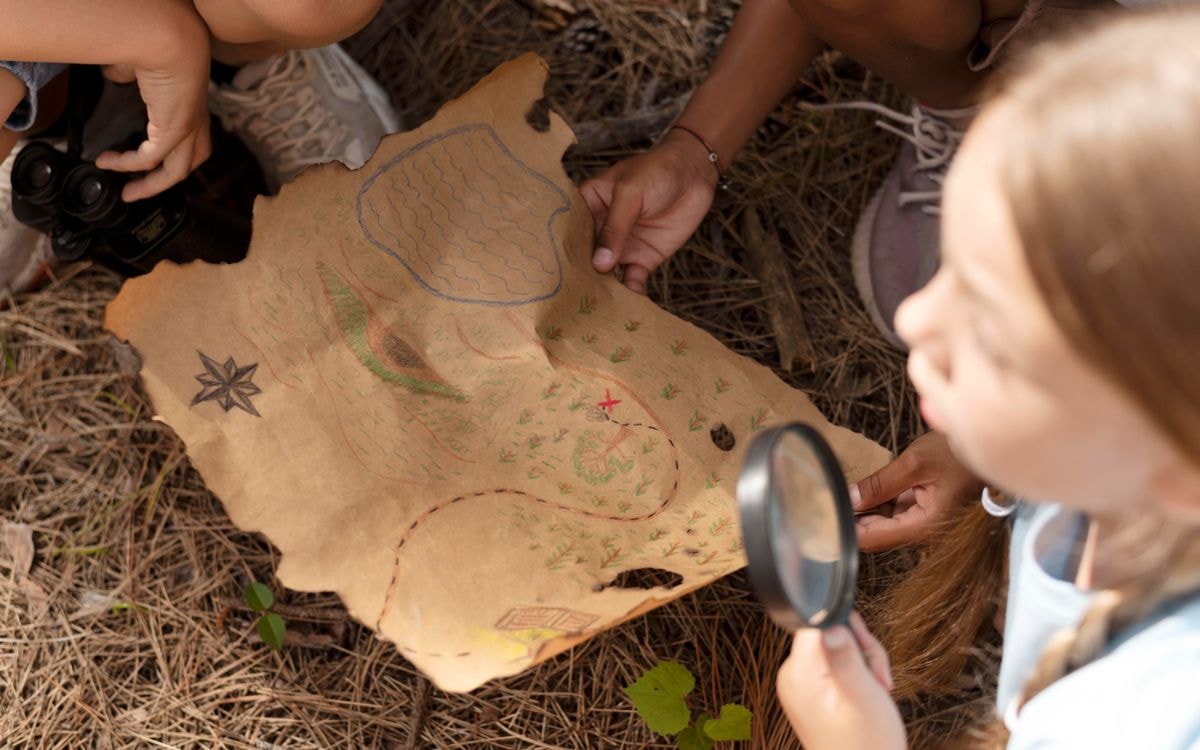
How to Plan a Scavenger Hunt
A nature scavenger hunt is a fantastic way to engage kids in outdoor learning. Start by creating a list of items commonly found in the natural world, such as leaves, acorns, and feathers.
Equip children with a bag or basket to collect their treasures as they explore a nearby park or garden. For older children, add challenges like identifying the items or noting their characteristics in a nature journal.
Skills Boosted by a Nature Hunt
This activity strengthens observation and memory skills while encouraging teamwork in group settings. Young children develop fine motor skills as they handle and collect natural materials, while older children can practice sight words or scientific terms by labeling their finds.
It’s an engaging way to teach children about the natural world, making outdoor learning fun and interactive for all ages.
Nature Journaling

What to Include in a Nature Journal
A nature journal invites kids to document their experiences and discoveries during time outdoors. Encourage children to sketch plants, birds, or insects they encounter.
Older kids can write descriptive notes about their findings, while younger ones can use simple drawings or pressed flowers. This activity works well in an outdoor classroom setting or during unstructured play in the garden or local park.
Encouraging Creativity in Young Children
Nature journaling fosters creativity and strengthens fine motor skills. By exploring natural materials and turning observations into art or writing, children learn to appreciate their surroundings. Teachers and parents can use journals to connect outdoor learning ideas to various subject areas like art, science, and literacy.
It’s a versatile activity that makes learning fun while cultivating mindfulness and curiosity about the world.
Bird Watching Adventure

Getting Started with Bird Watching
Introduce children to bird watching by visiting a nearby park or setting up a bird feeder in the garden. Provide them with simple tools like binoculars and a bird guidebook to identify local species.
This child-led activity invites kids to explore at their own pace while observing the habits and characteristics of birds.
Teaching Observation Skills Through Bird Watching
Bird watching encourages patience and enhances observation skills as children notice colors, behaviors, and sounds. It’s an engaging way to teach about the diversity of living things in the natural world.
Older children can document their findings in a nature journal, while younger ones can express their observations through art projects like painting or drawing birds they’ve seen.
Outdoor Art Projects

Creating Nature-Inspired Art
Outdoor art projects combine creativity and exploration of the natural world. Provide children with natural materials like leaves, flowers, and pebbles to create unique art pieces. Ideas include leaf rubbings, flower collages, or painting rocks with colorful designs.
This activity works well in a garden, outdoor classroom, or even a local park, encouraging children to use their imagination while interacting with their surroundings.
Benefits of Outdoor Art for Kids
Creating art outdoors helps children develop fine motor skills while boosting their creativity. Handling natural materials sparks curiosity about textures, shapes, and colors. Outdoor art projects also provide a calming and engaging way for children to express themselves.
Teachers can integrate these activities into lessons on nature or art, making them an excellent tool for combining learning with play.
Nature Walks for Learning

Exploring the Natural World on Foot
A nature walk is a simple yet effective way to encourage outdoor learning. Choose a path in a nearby park or natural area, and guide children to observe their surroundings.
Let them spot living things like plants, birds, or insects while explaining their roles in the ecosystem. For older children, add challenges like identifying plant species or observing weather patterns.
Learning Through Observation and Discussion
Nature walks teach children to observe, question, and discuss what they see. This activity supports lessons on science topics like ecosystems and biodiversity. It also offers opportunities for child-led learning, as kids naturally ask questions and share their discoveries.
Whether for a short stroll or an extended hike, nature walks provide a hands-on way to make outdoor education activities engaging and meaningful.
Sidewalk Chalk and Learning

Creative Ideas with Sidewalk Chalk
Sidewalk chalk transforms learning into a fun and interactive outdoor activity. Draw hopscotch grids, create colorful art, or practice sight words and number recognition.
Children can even design memory games or puzzles using chalk. This inexpensive and versatile activity encourages kids to explore their creativity while learning outdoors.
Learning Fun with Gross and Fine Motor Skills
Using sidewalk chalk strengthens both gross and fine motor skills. Younger children practice hand-eye coordination as they draw, while older kids engage in more complex tasks like creating word or number challenges.
The activity supports lessons in literacy, math, and art, making it a great addition to any outdoor learning session.
Garden Exploration Activities
Teaching Children About Plants and Animals
Gardens are ideal spaces for outdoor education activities that teach children about plants, insects, and ecosystems. Guide children to observe and identify flowers, learn how plants grow, or discover insects at work.
Encourage them to collect natural materials like leaves or seeds to study later in a nature journal.
Benefits of Gardening for Childhood Development
Gardening promotes responsibility and patience as children care for plants. It also enhances their knowledge of the natural world, making connections to science lessons about living things.
Whether tending a school garden or exploring a family plot, these activities support childhood development and foster a lifelong appreciation for the environment.
Memory Games in the Great Outdoors

Outdoor Memory Game Ideas
Transform the great outdoors into a fun space for memory games. Use natural materials like leaves, rocks, or flowers to create matching pairs for a memory challenge.
Alternatively, set up a sequence of objects along a path and ask children to recall and recreate the order. These games are easy to organize in a garden, local park, or even a schoolyard.
How Memory Games Encourage Learning
Outdoor memory games enhance cognitive skills, focus, and recall abilities. They also foster teamwork when played in groups. For young children, these activities improve fine motor skills as they handle objects, while older children benefit from problem-solving and strategy development.
Combining physical activity with mental exercises makes these games an engaging way to teach children while spending time outdoors.
Outdoor Science Experiments

Simple and Fun Science Lessons Outside
Outdoor science experiments are a fantastic way to spark curiosity and make learning fun. Activities like measuring rainfall, observing shadows, or creating simple water filters with natural materials connect scientific concepts to the natural world.
Set up experiments in a garden, outdoor classroom, or nearby park to encourage exploration.
Connecting Science to the Natural World
These experiments teach children about processes like the water cycle, plant growth, and sunlight patterns. They also help children develop observation, critical thinking, and problem-solving skills.
By taking science lessons outdoors, teachers and parents can create an engaging way to explore subject areas like physics, biology, and environmental science. This hands-on approach fosters a deeper appreciation for the living world and its many wonders.
Read also: 10 activités ludiques sur les nombres pour les enfants d'âge préscolaire
The Benefits of Outdoor Learning
Outdoor learning offers countless benefits for children, supporting their physical, emotional, and cognitive development. Spending time in the natural world promotes physical health by encouraging movement, whether through outdoor play, nature walks, or gardening.
Emotional well-being also improves as children experience the calming effects of fresh air and the outdoors, which can reduce stress and enhance mood.
Physical Benefits of Outdoor Learning
Outdoor activities naturally encourage movement, helping children develop gross motor skills through games like hopscotch or running scavenger hunts. Activities like gardening improve fine motor skills as kids handle tools or plant seeds.
Spending time outdoors also increases physical fitness and encourages healthy habits that extend into adulthood. From stretching limbs to breathing in fresh air, outdoor learning keeps kids active and physically engaged, combating sedentary lifestyles that have become increasingly common.
Cognitive Benefits of Outdoor Learning
Cognitive development thrives when children engage in outdoor education activities. Scavenger hunts, nature journaling, and science experiments challenge their problem-solving and critical thinking abilities. Observing nature’s complexity also inspires curiosity and a deeper understanding of concepts like ecosystems or weather patterns.
Activities involving memory games or practicing sight words outdoors integrate play with learning, boosting focus and recall. This hands-on approach cultivates essential skills that children will use throughout their academic and personal lives.
Social Benefits of Outdoor Learning

Outdoor learning activities often require collaboration, making them excellent for developing social skills. Group projects like designing outdoor art or participating in a nature scavenger hunt foster teamwork and communication.
Children also learn to appreciate diversity by observing how plants, animals, and ecosystems interact in the natural world. Social learning extends to understanding cooperation, leadership, and empathy, preparing kids to work effectively with others in a variety of settings.
Cognitively, emotionally, socially, and physically, outdoor learning is a holistic approach to education that builds skills, strengthens bonds, and fosters a lifelong love for the natural world.
Tips for Creating an Outdoor Classroom
Bringing learning outdoors doesn’t have to be complicated. With a few simple steps, teachers and parents can create engaging outdoor classrooms to enrich children’s educational experiences. Begin by choosing a location like a garden, schoolyard, or nearby park. Use natural materials like logs for seating or stones to outline work areas.
Incorporate outdoor classroom ideas into daily lessons. For example, use chalkboards for practicing sight words, let students design simple science experiments, or explore natural materials for art projects. Adapt the space for multiple subject areas, such as science, literacy, or math, ensuring lessons remain versatile and interactive.
Outdoor classrooms are especially effective for child-led learning, where kids explore their interests with gentle guidance. By encouraging lessons in the fresh air, children gain the benefits of outdoor learning while building a deeper connection with the environment. A well-designed outdoor classroom inspires curiosity, creativity, and critical thinking.
Conclusion: Inspiring the Next Generation Through Outdoor Learning
Outdoor learning activities are an engaging way to teach children while encouraging them to explore the great outdoors. From nature scavenger hunts to memory games, these activities nurture creativity, build essential skills, and inspire curiosity about the natural world.
As educators and parents, we have the opportunity to shape the next generation by making outdoor learning a regular part of their lives. By embracing these activities, we can create a love for learning that extends beyond the classroom. So, take a step outdoors, spark a child’s imagination, and let nature be their ultimate teacher.
Ressources pour la formation continue
For additional inspiration, explore these helpful resources:
- Livres: Last Child in the Woods by Richard Louv, Nature Anatomy by Julia Rothman.
- Sites web: National Wildlife Federation (nwf.org) for nature activity ideas, Project Learning Tree (plt.org) for outdoor education resources.
- Apps and Tools: Seek by iNaturalist for identifying plants and animals, DIY Nature Activities from National Geographic Kids.
- Magrid: To complement outdoor learning activities with an innovative, language-free approach to cognitive skill development, try Magrid for a holistic educational experience.
These resources provide creative ideas for outdoor learning and support a deeper understanding of the natural world. Use them to enhance your lessons and foster a lifelong love of outdoor exploration.
Distinguer la dyslexie de la dysgraphie

Les mathématiques sont partout, et il n’est jamais trop tôt pour initier les jeunes esprits à leurs concepts. Les tout-petits possèdent une incroyable capacité d'apprentissage, et en leur proposant des activités captivantes et adaptées à leur âge, nous pouvons jeter les bases de leur futur développement mathématique. Cet article de blog vous présentera des activités mathématiques ludiques et efficaces destinées aux tout-petits, en particulier ceux âgés de 3 à 9 ans.
1. Compter avec des objets du quotidien
Le comptage est l'une des compétences fondamentales en mathématiques, et vous pouvez le rendre passionnant en y intégrant des objets du quotidien. Encouragez vos tout-petits à compter leurs jouets, leurs fruits, leurs doigts et leurs orteils. Cette activité les aide à s'entraîner à compter et renforce leur compréhension de la correspondance biunivoque.
2. Jeux de motifs
Les motifs sont partout ; les tout-petits peuvent apprendre à les reconnaître et à en créer de simples. Commencez par des motifs basiques comme ABAB (rouge-bleu-rouge-bleu) et laissez-les s'entraîner à les reproduire à l'aide de blocs colorés, d'autocollants ou même en frappant dans les mains. C'est une façon ludique de développer leur raisonnement logique et jeter les bases d'une reconnaissance de formes plus complexe à l'avenir.
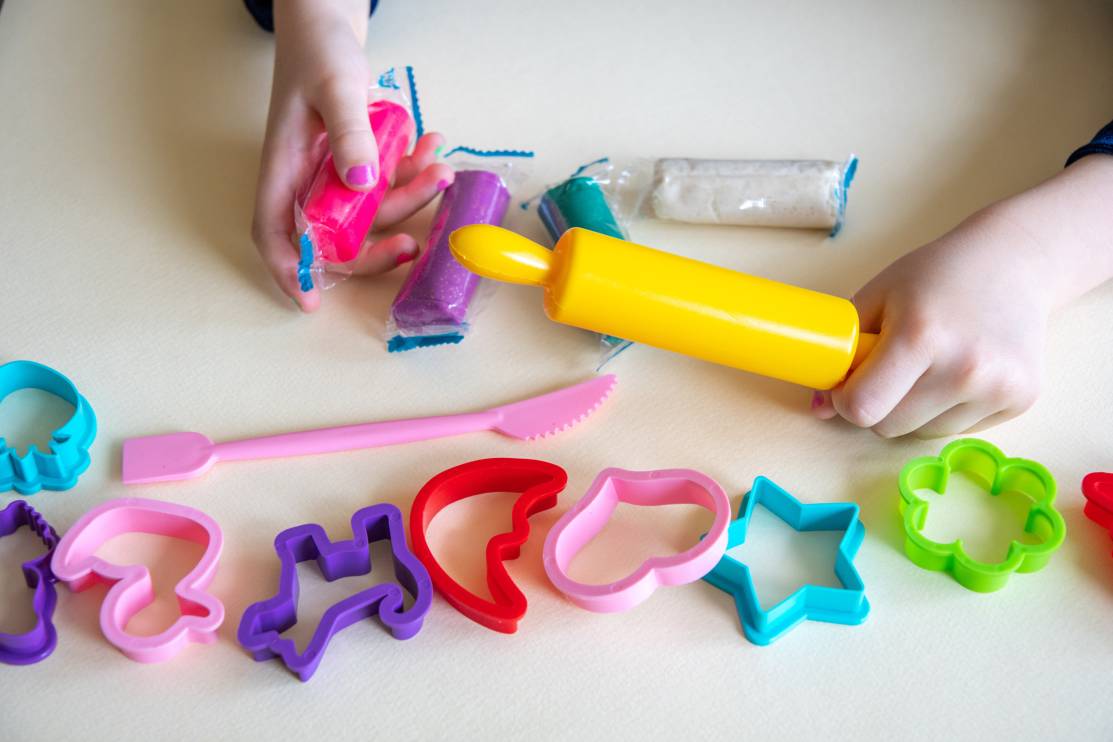
3. Reconnaissance des formes et tri
Faites découvrir à votre tout-petit différentes formes à travers des jeux interactifs. Utilisez des puzzles de formes ou des jouets de tri pour l'aider à reconnaître et à associer les formes. Cette activité favorise la perception spatiale et le développement de l'esprit critique.
4. Mesurer et comparer
Initiez vos tout-petits aux concepts de mesure en explorant les tailles et les quantités. Donnez-leur des blocs de construction de différentes tailles et encouragez-les à les classer du plus petit au plus grand, ou inversement. Vous pouvez également leur demander de comparer la hauteur d'autres objets présents dans leur environnement. Cette activité développe leur compréhension de la mesure et les aide à enrichir leur vocabulaire avec des termes comparatifs tels que « grand », « petit », « plus grand » et « plus petit ».
5. Tracer des formes et des chiffres
Le traçage de formes et de chiffres est un excellent moyen de développer la motricité fine tout en consolidant les notions mathématiques. Proposez à votre tout-petit des fiches d'exercices de traçage ou utilisez votre doigt pour dessiner des formes et des chiffres dans des bacs remplis de sable ou de sel. Cette activité développe la coordination œil-main et renforce sa compréhension des formes et des chiffres.
6. Cuisson et mesures
Faites participer votre tout-petit à des activités culinaires simples qui nécessitent de doser des ingrédients. Laissez-le verser de la farine, de l'eau ou compter les œufs. Cette expérience pratique est un jeu amusant qui l'aide à comprendre les notions de mesure, de volume et de quantité. De plus, cela favorise sa compréhension des relations de cause à effet, car il voit comment différents ingrédients se combinent pour créer quelque chose de délicieux.
7. Mathématiques et nature
Organisez des activités mathématiques en plein air en partant à la découverte de la nature. Vous pouvez faire une promenade dans la nature et demander à votre tout-petit de ramasser des feuilles, des cailloux ou des fleurs. Triez et classez ces objets en fonction de leur couleur, de leur taille ou de leur forme. Comptez le nombre d’objets qu’il a ramassés et discutez avec lui pour lui faire découvrir les notions de « plus » et de « moins ». Cette activité fait le lien entre les maths, le monde réel et la vie quotidienne, tout en stimulant la curiosité de votre enfant pour l’environnement.
8. À la recherche des formes
Créez un jeu de recherche de formes dans lequel votre tout-petit devra repérer des formes spécifiques dans son environnement. Dressez une liste des formes qu’il devra trouver, comme des cercles, des carrés, des triangles et des rectangles. Il pourra rechercher ces formes sur des objets présents dans la maison ou lors d’une promenade à l’extérieur. Cette activité affine ses capacités de reconnaissance des formes et transforme l’apprentissage des mathématiques en une véritable aventure.
9. Histoires de chiffres
Stimulez l'imagination et la capacité de votre tout-petit à raconter des histoires tout en intégrant les mathématiques. Demandez-lui de créer des histoires de chiffres à l'aide de leurs jouets ou de leurs dessins. Par exemple, ils peuvent expliquer comment trois ours se sont partagé dix biscuits ou comment deux voitures ont fait un voyage avec quatre gallons d'essence dans le réservoir. Cette activité développe leur compréhension des nombres dans un contexte concret et favorise la réflexion critique.
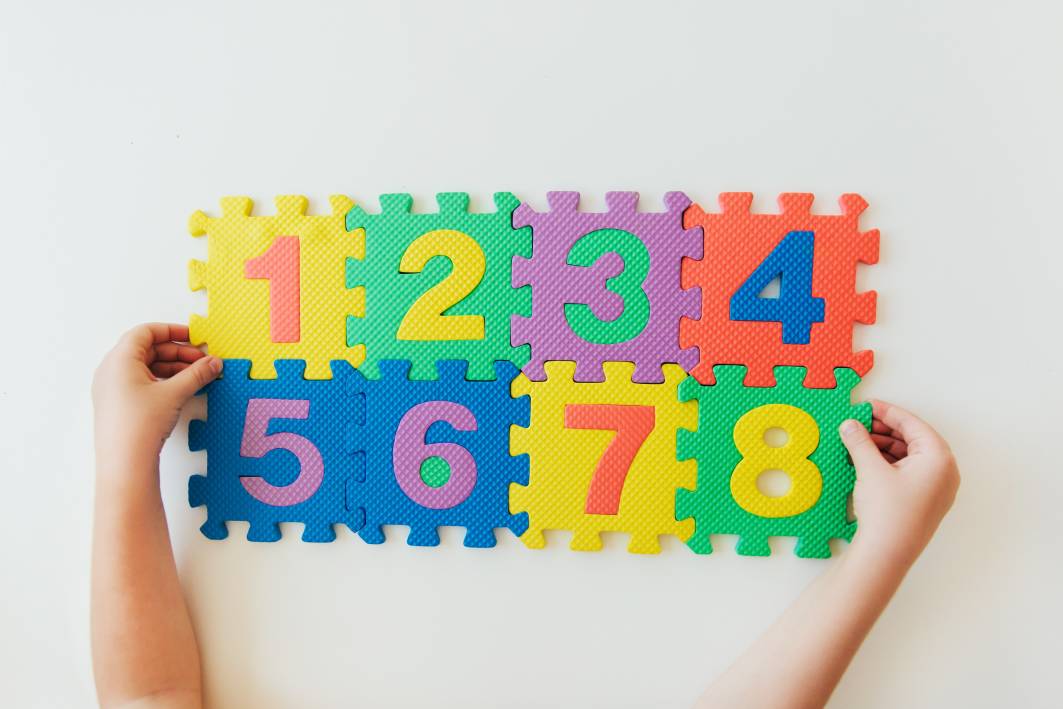
10. Jeux sur le sens des nombres
Proposez à votre tout-petit des jeux axés sur la compréhension des nombres afin de renforcer sa maîtrise des chiffres et des quantités, tout en l’initiant à des concepts mathématiques simples. Jouez à “ Je vois, je vois ” et demandez-lui de trouver un certain nombre d’objets dans la pièce. Vous pouvez également tracer une droite numérique au sol à l’aide de ruban adhésif et lui demander de sauter sur les chiffres dans le bon ordre. Ces activités favorisent la reconnaissance des chiffres et l’aident à développer le sens des quantités et de l’ordre.
11. Jeux d'association
Les jeux d'association aident les tout-petits à s'entraîner à la discrimination visuelle et à renforcer leur capacité à repérer les similitudes et les différences. Créez des paires de cartes ou d'objets présentant des chiffres, des formes ou des quantités identiques. Disposez-les sur une surface et demandez à votre tout-petit de trouver les paires correspondantes. Cette activité affine son sens de l'observation et améliore sa compréhension des concepts mathématiques fondamentaux.
12. Les joies des dominos
Initiez les enfants d'âge préscolaire aux dominos, qui constituent d'excellents outils pour apprendre les chiffres et les bases de l'addition. Commencez par les encourager à faire correspondre le nombre de points figurant sur chaque face des dominos. À mesure qu'ils se familiarisent avec le concept, ils peuvent s'entraîner à additionner les points de différents dominos. Cette activité pratique permet de développer de manière ludique compétences arithmétiques élémentaires.
13. Tri des pièces de monnaie
Apprenez aux enfants à reconnaître les jours, les semaines et les mois à l'aide d'un simple calendrier. Chaque jour, invitez-les à mettre à jour le calendrier en rayant la date de la veille et en discutant de la date du jour. Vous pouvez également marquer les occasions spéciales ou les événements à l'aide d'autocollants colorés ou de dessins. Cette activité permet d'aborder les concepts de base liés au temps, à la chronologie et à l'organisation.
14. Les joies du calendrier
Apprenez aux enfants à reconnaître les jours, les semaines et les mois à l'aide d'un simple calendrier. Chaque jour, invitez-les à mettre à jour le calendrier en rayant la date de la veille et en discutant de la date du jour. Vous pouvez également marquer les occasions spéciales ou les événements à l'aide d'autocollants colorés ou de dessins. Cette activité permet d'aborder les concepts de base liés au temps, à la chronologie et à l'organisation.
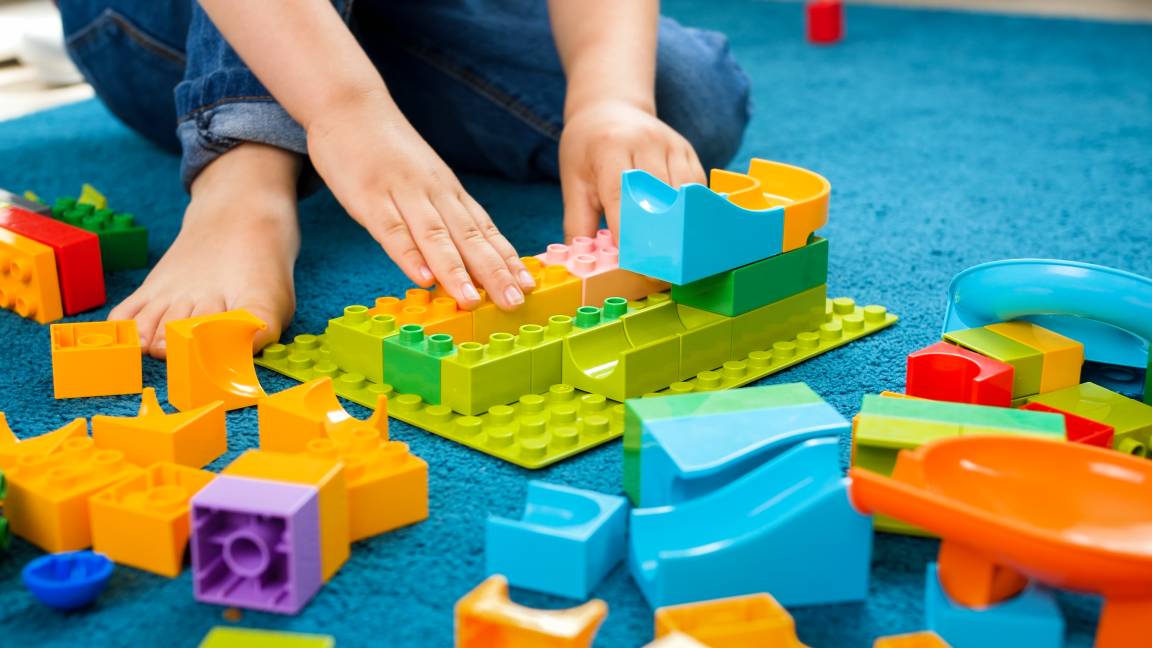
15. Construire avec des blocs
Jouer avec des blocs est un activité ludique qui favorise la perception spatiale et la réflexion mathématique. Encouragez votre tout-petit à construire des tours à l’aide de blocs de différentes tailles et formes. Abordez des notions telles que “ haut ”, “ bas ”, “ large ” et “ étroit ” pendant qu’il réalise ses constructions. Vous pouvez même lui enseigner les mathématiques et l’initier aux additions et soustractions simples en lui demandant d’ajouter ou de retirer des blocs de ses tours.
16. Tri par forme et par couleur
Associez la reconnaissance des formes et l'identification des couleurs à des activités de tri. Proposez à votre tout-petit des objets ou des cartes présentant différentes formes et couleurs. Demandez-lui de trier ces objets en groupes selon leur forme ou leur couleur. Cette activité développe sa capacité à catégoriser et à classer les objets, des compétences essentielles à la pensée mathématique.
17. Jeu de mémoire
Les jeux de mémoire peuvent être un excellent moyen de renforcer la reconnaissance des chiffres et d'améliorer la mémoire. Créez des cartes avec des chiffres ou des quantités et disposez-les face cachée. À tour de rôle, retournez deux cartes en même temps pour essayer de trouver des paires identiques. Ce jeu permet non seulement d'aiguiser leur mémoire, mais aussi de consolider les concepts numériques et de les aider à s'entraîner correspondance biunivoque.
18. Exploration des mesures
Initiez votre enfant à la mesure de manière ludique et pratique. Proposez-lui des outils de mesure originaux, comme des blocs, des rubans ou des trombones. Laissez-le mesurer la longueur ou la hauteur d’objets présents dans la maison ou comparer les tailles de différents jouets. Cette activité favorise une meilleure compréhension de la mesure et l’encourage à utiliser un langage mathématique pour décrire ses observations.
19. Les plaisirs des puzzles
Les puzzles sont ludiques et contribuent à développer la capacité à résoudre des problèmes ainsi que le raisonnement spatial. Choisissez des puzzles adaptés à son âge, comportant des chiffres, des formes ou des éléments permettant d’apprendre à compter. Lorsque votre tout-petit termine le puzzle, demandez-lui d’identifier les chiffres ou les formes qu’il a assemblés. Cette activité stimule ses capacités cognitives et renforce sa compréhension des concepts mathématiques.
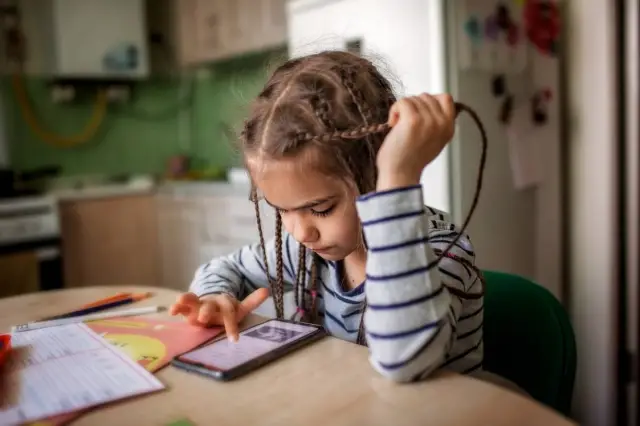
20. Applications de maths et jeux interactifs
À l'ère du numérique, de nombreux applications éducatives et jeux interactifs sont spécialement conçues pour l'apprentissage précoce des mathématiques. Ces applications proposent toute une gamme d'activités, allant du comptage et de la reconnaissance des chiffres aux opérations de base et à la résolution de problèmes. L'utilisation d'applications telles que Magrid permet de proposer des activités mathématiques dynamiques aux enfants d'âge préscolaire. Elles rendent également l'apprentissage plus attrayant pour les tout-petits tout en favorisant leur développement mathématique.
Découvrez Magrid : la solution d'apprentissage des maths par excellence pour les enfants
Pour les tout-petits ayant des besoins particuliers, l'apprentissage des mathématiques à travers les jeux mentionnés ci-dessus pourrait ne pas être adapté. Mais cela ne signifie pas pour autant qu'il n'existe aucun moyen de les aider à améliorer leurs compétences en mathématiques. C'est là que Magrid peut intervenir : il s'agit d'une application développée par des psychologues de l'éducation.
Libérez le potentiel de l'apprentissage précoce des mathématiques grâce à Magrid, une application révolutionnaire spécialement conçue pour les enfants d'âge préscolaire, les tout-petits et les enfants ayant des besoins particuliers.
Conçu avec soin par des professionnels de l'éducation
Notre équipe d'experts en éducation, psychologie, neurosciences, sciences cognitives et informatique a mis à profit ses connaissances et son expérience pour développer, tester et valider Magrid. Soyez assurés que ce programme s'appuie sur des recherches fondées sur des données probantes.
Une expérience d'apprentissage captivante et tactile
Dites adieu aux heures passées devant un écran ! Magrid propose un environnement d'apprentissage pratique qui tire parti de la technologie pour favoriser la concentration et réduire la surcharge sensorielle. Nous croyons en une approche équilibrée de l'apprentissage.
Adapté aux besoins de chaque enfant
Magrid propose une expérience d'apprentissage personnalisée sans pareille. Grâce à un programme complet de deux ans, parfaitement aligné sur le programme scolaire, les enseignants peuvent facilement guider les élèves vers leurs objectifs d'apprentissage. C'est comme si chaque enfant disposait d'un professeur particulier.
Idéal pour tous les enfants, quelles que soient leurs capacités
Magrid est une entreprise inclusive solution d'apprentissage des mathématiques, adapté à tous les enfants âgés de 3 à 9 ans. Que votre enfant soit atteint d’un trouble du spectre autistique, de dyslexie ou de dyscalculie, ou encore qu’il souffre de troubles auditifs, Magrid est là pour l’aider. Nous accueillons également les enfants apprenant une langue étrangère et ceux présentant des troubles du langage.
Ne laissez pas la langue être un obstacle à l'apprentissage. C'est grâce à vos échanges que les mathématiques deviennent un plaisir pour les enfants. Découvrez l'univers fascinant de Magrid, où les maths deviennent ludiques, captivantes et accessibles à tous.
Top 15 Cognitive Development Activities for Preschoolers
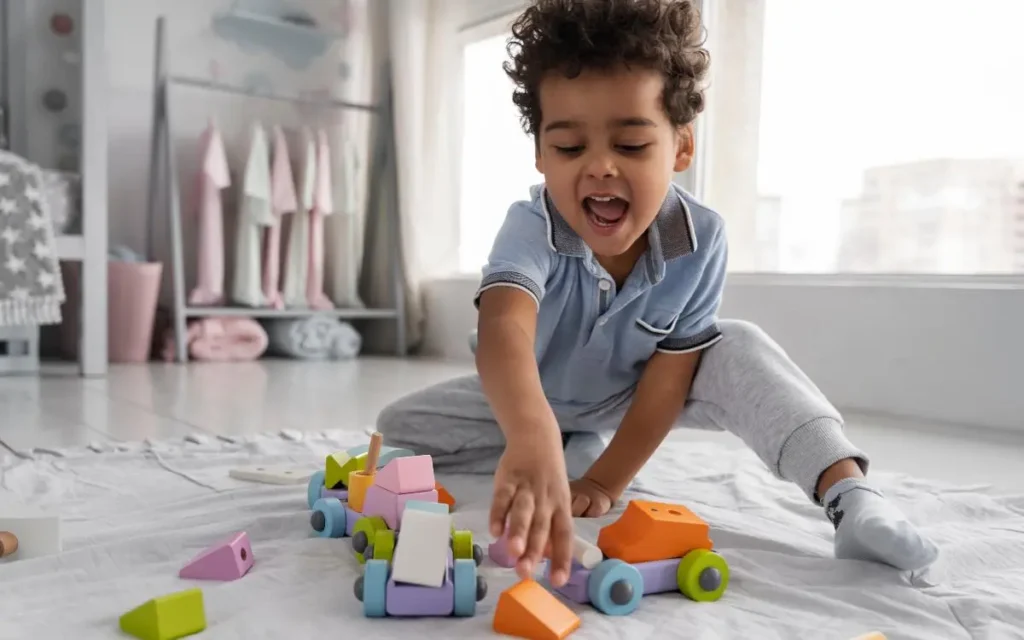
Introduction: why cognitive development matters
Cognitive development activities for preschoolers are essential in shaping their cognitive abilities, including problem solving skills, critical thinking, and language skills. Engaging in hands-on activities helps foster cognitive growth, boost cognitive development, and support cognitive performance in early childhood. Activities for toddlers that encourage children to explore their surroundings play a crucial role in their educational journey and lifelong learning.
Understanding cognitive development in preschoolers
Preschool cognitive development involves enhancing cognitive skills like observation skills, problem solving abilities, and memory retention. Fostering cognitive development through engaging activities supports a developing child’s ability to think critically and describe objects effectively. Creative play and interactive experiences enable children to boost cognitive development naturally, setting the foundation for future learning and encouraging self-expression through imaginative play and exploration.
How cognitive skills shape early learning
Developing cognitive skills during early childhood helps children learn new concepts, enhance cognitive development, and prepare for complex concepts in school. Activities like pretend play, building blocks, and interactive reading promote cognitive development by improving attention span, memory skills, and social interaction. Encouraging problem solving strategies and language acquisition helps preschoolers develop problem solving skills crucial for lifelong learning.
Encouraging problem solving and critical thinking
Problem solving and critical thinking skills are essential cognitive tasks that help children learn to analyze and navigate their environment. Cognitive development activities such as puzzle solving and science experiments develop problem solving skills while enhancing memory retention. Encouraging children to explore problem solving strategies fosters cognitive growth and cognitive potential, preparing them for future challenges and improving their decision-making abilities.
Building cognitive skills through creative play
Creative play offers valuable opportunities for fostering cognitive development by allowing young minds to explore symbolic thinking and self-expression. Activities like imaginative play, pretend play, and outdoor scavenger hunts support cognitive development by enhancing observation skills, spatial awareness, and social interaction. These development activities also promote cognitive growth and provide essential learning experiences that strengthen problem solving abilities and fine motor skills.
1. Puzzle solving: enhancing memory and critical thinking
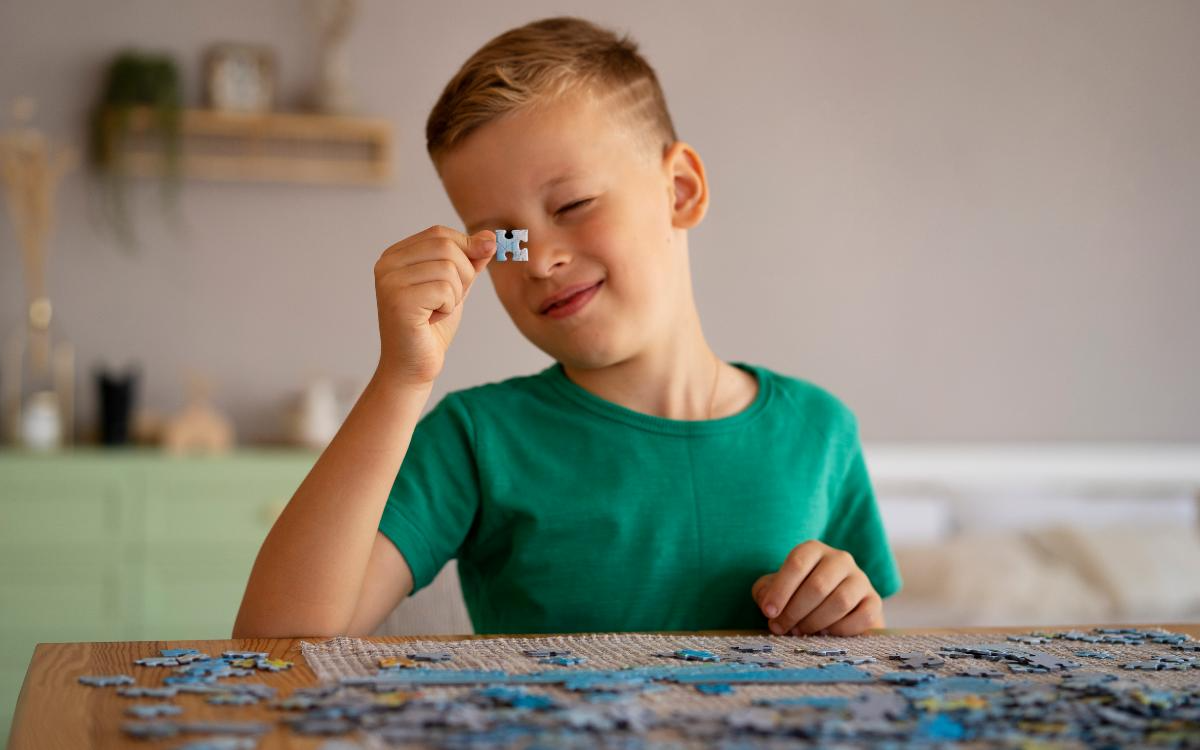
Puzzle solving is a fun way to develop cognitive skills and enhance cognitive development in preschoolers. It helps foster cognitive growth by improving problem solving skills, pattern recognition, and memory retention. Engaging children in puzzle-based activities supports their cognitive potential and fine motor skills. Whether through classic games that enhance memory or interactive challenges, puzzles provide a valuable tool for cognitive development.
2. Interactive reading: fostering language and observation skills
Interactive reading promotes cognitive development by enhancing language acquisition and observation skills. It helps encourage children to ask questions, describe objects, and develop problem solving abilities. Engaging activities such as storytelling and discussions support preschool cognitive development, fostering attention span and cognitive growth. Reading sessions also enable children to build social skills, critical thinking, and memory skills for their educational journey.
3. Building blocks: promoting spatial awareness and problem solving
Building blocks are effective cognitive development activities for preschoolers that foster problem solving strategies and spatial awareness. These hands-on activities enhance fine motor skills, hand-eye coordination, and cognitive abilities while encouraging imaginative play. They also promote cognitive development by helping children learn mathematical reasoning and problem solving abilities, laying the groundwork for understanding complex concepts and fostering creativity through self-expression.
4. Music and rhythm activities: strengthening cognitive abilities

Music and rhythm activities are excellent tools to promote cognitive development in preschoolers. They enhance memory skills, pattern recognition, and social interaction while improving attention span and cognitive performance. Encouraging children to participate in music-based engaging activities supports self-expression, hand-eye coordination, and language skills. These activities help in fostering cognitive development by allowing young minds to process information in fun and creative ways.
5. Outdoor scavenger hunts: boosting observation skills
Outdoor scavenger hunts are exciting cognitive development activities that support cognitive growth by improving observation skills and problem solving abilities. They encourage children to explore the natural world, describe objects, and develop spatial awareness. These activities for toddlers enhance attention span, cognitive potential, and social skills. Nature exploration helps foster cognitive growth while providing opportunities for self-expression and imaginative play.
6. Pretend play: fostering symbolic thinking and creativity
Pretend play is an essential activity to foster cognitive growth and support cognitive development in preschoolers. It helps develop problem solving skills, social skills, and symbolic thinking by allowing children to explore different roles and scenarios. This imaginative play encourages language skills, self-expression, and cognitive abilities while enabling children to understand complex concepts in a fun and engaging way.
7. Simple science experiments: hands-on learning for young minds

Simple science experiments are great for enhancing cognitive development by encouraging observation skills, critical thinking, and problem solving abilities. These hands-on activities help preschoolers explore the natural world, boosting cognitive performance and fostering curiosity. Science experiments promote language acquisition and self-expression by allowing children to describe objects and processes, making learning an exciting part of their educational journey.
8. Board games: enhancing strategic thinking and memory
Board games are classic games that enhance memory, problem solving strategies, and cognitive abilities in preschoolers. Playing games encourages children to develop problem solving skills, cognitive tasks, and social interaction. Board games promote cognitive growth by teaching turn-taking, patience, and critical thinking skills. They also help in boosting memory retention and cognitive potential while fostering a love for lifelong learning.
9. Daily routines: reinforcing cognitive growth through consistency
Daily routines are powerful cognitive development activities that support cognitive performance by reinforcing memory retention and problem solving abilities. Structured routines enhance preschool cognitive development by helping children learn organization, develop cognitive skills, and build social interaction. Encouraging consistent daily habits promotes attention span and enables children to develop problem solving strategies naturally while enhancing their educational journey.
10. Physical activity: boosting cognitive and motor skills

Physical activity plays a crucial role in fostering cognitive development by improving hand-eye coordination, fine motor skills, and spatial awareness. Activities such as running, jumping, and balancing enhance cognitive abilities, memory skills, and problem solving strategies. Engaging in physical movement promotes cognitive growth by strengthening attention span, supporting cognitive potential, and encouraging children to develop problem solving skills through play.
11. Social interaction: developing language and problem solving
Social interaction is key to preschool cognitive development, helping to develop problem solving abilities, language acquisition, and observation skills. Group activities encourage cognitive growth by promoting critical thinking and fostering communication skills. Through social play, children learn to analyze situations, express themselves, and enhance cognitive potential while building relationships that support their educational journey and lifelong learning.
12. Memory games: improving focus and cognitive potential
Memory games are effective development activities that promote memory retention, cognitive performance, and problem solving skills in preschoolers. Engaging in these cognitive activities helps children boost cognitive development by strengthening pattern recognition and observation skills. Playing memory games fosters critical thinking and social interaction while encouraging children to describe objects and improve their attention span naturally.
13. Nature exploration: fostering curiosity and observation skills

Nature exploration offers valuable opportunities to promote cognitive development by improving observation skills and problem solving strategies. Encouraging children to explore the natural world enhances cognitive growth, attention span, and language skills. Hands-on activities in nature allow preschoolers to describe objects, engage in imaginative play, and foster cognitive abilities through real-world experiences that support preschool classroom learning.
14. Educational games: promoting problem solving and logic
Educational games like Magrid are powerful tools designed to develop essential cognitive skills in preschoolers, such as problem-solving abilities, logical reasoning, and mathematical thinking. Magrid’s research-based approach focuses on enhancing visual-spatial skills, working memory, and attention span through interactive, screen-free activities. These engaging exercises help children grasp complex concepts in a structured yet playful way, fostering cognitive growth while building confidence in early learning. Magrid’s adaptive learning system supports individualized progress, ensuring children develop problem-solving strategies and critical thinking at their own pace.
15. Lifelong learning habits: encouraging curiosity
Fostering lifelong learning habits in preschoolers supports cognitive development by encouraging problem solving, observation skills, and self-expression. Engaging children in development activities helps promote cognitive abilities and build a strong foundation for future learning. Encouraging exploration, imaginative play, and creativity helps children develop problem solving skills, cognitive tasks, and a love for discovering new concepts in their educational journey.
Encouraging cognitive development in daily life
Supporting cognitive development in daily life helps preschoolers develop cognitive skills through engaging activities like pretend play, interactive reading, and problem solving tasks. Encouraging children to describe objects and participate in hands-on activities promotes cognitive growth and enhances social interaction. Everyday routines, such as helping with chores or following instructions, foster problem solving abilities and boost cognitive development in young minds.
The importance of adequate sleep for cognitive growth
Adequate sleep is essential for cognitive development, as it supports memory retention, attention span, and cognitive performance. A well-rested child’s ability to focus and develop problem solving skills improves significantly. Establishing consistent daily routines helps encourage children to get enough rest, promoting cognitive growth and enhancing learning potential. Good sleep habits foster cognitive abilities and provide the foundation for lifelong learning.
Creative play and self-expression for cognitive growth
Creative play encourages cognitive development by fostering symbolic thinking, self-expression, and imaginative play. Activities such as drawing, role-playing, and storytelling support problem solving abilities and language skills while enhancing cognitive potential. Through hands-on activities, children learn to describe objects, express their ideas, and develop problem solving strategies that boost cognitive skills and promote cognitive growth in early childhood.
Language development through conversation

Engaging children in meaningful conversations helps develop language skills, critical thinking, and problem solving strategies. Encouraging them to ask questions, describe objects, and share their thoughts fosters preschool cognitive development. Interactive reading and social interaction further enhance cognitive abilities, promoting cognitive growth through dialogue. Talking with children regularly supports their educational journey and helps build strong communication and observation skills.
Observation-based learning: strengthening problem solving skills
Observation-based learning enhances cognitive development by encouraging children to analyze and describe objects in their environment. Activities such as outdoor scavenger hunts and simple science experiments promote cognitive skills, problem solving abilities, and spatial awareness. Encouraging children to observe patterns and think critically fosters cognitive growth, boosts memory retention, and strengthens their ability to solve complex concepts in a fun and interactive way.
Conclusion: setting the foundation for lifelong learning
Cognitive development activities for preschoolers lay the groundwork for lifelong learning by fostering cognitive growth, problem solving skills, and critical thinking. Engaging in activities that enhance cognitive development, such as pretend play and memory games, helps children develop cognitive skills essential for early childhood success. Encouraging cognitive tasks daily supports their educational journey, enabling children to reach their full cognitive potential.
Call-to-action: start fostering your child’s cognitive growth today!
Give your child the best start by incorporating these fun and engaging cognitive development activities into their daily routine. From interactive reading to creative play, every moment can support their growing mind. Explore educational tools like Magrid, designed to enhance problem-solving skills and cognitive growth through playful learning. Start today and watch your child thrive!