






Understanding Dyspraxia Symptoms in Children: A Complete Guide

What Parents Should Know About Dyspraxia
When a child struggles with everyday tasks such as tying shoelaces, catching a ball, or writing at the level expected for their age, parents may begin to wonder if more than simple clumsiness is at play. Dyspraxia, often referred to in medical contexts as developmental coordination disorder, is a neurodevelopmental disorder that affects a child’s ability to plan, coordinate, and carry out movements. While dyspraxia symptoms in children vary depending on age, the condition can potentially lead to challenges with motor skills, social interaction, and academic performance.
Because children vary widely in how they acquire new skills, identifying an early sign of dyspraxia can be complex. Some children may only show subtle movement difficulties, while others struggle with daily activities and physical activities. Early awareness and support from parents, teachers, and healthcare professionals can make a significant difference in helping a child manage challenges, build confidence, and thrive.
Defining Dyspraxia Symptoms in Children
Dyspraxia symptoms in children are diverse and extend far beyond occasional clumsiness. At its core, dyspraxia—or developmental coordination disorder (DCD)—involves difficulty with motor planning and executing physical movements. This means a child may know what they want to do but struggle to organize the motor functions needed to carry it out.
In early childhood, common signs include delayed milestones such as crawling, walking, or speaking. As children grow, issues with fine motor skills (like buttoning clothes or using scissors) and gross motor skills (such as running or climbing) become more noticeable. These symptoms of dyspraxia can interfere with a child’s ability to complete tasks at home or in child’s school environments.
Because most children learn at different speeds, it is essential to describe movement difficulties carefully and compare them to what is expected for the child’s age. Recognizing these signs and symptoms early enables timely support through occupational therapy or physical therapy interventions.
Developmental Coordination Disorder Explained
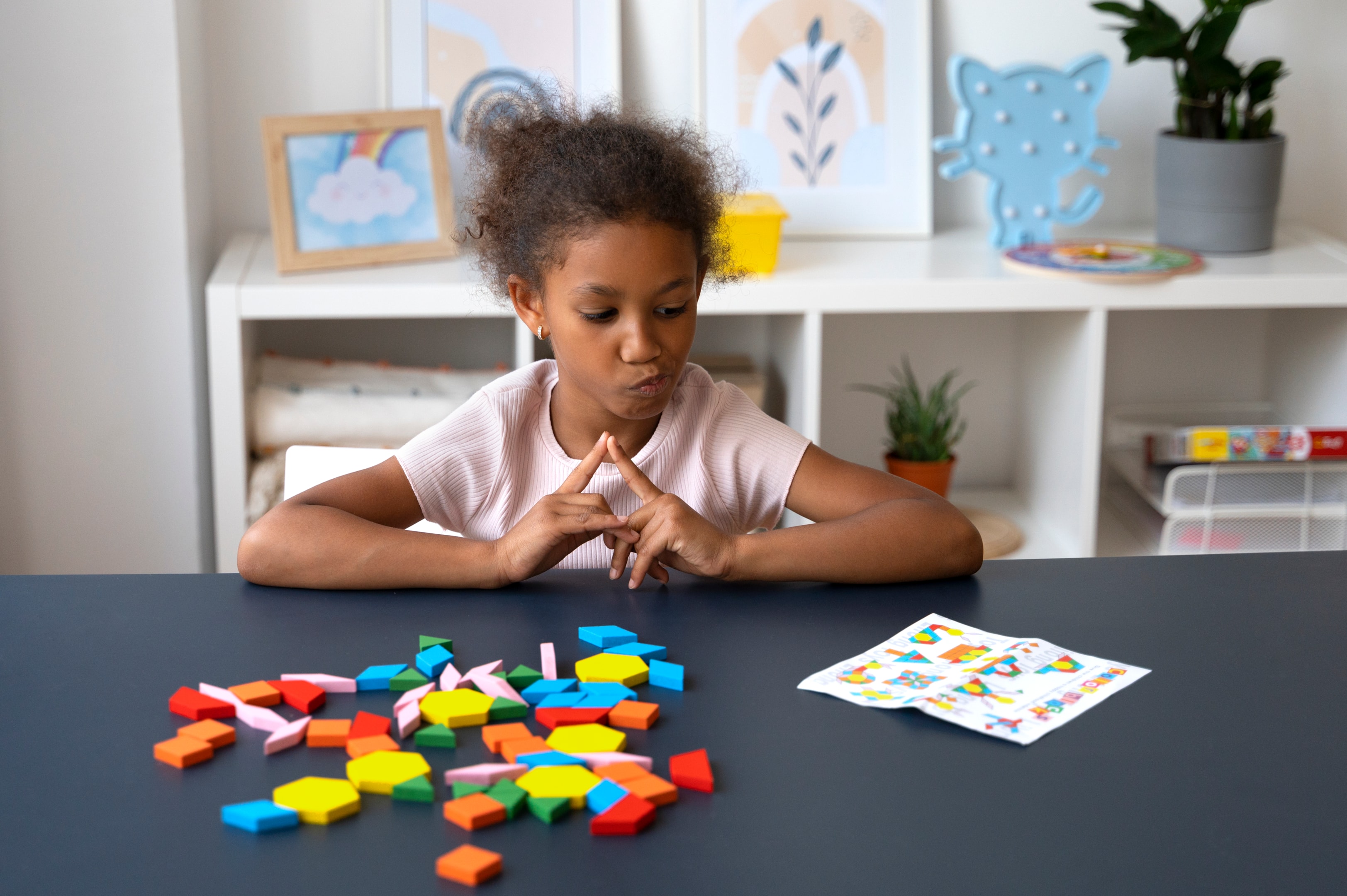
In clinical terms, dyspraxia is classified as developmental coordination disorder, listed in diagnostic resources such as the statistical manual for mental disorders. While the term “dyspraxia” is still widely used by parents, teachers, and even some healthcare professionals, the medical community generally favors developmental coordination disorder (DCD).
This condition is more than just physical clumsiness. It represents a brain based condition that disrupts the link between thought and movement, making skills needed for everyday life harder to master. Children with DCD may face difficulty playing games, academic challenges, and poor performance in physical activities compared to other children.
A child with DCD may also experience psychosocial aspects of the condition, such as frustration, low self esteem, or difficulty with social interaction. Since symptoms vary depending on each child, recognizing signs of dyspraxia requires input from parents, teachers, and healthcare professionals who can observe behavior in multiple settings.
Understanding Developmental Co ordination Disorder
The term developmental co ordination disorder is simply an alternative spelling of developmental coordination disorder. Both describe the same lifelong condition that impacts a child’s motor proficiency and ability to learn certain skills at the level expected for their age. Some countries, schools, and medical systems prefer one version of the spelling over the other, but the meaning remains identical.
Regardless of spelling, this complex process of diagnosing and managing the condition highlights how child’s symptoms are influenced by risk factors such as family history, low birth weight, or brain injury. By understanding both terms, parents and educators can better navigate educational resources, clinical reports, and support systems designed to help children with dyspraxia.
Role of an Occupational Therapist in Dyspraxia
When a child shows persistent movement difficulties, an occupational therapist often plays a central role in support. These professionals specialize in improving a child’s motor skills and helping them manage daily activities that may otherwise be overwhelming. Through structured occupational therapy, children can practice building fine motor skills like handwriting or fastening buttons, as well as gross motor skills needed for climbing, balance, or ball games.
An occupational therapist not only works directly with the child but also collaborates with teachers, parents, and other healthcare professionals. They design individualized programs that consider a child’s strengths, challenges, and signs of dyspraxia. Therapy sessions may focus on improving motor planning, developing skills needed for classroom tasks, and supporting self esteem through achievable goals.
For some children, difficulty learning new routines or handling academic challenges may potentially lead to frustration. With the guidance of an occupational therapist, these challenges can be broken into manageable steps, giving the child tools to thrive.
How Dyspraxia is Diagnosed in Children
Getting dyspraxia diagnosed is a complex process that requires careful observation, use of assessment tools, and input from multiple healthcare professionals. There is no single test that confirms a definite diagnosis. Instead, specialists evaluate how a child performs motor functions compared to what is expected for their age.
Typically, parents or teachers notice early signs such as poor performance in physical tasks, difficulty playing with peers, or delays in acquiring new skills. These concerns are often brought to a pediatrician, who may refer the child to an occupational therapist or physical therapist for further evaluation.
Professionals will often describe movement difficulties, assess motor proficiency, and rule out other medical conditions or mental disorders that might explain the challenges. While the exact cause of dyspraxia remains unclear, understanding a child’s signs and symptoms across different settings, including the child’s school and home, helps provide a more accurate picture for diagnosis and planning.
Symptoms of Dyspraxia Across Different Ages
The symptoms of dyspraxia are not identical for every child; they vary depending on age, environment, and coexisting conditions. In early childhood, a child may show delays in crawling, walking, or learning to feed themselves. During preschool years, struggles with gross motor skills like climbing or balancing become noticeable, alongside problems with fine motor tasks such as cutting paper or holding crayons.
In school aged children, academic challenges appear, particularly in writing, sports, or tasks requiring precise motor skills. These difficulties may cause poor performance compared to other children in the classroom. Older children may experience ongoing frustration with physical activities, organization, and executive functioning, which can influence self esteem and social interaction.
Since children vary widely, identifying common signs requires careful monitoring over time. Observing how a child learns new skills, adapts to daily activities, and interacts with peers helps parents and teachers distinguish between typical development and persistent movement difficulties linked to dyspraxia.
Developmental Coordination Disorder DCD and School Performance

Developmental coordination disorder DCD can have a profound effect on a child’s school experience. Children with DCD often struggle to meet the level expected in handwriting, organizing work, and participating in physical education. Because motor planning and motor proficiency are affected, seemingly simple classroom activities may take much longer to complete.
These challenges can potentially lead to frustration, avoidance of tasks, or difficulty learning at the same pace as peers. Some may also experience academic challenges in reading and writing, not due to lack of intelligence, but because fine motor skills limit their ability to record ideas effectively.
Teachers play an essential role in spotting signs of dyspraxia during group tasks and recommending further evaluation by an occupational therapist. With tailored classroom strategies and physical therapy or sensory integration activities, dyspraxia treated early can reduce the impact on a child’s progress. Supporting both skills needed for academics and social interaction helps children participate more fully in school life.
How Does Dyspraxia Affect Daily Life?
The way dyspraxia affect children extends far beyond school performance. Everyday routines such as dressing, brushing teeth, or organizing belongings may take extra time and effort. Because motor planning and coordination are disrupted, these daily activities often require more conscious focus than for other children.
Social settings can also be difficult. A child may avoid physical activities such as playground games or team sports due to poor performance or difficulty playing. This can affect social interaction, leading to isolation or frustration. Additionally, challenges in completing homework or managing academic challenges may reduce confidence and motivation.
Parents often notice how child’s symptoms impact the family dynamic. Simple outings or transitions may become stressful when physical difficulties slow down routines. While the signs of dyspraxia are not life-threatening, they represent a lifelong condition that shapes a child’s experiences. With the right support from teachers, therapists, and healthcare professionals, children can still develop strategies to succeed and grow with greater independence.
Dyspraxia in Older Children: Challenges and Strengths
For older children, dyspraxia presents in ways that differ from early age development. Struggles with executive functioning and motor proficiency may continue, making academic challenges more pronounced. Tasks such as writing longer essays, using technology, or navigating complex schedules can highlight ongoing movement difficulties.
Yet, many children also develop unique strengths. Some excel in creative problem-solving, demonstrate resilience, or build strong interpersonal skills. Understanding both the challenges and the positives helps teachers and parents offer balanced support. While signs and symptoms may still interfere with daily activities, encouraging independence and celebrating progress in skills needed for life can boost a child’s confidence and sense of achievement.
Recognizing Risk Factors for Dyspraxia
Although the exact cause of dyspraxia is unknown, several risk factors are linked to developing DCD. Very low birth weight and low birth weight are significant contributors, as are premature birth and complications during pregnancy. A family history of brain based conditions or coexisting conditions such as attention or mental disorders may also increase likelihood.
In some cases, brain injury at an early age is associated with dyspraxia, though many children present symptoms without any clear incident. Researchers continue to explore how medical conditions, genetics, and environmental influences interact in this complex process.
Understanding risk factors is essential for parents, teachers, and healthcare professionals because it highlights children who may benefit from closer monitoring. Spotting an early sign of movement difficulties or unusual motor functions allows for earlier referral, which can help get dyspraxia diagnosed sooner. Awareness empowers families to seek evaluations and support before challenges become deeply ingrained.
Assessment Tools Used for Diagnosis
Diagnosing dyspraxia relies heavily on specialized assessment tools designed to measure motor proficiency and motor skills. These assessments allow healthcare professionals to compare a child’s abilities to what is expected for their age. For example, standardized tests evaluate both fine motor skills like pencil control and gross motor skills such as balance or catching a ball.
Observation is also critical. Parents, teachers, and therapists may describe movement difficulties across settings like the home, playground, or child’s school. Because children vary widely, evaluations often require multiple perspectives to capture the full picture of child’s symptoms.
Assessment tools also help rule out medical conditions or mental disorders that could explain similar issues. The goal is to achieve a definite diagnosis without overlooking coexisting conditions. While the process can feel lengthy, it ensures that the child receives tailored recommendations, from occupational therapy to physical therapy, that directly address their signs of dyspraxia and support overall development.
Key Signs of Dyspraxia Parents Should Notice

Recognizing the signs of dyspraxia is crucial for early support. While children vary widely, there are some common signs parents can look for. At an early age, delays in crawling, walking, or learning to eat with utensils may appear. In preschool years, difficulties with gross motor skills such as climbing or kicking a ball, and fine motor skills like drawing shapes, are often observed.
As the child grows, challenges become clearer. School aged children may struggle with handwriting, coordination in physical activities, or using scissors. Teachers may notice poor performance compared to other children and ongoing difficulty learning new tasks. In older children, problems with organization, executive functioning, and social interaction may stand out.
Because symptoms vary depending on age and environment, identifying early signs is not always straightforward. Parents who observe movement difficulties across multiple settings should discuss concerns with healthcare professionals who can recommend further assessment tools and strategies for support.
How Dyspraxia is Treated in Children
Although there is no cure, dyspraxia treated with the right interventions can significantly improve a child’s quality of life. Occupational therapy is often central, focusing on skills needed for everyday independence, from dressing to classroom participation. An occupational therapist may use task-based exercises, adaptive equipment, and environmental adjustments to make learning easier.
Physical therapy also plays a role, particularly for children with difficulties in gross motor skills like balance, coordination, and posture. For some, sensory integration strategies help address issues with processing touch, movement, or sound, which may influence performance in daily activities.
Support is not limited to therapy sessions. Teachers can adapt lessons, break tasks into smaller steps, and encourage practice of new skills in a supportive environment. Addressing the psychosocial aspects—including self esteem and frustration—is equally important. With consistent input from healthcare professionals, families, and schools, children can build coping strategies and gain confidence in tackling challenges.
Exploring Signs and Symptoms in Daily Life
The signs and Symptome einer Dyspraxie often become most noticeable during daily activities. A child may take longer than other children to get dressed, struggle to organize belongings, or experience difficulty playing games that require coordination. In the classroom, poor performance in writing or difficulties with longer words can highlight underlying challenges with motor functions and planning.
Because dyspraxia is a lifelong condition, the way it affects a child will change over time. While early signs may involve delays in crawling or walking, older children may face academic challenges and reduced participation in sports or group activities. Recognizing how these symptoms of dyspraxia show up in daily routines helps caregivers provide consistent, targeted support.
Supporting Children with Dyspraxia
Dyspraxia, also known as developmental coordination disorder, is a brain based condition that influences how children learn and perform motor skills. While the exact cause remains unclear, awareness of risk factors, common signs, and how dyspraxia affect children is vital for parents, teachers, and healthcare professionals.
By recognizing movement difficulties at an early age and seeking timely evaluations, families can ensure a child’s child’s symptoms are addressed with tailored strategies. Whether through occupational therapy, physical therapy, or classroom support, interventions can reduce academic challenges and improve participation in daily activities.
Above all, supporting children with patience and encouragement helps build resilience, independence, and confidence—ensuring they develop the skills needed to thrive alongside their peers.
Help Your Child Thrive with Magrid
If your child shows signs and symptoms of dyspraxia or developmental coordination disorder DCD, early support can make all the difference. With guidance from an occupational therapist, physical therapist, and other healthcare professionals, children can strengthen their motor skills, overcome academic challenges, and build the skills needed for independence.
Magrid offers innovative, research-based digital tools designed to support children with difficulty learning, movement difficulties, and challenges in executive functioning. By focusing on cognitive and motor development, Magrid helps children practice new skills in a safe, engaging environment that adapts to their needs.
Give your child the opportunity to thrive—explore Magrid’s resources today and discover how small steps can lead to big progress in learning and everyday life.
Is Dyspraxia a Learning Disability? Full Breakdown

Understanding Dyspraxia in Children
Dyspraxia, also known as Developmental Coordination Disorder (DCD), is a neurodevelopmental disorder that affects a child’s ability to plan and perform coordinated physical movements. While it often appears at an early age, many children go undiagnosed until they face challenges in elementary school, particularly with writing tasks, playing sports, or following multi-step instructions. These activities require fine motor skills and gross motor skills, areas where dyspraxia affects performance most.
The term dyspraxia is sometimes used interchangeably with DCD, though DCD is the clinical name recognized in the Diagnostic and Statistical Manual of Mental Disorders (DSM-5). Kinder mit Dyspraxie may struggle with precise movements, visual cues, and maintaining good coordination. These symptoms can impact both academic tasks and everyday tasks, such as tying shoelaces or using utensils.
Although not always classified as a learning disability, dyspraxia can significantly affect learning, communication skills, and self esteem, making early recognition and support essential.
Is Dyspraxia a Learning Disability or Something Else?

The question “is dyspraxia a learning disability?” is common among parents and educators. The answer isn’t straightforward. In the Diagnostic and Statistical Manual, developmental coordination disorder (DCD) is categorized under motor disorders, not learning disorders. This means dyspraxia is not officially labeled a learning disability in clinical settings.
However, in school environments, especially when a child’s ability to perform specific tasks is significantly impaired, dyspraxia may be treated as a learning difficulty. For example, when children struggle with making notes, solving math word problems, or completing writing tasks, schools might offer special education services or create an individualized education program (IEP) to provide support.
Because dyspraxia affects the way kids plan and execute physical actions, it can interfere with the process information needed for learning. Although dyspraxia isn’t a classic mental disorder, it may co-occur with mental health conditions, language disorders, or specific learning difficulties, complicating both diagnosis and intervention.
How Dyspraxia Affects Fine Motor Skills
Children with dyspraxia often have difficulty with fine motor skills, which are crucial for tasks that demand precise movements of the hands and fingers. This includes writing, cutting with scissors, or even tying shoelaces. These skills are essential in school, where students are expected to complete writing tasks, handle art supplies, or manage classroom materials the same way as other children.
Because fine motor skills are tied to motor coordination, even everyday classroom activities can become sources of frustration. When a child’s gross and fine motor development is delayed, it often impacts their ability to acquire new skills in both academic and practical settings.
An occupational therapist or physical therapist can assess these delays through medical tests and develop personalized strategies to boost confidence. With the right support, many kids with dyspraxia can improve their fine motor abilities and reduce learning-related stress.
Developmental Coordination Disorder (DCD): Medical Term for Dyspraxia
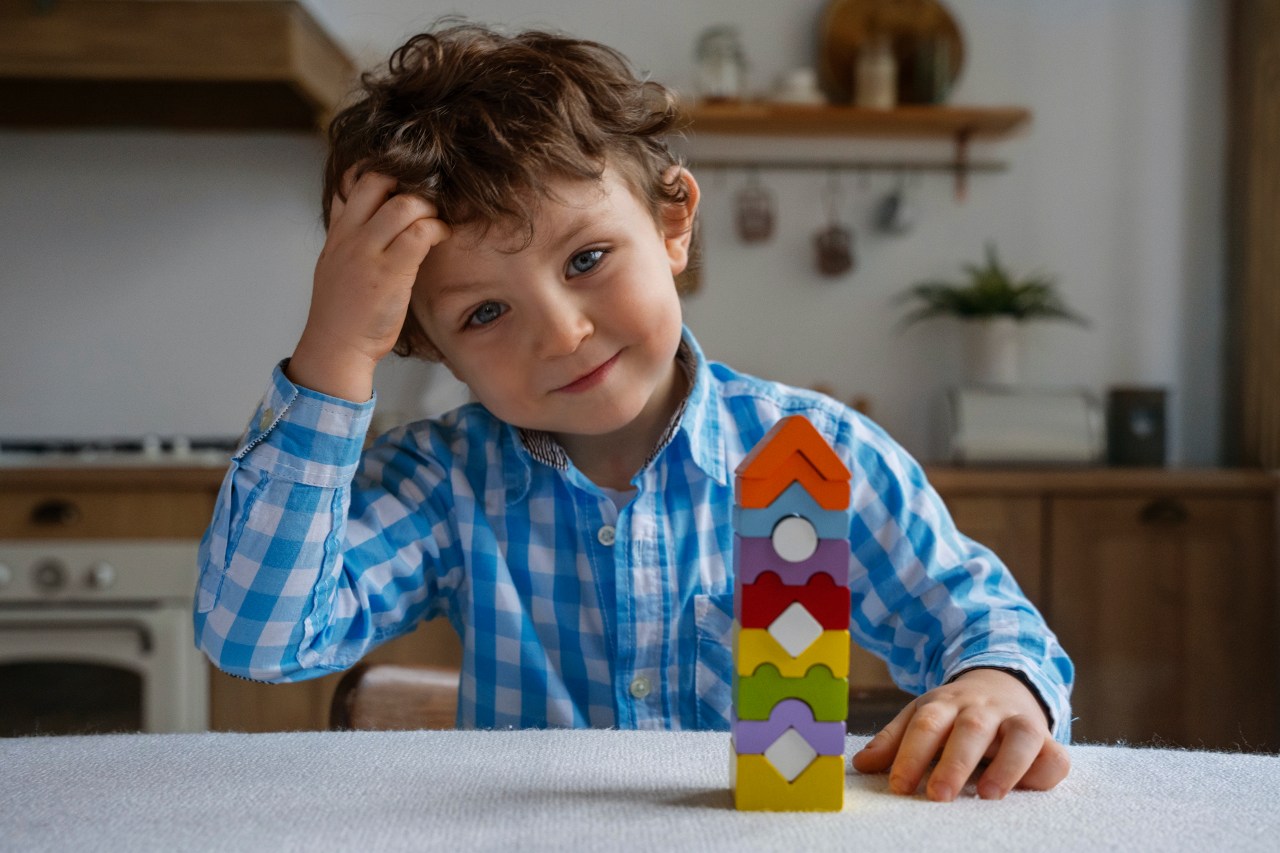
In clinical terms, Developmental Coordination Disorder (DCD) is the recognized diagnosis for what many refer to as dyspraxia. It is listed in the diagnostic and statistical manual (DSM-5) as a motor disorder under neurodevelopmental disorders. DCD is a chronic condition that primarily affects motor coordination, making it harder for children to learn physical movements required for both school and home.
While not all children with DCD have a learning disability, the condition often overlaps with language difficulties, dyslexia, or other common learning disorders. This makes early identification key.
Dyspraxia affects how the brain plans and sends messages to the body to perform coordinated movements, even if the muscles themselves are healthy. As a result, children may struggle with physical activities, math problems, and even interpreting facial expressions or verbal prompts, all of which can hinder their classroom participation and communication skills.
Is Dyspraxia a Recognized Learning Disability in Schools?
Although dyspraxia is not always classified as a learning disability medically, many schools treat it as such due to its significant impact on a child’s ability to learn. In educational settings, especially when dyspraxia affects writing, math word problems, or multi-step instructions, students may be eligible for special education services.
Through an individualized education program (IEP), teachers and specialists can provide tailored interventions using verbal prompts, visual cues, and skill-building exercises to help children keep up with other children.
Some older children may receive accommodations for writing tasks or support from an occupational therapist or physical therapist during school hours. While not considered a learning disorder in the strictest sense, dyspraxia’s effect on motor skills, focus, and language difficulties makes it functionally similar to other specific learning difficulties in many educational contexts.
How Dyspraxia Affects Learning and Motor Skills

Dyspraxia affects both fine motor skills and gross motor skills, which are essential for success in the classroom. Affected children may struggle with physical movement like sitting upright, holding a pencil, or performing coordinated movements required in art or PE class. These challenges can influence how kids tackle writing tasks, manipulate objects, or participate in playing sports.
The motor difficulties also affect how children process information, especially when tasks demand motor coordination and organization—like solving math word problems or organizing materials. As a result, self esteem may suffer when children compare themselves to other children who complete tasks more easily.
Because these issues can overlap with language disorders or other mental health conditions, dyspraxia often coexists with broader challenges in learning, making comprehensive support necessary to help children build new skills and boost confidence.
Occupational Therapy and Support Strategies for Dyspraxia
Occupational therapy plays a vital role in helping children with dyspraxia develop both academic and life skills. An occupational therapist evaluates how dyspraxia affects a child’s ability to perform everyday tasks that require fine motor skills, such as handwriting, using tools, or tying shoes.
Therapy sessions often involve guided physical activities, exercises to improve motor skills, and adaptive strategies like breaking down multi-step instructions or using visual cues. These methods help children build routines that support their learning and coordination.
Therapists may also collaborate with teachers and parents to implement classroom strategies and home routines. For example, simplifying specific tasks or providing regular verbal prompts can make a big difference. With consistent therapy, many children learn to navigate challenges more confidently, gaining both skills and improved self esteem.
Motor Skills Challenges: From Physical Activities to Writing Tasks
Children with dyspraxia often face difficulties with motor skills required for both learning and play. They may have trouble with gross motor skills, such as running, jumping, or playing sports, and fine motor skills, like writing, cutting, or using buttons.
These challenges affect more than just physical activities. In the classroom, writing tasks, math problems, and even copying from the board can become overwhelming. Many tasks in school require fine motor skills, and struggling in these areas can lead to frustration and low self esteem.
An occupational therapist or physical therapist can help by introducing exercises that target motor coordination and coordinated movements, improving both academic performance and participation in everyday tasks. With consistent support, children can develop greater independence and confidence.
Dyspraxia as a Learning Disorder: What Educators Should Know

While not categorized as a classic learning disorder, dyspraxia is often grouped with common learning disorders due to its effect on a child’s ability to complete school-based tasks. Because dyspraxia affects motor coordination, children may have trouble with writing, following multi-step instructions, or organizing thoughts clearly—skills essential for academic success.
Educators need to recognize that although dyspraxia isn’t always listed as a learning disability, it often overlaps with language disorders, mental health conditions, and other neurodevelopmental disorders. These overlaps make classroom learning especially challenging.
By understanding dyspraxia as part of the broader spectrum of specific learning difficulties, teachers can better provide support through individualized education programs, structured routines, and consistent use of verbal prompts and visual cues to enhance engagement and performance.
Language Difficulties and Communication Struggles in Dyspraxia
Many children with dyspraxia experience language difficulties, particularly in expressing themselves clearly or following spoken instructions. While not all have diagnosed language disorders, challenges in communication skills are common. These may include trouble interpreting facial expressions, understanding verbal prompts, or organizing their own speech.
These difficulties can impact classroom participation and peer relationships, especially when students struggle to process information or respond to questions the same way as other children. Educators may mistake these signs for behavioral issues or inattention.
Providing structured routines, extra time for responses, and simplified instructions can help. Support from speech-language specialists or an occupational therapist may also improve both language and learning outcomes.
Specific Learning Difficulties and the Role of Dyspraxia

Specific learning difficulties (SpLD) refer to conditions that affect one or more aspects of learning. These include dyslexia, ADHD, and dyspraxia. While each condition is different, they often share overlapping symptoms—like difficulty with writing, following instructions, or maintaining attention in school.
Though dyspraxia is primarily a motor disorder, its impact on fine motor skills, coordination, and language difficulties places it within the broader SpLD framework. Some children may even be diagnosed with multiple SpLDs.
Understanding how dyspraxia affects both academic and everyday functioning helps educators and parents create more effective strategies to provide support, build new skills, and ultimately boost confidence in struggling learners.
Supporting Older Children with Dyspraxia in School
Older Kinder mit Dyspraxie may face new challenges as academic expectations increase. Tasks like making notes, solving math word problems, or navigating busy school environments require strong motor coordination and focus—areas where dyspraxia continues to present obstacles.
To support these students, schools can implement individualized education programs, offer regular verbal prompts, and allow alternative ways to demonstrate learning. Encouraging participation in structured physical activities may also help improve gross motor skills and confidence.
Magrid’s movement-based, non-verbal learning platform can be especially effective. By reducing reliance on written instructions and enhancing communication skills, Magrid helps kids with dyspraxia engage meaningfully and learn in a way that suits their strengths.
Entdecken Sie die Neuheiten bei Magrid: Ein frisches Design und über 400 neue Aktivitäten zum Erkunden!
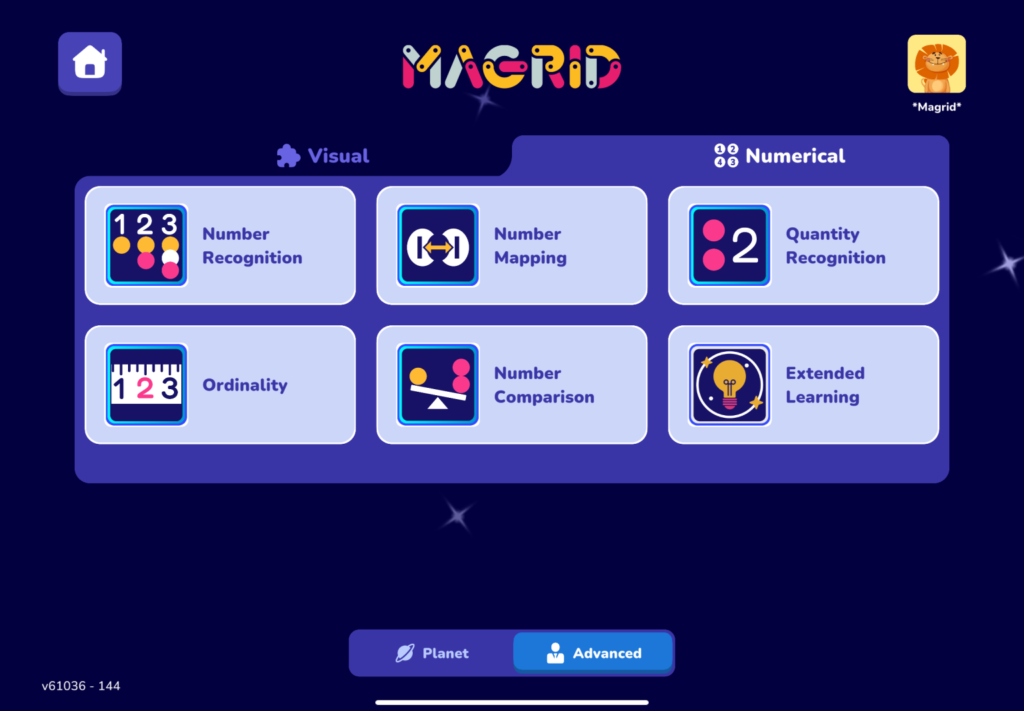
In diesem September bringt Magrid eines seiner bisher spannendsten Updates auf den Markt – eine Kombination aus einem überarbeiteten App-Design und über 400 brandneue Aktivitäten entwickelt, um das frühe Lernen von Kindern zu fördern. Ganz gleich, ob Sie Lehrer oder Elternteil sind – diese Aktualisierungen zielen darauf ab, Magrid benutzerfreundlicher, visuell ansprechender und für junge Lernende noch interessanter zu gestalten.
Schauen wir uns doch mal an, was es Neues gibt!
Über 400 neue Übungen: Visuell-räumliches Denken trifft auf das Arbeitsgedächtnis
Neben optischen Verbesserungen bringt dieses Update eine umfangreiche Erweiterung des Inhalts mit sich: über 400 neue Aktivitäten wurden dem Magrid-Universum hinzugefügt! Dazu gehören neue Herausforderungen in allen visuell-räumlichen Teilkompetenzen sowie zwei brandneue Aufgaben mit Schwerpunkt auf Arbeitsgedächtnis — eine wichtige kognitive Funktion für Kinder im Vorschulalter.
Neue Übungen zum Arbeitsgedächtnis
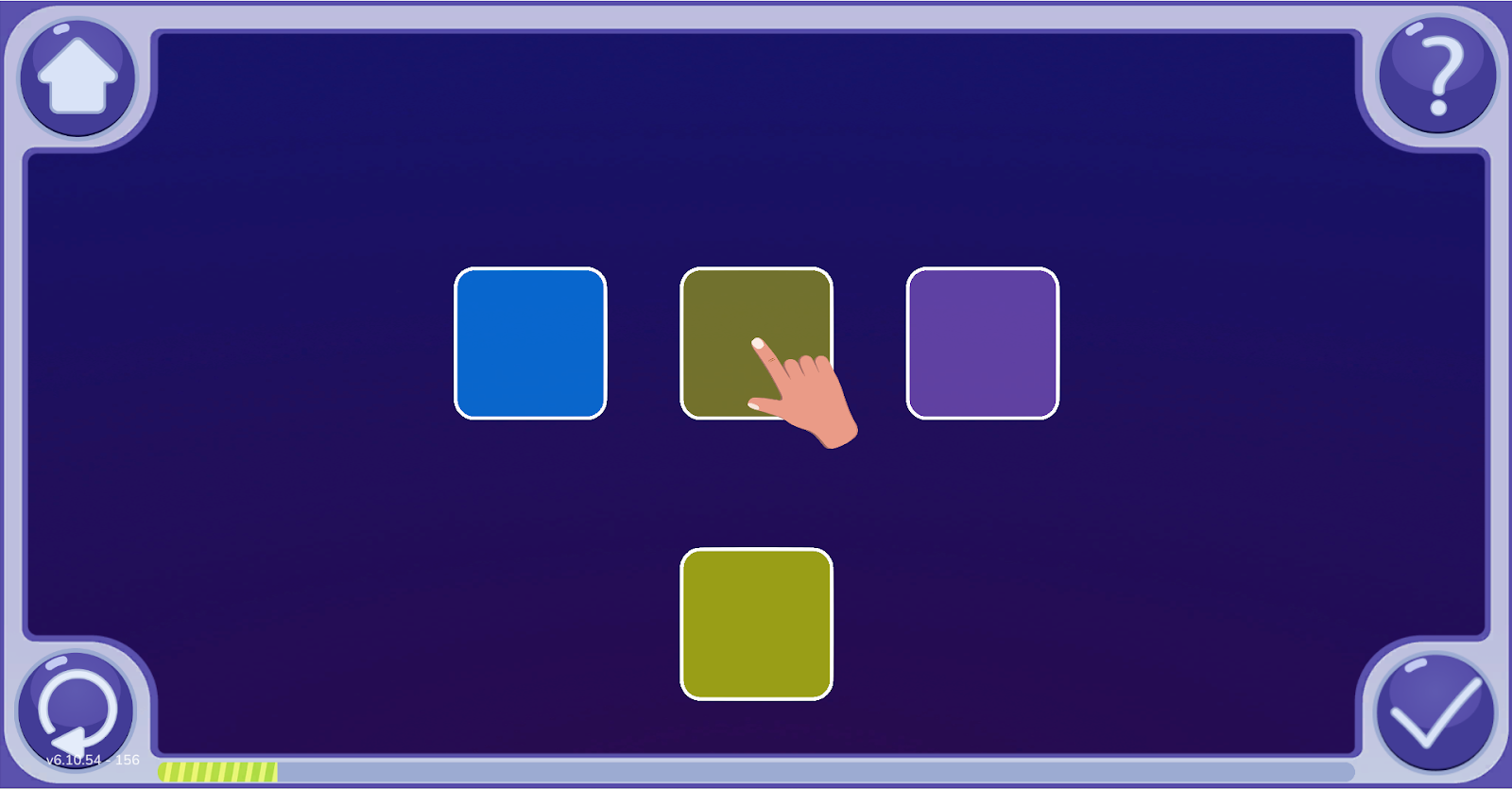
1. Visuelles Farbgedächtnis
Kinder erkennen und merken sich, wo bestimmte Farben auf dem Bildschirm erscheinen. Diese für Anfänger geeignete Übung führt in das Arbeitsgedächtnis ein, ohne zusätzliche Ablenkungen.
2. Speicher für Farbfüllungen
Eine anspruchsvollere Aufgabe, bei der die Kinder kurz ein farbiges Diagramm betrachten und anschließend die richtigen Farben in eine leere Version eintragen. Der Schwierigkeitsgrad steigt mit fortschreitendem Lernfortschritt der Kinder.
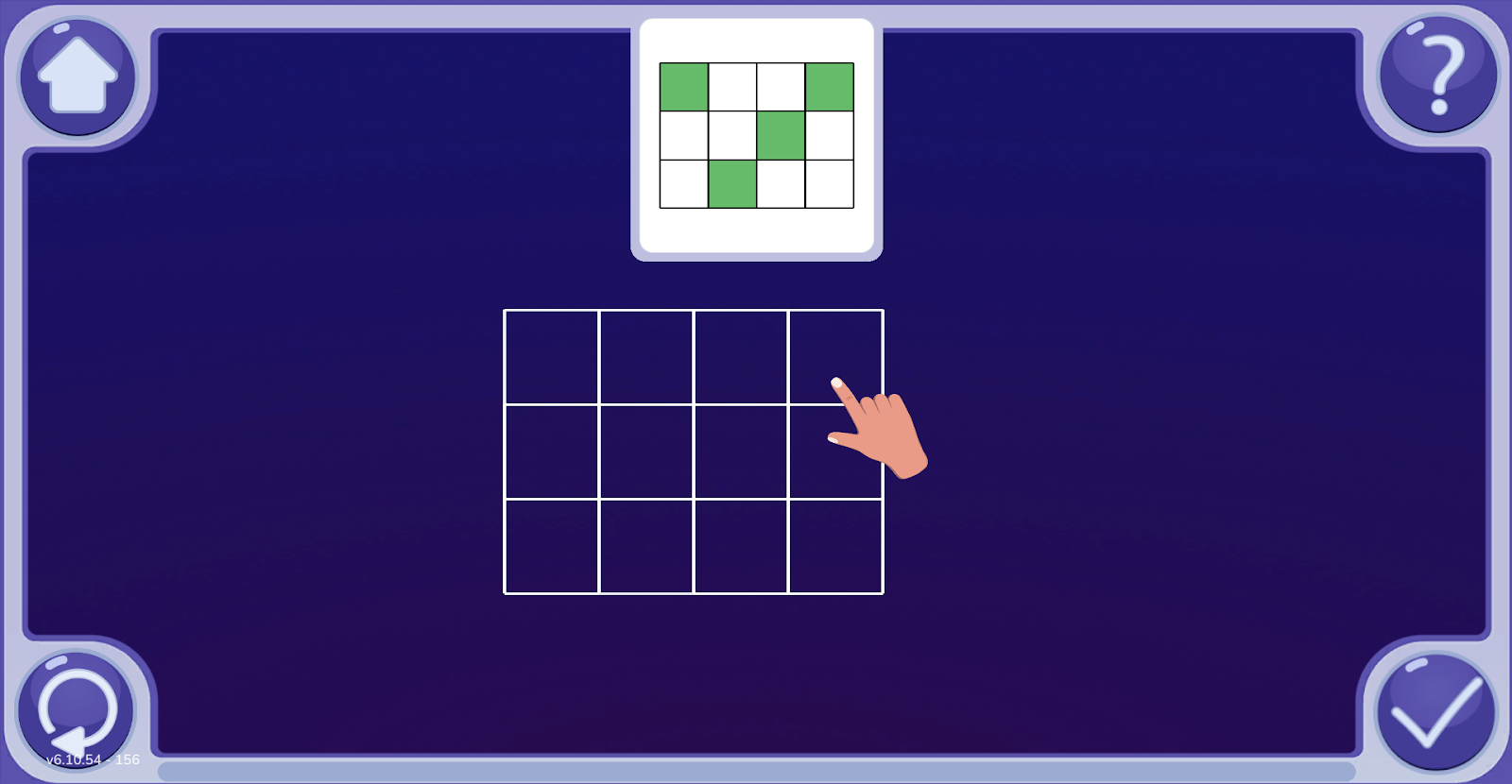
Diese neuen Aufgaben ergänzen die bestehenden Gedächtnisspiele von Magrid und machen das Training des Arbeitsgedächtnisses dynamischer und inklusiver.
Warum das Arbeitsgedächtnis wichtig ist
Das Arbeitsgedächtnis ist wie ein geistiger Notizblock für Kinder. Es ermöglicht ihnen:
✅ Befolgen Sie die mehrstufige Anleitung
✅ Probleme lösen
✅ Neue Informationen behalten und anwenden
Ein starkes Arbeitsgedächtnis trägt dazu bei, Kernkompetenzen in folgenden Bereichen aufzubauen: Lesen, Mathematik, Selbstregulierung, und Fokus — all dies sind grundlegende Voraussetzungen für langfristigen Lernerfolg.
Durch die Stärkung des Arbeitsgedächtnisses mithilfe interaktiver Aufgaben fördert Magrid weiterhin die ganzheitliche Entwicklung des Kindes auf eine Weise, die sowohl effektiv ist als auch Spaß macht.
So greifen Sie auf die neuen Inhalte zu
Magrid hat kürzlich über 400 neue Aufgaben veröffentlicht, die nahtlos in die bestehenden 22 Planeten des Programms integriert wurden. Daher werden die Schüler feststellen, dass die Fortschrittsbalken der Planeten, die sie noch nicht abgeschlossen haben, nun teilweise unvollständig erscheinen. Wir empfehlen den Schülern, zum Anfang des Programms zurückzukehren, um festzustellen, welche Planeten sie erneut bearbeiten müssen, um auf die neu hinzugefügten Inhalte zugreifen und davon profitieren zu können.
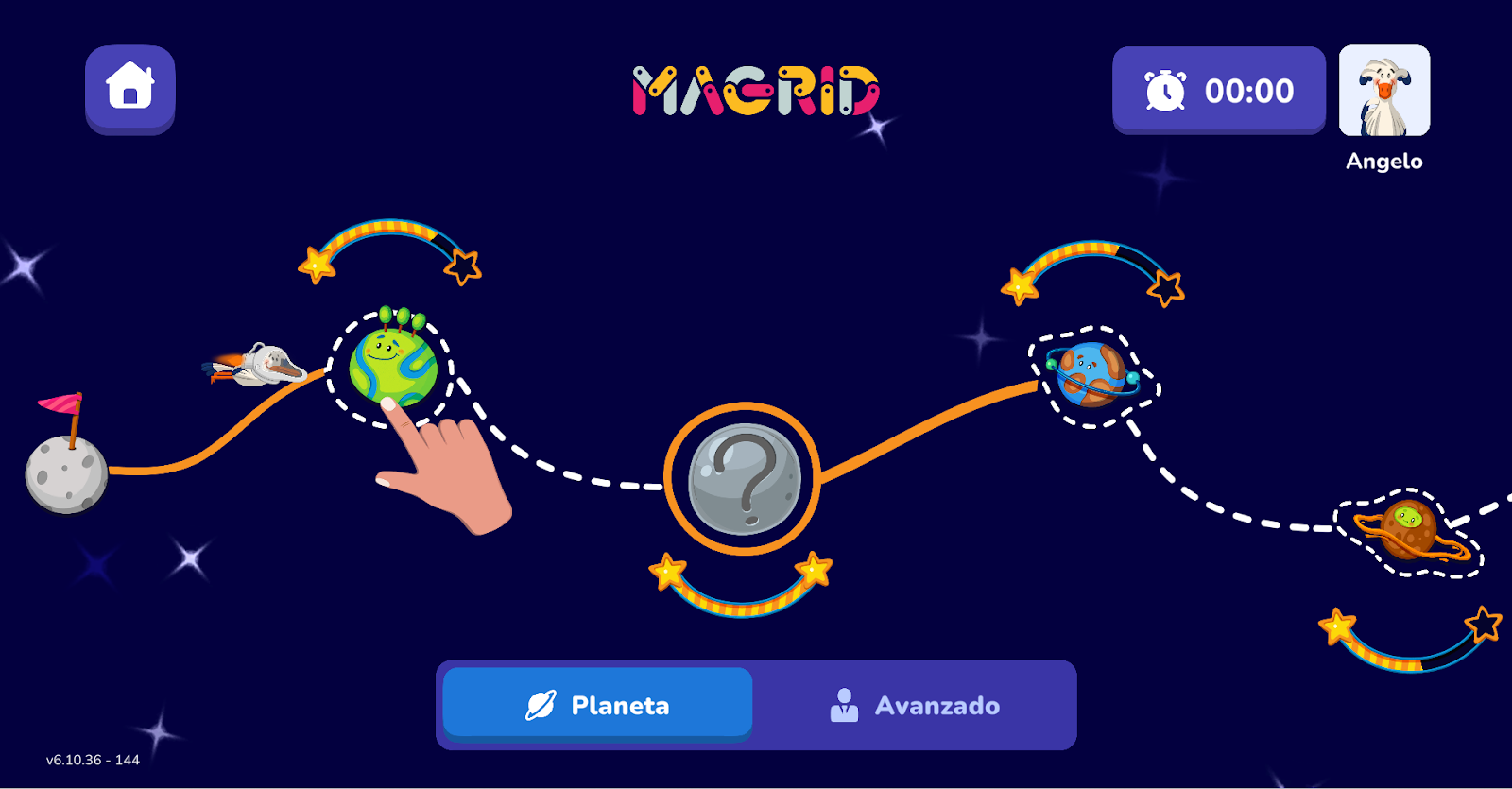
Der Einstieg in diese spannenden neuen Funktionen ist ganz einfach:
- Verbinden Sie Ihr Gerät mit dem Internet
- Öffne den App Store und aktualisiere die Magrid-App
- Starten Sie die App und entdecken Sie die neuen Inhalte sofort
Wenn auf Ihrem Gerät automatische Updates aktiviert sind, haben Sie möglicherweise bereits Zugriff auf alle Funktionen – öffnen Sie einfach Magrid und entdecken Sie die Welt!
Ein frischer, neuer Look: Verbessertes Design und verbesserte Navigation für Lehrkräfte
Das neueste Update von Magrid bietet eine übersichtlichere und intuitivere Benutzeroberfläche, die die Unterrichtsplanung vereinfachen und den Ablauf im Unterricht verbessern soll. Hier sind die wichtigsten Neuerungen:
Schaltfläche „Lehrer-Übung“
Keine Umwege mehr – Lehrer können nun direkt über eine eigene Plattform auf alle Unterrichtseinheiten und Aktivitäten zugreifen “Lehrpraxis” Schaltfläche.
✅ Es ist nicht erforderlich, ein zusätzliches Schülerprofil anzulegen
✅ Jede Lektion sofort entdecken
✅ Ideal zur Vorbereitung oder Nachbereitung von Unterrichtseinheiten
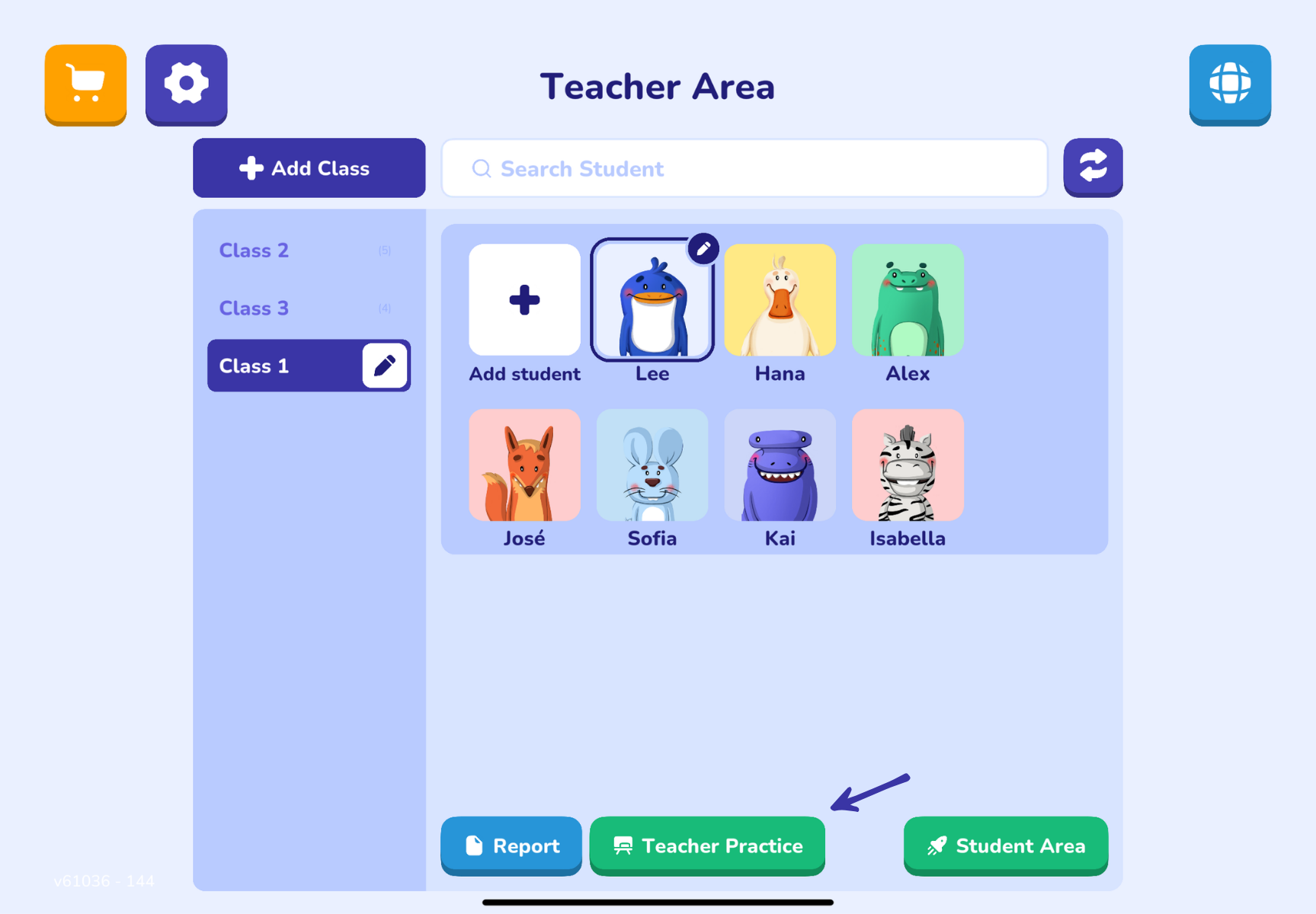
Intelligentere, erweiterte Menüführung
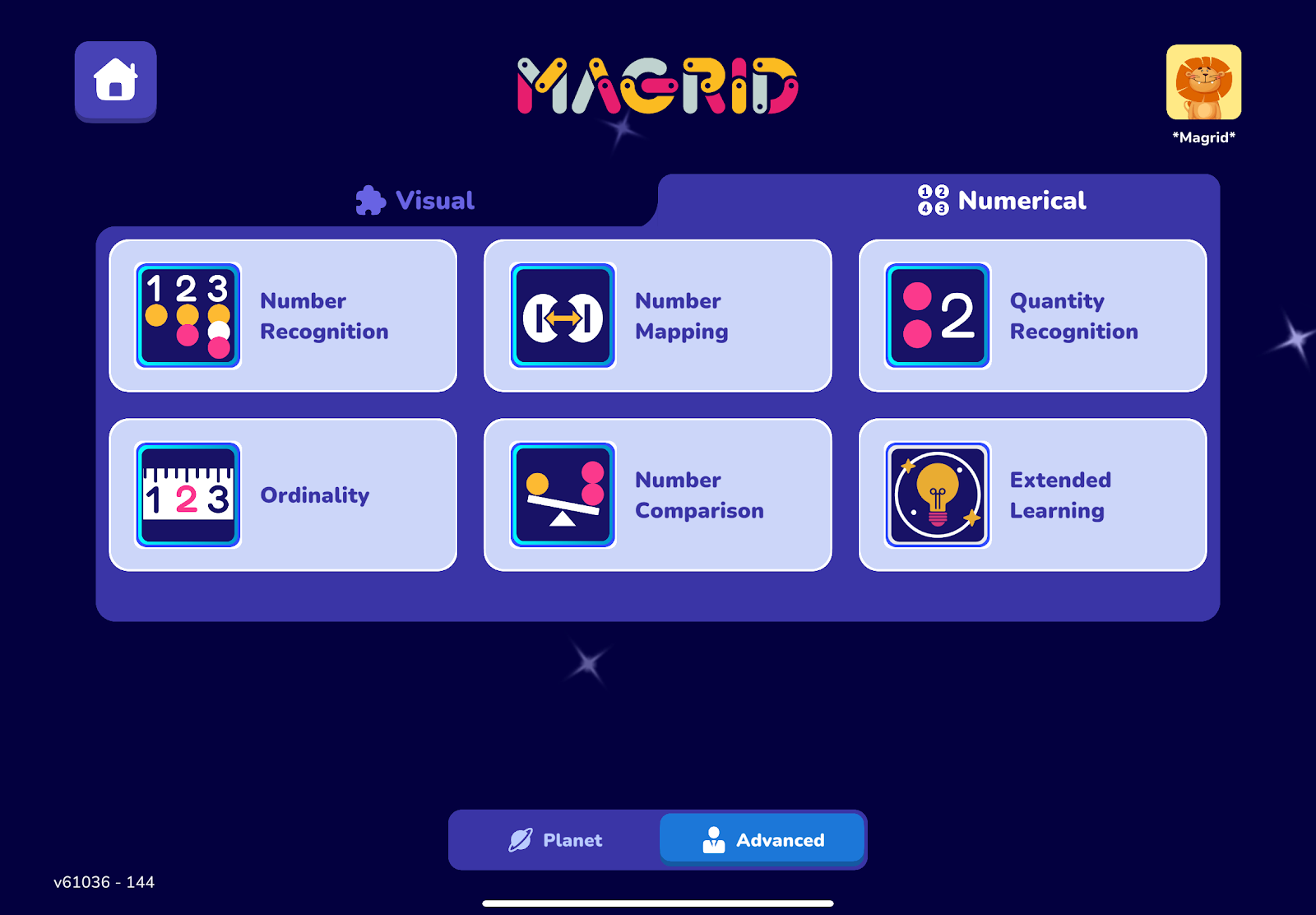
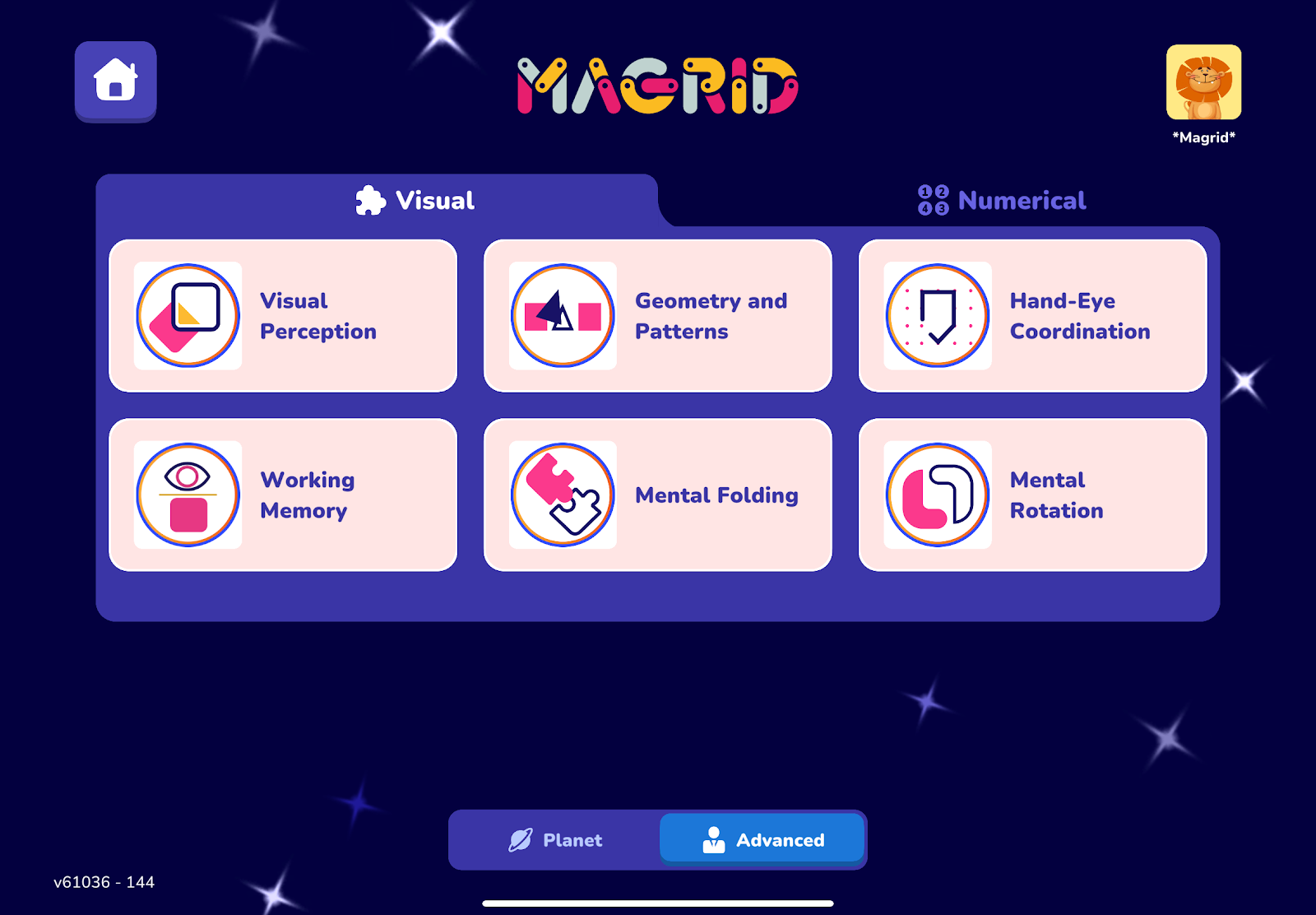
Wir haben die Art und Weise, wie Lehrer durch Unterrichtseinheiten blättern, neu konzipiert. Das neue Erweitertes Menü ermöglicht es Pädagogen, Aktivitäten anhand folgender Kriterien zu filtern und auszuwählen: spezifische Fähigkeiten oder Kompetenzen — so finden Sie leichter genau das, wonach Sie suchen.
Ganz gleich, ob Sie visuell-räumliche Fähigkeiten oder mathematische Fähigkeiten trainieren möchten – die Navigation ist jetzt schneller, übersichtlicher und zielgerichteter.
Rechenfertigkeiten:
‣ Zahlenerkennung
‣ Nummernzuordnung
‣ Mengenerkennung
‣ Zahlenvergleich
‣ Ordinalität
‣ Erweitertes Lernen (Ergänzung)
Visuelle Fähigkeiten:
‣ Visuelle Wahrnehmung
‣ Geometrie und Muster
‣ Hand-Augen-Koordination
‣ Arbeitsgedächtnis
‣ Mentales Falten
‣ Mentale Rotation
Übersichtlichere Benutzeroberfläche für Lehrkräfte und Schüler
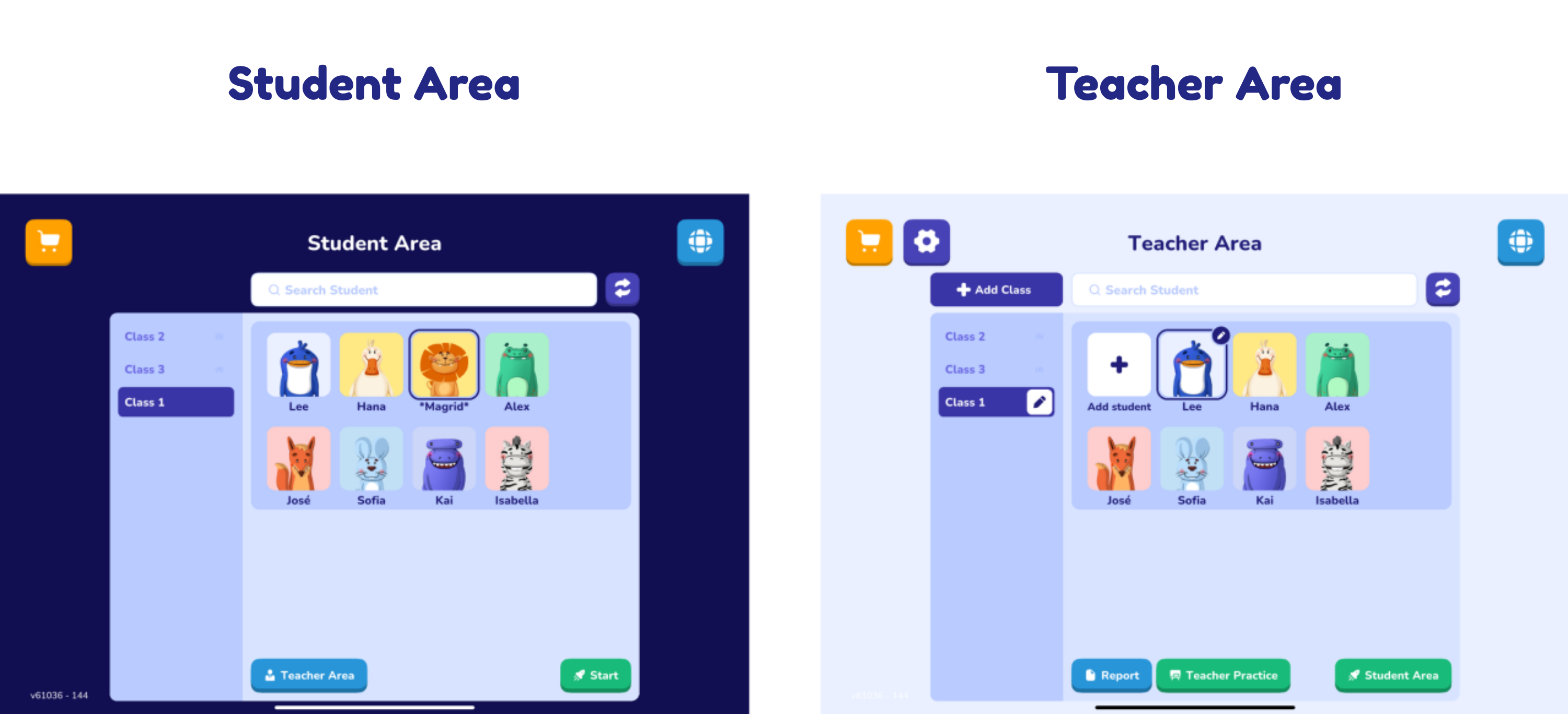
Um die Benutzerfreundlichkeit und Barrierefreiheit zu verbessern, haben wir Folgendes eingeführt: unterschiedliche Hintergrundfarben für das Lehrer-Dashboard und die Lernumgebung der Schüler.
Diese Änderung hilft Lehrkräften und Schülern, sofort zu erkennen, in welchem Modus sie sich gerade befinden – das verringert Verwirrung und sorgt für reibungslosere Übergänge zwischen Planung und Spiel.
Bereit zum Entdecken?
Das neueste Update soll Magrid noch intuitiver, effektiver und spannender machen – sowohl für Lehrkräfte als auch für Lernende. Mit über 400 neuen Aktivitäten und einer übersichtlicheren, intelligenten Benutzeroberfläche ist jetzt der perfekte Zeitpunkt, sich anzumelden und zu entdecken, was es Neues gibt.
Aktualisieren Sie Ihre App noch heute und lassen Sie die Lernreise weitergehen – besser denn je.
Effective Strategies to Teach Number Recognition
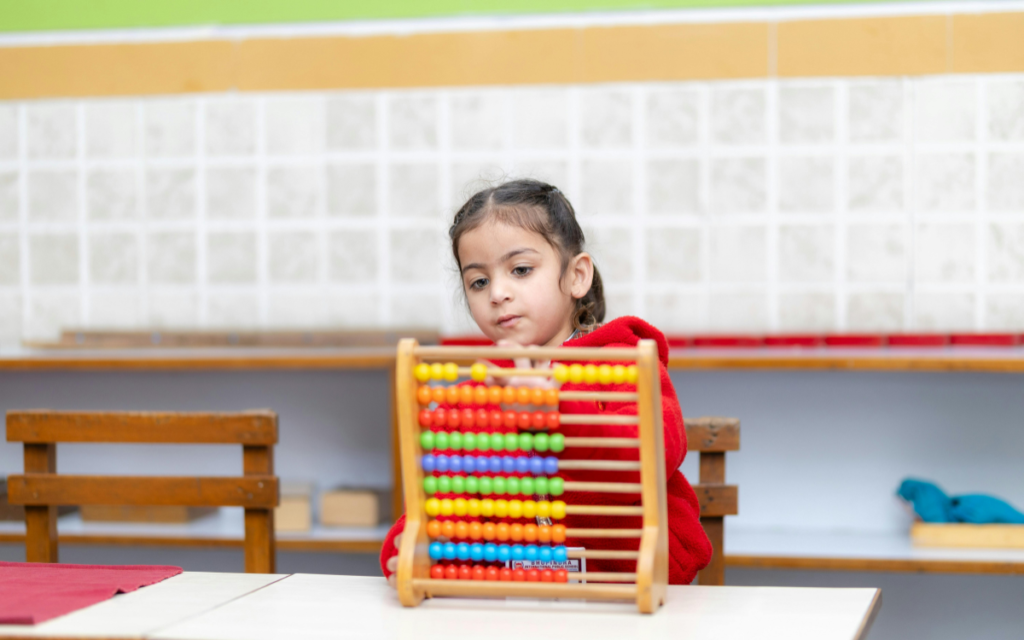
Number recognition is one of the most important skills young children develop in their early years. Before students count objects, compare number values, or explore place value, they must first be able to recognize numbers consistently and confidently. This foundational skill allows children to match number written symbols with representative quantities and lays the groundwork for more advanced number skills.
When teachers and parents practice number skills through engaging activities, kids learn not only to identify numbers but also to develop number sense and critical thinking. Supporting children as they learn number recognition helps ensure they can recognize numbers in the correct order, strengthen visual discrimination, and prepare for future math success.
What Is Number Recognition?
Number recognition is the ability to identify numbers when they are seen in written form. This skill may sound simple, but for a child just beginning to learn number recognition, connecting a number written on paper to a quantity of objects is a big step. Recognizing numbers helps students count accurately, develop number sense, and eventually apply counting principles to real-world math problems.
Teachers often teach number recognition using visual aids such as pocket charts, colored paper, or matching number cards. When students learn to identify numbers, they are building a foundational skill that supports later concepts like number relationships, place value, and number line activities.
The Importance of Number Sense in Learning
Strong number recognition skills go hand in hand with number sense, which is the understanding of how numbers work together and represent quantities. When children can identify numbers and connect them to representative quantities, they can begin to count numbers, understand same number versus different numbers, and explore number values.
Number sense helps children compare small numbers, match objects to the correct number, and apply counting principles in play or classroom activities. Teachers who focus on building number sense early create opportunities for kids to practice number skills in meaningful ways. This focus ensures that when students work on more complex tasks like counting teen numbers or place value, they have a strong foundation.
How One-to-One Correspondence Supports Counting
One-to-one correspondence is an essential part of teaching number recognition because it links counting objects to the number written symbol. For example, when a child places one block on each water bottle and counts “one, two, three,” they are learning to match numbers with representative quantities.
This practice helps students learn correct order, develop visual discrimination, and ensure they arrive at the correct number when they count. Parents and teachers can create engaging activities such as using popsicle sticks, classroom objects, or even drawing numbers on colored paper to reinforce one-to-one correspondence. Building this skill allows kids to connect abstract number symbols with concrete experiences, an important step in early math learning.
Engaging Activities with Counting Objects
Hands-on practice with counting objects is one of the most effective ways to teach number recognition. When kids learn by touching and moving real objects, they make stronger connections between a number written symbol and the quantity it represents. Teachers can use everyday items—blocks, buttons, water bottles, or even number cookies—to help students count and identify numbers.
Parents can also encourage kids to count numbers during daily conversations, such as matching number sets of toys or snacks. These engaging activities strengthen important skills like number identification, one-to-one correspondence, and visual discrimination. When children practice number skills in fun, meaningful ways, they not only recognize numbers but also begin to understand number relationships and counting principles.
Creative Number Recognition Games for Kids
Number recognition games are a powerful way to help students learn at their own pace while having fun. Teachers and parents can create matching number card games, simple memory challenges, or board games that require kids to identify numbers before moving forward. Counting games using popsicle sticks, pocket charts, or colored paper can add variety to classroom practice.
Kids love activities that allow them to play, and students love competing to find the correct number quickly. These games encourage children to practice number counting, strengthen number id skills, and apply critical thinking. By incorporating engaging activities into teaching number, educators can build both number recognition skills and a child’s confidence with math.
The Role of Number Formation in Recognition

Number formation is closely linked to learning how to recognize numbers. When students practice writing numbers or drawing numbers, they are reinforcing both visual discrimination and muscle memory. For instance, tracing a number written on colored paper or forming digits with play materials helps children connect number identification with movement. Number formation also supports correct order, ensuring kids learn to write and recognize numbers sequentially.
Teachers can introduce activities where students work in small groups to practice number formation using chalk, markers, or even finger tracing in sand. Developing these number skills early makes it easier for students to identify numbers quickly and apply them in counting principles and classroom math tasks.
Using Math Centers to Build Number Recognition
Math centers give children opportunities to learn number recognition in small groups at their own pace. In these structured areas, students work with counting objects, practice number identification, and engage in number recognition games. Teachers can design centers around specific skills, such as matching number cards, exploring number line activities, or practicing number formation.
Using visual aids like pocket charts, colored paper, or drawing numbers can further support learning. Students love the variety and independence math centers provide, and teachers can easily differentiate instruction to focus on different numbers or counting principles. These centers transform the classroom into a space where kids learn through engaging activities while building foundational skills in math.
Counting Games That Support Critical Thinking
Counting games are more than just fun—they help students practice number skills and build critical thinking. By asking children to identify numbers, apply counting principles, and find the correct number in a sequence, these games strengthen number recognition skills. Teachers might create activities where students count numbers on a number line, match different numbers to representative quantities, or use objects like popsicle sticks and colored paper to play.
Kids love games that allow them to move, sort, and compete while learning. These activities help students learn at their own pace, develop visual discrimination, and apply number relationships. As children play counting games, they practice important skills that prepare them for larger concepts like teen numbers and place value.
Strengthening Counting Principles in Daily Play
Daily play provides endless opportunities to teach number recognition and reinforce counting principles. When students count objects during classroom routines or at home, they learn to connect number written symbols with real quantities. Teachers and parents can use water bottles, toys, or even snacks to encourage kids to match and identify numbers.
Students love playful practice, especially when they can find the same number in different contexts or arrange numbers in the correct order. These engaging activities build important skills such as one-to-one correspondence, number counting, and number identification. By weaving counting into play, children strengthen their number sense while also developing confidence with math in everyday situations.
How Magrid Supports Teaching Number Recognition
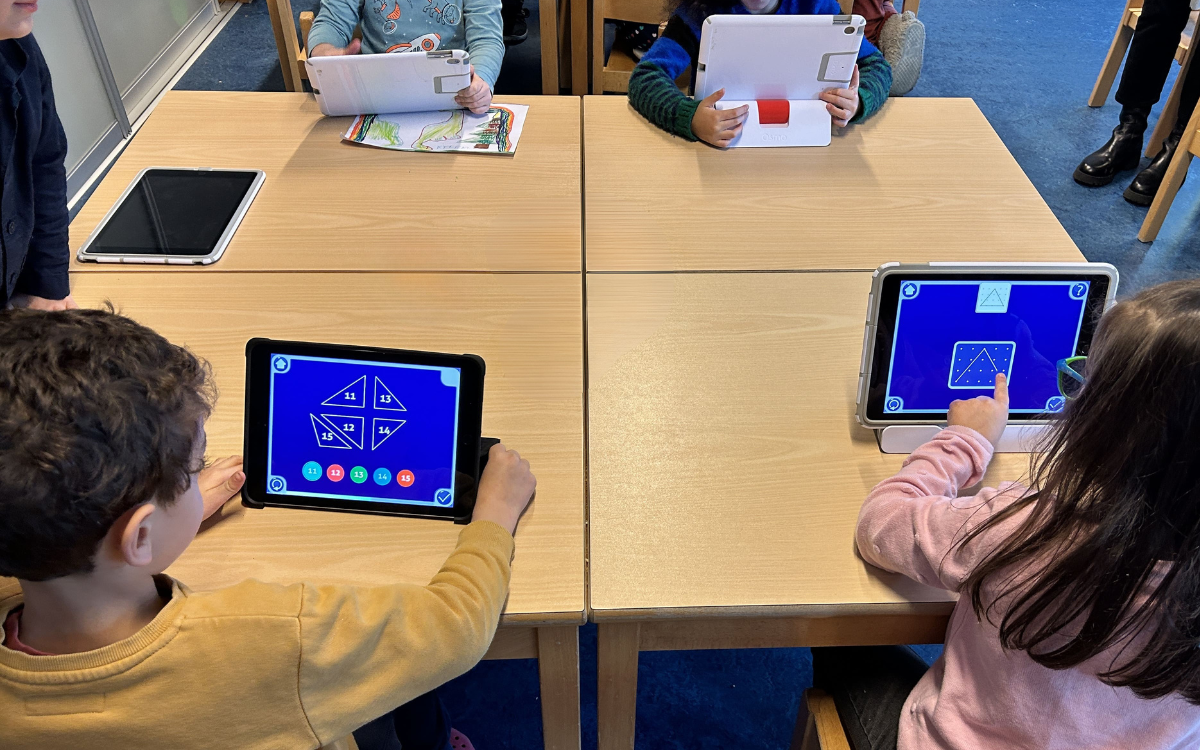
Magrid provides innovative ways to teach number recognition by combining engaging activities with research-based design. The program offers exercises where students work on number identification, practice number skills, and build number sense through visual discrimination tasks. Teachers can use Magrid in small groups or at math centers to help children learn number recognition at their own pace.
Parents can also benefit from Magrid’s structured exercises, which encourage kids to match number written symbols with representative quantities. Students love the colorful, interactive format, which makes learning fun and supports important skills like one-to-one correspondence and number counting. By incorporating Magrid, teachers and parents gain a powerful resource to strengthen foundational skill development in math.
Magrid’s “Color by Numbers” Activity
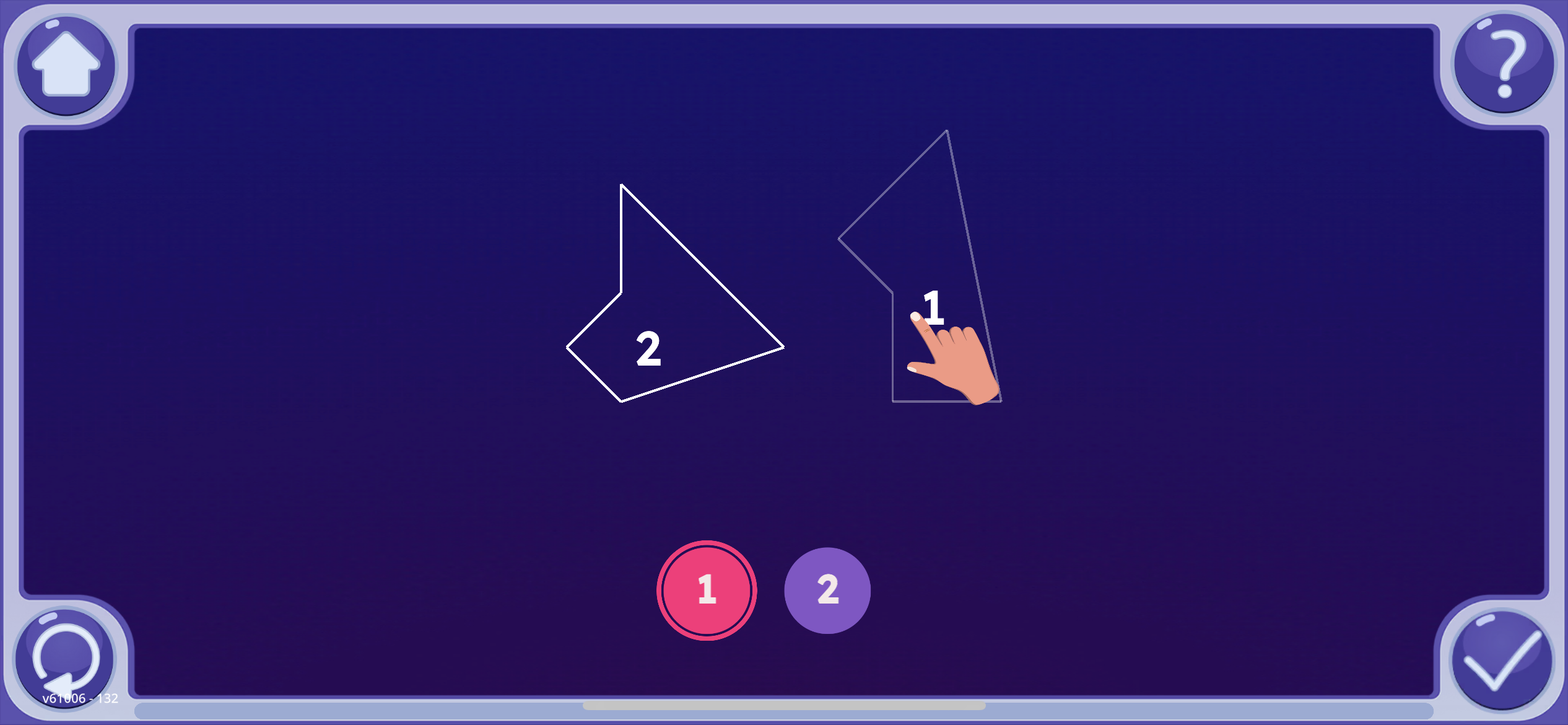
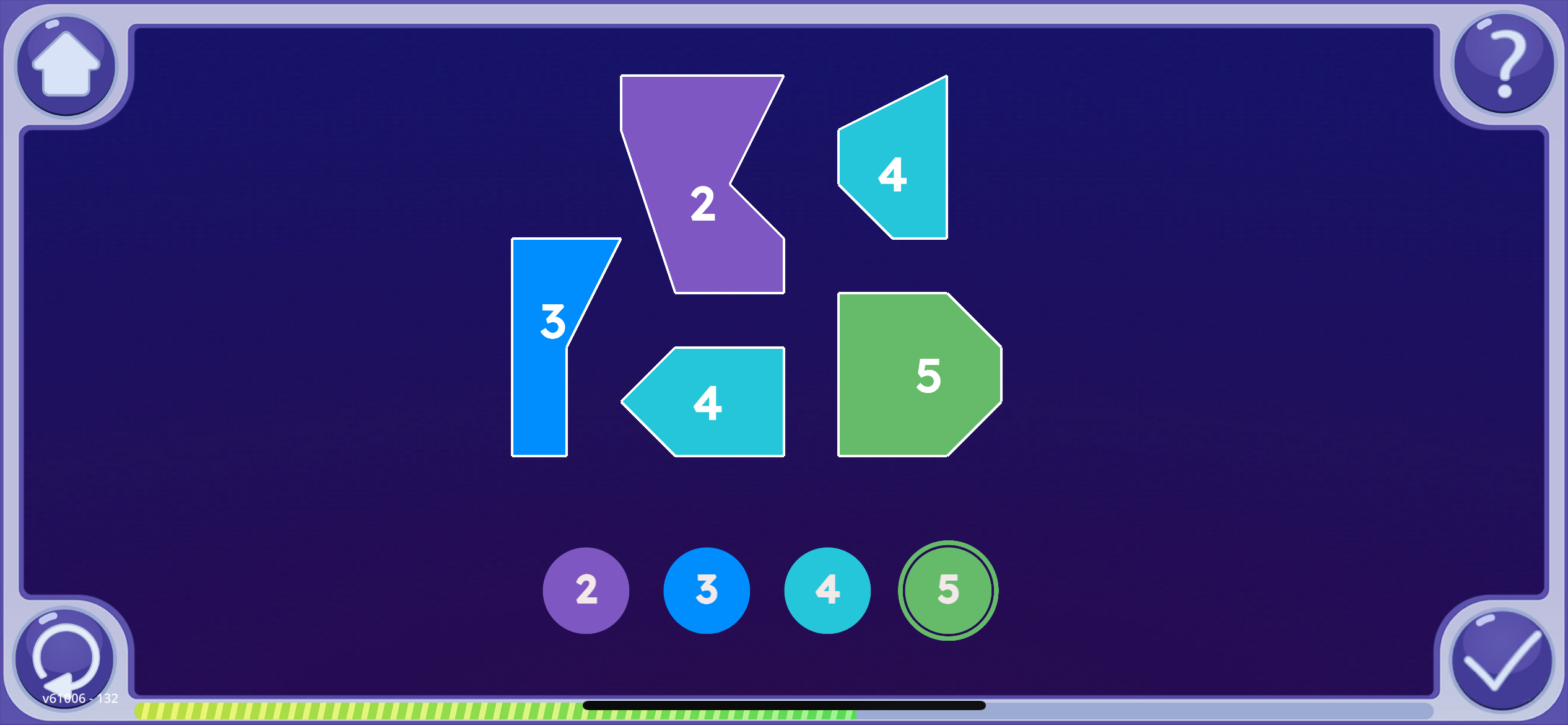
One of Magrid’s engaging activities is the “Color by Numbers” exercise, which encourages children to recognize numbers while applying number identification in a creative way. In this activity, students learn to match a number written with its correct placement in a design, reinforcing both number sense and visual discrimination. Kids love the process of coloring while they practice number skills, making it feel like play rather than work.
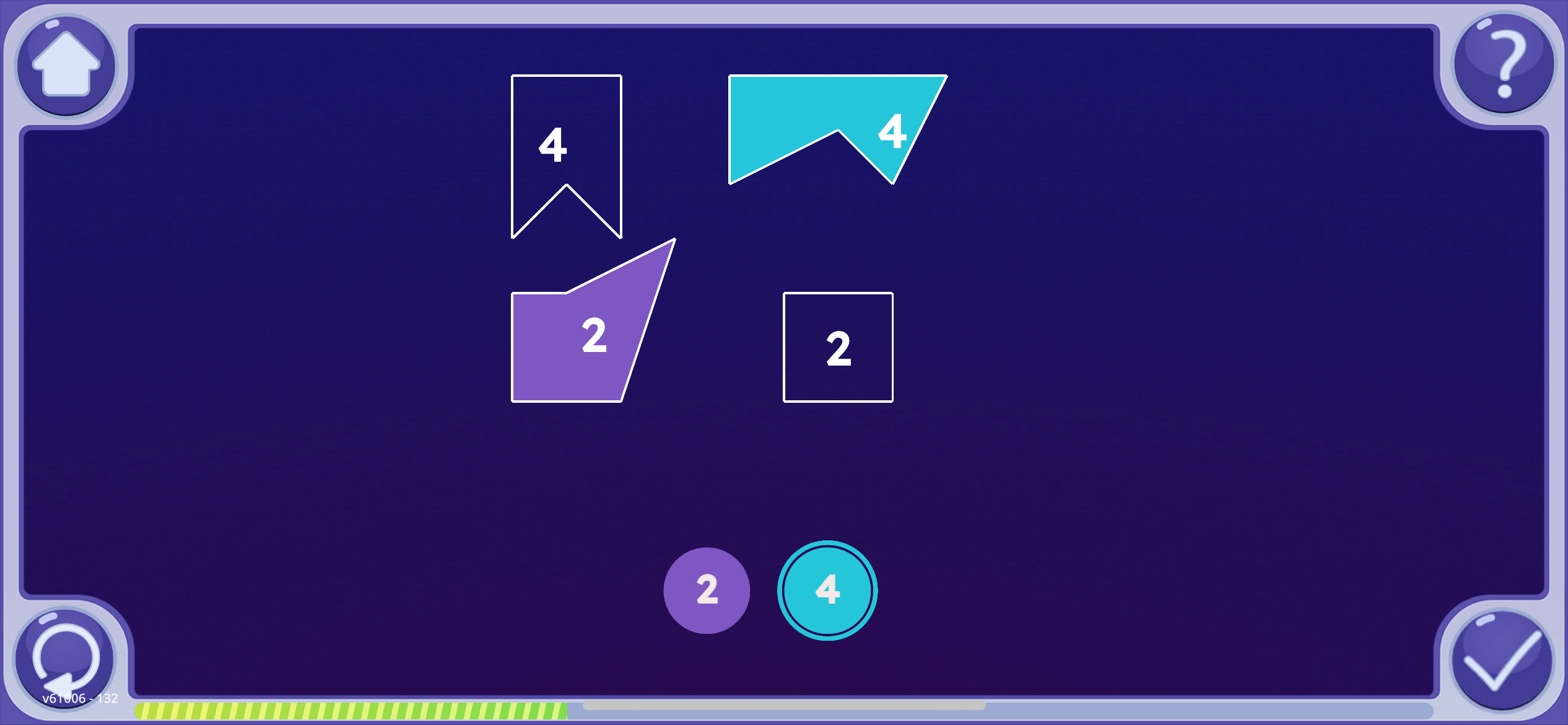
Teachers can use this exercise in math centers, while parents can easily support it at home. By combining drawing numbers, color recognition, and number id practice, Magrid helps students learn to identify numbers in a meaningful context. This exercise strengthens counting principles while promoting critical thinking and focus.
Magrid’s “Numbers Match Numerals” Activity
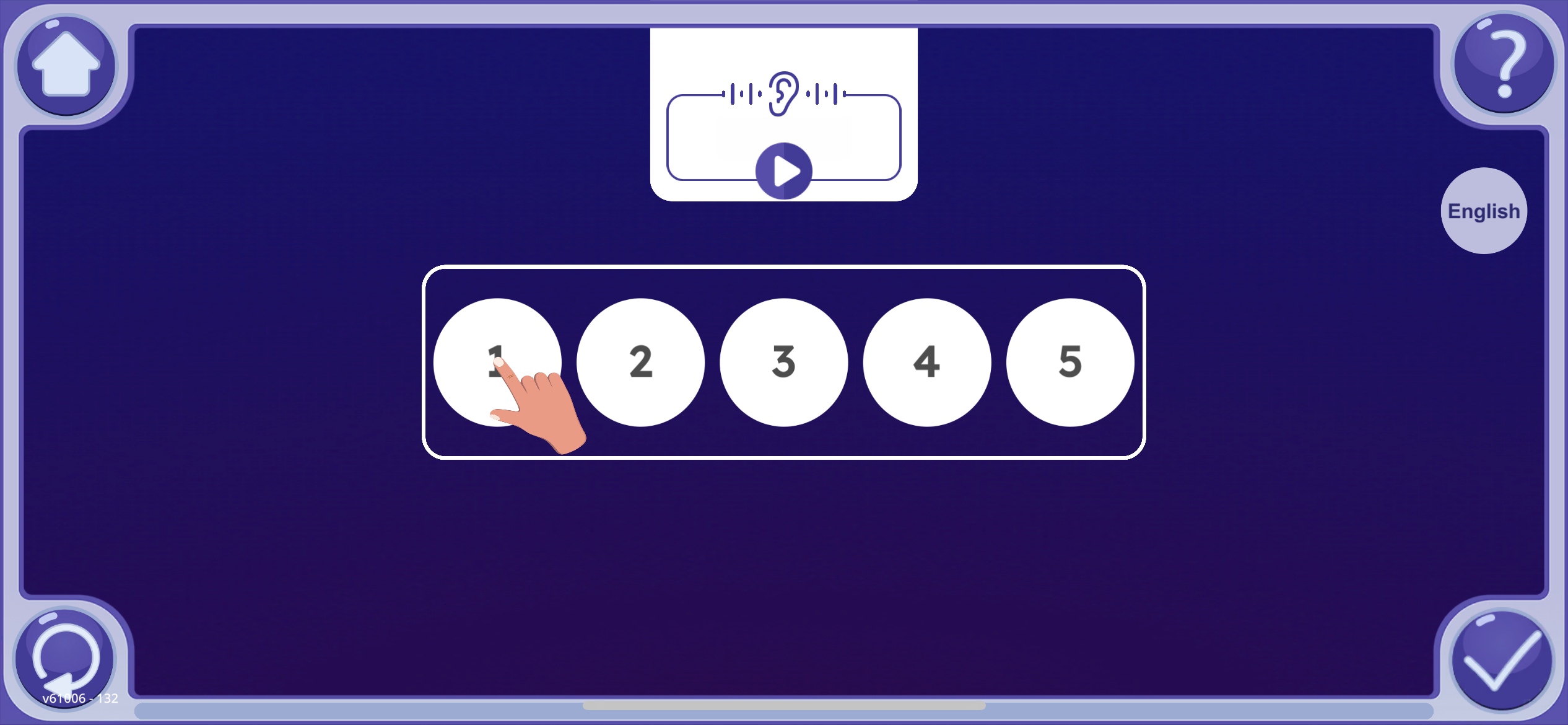
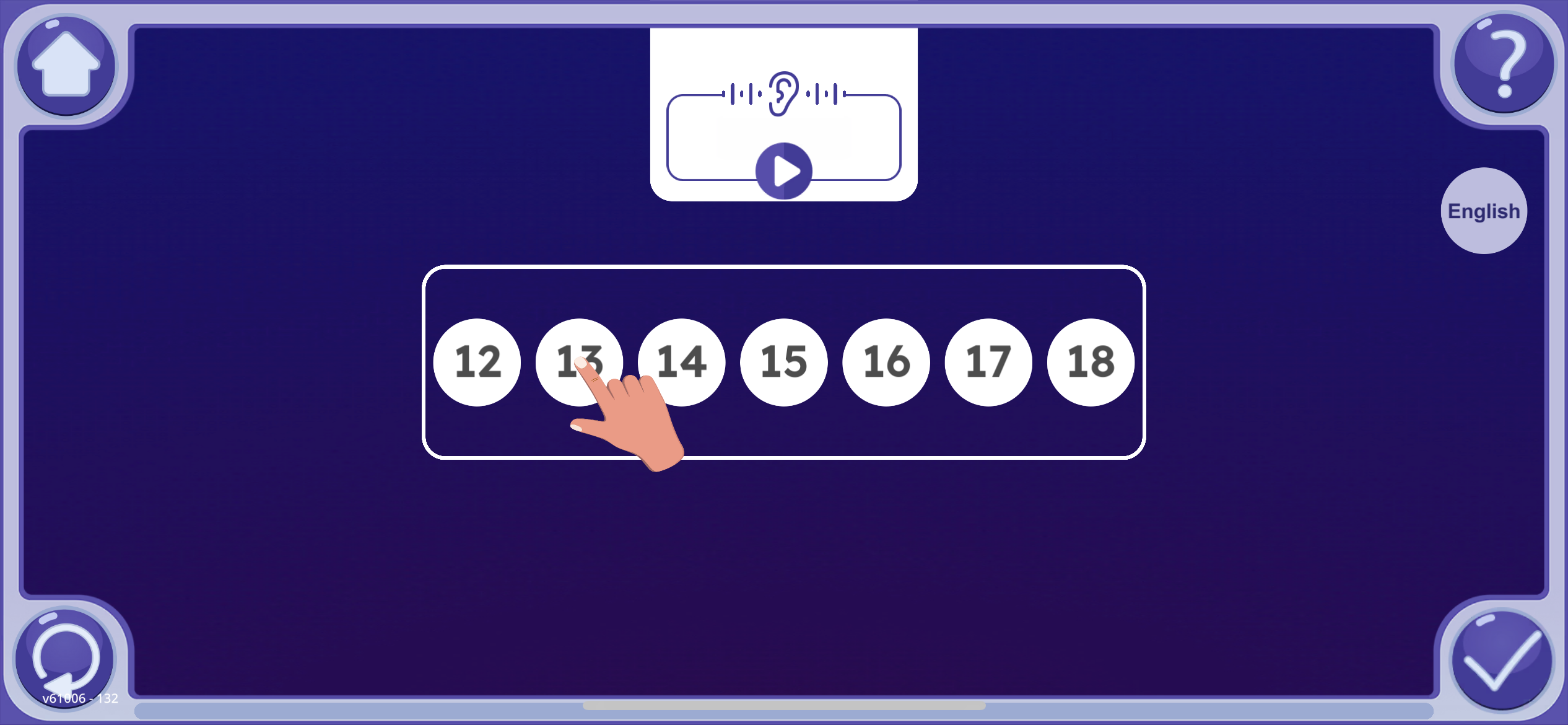
Another helpful Magrid exercise is the “Numbers Match Numerals” activity, designed to strengthen number identification and listening skills. In this task, children hear a number and then match it with the correct number written on the screen. This helps students recognize numbers through both auditory and visual channels, supporting phonological awareness and number sense.
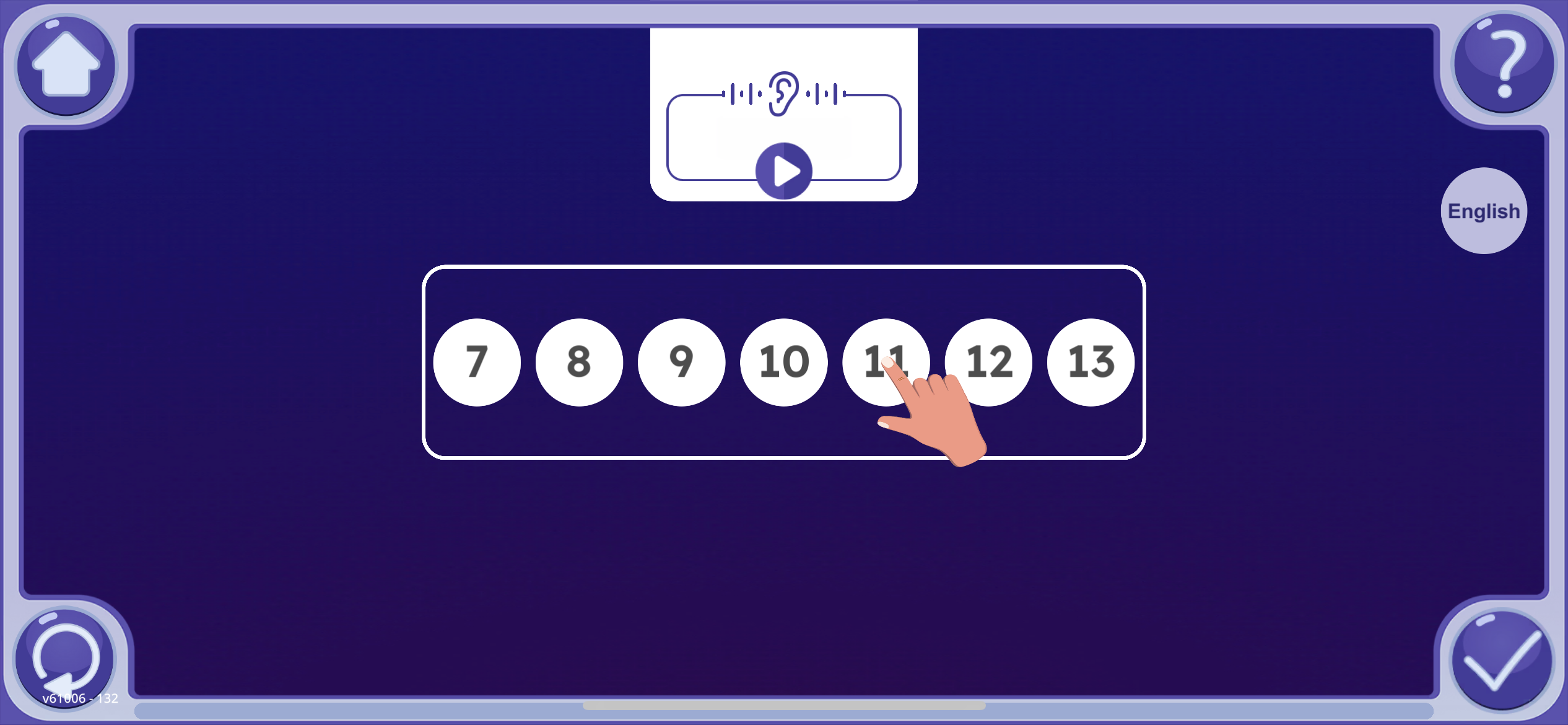
Teachers can use this activity in small groups to encourage focused practice, while parents can reinforce it at home for extra support. Students work at their own pace, ensuring they can learn number recognition without pressure. By combining sound with matching number visuals, Magrid promotes critical thinking, visual discrimination, and the ability to connect different number values to the correct order.
Supporting Students with Special Needs in Number Recognition
For children with special educational needs, developing number recognition skills often requires additional focus, structured practice, and supportive tools. Some students may struggle with visual discrimination, matching number symbols to representative quantities, or maintaining the correct order when they count numbers. Magrid is particularly effective in this context because it allows students to learn at their own pace, practice number identification repeatedly, and engage with interactive activities that make math feel approachable. Exercises such as “Color by Numbers” and “Numbers Match Numerals” provide multisensory experiences, helping children strengthen one-to-one correspondence, number sense, and number formation in a supportive environment. By combining classroom strategies with Magrid, teachers can better support diverse learners in mastering this foundational skill.
Supporting One-to-one Correspondence Through Engaging Practice
Practicing one-to-one correspondence allows students to connect number written symbols with representative quantities. Teachers might ask students to place one counter on each square of a grid or match objects like popsicle sticks to a number line. Students love these activities because they make learning feel like play while reinforcing number recognition skills.
Parents can create simple activities at home, such as counting water bottles or toys, to support the same number concepts. These practices ensure students learn counting principles and understand how to arrive at the correct number when counting objects. By focusing on one-to-one correspondence, teachers help children strengthen visual discrimination, critical thinking, and number relationships in meaningful ways.
Drawing Numbers to Reinforce Memory
Drawing numbers is another effective strategy to teach number recognition and improve memory. When students learn by physically writing numbers with pencils, markers, or even tracing in sand, they connect movement with number identification. This process reinforces number formation while helping kids learn the correct order and number values.
Teachers can provide activities that involve drawing numbers on colored paper or using pocket charts for practice in small groups. Students count while writing numbers, which strengthens counting principles and ensures they can recognize numbers in future tasks. Kids love the creativity of drawing numbers, and it allows them to practice number skills in a fun, hands-on way.
Building Number Sense Through Daily Conversations
Daily conversations are a simple yet powerful way to teach number recognition. Parents and teachers can integrate numbers into everyday talk by asking children to count objects, identify numbers on signs, or notice the correct order on a number line. For example, during snack time, a child might be asked to count numbers of crackers and match them to the number written on a card.
These small activities support number identification, strengthen one-to-one correspondence, and encourage practice of counting principles without feeling like formal lessons. When students hear and see numbers in daily conversations, they develop number sense, critical thinking, and confidence in math, making this approach one of the most natural resources for learning.
Incorporating Number Cookies into Fun Learning
Using number cookies is a playful way to help kids learn number recognition while combining fun with practice. Teachers and parents can bake or use ready-made cookies shaped like numbers, allowing children to match the correct number cookie to counting objects or arrange them in the correct order. Kids love this hands-on approach, which blends play and learning.
Activities like decorating cookies with colored icing can also reinforce number formation and number identification. These engaging activities encourage students to recognize numbers, strengthen visual discrimination, and apply number skills while enjoying a treat. By making learning delicious and interactive, number cookies help children practice number counting in a memorable way.
Connecting Number Recognition to Counting Teen Numbers
As students progress, counting teen numbers becomes an important step in expanding number recognition skills. Teen numbers can be challenging because they require understanding of both place value and number values. Teachers can design engaging activities where students count numbers using a number line, match teen numbers to representative quantities, or use pocket charts to visualize the correct order.
When students count objects in sets of ten plus extras, they begin to understand number relationships and different number values. Parents can also reinforce learning at home with daily conversations about teen numbers in real-life contexts. Supporting students as they learn number recognition with teen numbers prepares them for stronger math skills and future critical thinking.
Exploring Number Relationships with Number Lines
Number lines are excellent tools for teaching number recognition and building number sense. When students work with a number line, they can see the correct order of numbers, identify numbers, and explore number relationships like same number versus different numbers. Teachers can design counting games that involve jumping along a number line with objects or popsicle sticks, encouraging students to count numbers in sequence.
Visual tools such as number lines also help students develop critical thinking about number values, place value, and counting principles. By practicing with number lines, kids learn at their own pace while reinforcing number recognition skills and gaining a deeper understanding of foundational math concepts.
Building Lifelong Confidence Through Number Recognition
Number recognition is the foundation for many important skills in early math. When students learn to recognize numbers, connect them to representative quantities, and practice number skills daily, they gain confidence that carries into counting teen numbers, understanding place value, and applying critical thinking.
Teachers and parents can support this growth by encouraging children to practice through engaging activities, counting games, and visual tools. By focusing on number sense, one to one-to-one correspondence, and number identification, kids build a strong pathway toward math success. The next step is to provide students with resources that make learning both structured and fun.
Empower Students with Magrid’s Math Tools
Give your students the advantage of learning with Magrid’s interactive number recognition activities. From “Color by Numbers” to “Numbers Match Numerals,” Magrid transforms teaching number into engaging play, helping kids recognize numbers, practice number skills, and build number sense at their own pace.
Parents and teachers love how students work confidently with correct order, number identification, and counting principles while enjoying math. Nutzen Sie Magrid noch heute to make number recognition fun and effective. And for extra practice, you can also download our free Number Recognition Worksheets for Pre-K, Kindergarten, und Grade 1.
Is Dyscalculia a Disability: What to Know

In classrooms across the world, children engage daily with mathematics—counting, solving word problems, and learning how numbers relate to the real world. But for some students, math isn’t just hard; it’s persistently confusing in a way that goes beyond typical struggles. These learners may be experiencing dyscalculia, a specific kind of mathematics learning disability that affects their number sense, problem solving, and overall math skills.
Dyscalculia is often called math dyslexia, though the two are not the same. While dyslexia affects reading and written expression, dyscalculia interferes with how a person’s brain processes numerical symbols, arithmetic, and math concepts. This condition is more than just a learning hiccup—it’s classified by experts as a neurodevelopmental disorder, part of the wider group of learning disorders and developmental disabilities that can significantly impact a person’s ability to function academically and in daily life.
Though commonly diagnosed in school age children, many adults remain undiagnosed. The effects can stretch beyond school, influencing education, public health, employment, and personal finances. A person with dyscalculia may have a hard time remembering multiplication tables, estimating time, reading prices, or even recalling phone numbers.
Recognizing and supporting children with dyscalculia is critical. With the right strategies, teacher awareness, and family support, learners can overcome many of the challenges posed by this often-misunderstood disorder. This article explores whether dyscalculia is a disability, how it’s identified, and what can be done to help those who struggle with numbers across different ages.
Is Dyscalculia a Disability? Exploring the Classification
The question “Is dyscalculia a disability?” isn’t just semantic—it has implications for diagnosis, legal rights, and access to educational support. In the United States and many other countries, dyscalculia is recognized as a specific learning disorder under diagnostic manuals like the DSM-5. It also qualifies as a specific learning disability in many education systems, meaning that children with dyscalculia are legally entitled to accommodations in school.
To qualify as a disability, a condition must significantly impair a person’s ability to carry out major life activities. In the case of dyscalculia, this involves math, which is a foundational skill used in counting, telling time, handling money, and planning daily routines. When a person struggles persistently with basic math, math facts, and understanding directions despite appropriate instruction, dyscalculia may be the cause.
Research has shown that dyscalculia is linked to differences in brain development and mathematical cognition, supporting its status as a neurodevelopmental disorder. It affects performance not only on tests, but in everyday tasks that involve numbers.
So, yes—dyscalculia is a disability when it meets the criteria for a learning disorder that substantially limits academic performance and life functioning. Understanding this helps pave the way for better resources and individualized learning plans.
Understanding Learning Disabilities in Education
Learning disabilities are neurologically-based conditions that affect how individuals acquire and use academic skills such as reading, writing, and arithmetic. They are not a reflection of intelligence or effort. Instead, they stem from variations in brain structure and function that impact cognitive development and learning processes.
Within the umbrella of learning disabilities are several types, including dyslexia, dysgraphia, and dyscalculia. Each type affects a specific domain of learning. For example, dyslexia impacts written expression and reading, while dyscalculia targets mathematics. A math learning disability can affect everything from counting and recognizing numerical symbols to solving math problems and understanding math facts.
School age children with learning disabilities often face challenges that go beyond poor test scores. They may experience frustration, lowered self-esteem, and behavioral concerns stemming from repeated struggles. These difficulties can also lead to more mistakes in class, especially in timed settings or when handling word problems and problem solving tasks.
Identifying and addressing learning disorders early is critical. With the help of trained educators, small group interventions, and targeted strategies, students with learning disabilities can access the curriculum in meaningful ways that align with their cognitive profiles and strengths.
Dyscalculia as a Specific Learning Disability

Dyscalculia is officially classified as a specific learning disability that affects a person’s ability to learn and apply mathematics. It is more than just having a hard time in math class—it is a persistent difficulty in grasping number sense, solving math problems, remembering math facts, and completing basic operations like arithmetic.
When a student consistently performs below grade level in math despite adequate instruction and effort, a diagnosis of dyscalculia may be considered. Professionals use different tests to assess cognitive development, mathematical cognition, and written expression, often comparing results across different ages to see where delays exist. A comprehensive evaluation often includes observations, academic history, and cognitive profiles to confirm whether the learner fits the criteria for a specific learning disorder.
It’s important to note that dyscalculia is a learning condition rooted in how the brain processes numerical and spatial information. It does not stem from poor teaching or lack of effort. In fact, many students with dyscalculia work extremely hard, but still make more mistakes than peers and may avoid math altogether due to anxiety or shame.
By recognizing dyscalculia as a legitimate mathematics learning disability, educators and parents can seek appropriate supports to improve outcomes and reduce unnecessary frustration.
Math Dyslexia vs Dyscalculia: Clearing Up Confusion
The term math dyslexia is often used informally to describe difficulties with numbers, but it’s not a recognized medical diagnosis. What people usually mean is dyscalculia, a condition with specific patterns of difficulty related to math skills and mathematical cognition. While both math dyslexia and dyscalculia involve struggles with learning, they affect different cognitive areas.
Dyslexia is a well-known learning disability that affects reading, spelling, and written expression. Dyscalculia, on the other hand, is a specific learning disability focused on mathematics. A person with dyscalculia may confuse numerical symbols, have trouble learning multiplication tables, and struggle with counting and solving math problems, even if their reading ability is strong.
The overlap in terminology can be confusing for teachers, parents, and even some professionals. However, distinguishing between the two is essential for accurate diagnosis and intervention. Different tests are used to determine whether the root of a student’s trouble is in language processing (as with dyslexia) or mathematics learning disability (as with dyscalculia).
Understanding these distinctions helps ensure that the right strategies and supports are in place. Each condition affects a person’s ability to learn but requires a tailored approach to meet the learner’s unique needs.
How Dyscalculia Affects School Age Children
School age children with dyscalculia often show early signs that may be misinterpreted as a lack of effort or interest in math. These children typically have a strong dislike or fear of anything that involves numbers, often expressing anxiety during math class or when faced with even basic math tasks. Parents and teachers may notice they take longer to solve word problems, avoid problem solving activities, or have difficulty following multi-step instructions.
Because math learning disability affects number sense and cognitive development, these children may struggle with concepts like quantity, direction, time, and sequencing. They may mix up phone numbers, forget how to read clocks, or get lost when understanding directions. Even recognizing patterns or learning math facts can be frustrating and confusing.
These challenges can affect a child’s grade level performance and self-confidence. In group activities or small group math instruction, they may fall behind their peers or need repeated instruction to grasp key ideas.
Early recognition and support are vital. Interventions should focus on visual and hands-on strategies that align with the child’s cognitive profile. With patience and the right tools, children with developmental dyscalculia can build a stronger foundation in math.
Distinguishing Math Difficulties from Math Disabilities
Not all math difficulties indicate a math learning disability. Many students encounter temporary struggles with math due to poor instruction, curriculum gaps, or personal stress. However, when a person struggles consistently and significantly despite adequate teaching, the problem may be deeper—such as dyscalculia, a recognized specific learning disorder.
Dyscalculia is a learning condition rooted in brain development and mathematical cognition. It is different from the kind of difficulty caused by missed lessons or a poor classroom fit. For example, a student who forgets a few math facts may simply need practice, but a student who consistently cannot grasp multiplication tables or estimate quantities may be showing signs of a mathematics learning disability.
Experts look for specific markers to differentiate between general difficulties and true learning disorders. These include persistent errors in basic math, difficulty recognizing numerical symbols, slow recall of math steps, and confusion with word problems across different ages and contexts.
Identifying the root cause of the issue helps educators and parents select the right tests, interventions, and support. It also helps prevent mislabeling or underestimating a child’s potential, especially if the child performs well in other areas like writing or reading.
Learning Disorders and Comorbid Conditions
Learning disorders, including dyscalculia, rarely occur in isolation. Many children and adults with dyscalculia also experience other developmental disabilities or cognitive challenges, often referred to as related conditions. The most common of these are ADHD, dyslexia, and anxiety disorders—all of which can compound the difficulties faced in academic settings.
For example, a child with both dyscalculia and dyslexia might struggle with both reading and math, making it difficult to interpret word problems or follow written instructions. If the child also has ADHD, issues with long term memory, focus, and task completion can make problem solving even harder.
Understanding these co-occurring conditions is essential for accurate diagnosis and effective treatment. Professionals use a variety of different tests and observations to map out the individual’s cognitive profile. These assessments explore brain development, cognitive development, and the person’s strengths in other areas, like verbal reasoning or visual processing.
When learning disabilities overlap, they require a holistic approach to intervention. Accommodations might include extended time on tests, visual aids, or modified assignments. Recognizing these related conditions helps ensure that learners receive comprehensive support, improving outcomes across both academic and personal spheres.
Developmental Dyscalculia and Brain-Based Origins
Developmental dyscalculia is a lifelong condition that begins in early childhood and is caused by differences in brain development that specifically affect how numbers and quantities are processed. This condition is not the result of poor teaching or lack of exposure to math but is a true neurodevelopmental disorder affecting mathematical cognition.
People with developmental dyscalculia often struggle to understand the meaning behind numerical symbols, find it difficult to estimate quantities, and may lack a foundational number sense. These challenges persist across different ages and typically do not improve without targeted support.
Research using brain imaging techniques shows that people with dyscalculia have structural and functional differences in areas of the brain responsible for arithmetic, spatial reasoning, and cognitive development. These findings reinforce the understanding that dyscalculia is a learning disorder rooted in biology, not behavior.
Because this condition affects early math skills, it can interfere with learning basic math, multiplication tables, and problem solving strategies. As learners grow, it may continue to impact their ability to manage time, budgets, or reading clocks.
Recognizing developmental disabilities like dyscalculia as brain-based is critical for developing compassionate, effective teaching approaches that meet students where they are.
How is Dyscalculia Diagnosed Across Different Ages?

Getting dyscalculia diagnosed involves a multi-step process that includes input from teachers, parents, and specialists. The signs may be present in early school age children, but formal diagnosis often requires professional testing and observation.
For younger kids, common red flags include difficulty with counting, recognizing patterns, understanding quantities, and recalling math facts. Older students may have trouble solving word problems, estimating, learning multiplication tables, or remembering phone numbers. Many adults with undiagnosed dyscalculia may avoid tasks that involve numbers, struggle with basic math, or perform poorly on math-related tests despite being capable in other areas.
Specialists use different tests and tools to assess a learner’s cognitive profile, including their long term memory, working memory, spatial awareness, and problem solving ability. These evaluations often compare performance to expected grade level and examine consistency across tasks.
It’s also important to consider related conditions such as ADHD or dyslexia, which may affect test performance or coexist with dyscalculia. A clear diagnosis helps schools provide appropriate accommodations like extra time on math tests, small group instruction, or alternative teaching strategies.
Early and accurate diagnosis makes it easier to implement strategies that work, helping learners overcome daily math difficulties.
Common Symptoms and Related Conditions to Be Aware Of
Understanding the common symptoms of dyscalculia can help parents and educators recognize it early. One of the most frequent signs is a weak number sense—children may struggle with counting, identifying numerical symbols, or estimating quantities. They often confuse math signs, misplace numbers in columns, or struggle to solve math problems at their expected grade level.
Other symptoms include difficulty learning math facts, such as basic addition or multiplication tables, and poor long term memory for numbers. A child may repeatedly forget steps in arithmetic or be unable to apply problem solving strategies consistently.
Beyond academics, Dyskalkulie affects everyday tasks. Reading clocks, understanding schedules, calculating change, or recalling phone numbers can be difficult. Learners may also struggle with understanding directions or spatial concepts.
These challenges can sometimes be mistaken for general disabilities or lack of effort, especially when paired with related conditions like ADHD or dyslexia. In reality, dyscalculia is a distinct specific learning disorder that often overlaps with other learning disabilities.
Being aware of these signs allows for early diagnosis and appropriate support, reducing frustration and anxiety while improving outcomes in both school and daily life.
Recognize and Support Dyscalculic Learners
Understanding whether dyscalculia is a disability has real-world consequences. When it’s recognized as a specific learning disability, learners gain access to the support and resources they need to succeed academically and beyond. Whether in school, at home, or in the workplace, early identification of a math learning disability can make a significant difference in a person’s ability to manage everyday tasks that involve numbers.
Dyscalculia diagnoses are increasing as awareness grows, but many learners still go undetected. With appropriate tests, clear recognition of common symptoms, and knowledge of related conditions, we can ensure more children—and many adults—get the help they need. Addressing math difficulties early can prevent unnecessary struggles and increase confidence in tackling both academic and real-life challenges.
If you’re a parent, teacher, or caregiver supporting a learner with suspected or diagnosed dyscalculia, consider tools that focus on visual and conceptual math learning. Magrid offers a research-based platform that builds math skills without relying on language, making it ideal for students with developmental dyscalculia and other areas of learning difference. Explore how Magrid can complement your intervention strategies and foster more inclusive education.
What Does Dyspraxia Look Like in Children?

What does dyspraxia look like in children? Often referred to as developmental coordination disorder (DCD), dyspraxia is a developmental condition that affects how a child plans and carries out movements. You may first notice signs of dyspraxia when your child struggles to perform everyday tasks that come easily to other children—like tying shoelaces, writing, or playing sports. These early signs can emerge during early childhood and may worsen without the right support. Recognizing these coordination challenges early is crucial for treating dyspraxia effectively and helping children develop the skills needed for everyday life and learning.
What Is Developmental Coordination Disorder?
Developmental coordination disorder (DCD), also called developmental co ordination disorder, is a neurological condition that affects how the brain controls movement. It’s often first noticed in children who experience difficulties mastering basic motor skills, both fine and gross motor skills. Although not caused by other medical conditions, DCD can co-occur with ADHD, autism, or speech delays. The Symptome einer Dyspraxie vary by child, but the disorder generally affects the ability to learn and carry out sequences of actions required to perform everyday tasks smoothly.
Spotting Signs Through Fine Motor Skills Challenges
Children with dyspraxia often have difficulty with fine motor skills, which involve the coordination of small muscles in the hands and fingers. You might notice poor handwriting, trouble with tying shoelaces, or hesitation when using scissors or cutlery. These coordination challenges make it hard to complete tasks expected for their age. Such delays can interfere with learning new skills and succeeding in school. As these difficulties persist, an occupational therapist may suggest an evaluation to see if the child meets the diagnostic criteria for dyspraxia.
Delays and Difficulties in Motor Skills Development

Beyond fine motor struggles, dyspraxia affects gross motor skills—movements involving large muscles used in balance, jumping, running, or climbing. Children may seem clumsy, fall often, or have difficulty playing with peers due to poor coordination. Challenges in learning complex motor skills can affect how children develop physically and socially. These issues are not related to laziness or lack of effort—they stem from how the child’s brain processes movement. With early intervention, physical therapy and occupational therapy can help children build the skills needed for daily activities.
Gross Motor Skills: What to Watch For
Gross motor skills involve larger body movements that require strength, balance, and coordination. Kinder mit Dyspraxie may struggle with playing sports, hopping, skipping, or even walking up stairs without assistance. These challenges often lead to frustration and a reluctance to participate in group activities. You may notice your child tiring easily or appearing awkward during movement tasks. These are common signs of developmental coordination disorder and can interfere with both learning and social development in early age and beyond.
How Is Dyspraxia Diagnosed in Children?
Getting dyspraxia diagnosed involves a detailed process that looks at your child’s ability to learn and carry out everyday tasks. An occupational therapist, pediatrician, or psychologist may assess whether your child meets the diagnostic criteria for developmental coordination disorder DCD. The evaluation focuses on delays in acquiring motor skills, how those delays affect daily activities, and whether symptoms are inconsistent with the child’s age or intelligence level. Because dyspraxia can co-occur with other conditions, a complete developmental history is key for an accurate diagnosis.
The Role of an Occupational Therapist in Diagnosis and Support
An occupational therapist plays a central role in identifying and treating dyspraxia. Through observation and standardized assessments, they evaluate the child’s ability to complete everyday tasks like dressing, feeding, and handwriting. Once dyspraxia is diagnosed, therapy may focus on building both fine motor skills and gross motor skills in structured, supportive settings. Occupational therapists also guide families on how to help their child develop the skills needed for independence. They may work alongside professionals offering physical therapy, speech therapy, or vision therapy depending on the child’s individual needs.
Differentiating Dyspraxia from Other Conditions

Dyspraxia is sometimes misinterpreted as laziness or clumsiness, but it is a life long condition rooted in the brain’s ability to plan and execute movements. While it can co-occur with ADHD, autism, or sensory issues, it is distinct in how it specifically affects motor skills and coordination. Understanding the signs and symptoms—like difficulty learning new movements or persistent trouble with writing—helps distinguish dyspraxia from other conditions. An accurate diagnosis allows families to pursue the right support and resources that can help their child thrive.
Developmental Co ordination Disorder vs. Developmental Coordination Disorder DCD
You may encounter both “developmental co ordination disorder” and “developmental coordination disorder DCD” when researching dyspraxia. These are simply two ways of referring to the same developmental condition. While the spelling may differ by region (e.g., UK vs. US), both terms describe a condition where children experience difficulties with motor skills, coordination, and the ability to perform everyday tasks at the level expected for their age and development.
How Does Dyspraxia Affect Daily Life and Development?
Dyspraxia can affect nearly every aspect of a child’s daily life. From difficulty playing with friends to struggles with writing, tying shoelaces, or managing time, children may feel constantly behind other children. These issues can lead to frustration, anxiety, and social withdrawal. As dyspraxia is diagnosed, families begin to understand that these challenges stem from the way the child’s brain processes movement and motor tasks. With the right support, children can build the confidence and skills needed to navigate life more independently.
What Dyspraxia Looks Like in Older Children
In older children, dyspraxia may present differently than in early years. As academic and social expectations grow, issues like poor time management, difficulty learning new motor sequences, or struggling with applying makeup become more noticeable. These children might have continued poor handwriting, avoid group sports, or feel overwhelmed by multi-step tasks. While some may find ways to compensate, many still need support through occupational therapy, speech therapy, or vision therapy to help improve their child’s motor skills and boost self-esteem.
How Is Dyspraxia Treated in Children?

Though there’s no cure, dyspraxia is treated with a range of interventions tailored to each child’s needs. Occupational therapy helps improve both fine and gross motor skills, while physical therapy focuses on balance, muscle tone, and coordination. Speech therapy may be used if communication is affected. Some children benefit from vision therapy to address related visual-motor challenges. A structured, multidisciplinary approach is key to helping children learn new skills and gradually improve their ability to perform everyday tasks independently, both in school and at home.
Similarities and Differences in Children and Adults with Dyspraxia
While dyspraxia is most often identified in children, it’s a life long condition that continues into adulthood. The core difficulties with motor skills, planning, and executing tasks remain, but they may look different over time. Children and adults both struggle with coordination challenges, but adults with dyspraxia often develop coping mechanisms to manage their daily lives. Despite this, both groups can experience difficulties with tasks like driving, cooking, or organizing. Early support helps children build lasting strategies that support independence in later life.
What to Know About Adults with Dyspraxia
Adults with dyspraxia may continue to face difficulties with coordination, multitasking, and memory. They might avoid activities that highlight their motor skill challenges or take longer to complete complex tasks. Many also report struggles with time management and writing at work. Since dyspraxia is diagnosed less frequently in adults, many remain undiagnosed. However, understanding childhood symptoms can offer insight. Support such as occupational therapy, workplace accommodations, or life coaching can help adults manage their challenges and build on their existing skills.
Helping Your Child Thrive: Right Support and Next Steps
Recognizing early signs of dyspraxia is the first step to helping your child succeed. Whether it’s difficulty playing, poor handwriting, or problems with coordination, seeking professional evaluation is key. With the right support, including therapies and tools that build foundational skills, children with dyspraxia can grow in confidence and independence. If you’re looking to support your child’s learning journey from an early age, consider trying Magrid—a research-based visual platform designed to strengthen motor, cognitive, and spatial reasoning skills through play.
Understanding the Difference Between Dyslexia and Dysgraphia

Dyslexia is the most common learning disorder among children, yet many early warning signs are missed during the first years of schooling. When early signs of dyslexia are spotted, families and educators can offer the right support at the right time. These signs often appear before a child starts school, but may go unnoticed due to the wide range of normal language development in young children. Early recognition can lead to early intervention, reducing the impact that dyslexia has on reading skills, spelling, and academic success. Identifying these difficulties early gives kids a better chance to thrive and reach their full potential.
Was sind die ersten Anzeichen einer Legasthenie?
The early signs of dyslexia are often subtle, but they can become clearer as a child begins to interact more with language, sounds, and words. These signs might include a hard time learning the alphabet, trouble recognizing rhyming patterns, or difficulty remembering familiar words. Dyslexia is a learning disorder that primarily affects the way the brain processes written and spoken language. Though most kids learn to blend sounds and develop basic reading abilities by the time they enter elementary school, those with dyslexia may show difficulty learning new vocabulary, confusion with similar-looking letters, or repeating the same word incorrectly. Noticing these patterns can help with early identification.
Recognizing Dyslexia Signs in Preschool-Aged Children
Even before a child starts school, there are dyslexia signs that parents, caregivers, and teachers can look for. In preschool, children might struggle to recognize letters, have trouble sounding out simple words, or find it difficult to speak clearly. Some may have a hard time naming familiar objects, recalling the right word, or identifying rhyming patterns in songs and stories. These early difficulties are often passed off as developmental delays, but they can be early warning signs of a common learning disorder. Children with a family history of learning disorders should be watched especially closely, as early support can make a significant difference before they reach third grade.
Early Signs of Dyslexia When a Child Starts School

When a child starts school, frühe Anzeichen von Legasthenie may become more obvious. They might have trouble learning to spell, write, or understand basic instructions. These children often struggle with reading problems despite having had similar learning experiences as other children. They may confuse common words, forget them easily, or misread the same word multiple times. These patterns point to more than just a slow start—they’re indicators of a learning disorder. Early intervention at this age group is critical, as it sets the stage for academic success. With the right support, even struggling readers can begin overcoming dyslexia before difficulties compound in later grades.
Key Dyslexia Signs Related to Language and Speech
Some of the earliest signs of dyslexia show up in a child’s ability to understand and use spoken language. A child may struggle to speak clearly, often substituting or mixing up sounds in words. Others may have a hard time recalling familiar words or naming familiar objects. These challenges can lead to confusion when learning new words or understanding the meaning behind them. Because dyslexia affects how the brain processes language, it’s important to observe how a child listens, speaks, and responds to words and instructions early on.
Signs of Dyslexia in Elementary School Children
By the time a child enters elementary school, the signs of dyslexia often become more noticeable. Kids may show difficulty learning to read despite repeated efforts and quality teaching. They might struggle with spelling, have trouble sounding out words, or mix up letters like “b” and “d.” Reading aloud can be particularly stressful, revealing reading problems and gaps in alphabet knowledge. These children may need extra time to complete assignments and may fall behind their grade level. Without early intervention, these challenges can impact academic success and contribute to low self esteem in the classroom.
Common Signs That Often Go Unnoticed
Some of the most common signs of dyslexia are mistaken for lack of effort or attention. Children may consistently make mistakes reading the same word, confuse similar-looking letters, or skip small words entirely. They might have difficulty remembering verbal instructions or mixing up the order of sounds when trying to blend sounds. These subtle symptoms are easy to overlook, especially in the early grades. However, recognizing them as part of a broader pattern of difficulties can help identify children who are struggling before their challenges grow more serious.
Difficulty Learning Despite Regular Instruction
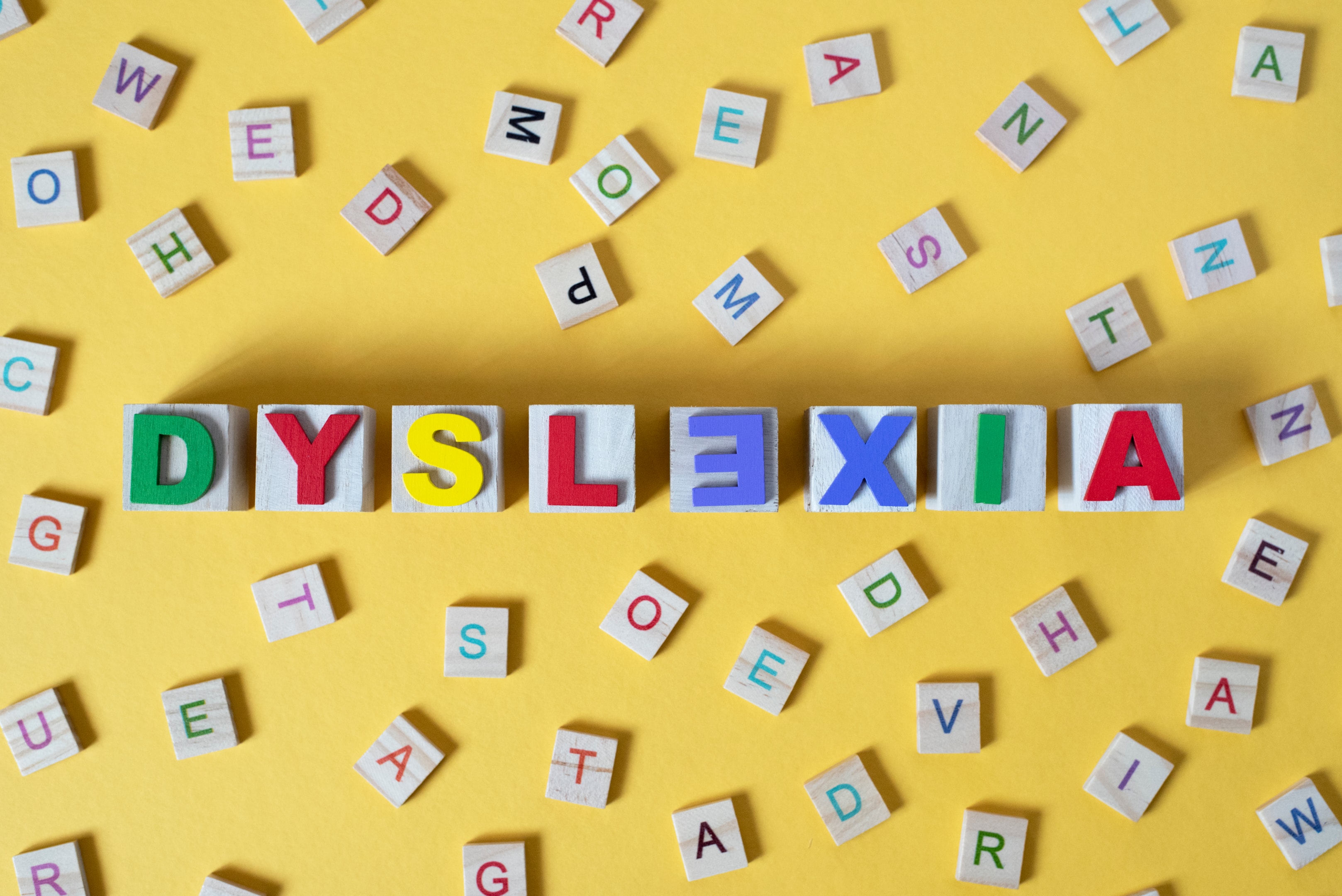
One key indicator of dyslexia is difficulty learning even when a child receives consistent, high-quality teaching. These children often fall behind in reading, spelling, and writing despite working hard. While other children start to make connections between letters and sounds, struggling learners may still be trying to recognize the alphabet or decode basic common words. This persistent gap in progress is a red flag—especially when there’s a family history of learning disorders. Teachers and parents should pay attention when a child makes limited progress, as it may point toward a need for a formal dyslexia diagnosis.
Trouble Sounding Out and Blending Words
One of the clearest early warning signs of dyslexia is trouble sounding out words and blending sounds. While most kids learn to connect letters with sounds in the early grades, children with dyslexia may show extreme difficulty forming full words from individual sounds. They might guess words based on shape or context rather than decoding them. These challenges can interfere with reading skills, spelling, and language development. Parents and teachers should note if a child avoids reading aloud or seems confused by new words, as these may be signs of a common learning disorder.
When Reading Problems Impact Confidence
As reading problems persist, they often begin to affect a child’s emotional well-being. Struggling readers may lose confidence, withdraw in class, or develop low self esteem. They may feel frustration when they can’t keep up with other children, especially as dyslexia affects tasks that seem simple to their peers, like reading common words or writing short sentences. These emotional symptoms are just as important to recognize as academic ones, especially in children who appear anxious or discouraged when faced with reading or writing assignments.
Comparing Struggling Readers to Other Children
When comparing struggling readers to other children, key differences emerge. A child with dyslexia may repeatedly misread the same word, reverse letters, or show difficulty remembering vocabulary that most of their classmates have mastered. These students often need extra time to complete tasks and may show trouble learning even with repetition. Dyslexia signs can be more noticeable when placed side by side with a peer group, especially by third grade, when more complex reading and writing skills are expected. Recognizing these disparities helps with earlier and more accurate identification.
The Role of Teachers and Parents in Noticing Early Signs
Both teachers and parents play a vital role in identifying the early signs of dyslexia. Because each child is different, it’s important to watch for consistent struggles in reading, spelling, and language development across settings. A teacher might notice that a student has difficulty following instructions or frequently confuses similar-looking letters, while a parent may observe that the child avoids books or can’t remember familiar words. Open communication between home and school makes it easier to connect patterns, raise concerns, and determine whether a child might benefit from an evaluation or early intervention.
Why Early Identification Is Crucial for Success

Early identification of dyslexia signs can make a profound difference in a child’s journey through school. When learning disorders like dyslexia are recognized early, children are more likely to receive the right support before frustration and failure set in. Early access to strategies like phonics-based instruction, extra reading time, and structured writing support can prevent long-term reading problems. For many, this is the turning point that leads to academic success. Identifying dyslexia in the early grades improves a child’s ability to build core skills and strengthens long-term confidence in learning.
Overcoming Dyslexia with the Right Support
Although dyslexia is a lifelong learning disorder, children can learn to thrive with the right support. Early intervention, personalized instruction, and supportive learning environments can help struggling readers overcome dyslexia and achieve real progress. With tools focused on phonemic awareness, structured spelling practice, and targeted reading help, children can develop essential skills despite early difficulties. Most importantly, knowing how dyslexia affects learning empowers both families and educators to take informed action that fosters growth, resilience, and educational success at every grade level.
Give Your Child the Tools for Success
If you’ve noticed any of the early signs of dyslexia in your child—such as difficulty learning letters, trouble sounding out words, or frequent reading mistakes—don’t wait. The sooner you act, the better the outcomes. Dyslexia diagnosis and early intervention open the door to customized strategies that help children succeed, especially during the critical elementary school years.
Magrid offers visual, multisensory learning tools designed to support children with diverse learning needs. Whether your child is showing early warning signs or is already one of many struggling readers, Magrid’s structured, language-free platform provides targeted help where it’s needed most.
Support your child’s learning journey today by exploring how Magrid can help transform challenges into opportunities for growth and lasting success.
How to Spot Early Signs of Dyslexia

Why Early Identification Matters
Dyslexia is the most common learning disorder among children, yet many early warning signs are missed during the first years of schooling. When early signs of dyslexia are spotted, families and educators can offer the right support at the right time. These signs often appear before a child starts school, but may go unnoticed due to the wide range of normal language development in young children. Early recognition can lead to early intervention, reducing the impact that dyslexia has on reading skills, spelling, and academic success. Identifying these difficulties early gives kids a better chance to thrive and reach their full potential.
Was sind die ersten Anzeichen einer Legasthenie?
The early signs of dyslexia are often subtle, but they can become clearer as a child begins to interact more with language, sounds, and words. These signs might include a hard time learning the alphabet, trouble recognizing rhyming patterns, or difficulty remembering familiar words. Dyslexia is a learning disorder that primarily affects the way the brain processes written and spoken language. Though most kids learn to blend sounds and develop basic reading abilities by the time they enter elementary school, those with dyslexia may show difficulty learning new vocabulary, confusion with similar-looking letters, or repeating the same word incorrectly. Noticing these patterns can help with early identification.
Recognizing Dyslexia Signs in Preschool-Aged Children
Even before a child starts school, there are dyslexia signs that parents, caregivers, and teachers can look for. In preschool, children might struggle to recognize letters, have trouble sounding out simple words, or find it difficult to speak clearly. Some may have a hard time naming familiar objects, recalling the right word, or identifying rhyming patterns in songs and stories. These early difficulties are often passed off as developmental delays, but they can be early warning signs of a common learning disorder. Children with a family history of learning disorders should be watched especially closely, as early support can make a significant difference before they reach third grade.
Early Signs of Dyslexia When a Child Starts School
When a child starts school, frühe Anzeichen von Legasthenie may become more obvious. They might have trouble learning to spell, write, or understand basic instructions. These children often struggle with reading problems despite having had similar learning experiences as other children. They may confuse common words, forget them easily, or misread the same word multiple times. These patterns point to more than just a slow start—they’re indicators of a learning disorder. Early intervention at this age group is critical, as it sets the stage for academic success. With the right support, even struggling readers can begin overcoming dyslexia before difficulties compound in later grades.
Key Dyslexia Signs Related to Language and Speech
Some of the earliest signs of dyslexia show up in a child’s ability to understand and use spoken language. A child may struggle to speak clearly, often substituting or mixing up sounds in words. Others may have a hard time recalling familiar words or naming familiar objects. These challenges can lead to confusion when learning new words or understanding the meaning behind them. Because dyslexia affects how the brain processes language, it’s important to observe how a child listens, speaks, and responds to words and instructions early on.
Signs of Dyslexia in Elementary School Children
By the time a child enters elementary school, the signs of dyslexia often become more noticeable. Kids may show difficulty learning to read despite repeated efforts and quality teaching. They might struggle with spelling, have trouble sounding out words, or mix up letters like “b” and “d.” Reading aloud can be particularly stressful, revealing reading problems and gaps in alphabet knowledge. These children may need extra time to complete assignments and may fall behind their grade level. Without early intervention, these challenges can impact academic success and contribute to low self esteem in the classroom.
Common Signs That Often Go Unnoticed
Some of the most common signs of dyslexia are mistaken for lack of effort or attention. Children may consistently make mistakes reading the same word, confuse similar-looking letters, or skip small words entirely. They might have difficulty remembering verbal instructions or mixing up the order of sounds when trying to blend sounds. These subtle symptoms are easy to overlook, especially in the early grades. However, recognizing them as part of a broader pattern of difficulties can help identify children who are struggling before their challenges grow more serious.
Difficulty Learning Despite Regular Instruction
One key indicator of dyslexia is difficulty learning even when a child receives consistent, high-quality teaching. These children often fall behind in reading, spelling, and writing despite working hard. While other children start to make connections between letters and sounds, struggling learners may still be trying to recognize the alphabet or decode basic common words. This persistent gap in progress is a red flag—especially when there’s a family history of learning disorders. Teachers and parents should pay attention when a child makes limited progress, as it may point toward a need for a formal dyslexia diagnosis.
Trouble Sounding Out and Blending Words
One of the clearest early warning signs of dyslexia is trouble sounding out words and blending sounds. While most kids learn to connect letters with sounds in the early grades, children with dyslexia may show extreme difficulty forming full words from individual sounds. They might guess words based on shape or context rather than decoding them. These challenges can interfere with reading skills, spelling, and language development. Parents and teachers should note if a child avoids reading aloud or seems confused by new words, as these may be signs of a common learning disorder.
When Reading Problems Impact Confidence
As reading problems persist, they often begin to affect a child’s emotional well-being. Struggling readers may lose confidence, withdraw in class, or develop low self esteem. They may feel frustration when they can’t keep up with other children, especially as dyslexia affects tasks that seem simple to their peers, like reading common words or writing short sentences. These emotional symptoms are just as important to recognize as academic ones, especially in children who appear anxious or discouraged when faced with reading or writing assignments.
Comparing Struggling Readers to Other Children
When comparing struggling readers to other children, key differences emerge. A child with dyslexia may repeatedly misread the same word, reverse letters, or show difficulty remembering vocabulary that most of their classmates have mastered. These students often need extra time to complete tasks and may show trouble learning even with repetition. Dyslexia signs can be more noticeable when placed side by side with a peer group, especially by third grade, when more complex reading and writing skills are expected. Recognizing these disparities helps with earlier and more accurate identification.
The Role of Teachers and Parents in Noticing Early Signs
Both teachers and parents play a vital role in identifying the early signs of dyslexia. Because each child is different, it’s important to watch for consistent struggles in reading, spelling, and language development across settings. A teacher might notice that a student has difficulty following instructions or frequently confuses similar-looking letters, while a parent may observe that the child avoids books or can’t remember familiar words. Open communication between home and school makes it easier to connect patterns, raise concerns, and determine whether a child might benefit from an evaluation or early intervention.
Why Early Identification Is Crucial for Success
Early identification of dyslexia signs can make a profound difference in a child’s journey through school. When learning disorders like dyslexia are recognized early, children are more likely to receive the right support before frustration and failure set in. Early access to strategies like phonics-based instruction, extra reading time, and structured writing support can prevent long-term reading problems. For many, this is the turning point that leads to academic success. Identifying dyslexia in the early grades improves a child’s ability to build core skills and strengthens long-term confidence in learning.
Overcoming Dyslexia with the Right Support
Although dyslexia is a lifelong learning disorder, children can learn to thrive with the right support. Early intervention, personalized instruction, and supportive learning environments can help struggling readers overcome dyslexia and achieve real progress. With tools focused on phonemic awareness, structured spelling practice, and targeted reading help, children can develop essential skills despite early difficulties. Most importantly, knowing how dyslexia affects learning empowers both families and educators to take informed action that fosters growth, resilience, and educational success at every grade level.
Give Your Child the Tools for Success
If you’ve noticed any of the early signs of dyslexia in your child—such as difficulty learning letters, trouble sounding out words, or frequent reading mistakes—don’t wait. The sooner you act, the better the outcomes. Dyslexia diagnosis and early intervention open the door to customized strategies that help children succeed, especially during the critical elementary school years.
Magrid offers visual, multisensory learning tools designed to support children with diverse learning needs. Whether your child is showing early warning signs or is already one of many struggling readers, Magrid’s structured, language-free platform provides targeted help where it’s needed most.
Support your child’s learning journey today by exploring how Magrid can help transform challenges into opportunities for growth and lasting success.
Building Working Memory in Early Childhood: Strategies for Typically Developing Learners
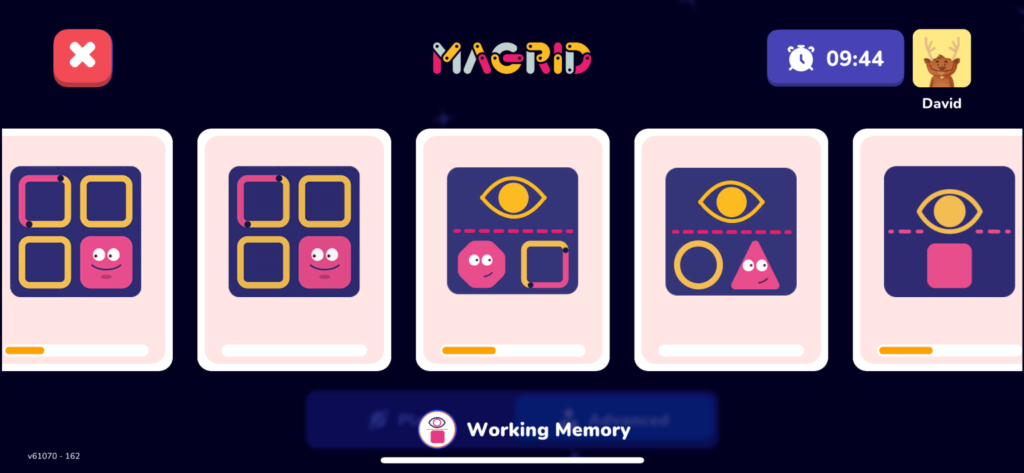
In the early years of life, children are not only learning how to count or read—they’re learning how to learn. At the heart of this process is working memory, a crucial cognitive skill that allows children to hold and manipulate information in their minds over short periods. It’s what helps a child remember the steps of brushing their teeth, follow a teacher’s multi-part instruction, or keep track of numbers in a counting game.
While often overlooked, working memory is a powerful predictor of academic success, particularly in math and literacy. For typically developing children, it plays an essential role in the transition from play-based exploration to more structured learning environments. This article explores practical, developmentally appropriate strategies educators and caregivers can use to help strengthen working memory in young learners.
What Is Working Memory and Why Does It Matter in Early Childhood?
Working memory can be thought of as a child’s mental sticky note—it helps them hold onto bits of information just long enough to use them. This might include remembering the end of a sentence while reading the beginning, holding a number in their mind while solving a simple math problem, or recalling the next step in a classroom routine.
In early childhood education, strong working memory supports attention, problem-solving, and the ability to follow directions. It’s also tightly linked with executive function, which includes skills like impulse control and task-switching. For example, a child with well-developed working memory is more likely to stay on task, remember classroom rules, and engage meaningfully in group activities.
A particularly important subtype is visuospatial working memory—the ability to hold and manipulate visual and spatial information. This skill underpins early numeracy, such as estimating quantity, recognizing patterns, and understanding shape and space. When children develop this capacity early on, they’re better equipped to engage with foundational math concepts.
Use Visual Aids and Real-Life Representations
One of the most effective ways to support working memory in young learners is through visual learning. Young children often struggle to hold verbal instructions in their minds, but visuals give them something concrete to anchor their understanding. For example, instead of simply saying “first put away your toy, then wash your hands,” a teacher might use a picture chart with simple icons showing each step. This helps children retain and act on information more reliably.
Real-life representations also help make abstract concepts more manageable. In early math, using physical objects like buttons, blocks, or fruit allows children to see and touch what they’re counting or grouping. This tangible interaction reduces the mental demand of keeping numbers in their heads and supports memory through sensory engagement.
Visual support isn’t just a supplement—it’s a strategy that taps into how young brains naturally process and retain information. Whether through labeled diagrams, storyboards, or illustrated routines, visuals help children succeed by keeping key information visible, familiar, and accessible.
Break Tasks into Smaller, Manageable Steps
Even typically developing young children can find multi-step instructions overwhelming. The more steps a task includes, the more working memory is required to complete it. A simple yet powerful strategy is breaking tasks into smaller, sequential parts and guiding children through each step clearly.
This approach—often referred to as instructional scaffolding—helps children focus on one manageable chunk of information at a time. For instance, instead of saying, “Draw your house, color it, and then write your name,” a teacher might begin with, “First, draw your house. Let me know when you’re done.” Once the first step is complete, the next instruction is introduced.
Using verbal prompts alongside physical cues (like pointing to materials or demonstrating actions) can further reduce the cognitive load. Visual checklists are also effective, allowing children to track their own progress step by step.
By simplifying the amount of information children must hold in their minds at once, educators set them up for success and build their capacity to complete more complex tasks over time.
Repetition and Rhythm to Reinforce Learning
Repetition is essential in early childhood—it’s how children build familiarity, confidence, and fluency. When it comes to working memory, repetition and rhythm help solidify neural pathways, making it easier for children to retain and retrieve information over time.
Songs, chants, and rhythmic activities are particularly powerful tools. For example, a child might learn to count to ten not by rote memorization, but by singing a catchy tune that embeds the numbers in a predictable structure. Rhymes and rhythmic patterns reduce the cognitive demand of recall and encourage automaticity, especially in group settings where repetition becomes part of the social routine.
Repetition also supports learning across different contexts. If children repeatedly practice the same memory-based skill (like sequencing or matching) in varied formats—puzzles, games, physical play—they are more likely to apply those skills flexibly. In this way, repetition becomes a bridge from short-term retention to long-term understanding.
How Magrid Strengthens Working Memory Through Playful Practice
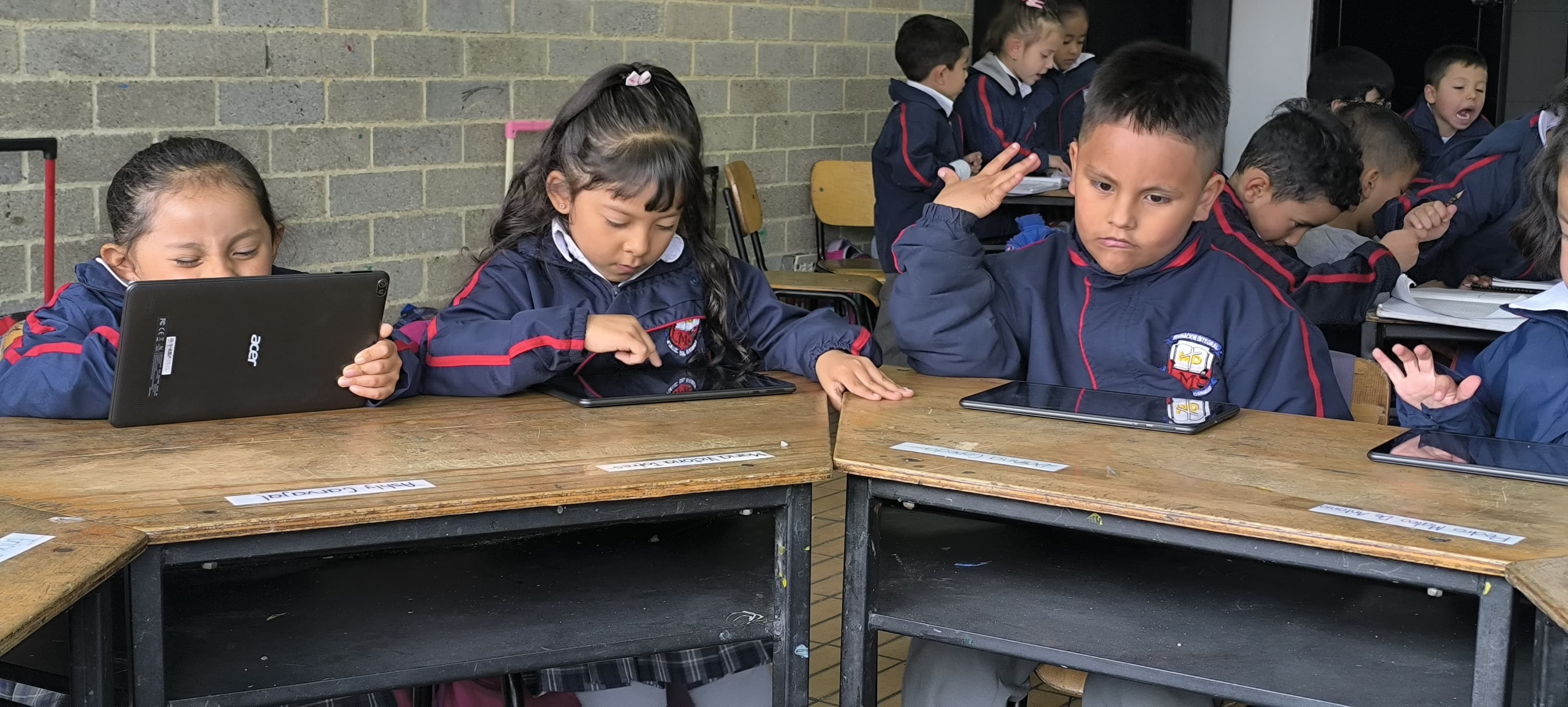
While educators can do a great deal to support working memory in the classroom, the right tools can amplify that impact. Magrid is one such tool—a research-based, inclusive learning platform that embeds working memory development directly into its math activities.
What makes Magrid unique is how it transforms abstract memory skills into engaging, accessible experiences. Its visual and language-free design eliminates unnecessary distractions, allowing children to focus entirely on the task at hand. Many of its over 3,000 activities are structured to target working memory through short, focused challenges that grow in complexity.
Here are just a few examples of how Magrid trains working memory:
- Matching Diagram Coloring requires children to observe a color pattern and then reproduce it in a different space, encouraging them to hold visual information in mind briefly before acting on it.
- Visual Color Memory presents a shape with colored sections that disappear before children must recall and select the correct placement.
- Color Fill Memory increases the challenge by requiring recall of multiple pieces of information—position, color, and order—all within a short time span.
- Character Placement Memory strengthens spatial recall by asking children to remember both what they saw and where it appeared.

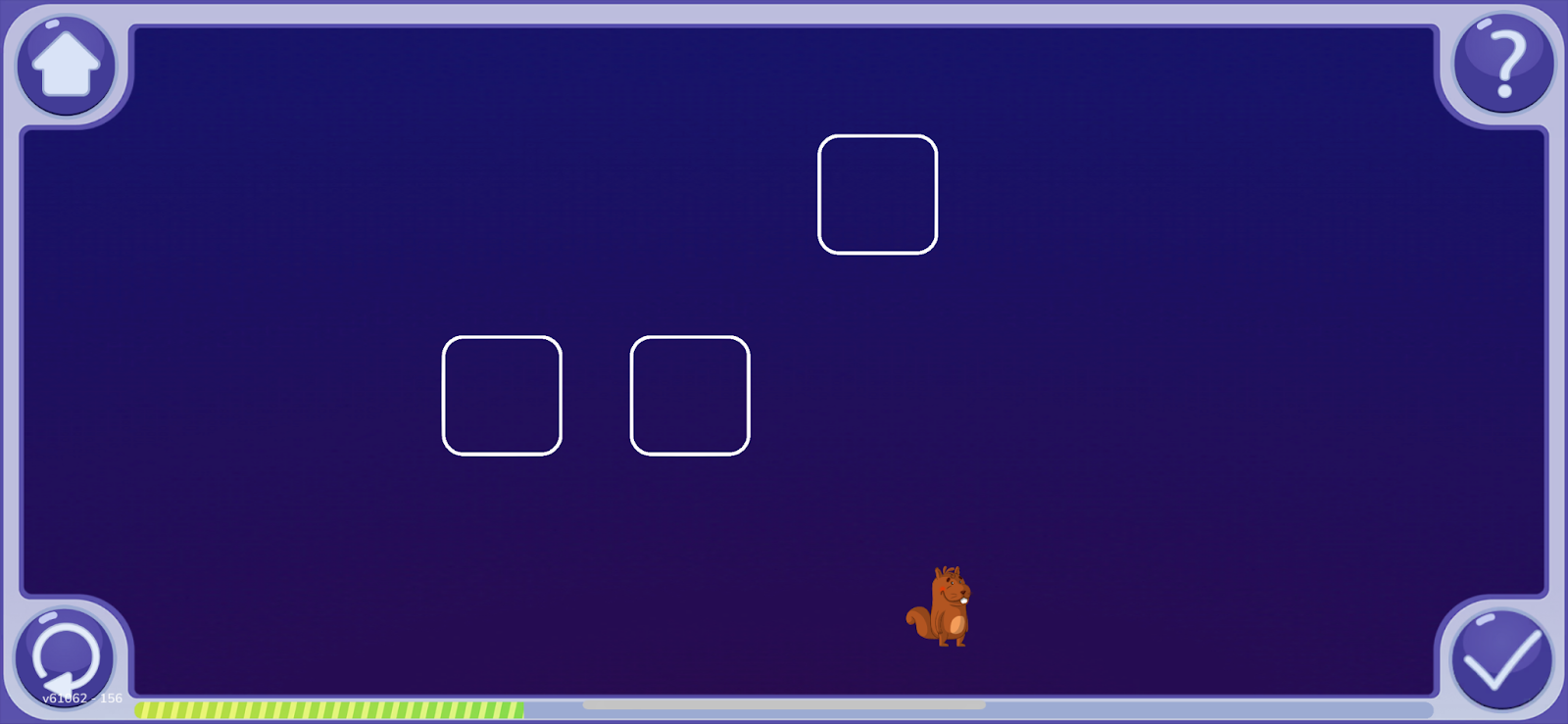
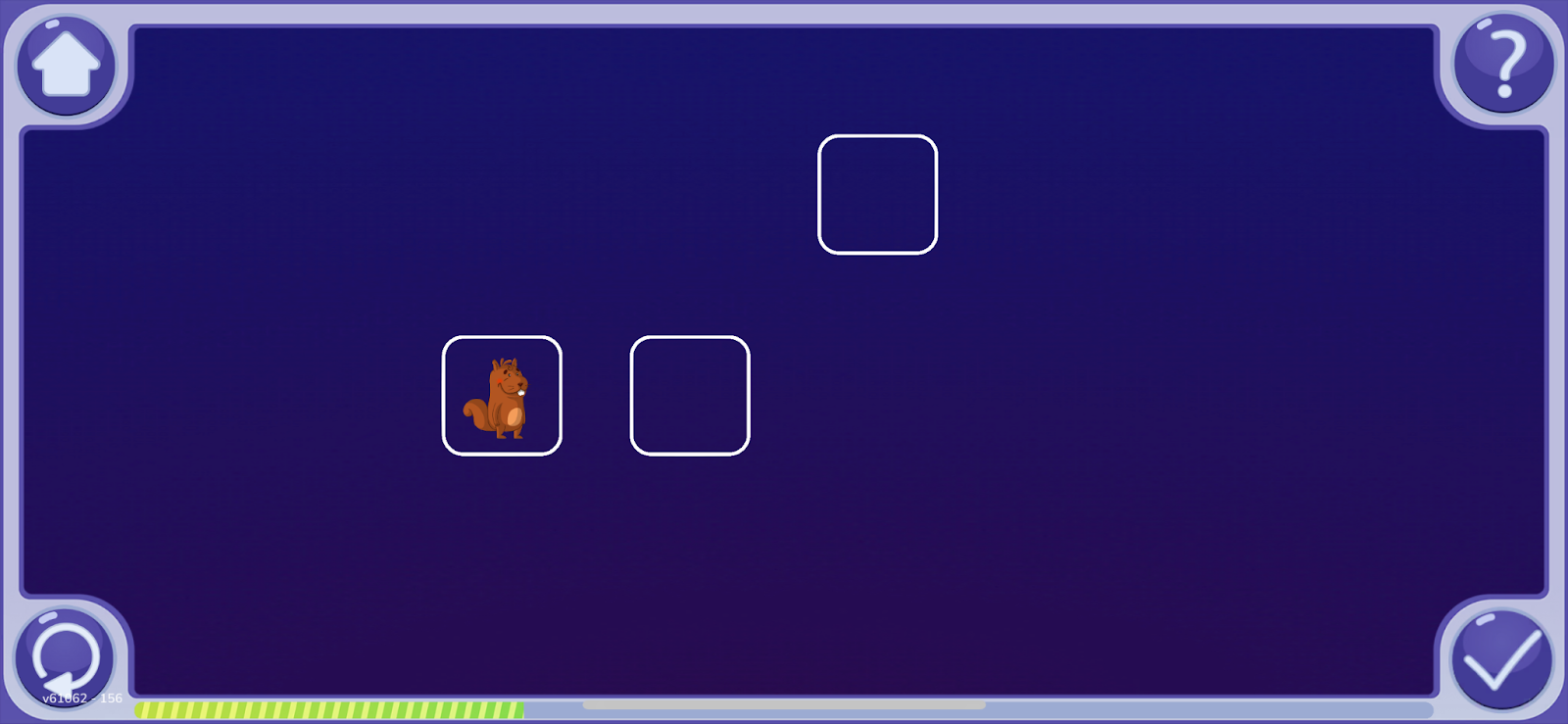
These tasks aren’t just memory drills—they’re playful, interactive, and developmentally appropriate. Magrid integrates math and memory in one seamless experience, reinforcing both cognitive and academic growth. Its self-paced structure supports children aged 4–7 and remains effective for learners with additional needs up to age 12.
For teachers, Magrid is easy to integrate into daily routines. And for children, it offers a joyful, focused way to build core cognitive skills that extend far beyond math.
Use Movement and Breaks to Refresh Cognitive Capacity
Young children have limited working memory capacity, and mental fatigue sets in quickly. To sustain attention and support memory retention, they need opportunities to reset. That’s where cognitive breaks and movement come in.
Short, purposeful pauses between tasks give the brain time to process and rest. A five-minute movement break after a focused activity can help children return with renewed attention. This doesn’t have to disrupt the flow of the day—quick stretches, freeze dances, or mindful breathing can be built right into the classroom rhythm.
Movement-based learning itself can also strengthen memory. Activities like jumping to numbered spots on the floor or using hand gestures to remember story sequences combine kinesthetic memory with visual and auditory cues. These multisensory experiences provide multiple entry points for recall and deeper engagement.
Rather than pushing through long periods of focused work, alternating between effort and rest respects the developmental needs of early learners and helps preserve working memory for when it’s needed most.
Promote Learning by Doing – Tactile and Interactive Learning
Children learn best when they’re actively involved in their own discovery. This is especially true when building working memory, which thrives on hands-on, interactive experiences.
When children manipulate physical materials—like sorting objects, building patterns, or solving puzzles—they’re not just learning about shapes or numbers. They’re also strengthening the cognitive systems that help them retain and use information in real time. For example, arranging colored blocks to mirror a model requires holding that model in mind, tracking what’s already placed, and deciding what comes next.
Interactive learning also builds engagement. Children are more likely to stay focused and complete tasks when they can touch, move, and explore. This natural motivation supports memory by sustaining attention and creating meaningful associations with the learning experience.
Whether through sensory bins, counting games, or building stations, giving children opportunities to learn by doing is one of the most effective ways to develop memory and deepen understanding.
Making Working Memory a Daily Focus in the Classroom
Working memory isn’t just a cognitive skill—it’s a foundational element of successful learning in early childhood. When children can hold and use information effectively, they’re better equipped to follow instructions, solve problems, and engage meaningfully with academic content.
The good news is that supporting working memory doesn’t require overhauling your curriculum. It starts with intentional choices: using visuals, structuring tasks into manageable parts, building in repetition and movement, and giving children opportunities to learn through action. These strategies not only improve memory—they also enhance focus, independence, and confidence.
By embedding these practices into daily classroom routines, educators can ensure that working memory development is not an add-on, but a natural and essential part of early education.
Build Better Learning Foundations with Magrid
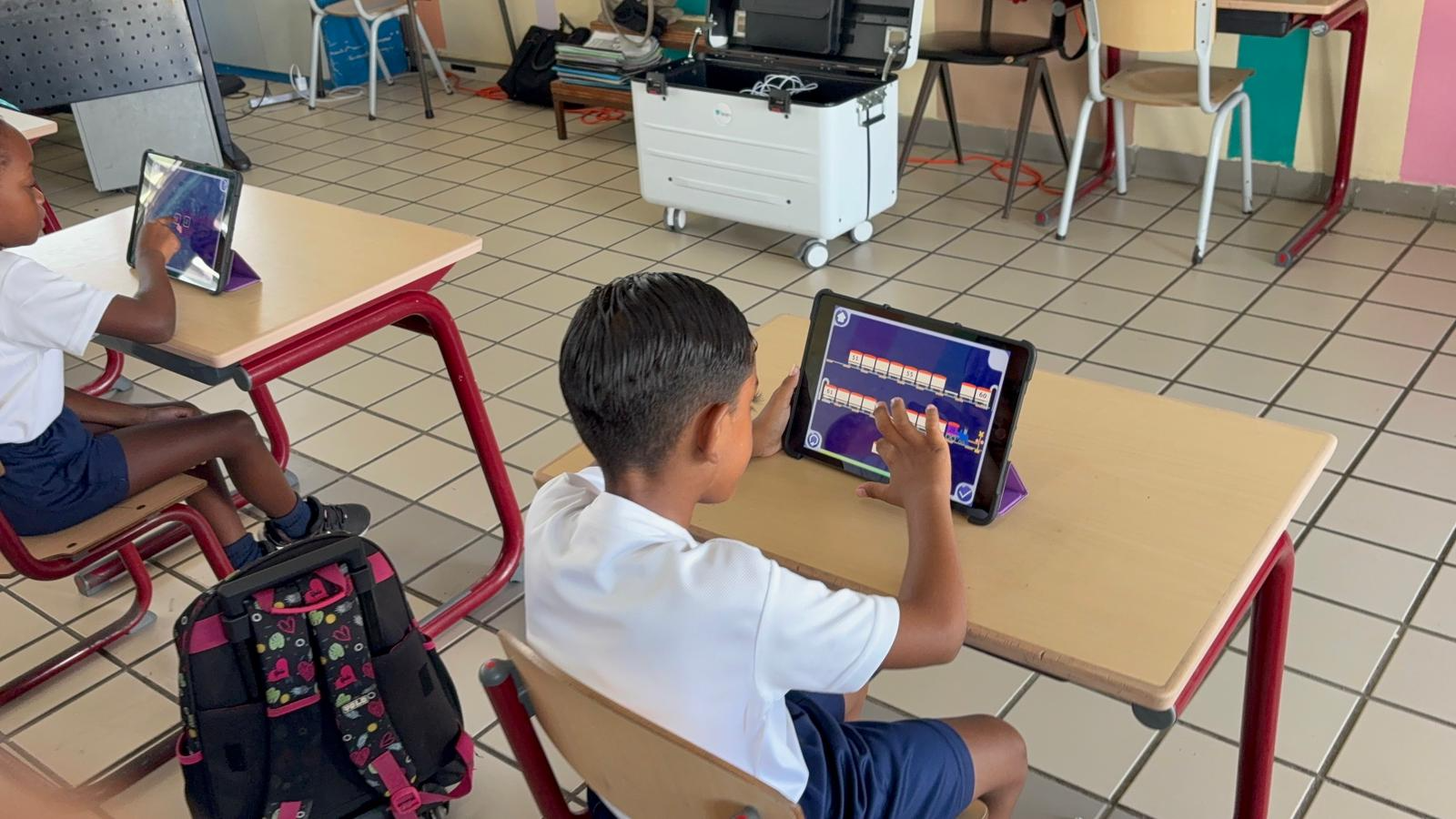
If you’re looking for a powerful way to support working memory while teaching core academic skills, Magrid offers a practical, research-backed solution. Designed specifically for young learners, Magrid turns every interaction into a memory-building opportunity—through visual tasks, interactive challenges, and developmentally aligned activities.
Whether you’re a teacher seeking tools to support all learners or a parent looking for meaningful screen time at home, Magrid provides a calm, inclusive space where children can strengthen their cognitive foundations while building confidence in math.
Besuchen Sie magrid.com to explore how Magrid can become a trusted partner in your learning environment.
Ressourcen zum Weiterlernen
- Working Memory and Learning: A Practical Guide for Teachers by Susan Gathercole & Tracy Alloway
- Harvard Center on the Developing Child – Research on executive function and cognitive development
- Magrid.com – Learn more about Magrid’s approach to math and memory
Was sind die Ursachen von Dyskalkulie? Die zugrunde liegenden Probleme verstehen

Dyskalkulie ist eine mathematische Lernstörung, die die Fähigkeit einer Person beeinträchtigt, mathematische Konzepte zu verstehen, Zahlen zu erkennen und Rechenaufgaben zu lösen. Diese Störung, die oft auch als „Mathe-Legasthenie“ bezeichnet wird, wirkt sich nicht nur auf Mathematikprüfungen aus, sondern beeinträchtigt auch alltägliche Aktivitäten wie das Ablesen von Telefonnummern, den Umgang mit Zeitbegriffen oder das Abschätzen von Entfernungen. Wenn Schüler mit grundlegenden mathematischen Fähigkeiten zu kämpfen haben, können sich ihre Mathematikangst und ihr Versagen in diesem Fach verstärken. Das Verständnis der Ursachen von Dyskalkulie ist für Lehrer, Eltern und Fachleute unerlässlich, um Kinder mit Dyskalkulie durch frühzeitige Erkennung und wirksame Maßnahmen zu unterstützen. In diesem Artikel werden wir die zugrunde liegenden Ursachen untersuchen und Möglichkeiten aufzeigen, wie sich mathematische Fähigkeiten und Lernergebnisse in Mathematik verbessern lassen.
Was sind die Ursachen von Dyskalkulie? Ein Überblick über die wichtigsten Theorien
Was sind also die Ursachen für Dyskalkulie? Zwar lässt sich nicht jeder Einzelfall auf einen einzigen Faktor zurückführen, doch zeigen Forschungsergebnisse, dass Dyskalkulie häufig auf eine Kombination aus genetischen, neurologischen und entwicklungsbedingten Einflüssen zurückzuführen ist. Entwicklungsbedingte Dyskalkulie kann bereits früh im Leben auftreten und steht möglicherweise im Zusammenhang mit Unterschieden in der Gehirnentwicklung, insbesondere im Parietallappen, der für mathematisches Denken, das Zahlenverständnis und die Verarbeitung mathematischer Fakten zuständig ist. Auch umweltbedingte und biologische Faktoren – wie das fetale Alkoholsyndrom, ein niedriges Geburtsgewicht oder das Turner-Syndrom – spielen eine Rolle. In manchen Fällen kann eine Hirnverletzung zu einer erworbenen Dyskalkulie führen. Das Verständnis dieser Ursachen von Dyskalkulie Dies hilft zu erklären, warum manche Kinder Schwierigkeiten mit Mathematikaufgaben, dem Zählen und sogar dem Verständnis grundlegender Zahlenkonzepte haben, obwohl sie in anderen Fächern über ausgeprägte Fähigkeiten verfügen.
Die Rolle der Gehirnentwicklung und -struktur
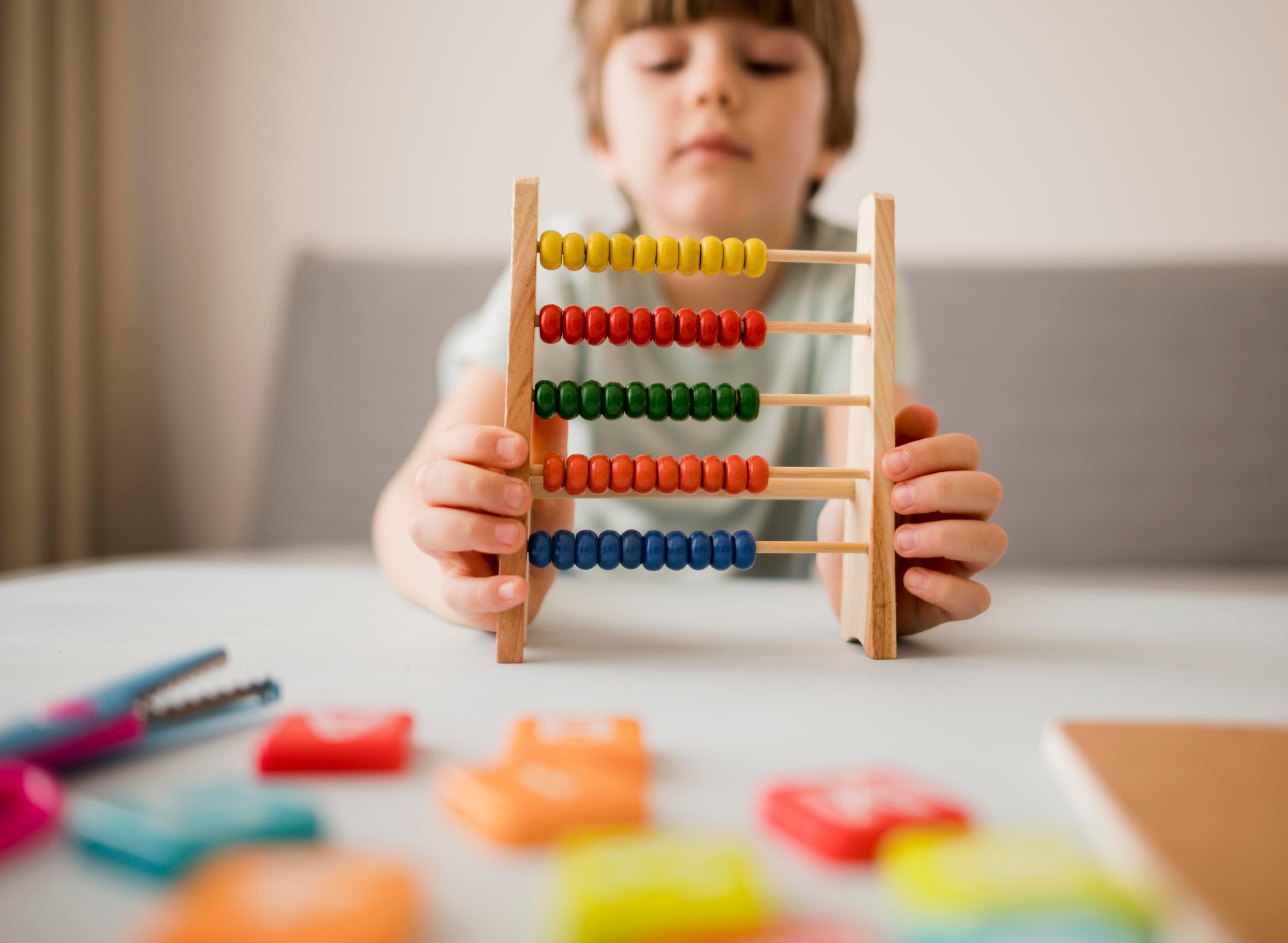
Die Entwicklung des Gehirns spielt eine entscheidende Rolle dabei, wie wir Zahlen verstehen und mit ihnen umgehen. Studien bringen Dyskalkulie mit strukturellen und funktionellen Unterschieden im rechten Parietallappen in Verbindung, einem Bereich, der für die Verarbeitung von Zahlenstrahlen, Stellenwerten und zweistelligen Vergleichen unerlässlich ist. Neben dem Parietallappen ist auch der Frontallappen am Arbeitsgedächtnis beteiligt und hilft uns dabei, Zahlen beim Lösen von Aufgaben oder beim Interpretieren von Textaufgaben im Gedächtnis zu behalten und zu verarbeiten. Unterschiede in diesen Hirnregionen können es Schülern erschweren, mathematische Grundkenntnisse schnell zu verarbeiten oder die Konzentration aufrechtzuerhalten, insbesondere beim Herausfiltern irrelevanter Informationen. Dieser neurologische Unterschied ist von zentraler Bedeutung für das Verständnis der Ursachen von Dyskalkulie und ihrer Auswirkungen auf die Lernfähigkeit eines Kindes.
Wie sich Lernschwierigkeiten auf Herausforderungen in der Mathematik auswirken
Dyskalkulie wird als spezifische Lernstörung eingestuft, genauer gesagt eine Lernstörung, die das Zahlenverständnis beeinträchtigt. Im Gegensatz zu allgemeinen schulischen Schwierigkeiten beeinträchtigt diese Lernstörung in erster Linie die Grundkenntnisse in Mathematik, mathematische Konzepte und das Zahlenverständnis, wodurch Aufgaben wie das Nachverfolgen der einzelnen Schritte bei Rechenaufgaben oder das Abrufen von Rechenregeln erschwert werden. Viele Kinder mit Dyskalkulie leiden zudem unter Begleiterscheinungen wie Legasthenie oder ADHS, was das Erlernen der Mathematik zusätzlich erschweren kann. Diese sich überschneidenden Störungen können die Fähigkeit eines Kindes beeinträchtigen, Symbole mit Mengen in Verbindung zu bringen oder Rechenaufgaben flüssig auszuführen. Das Erkennen von Dyskalkulie als echte Lernschwäche trägt dazu bei, dass in der Schule und zu Hause durch gezielte Strategien angemessene Unterstützung gewährleistet wird.
Genetik und Verwandte ersten Grades
Die Genetik kann bei den Ursachen von Dyskalkulie eine bedeutende Rolle spielen. Forschungsergebnisse deuten darauf hin, dass Kinder ein erhöhtes Risiko haben, ähnliche Schwierigkeiten zu entwickeln, wenn Verwandte ersten Grades – wie Eltern oder Geschwister – eine Lernschwäche wie Legasthenie oder Dyskalkulie aufweisen. Diese vererbten Merkmale können die Entwicklung des Gehirns beeinflussen, darunter auch die Bereiche, die für das mathematische Denken und das visuelle Gedächtnis zuständig sind. Dies kann zu frühen Schwierigkeiten mit grundlegenden Zahlenkonzepten, Rechenaufgaben oder dem Verständnis des Stellenwerts führen, noch bevor der formale Mathematikunterricht beginnt.
Entwicklungsbedingte Dyskalkulie vs. erworbene Dyskalkulie
Es ist wichtig, zwischen einer entwicklungsbedingten Dyskalkulie und einer erworbenen Dyskalkulie zu unterscheiden. Erstere tritt in der Regel bereits im Kindesalter auf und kann mit frühen neurologischen oder entwicklungsbedingten Unterschieden zusammenhängen, zu denen auch genetische Faktoren zählen können. Eine erworbene Dyskalkulie hingegen kann sich erst später im Leben als Folge einer Hirnverletzung entwickeln, die Bereiche wie den Parietallappen betrifft. Beide Formen können zu Schwierigkeiten beim Verständnis mathematischer Konzepte, beim Einprägen von Rechenregeln oder beim Interpretieren von Zahlenstrahlen führen. Das Erkennen des Unterschieds hilft Pädagogen dabei, geeignete Fördermaßnahmen auszuwählen, die auf die Fähigkeiten und den Entwicklungsstand des Kindes zugeschnitten sind.
Mathematik-Legasthenie und Schwierigkeiten beim visuellen Gedächtnis
Dyskalkulie, oft auch als „Mathe-Legasthenie“ bezeichnet, umfasst mehr als nur Schwierigkeiten mit Zahlen. Ein zentrales Problem ist ein schwaches visuelles Gedächtnis, das die Fähigkeit beeinträchtigt, Muster zu erkennen, Rechenregeln auswendig zu lernen oder Positionen auf Zahlenstrahlen zu verfolgen. Viele Schüler mit Dyskalkulie haben Schwierigkeiten, Symbole wie + und × voneinander zu unterscheiden oder zwei Ziffern in mehrstufigen Rechenaufgaben korrekt auszurichten. Diese Herausforderungen können zu Verwirrung beim Lösen von Textaufgaben oder beim Abrufen grundlegender Rechenverfahren führen. Wenn das visuelle Gedächtnis und das Arbeitsgedächtnis beeinträchtigt sind, wird der Prozess des Mathematiklernens erheblich erschwert, was zu erhöhter Frustration und Mathematikangst führt.
Die Anzeichen von Dyskalkulie bei Kindern erkennen
Das frühzeitige Erkennen der Anzeichen einer Dyskalkulie kann einen großen Unterschied machen. Kinder mit Dyskalkulie haben möglicherweise Schwierigkeiten beim Zählen, beim Auswendiglernen von Rechenaufgaben, beim Verständnis von Zeitbegriffen oder beim Schätzen von Mengen im Alltag. Oft tun sie sich schwer mit grundlegenden Zahlenkonzepten, wie zum Beispiel der Bedeutung von “mehr” oder “weniger”, und meiden möglicherweise Mathetests aus Angst vor dem Versagen. Lehrkräfte bemerken möglicherweise Probleme bei der Reihenfolge von Rechenschritten oder beim Verfolgen von Rechenvorgängen. Das Erkennen dieser Anzeichen ermöglicht eine frühzeitige Diagnose, die entscheidend ist, um die Fähigkeiten des Kindes zu verbessern und langfristige Beeinträchtigungen seiner mathematischen Fähigkeiten zu verringern.
Wie sich Mathematikangst auf das Lernen von Mathematik auswirkt

Matheangst ist eine häufige emotionale Barriere, die die Schwierigkeiten von Menschen mit Dyskalkulie noch verstärkt. Wenn Schüler Angst verspüren, wird ihr Arbeitsgedächtnis überlastet, was es ihnen erschwert, mathematische Aufgaben zu bearbeiten, den Stellenwert zu verstehen oder Rechenregeln zu behalten. Dieser emotionale Stress kann durch wiederholtes Scheitern in Mathematik, schlechte Erfahrungen bei Tests oder den Vergleich mit Mitschülern in der Schule entstehen. Mit der Zeit kann Mathematikangst zu Vermeidungsverhalten führen, wodurch der Kontakt mit mathematischen Konzepten eingeschränkt und das Erlernen der Mathematik insgesamt behindert wird. Für eine langfristige Verbesserung ist es ebenso wichtig, auf das emotionale Wohlbefinden einzugehen wie mathematische Fähigkeiten zu vermitteln.
Kinder mit Dyskalkulie im Alltag
Die Auswirkungen von Dyskalkulie reichen weit über den Unterricht hinaus. Im Alltag können Kinder mit Dyskalkulie Schwierigkeiten bei Aufgaben haben, die Telefonnummern, das Ablesen der Uhrzeit, das Abmessen von Zutaten oder das Schätzen des Wechselgelds betreffen. Diese Herausforderungen resultieren aus einem schwachen Zahlenverständnis, einem mangelnden Verständnis von Zeitkonzepten und Schwierigkeiten beim mathematischen Denken. Ohne Unterstützung kann dies das Selbstwertgefühl und die Selbstständigkeit beeinträchtigen. Selbst Freizeitaktivitäten, bei denen es um Punktestände oder räumliches Urteilsvermögen geht, können verwirrend sein. Das Bewusstsein, dass Mathematik in den Alltag eingebunden ist, hilft Eltern und Lehrkräften dabei, Kindern mit Lernstörungen wie Dyskalkulie praxisnahe Unterstützung zu bieten.
Schwierigkeiten mit mathematischen Fähigkeiten und dem Zahlenverständnis
Eines der immer wiederkehrenden Probleme bei Menschen mit Dyskalkulie ist ein schwaches Zahlenverständnis – das intuitive Erfassen von Zahlen und ihren Beziehungen. Dies wirkt sich auf grundlegende mathematische Fähigkeiten aus, wie das Vergleichen von Mengen, das Schätzen und das Verstehen des Stellenwerts. Die Schüler haben oft Schwierigkeiten mit Rechenaufgaben, dem Zählen und dem Verständnis von zweistelligen Zahlen oder Dezimalzahlen. Da sich diese grundlegenden Schwierigkeiten häufen, wird das Lernen von Mathematik immer frustrierender, insbesondere im Vergleich zu den Fortschritten in anderen Fächern. Lehrer müssen sich darauf konzentrieren, grundlegende Zahlenkonzepte zu festigen, um den Schülern zu helfen, ihr Selbstvertrauen wieder aufzubauen und ihr grundlegendes mathematisches Verständnis zu stärken.
Schwierigkeiten bei Matheprüfungen und in anderen Fächern
Kinder mit Dyskalkulie schneiden bei Mathematiktests oft schlecht ab, insbesondere bei solchen, die mehrstufige Textaufgaben, Gleichungen oder Kopfrechnen beinhalten. Diese Schwierigkeiten beschränken sich nicht nur auf Mathematik – auch Fächer wie Naturwissenschaften und Geografie, die ebenfalls mathematisches Denken erfordern, können für sie eine Herausforderung darstellen. Die Unfähigkeit, Zahlen zu verarbeiten, mathematische Grundkenntnisse abzurufen oder Daten zu interpretieren, kann das Lernen in allen Bereichen beeinträchtigen. Verschiedene Tests, die eher das konzeptionelle Verständnis als die Geschwindigkeit messen, bieten möglicherweise eine fairere Möglichkeit, den Lernfortschritt zu bewerten. Durch angepasste Bewertungsstrategien werden Schüler dabei unterstützt, ihre Fähigkeiten unter Beweis zu stellen, ohne dass dabei Mathematikangst oder Verwirrung ausgelöst wird.
Das Wichtigste auf einen Blick: Die zugrunde liegenden Ursachen verstehen

Das Verständnis der Ursachen von Dyskalkulie ist für Pädagogen, Eltern und Fachleute, die Schüler mit Lernschwierigkeiten unterstützen möchten, von entscheidender Bedeutung. Von genetischen Veranlagungen und der Gehirnentwicklung bis hin zu Umwelteinflüssen wie einem niedrigen Geburtsgewicht oder dem fetalen Alkoholsyndrom – zahlreiche Ursachen tragen zu dieser komplexen Lernstörung bei. Unterschiede im rechten Parietallappen, ein schwaches Arbeitsgedächtnis und ein beeinträchtigtes visuelles Gedächtnis beeinträchtigen die Fähigkeit eines Kindes, mathematische Konzepte zu begreifen und mathematische Fähigkeiten sowohl in der Schule als auch im Alltag anzuwenden. Bewusstsein und frühzeitiges Handeln sind entscheidend. Durch maßgeschneiderte Unterstützung und inklusive Strategien können wir allen Schülern das Lernen von Mathematik erleichtern.
Schülern helfen: Unterstützung bei Dyskalkulie mit Magrid
Wir bei Magrid sind davon überzeugt, dass jedes Kind die Mittel verdient, um erfolgreich zu sein – insbesondere Kinder mit Lernschwierigkeiten wie Dyskalkulie. Unsere visuelle, sprachunabhängige Lernplattform wurde entwickelt, um mathematische Fähigkeiten zu stärken, ein Zahlenverständnis aufzubauen und grundlegende mathematische Kenntnisse zu fördern, ohne zusätzlichen Druck auszuüben. Ob es darum geht, mathematische Konzepte zu vertiefen, das Arbeitsgedächtnis zu stärken oder Selbstvertrauen aufzubauen – Magrid bietet Kindern mit Dyskalkulie einen sicheren Raum, in dem sie sich entfalten können. Mit einem forschungsbasierten Ansatz und einem barrierefreien Design, Magrid erleichtert das Lernen von Mathematik. Unterstützen Sie Ihre Lernenden noch heute mit inklusiven, effektiven Hilfsmitteln, die speziell auf echten Erfolg in Mathematik zugeschnitten sind.